


Busano
 Plains
What to see in Busano, Piemonte, Italy: 30 km from Turin, explore the Canavese landscape, local cuisine, and festivals. Discover how to get there and when to visit.
Discover Busano
The Canavese plain spreads north from Turin in long agricultural strips, broken here and there by low morainic ridges left behind by glaciers that retreated thousands of years ago.
Busano stands at one of these transitions, where the flat fields give way to a slightly elevated terrain and the surrounding municipalities — Rivara, Valperga, Front, Favria, Oglianico, Barbania, San Ponso, and Vauda Canavese — define a ring of communities that have shared roads, markets, and administrative ties for centuries.
The village is compact, its core visible from the municipal borders on all sides.
For travellers researching what to see in Busano, the starting point is the village’s position: a comune (municipality) in the Metropolitan City of Turin, located approximately 30 kilometres (19 mi) north of the regional capital. Visitors to Busano find a settlement rooted in the agricultural and social patterns of the Canavese, with connections to surrounding villages that can be explored on the same day trip. The Busano highlights include the rural landscape of the immediate surroundings, the local architecture of the village core, and the broader Canavese food culture that defines this part of Piemonte, Italy.
History of Busano
The Canavese territory, within which Busano falls, has been inhabited since pre-Roman times.
Archaeological evidence recovered across the wider Metropolitan City of Turin area points to Ligurian and later Celtic settlements that occupied the morainic amphitheatre north of what would become the city of Turin. Roman road networks extended through this part of Piemonte, and the agricultural organisation of the land that followed Roman administrative control laid the groundwork for the dispersed settlement pattern still visible today across the Canavese plain.
During the medieval period, the area around Busano fell under the influence of the Counts of Valperga, one of the significant feudal dynasties of the Canavese.
The municipality of Valperga, which directly borders Busano, exercised control over much of the surrounding territory from its elevated position. This feudal arrangement, common across Piemonte during the eleventh to fourteenth centuries, shaped the land distribution, the parish church networks, and the organisation of local communities in ways that are still legible in the municipal boundaries drawn today.
Busano’s borders with eight neighbouring municipalities reflect centuries of negotiated divisions between these feudal domains.
The unification of Italy in 1861 brought Busano into the administrative structure of the Kingdom of Italy as part of the Province of Turin, a designation that has since evolved into the Metropolitan City of Turin. Throughout the late nineteenth and twentieth centuries, like many small Canavese municipalities, Busano experienced the pressures of rural depopulation as residents moved toward Turin and other industrial centres. The village retained its character as an agricultural comune, relying on the mixed farming typical of the Canavese lowlands.
Today it functions as a quiet residential and agricultural settlement within easy reach of Turin’s metropolitan infrastructure.
What to see in Busano, Piemonte: top attractions
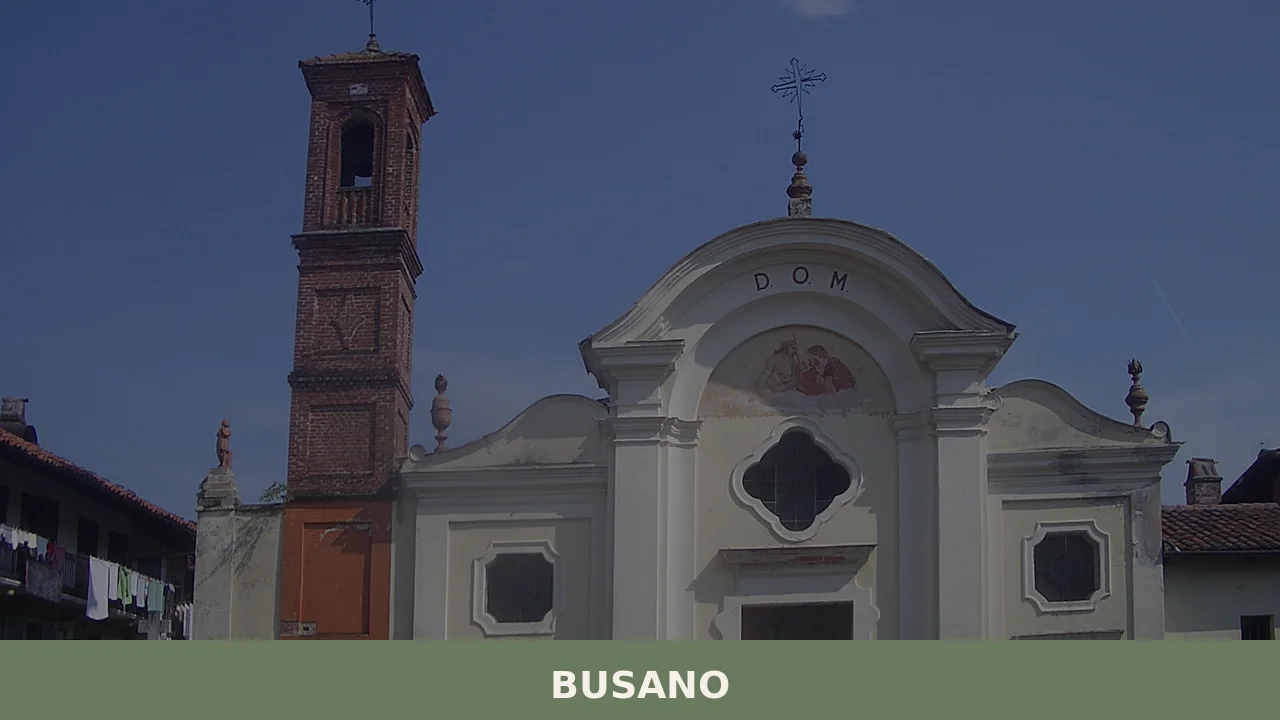
The Parish Church of Busano
The parish church forms the physical and civic centre of the village, as is typical of Canavese settlements that were organised around ecclesiastical structures from the early medieval period onward.
Its facade addresses the main communal space, and the bell tower — constructed in the local stonework tradition of the Piemontese plain — rises above the surrounding rooflines. The interior preserves votive imagery and devotional objects accumulated over several centuries of parish life. Visitors approaching from the main road will see the church tower as the first landmark of the village, and it is worth pausing at the facade before entering to observe the details of the stone courses and the proportions of the entrance arch.
The Rural Landscape of the Canavese Surrounding Busano
Within 2 kilometres (1.2 mi) of Busano’s centre, the landscape opens into the characteristic agricultural pattern of the Canavese: fields of maize and wheat divided by drainage channels, with poplar rows marking property boundaries and the distant profile of the Alps visible on clear days to the north and west. This is not an abstract backdrop but a working agricultural system that has determined the village’s economy for generations.
Walking or cycling the local roads between Busano and its neighbouring municipalities — Favria to the south, Front to the northwest, Oglianico to the northeast — gives a clear reading of how the Canavese plain functions as an integrated rural unit.
The Municipal Territory Bordering Rivara and Valperga
Two of Busano’s neighbours deserve particular attention as day extensions from the village itself.
Rivara, directly bordering Busano to the north, contains a medieval castle that has been documented in records from the eleventh century and which gives the local administrative grouping its historical name. Valperga, to the northwest, was the seat of the powerful Counts of Valperga whose feudal reach extended across much of the surrounding Canavese territory. The road between Busano and these two municipalities covers less than 5 kilometres (3.1 mi) and passes through the kind of flat Canavese landscape where distances feel short and orientation is straightforward. For those researching what to see in Busano, this corridor into the adjacent municipalities is one of the most substantive experiences available.
The Network of Canavese Roads and Villages
Busano sits at the junction of several secondary roads connecting the eight municipalities that form its borders.
This position makes it a natural waypoint on any itinerary through the lower Canavese. Barbania, which borders Busano to the west, and San Ponso to the north, are accessible within a few kilometres on roads that carry light traffic. Vauda Canavese, to the northwest, marks the edge of the heathland known as the Vauda, a protected area of moorland within the broader Piemontese landscape. Driving these connections from Busano outward gives a practical understanding of how Canavese settlements relate to each other across a territory that appears flat but is subtly shaped by the morainic geography beneath.
The Village Core and its Architectural Fabric
The built core of Busano follows the pattern of a Canavese agricultural village: a compact nucleus of two- and three-storey buildings in brick and local stone, with ground-floor spaces originally designed for agricultural storage and upper floors for residential use.
Archways, external staircases, and walled courtyards punctuate the older streets.
The brick detailing on some facades reflects the nineteenth-century construction phase that expanded many Canavese villages as the local economy shifted from pure subsistence farming to more diversified production. It is worth walking the perimeter of the historic core — a circuit of less than 1 kilometre (0.6 mi) — to observe how the building density changes from the centre toward the more recent residential expansion on the village edges.
Local food and typical products of Busano
The food culture of Busano belongs to the broader Canavese gastronomic tradition, which sits at the northern edge of the greater Piemontese culinary zone. The Canavese has historically been a territory of mixed agriculture, producing cereals, vegetables, dairy, and freshwater fish from the rivers and lakes to the north and west.
This combination — grain from the plain, dairy from the semi-mountainous fringes, and freshwater resources from the network of rivers and the nearby Lago di Candia — has shaped a cuisine that is substantial and ingredient-focused rather than elaborate in technique.
The proximity to Asti and the broader Piemonte wine and food belt means that the standards of local produce in this part of the region are consistently referenced against a demanding regional benchmark.
Among the dishes most associated with the Canavese table, risotto al Canavese is prepared with the local semi-fine rice varieties that have been cultivated in the lower Piemontese plain for centuries, finished with butter and aged local cheese rather than the cream-based finishes found in other northern Italian traditions.
Fritto misto alla Piemontese appears at family tables and local trattorie: a mixed fry that in the Canavese version can include both savoury and sweet elements, with cuts of offal, semolina-based sweets, and seasonal vegetables coated in a light batter and fried in rendered fat.
Bagna cauda, the anchovy and garlic sauce served warm in a terracotta pot for dipping raw and cooked vegetables, appears on Canavese tables from October through February, when the temperature drops enough to make the hot dip practical and the local cardoons — a thistle-related vegetable cultivated across Piemonte — are in season.
The Canavese area around Busano falls within the production zones of several Piemontese agricultural products that carry protected status at the European level. The broader Metropolitan City of Turin area participates in the supply chains for Toma Piemontese (DOP), a semi-cooked pressed cheese with a natural rind produced across a wide zone of Piemonte; and Raschera (DOP), a semi-hard cheese with a square or round format traditionally produced in the Cuneo province but recognised across the Piemontese dairy tradition.
Rice from the Piemontese plain, while not produced in Busano’s immediate agricultural zone, feeds directly into the local restaurant and home cooking tradition.
The Vercelli rice-growing district, further west, supplies much of the raw material for the risotto dishes found across the Canavese.
Local food purchasing in Busano and its neighbouring municipalities is best done at the weekly markets that circulate through the Canavese towns. Favria and Valperga both host regular markets where producers from the surrounding agricultural zone sell vegetables, cheese, cured meats, and seasonal produce.
Spring and autumn are the most productive seasons for local market shopping: spring brings asparagus, fresh cheeses, and the first vegetable crops; autumn introduces truffles from the broader Piemontese territory, cardoons, and the new wine from the Canavese DOC, a red wine denomination produced from Nebbiolo and other local grape varieties grown in the hills surrounding the plain.
Festivals, events and traditions of Busano
Like most Canavese municipalities, Busano organises its calendar of community events around the parish feast day of its patron saint.
The festa patronale brings together the village for a day that typically includes a solemn mass, a procession through the main streets, and an outdoor meal or sagra — a traditional food event — in the communal spaces. The specific date of Busano’s patron saint feast follows the liturgical calendar of the parish church, and the preparations involve the local volunteer associations that manage much of the organisational work in small Piemontese municipalities. Fireworks in the evening are standard practice across Canavese village feasts.
The broader Canavese calendar offers additional events within easy reach of Busano.
The Carnevale Canavesano tradition, celebrated in February in several neighbouring municipalities, involves historical costumes and street events that draw participants from across the territory. In autumn, the Canavese DOC wine harvest period brings informal events at local producers. For visitors planning a trip around what to see in Busano and the surrounding area, the period from late September through early November combines the grape harvest, the truffle season, and the cooler temperatures that make outdoor movement across the flat agricultural landscape comfortable.
When to visit Busano, Italy and how to get there
The best time to visit Busano and the Canavese area is spring (April to June) or autumn (September to November).
Spring delivers moderate temperatures between 14°C and 22°C (57°F and 72°F), clear skies that allow views of the Alps to the north and west, and the peak of local market activity for fresh produce. Autumn brings cooler air, the wine harvest along the Canavese DOC zone, and the truffle season that animates markets across Piemonte. Summer is workable but July and August bring heat and humidity to the plain, with temperatures sometimes reaching 34°C (93°F), and many local facilities reduce their hours.
Winter is quiet and cold, with temperatures dropping below 0°C (32°F) at night, and agricultural activity largely suspended.
Busano is located 30 kilometres (19 mi) north of Turin, making it an accessible day trip from the city. By car, take the A4 or A5 motorway from Turin and exit toward Rivarolo Canavese or Favria, then follow the secondary provincial roads north for approximately 8 kilometres (5 mi). The drive from central Turin takes between 35 and 50 minutes depending on traffic. For those travelling by public transport, Trenitalia operates regional trains from Torino Porta Susa and Torino Porta Nuova to Rivarolo Canavese, which is the nearest rail hub at approximately 7 kilometres (4.3 mi) from Busano; local bus connections cover the remaining distance.
From Milan, the journey by car takes approximately 1 hour 20 minutes (130 km / 81 mi) via the A4 motorway westbound to Turin and then north. Turin Airport (Torino Caselle), located approximately 25 kilometres (15.5 mi) southwest of Busano, is the closest international gateway; the airport sits on the same north-of-Turin axis, making it a logical first stop before driving into the Canavese.
International visitors should note that English is not widely spoken in smaller shops and municipal offices in this part of Piemonte, and carrying cash in Euros is advisable as card payment terminals are not universal in village-scale businesses.
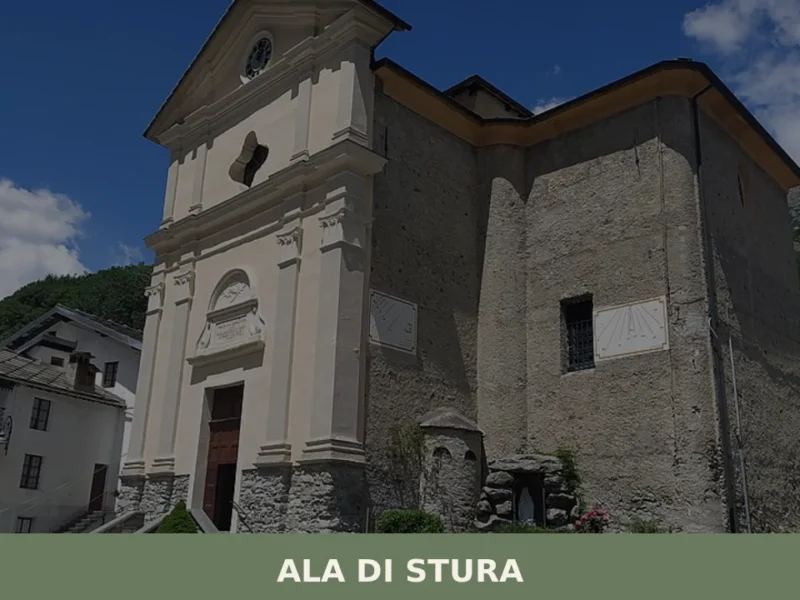
Visitors extending their stay in the area may find it useful to base themselves in Rivarolo Canavese, the nearest town with a broader range of services, and use Busano as one stop on a circuit through the surrounding municipalities. The village of Ala di Stura, further north in the Stura di Lanzo valley, offers a contrasting mountain setting for those who want to combine the flat Canavese plain with an Alpine destination within the same metropolitan area.
For travellers who have already covered what to see in Busano and want to move into the broader Piemontese territory, Andezeno, in the hills south of Turin, represents a different register of the same regional experience: a small agricultural municipality with its own local food traditions set in the vine-covered terrain of the Chieri area.
Nearby Villages near Busano
In Piedmont More villages to discover
Piverone
 Hills
Hills
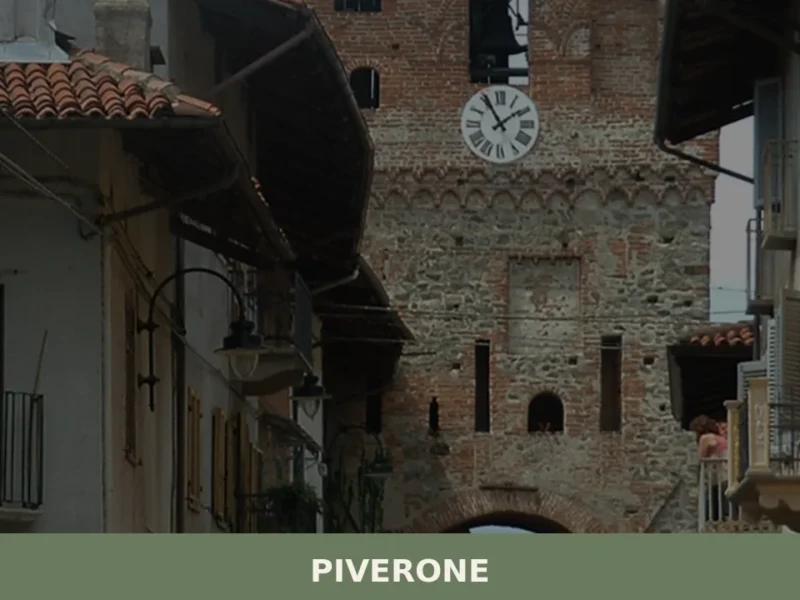
Piverone is a comune of 1,225 inhabitants in the Metropolitan City of Turin, sitting in the Canavese district of Piemonte at the foot of the Monferrato hills. Its Piedmontese name, Pivron, pronounced /pɪw’rʊŋ/, signals a linguistic heritage rooted deep in the region’s Franco-Provençal and Occitan-influenced dialects. For anyone researching what to see in Piverone, the […]
Angrogna
 Mountain
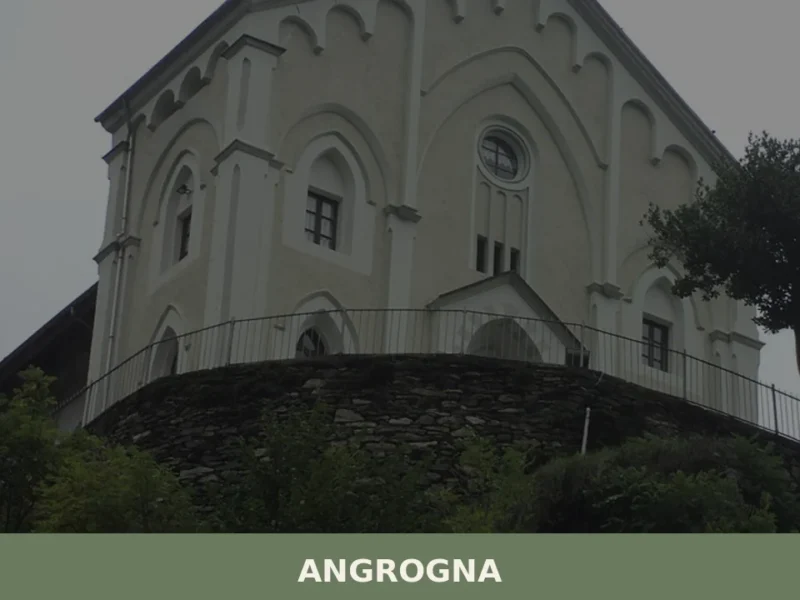
What to see in Angrogna: Chanforan, the Ghieisa d'la Tana, Waldensian trails, historic hamlets and mountain cuisine. A complete guide to the village.

Pralormo
Hills
Population 1,852. A hilltop comune marked by its 13th-century castle, a 1930s parish church sheltering Renaissance art, and a medieval tower that once guarded Asti's trade routes.
Borgiallo
Hills
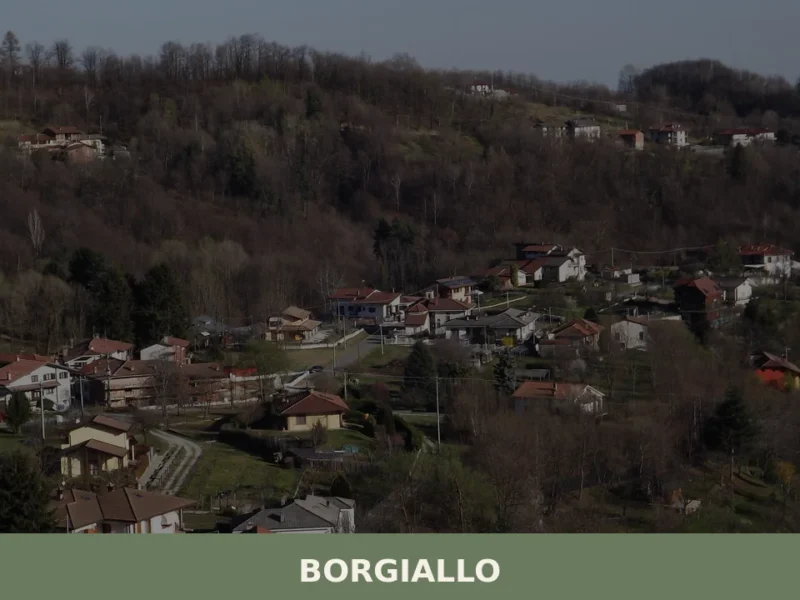
Borgiallo has 579 inhabitants and sits at 540 metres above sea level on the hills of the Valle Sacra, in the province of Turin. Travellers who take the road climbing from Castellamonte towards the Canavese uplands find a compact settlement of stone and brick houses that follow the line of the ridge. Understanding what to […]
Novara
Plains
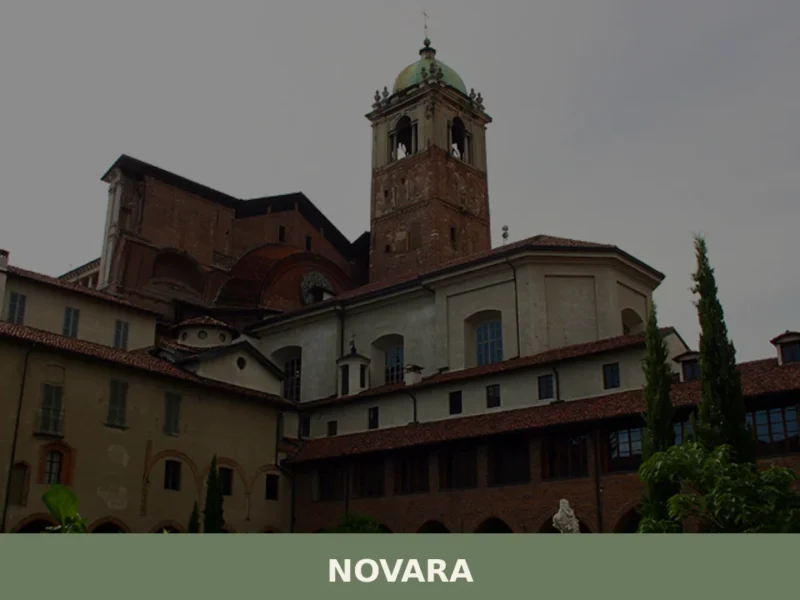
What to see in Novara: city at 162 m with 101,000 residents. Explore the Antonelli dome, 4th-century baptistery, paniscia and Colline Novaresi DOC wines.
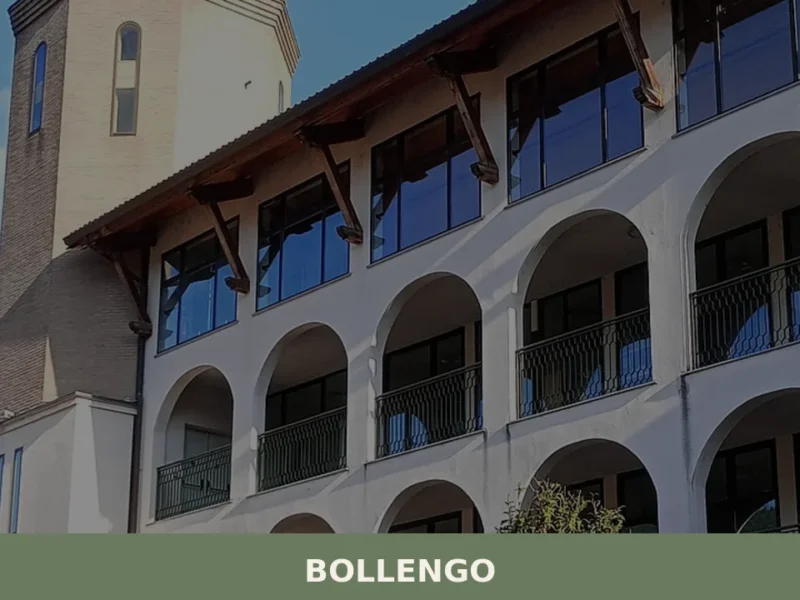
Bollengo
Hills
Discover what to see in Bollengo, a 2,089-resident comune in the Canavese area of Piemonte: morainic landscapes, Erbaluce DOCG wines, and rural architecture.
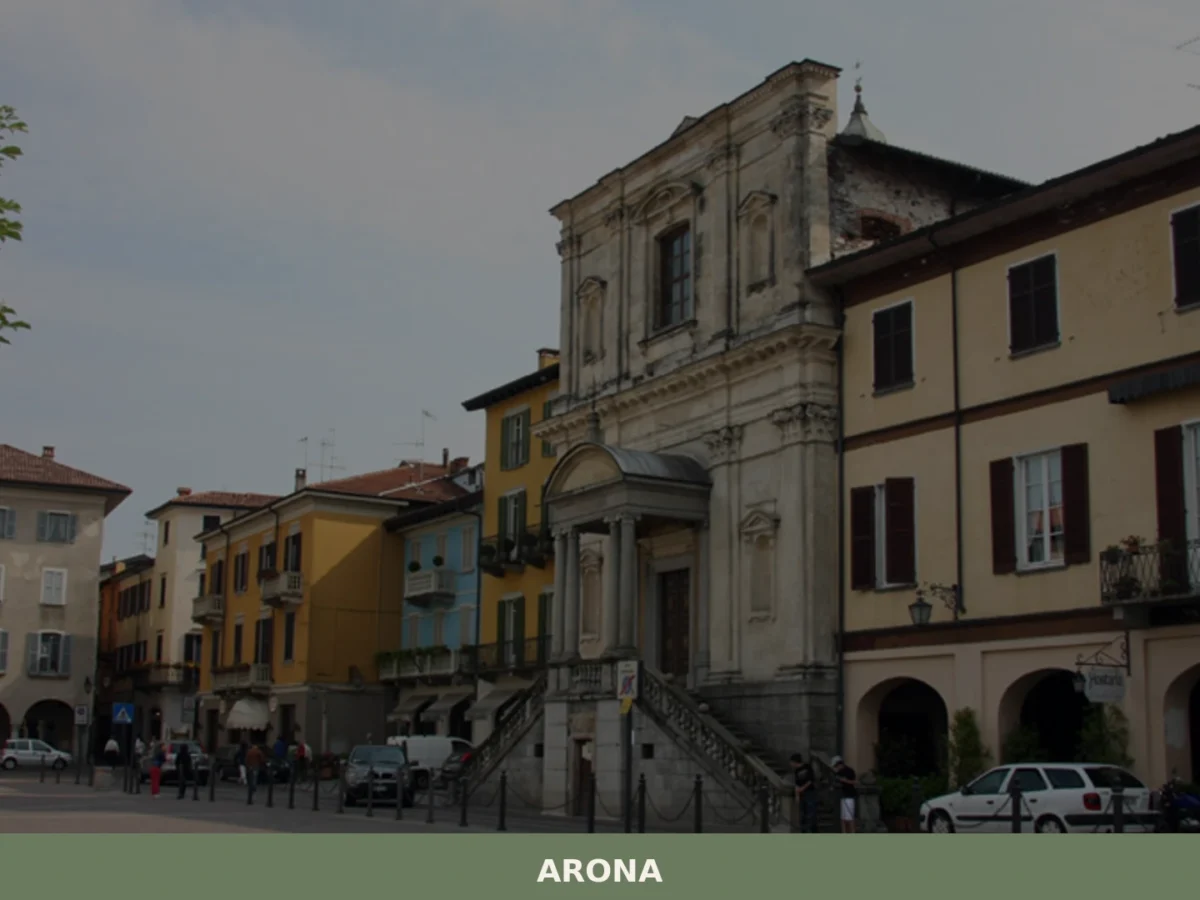
Arona
 Lake
Plains
Lake
Plains
what to see in arona, Italy: Discover Arona, a town of 13,694 inhabitants in Piemonte, home to a notable railway station. Explore this region's travel tips.

Acceglio
Mountain
Discover what to see in Acceglio, a 170-resident mountain village at the head of Valle Maira in Cuneo, Piemonte — trails, churches, alpine pastures and local food.
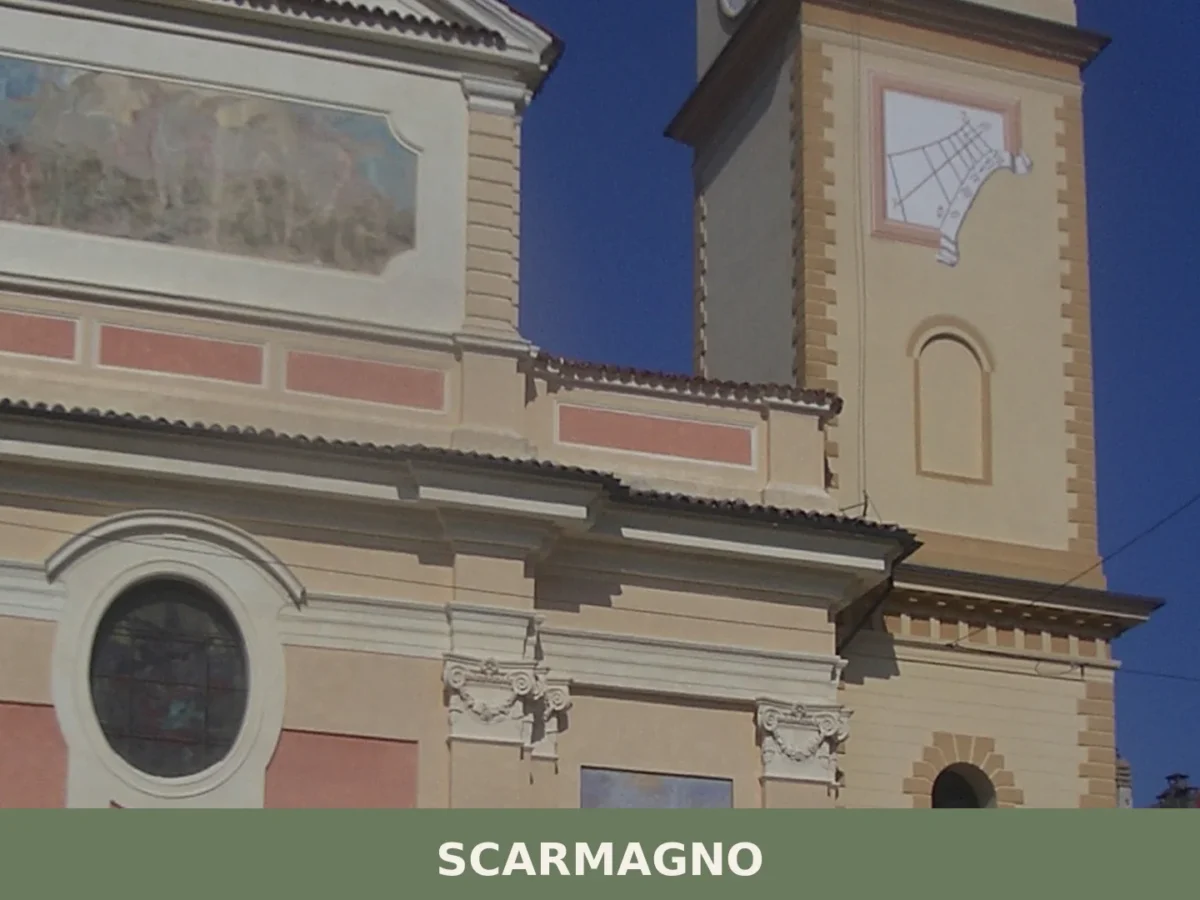
Scarmagno
Mountain
Population 796. A small Piedmontese comune where 10th-century stone chapels stand within sight of the automated Olivetti plant that once produced 200,000 computers annually.
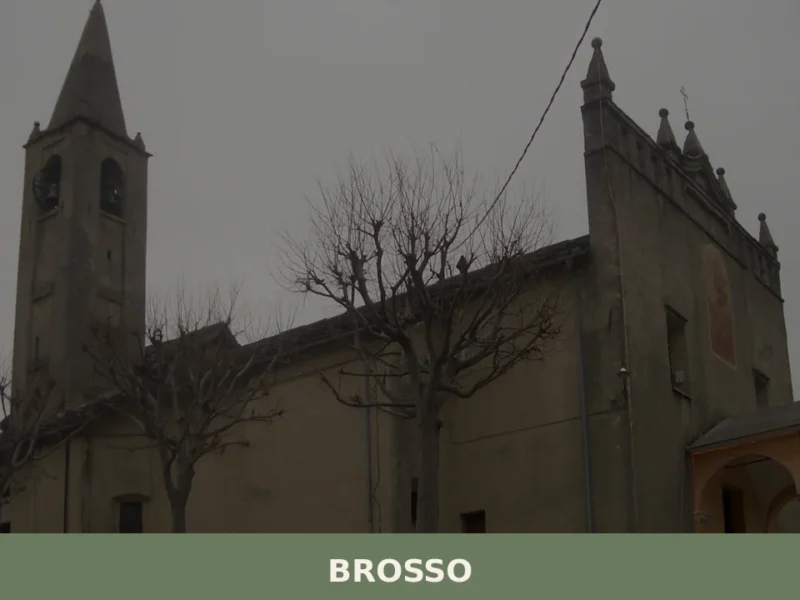
Brosso
Mountain
Brosso has a population of 391 and sits at 797 metres above sea level in the Valli del Canavese, in the province of Turin, on the south-eastern slopes of the Serra di Ivrea. The area was historically defined by mining activity — particularly iron and copper extraction — a practice that left lasting physical marks […]





🏡 Know Busano better than we do?
If you’re a local or have been there, your knowledge matters: add what’s missing or fix a detail on this page.