


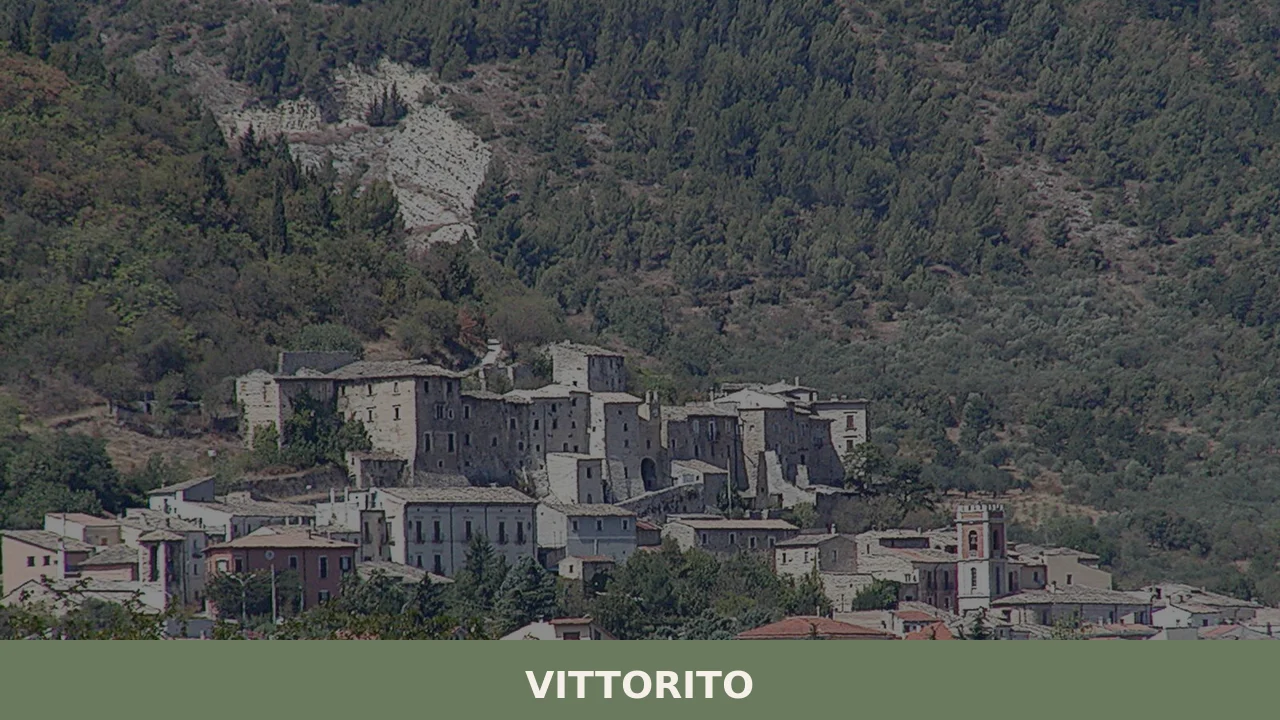
Vittorito
 Mountain
What to see in Vittorito: 5 attractions in this Abruzzo village, including the Church of San Pietro, the castle, and the historic centre. Discover the full guide.
Discover Vittorito
The Peligna valley holds Vittorito between limestone walls and valley floors cultivated with cereal crops.
The village still carries in the Abruzzese dialect the name Vëtturréitë, a phonetic form that reveals centuries of local speech embedded in the stones of the historic centre.
Nine hundred and three inhabitants, a compact profile on the edge of the plateau, and all around the spare geometry of the fields descending toward the Sagittario river.
Those looking for what to see in Vittorito will find a village in the province of L’Aquila where medieval history, religious architecture and Apennine landscape can be read at close range.
The village is part of the union of municipalities Terre dei Peligni, an area that encompasses several historic centres of inland Abruzzo.
The main attractions include the built fabric of the historic centre, the parish churches and the network of routes through the surrounding territory, all reachable on foot or by car from the inhabited core.
History and origins of Vittorito
The documented roots of Vittorito reach back to the medieval period, when the Peligna territory was traversed by feudal dynamics involving noble families and religious orders. The name in the Abruzzese dialect, Vëtturréitë, preserves traces of an archaic pronunciation that linguists trace back to phonetic transformations typical of inland Abruzzo, where vowels close and lengthen following patterns common to the central-southern area of the peninsula.
The settlement arose in a strategic position with respect to the road routes connecting the Fucino plain with the Adriatic side, along routes already used in Roman times.
During the Middle Ages the village followed the fortunes of the Peligna territory, contested between local lordships and external influences that left their mark on the urban layout and ecclesiastical heritage.
The structure of the historic centre reflects a defensive logic typical of Apennine settlements of the 14th and 15th centuries, with buildings pressed against one another to form a compact perimeter.
Membership of the union of municipalities Terre dei Peligni, a modern administrative recognition, establishes a territorial bond with nearby centres that have shared similar historical paths, including Cugnoli, another municipality in the area with medieval roots comparable to those of Vittorito.
The modern age brought gradual transformations to the local economy, oriented predominantly toward cereal farming and transhumant shepherding, activities that for centuries set the rhythms of the village.
The 19th century saw the tensions connected to the Unification of Italy and the subsequent migrations that progressively reduced the population.
Even today the 903 registered inhabitants paint a picture of a municipality that has maintained its settlement identity without significant expansion beyond the original core, preserving a morphological coherence that is rare among inhabited centres in the central Apennines.
What to See in Vittorito: Main Attractions
Historic Centre and Medieval Urban Fabric
The streets of Vittorito’s historic centre follow an irregular pattern shaped by the morphology of the plateau on which the village is built. The alleyways open onto small paved squares, with buildings in local limestone whose walls reveal layers of interventions accumulated over at least five centuries.
Walking through the medieval core, the construction phases can be clearly read: older foundations with squared ashlar blocks, nineteenth-century brick extensions, and modern openings that nonetheless do not alter the overall scale of the built environment.
It is worth walking the entire perimeter of the village before venturing into the inner alleyways, in order to understand how the village relates to the surrounding landscape.
The light of early afternoon brings out the textures of the limestone masonry and allows the finer architectural details to be distinguished.
Main Parish Church
Vittorito’s principal religious building occupies a central position within the village fabric, as is customary in the inland Abruzzo municipalities that took shape between the thirteenth and fifteenth centuries.
The worked stone façade features a portal that concentrates the most significant decorative elements, while the interior houses furnishings and paintings datable between the seventeenth and nineteenth centuries, expressions of local patronage that turned to craftsmen and painters from the Peligna area.
The dimensions of the nave reflect the needs of a community of a few hundred inhabitants, with a capacity calibrated to the village population during the centuries of greatest demographic density.
Those visiting Vittorito for the first time will find the church the most immediate landmark for orienting themselves within the historic centre.
Panorama over the Peligna Valley
From the eastern edge of the village, the view opens over the Peligna Valley, one of the most extensive intermontane basins in Abruzzo, bounded to the north by the Maiella and to the south by the spurs of the Morrone massif. The elevation of Vittorito, in the province of L’Aquila, guarantees a privileged vantage point over the valley floor where the Aterno-Pescara river flows along its upper course.
In the foreground, agricultural terraces and rows of trees marking property boundaries can be distinguished; in the background, the limestone walls of the Maiella reach elevations exceeding 2,700 metres.
The autumn period, between October and November, offers the widest visibility thanks to the clear air and the absence of summer haze.
Making one’s way to the high ground at sunset allows the mountain profiles to stand out in sharp contrast against the sky.
Civil Architecture and Historic Palaces
Vittorito’s civil built heritage includes a series of aristocratic buildings constructed between the sixteenth and eighteenth centuries by families who controlled the Peligna territory during those periods. The worked stone portals, with rusticated or simple-profile surrounds depending on the patron’s financial means, punctuate the route along the village’s main streets.
Some palaces retain inner courtyards accessible during daytime hours, with stone wells and single-flight external staircases typical of the noble rural architecture of the central Apennines.
The façades display no external pictorial decoration, but the quality of the stonework and the proportions of the openings bear witness to a well-established building culture, at least three centuries of development of local architectural models.
Routes through the Municipal Territory
The territory of Vittorito extends across a portion of the Peligna Apennines that offers hiking routes through cultivated fields, downy oak woodland and limestone outcrops.
The paths that set off from the village descend towards the valley floor in under an hour’s walk, with elevation changes ranging between 80 and 150 metres depending on the chosen route.
The vegetation changes rapidly with altitude: from the arable land of the plateau, one passes through bands of Mediterranean scrub and then into sparse woodland where oaks and hornbeams alternate.
The route heading north, in the direction of the Maiella, is manageable with good trekking footwear and offers rest stops with views over the village.
Those visiting Vittorito in spring, between April and May, will find flowering meadows and woodland at their most favourable season for walking.
Traditional cuisine and products of Vittorito
The cuisine of the Peligna area, where Vittorito is located, has its roots in a farming and pastoral tradition that for centuries shaped the choice of ingredients and preparation techniques. The village’s geographical position, in contact with the cereal-growing plain and the Apennine pastures, has produced a gastronomy based on wheat, legumes, sheep and pork.
Culinary influences come mainly from the L’Aquila area to the west and the Chieti area to the east, with a balance between the two traditions that characterises the entire Peligna valley.
Among the dishes most deeply rooted in local tradition are hand-worked fresh pasta made from durum wheat flour, particularly maccheroni alla chitarra, obtained by pressing the dough through a special frame strung with steel wires to achieve the characteristic square cross-section.
The traditional dressing calls for lamb or mutton ragù, meats that transhumant shepherding has historically made available in this part of the central Apennines.
Legume soups, made with lentils, grass peas and beans grown on local smallholdings, represent another cornerstone of the village’s everyday cuisine. Pork is processed into seasonal preserves such as sausages and ventricina, prepared in the winter months according to methods passed down through generations.
The official certification database does not list any DOP, IGP or PAT products specifically attributed to the municipality of Vittorito.
Local cuisine expresses itself through uncertified but documented preparations within the Peligna gastronomic tradition: aged pecorino produced in the surrounding mountain pastures, fresh cheeses made from sheep’s milk consumed during production seasons, and sweets based on honey and almonds tied to the liturgical calendar.
The area sits in a transitional zone between the dairy traditions of the Alto Sangro and those of the Marsica, with intermediate characteristics recognisable in the bold flavour of hard cheeses.
Local festivals and patron saint celebrations represent the main occasion on which traditional cuisine becomes public and accessible to visitors as well.
In summer, the municipalities of the Terre dei Peligni union organise gastronomic events that promote local products, with stands dedicated to fresh pasta, roasted sheep meat and traditional Abruzzese sweets.
Ortona dei Marsi, another municipality in the Abruzzese mountain area, also shares part of this pastoral gastronomic tradition, with lamb and pecorino-based preparations similar to those of the Peligna territory.
Festivals, events and traditions of Vittorito
The liturgical calendar still marks public life in Vittorito today through celebrations linked to the patron saint, which fall according to the traditional Catholic calendar of the Peligna area.
Processions wind through the streets of the historic centre with the participation of residents and those who have returned for the occasion, a rite that retains the community-gathering function it held in previous centuries.
The music of local bands and evening fireworks complete the programme of patron saint festivities, following a structure common to many municipalities in inland Abruzzo.
Traditions tied to the agricultural and pastoral cycle have left traces in the seasonal rites that some families in the village continue to observe, particularly in the processing of pork in winter and in spring cheese production.
Summer brings visitors from the Abruzzese coastal areas and from outside the region, drawn by the altitude and cooler climate compared to the Adriatic coast.
Against this backdrop sit the cultural initiatives promoted by the Terre dei Peligni municipal union, which organises events spread across the various centres of the district during the summer months.
When to Visit Vittorito and How to Get There
The best time to visit Vittorito falls between May and October, with a preference for spring and autumn when the temperatures of the Peligna Apennines are most favourable for exploring the historic centre and walking through the surrounding area. In July and August the village sees a greater number of visitors, yet the days remain manageable compared to the region’s coastal destinations.
Those who prefer the quiet and the raking light of autumn will find in September and October the ideal conditions for photographing the architecture and walking the trails amid more intensely coloured vegetation.
To reach Vittorito by car from the A25 Torano–Pescara motorway, the reference exit is the Cocullo toll station, approximately 8 kilometres from the village.
From L’Aquila the distance is around 45 kilometres, covered in under an hour. The nearest railway station is in Sulmona, about 12 kilometres from the village: from there you continue by car or local transport services.
For those travelling from outside the region, the Abruzzo International Airport in Pescara is approximately 90 kilometres away and is the main hub for domestic and international flights. It is advisable to check local transport timetables and availability on the municipality’s official website before departure.
| Departure point | Distance | Estimated time |
|---|---|---|
| Sulmona (railway station) | approx. 12 km | approx. 15 minutes by car |
| L’Aquila | approx.
45 km |
approx. 50 minutes by car |
| Pescara Airport | approx. 90 km | approx. 1 hour 15 minutes by car |
| Rome (A25, Cocullo exit) | approx. 160 km | approx. 2 hours by car |
Those planning an itinerary through the province of L’Aquila can complement a visit to Vittorito — exploring what to see in Vittorito and its surroundings — with a stop at Barisciano, a municipality in the L’Aquila area with a well-preserved medieval historic centre and an elevated position that offers views over the Campo Imperatore plateau. The two villages belong to the same province and share comparable settlement characteristics, with historic cores built in limestone and a direct relationship with the surrounding Apennine landscape.
Frequently asked questions about Vittorito
What is the best time to visit Vittorito?
Vittorito offers distinct experiences throughout the year. Spring (April-May) is ideal for hiking, with flowering meadows and lush woodlands, making it the most favourable season for walking the municipal routes. Autumn (October-November) provides exceptional visibility for panoramic views of the Peligna Valley due to clear air and absence of summer haze. The patron saint's feast, San Biagio vescovo e martire, is celebrated on February 3rd, offering a glimpse into local traditions during the quieter winter months. Summer (June-September) is suitable for exploring the historic center and enjoying gastronomic events organized by the Terre dei Peligni union, though temperatures can be warm.
What to see in Vittorito? Main monuments and landmarks
In Vittorito, explore the medieval historic center, characterized by irregular alleyways and buildings in local limestone reflecting centuries of construction. The Main Parish Church, centrally located, features a significant worked stone portal and houses 17th-19th century art; it serves as a key landmark for orientation. Don't miss the breathtaking panoramic view over the vast Peligna Valley from the eastern edge of the village, offering a privileged vantage point of the Aterno-Pescara river and surrounding mountains. Discover civil architecture, including aristocratic palaces from the 16th-18th centuries, some with accessible inner courtyards. Access to these sites is generally free, with churches open during daylight hours or for religious services.
What are the main natural or scenic attractions of Vittorito?
Vittorito's main natural attractions center around its position in the Peligna Apennines. The village offers a breathtaking Panorama over the Peligna Valley from its eastern edge, providing expansive views of agricultural terraces, the Aterno-Pescara river, and the limestone walls of the Maiella massif. Additionally, the municipal territory provides various Routes through cultivated fields, downy oak woodlands, and limestone outcrops, suitable for hiking. Paths that set off from the village descend towards the valley floor in under an hour's walk, with elevation changes between 80 and 150 meters, including a notable route heading north towards the Maiella.
Where to take the best photos in Vittorito?
For captivating photos in Vittorito, head to the eastern edge of the village at sunset to capture the dramatic mountain profiles of the Peligna Valley silhouetted against the sky. The historic center itself is highly photogenic, especially in the early afternoon when the light accentuates the textures of the limestone masonry and architectural details of the medieval buildings. Consider walking the entire perimeter of the village first to capture its compact profile and relationship with the surrounding Apennine landscape. The irregular alleyways and small paved squares within the medieval core also offer charming frames for unique shots.
Are there museums, churches or historic buildings to visit in Vittorito?
Vittorito features several historic buildings and a significant church. The Main Parish Church is a central religious building with a worked stone façade and interior art dating from the 17th to 19th centuries, reflecting local patronage. The historic center itself is a living testament to its past, with its medieval urban fabric, limestone buildings, and ancient foundations. Scattered throughout the village are aristocratic Civil Architecture and Historic Palaces, constructed between the 16th and 18th centuries, some retaining inner courtyards and stone wells, typically accessible during daytime hours. There are no specific museums mentioned in the provided data.
What can you do in Vittorito? Activities and experiences
In Vittorito, you can immerse yourself in nature and local culture. Explore the surrounding Peligna Apennines through various hiking routes that traverse cultivated fields, woodlands, and limestone outcrops, ideal for walks lasting under an hour with moderate elevation changes. Indulge in traditional Peligna cuisine, savoring local specialties like hand-worked maccheroni alla chitarra with lamb or mutton ragù, hearty legume soups, and artisanal pork preserves such as sausages and ventricina. During summer, look out for gastronomic events organized by the Terre dei Peligni union, promoting local products and traditional Abruzzese sweets, making cuisine a public experience.
Who is Vittorito suitable for? Families, couples, hikers, solo travelers?
Vittorito is ideal for travelers seeking a tranquil, authentic Abruzzese experience away from mass tourism. It's particularly suited for hikers and nature lovers, offering accessible routes through the Peligna Apennines and panoramic views. Cultural enthusiasts will appreciate its well-preserved medieval historic center, religious architecture, and civil palaces. Couples can enjoy romantic strolls through the historic core and peaceful moments amidst the landscape, while solo travelers will find a serene environment for reflection and exploration. Families can also enjoy the quiet village atmosphere and gentle nature walks, making it a destination for those valuing history, tradition, and natural beauty.
What to eat in Vittorito? Local products and specialties
Vittorito's gastronomy is deeply rooted in farming and pastoral traditions of the Peligna area. Key specialties include hand-worked fresh pasta like maccheroni alla chitarra, typically served with rich lamb or mutton ragù. Hearty legume soups, made with locally grown lentils, grass peas, and beans, are also a staple. Pork is processed into seasonal preserves such as sausages and ventricina, prepared using methods passed down through generations. Local dairy products include aged pecorino from surrounding mountain pastures and fresh sheep's milk cheeses. Sweet treats based on honey and almonds are often tied to the liturgical calendar. While these are traditional, no DOP, IGP, or PAT certifications are specifically attributed to Vittorito.
📷 Photo Gallery — Vittorito
Nearby Villages near Vittorito
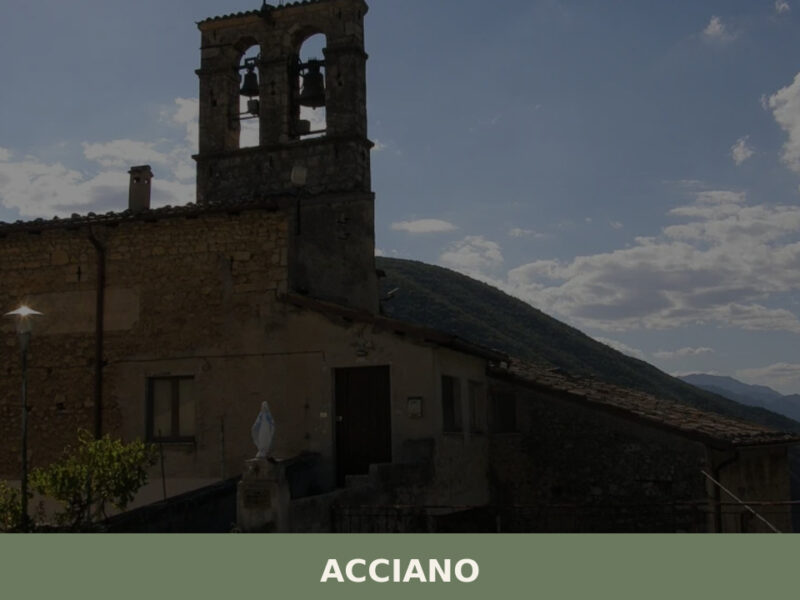
In Abruzzo More villages to discover
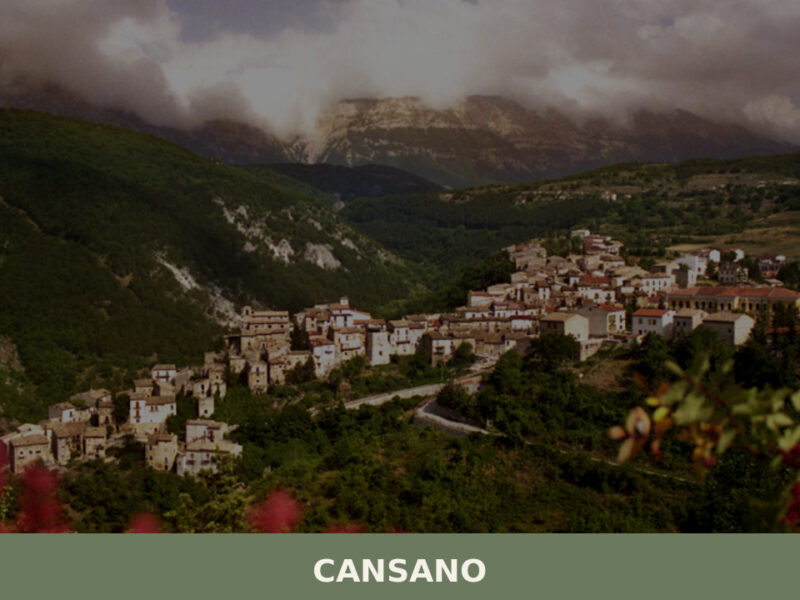
Cansano
Mountain
A guide to Cansano in Abruzzo — its Roman archaeological site of Ocriticum, medieval stone centre, Majella trails, and pastoral food traditions at 835 metres.
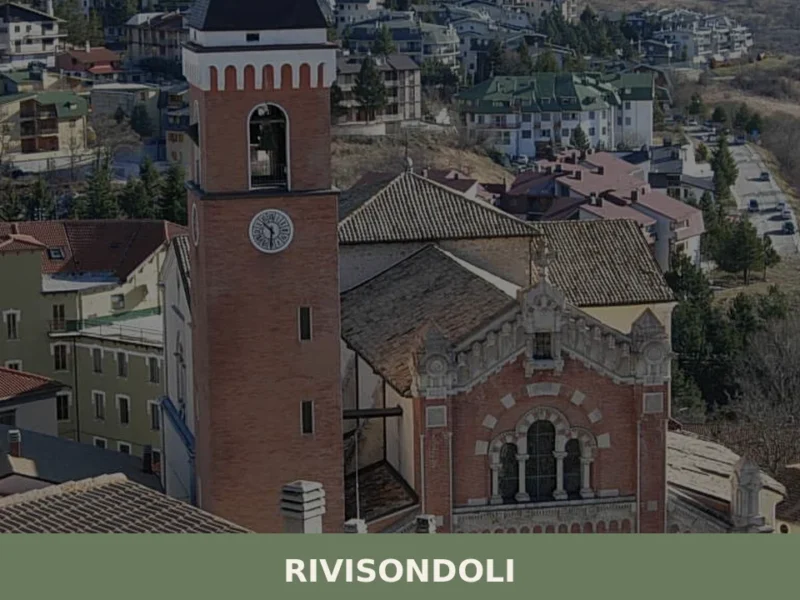
Rivisondoli
Mountain
What to see in Rivisondoli, Italy: ski slopes, medieval history since 724 AD, and mountain cuisine. Explore this 684-resident Abruzzo village. Discover it now.
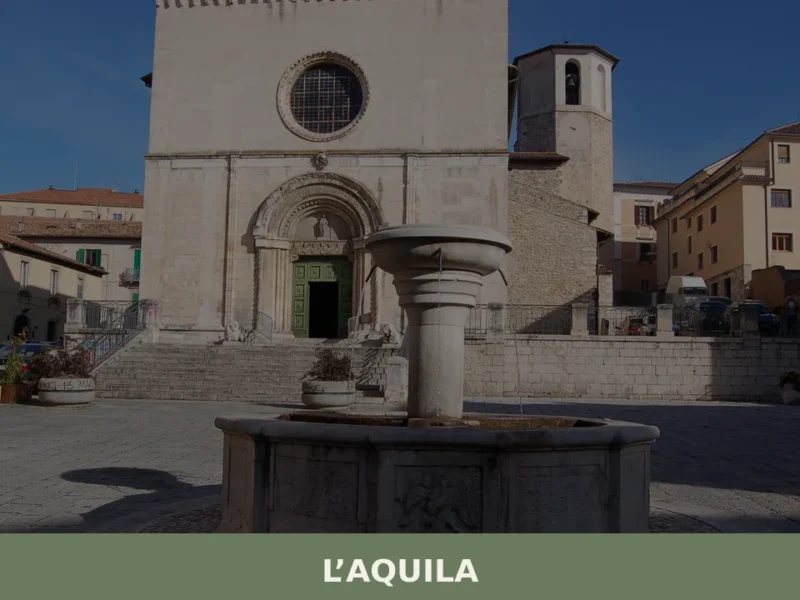
L’Aquila
 Lake
Mountain
Lake
Mountain
what to see all'Aquila: 5 attractions storiche, prodotti PAT e consigli pratici per visitare la città abruzzese a 714 m s.l.m. Pianifica il tuo itinerario.
Borrello
Mountain
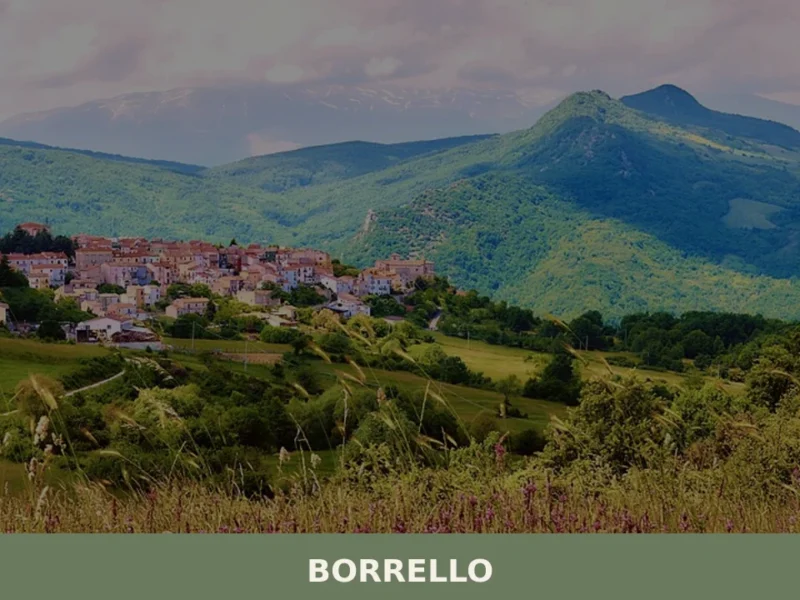
At 804 metres above sea level, on the eastern slope of the Majella massif, 338 inhabitants watch over a settlement that in the eighteenth century counted more than two thousand residents. Anyone looking into what to see in Borrello will find a territory shaped more by geology than by human hands: the Cascate del Verde, […]
Sant’Eufemia a Maiella
Mountain
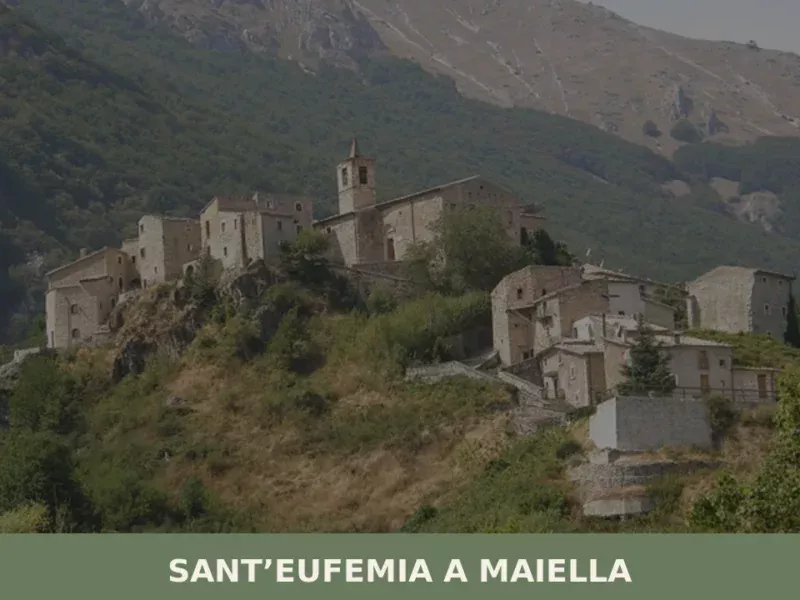
Scopri le 5 attrazioni imperdibili di Sant'Eufemia a Maiella, un pittoresco borgo dell'Abruzzo tra natura, storia e tradizioni montane.
Canosa Sannita
 Hills
Hills
At 231 metres above sea level, on the plain that opens between the Maiella massif and the Teatine coast, Canosa Sannita is home to 1,268 inhabitants spread across an agricultural landscape where the cultivation of vines and olive trees marks the rhythm of the seasons. The village’s very name carries a precise indication: a reference […]
Poggiofiorito
 Sea
Sea
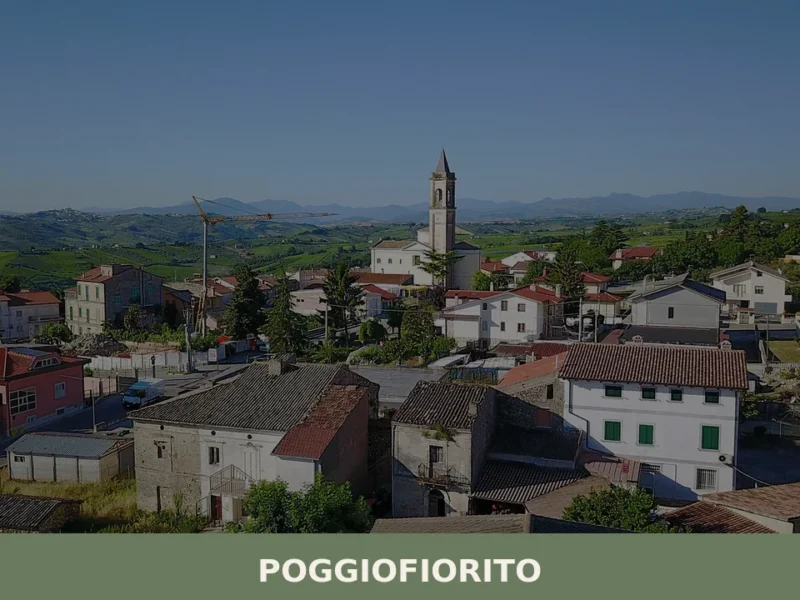
What to see in Poggiofiorito: 5 attractions in this Abruzzo village, from the main church to the historic centre. Discover the complete visitor's guide.
Catignano
Hills
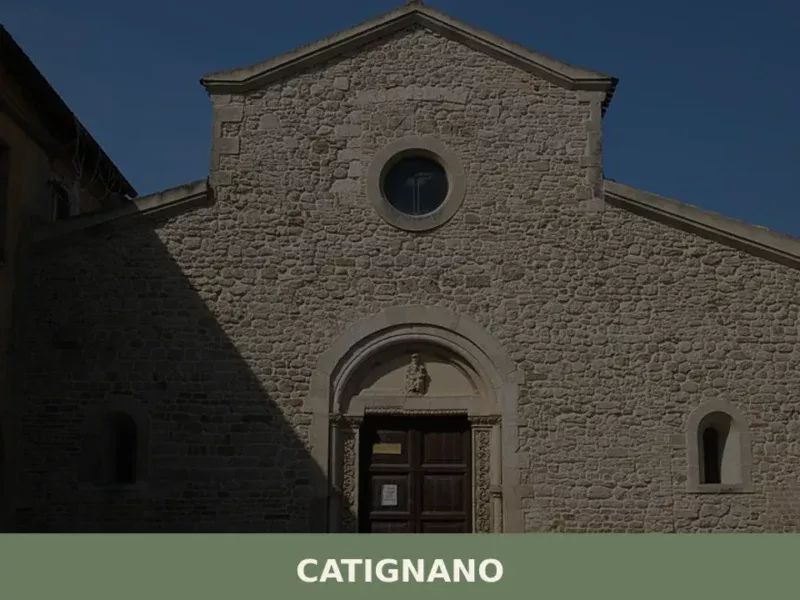
Catignano has a current population of 1,227, spread across a hilly territory at 365 metres above sea level in the province of Pescara. The municipality extends along a ridge separating the Nora and Cigno valleys, two watercourses that flow into the Pescara river. Those looking for what to see in Catignano will find a rural […]
Roccamorice
Mountain
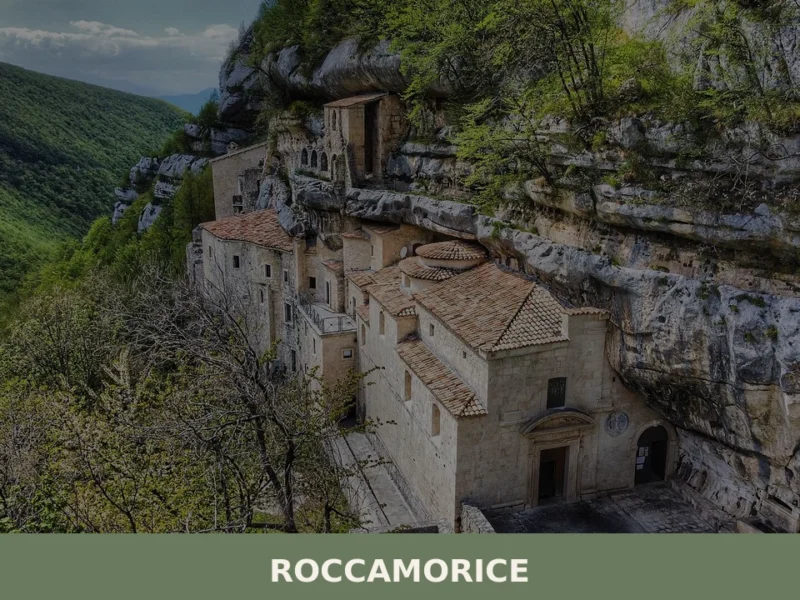
What to see in Roccamorice, Italy: discover rock-cut hermitages, the Majella National Park, and unique river-carved landscapes. Explore Abruzzo.
Fara Filiorum Petri
Hills
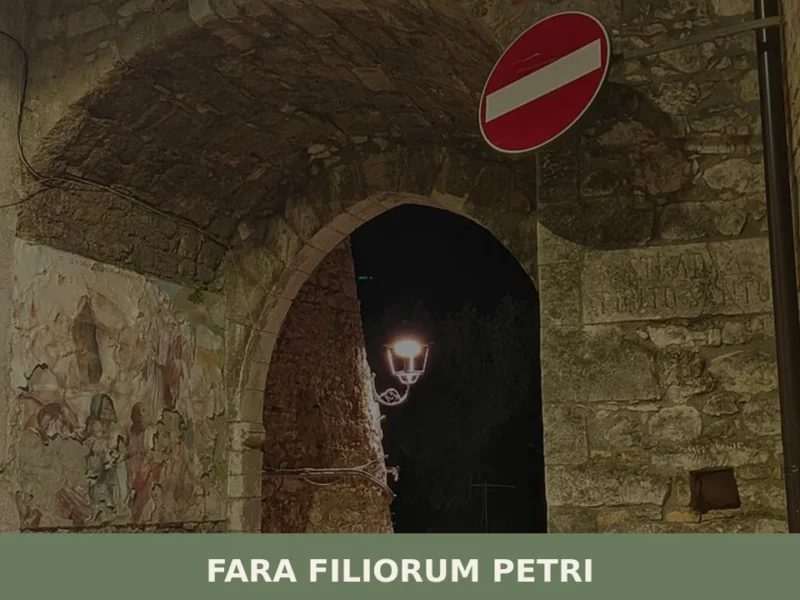
Fara Filiorum Petri, a municipality in the province of Chieti with 1,942 inhabitants, stands at 227 meters above sea level. The toponym itself, of complex origin, suggests historical layering: “Fara” refers to Lombard settlements, while “Filiorum Petri” is linked to the feudal family of Filiorum Petri, who held control in subsequent eras. This duality names […]
🧀 Italian traditional products


🏡 Know Vittorito better than we do?
If you’re a local or have been there, your knowledge matters: add what’s missing or fix a detail on this page.