


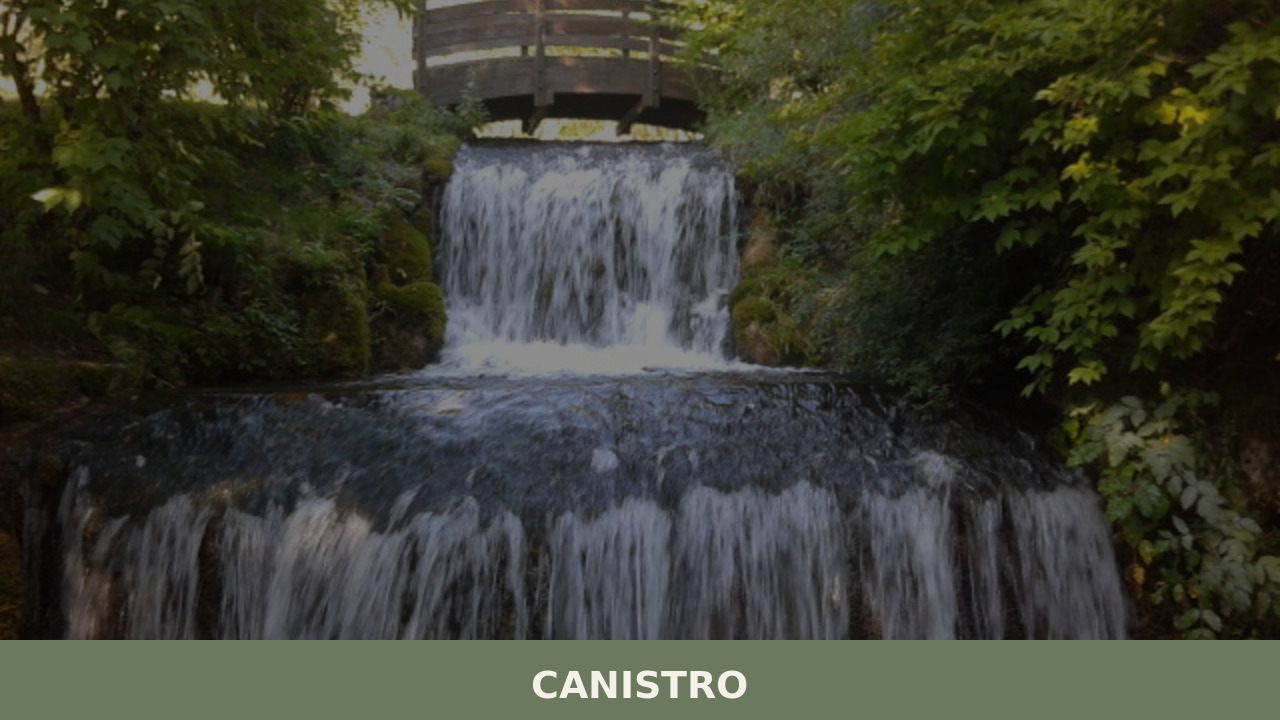
Canistro
 Mountain
A village of mineral springs and stone alleys split between two elevations in the Valle Roveto. Here is what to see in Canistro, Abruzzo.
Discover Canistro
Morning light falls across the Valle Roveto in long, clean strokes, catching the limestone facades of a settlement divided into two distinct halves — one high, one low — connected by a road that switchbacks through chestnut woods. The sound of running water is constant here; it seeps from every fountain, every stone channel. At 565 metres above sea level, Canistro is a village of 907 inhabitants in the province of L’Aquila where the geology itself has shaped daily life for centuries. Understanding what to see in Canistro begins with that water — the mineral springs that gave this place its identity and its livelihood.
History of Canistro
The origins of Canistro are tied to the broader human story of the Valle Roveto, the long, narrow valley carved by the River Liri between the Simbruini and Ernici mountain ranges. The name itself likely derives from the Latin canistrum, meaning basket — a reference, some scholars suggest, to the basin-like shape of the terrain where the original settlement took root. Others connect it to pre-Roman Italic roots, pointing to the Marsi people who inhabited this part of central Abruzzo long before Roman roads crossed the valley floor.
During the medieval period, Canistro’s fate followed the pattern common to small Apennine communities: feudal control passed from one noble family to another. The village fell within the orbit of the Counts of Celano, whose influence extended across much of the Marsica region. The settlement split into two nuclei — Canistro Superiore, the older hilltop core with its narrow stone alleys, and Canistro Inferiore, which developed lower down the valley closer to the Liri. This dual structure persists today and gives the village its distinctive character, as though two separate communities decided to share a single name but not a single elevation.
The twentieth century brought both disruption and economic transformation. The 1915 Avezzano earthquake, which devastated much of the Marsica, caused significant damage here. Reconstruction reshaped parts of the lower village. Later, the discovery and commercial exploitation of Canistro’s mineral water sources — prized for their low mineral content and purity — brought the village a modest but enduring form of recognition across Italy. The bottling plant became one of the few industrial employers in a valley where emigration had hollowed out many neighbouring communities.
What to see in Canistro: 5 must-visit attractions
1. Chiesa di San Giovanni Battista (Canistro Superiore)
The parish church of San Giovanni Battista anchors the upper village with a stone facade that has absorbed centuries of weather and earthquake repair. Inside, the single nave holds a restrained collection of devotional art typical of the Marsica’s rural churches. The bell tower, visible from far down the valley, serves as the primary landmark for anyone approaching Canistro Superiore from below. It is the building around which the old quarter organises itself.
2. Chiesa della Madonna della Fonticella (Canistro Inferiore)
In the lower village, the Chiesa della Madonna della Fonticella takes its name from a nearby spring — fonticella meaning small fountain. The church is a point of local devotion and hosts processions during the village’s patron saint celebrations. Its position in Canistro Inferiore makes it a natural starting point for exploring the lower settlement’s reconstructed streets, many rebuilt after the 1915 earthquake.
3. The Fontanili (Public Fountains)
Canistro’s public fountains are not decorative afterthoughts; they are functional infrastructure built around the village’s abundant natural springs. Water flows continuously from stone spouts into carved basins — some dating to the nineteenth century, others older. Locals still fill bottles here. The fontanili are the most tangible connection between Canistro’s landscape and its daily life, and they appear at intervals throughout both the upper and lower village.
4. Canistro Superiore — The Medieval Centre
The upper village rewards slow walking. Its alleys are narrow and steep, built for donkeys rather than cars. Stone arches span gaps between houses. Wooden doors show their age. Much of the original medieval fabric remains because there was never sufficient economic pressure to replace it. In the evening, when shadows pool between the walls, Canistro Superiore feels suspended in a different century — quiet, mineral, unreconstructed.
5. Panoramic Views of the Valle Roveto and River Liri
Several points along the road connecting the two halves of the village offer unobstructed views across the Valle Roveto. The River Liri is visible below, tracing its course through a valley floor lined with poplars and small agricultural plots. The mountains on the far side — part of the Simbruini range — rise without foothills, almost vertical. On clear days, the depth of field is remarkable, the valley dropping away in layered shades of green and grey.
Local food and typical products
The cooking of Canistro belongs to the mountain tradition of inland Abruzzo — substantial, built around preserved meats, sheep’s cheese, pulses, and hand-rolled pasta. Sagne e fagioli, a thick pasta-and-bean soup, is a cornerstone dish in the Valle Roveto, as are maccheroni alla chitarra cut on the traditional wire-strung frame. Lamb, prepared alla brace or slow-cooked with peppers, dominates the table during festivals and family gatherings. The chestnuts that grow on the wooded slopes above the village appear in autumn dishes and desserts.
Canistro’s mineral water is, in its own way, a food product — bottled under the Santa Croce label and sold throughout central Italy. It is among the lightest mineral waters produced in the Apennines, with very low sodium and fixed residue values. For dining, the village itself has limited options, but the surrounding Valle Roveto and the nearby town of Civitella Roveto offer small trattorie where seasonal menus follow the agricultural calendar. Local honey, produced from the chestnut and acacia blossoms of the surrounding woodlands, is another product worth seeking out.
Best time to visit Canistro
Late spring — May through mid-June — is ideal. The valley is green, the water flows at its strongest, and the temperatures at 565 metres hover in a comfortable range between 18°C and 25°C. Summers are warm but significantly cooler than the Lazio plains just across the regional border, making Canistro a plausible day trip for anyone escaping Roman heat. Autumn brings the chestnut harvest and a change in the forest canopy that transforms the slopes above the village into bands of copper and gold.
The village’s main festive occasions are tied to its patron saints and to the broader calendar of Abruzzese religious celebrations. The Feast of San Giovanni Battista draws the community together in the upper village, with processions, outdoor meals, and music in the piazza. Winter is quiet — the population thins, temperatures drop below freezing at night, and snow occasionally reaches the village level — but for those who prefer solitude and the stark beauty of an Apennine valley in grey light, January and February have their own appeal.
How to get to Canistro
Canistro sits along the SS690, the main road running through the Valle Roveto. From Rome (approximately 110 km), the most direct route follows the A25 motorway toward Pescara, exiting at the Avezzano toll station, then continuing south along the valley road. The drive from the motorway exit to the village takes roughly 30 minutes. From L’Aquila, the provincial capital, the distance is about 90 km via the A25 and the same valley approach.
The nearest railway station is Civitella Roveto, served by regional trains on the Avezzano–Roccasecca line. Service is infrequent, so checking the Trenitalia timetable in advance is essential. From the station, local transport or a short taxi ride covers the remaining few kilometres. The closest major airports are Rome Fiumicino (approximately 150 km) and Rome Ciampino (135 km). Having a car is strongly recommended — public transport in the Valle Roveto operates on thin schedules, and the most rewarding parts of the area require flexibility to reach.
What to see in Canistro and nearby: more villages to discover in Abruzzo
The Valle Roveto and the wider province of L’Aquila hold dozens of small communities that share Canistro’s character — stone-built, sparsely populated, shaped by mountain geography and a long agrarian past. To the south and west, the Abruzzo landscape opens into broader valleys and higher peaks, each hosting villages where the pace of life has changed little in decades. Exploring these places alongside Canistro gives a fuller picture of how Apennine communities have survived, adapted, and quietly persisted.
Further north in the province, the hamlet of Cagnano Amiterno sits on the high plateau near the Gran Sasso massif, offering a very different altitude and atmosphere — open sky, sheep pastures, and traces of the ancient Sabine civilisation. In a different direction, the village of Bugnara in the Peligna Valley presents a well-preserved medieval centre clustered beneath a castle ruin, with views across to the Maiella mountains. Together with Canistro, these villages form a constellation of small Abruzzese settlements that reward the patient traveller — the one willing to drive the extra valley road, to stop at the unmarked fountain, to sit in a piazza where nothing is scheduled to happen.
Frequently asked questions about Canistro
What is the best time to visit Canistro?
The ideal time to visit Canistro is late spring, from May through mid-June, when the Valle Roveto is lush green, water flows strongly from the springs, and temperatures are comfortably between 18°C and 25°C. Summers offer a cooler escape from the Lazio plains. Autumn is beautiful for the chestnut harvest and vibrant foliage. The village's main event is the Feast of San Giovanni Decollato on August 29th, featuring processions, outdoor meals, and music, offering a deep dive into local traditions. Winter is quiet, appealing to those seeking solitude and stark Apennine beauty.
What are the historical origins of Canistro?
Canistro's origins are rooted in the Valle Roveto, with its name possibly stemming from the Latin 'canistrum' (basket), referencing the terrain's shape, or from pre-Roman Italic roots linked to the Marsi people. During the medieval period, it was under feudal control, notably the Counts of Celano. The village historically split into two nuclei: Canistro Superiore, the older hilltop core, and Canistro Inferiore, which developed closer to the Liri River. The 1915 Avezzano earthquake caused significant damage, leading to reconstruction. The commercial exploitation of its mineral springs later brought economic transformation and recognition.
What to see in Canistro? Main monuments and landmarks
Canistro offers several points of interest. In Canistro Superiore, visit the Chiesa di San Giovanni Battista, a historic stone church with a prominent bell tower. In Canistro Inferiore, the Chiesa della Madonna della Fonticella is a local point of devotion. Throughout both halves of the village, explore the Fontanili, ancient public fountains where natural mineral water flows continuously. The medieval centre of Canistro Superiore, with its narrow alleys and stone arches, is perfect for slow walking. Don't miss the panoramic viewpoints along the connecting road, offering stunning views of the Valle Roveto and River Liri. Access to these sites is generally free.
What are the main natural or scenic attractions of Canistro?
Canistro's natural charm is deeply tied to its water and mountainous setting. The Fontanili, or public fountains, are a primary attraction, showcasing the village's abundant natural springs. These functional structures, some dating to the 19th century, offer fresh, pure water. Additionally, the panoramic viewpoints located along the road connecting Canistro Superiore and Inferiore provide spectacular, unobstructed vistas across the Valle Roveto, the winding River Liri, and the dramatic Simbruini mountain range. The surrounding chestnut woods also offer scenic beauty, especially in autumn.
Where to take the best photos in Canistro?
For captivating photos in Canistro, focus on the medieval alleys and stone architecture of Canistro Superiore, especially around the Chiesa di San Giovanni Battista and its bell tower, which offers a classic village backdrop. The public fountains (Fontanili) throughout the village provide picturesque scenes of daily life and ancient infrastructure. Crucially, stop at the various panoramic points along the road connecting Canistro Superiore and Inferiore to capture sweeping views of the Valle Roveto, the River Liri, and the majestic Simbruini mountains, particularly striking during sunset or on clear days.
Are there museums, churches or historic buildings to visit in Canistro?
Yes, Canistro boasts notable churches and a well-preserved historic center. The Chiesa di San Giovanni Battista in Canistro Superiore is a centuries-old parish church with a distinctive bell tower, central to the upper village. In Canistro Inferiore, the Chiesa della Madonna della Fonticella is a significant site of local devotion. The entire medieval core of Canistro Superiore functions as an open-air historic experience, with its narrow, steep stone alleys, ancient arches, and traditional wooden doors retaining much of their original fabric. There are no specific museums mentioned in the village.
What can you do in Canistro? Activities and experiences
In Canistro, activities revolve around its natural beauty and historical character. Enjoy leisurely walks through the medieval centre of Canistro Superiore, exploring its narrow, winding alleys and stone architecture. Discover the numerous public fountains (Fontanili) and taste the village's renowned mineral water directly from the springs. Take time to soak in the breathtaking panoramic views of the Valle Roveto and River Liri from various points along the connecting road. Experience local culture by attending the Feast of San Giovanni Decollato on August 29th, and savor the authentic mountain cuisine at nearby trattorie.
Who is Canistro suitable for? Families, couples, hikers, solo travelers?
Canistro is ideal for travelers seeking an authentic, quiet escape into Abruzzo's mountain landscape. It particularly suits solo travelers and couples looking for historical charm, tranquil natural beauty, and a slower pace of life. History enthusiasts will appreciate the medieval centre and ancient origins, while nature lovers and gentle hikers can enjoy the panoramic views and the unique geology shaped by abundant water. Families seeking a peaceful retreat away from bustling tourist hubs, with opportunities for exploring and connecting with nature, will also find Canistro appealing.
What to eat in Canistro? Local products and specialties
Canistro's cuisine reflects the rich mountain tradition of inland Abruzzo. Must-try specialties include 'sagne e fagioli,' a hearty pasta-and-bean soup, and 'maccheroni alla chitarra,' hand-cut pasta often served with robust meat sauces. Lamb, prepared 'alla brace' (grilled) or slow-cooked with peppers, is a staple. In autumn, dishes incorporating local chestnuts are common. Don't forget to sample Canistro's famous mineral water, bottled under the Santa Croce label, known for its purity. Local honey, sourced from chestnut and acacia blossoms, is another delightful product to seek out.
Nearby Villages near Canistro
In Abruzzo More villages to discover
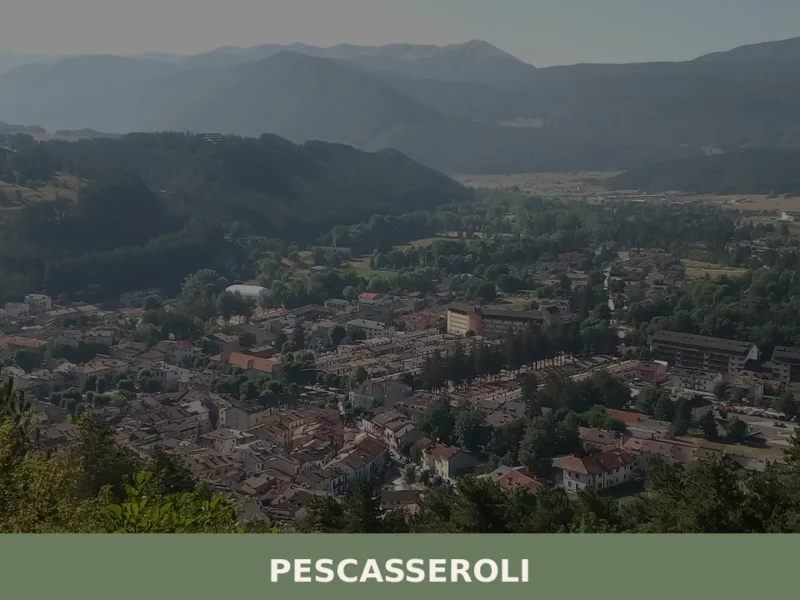
Pescasseroli
Mountain
What to see in Pescasseroli: from the Abruzzo National Park to Croce's birthplace, UNESCO beech forests, mountain cuisine and practical information for visiting the village.
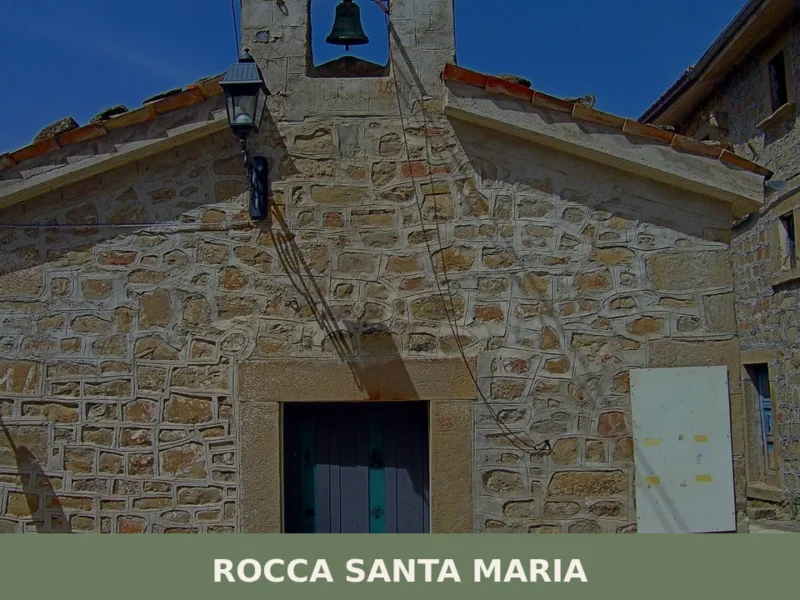
Rocca Santa Maria
Mountain
what to see in rocca santa maria, Italy. Explore a village of 560 inhabitants within Gran Sasso e Monti della Laga National Park. Discover its mountain frazioni and natural beauty.
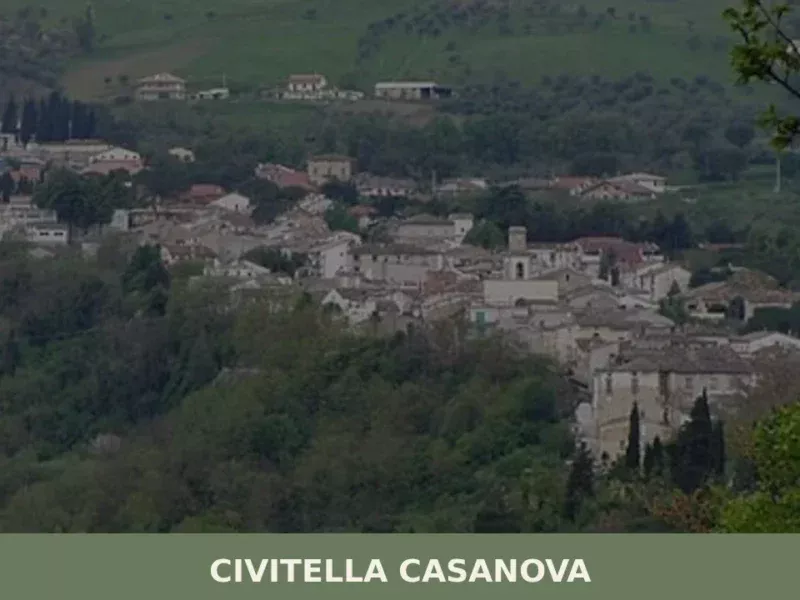
Civitella Casanova
 Hills
Hills
At 400 meters above sea level, in the hilly heart of the province of Pescara, lies Civitella Casanova. This village, whose historical presence is attested since Roman times, offers a territorial context where geology and human activity have shaped a distinctive landscape. For those wondering about what to see in civitella casanova, the journey through […]
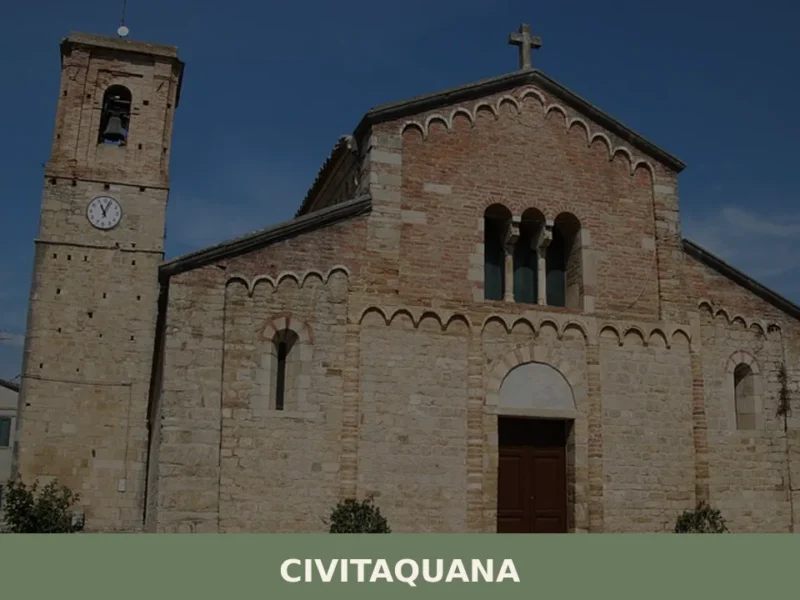
Civitaquana
Hills
At 550 metres above sea level, on the eastern slope of the Gran Sasso descending towards the Pescara hills, Civitaquana is home to 1,146 inhabitants spread between the historic centre and the surrounding hamlets. The village’s very name — documented in medieval sources as Civitas Aquanae — reveals an origin linked to the presence of […]
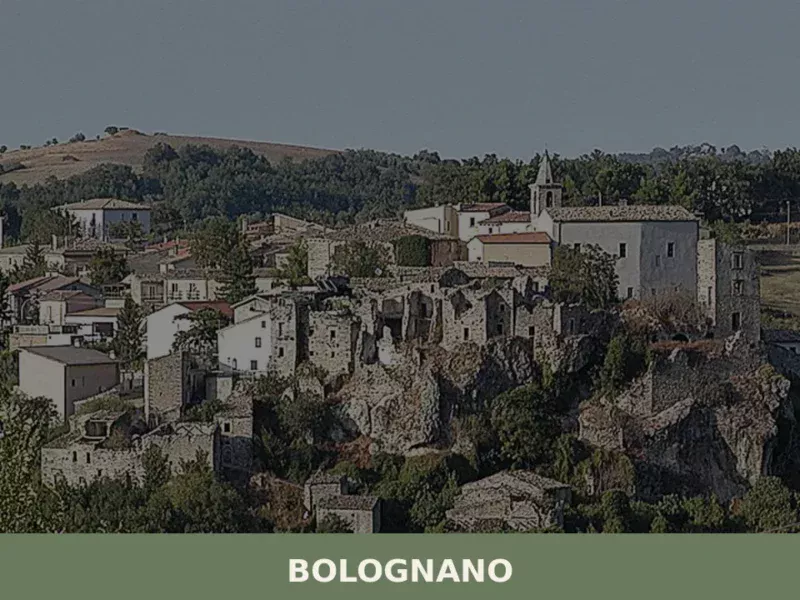
Bolognano
Hills
At 276 metres above sea level, along the Orta valley, Bolognano has a current population of 1,002 and occupies a stretch of flatland in the province of Pescara that served, between 1989 and 1992, as the site of an international art experiment conceived by the German artist Joseph Beuys. Asking what to see in Bolognano […]
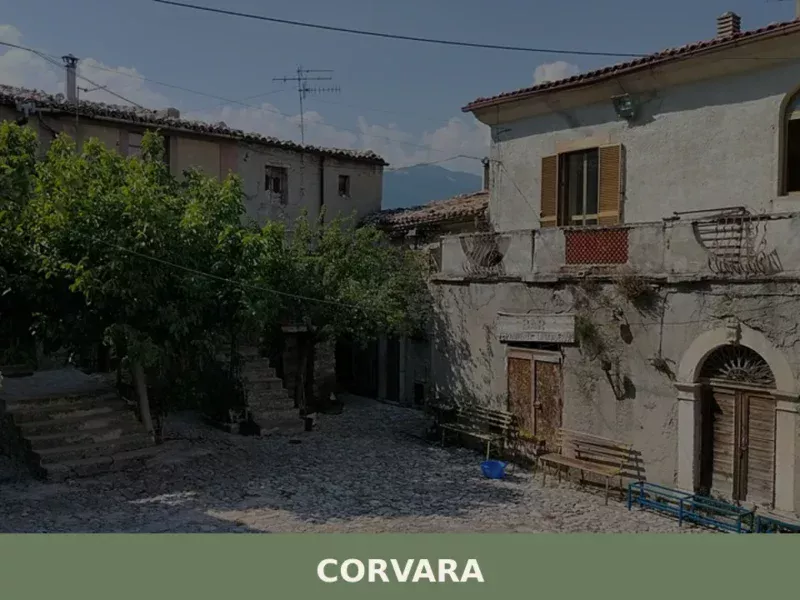
Corvara
Mountain
Corvara, a municipality of 210 inhabitants in the province of Pescara, is located 625 meters above sea level in the Pescara valley. Its territory, documented as early as the medieval period, shows traces of settlements dating back to the Neolithic, highlighting a continuous habitation linked to its strategic position. For those wondering what to see […]
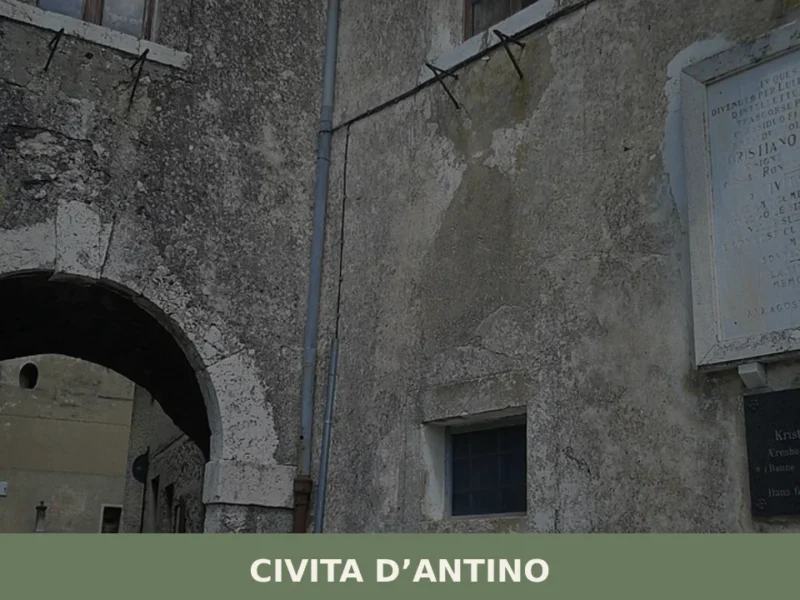
Civita d’Antino
Mountain
In 1878, the Danish painter Kristian Zahrtmann reached Civita d’Antino for the first time and decided to return every summer until 1911, turning this small town in the Valle Roveto into an artistic colony frequented by dozens of Scandinavian painters. Even today, anyone wondering what to see in Civita d’Antino will find traces of that […]
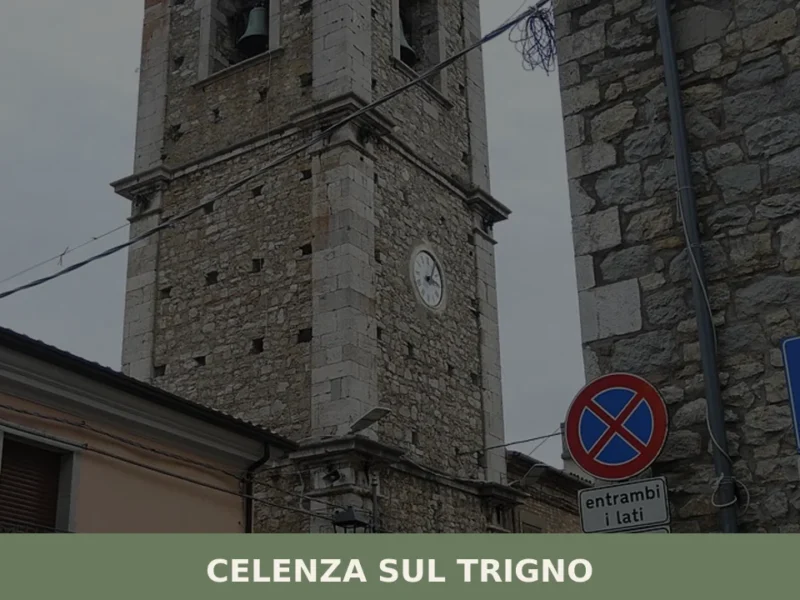
Celenza sul Trigno
Mountain
At 646 metres above sea level, with 781 registered residents, Celenza sul Trigno occupies a ridge separating the Trigno river valley from the Treste stream, in the province of Chieti. The village appears in medieval documents as a Norman possession, and its urban layout preserves the concentric plan typical of 12th-century fortified settlements. Anyone wondering […]
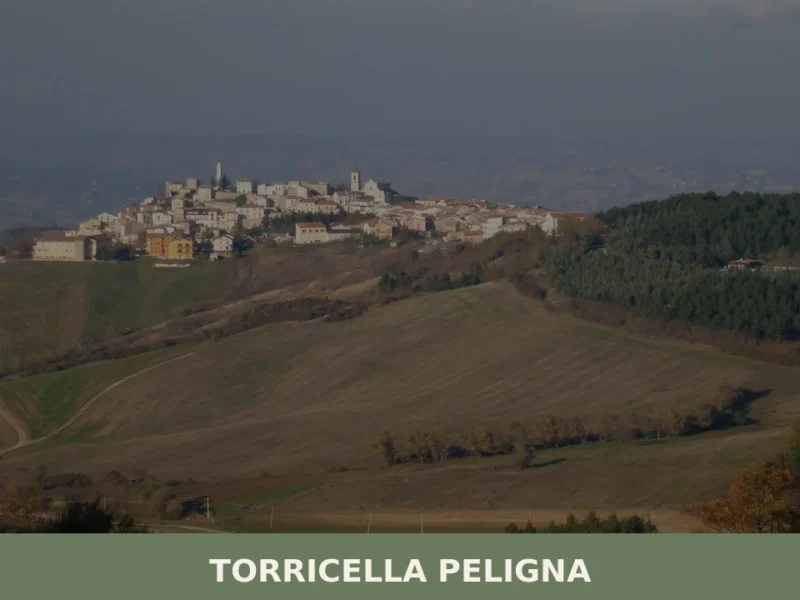
Torricella Peligna
Mountain
What to see in Torricella Peligna, Italy: Explore its 1,392 inhabitants and significant WWII history. Discover ancient Samnite finds and the Church of San Giacomo.
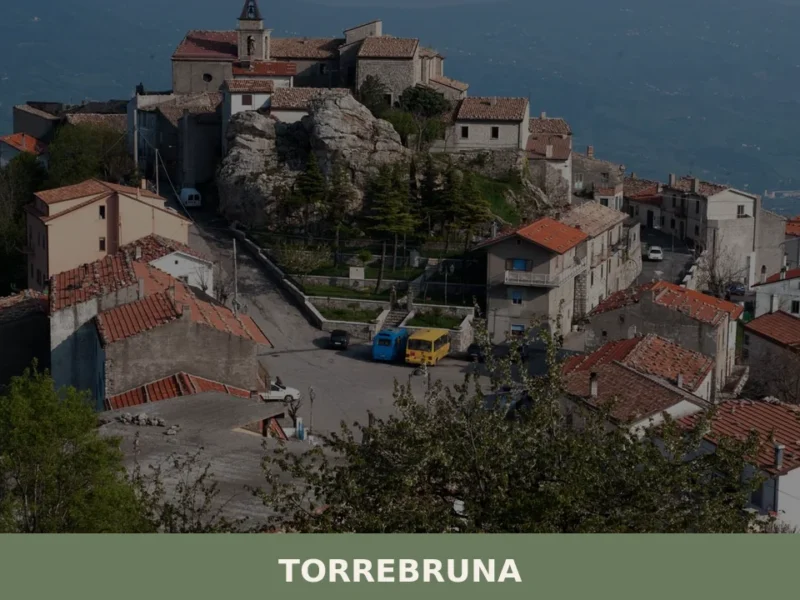
Torrebruna
Mountain
What to see in Torrebruna, Italy: 3 historic monuments, 879 inhabitants, fortified boroughs and a 17th-century church. Discover how to get there and when to visit.




🏡 Know Canistro better than we do?
If you’re a local or have been there, your knowledge matters: add what’s missing or fix a detail on this page.