


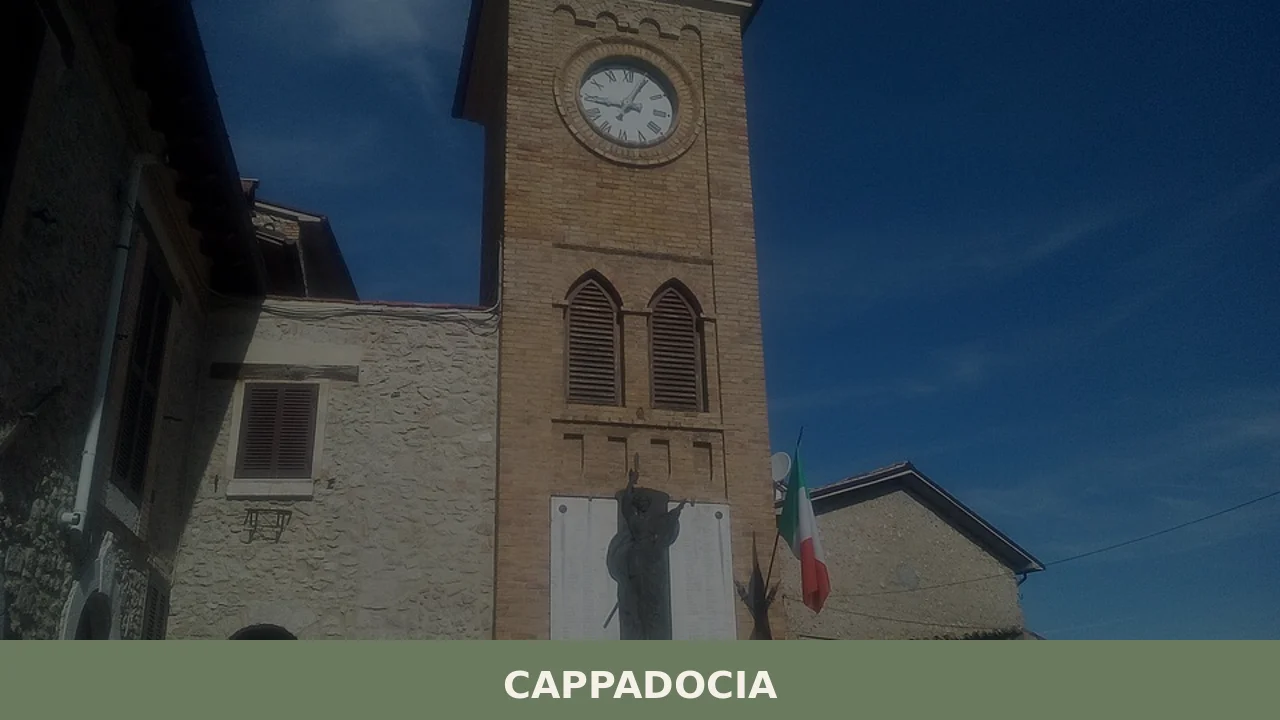
Cappadocia
 Mountain
Cappadocia: discover historic churches and natural trails. Plan your visit today and experience the authenticity of this Abruzzo village.
Discover Cappadocia
Morning mist lifts slowly from the Fucino basin, and the air at 1,108 metres carries the sharp scent of woodsmoke and cold stone. Church bells mark the hour across a handful of rooftops — 575 people live here, and most of them know the sound by habit, not by counting. This is Cappadocia, a small village in the province of L’Aquila, Abruzzo, where the rhythms of mountain life have barely shifted in centuries. Cappadocia stands at the threshold between the Apennine highlands and the Marsica lowlands, a place where geology and human persistence have shaped every wall and footpath.
History of Cappadocia
The name itself is an anomaly.
Cappadocia — borrowed, it seems, from the ancient region in central Anatolia — has sparked centuries of speculation among etymologists and local historians. One persistent theory traces the name to a group of early medieval monks or settlers with ties to the Eastern Mediterranean, though documentary evidence remains thin. What is certain is that the village’s identity has been bound to the mountainous interior of Abruzzo since at least the early Middle Ages, when small fortified settlements began to dot the ridgelines above the Fucino plain.
During the medieval period, Cappadocia fell within the orbit of the Marsica — the broader territory historically associated with the Marsi, one of the Italic peoples who fiercely resisted Roman expansion. The area passed through feudal hands multiple times, caught between the County of Celano and the shifting allegiances of Norman and Swabian lords. The village’s position at over a thousand metres made it strategically marginal but economically dependent on transhumance — the seasonal movement of livestock between highland pastures and the lowland plains, a practice that continued well into the twentieth century.
Earthquakes have periodically rewritten the architecture of this part of Abruzzo, and Cappadocia has not been spared.
The seismic history of the L’Aquila province — most recently demonstrated by the devastating 2009 earthquake — has left its mark on the built fabric of many villages in the region, including this one, where reconstruction and restoration remain ongoing concerns.
What to see in Cappadocia: 5 must-visit attractions
1. The Grotte di Val de’ Varri
A system of karst caves located in the valley below the village, these caverns have yielded significant archaeological finds dating to the Bronze Age. The limestone formations inside — stalactites and flowstone deposits formed over millennia — offer a geological record of Apennine water systems. Access is sometimes limited, so checking locally before visiting is advisable.
2.
Chiesa di San Biagio
The parish church dedicated to San Biagio anchors the village centre. Its stonework reflects centuries of repair and modification, a palimpsest of medieval foundations beneath later Baroque adjustments. Inside, the altarpiece and devotional paintings speak to the modest but consistent patronage of a mountain community sustaining its spiritual life across generations.
3. The Historic Village Centre
Walking through Cappadocia’s compact centre reveals the logic of Apennine settlement: narrow streets built to block wind, load-bearing stone walls thick enough to insulate against winter, and arched passageways linking small piazzas. Many facades still show pre-earthquake construction techniques typical of the Marsica highlands.
4.
Val de’ Varri and Surrounding Trails
The valley extending below Cappadocia opens into a network of hiking paths through beech and oak forest, following old shepherds’ tracks. In spring, the undergrowth fills with cyclamens and orchids. The terrain is uneven, the signposting intermittent — bring a proper map and sturdy boots rather than relying on mobile signal.
5. The Panoramic Views toward the Fucino Plain
From several vantage points near the village, the eye drops sharply to the drained basin of the former Lago Fucino — once the third-largest lake in Italy, emptied in the nineteenth century. The geometric patchwork of agricultural fields below contrasts sharply with the rough limestone ridges above, offering a vivid lesson in how landscape is remade by human ambition.
Local food and typical products
Cappadocia’s cooking is highland Abruzzo cooking — built on legumes, lamb, foraged greens, and handmade pasta.
Sagne e fagioli, broad flat noodles served with borlotti beans in a broth sharpened with garlic and chilli, is the defining dish here, as in many villages at this altitude. Arrosticini — small skewers of castrated mutton grilled over embers — remain the region’s most recognisable street food, and local sagre often feature them alongside roasted potatoes seasoned with rosemary from the surrounding hillsides. Pecorino cheese, produced from sheep grazing the high pastures, varies in flavour from mild and fresh to intensely sharp depending on aging.
There is no concentration of restaurants here as you would find in a tourist centre; instead, look for family-run trattorie and agriturismi in the surroundings, where menus change with the season and portions reflect the generosity of people accustomed to feeding workers returning from the fields. The Abruzzo regional tourism board lists updated agriturismi and local food producers across the province.
Best time to visit Cappadocia
At 1,108 metres, Cappadocia experiences cold, often snowy winters and mild summers that rarely push past the mid-twenties Celsius.
Snow can linger into April on exposed slopes. The best window for walking and exploring runs from late May through October, with June and September offering the clearest skies and most comfortable temperatures. August brings the village’s patron saint festivities and local sagre — these are not staged for tourists but for the community, and joining them requires a willingness to eat late and stay longer than planned.
Autumn, when the beech forests turn copper and gold and the summer crowds thin to almost nothing, is perhaps the most rewarding season. Carry layers: temperatures at this altitude drop sharply after sunset, even in summer. Winter visits suit those interested in silence, woodsmoke, and the austere beauty of snowbound stone.
How to get to Cappadocia
Cappadocia lies in the province of L’Aquila, accessible by car via the A25 motorway (Roma–Pescara).
Exit at Magliano dei Marsi or Celano, then follow provincial roads south through the Marsica highlands — the final stretch involves narrow mountain roads with occasional hairpin bends. From Rome, the drive takes approximately ninety minutes in good conditions; from L’Aquila city, around an hour. The nearest train station with regular service is Avezzano, roughly 30 kilometres to the west, connected to Rome’s Tiburtina station by Trenitalia regional trains. The closest airport is Rome Fiumicino (approximately 140 km), though Pescara airport on the Adriatic coast is an alternative for those arriving from European destinations. Public bus service to the village is infrequent; a rental car is strongly recommended.
More villages to discover in Abruzzo
Cappadocia belongs to a constellation of small Abruzzo communities where mountain geography has preserved traditions, architecture, and a pace of life that lowland Italy has largely abandoned. To the north, within the same province, Barete offers another perspective on Apennine settlement — a village similarly shaped by altitude, stone, and seismic memory, set closer to the Gran Sasso massif and its dramatic alpine terrain.
Further along the road toward Amatrice, Cagnano Amiterno sits in the upper Aterno valley, a place where Roman thermal ruins and medieval churches coexist in a landscape of wide highland plateaux.
Together, these villages compose a quieter, less-visited Abruzzo — one that rewards the traveller willing to drive slowly, ask questions, and pay attention to what the stone and the silence have to say.
Frequently asked questions about Cappadocia
What is the best time to visit Cappadocia?
The ideal window for visiting Cappadocia runs from late May through October. June and September offer the clearest skies and most comfortable temperatures, rarely exceeding the mid-twenties Celsius. Autumn is particularly rewarding when beech forests turn copper and gold and the village quiets considerably. August brings local sagre and community festivities worth joining if you embrace late-night dining. Winter suits those seeking austere mountain silence and snowbound stone scenery. The feast of patron saint San Biagio falls on 3 February — a genuine community celebration, not a tourist event.
What are the historical origins of Cappadocia?
Cappadocia's origins trace to the early Middle Ages, when fortified settlements appeared along ridgelines above the Fucino plain. Its unusual name — borrowed from the ancient Anatolian region — has never been definitively explained, though one theory links it to Eastern Mediterranean monks or settlers. During the medieval period the village fell within the Marsica territory, passing through feudal control between the County of Celano and Norman and Swabian lords. Its highland economy was built on transhumance, the seasonal movement of livestock between mountain pastures and the Fucino lowlands, continuing well into the twentieth century.
What to see in Cappadocia? Main monuments and landmarks
The village offers five key attractions. The Grotte di Val de' Varri are karst caves with Bronze Age archaeological finds and impressive limestone formations — check locally for access conditions before visiting. The Chiesa di San Biagio anchors the village centre with medieval foundations and Baroque modifications. The historic centre rewards slow walking, with wind-blocking narrow streets and arched passageways typical of Apennine settlement. The Val de' Varri valley offers forest hiking trails. Finally, panoramic viewpoints toward the former Lago Fucino — drained in the nineteenth century — provide a striking contrast between agricultural basin and limestone ridges.
What are the main natural or scenic attractions of Cappadocia?
The Val de' Varri valley below the village is the primary natural draw, combining karst cave systems with a network of hiking trails through beech and oak forest along old shepherds' tracks. In spring the undergrowth fills with cyclamens and wild orchids. The terrain is uneven and signposting is intermittent, so a proper topographic map and sturdy footwear are essential — mobile signal is unreliable. The surrounding Marsica highlands sit within the broader landscape of the L'Aquila Apennines, offering genuine mountain scenery at over 1,100 metres elevation.
Where to take the best photos in Cappadocia?
The most striking photography spots are the panoramic vantage points near the village looking down over the former Lago Fucino basin — the geometric agricultural fields of the drained lake bed contrast dramatically with the rough limestone ridges above, creating a visually compelling landscape. The historic centre's narrow stone streets, arched passageways and thick-walled facades make for strong architectural images, particularly in the soft morning light when mist rises from the Fucino plain below. Autumn offers exceptional colour in the surrounding beech forests of the Val de' Varri valley.
Are there museums, churches or historic buildings to visit in Cappadocia?
The Chiesa di San Biagio is the village's principal religious building, dedicated to the patron saint whose feast falls on 3 February. Its structure reflects centuries of modification — medieval foundations beneath later Baroque interventions — and the interior contains an altarpiece and devotional paintings that document the sustained patronage of the mountain community. The Grotte di Val de' Varri contain significant Bronze Age archaeological finds within a karst cave system. Specific opening hours for both sites are not centrally published; enquiring locally at the municipality or pro loco before visiting is advisable.
What can you do in Cappadocia? Activities and experiences
Hiking is the primary outdoor activity, with trails through the Val de' Varri valley following centuries-old shepherds' tracks through beech and oak forest. The village is well positioned for exploring the broader Marsica highlands by car or on foot. Food experiences centre on family-run trattorie and agriturismi in the surroundings, where seasonal menus reflect highland Abruzzo traditions. Local sagre in August offer the chance to join genuine community celebrations featuring arrosticini and regional dishes. Winter visits suit those seeking mountain silence, snowscapes and the unhurried pace of a working Apennine village.
Who is Cappadocia suitable for? Families, couples, hikers, solo travellers?
Cappadocia suits hikers and walkers seeking unmarked mountain trails through forest and karst landscapes without tourist infrastructure. Couples drawn to quiet, atmospheric Apennine villages will find the stone centre and dramatic Fucino views rewarding. Culturally curious travellers interested in medieval history, seismic architecture and rural traditions will find genuine material here. Solo travellers comfortable with limited facilities and infrequent public transport will enjoy the authentic pace. Families should note the village is small with few dedicated services; the surrounding nature and cave sites offer interest for older children. It is not suited to those seeking beaches, nightlife or urban amenities.
What to eat in Cappadocia? Local products and specialties
Cappadocia's cooking is rooted in highland Abruzzo tradition. Sagne e fagioli — broad flat pasta noodles with borlotti beans in a garlic and chilli-sharpened broth — is the defining local dish. Arrosticini, small skewers of castrated mutton grilled over embers, are the region's most recognisable speciality and feature regularly at local sagre. Pecorino cheese from sheep grazing the high pastures ranges from mild and fresh to sharp and intensely aged. Foraged greens, lamb and legumes complete the seasonal table. Seek out family-run agriturismi in the surroundings rather than expecting a restaurant district within the village itself.
Getting there
Piazzale Vittorio Veneto, 67060 Cappadocia (AQ)
Nearby Villages near Cappadocia
In Abruzzo More villages to discover
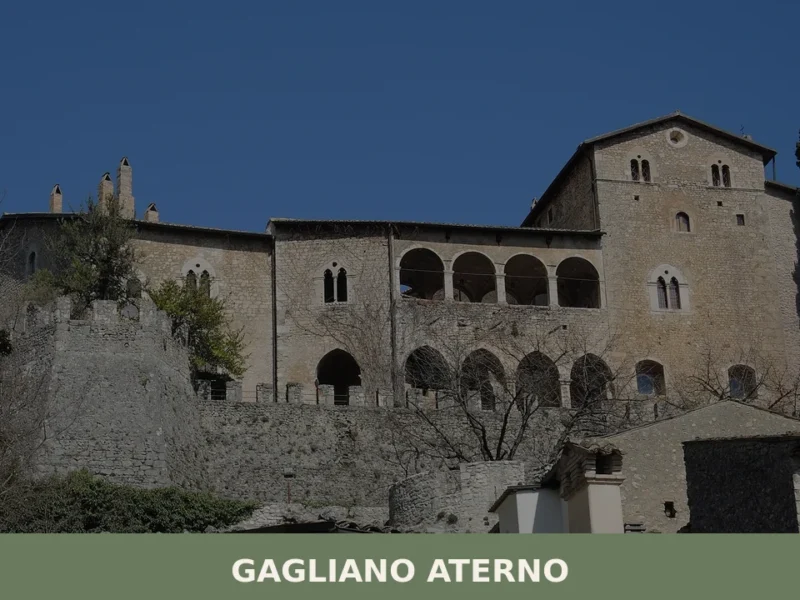
Gagliano Aterno
Mountain
What to see in Gagliano Aterno, Italy: a 14th-century castle, Baroque stucco church and a village of 251 inhabitants 45 km from L'Aquila. Discover the full guide.
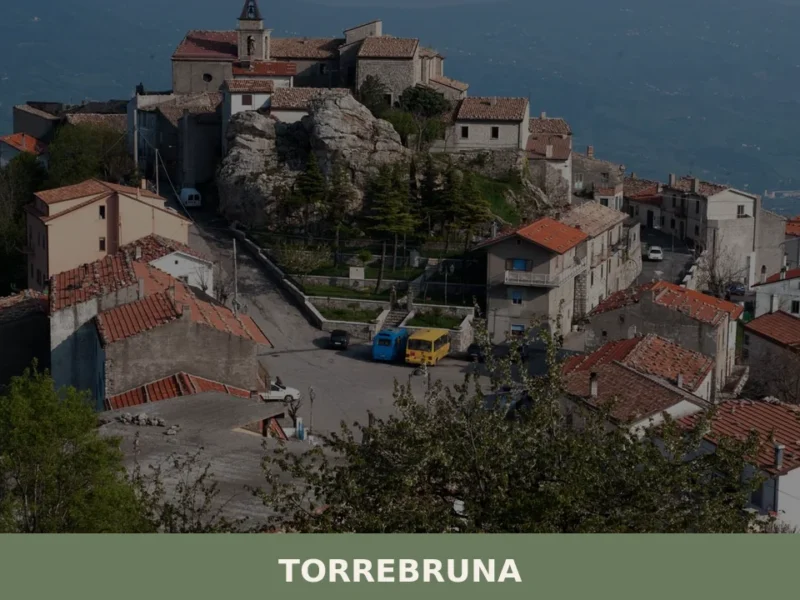
Torrebruna
Mountain
What to see in Torrebruna, Italy: 3 historic monuments, 879 inhabitants, fortified boroughs and a 17th-century church. Discover how to get there and when to visit.
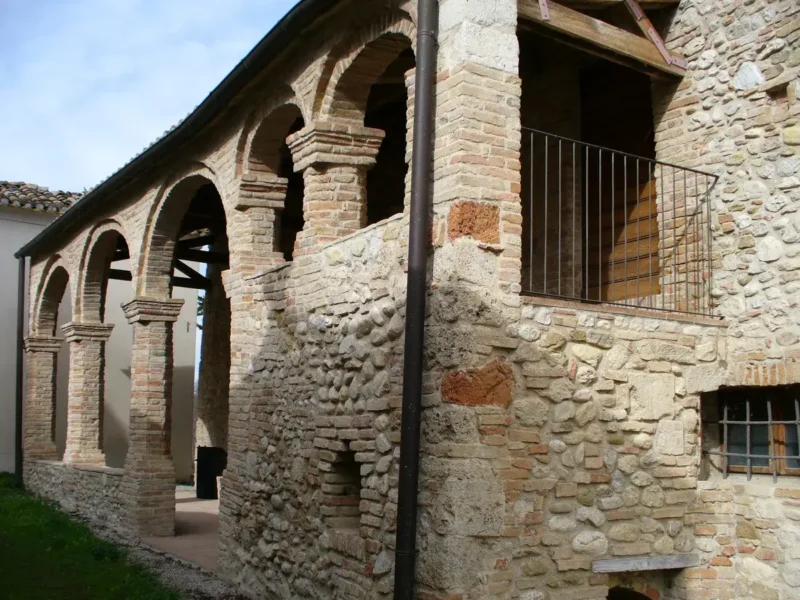
Torano Nuovo
 Sea
Sea
What to see in Torano Nuovo: 5 attractions including historic village, churches and Abruzzo vineyards. Discover the complete guide to visit in one day.
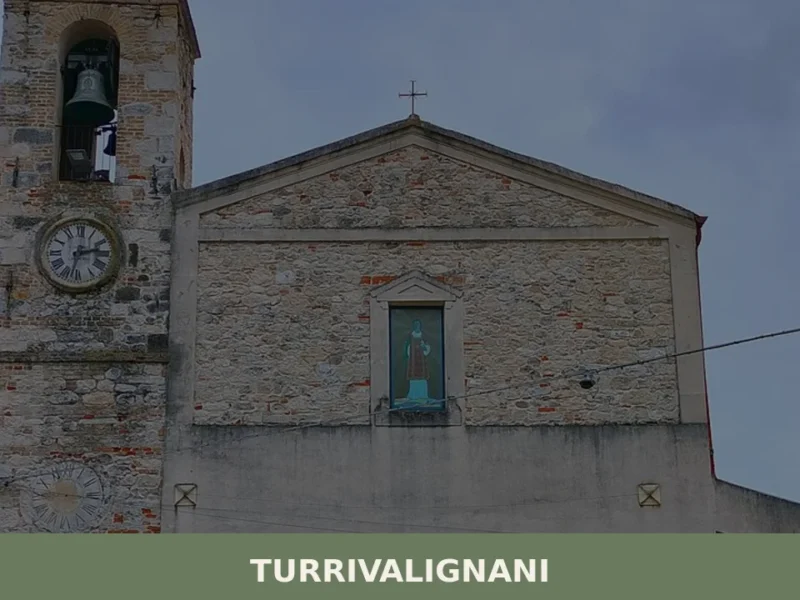
Turrivalignani
 Hills
Hills
What to see in Turrivalignani? Discover the ancient village, the Church of San Nicola, and nature trails. Plan your visit to Abruzzo!
Quadri
Mountain
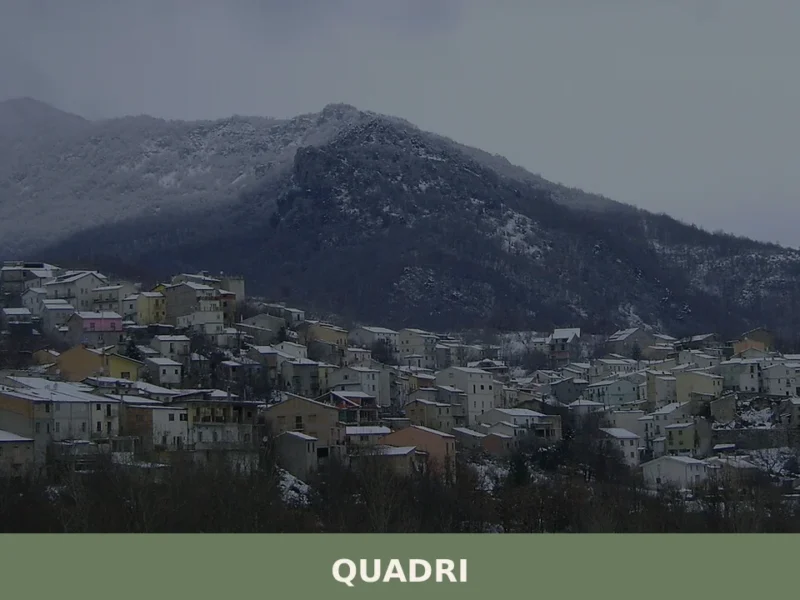
The limestone of the alleyways climbs straight up toward the ridge, and from up there the valley opens onto slopes where beech forests give way to pastures. Quadri belongs to the province of Chieti, in the heart of inland Abruzzo, at an altitude that isolates the village from the main transit routes and keeps it […]
Montenerodomo
Mountain
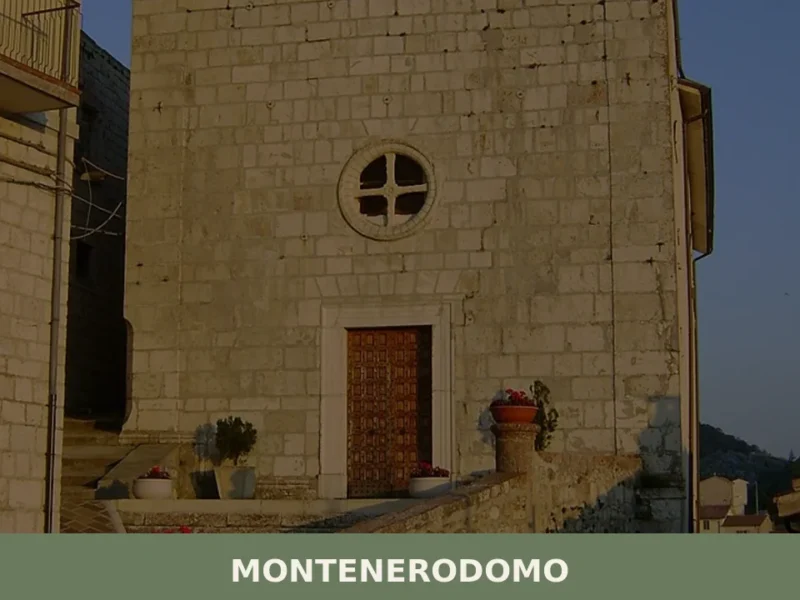
What to see in Montenerodomo? Discover the 5 main attractions, from the Juvanum archaeological site to the Majella trails. Plan your visit!
Castellafiume
Mountain
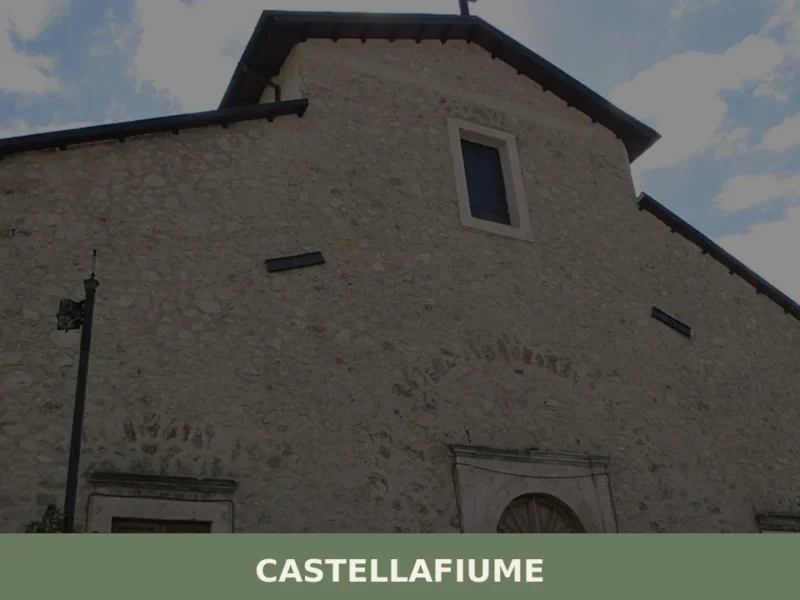
Documented since the 11th century as *Castrum Fluminis*, Castellafiume stands at 840 meters above sea level, in the heart of the L’Aquila Marsica region. This settlement, whose toponym evokes its connection to the Liri River which has its sources here, currently has 1,032 inhabitants. Its history is interwoven with events related to territorial control and […]
Vittorito
Mountain
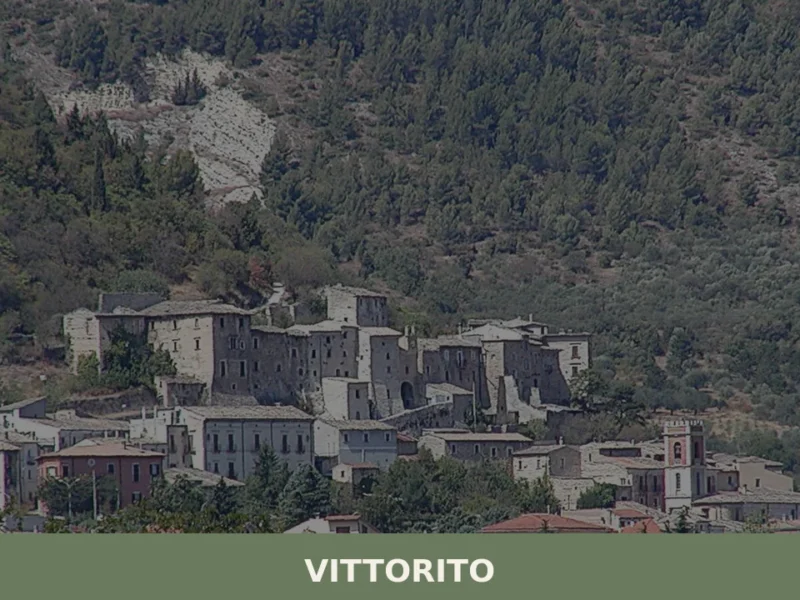
What to see in Vittorito: 5 attractions in this Abruzzo village, including the Church of San Pietro, the castle, and the historic centre. Discover the full guide.
Alfedena
Mountain
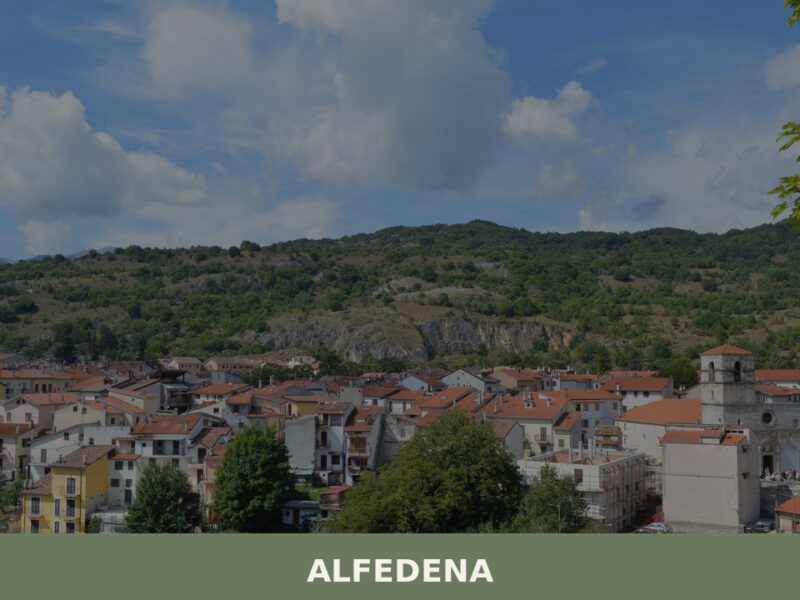
Morning light falls across a line of limestone rooftops, turning them the colour of raw honey. A church bell marks the hour — its sound rolls downhill, across empty streets still cool from the night, and fades into the forested slopes of the upper Sangro valley. Alfedena sits at roughly 914 metres above sea level […]
Balsorano
Hills
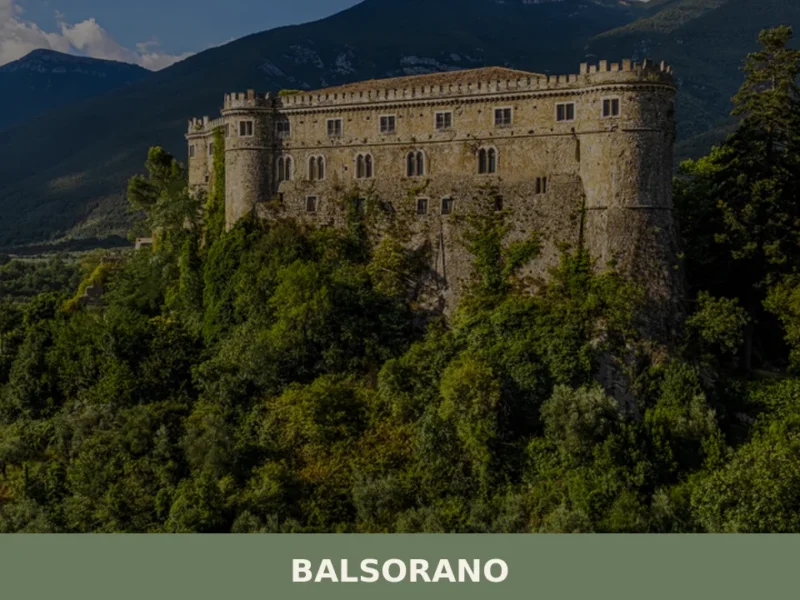
The Val Roveto divides southern Abruzzo from Lazio along a fault line that has determined earthquakes, migrations and feudal borders for over seven centuries. Balsorano occupies the valley floor and the hillside at 340 metres above sea level, with its 3,617 inhabitants spread between the upper historic centre — Balsorano Vecchio — and the modern […]



🏡 Know Cappadocia better than we do?
If you’re a local or have been there, your knowledge matters: add what’s missing or fix a detail on this page.