


Collelongo
 Mountain
At 915 metres above sea level, in the innermost stretch of the Valle Roveto, Collelongo has 1,108 inhabitants and a position that keeps it close to the Apennine ridges of the province of L’Aquila. In this article History and origins of Collelongo What to See in Collelongo: Main Attractions Traditional cuisine and products of Collelongo […]
Discover Collelongo
At 915 metres above sea level, in the innermost stretch of the Valle Roveto, Collelongo has 1,108 inhabitants and a position that keeps it close to the Apennine ridges of the province of L’Aquila.
The roscette chestnuts, gathered every autumn in the woods surrounding the village, fill the alleyways with a dry, sweet scent that rises from the still-wet asphalt.
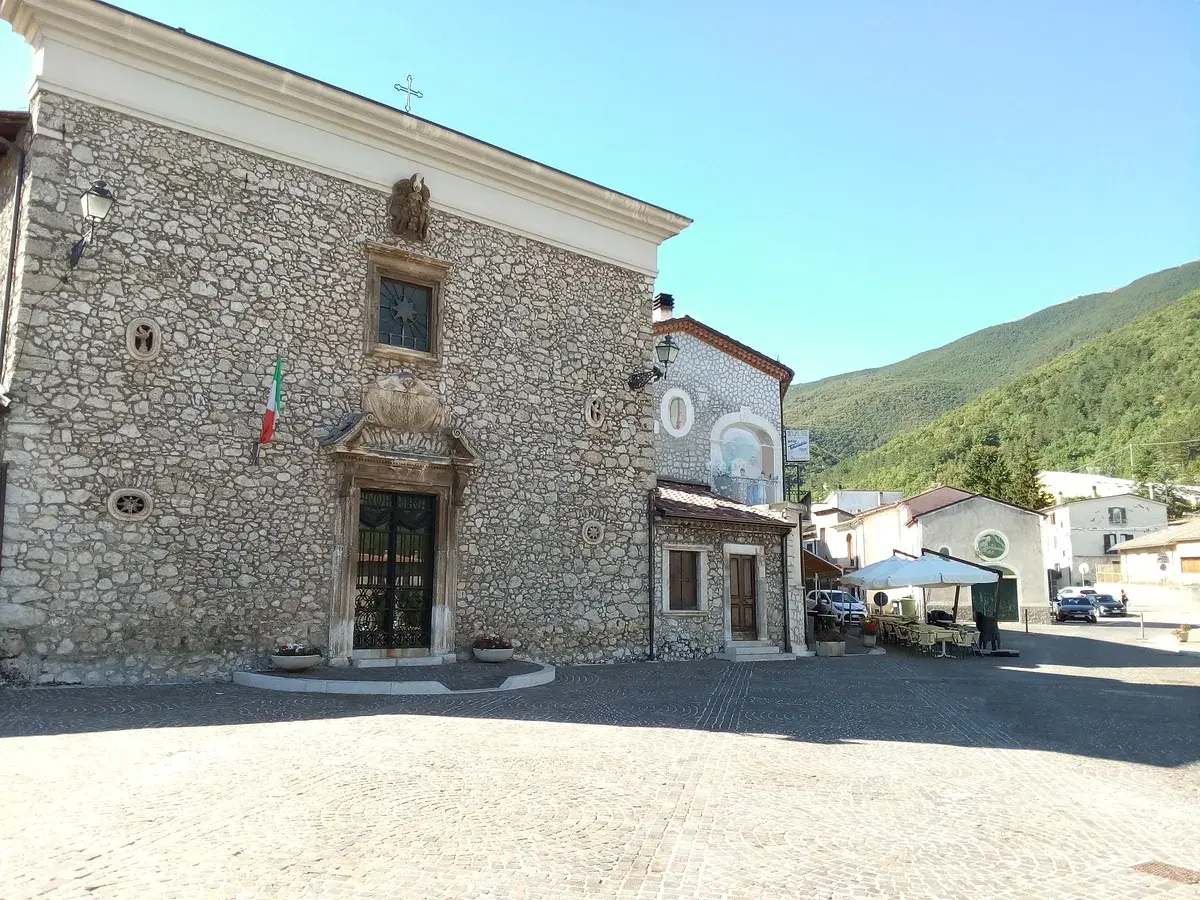
Stone and wood are the materials that shape the village: load-bearing walls in grey limestone blocks, black wrought-iron balconies, thresholds worn smooth by generations of footsteps.
What to see in Collelongo is a question that finds its answer in the urban layout of the historic centre, the church dedicated to the patron saint San Rocco, the nature trails climbing towards the wooded ridges, and the products of the local agro-pastoral economy.
Collelongo is located approximately 90 km from L’Aquila and less than 50 km from Avezzano, and is reachable by car through the Valle Roveto.
Those who arrive here find a compact mountain village with an ancient building fabric, partial defensive walls, and a food and wine tradition that includes certified products among the most representative of inland Abruzzo.
History and origins of Collelongo
The name Collelongo describes the place with topographic precision: an elongated hill stretching out towards the valley, recognisable in the profile that can still be read today from the opposite bank of the Liri.
The earliest documentary records of the village date back to the medieval period, when the Valle Roveto was traversed by commercial and military routes connecting the Norman-Swabian kingdom with the papal territories.
In that context, villages perched on the limestone slopes served as road control outposts and as collection centres for the agro-pastoral produce of the mountains.
During the 13th and 14th centuries, the territory was subject to the feudal events that affected the entire Marsica region, with changes of dominion among noble families linked first to the Swabians and then to the Angevins.
The defensive structure of the village, with the remains of towers and perimeter walls still legible in the urban layout, reflects the need for protection that characterised mountain settlements of that historical period.
The elevated position was not merely an aesthetic choice: it guaranteed visibility over the valley floor and response time against attacks.
Between the 16th and 17th centuries, Collelongo followed the fortunes of the County of Tagliacozzo, later incorporated into the Kingdom of Naples under Spanish control. The population sustained itself on a mixed economy of sheep farming, cereal cultivation, and woodland harvesting. The building heritage of the historic centre — with its terraced limestone houses, carved doorways, and small internal courtyards — reflects the social and productive structure of those centuries, which remained substantially unchanged until the Unification of Italy.
In the nearby village of Collepietro, also in the province of L’Aquila, a similar historical stratification can be found, linked to the same medieval dominions and to the identical mountain economy of the Abruzzo hinterland.
What to See in Collelongo: Main Attractions
Historic Centre and Medieval Urban Layout
The streets of Collelongo’s historic centre follow the morphology of the hill with a precision that no modern planning could have achieved: they descend steeply along the slopes, narrow at points of greatest defensive pressure, and open up into small areas where local markets were once held.
Blocks of local limestone, quarried from the surrounding ridges, form walls up to 80–90 centimetres thick in the oldest structures, capable of keeping the cool in summer and retaining heat in the colder seasons.
Walking through the urban fabric means reading centuries of layering: fifteenth-century doorways set into façades remodelled in the nineteenth century, round arches connecting alleyways that would otherwise be impassable, external stone staircases rising to upper floors without a handrail. The outer perimeter of the village retains stretches of boundary walls that hark back to the settlement’s original defensive function.
A visit to the historic centre takes around 40–60 minutes on foot, though the density of architectural details invites you to slow down.
Church of San Rocco
The church dedicated to Saint Rocco occupies a central position within the urban fabric of Collelongo and serves as the civic and religious landmark of the village.
Saint Rocco is the patron of the community, and his feast day, celebrated on 16 August, has over time given the church a centrality that goes beyond its purely liturgical function. The building features an exposed stone façade with a main doorway framed by a carved surround of local character, probably remodelled between the sixteenth and eighteenth centuries.
The single-nave interior preserves notable decorative elements, including side altars with stucco ornamentation and devotional canvases dating from the seventeenth and eighteenth centuries. The bell tower, set to the side of the façade, marks the hours with a voice that carries as far as the most outlying houses of the village.
The church also deserves attention for its smaller details: worn stone floors, dark wooden pews, votive lamps still burning.
Entry is free during opening hours; for visits at specific times, it is advisable to contact the Municipality of Collelongo.
Woods and Trails of the Valle Roveto
The woods surrounding Collelongo from around 950 metres above sea level belong to a forest system that covers the eastern slopes of the Valle Roveto, with a predominance of oaks, beeches and chestnut trees. The trails that climb from the village towards the ridges offer progressive views over the Liri valley floor and the surrounding mountain ranges, with elevation changes varying between 200 and 400 metres depending on the route chosen.
In autumn, between September and November, the chestnut groves produce the Castagne roscette Valle Roveto (PAT) — municipalities: Civitella Roveto, Morino, Canistro, Capistrello, Collelongo, Balsorano — a local variety of small size but with a particularly sweet and firm flesh, still harvested using traditional techniques.
The trails are not always consistently marked; before setting out on routes towards the ridges, it is advisable to check trail conditions with local facilities or the municipality.
The ideal period for hiking is late spring and autumn, when temperatures remain below 20 degrees and vegetation is at its most colourful.
Tower and Remains of the Perimeter Walls
Collelongo preserves tangible traces of its medieval defensive system: a stretch of limestone perimeter walls and the remains of at least one tower, probably erected between the twelfth and fourteenth centuries at the most exposed point of the hill. The tower, estimated at 10–12 metres in height in its original configuration, served as a lookout post over the section of valley leading towards Avezzano to the north and Balsorano to the south.
The blocks forming the structure still show traces of original mortar in the lower joints, while the upper section was reworked in later periods. The wall perimeter, though discontinuous, allows one to mentally reconstruct the dimensions of the medieval village and understand how the settlement related to the surrounding territory.
To reach the remains, a short stretch of the outer perimeter of the historic centre must be walked, preferably wearing footwear suited to the uneven cobblestones.
Panorama over the Liri and the Valle Roveto
From an elevation of 915 metres above sea level, the natural viewpoint that opens on the western side of Collelongo offers a direct view over the Valle Roveto at its narrowest stretch, where the Liri flows enclosed between limestone walls before widening towards the plain of Avezzano.
Within a radius of 20 km it is possible to make out the main centres of the valley, the ridges of the Abruzzo, Lazio and Molise National Park to the east and, on cle
PennapiedimonteTraditional cuisine and products of Collelongo
The cuisine of Collelongo and the Valle Roveto reflects centuries of mountain agropastoral economy: humble ingredients worked using preservation techniques developed in response to winter isolation, with a prevalence of sheep meat, legumes, local cereals and forest products. The influence of transhumance — with shepherds moving their flocks between Apennine pastures and the Adriatic coast — has left a deep mark on sheep-based preparations and aged cheeses.
The proximity to the Marsica region also brought pork and garlic processing techniques that can still be found in family kitchens today.
Among the most deep-rooted dishes in local tradition, coratella d’agnello with dried peppers encapsulates the direct relationship with sheep farming.
Sagne ‘ntorzate, a wide pasta dressed with beans and wild chard, represent the vegetarian side of mountain cooking, where the simplicity of the ingredients demands long cooking times and a precise understanding of flavour balance.
Brodetto di pecora, cooked with seasonal vegetables and local spices, was the dish prepared on slaughter days, when nothing of the animal was discarded. In autumn, chestnuts feature in many preparations: roasted under the embers, ground into flour for thick polenta, or preserved in honey.
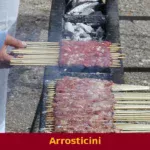
Among the most representative certified products of the area, Arrosticini (PAT) — municipalities: Pescara, Chieti, Teramo, L’Aquila — are skewers of sheep or castrated lamb meat cut into small cubes and threaded onto wooden sticks, cooked over live embers in specially designed elongated grills.
The cutting technique and the size of the pieces — approximately 1 cm per side — are crucial for achieving an even cook that keeps the centre tender.
Caciofiore aquilano (PAT) — municipalities: L’Aquila, Barisciano, Poggio Picenze, Ocre, San Demetrio ne’ Vestini, Fagnano Alto, Fontecchio, Tione degli Abruzzi, Molina Aterno — is a soft cheese produced with vegetable rennet obtained from wild artichoke flowers, featuring a thin rind and a creamy interior with a slightly bitter flavour.
Caciocavallo abruzzese (PAT) — municipalities: L’Aquila, Chieti, Pescara, Teramo — is an aged stretched-curd cheese with a characteristic pear shape and small head, made from whole cow’s milk and aged hanging in pairs for at least 30–60 days.
Centerba or Cianterba (PAT) — municipalities: Tocco da Casauria, Pescara, Chieti — is a liqueur obtained by macerating alpine and Apennine medicinal herbs in alcohol, with an alcohol content exceeding 70 degrees and an intense green colour.
The weekly markets of the nearby villages of the Valle Roveto — in particular Avezzano on Tuesdays — are the most accessible places to find local products, fresh and aged cheeses, cured meats and seasonal chestnuts.
The area’s autumn festivals dedicate space to the Castagna roscetta Valle Roveto (PAT) — municipalities: Civitella Roveto, Morino, Canistro, Capistrello, Collelongo, Balsorano — with tastings and direct sales by local gatherers. For updates on events and markets, visit the website of the .
Festivals, events and traditions of Collelongo
On 16 August, Collelongo celebrates the feast day of its patron saint, San Rocco, a celebration that structures the civic and religious calendar of the community.
San Rocco, protector against plagues and disease, is a deeply rooted devotional figure in the mountain villages of inland Abruzzo, where historical epidemics have left a profound mark on collective memory. The day includes a solemn Mass in the parish church, followed by a procession through the main streets of the historic centre with the statue of the saint carried on the shoulders of the faithful.
In the evening, the celebrations continue with music, market stalls and moments of community gathering in the heart of the village, following the typical format of Abruzzese patron saint festivities.
Autumn brings with it the chestnut harvesting season, which in the Valle Roveto still retains a collective character: families organise themselves into teams to gather chestnuts in communal and private woodlands, and the produce ends up at local markets or is processed directly in the home.
This practice, documented for the variety Castagna roscetta Valle Roveto (PAT), carries a cultural significance that goes beyond mere economic value: it is one of the moments of the year when the community physically comes together in the forest, preserving practices of collective use of woodland resources that date back to the era of medieval civic rights.
When to Visit Collelongo and How to Get There
The best season for what to see in Collelongo depends on the visitor’s interests. Those looking for forests in full foliage will find autumn — from mid-September to November — to be the richest period: the chestnut trees change colour, the days are cool and clear, and the harvesting of roscette chestnuts brings life to the trails and markets.
Spring, between April and June, is the hikers’ season: the grass is green, temperatures along the trails remain comfortable even at midday, and the wildlife of the Abruzzo, Lazio and Molise National Park in the surrounding areas is more visible.
Summer brings pleasant temperatures compared to the plains — it rarely exceeds 28 degrees even in August — but the week of 16 August, coinciding with the patron saint’s feast, sees the village at its most lively and crowded.
By car, Collelongo is reached via the A25 Torano-Pescara motorway, exiting at Pescina, then following the SS83 towards Valle Roveto for approximately 25 km. From Rome the journey takes around 2 hours and 30 minutes (160 km). The nearest railway station is Avezzano, served by the Rome-Pescara line; from Avezzano you need to continue by car for about 35 km along the Valle Roveto.
The reference airports are Rome Ciampino (approximately 175 km) or Rome Fiumicino (approximately 190 km).
For updates on timetables and fares for regional public transport, consult the official Abruzzo regional portal or Trenitalia.
Those travelling through the Chieti area can combine the visit with a stop at Lettopalena, a mountain village also situated at high altitude, or at Basciano, in the Teramo area, for an itinerary that crosses the Abruzzo hinterland from side to side.
| Departure Point | Distance | Estimated Time |
|---|---|---|
| Rome (A25, Pescina exit) | approximately 160 km | 2 h 30 min |
| Avezzano (SS83 Valle Roveto) | approximately 35 km | 40 min |
| L’Aquila (SS5 bis) | approximately 90 km | 1 h 20 min |
| Pescara (A25 + SS83) | approximately 140 km | 2 h |
Nearby Villages near Collelongo
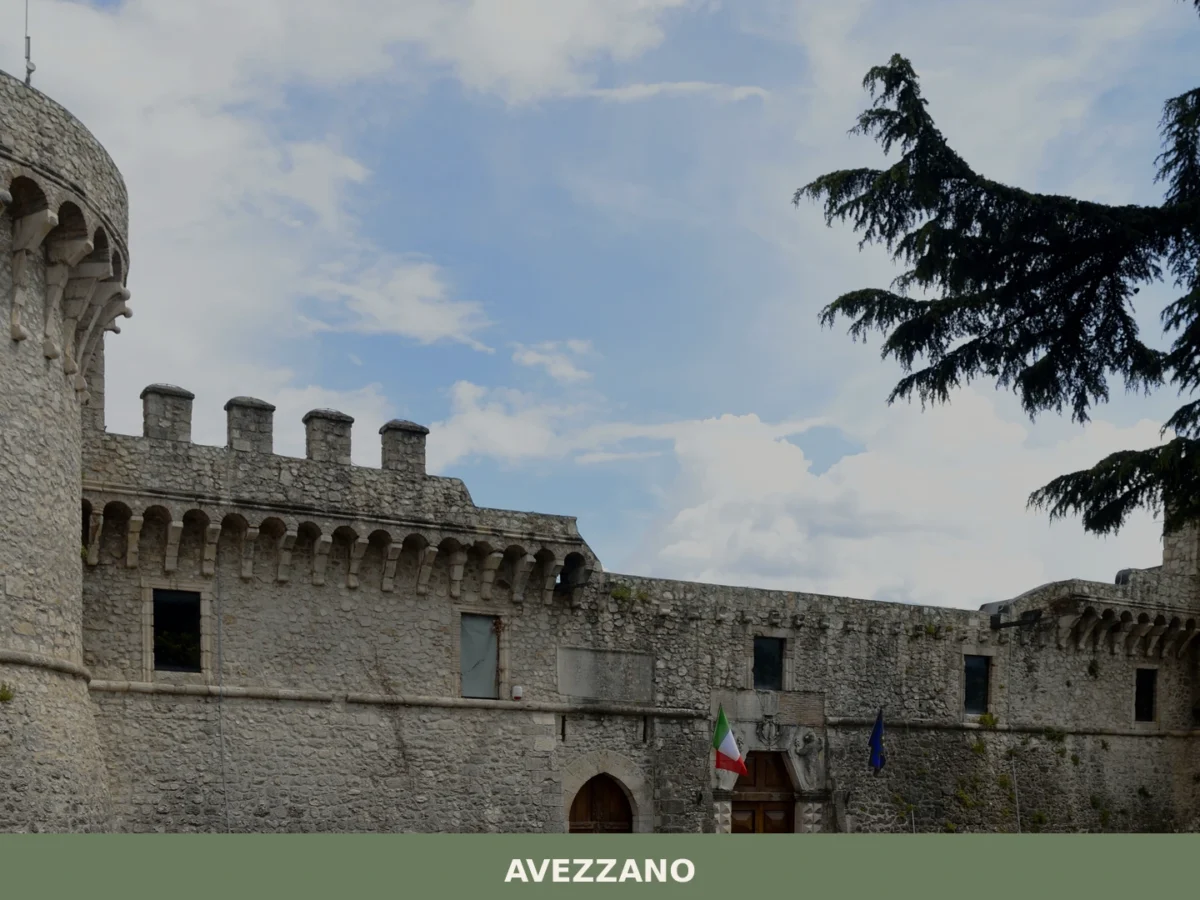
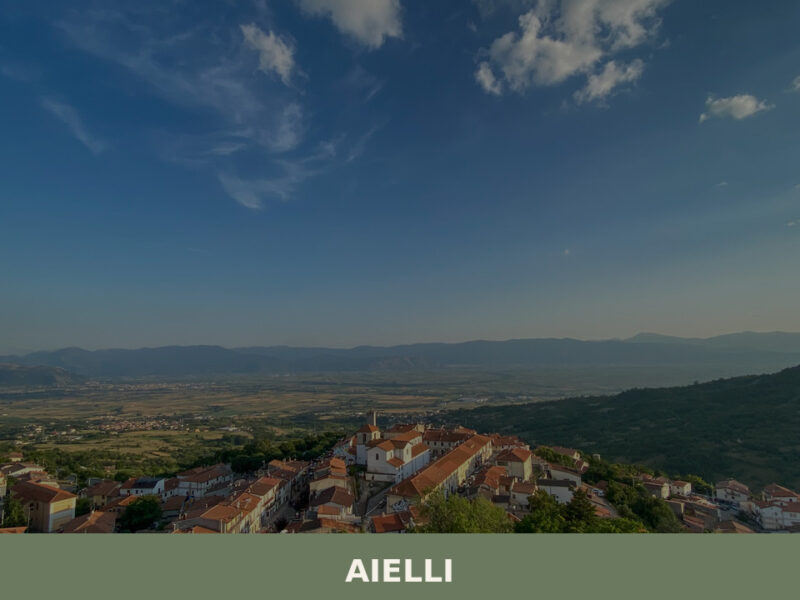
In Abruzzo More villages to discover
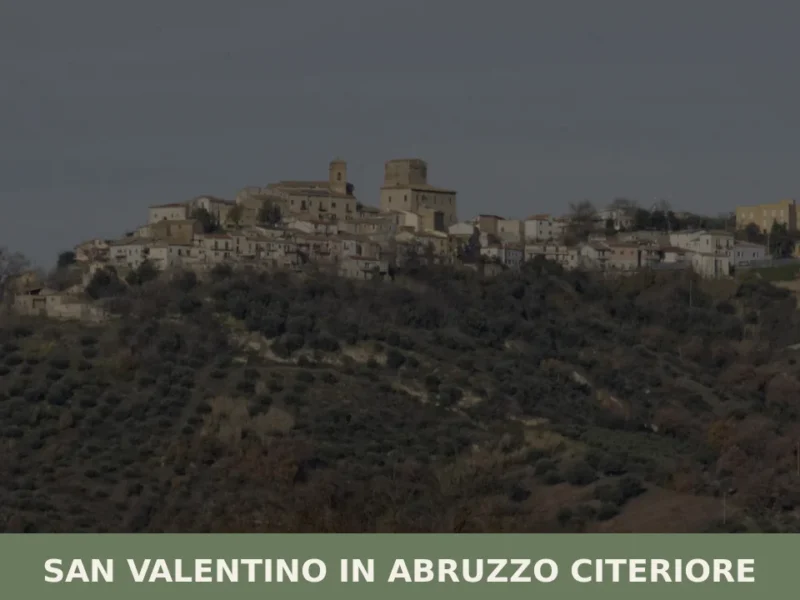
San Valentino in Abruzzo Citeriore
 Hills
Hills
The Apennine peaks rise around San Valentino in Abruzzo Citeriore, a mountain hill town that has maintained its historical character over centuries. Situated on the northern edge of the Majella National Park, this location offers commanding views and a sense of enduring heritage. In this article History of San Valentino in Abruzzo Citeriore What to […]
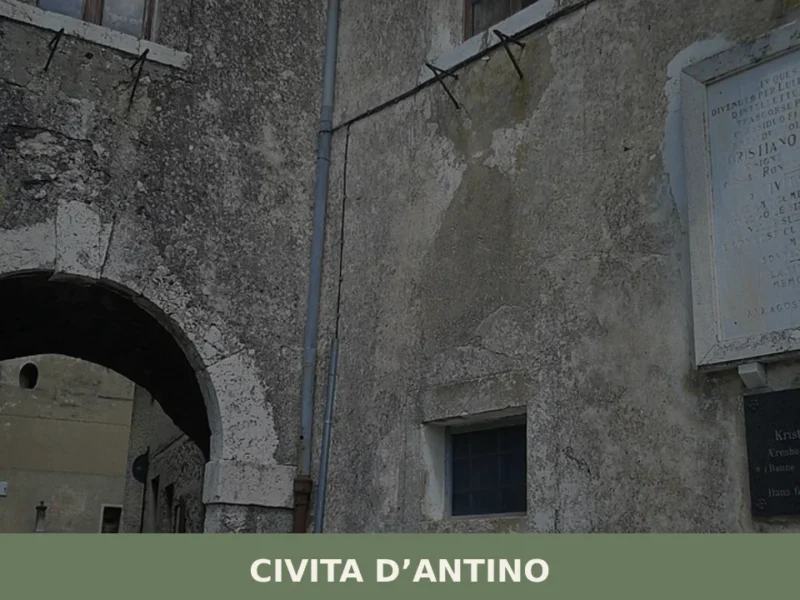
Civita d’Antino
Mountain
In 1878, the Danish painter Kristian Zahrtmann reached Civita d’Antino for the first time and decided to return every summer until 1911, turning this small town in the Valle Roveto into an artistic colony frequented by dozens of Scandinavian painters. Even today, anyone wondering what to see in Civita d’Antino will find traces of that […]
Casalanguida
Hills
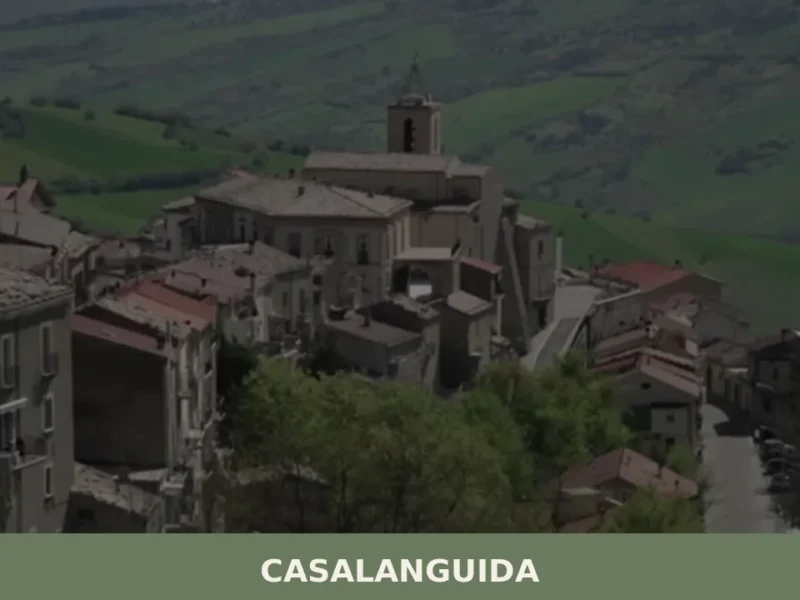
With its 818 registered inhabitants and an elevation of 470 metres above sea level, Casalanguida occupies a hilltop ridge in the middle Sinello valley, in the province of Chieti. The municipal territory extends across vineyards and olive groves that mark the landscape with regular geometric patterns, visible from the provincial road that climbs up from […]
Corfinio
Hills
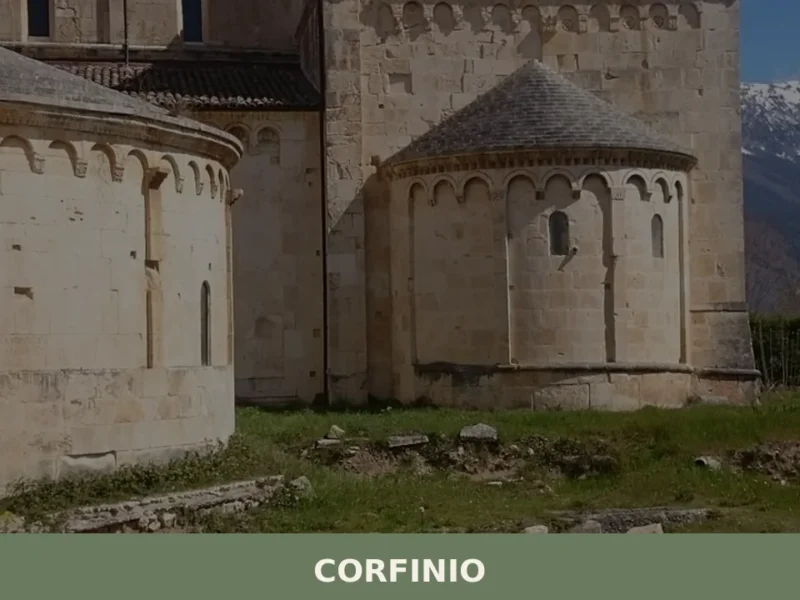
what to see in Corfinio, Italy: Explore this Abruzzese village at 346 m a.s.l., from its Roman past to the Museo Antonio De Nino. Discover Corfinio.
Anversa degli Abruzzi
Hills
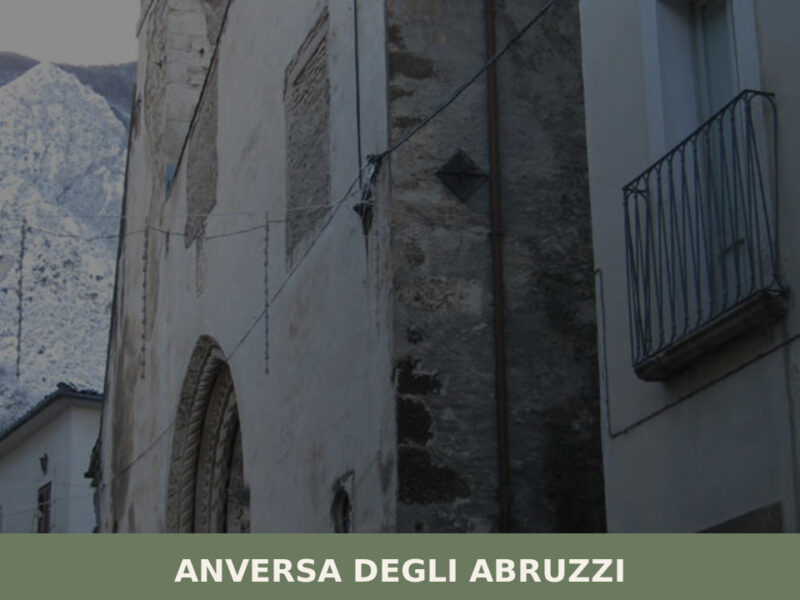
Morning light strikes the limestone walls of the old quarter at an angle that turns them the colour of raw honey. Below, the Sagittario Gorge drops away — a vertical wound in the rock that swallows sound. The air carries a faint mineral chill even in July. With only 368 residents, Anversa degli Abruzzi holds […]
Giulianova
 Sea
Sea
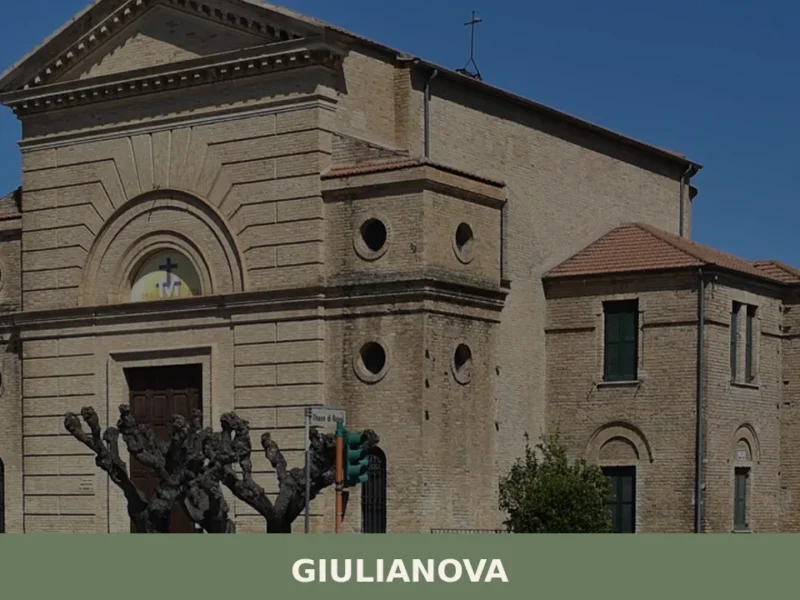
In 1470, Duke Giuliantonio Acquaviva refounded the ancient settlement of Castel San Flaviano on a hill 68 metres above sea level, giving it his own name: Giulianova. The urban layout he commissioned — a regular grid with a central square and symmetrical blocks — is one of the earliest documented examples of an ideal Renaissance […]

Castiglione Messer Raimondo
Hills
What to see in Castiglione Messer Raimondo, Italy: explore 5 top attractions near Gran Sasso, medieval history and local food. Discover Abruzzo's Teramo province.
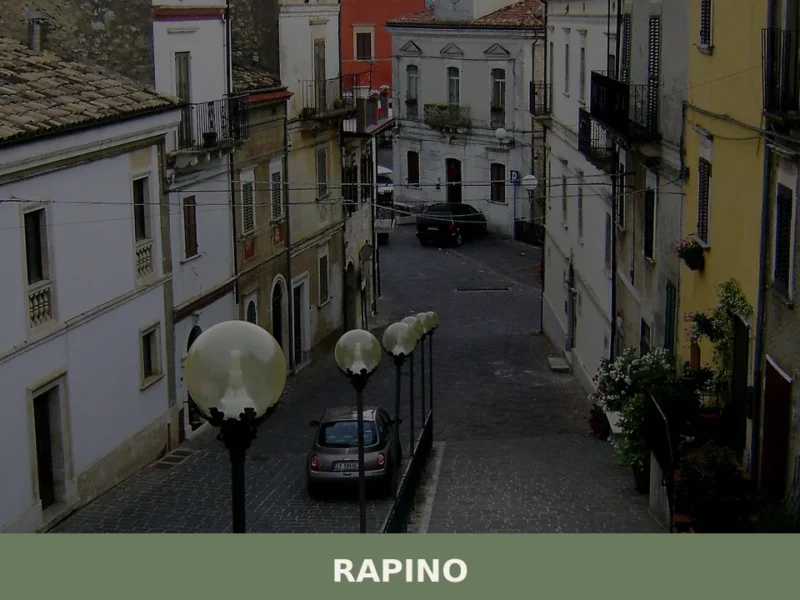
Rapino
Hills
What to see in Rapino: discover the 5 top attractions in this Abruzzo village, from the castle to traditional ceramics. Plan your visit.
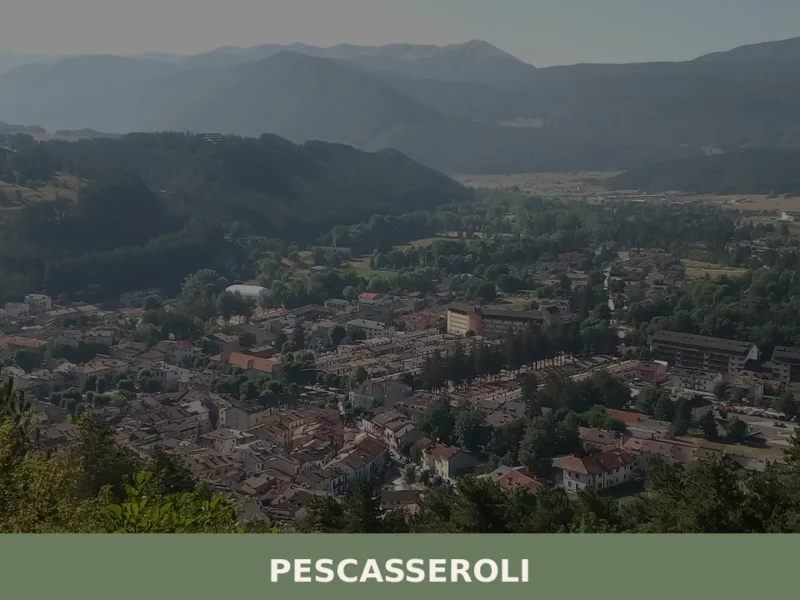
Pescasseroli
Mountain
What to see in Pescasseroli: from the Abruzzo National Park to Croce's birthplace, UNESCO beech forests, mountain cuisine and practical information for visiting the village.
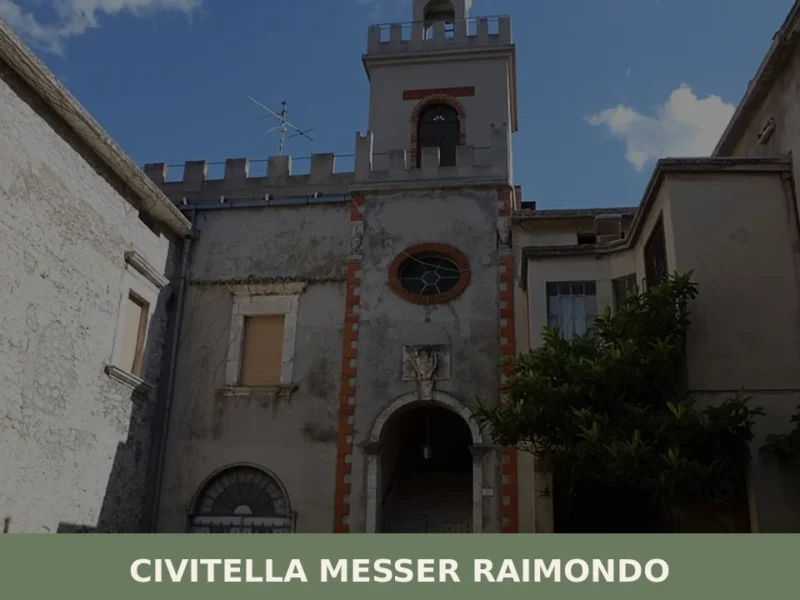
Civitella Messer Raimondo
Mountain
Civitella Messer Raimondo has 769 inhabitants and sits at 613 metres above sea level, on the eastern slope of the Maiella massif, in the province of Chieti. The village’s name still bears that of a medieval feudal lord — Raimondo — who shaped its political fortunes between the 13th and 14th centuries. Understanding what to […]

🏡 Know Collelongo better than we do?
If you’re a local or have been there, your knowledge matters: add what’s missing or fix a detail on this page.