


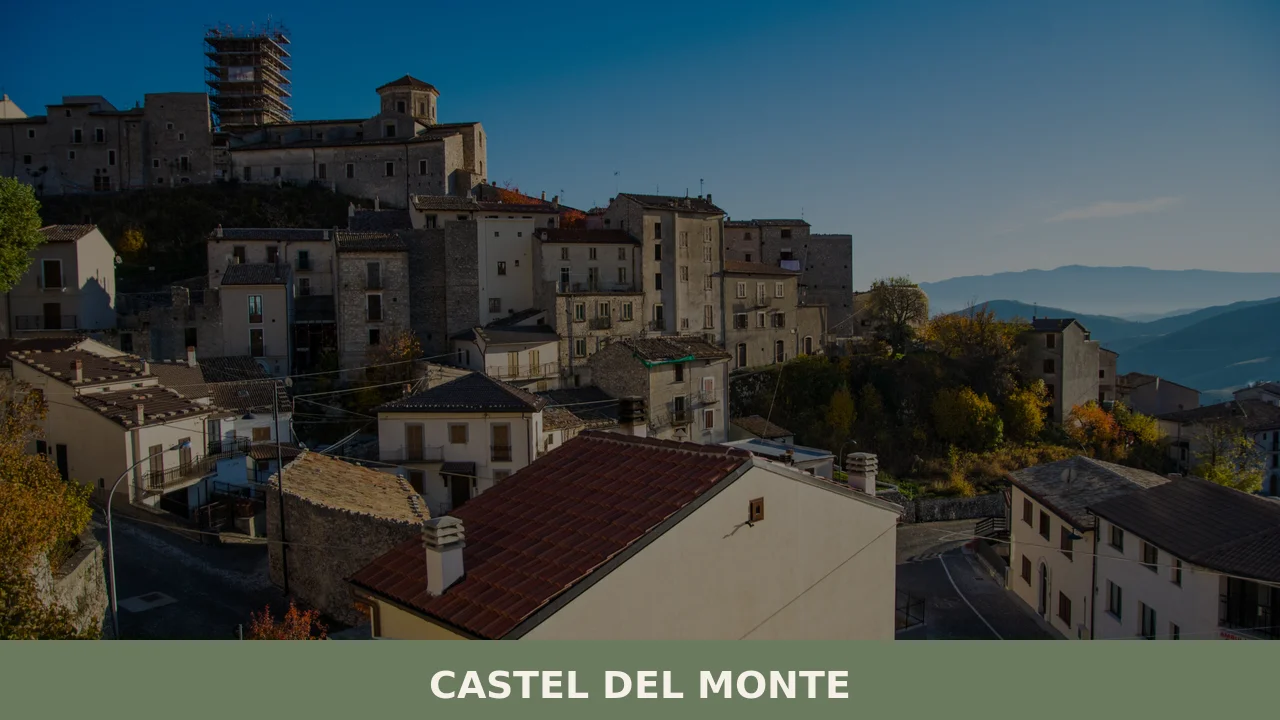
Castel del Monte
 Mountain
what to see in Castel del Monte? Discover this Abruzzo village at 1346m altitude. Explore historic churches, medieval walls, and taste traditional canestrato cheese in Italy.
Discover Castel del Monte
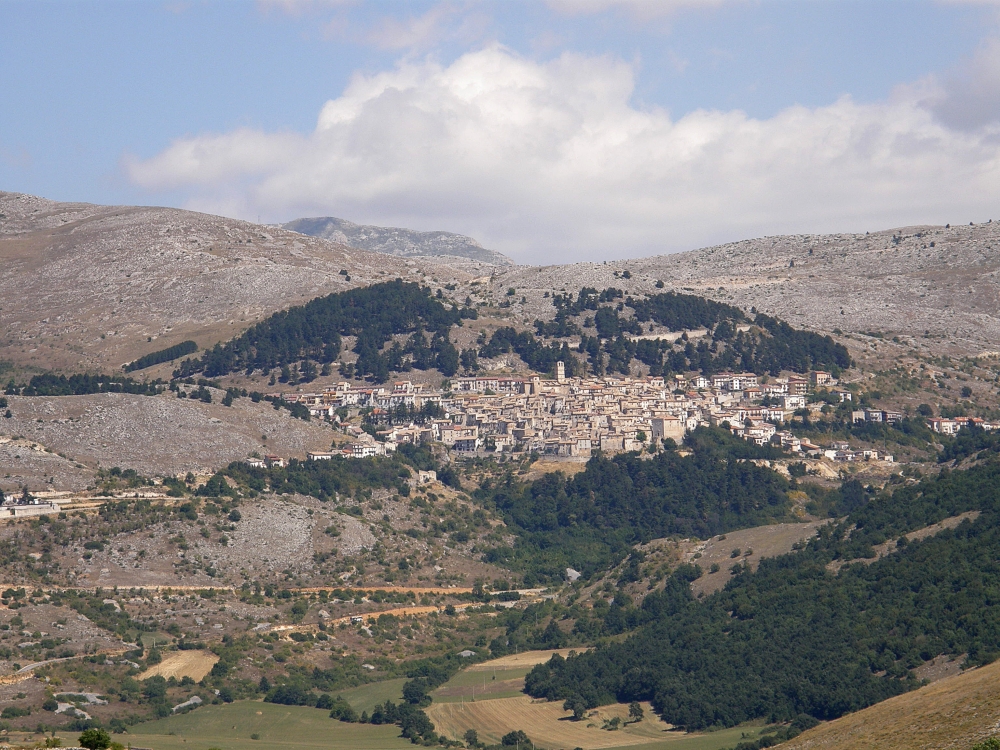
At 1346 m (4,416 ft) above sea level, Castel del Monte stands as a testament to medieval and Renaissance architecture within the rugged Gran Sasso mountain range. This hill town, part of the province of L’Aquila in northern Abruzzo, Italy, is set against a steep hillside, overlooking the high plain of Campo Imperatore and facing Monte Sirente in the distance. Its structures, many of which are centuries old, reflect a history that has shaped the very fabric of the village.
For those planning what to see in Castel del Monte, this village of 456 inhabitants presents a rich tapestry of experiences.
Visitors to Castel del Monte find well-preserved historic buildings and the dramatic landscapes of the Gran Sasso e Monti della Laga National Park. The Castel del Monte highlights include the imposing Chiesa “Matrice” di San Marco and the ancient defensive walls that once protected the community, offering a tangible connection to its past.
History of Castel del Monte
The name Castel del Monte, deriving from the Latin Castellum Montis, meaning “fortress of the mountain,” clearly indicates its historical strategic importance. The earliest evidence of human activity in the area dates back to artifacts from the 11th century BC, discovered in the valley below the town and believed to originate from an ancient necropolis. Later, in the 4th century BC, the Romans established their presence, conquering the region and founding Città delle Tre Corone, a settlement whose name translates to “town of the three crowns.”
Following the decline of the Western Roman Empire, Città delle Tre Corone was abandoned, leading to the establishment of the fortified town of Ricetto, which now forms the oldest section of Castel del Monte.
The village received its first official mention in 1223, documented in a papal bull issued by Pope Honorius III, solidifying its place in historical records. Control of the town shifted over centuries; in 1298, the Counts of Aquaviva assumed possession, and by 1474, it had passed first to Alessandro Sforza and shortly thereafter to the Piccolominis, families prominent in Italian history.
A significant period of influence began in 1579 when the Piccolominis ceded the village as part of the Baronage of Carapelle to Francesco de’ Medici, the Grand Duke of Tuscany. The Medici family governed the baronage for over 150 years, leaving a lasting architectural legacy on Castel del Monte. This era saw the completion of the Chiesa “Matrice” di San Marco in 1657, whose prominent tower remains a defining feature, alongside the construction of the diminutive Chiesa di San Rocco in 1656 and the town’s formidable defensive walls.
In 1743, the baronage transferred to Charles of Bourbon, then King of Naples and Sicily, and the village ultimately became part of unified Italy in 1861, a century later.
What to see in Castel del Monte, Abruzzo: top attractions
Chiesa “Matrice” di San Marco
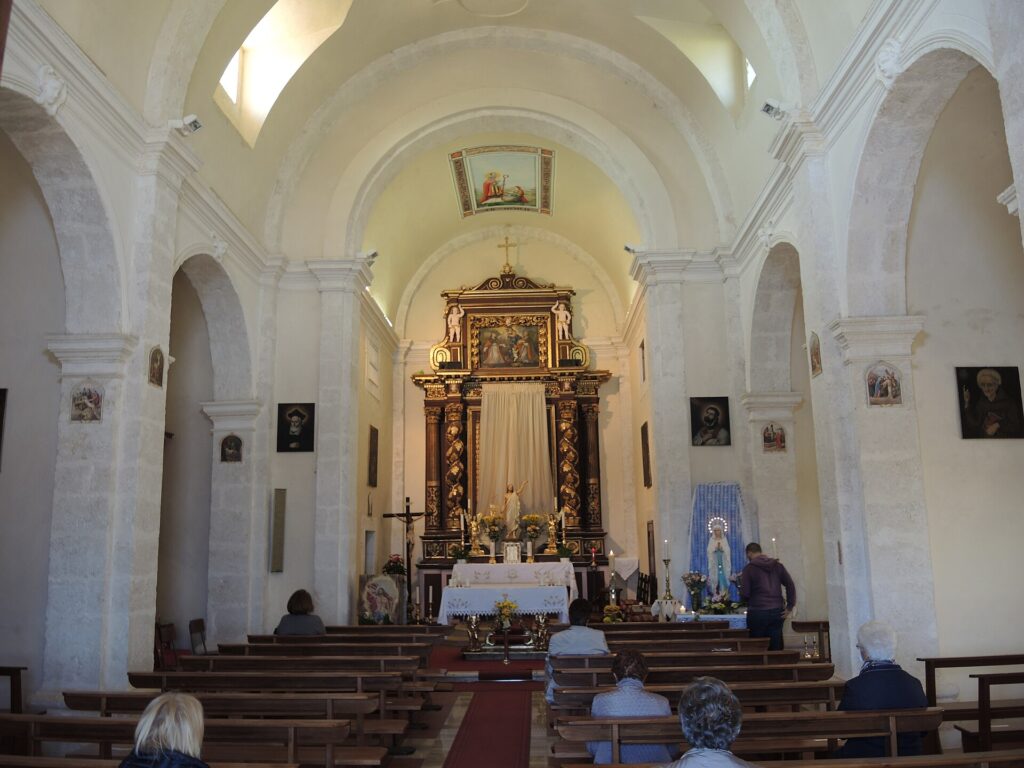
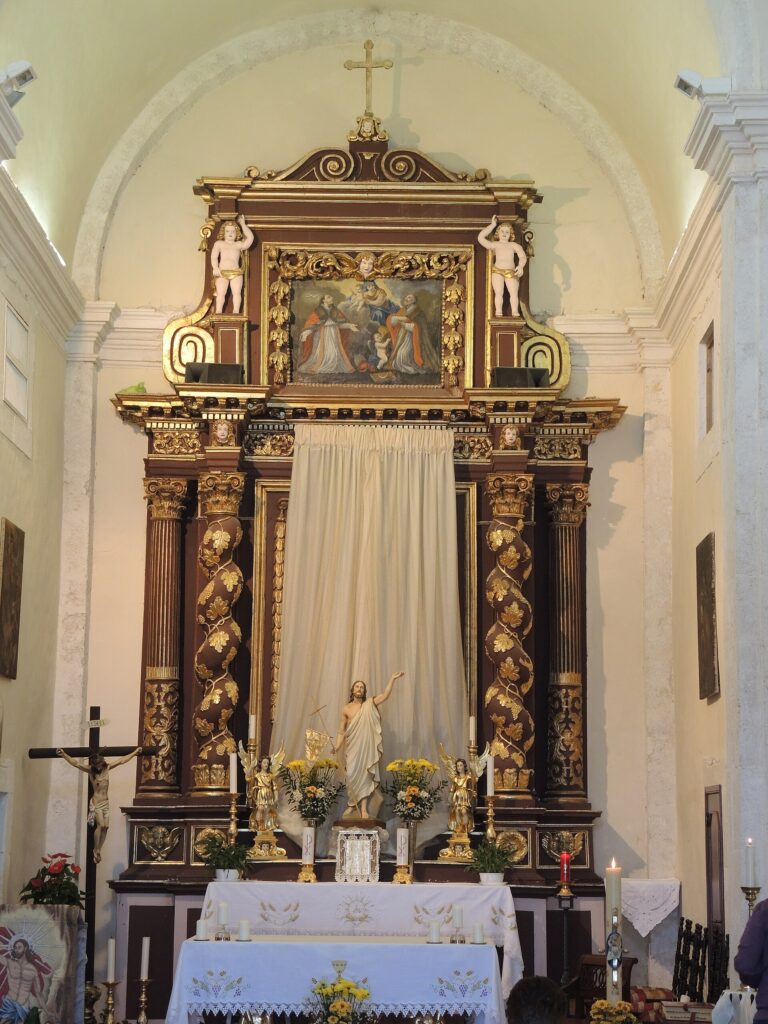
The Chiesa “Matrice” di San Marco stands prominently within Castel del Monte, its robust stone tower serving as a defining architectural landmark. This significant church was completed in 1657 under the patronage of the Medici family, who left a considerable imprint on the town’s development over a century and a half. Visitors can observe the Baroque influences in its design and the craftsmanship that went into its construction during this period. Exploring its interior reveals a space that has served as a spiritual and community hub for centuries, reflecting the town’s enduring faith and artistic traditions.
Chiesa di San Rocco
A smaller, yet historically significant, structure in Castel del Monte is the Chiesa di San Rocco, dating back to 1656. This diminutive church also owes its existence to the Medici era, showcasing the family’s extensive investment in the town’s religious and civic infrastructure. Despite its modest size, the church offers a glimpse into the architectural styles and devotional practices prevalent in the 17th century. Its quiet atmosphere provides a contemplative contrast to the larger parish church, inviting visitors to appreciate its subtle historical details and serene setting.
Defensive Walls and Great Gates
The robust defensive walls of Castel del Monte, largely constructed from “wall houses” that integrated residential structures into the fortifications, are a direct legacy of the Medici period.
These massive fortifications, along with the town’s great gates, were completed to protect the community from external threats. Examining these walls, visitors can trace the strategic layout of the medieval town, understanding how the architecture was designed for both daily life and defense. The remaining sections offer a tangible connection to the village’s past as a fortress, providing insights into historical military engineering.
Historic District of Ricetto
The Ricetto constitutes the oldest part of Castel del Monte, a labyrinthine historic district characterized by centuries-old structures that largely retain their medieval and Renaissance forms. This area, which replaced the abandoned Roman settlement of Città delle Tre Corone, offers a walk through narrow alleys and stone pathways that have seen little new construction in the past 100 years. It is within these ancient confines that the annual La Notte delle Streghe festival unfolds, transforming the entire district into a dramatic stage in mid-August.
Gran Sasso e Monti della Laga National Park
Castel del Monte is entirely situated within the vast , a protected area established in 1993.
This designation ensures that the land surrounding the village remains wild and largely undeveloped, preserving a near-pristine natural environment. Visitors to Castel del Monte have direct access to the park’s diverse landscapes, which include the high plain of Campo Imperatore and the peaks of the Gran Sasso mountain range. The Gran Sasso e Monti della Laga National Park, which also encompasses villages like Ortona dei Marsi, offers opportunities for observing local flora and fauna, making it an ideal destination for those interested in natural beauty and outdoor activities.
Local food and typical products of Castel del Monte
The gastronomic traditions of Castel del Monte are deeply rooted in its history of sheep farming, an economic pillar that sustained the region between the 12th and 16th centuries, when it was a prolific wool producer. This legacy continues to influence the local diet, with lamb and various sheep cheeses remaining central to the culinary identity of the area. The high mountain pastures of the Gran Sasso provide rich grazing lands, contributing to the distinctive flavors of the local produce, reflecting centuries of pastoral practices.
Similar culinary heritage can be found in other Abruzzo communities, such as Villa Santa Maria, known for its strong culinary identity.
Among the most notable local products is canestrato cheese, which has received recognition from the Slow Food movement for its sustainable agriculture practices. This hard, aged sheep’s milk cheese, often matured in woven baskets (hence the name canestrato, referring to the basket), embodies the traditional cheesemaking techniques of the Abruzzo region. Its robust flavor profile makes it a versatile ingredient, often grated over pasta dishes or served simply with local honey and bread, offering a true taste of the mountains.
While specific traditional dishes are often prepared with lamb, such as roasted lamb or hearty stews, the focus remains on the quality of the primary ingredients derived from sheep farming. Visitors can explore local eateries to experience these preparations, which often highlight the simplicity and richness of the pastoral heritage. The town’s economy, although diversified by tourism, still reveres these agricultural roots, ensuring the continued production of high-quality wool, lamb, and the renowned canestrato cheese for both residents and visitors to Castel del Monte.
Festivals, events and traditions of Castel del Monte
Castel del Monte observes its patron saint, San Donato, with an annual feast day held on August 7.
This traditional religious celebration brings the community together in honor of their patron. While specific details of processions or rituals are not provided, such events typically involve religious services, local music, and community gatherings, reflecting the deep-seated cultural and spiritual heritage of the village. The feast day offers a genuine insight into the local customs and the enduring faith of the inhabitants.
The most prominent cultural event in Castel del Monte is , or The Night of the Witches, an annual spectacle held in mid-August. Thousands of visitors arrive to witness this late-night folk drama, where the entire historic district serves as a stage. Residents of the town portray both townspeople and witches, performing in the local dialect known as “Castellano.” This unique event, for which Castel del Monte is widely recognized, transforms the village into a lively open-air theatre, celebrating local folklore and community participation, an essential part of what to see in Castel del Monte.
When to visit Castel del Monte, Italy and how to get there
The best time to visit Castel del Monte, Italy, largely depends on the desired experience.
For those interested in cultural events, mid-August is ideal to witness , although the village can be quite crowded during this period. For hiking and exploring the , late spring (May-June) and early autumn (September-October) offer pleasant weather and fewer visitors. Summers are generally warm, suitable for outdoor activities, while winters bring snow, transforming the landscape into a serene, often quiet, environment, appealing to those seeking tranquility.
Castel del Monte is accessible primarily by car, offering flexibility for exploring the broader Abruzzo region. From Rome, a major Italian hub city, the village is approximately 150 km (93.2 mi) east, a drive that typically takes around 2 hours, making it a feasible day trip from the capital. The nearest significant train station is L’Aquila, about 60 km (37.3 mi) away, from where bus services or private transfers would be necessary to reach the village.
The closest major airport is Abruzzo Airport (PSR) in Pescara, situated approximately 90 km (55.9 mi) to the east, requiring further ground transportation.
When planning your visit to Castel del Monte, it is advisable to carry some Euros cash, as smaller shops and local establishments may have limited card payment facilities. While Italy is generally welcoming to international visitors, English may not be widely spoken in all local businesses, particularly in smaller mountain villages. Consulting the official municipal website can provide updated information on local services and events, ensuring a smoother travel experience.
Visitors to Castel del Monte can extend their exploration of Abruzzo by considering nearby destinations. For instance, the historical context of Rocca di Botte offers another perspective on the region’s past, while Castel di Sangro provides a larger town experience with its own distinct character within the same province.
Frequently asked questions about Castel del Monte
What is the best time to visit Castel del Monte?
Summer (June–September) is the peak season, with pleasant temperatures ideal for hiking across Campo Imperatore and the Gran Sasso National Park. The feast of patron saint San Donato on 7 August is a highlight, bringing local celebrations to the village. Autumn (October–November) offers stunning foliage and the traditional Rientro della Transumanza, when flocks return from summer pastures. Spring is quiet and scenic. Winter transforms the village into a snow-covered retreat, but check road conditions before travelling given the altitude of 1,346 metres.
What are the historical origins of Castel del Monte?
Castel del Monte developed as a medieval fortified settlement in the province of L'Aquila, positioned to control transhumance routes across the high plains of Campo Imperatore. Its name references its origins as a mountain stronghold, and its urban fabric — with stone houses built directly into ancient defensive walls — reflects its role during feudal rivalries. The village's economy and culture were shaped for centuries by the tratturi, the official sheep tracks used for seasonal livestock migration across the Apennines.
What to see in Castel del Monte? Main monuments and landmarks
Key sites include the historic Case Mura, stone dwellings integrated into the medieval defensive walls, best explored on foot through the old town's narrow alleyways. The Chiesa Madre di San Marco Evangelista dominates the main square, with its distinctive bell tower. Porta di San Rocco is a surviving medieval gate offering a tangible connection to the village's fortified past. The Museo della Transumanza documents the ancient shepherding tradition through tools, photographs, and artefacts central to Abruzzese identity.
What are the main natural or scenic attractions of Castel del Monte?
Castel del Monte sits within the Gran Sasso e Monti della Laga National Park, one of Italy's largest protected areas. The nearby Campo Imperatore plateau — nicknamed Italy's 'Little Tibet' — offers vast open landscapes, wildflower meadows in summer, and sweeping Apennine panoramas. The area is crossed by documented CAI hiking trails connecting the village to Gran Sasso peaks. The surrounding terrain is ideal for trekking, birdwatching, and witnessing the traditional transhumance routes that have shaped this landscape for millennia.
Where to take the best photos in Castel del Monte?
The most rewarding shots are found at the natural belvedere points on the upper edges of the village, overlooking the Campo Imperatore plateau and the Gran Sasso massif. Porta di San Rocco and the surrounding medieval walls make for strong architectural compositions. The narrow stone alleyways of the historic centre, particularly in morning light when the grey façades are illuminated at low angles, offer authentic village atmosphere. The churchyard of San Marco Evangelista provides a classic elevated view over the valley below.
Are there museums, churches or historic buildings to visit in Castel del Monte?
The Museo della Transumanza is the village's dedicated cultural institution, preserving tools, artefacts, and documentary materials related to the ancient shepherding migrations. The Chiesa Madre di San Marco Evangelista is the main religious monument, housing centuries of accumulated art and devotional objects. The surviving medieval gate Porta di San Rocco and the integrated Case Mura dwellings complete the historic architectural heritage. For current opening hours and admission, it is advisable to contact the local Pro Loco or the municipality directly before visiting.
What can you do in Castel del Monte? Activities and experiences
Castel del Monte is a base for hiking and trekking within the Gran Sasso e Monti della Laga National Park, with trails leading across the Campo Imperatore plateau. In autumn, visitors can witness or follow the Rientro della Transumanza, a living cultural tradition. The village feast of San Donato on 7 August offers an authentic local celebration. Food experiences include tasting arrosticini, pecorino cheese, and saffron-based dishes in local trattorias, or purchasing lentils and local products directly from small producers in the area.
Who is Castel del Monte suitable for? Families, couples, hikers, solo travelers?
Castel del Monte is best suited to hikers and outdoor enthusiasts seeking access to Gran Sasso trails and Campo Imperatore without the crowds of larger resorts. Couples and slow-travel visitors will appreciate the authentic atmosphere, stone architecture, and unhurried pace of a 431-person mountain community. It appeals strongly to those interested in traditional pastoral culture, transhumance history, and Abruzzese food heritage. Families with older children who enjoy walking and nature will also find it rewarding. It is less suitable for visitors seeking beaches, nightlife, or urban amenities.
What to eat in Castel del Monte? Local products and specialties
The local table centres on sheep farming traditions: arrosticini (grilled lamb skewers) are the iconic Abruzzese street food, while pecorino cheese — made from local sheep's milk and eaten fresh or aged — is produced in the area. Lentils cultivated on the high plains and saffron from the nearby Navelli plateau (which holds DOP status) feature in local cooking. Maccheroni alla chitarra with lamb ragù is a classic pasta dish. Visitors can taste these specialties in local trattorias or buy directly from small producers in and around the village.
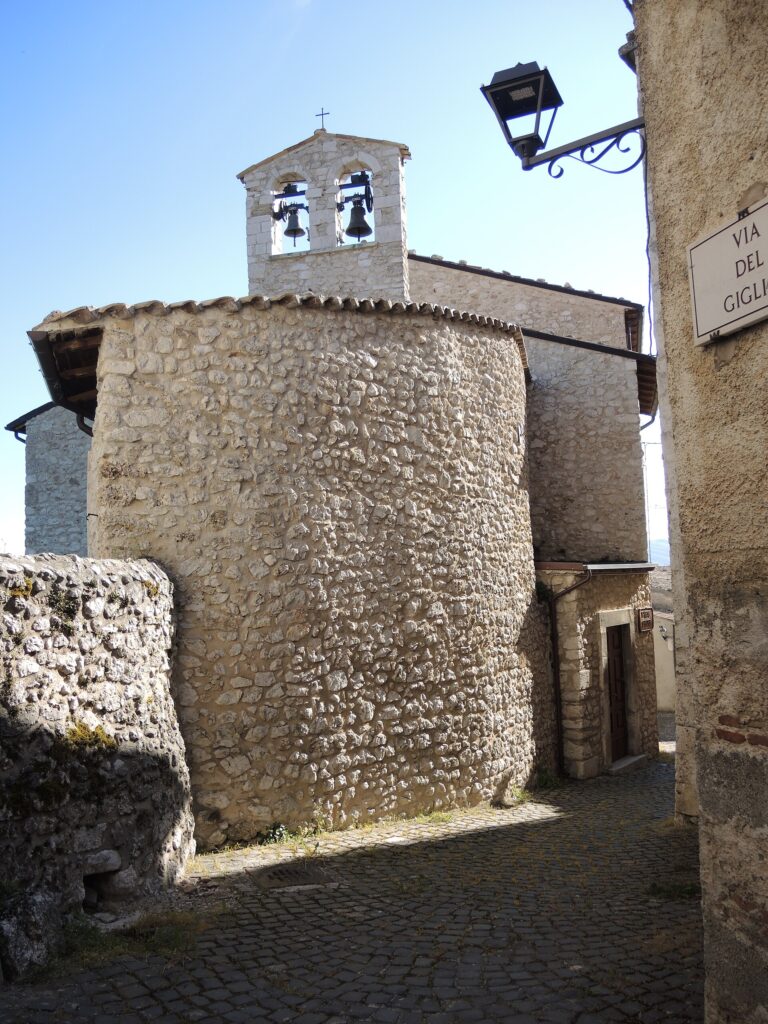
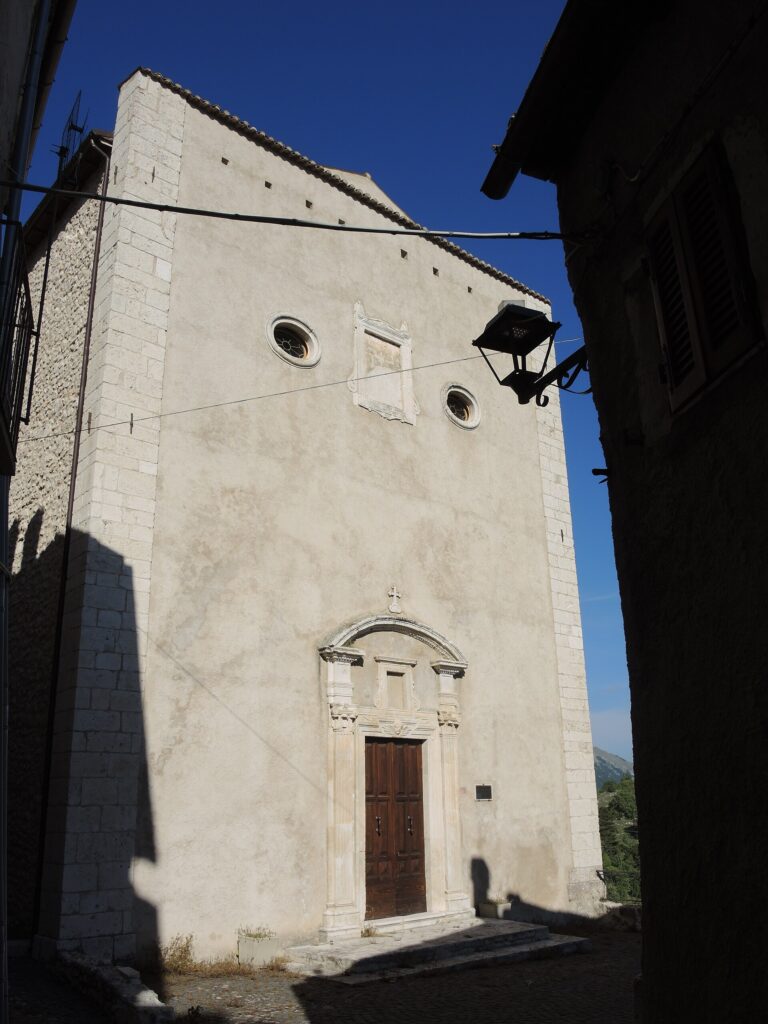
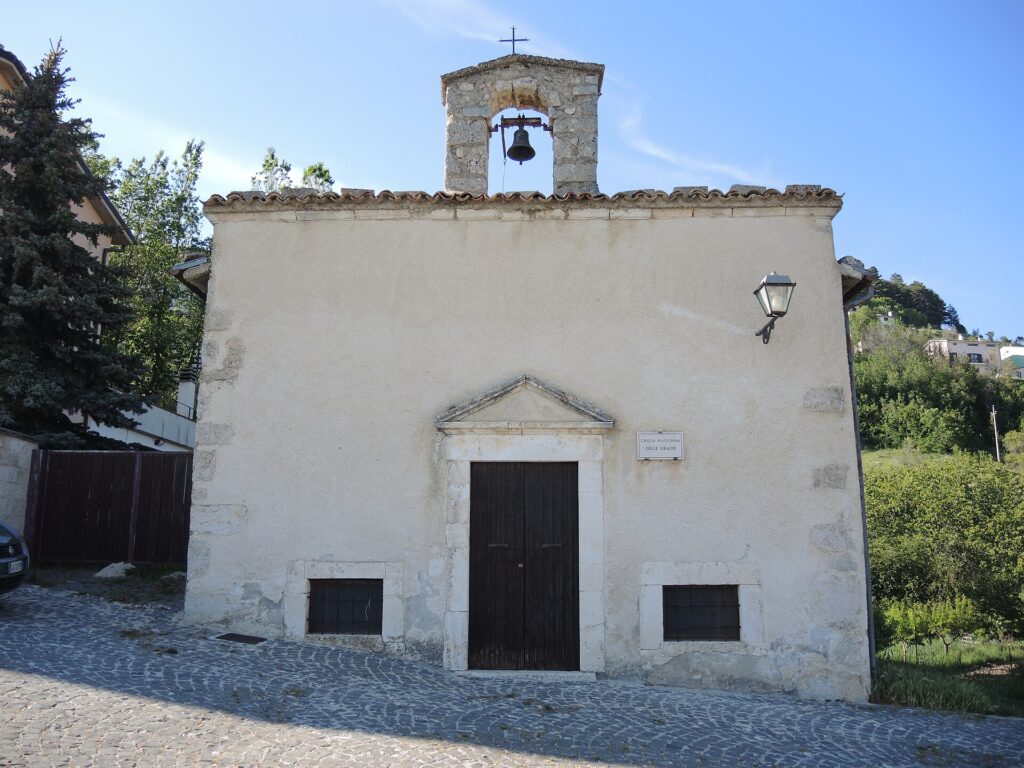
📷 Photo Gallery — Castel del Monte

Getting there
Via del Municipio, 67023 Castel del Monte (AQ)
Nearby Villages near Castel del Monte
In Abruzzo More villages to discover
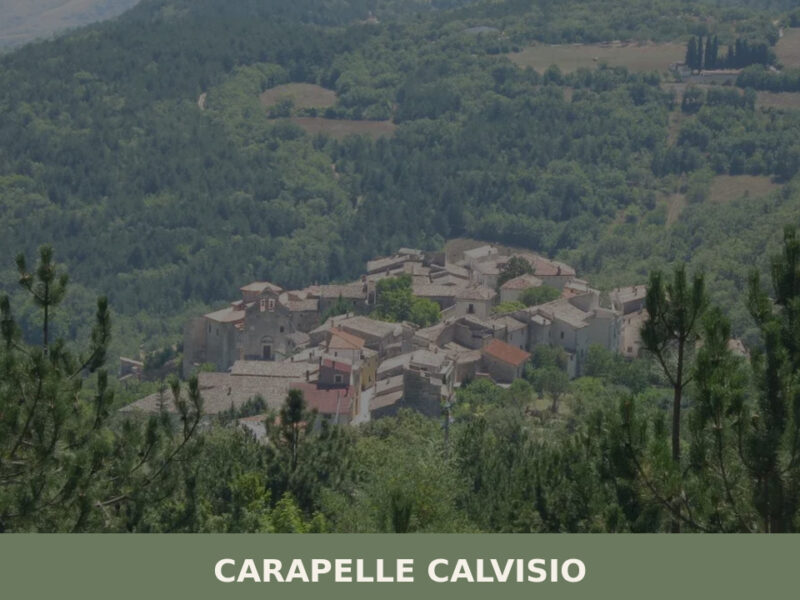
Carapelle Calvisio
Mountain
What to see in Carapelle Calvisio, Italy? Explore this village at 910 m (2,986 ft) altitude, visit Rocca Calascio, and discover its unique population status. Read our guide!
Atessa
 Hills
Hills
What to see in Atessa, Abruzzo, Italy: explore the Cathedral of San Leucio, the Pallanum archaeological park, and a 17th-century historic centre spanning 11,003 hectares. Discover it all.

Casalbordino
Hills
 Sea
Sea
What to see in Casalbordino, Italy: a sanctuary dating to 1576, 7.5 km of sand beach, and a nature reserve. Discover top attractions and travel tips.

Casalincontrada
Hills
What to see in Casalincontrada, Abruzzo, Italy: 3 historic monuments, a 14th-century city gate and Baroque church. Discover the best of this Chieti village.
Pereto
Mountain
Discover Pereto's 5 must-see attractions in Abruzzo. From Rocca Orsini to historic churches, read our guide and plan your trip!

Casoli
Hills
What to see in Casoli, Abruzzo, Italy: explore Castello Masciantonio, Lake Casoli 4 mi away, and a medieval town listed among Italy's most beautiful villages. Discover it now.
Avezzano
 Lake
Mountain
Lake
Mountain
What to see in Avezzano, Italy: explore the Orsini-Colonna Castle, Roman villa, and Fucino PGI potato. 100 km from Rome. Discover Abruzzo's Marsica hub.
Dogliola
Hills
what to see in dogliola, Italy: Discover the 445 m elevation, 311 residents, and San Rocco festival. Explore rich history and stunning landmarks.

Castiglione Messer Raimondo
Hills
What to see in Castiglione Messer Raimondo, Italy: explore 5 top attractions near Gran Sasso, medieval history and local food. Discover Abruzzo's Teramo province.
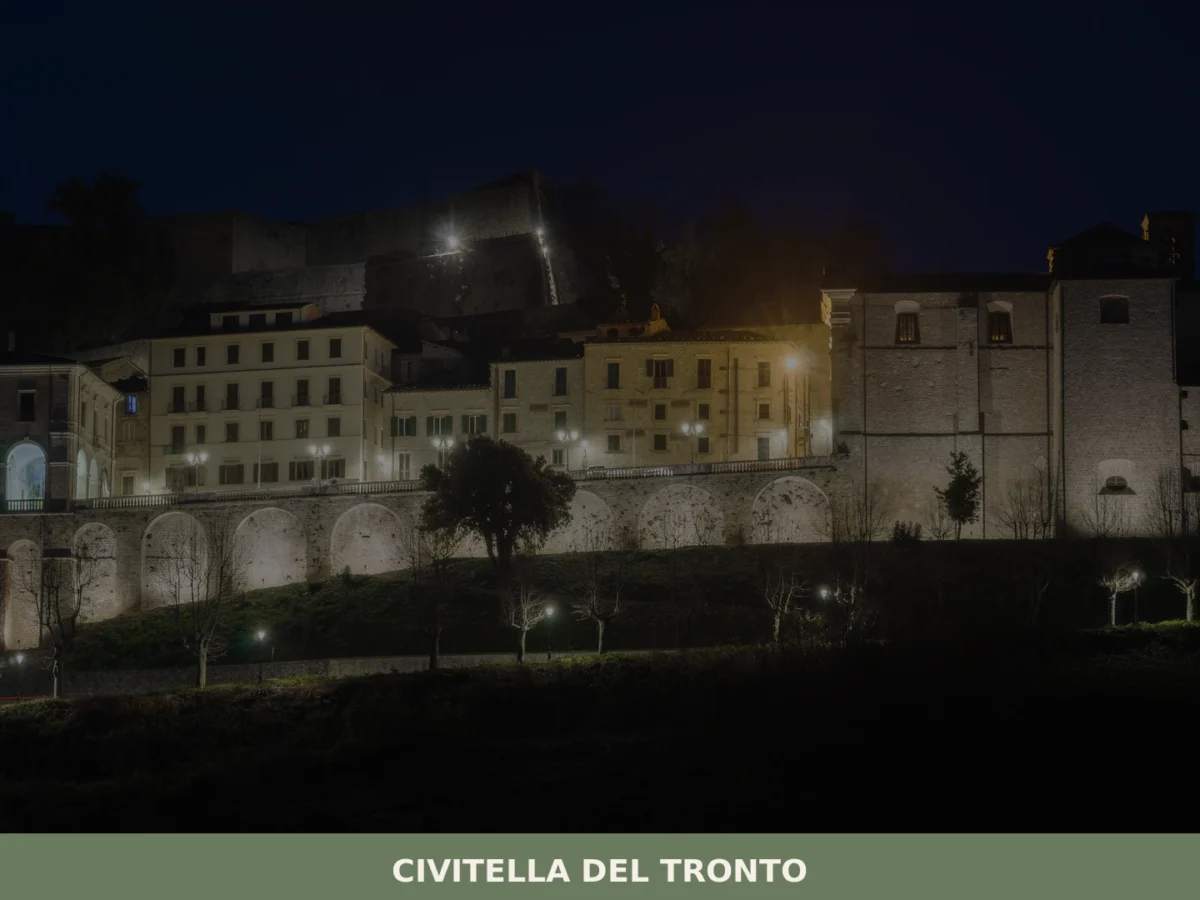
Civitella del Tronto
Hills
what to see in civitella del tronto, Italy: Discover the historic Fortress and the 1326 San Francesco church in this Abruzzo village at 589 meters altitude. Explore now.




🏡 Know Castel del Monte better than we do?
If you’re a local or have been there, your knowledge matters: add what’s missing or fix a detail on this page.