


Caravonica
 Hills
Hills
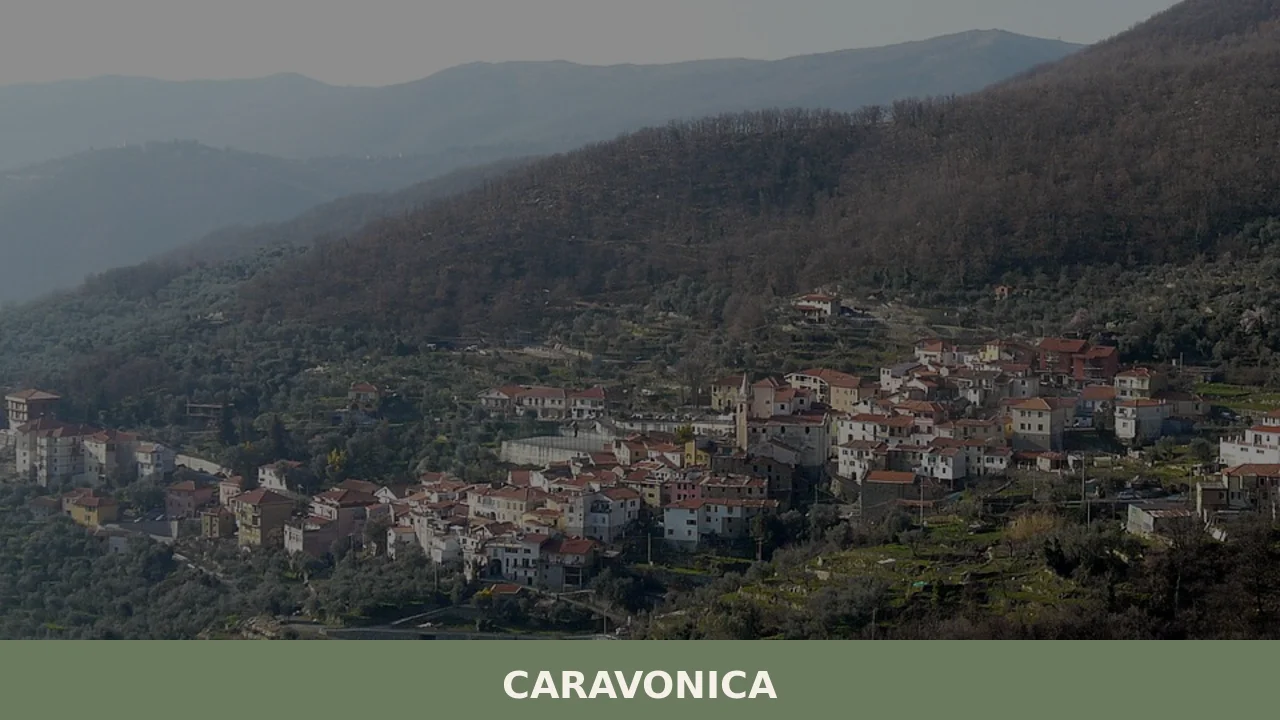
The scent of wild rosemary drifts on the morning air, carried by a breeze that has travelled from the Ligurian Sea and across the terraced olive groves. Morning light, still soft, begins to illuminate the ochre and terracotta facades of Caravonica “”, a village clinging to a hillside in the Imperia province. At 360 meters […]
Discover Caravonica
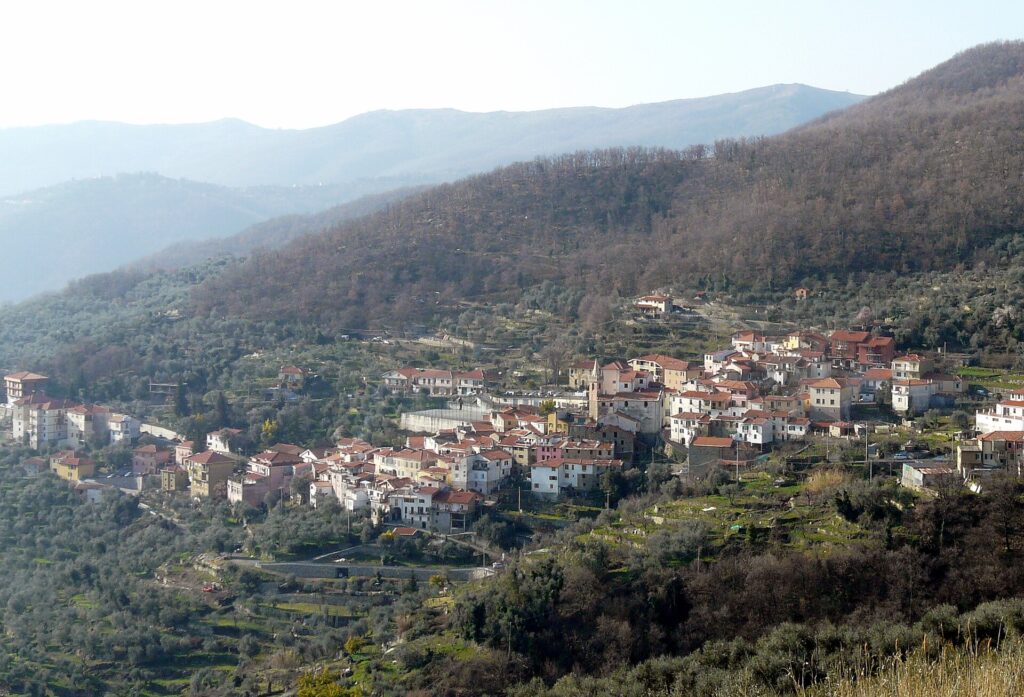
The scent of wild rosemary drifts on the morning air, carried by a breeze that has travelled from the Ligurian Sea and across the terraced olive groves. Morning light, still soft, begins to illuminate the ochre and terracotta facades of Caravonica “”, a village clinging to a hillside in the Imperia province. At 360 meters above sea level, its position offers a vantage point over the valley, where the rhythm of village life unfolds, marked by the distant ring of a church bell and the quiet hum of an awakening community of 293 inhabitants.
This is a place where history is etched into the very stone of the alleys, and time seems to slow to the pace of the olive harvest.
History of Caravonica “”
The origins of villages like Caravonica in Liguria often trace back to Roman times, when the strategic hillsides provided both defensive advantages and fertile ground for early settlements.
While specific detailed records for Caravonica are scarce, its name may hint at its historical role, perhaps as a waypoint or a place associated with ancient trade routes, given the region’s long history of commerce connecting the coast with the inland valleys. Over centuries, these communities developed around agricultural practices, primarily olive cultivation, which shaped their economy and landscape.
During the medieval period, the Ligurian hinterland was a contested territory, with various noble families and maritime republics vying for control. Villages like Caravonica would have adapted to these shifting allegiances, often developing fortified structures to protect their inhabitants and resources. Life was defined by the cycles of the seasons, the olive harvest, and the production of oil, a commodity that brought both prosperity and vulnerability.
The architectural fabric, with its narrow, winding alleys and tightly packed houses, reflects a defensive past and a community built to withstand the passage of time and conflict.
What to see in Caravonica: 5 must-visit attractions
The Carrugi and Historic Core
Wander through the network of narrow, cobbled alleys known as carrugi.
These shaded passages, often arched and stone-lined, are a defining feature of Ligurian villages. They reveal layers of history in their ancient walls, offering glimpses into private courtyards and small, hidden squares. Exploring them on foot is the best way to absorb the village’s intimate atmosphere and discover its quiet corners.
The Main Piazza
At the heart of Caravonica lies its central piazza, a traditional gathering space for the community. Often featuring a fountain and surrounded by older buildings, this square serves as a focal point for village life.
It’s a place to observe locals, perhaps enjoying an espresso in the morning or an aperitivo in the late afternoon, reflecting the unhurried pace of the Ligurian interior.
The Parish Church
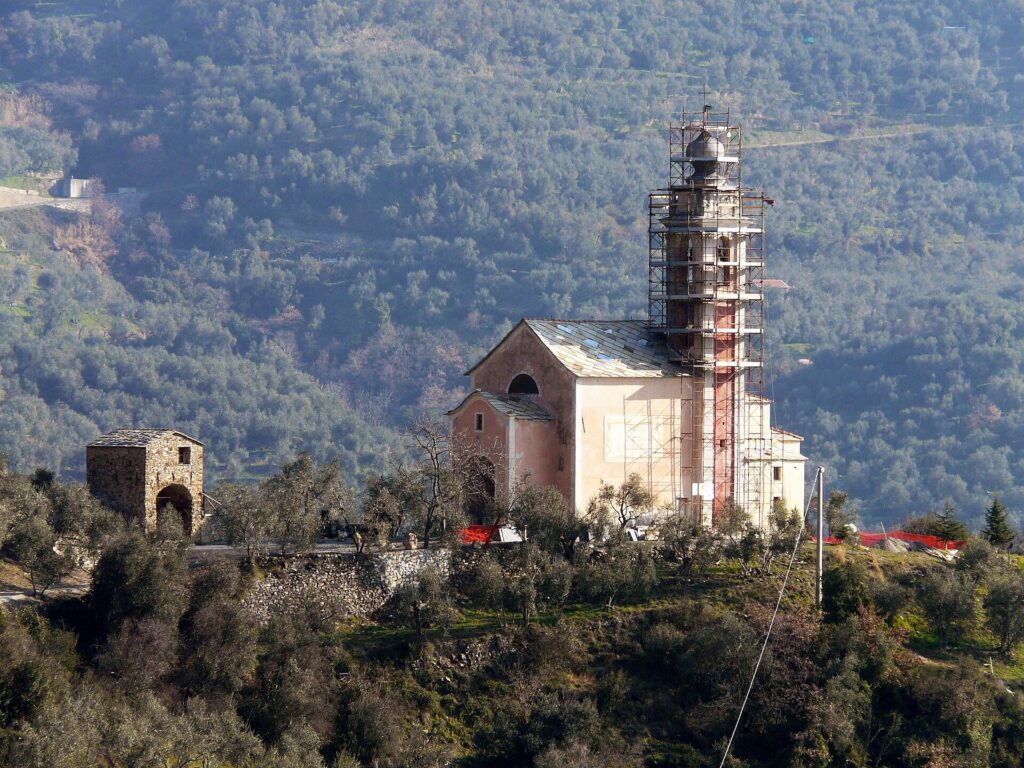
Every Ligurian village holds a parish church, often dating back centuries, which stands as a testament to the community’s enduring faith and architectural heritage.
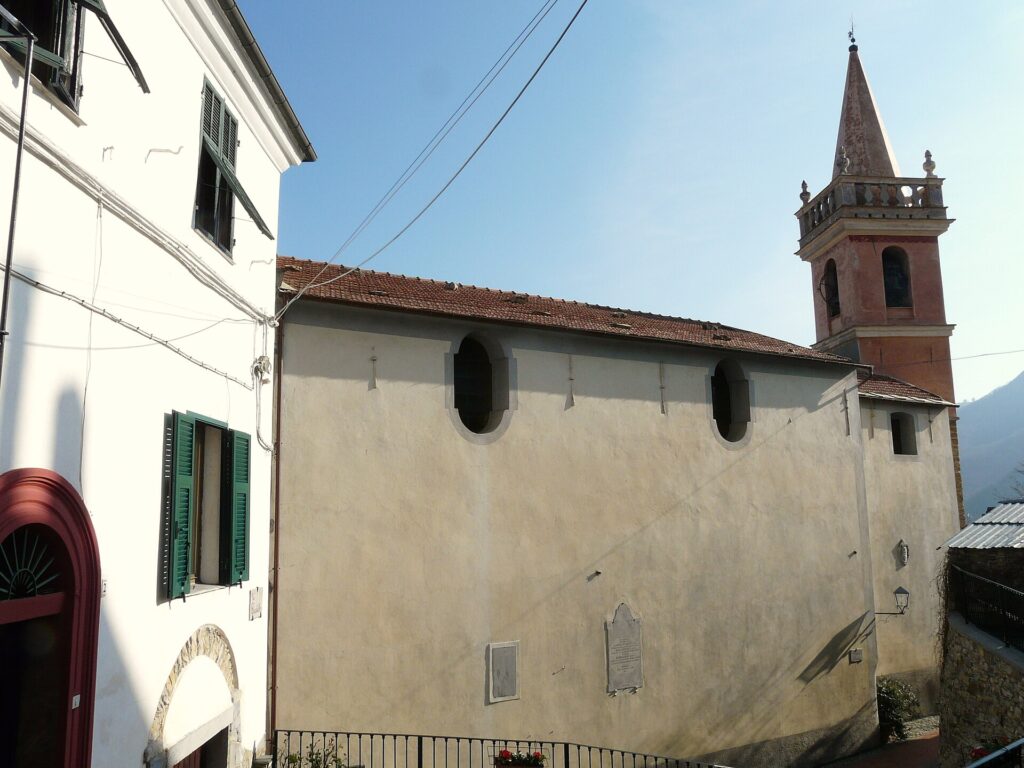
While specific details may vary, these churches typically feature a bell tower and an interior adorned with local artistry, from frescoes to altarpieces, reflecting the regional Baroque or Romanesque styles. It serves as both a spiritual center and a historical landmark.
Panoramic Viewpoints
Given its elevation of 360 meters above sea level, Caravonica naturally offers several vantage points providing expansive views. From certain terraces or higher points within the village, visitors can survey the surrounding terraced hillsides, dense with olive groves, and glimpse the distant Ligurian coastline.
These vistas provide a sense of the village’s relationship with its rugged landscape and the sea beyond.
Traditional Olive Mill
Liguria is synonymous with olive oil, and many villages retain vestiges of their olive oil production history.
While a fully operational ancient mill might not be active, the presence of historical presses or preserved mill structures offers insight into this vital industry. These sites demonstrate the traditional methods used to produce the region’s “green gold,” a cornerstone of local culture and economy.
Local food and typical products
Ligurian cuisine is a celebration of its landscape: the sea, the hills, and the abundant olive groves. In Caravonica, the focus remains on fresh, seasonal ingredients. Olive oil, of course, is paramount, a golden, fruity elixir used generously in almost every dish. Expect to find dishes like focaccia, often baked with olives or rosemary, and various pasta preparations.
Trofie al pesto, a short, twisted pasta with the vibrant basil pesto, is a regional staple, as are pansoti, a type of ravioli typically filled with wild herbs and served with a walnut sauce.
Beyond pasta, the local diet incorporates fresh vegetables, wild herbs gathered from the hillsides, and cured meats.
Depending on proximity to the coast, seafood might feature, but inland villages often rely more on rabbit, game, and hearty vegetable stews. Local wines, though less famous than those from other Italian regions, offer a genuine taste of the territory, often from small, family-run vineyards. Seek out small trattorias or agriturismi that serve dishes prepared with ingredients sourced directly from the surrounding farms.
Best time to visit Caravonica
Caravonica, like much of inland Liguria, enjoys a Mediterranean climate, making spring and autumn ideal for visits. From April to June, the landscape is lush and green, wildflowers bloom, and the temperatures are pleasantly mild for exploring the carrugi and surrounding trails.
September and October offer comfortable warmth, fewer crowds than the peak summer months, and the opportunity to witness the olive harvest, a significant cultural event in the region.
Summer (July-August) can be warm, with temperatures sometimes climbing, but the higher altitude often provides a welcome breeze.
This period is suitable for those seeking longer daylight hours and a vibrant atmosphere, though it coincides with Italian holiday periods. Winter months are cooler and quieter, offering a more introspective experience of village life, though some smaller businesses might have reduced hours. Regardless of the season, comfortable walking shoes are essential for navigating the village’s steep and uneven paths.
How to get to Caravonica
Caravonica is situated in the province of Imperia, in the Liguria region of Italy. The most convenient way to reach the village is by car, offering flexibility to navigate the winding roads of the Ligurian hinterland. From the A10 motorway (Autostrada dei Fiori), take the Imperia Est or Imperia Ovest exit, then follow local signs inland towards the village.
The drive from the motorway exit typically involves a picturesque ascent through olive groves.
The nearest major train station is Imperia, located on the coastal railway line.
From Imperia station, onward travel to Caravonica would require a local bus service (which may be infrequent) or a taxi. For international visitors, the closest airports are Nice Côte d’Azur Airport (NCE) in France, approximately 80-90 km away, and Genoa Cristoforo Colombo Airport (GOA) in Italy, about 110-120 km away. Both airports offer car rental services, which are highly recommended for exploring the region’s smaller villages.
More villages to discover in Liguria
The Ligurian hinterland is a tapestry of ancient settlements, each with its own character and story. Just a short journey from Caravonica, visitors can explore the enchanting medieval village of Apricale, renowned for its artistic spirit and the dramatic ruins of its Doria Castle. Like Caravonica, Apricale offers a glimpse into a way of life deeply connected to the land and its history, with narrow alleys that invite leisurely exploration and discovery.
Beyond the immediate vicinity, the entire province of Imperia is dotted with similar hilltop villages, each preserving unique traditions and architectural styles.
These communities, often built on strategic defensive positions, share a common heritage of olive cultivation and a close-knit community spirit.
Continuing your journey through these lesser-known corners of Liguria, such as , provides a rich understanding of the region’s enduring rural charm and its deep connection to the Mediterranean landscape. For more information on the Liguria region, consult authoritative sources such as Wikipedia or the official Liguria Tourism Board.
Photo Gallery of Caravonica
Frequently asked questions about Caravonica
What is the best time to visit Caravonica?
Spring (April–June) and autumn (September–October) are the ideal seasons to visit Caravonica. Temperatures are mild, the landscape is at its most beautiful, and the olive harvest in October offers an authentic cultural experience. The feast of the patron saint San Michele Arcangelo on 29 September is a highlight, coinciding perfectly with the early autumn visit window. Summer is warm but the village's elevation of 360 metres provides welcome relief from coastal heat. Winter is quiet and cool, best suited to those seeking solitude.
What to see in Caravonica? Main monuments and landmarks
Caravonica's historic centre is its main attraction: explore the characteristic carrugi, the narrow cobbled alleys typical of Ligurian villages, winding between stone houses and arched passages. The parish church, dedicated to San Michele Arcangelo, is the spiritual and architectural heart of the village. The central piazza serves as a lively gathering point for locals. From various terraces within the village, at 360 metres above sea level, visitors enjoy panoramic views across olive-terraced hillsides toward the Ligurian coast. Access to the historic centre is free and best explored on foot.
What are the main natural or scenic attractions of Caravonica?
Caravonica sits at 360 metres in the Ligurian hinterland of the Imperia province, surrounded by terraced hillsides dense with ancient olive groves. The countryside offers pleasant walking through a landscape shaped by centuries of agricultural tradition. The elevated position provides open views over the valley and toward the Ligurian Sea. The surrounding hills, rich in wild rosemary and Mediterranean scrub, are characteristic of the inland Imperia territory and invite leisurely exploration on foot along rural paths.
Where to take the best photos in Caravonica?
The most rewarding photographic spots in Caravonica are its elevated terraces and panoramic viewpoints, where the terraced olive groves cascade down toward the valley and the distant Ligurian Sea appears on clear days. The carrugi — narrow, stone-lined alleys with arched passages — offer atmospheric shots of traditional Ligurian architecture. The ochre and terracotta facades of the village catch the warm morning and late-afternoon light particularly well. The central piazza, with its older surrounding buildings, provides an authentic backdrop for village life photography.
What can you do in Caravonica? Activities and experiences
Caravonica is well suited to slow, immersive travel. Visitors can stroll the historic carrugi, admire the views from the village terraces, and experience authentic daily life in a small Ligurian hill community. The olive harvest season in October offers the chance to witness a centuries-old agricultural tradition still practised in the surrounding groves. The feast of San Michele Arcangelo on 29 September brings the village together for its main annual celebration. The surrounding countryside is ideal for leisurely walking among olive terraces and Mediterranean hillside vegetation.
Who is Caravonica suitable for? Families, couples, hikers, solo travelers?
Caravonica is particularly well suited to couples and solo travellers seeking an authentic, unhurried experience away from the crowded Ligurian coast. Its intimate scale, scenic landscape, and slow pace also appeal to culture and food enthusiasts drawn to traditional village life and olive oil culture. Walkers and nature lovers will appreciate the terraced countryside and panoramic views. Families with older children can enjoy the historic centre and surrounding hills. It is less suited to visitors seeking beach activities or extensive tourist infrastructure, given its small population of 254 residents.
What to eat in Caravonica? Local products and specialties
The cuisine around Caravonica reflects the broader Ligurian hinterland tradition of the Imperia province. Extra virgin olive oil, produced from the local Taggiasca olive variety — a DOP product of the Riviera Ligure — is the cornerstone of every dish. Expect focaccia with olives or rosemary, trofie al pesto, and pansoti with walnut sauce. Inland staples include rabbit dishes, hearty vegetable stews, and preparations using wild herbs gathered from the surrounding hills. Small trattorias and agriturismi in the area typically source ingredients directly from local farms and producers.
📷 Photo Gallery — Caravonica
Nearby Villages near Caravonica
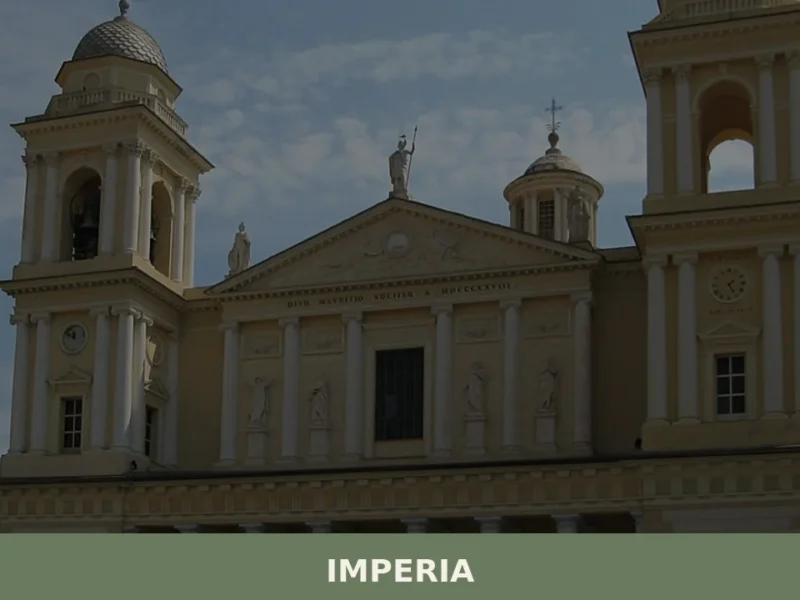
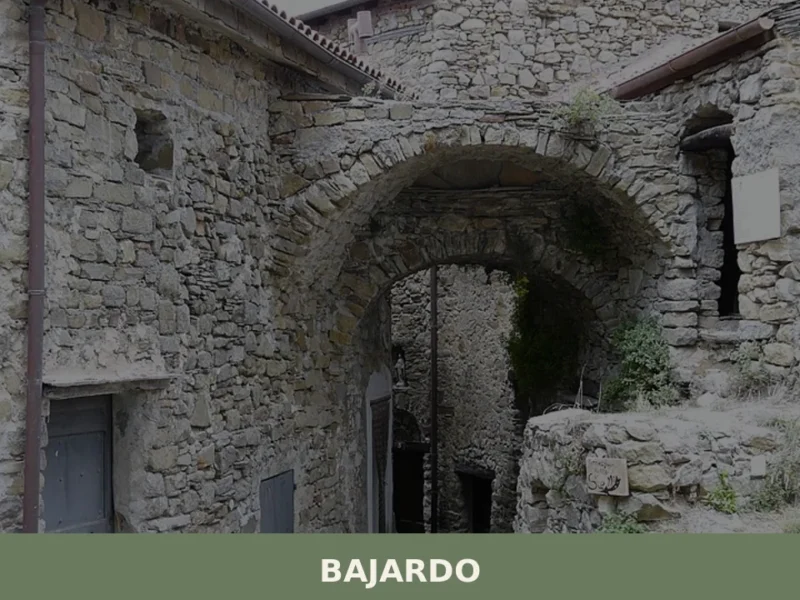
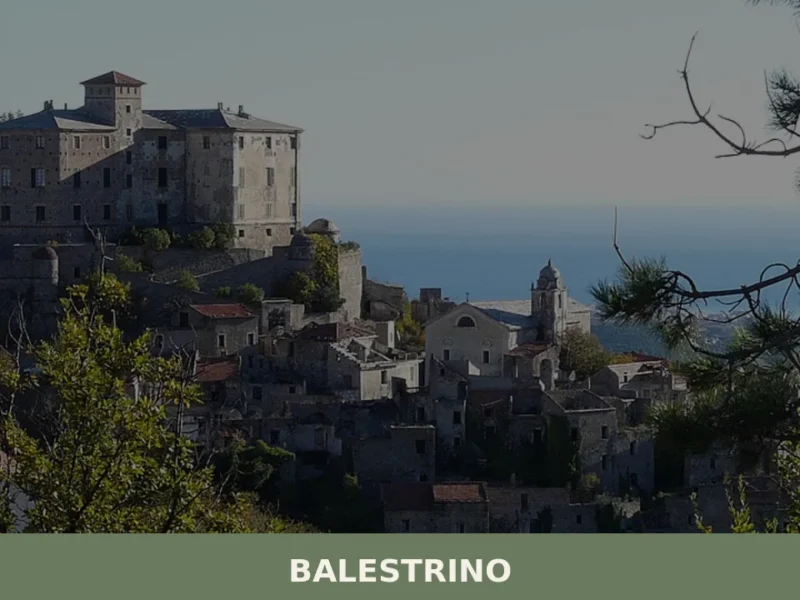
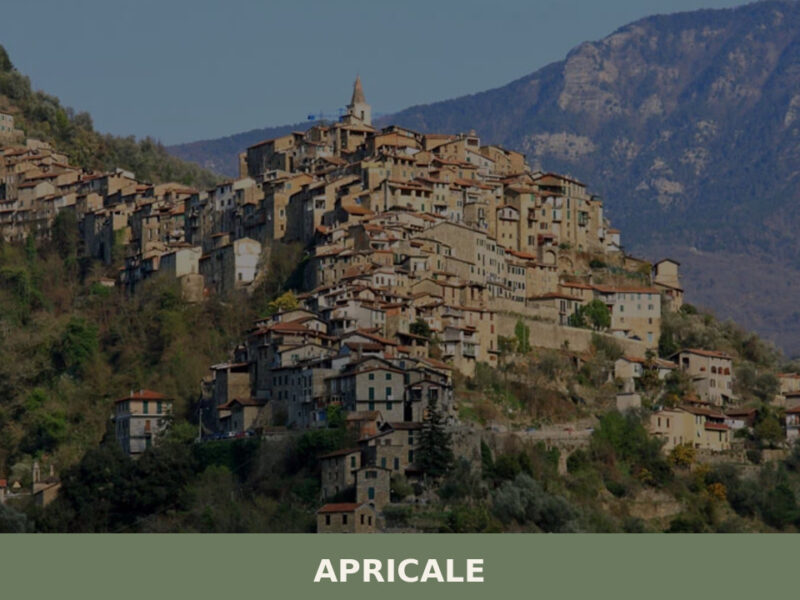
In Liguria More villages to discover
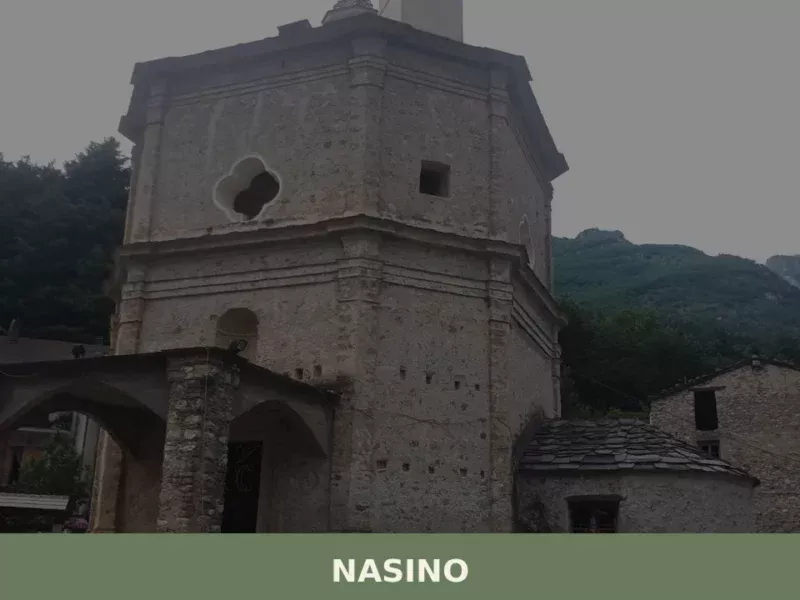
Nasino
 Mountain
What to see in Nasino, Italy: a village of 212 inhabitants southwest of Savona. Explore its Ligurian character and scenic surroundings. Discover its unique charm.
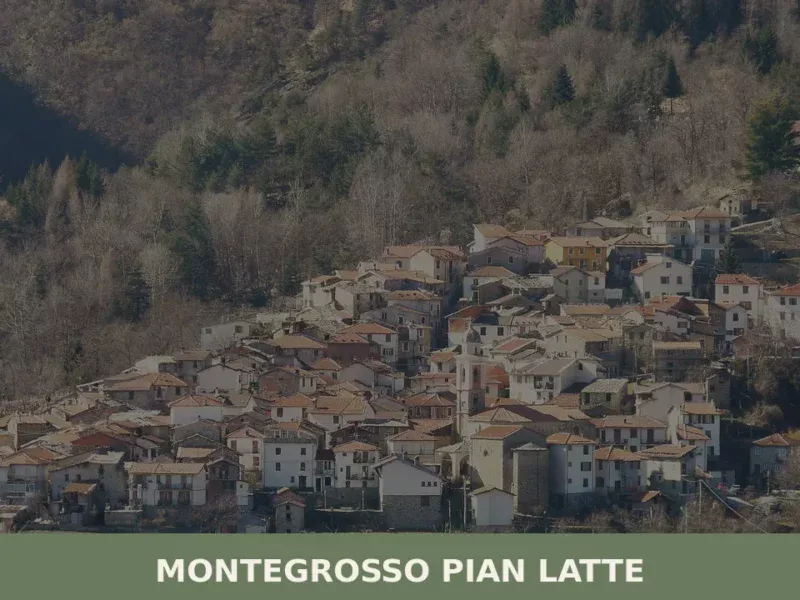
Montegrosso Pian Latte
Mountain
What to see in Montegrosso Pian Latte, Italy? Discover this Ligurian village of 132 residents, explore its frazione Case Fascei, and the Alpi Liguri Park. Read our guide.
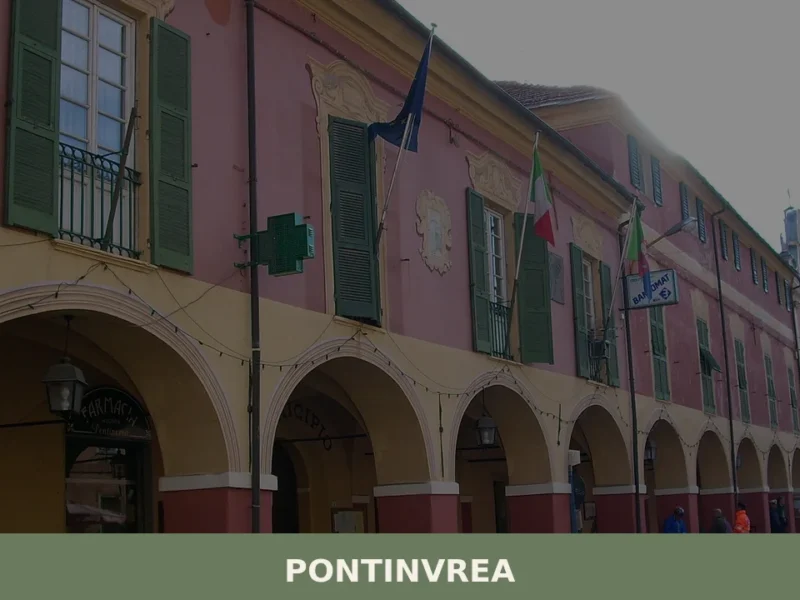
Pontinvrea
Mountain
What to see in Pontinvrea, Italy: 855 inhabitants, 40 km from Genoa. Discover top attractions, local food, festivals and how to get there. Explore now.
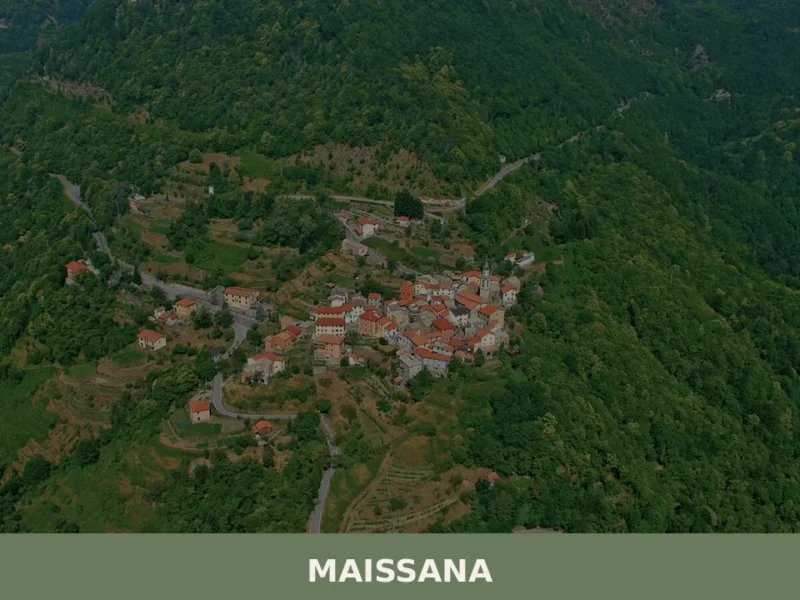
Maissana
Mountain
What to see in Maissana, Italy: 644 inhabitants, 50 km from Genoa. Discover top attractions, local food, festivals and how to get there. Explore now.
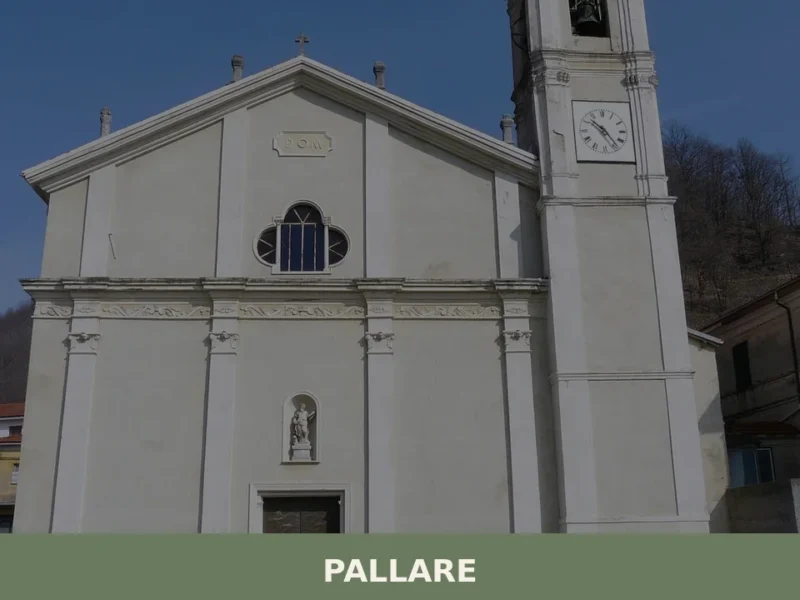
Pallare
Mountain
what to see in pallare: Explore this Ligurian comune, 15 km from Savona, Italy. Discover its geographical context and accessibility. Read our guide.
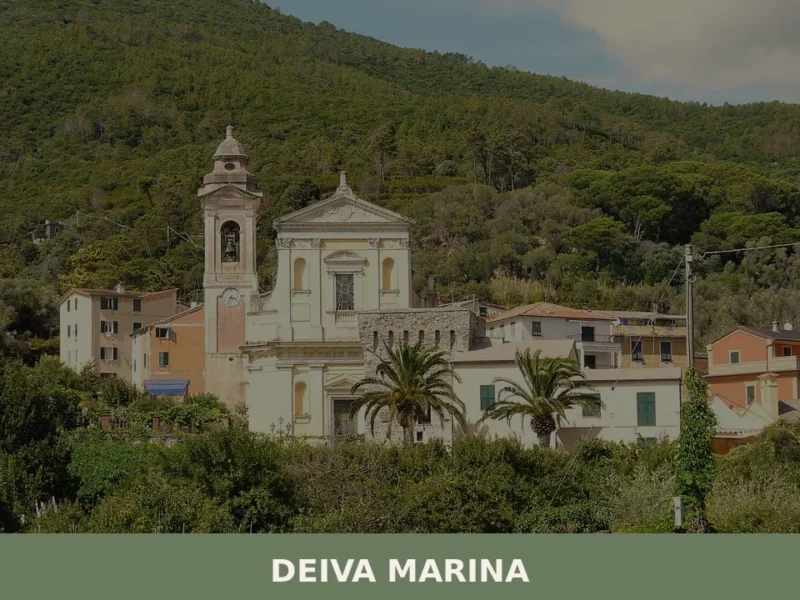
Deiva Marina
 Sea
Sea
What to see in Deiva Marina, Italy: 5 top attractions, hiking trails, Cinque Terre day trips, and travel tips for this Ligurian village of 1,409 inhabitants. Discover now.
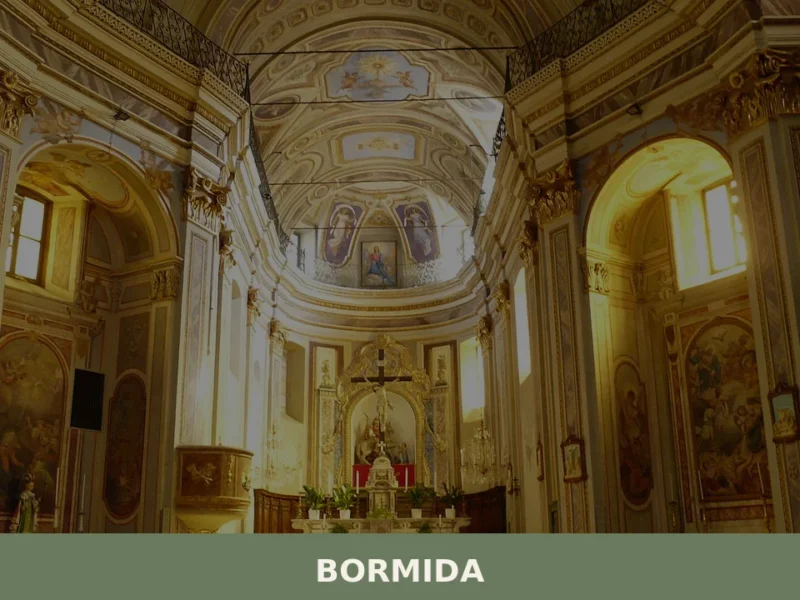
Bormida
Hills
The Bormida di Pallare runs cold through the upper valley, cutting between the flanks of Monte Settepani at 1,386 m (4,547 ft) and Ronco di Maglio at 1,108 m (3,635 ft). Iron was worked here for centuries, and the name of at least one surviving building still carries that industrial memory. The village covers 22.4 […]
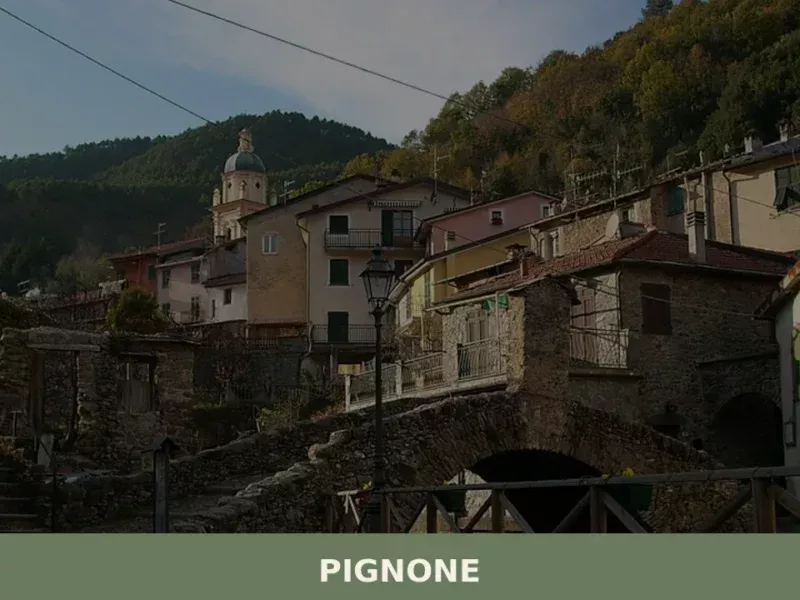
Pignone
Hills
what to see in pignone provides a glimpse into Ligurian life. With a population of 654, discover its location near La Spezia, Italy and its administrative divisions. Explore its quiet charm.
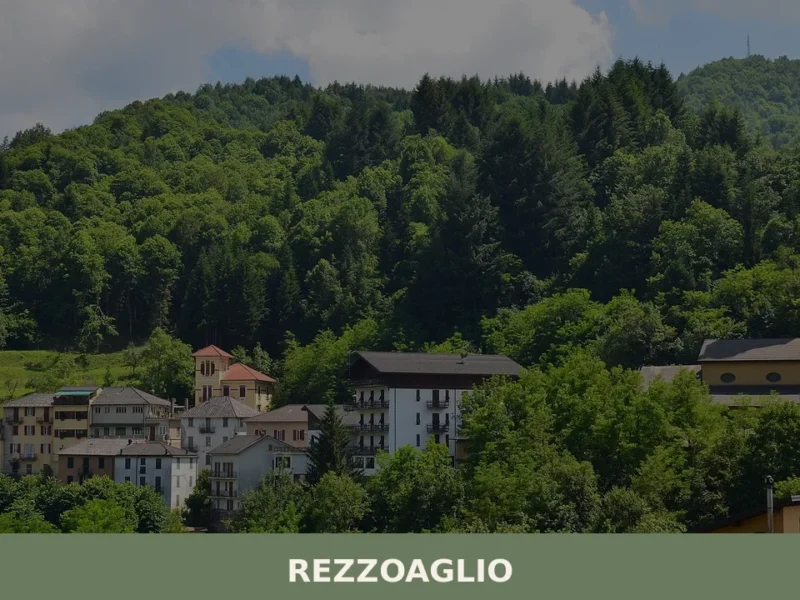
Rezzoaglio
Mountain
What to see in Rezzoaglio, Italy: explore the Aveto Natural Regional Park, local food traditions and 1,048 inhabitants village life. Discover everything here.

Arenzano
Sea
What to see in Arenzano, Liguria, Italy: explore a 16th-century patrician villa, a Saracens' Tower, and a coastal sanctuary. Population 11,445. Discover it all.


🏡 Know Caravonica better than we do?
If you’re a local or have been there, your knowledge matters: add what’s missing or fix a detail on this page.