


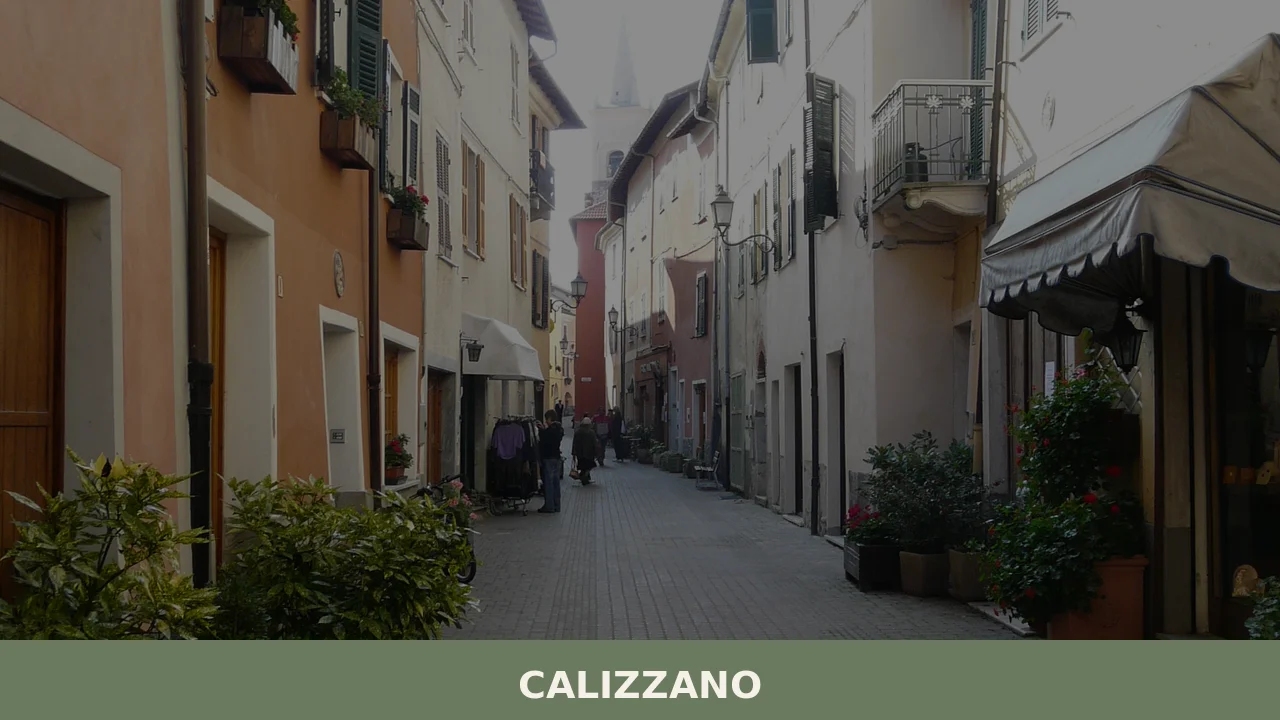
Calizzano
 Mountain
What to see in Calizzano, Liguria, Italy: explore the upper Bormida Valley at 70 km from Genoa. Discover Monte Spinarda, local food and festivals. Read the guide.
Discover Calizzano
The upper Bormida Valley narrows here, where the ridge lines of the Ligurian Apennines press close on both sides and the road from Savona climbs through chestnut forest before levelling out at the village. Calizzano stands at the meeting point of ten municipal boundaries — Bagnasco, Bardineto, Bormida, Garessio, Magliolo, Massimino, Murialdo, Osiglia, Priola, and Rialto — a geographic fact that reflects its position as the administrative and commercial centre of this inland corner of the Province of Savona.
For travellers planning what to see in Calizzano, the village offers a compact historic centre, the natural landscape of Monte Spinarda, and a food tradition built on the products of the valley’s forests and pastures.
Calizzano, Liguria, Italy, counts 1,532 inhabitants and sits roughly 70 km (43 mi) southwest of Genoa and 30 km (19 mi) west of Savona. Visitors to Calizzano find a place where the Ligurian and Piedmontese influences on architecture, dialect, and cuisine are equally visible — a result of its position on the historic boundary between the two regions.
History of Calizzano
The name Calizzano carries two variants in the local Ligurian dialect — the regional Romance language still spoken in parts of the province — recorded as both Carizan and Calissan. These forms suggest a pre-medieval toponymic root, likely predating the consolidation of the Ligurian coastal territories under Genoese control. The village occupies the upper section of the Bormida Valley, a corridor that historically connected the Ligurian coast with the Piedmontese interior, making it a point of transit and, at times, of contention between competing territorial powers.
Throughout the medieval period, the valley served as a route for the movement of goods between the port of Savona and the Po Plain.
Communities along the upper Bormida, including Calizzano, developed around the control of this corridor. The village’s position bordering ten other municipalities reflects the cumulative effect of boundary adjustments over several centuries, as the Province of Savona consolidated its administrative reach inland. The neighbouring municipality of Bardineto and the more distant Garessio, which lies across the regional boundary in Piedmont, mark the extent of Calizzano’s geographic sphere during those centuries of shifting jurisdictions.
In the modern period, Calizzano became a recognised comune — an Italian administrative unit equivalent to a municipality — within the Province of Savona, which is part of the Liguria region. The population of 1,532 inhabitants reflects the demographic pattern common to many Apennine villages: a historically larger rural population that contracted through the twentieth century as employment shifted toward the coastal cities of Savona and Genoa. Despite this, the village has maintained its function as a local centre for the surrounding smaller settlements of the upper Bormida Valley, preserving its historic urban fabric and its role in the area’s agricultural economy.
What to see in Calizzano, Liguria: top attractions
Monte Spinarda
The summit of Monte Spinarda rises above the municipal territory of Calizzano and represents the most significant natural landmark associated with the village.
The mountain belongs to the Ligurian Apennine chain that defines the boundary between Liguria and Piedmont in this section, and its slopes fall within the geographic area that the upper Bormida Valley drains. Walkers who climb toward the ridge gain an orientation point from which the relationship between the coastal Ligurian landscape and the broader Po Plain becomes spatially legible. The approach from the Calizzano side passes through chestnut and oak woodland, and the path gains elevation progressively, making it accessible to walkers with standard fitness. The clearest conditions for visibility tend to occur in late spring and early autumn, when atmospheric haze is reduced.
The Historic Centre of Calizzano
The village core sits at the confluence of the local road network descending from the Bormida Valley ridges, and its street pattern reflects the constraints of the terrain. Buildings in the historic centre follow the compact arrangement typical of Ligurian mountain settlements, where lateral space is limited and vertical construction compensates.
The architectural fabric includes stone structures whose construction techniques blend Ligurian coastal influences — visible in the use of local stone and lime render — with the more massive wall construction characteristic of Piedmontese highland building. Walking the main street of the centre, a visitor can read successive construction phases in the varying heights of doorways and window proportions. The centre is most easily explored on foot, and the distances involved are short enough that the entire historic nucleus can be covered in under an hour.
The Bormida Valley Landscape
The upper Bormida Valley, of which Calizzano is the principal settlement, extends across a landscape shaped by both the river’s course and the surrounding Apennine ridges. The valley floor sits at an elevation that keeps temperatures noticeably cooler than the Ligurian coast — a practical difference of several degrees Celsius that becomes relevant for visitors choosing between a coastal and an inland itinerary.
The bordering municipalities of Osiglia and Murialdo define the valley’s flanks to the east, while Bagnasco and Garessio mark its extension toward Piedmont to the north and northwest. The forest cover across this corridor is dense enough to make the valley visually distinct from the more cultivated lowland landscapes of the Province of Savona. Summer afternoons in the valley typically remain below 30°C (86°F), which makes it a practical destination during the warmest months.
The Municipal Boundary Network
Few Italian villages of comparable size share borders with as many as ten other municipalities simultaneously. Calizzano borders Bagnasco, Bardineto, Bormida, Garessio, Magliolo, Massimino, Murialdo, Osiglia, Priola, and Rialto — a fact that has direct practical consequences for visitors interested in multi-village itineraries. Each of these boundary zones corresponds to a different valley orientation, woodland type, or agricultural micro-zone.
The road to Bardineto, for instance, climbs through a pass that opens views back toward the Calizzano basin, while the route toward Osiglia drops toward the reservoir formed by the Osiglia dam on the Bormida di Millesimo tributary. Understanding this network of boundaries helps visitors structure day excursions from Calizzano as a base point into the surrounding Apennine landscape. The connections between these communities reflect long-standing patterns of movement and exchange that predate modern provincial administration.
The Upper Bormida Valley Road Network
The road infrastructure connecting Calizzano to the coast and to Piedmont follows routes whose alignments in many cases date to pre-modern track systems. The provincial road from Savona to Calizzano covers approximately 30 km (19 mi) and climbs from near sea level to the village’s Apennine elevation, passing through the intermediate zone where the olive groves and vineyards of the coastal strip give way to chestnut and mixed broadleaf forest.
This transition, visible from the road itself, is one of the more instructive geographic experiences available on the approach to the village. The road to Garessio on the Piedmont side crosses the watershed of the Ligurian Apennine and descends into a different drainage basin entirely. For visitors arriving by car, the drive itself forms part of what to see in Calizzano’s immediate surroundings, since the landscape changes character substantially within a short distance.
Local food and typical products of Calizzano
The food tradition of Calizzano draws on the resources of the upper Bormida Valley rather than those of the Ligurian coast, which lies 30 km (19 mi) to the south. This inland orientation means that the dominant ingredients in the local kitchen are forest products — chestnuts, mushrooms, and the herbs that grow on the Apennine slopes — rather than fish or seafood.
The position of the village on the historic boundary between Liguria and Piedmont has produced a kitchen that integrates elements from both regional traditions: the simpler preparations and heavier use of lard and cured meats characteristic of Piedmontese highland cooking sit alongside Ligurian techniques involving olive oil and aromatic herbs. This is not a coastal Ligurian table; it is a mountain one, shaped by altitude and forest cover.
Among the dishes associated with the valley, preparations based on dried chestnuts and chestnut flour occupy a central place. Castagnaccio, a flat cake made from chestnut flour, water, olive oil, rosemary, and pine nuts, is baked without leavening and has a dense, slightly bitter profile that contrasts with the sweetness of raisins sometimes added to the mixture. Polenta di castagne, prepared from chestnut flour rather than the maize-based version common on the coast, was historically the staple carbohydrate of the valley in years when grain harvests were insufficient.
Mushroom dishes — particularly preparations using porcini (Boletus edulis), which grow abundantly in the chestnut and oak woods around Calizzano — appear on local tables from late summer through autumn. Cured meats from the Piedmontese border area, including lardo and various forms of salted pork, complete the picture of a kitchen that uses almost every part of what the land and its animals produce.
The forests surrounding Calizzano are also productive for wild mushroom gathering, which follows a regulated seasonal calendar under provincial rules requiring permits for commercial harvesting. The porcini season typically runs from August through October, with September being the most reliable month for both quantity and quality. Local markets in the village and the surrounding municipalities of the upper Bormida Valley see significant mushroom trade during this period.
Chestnuts are harvested from October onward, with the local variety of chestnut — grown at the elevations characteristic of the Ligurian Apennine — producing a nut with a relatively low moisture content that makes it well suited to drying and milling into flour.
The autumn season also concentrates most of the food-related community events in the area, with sagre — traditional local food festivals centred on a single product — organised in the villages of the upper Bormida Valley. These events typically take place on weekends in September and October and focus on mushroom and chestnut dishes prepared according to local technique. Visitors planning a trip around food should time their arrival for this period, when fresh produce is at its most abundant and the village is most active in publicly celebrating its agricultural calendar.
Festivals, events and traditions of Calizzano
The community calendar of Calizzano follows the pattern of many Ligurian mountain villages, with the principal religious and civic events concentrated in summer and early autumn. The sagra tradition in the upper Bormida Valley links Calizzano to the surrounding municipalities through a shared agricultural rhythm, with food festivals celebrating the mushroom and chestnut harvests drawing visitors from the coast and from the Piedmontese side of the Apennine watershed. These events involve outdoor cooking, local produce markets, and the kind of informal gathering around shared tables that characterises valley festival culture in this part of the province.
The religious calendar includes the feast of the village’s patron saint, celebrated with a procession through the historic centre and an outdoor mass, typically in the summer months.
The precise date follows the liturgical calendar associated with the patron, and local participation in the procession has been documented over multiple generations, making it one of the more consistent expressions of communal identity in the village. Visitors present during the feast period will find the historic centre more animated than at other times of year, with temporary market stalls and food stands operating alongside the religious ceremonies. The combination of the religious procession, outdoor cooking, and the concentrated social activity of a small mountain village during its principal feast gives the event a character specific to this corner of the Province of Savona.
When to visit Calizzano, Italy and how to get there
The best time to visit Calizzano depends on what the visitor is looking for. Summer, from June through August, offers the most comfortable conditions for walking the Monte Spinarda trails and exploring the valley roads, with temperatures at the village’s Apennine elevation remaining moderate relative to the coast. September and October represent the most productive period for anyone interested in the food culture of the area, coinciding with the mushroom and chestnut harvest and the associated sagre in the upper Bormida Valley.
Winter brings snow to the higher elevations and closes some of the secondary roads across the watershed toward Piedmont, making it less practical for visitors without mountain driving experience. Spring, from April through May, sees the forest cover regenerate rapidly and the valley roads clear of winter damage, making it a practical entry point for the walking season.
Calizzano sits approximately 30 km (19 mi) west of Savona, which is the nearest city of significant size and the most practical arrival hub for visitors coming from the Ligurian coast. From Savona, the provincial road SP29 climbs directly to the village. By car from Genoa, the distance is approximately 70 km (43 mi) and the drive takes around one hour via the A6 motorway (Torino–Savona), exiting at Savona and continuing on the SP29. For those travelling by train, Trenitalia serves Savona station on the coastal line, from which the village is accessible by car or local bus.
There is no direct rail connection to Calizzano itself. The nearest major airport is Genoa Cristoforo Colombo Airport, approximately 80 km (50 mi) from the village, from which a rental car or taxi to Savona and then the SP29 is the most direct route. From Turin, the A6 motorway provides a direct connection of approximately 130 km (81 mi), making Calizzano accessible as a day trip from Piedmont’s regional capital. International visitors should be aware that English is not widely spoken in smaller shops and restaurants in the village, and carrying cash in Euros is advisable, as card payment terminals are not universal in mountain villages of this size.
Visitors who want to extend their itinerary beyond Calizzano can combine it with a visit to Apricale, a village in the Ligurian hinterland that shares the same pattern of mountain settlement and historic stone architecture found across the inland Ligurian Apennine. For those approaching from the Genoa side, the route through the eastern Ligurian valleys offers the opportunity to stop at Davagna, a smaller commune in the hills above the city that illustrates the continuity of mountain village form across the breadth of the Ligurian interior.
Travellers interested in comparing Calizzano’s upper Bormida position with settlements along different valley systems might also consider the eastern Ligurian village of Calice al Cornoviglio, which occupies a comparable Apennine elevation and shares the forest-based food economy of the inland province.
Frequently asked questions about Calizzano
What is the best time to visit Calizzano?
Late spring (May–June) and early autumn (September–October) offer the most rewarding conditions. Spring brings mild temperatures and clear skies ideal for walking the Monte Spinarda trails, while autumn coincides with the porcini mushroom season (August–October, peak in September) and the chestnut harvest. Summer afternoons rarely exceed 30°C (86°F), making July and August a practical escape from coastal heat. The feast of the patron Madonna delle Grazie falls on 2 July, adding a local cultural event to the early summer calendar. Winter can bring snow at 648 m elevation, which suits visitors seeking an Alpine atmosphere.
What are the historical origins of Calizzano?
Calizzano takes its name from a pre-medieval toponym recorded in two Ligurian dialect variants — Carizan and Calissan — suggesting origins that predate Genoese consolidation of the Ligurian coastal territories. The village developed along the upper Bormida Valley, a historic corridor linking the port of Savona with the Piedmontese interior and the Po Plain. Its position at the junction of ten municipal boundaries reflects centuries of shifting jurisdictions between Ligurian and Piedmontese territorial powers. In the modern era it became a recognized comune within the Province of Savona, serving as the administrative centre of this inland Apennine area.
What to see in Calizzano? Main monuments and landmarks
The compact historic centre is the primary attraction: its stone buildings blend Ligurian coastal construction techniques with the heavier masonry typical of Piedmontese highland architecture, and the entire nucleus can be explored on foot in under an hour. Monte Spinarda, rising above the municipal territory, offers a documented hiking destination with views across both Liguria and the Po Plain. The upper Bormida Valley road from Savona — roughly 30 km (19 mi) — is itself a scenic itinerary as the landscape transitions from coastal olive groves to chestnut forest. No entry fees apply to the village centre or mountain paths.
What are the main natural or scenic attractions of Calizzano?
Monte Spinarda is the principal natural landmark, accessible via wooded trails through chestnut and oak forest with progressive elevation gain suitable for walkers of standard fitness. The upper Bormida Valley provides a dense forest landscape distinct from the cultivated lowlands of the Province of Savona. The nearby Osiglia reservoir — formed by a dam on the Bormida di Millesimo tributary — is reachable via the road toward the bordering municipality of Osiglia. The surrounding Apennine ridges also mark the boundary between Liguria and Piedmont, offering orientation points from which both regional landscapes are visible.
Where to take the best photos in Calizzano?
The ridge approach to Monte Spinarda offers the most documented panoramic viewpoint, with clear days in late spring and early autumn providing visibility across the Ligurian Apennines toward both the coast and the Po Plain. The pass on the road toward Bardineto opens views back over the Calizzano basin and is accessible by car. The approach road from Savona itself offers a photogenic transition from coastal Mediterranean vegetation to Apennine chestnut forest, particularly striking in autumn colours from late October. The historic centre's stone streetscapes photograph well in morning light when visitor traffic is minimal.
What can you do in Calizzano? Activities and experiences
Hiking toward Monte Spinarda is the principal outdoor activity, with woodland trails accessible from the village centre. Mushroom gathering is a regulated seasonal activity: provincial rules require permits for commercial harvesting, and the porcini season runs August–October. The network of ten bordering municipalities makes Calizzano a practical base for multi-village day excursions, with roads toward Bardineto, Osiglia, and Garessio (Piedmont) each passing through distinct valley and woodland landscapes. The feast of the Madonna delle Grazie on 2 July provides a direct experience of local religious and community tradition. Chestnut and food tourism are natural complements in autumn.
Who is Calizzano suitable for? Families, couples, hikers, solo travelers?
Calizzano suits hikers and nature-oriented travellers seeking Apennine terrain without the crowds of more marketed Ligurian destinations. The Monte Spinarda trails are appropriate for families with older children and walkers of moderate fitness. Couples and slow-travel visitors benefit from the compact historic centre, the scenic valley drives, and the autumn food calendar centred on mushrooms and chestnuts. It is a practical summer base for travellers avoiding coastal heat, with temperatures several degrees cooler than Savona or Genoa. Solo travellers interested in mountain landscapes, rural food traditions, and cross-regional Ligurian–Piedmontese culture will find it particularly rewarding.
What to eat in Calizzano? Local products and specialties
The local kitchen is built on forest and mountain products rather than seafood. Castagnaccio — a dense unleavened cake of chestnut flour, water, olive oil, rosemary, and pine nuts — is a documented regional speciality. Chestnut-flour polenta (polenta di castagne) was historically the valley's staple carbohydrate. Porcini mushrooms (Boletus edulis), gathered in the surrounding chestnut and oak woods from August through October, appear in seasonal preparations. Cured meats including lardo and salted pork from the Piedmontese border area complete the table. The kitchen integrates Ligurian olive oil and aromatic herbs with the heavier fat-based preparations of Piedmontese highland cooking.
📷 Photo Gallery — Calizzano
Nearby Villages near Calizzano
In Liguria More villages to discover

Arenzano
 Sea
Sea
What to see in Arenzano, Liguria, Italy: explore a 16th-century patrician villa, a Saracens' Tower, and a coastal sanctuary. Population 11,445. Discover it all.
Giustenice
Sea
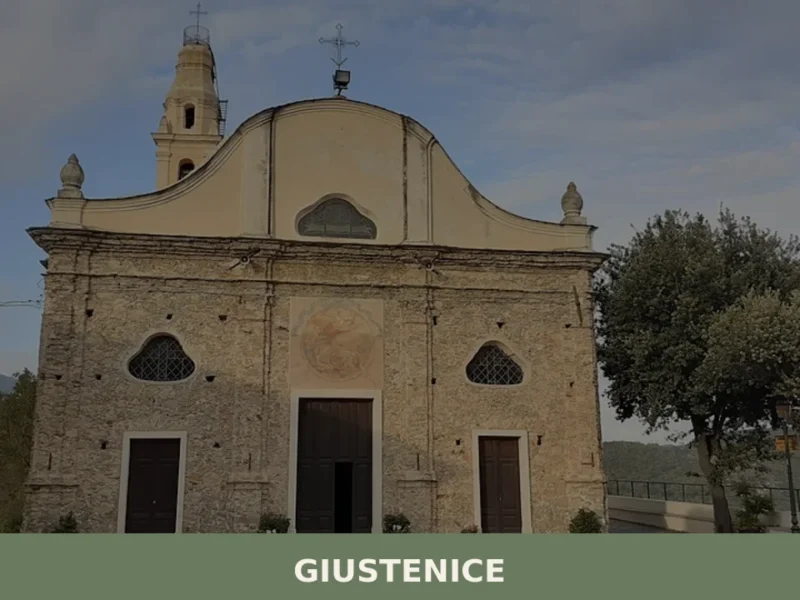
The Scaincio stream cuts through the Maremola Valley floor, and the path that follows it northward from San Lorenzo climbs steadily toward a ridgeline where the elevation crosses 1,200 m (3,937 ft). Above, the bulk of Monte Carmo reaches 1,389 m (4,557 ft), its limestone flanks visible for much of the valley. In this article […]
Prelà
 Hills
Hills
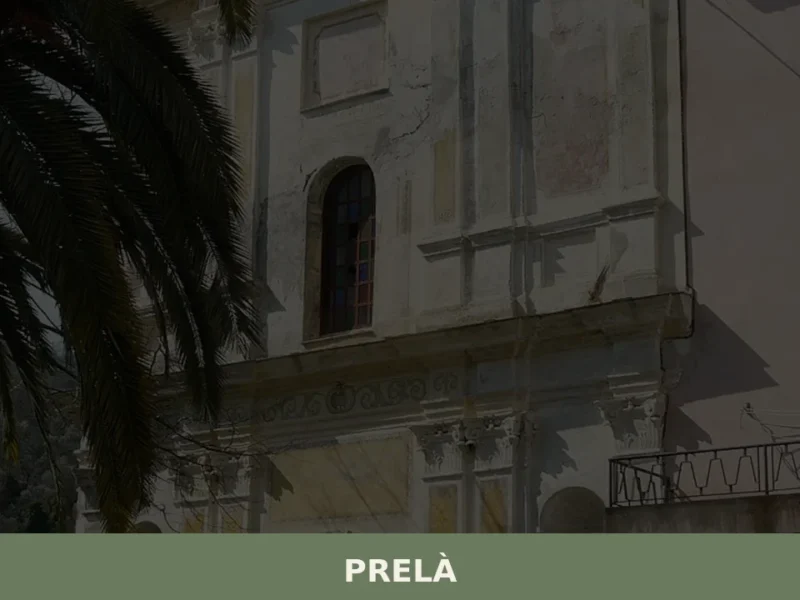
What to see in Prelu00e0, Liguria, Italy: explore 5 top attractions, local olive oil traditions, and practical travel tips. Population 485. Discover it now.
Perinaldo
Mountain
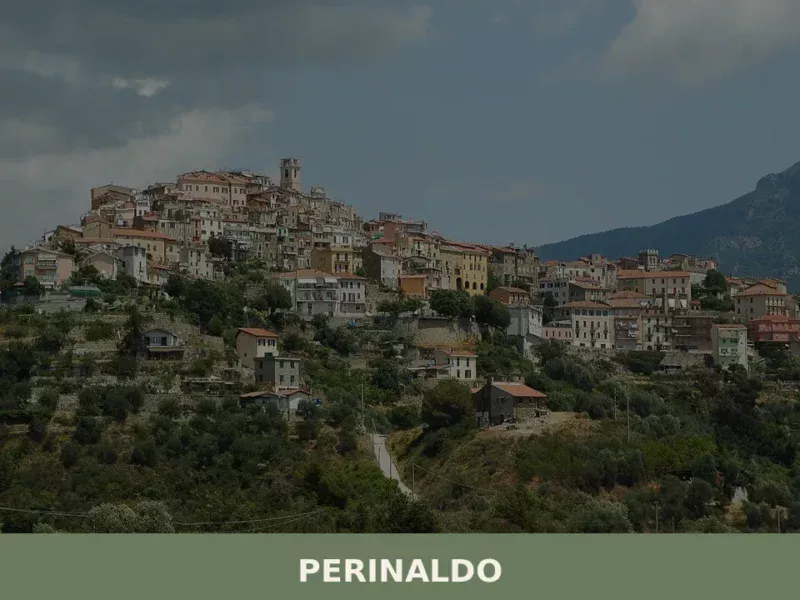
what to see in perinaldo, Italy: Discover the 15th-century church and Cassini Observatory in this Ligurian village of 913 inhabitants. Explore Perinaldo now.
Mezzanego
 Plains
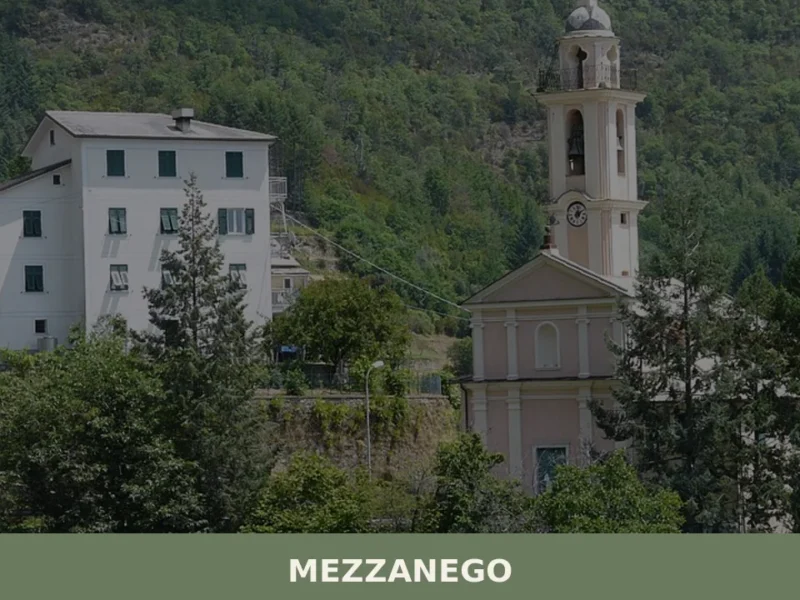
What to see in Mezzanego? Discover the 5 main attractions, from historic churches to the Slate Museum. Plan your trip and visit this Ligurian village.
Montegrosso Pian Latte
Mountain
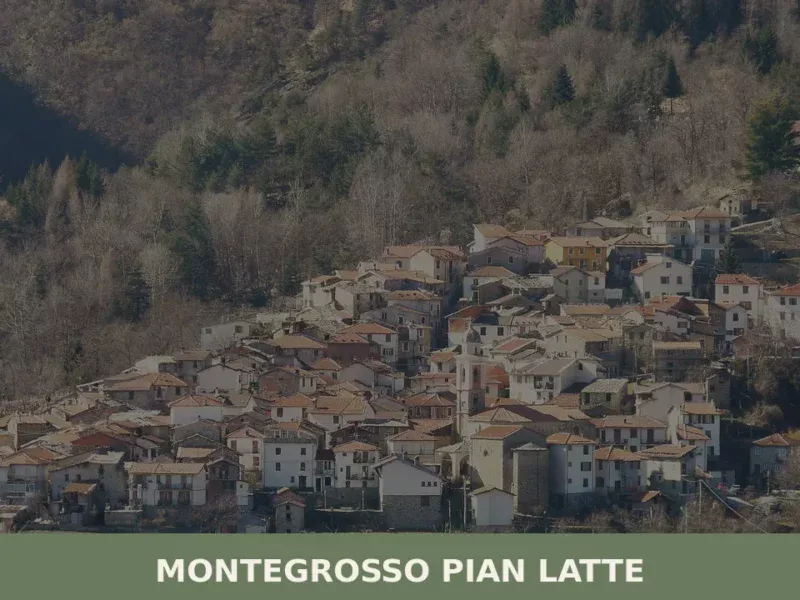
What to see in Montegrosso Pian Latte, Italy? Discover this Ligurian village of 132 residents, explore its frazione Case Fascei, and the Alpi Liguri Park. Read our guide.
Crocefieschi
Mountain
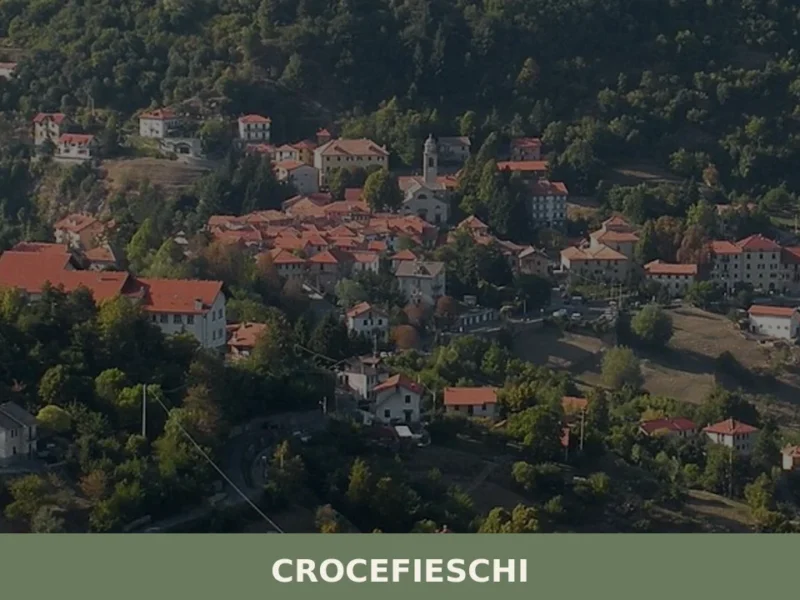
At 742 meters above sea level, in the heart of the Ligurian Apennines, lies Crocefieschi, a municipality in the province of Genoa with 518 inhabitants. Its geographical position makes it a reference point for those seeking significant altitudes in the Genoese hinterland, away from coastal dynamics. The village’s name, according to tradition, is said to […]
Framura
Sea
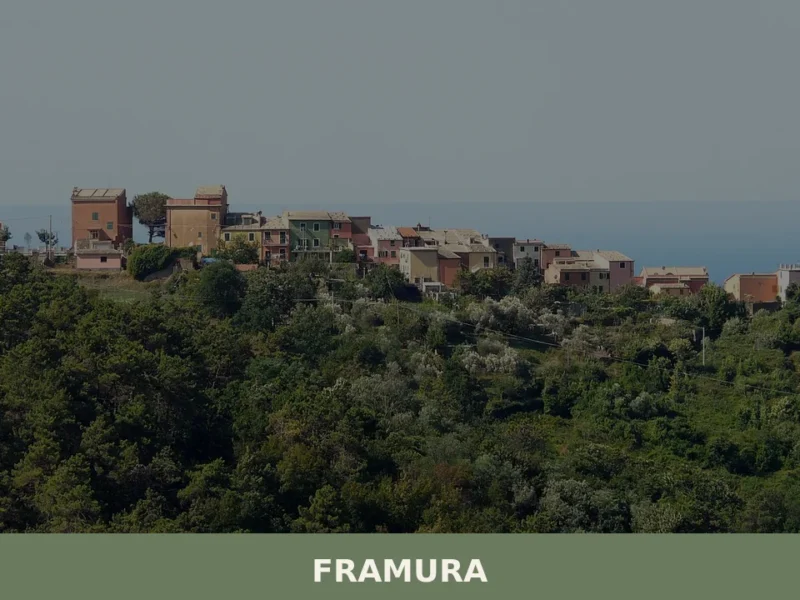
What to see in Framura, Liguria, Italy: explore 5 top attractions, WWII history, coastal trails, and local food in a village of 677 inhabitants. Discover it now.
Borghetto d’Arroscia
Plains
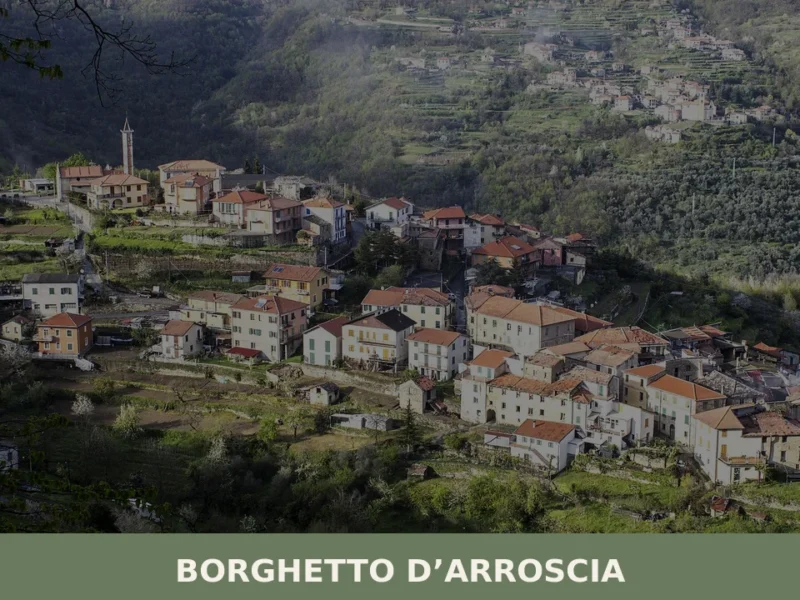
Along the banks of the Arroscia river, amidst centuries-old olive groves and cultivated terraces, lies the territory of Borghetto d’Arroscia, a scattered municipality in the province of Imperia. Its hamlets, such as Gavenola and Bastia, preserve the appearance of small Ligurian settlements, characterized by stone buildings and narrow streets that follow the contours of the […]
San Lorenzo al Mare
Sea
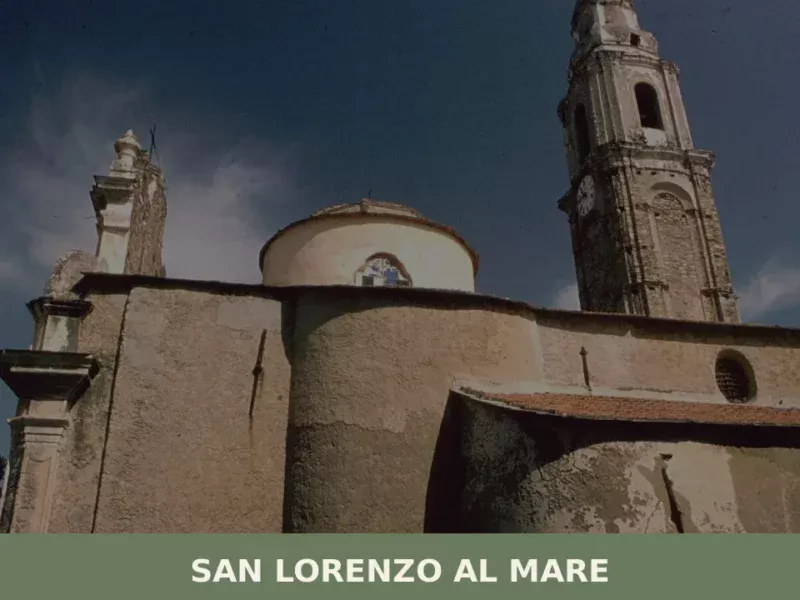
What to see in San Lorenzo al Mare, Italy: Discover its 1,380 inhabitants and coastal charm. Explore historic sites and the scenic Riviera dei Fiori. Plan your Ligurian trip.


🏡 Know Calizzano better than we do?
If you’re a local or have been there, your knowledge matters: add what’s missing or fix a detail on this page.