


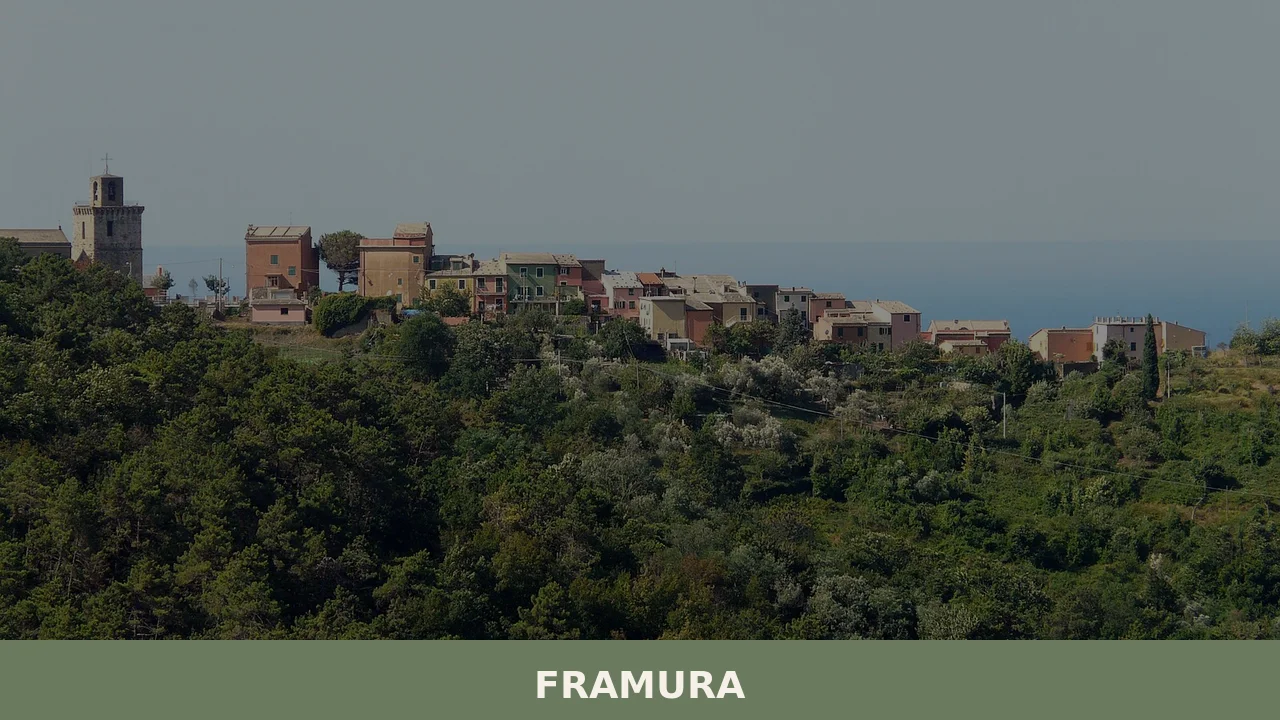
Framura
 Sea
Sea
What to see in Framura, Liguria, Italy: explore 5 top attractions, WWII history, coastal trails, and local food in a village of 677 inhabitants. Discover it now.
Discover Framura
Five hamlets spread across 18.9 square kilometres (7.3 sq mi) of Ligurian hillside, each one separated from the next by terraced slopes and stone mule tracks that predate any motor road. The municipality sits at a point where the Ligurian coast begins to tighten between the Apennine foothills and the sea, roughly halfway between Genoa and La Spezia. Below one of its railway tunnels, beneath a narrow strip of coastline, lies a mass grave that connects this small comune directly to a classified wartime operation.
The village carries that weight quietly, alongside the everyday sounds of its 677 inhabitants.
Deciding what to see in Framura is easier when you understand its structure: five distinct frazioni — the Italian term for administrative subdivisions, here meaning distinct villages and hamlets — named Anzo, Ravecca, Setta, Costa, and Castagnola, each with its own character and elevation. Framura, Liguria, Italy holds official recognition as one of I Borghi più belli d’Italia, the national register of the most beautiful villages in Italy. Visitors to Framura find a place where the inland hamlets differ markedly from the coastal strip, where walking between the frazioni reveals layers of agricultural and military history, and where the proximity to both La Spezia, 25 km (15.5 mi) away, and Genoa, 50 km (31 mi) distant, makes it a practical base for a wider Ligurian itinerary.
History of Framura
The name Framura derives from the Ligurian dialect form Framua, pronounced [fɾaˈmyːa], a form that reflects the linguistic layering typical of inland Ligurian settlements where Latin, Ligurian, and later Genoese administrative vocabulary merged over several centuries. The municipality sits in the Province of La Spezia, a province whose boundaries and political affiliations shifted repeatedly through the medieval and early modern periods as the Republic of Genoa extended its commercial and military reach along the Tyrrhenian coast.
The five hamlets — Anzo, Ravecca, Setta, Costa, and Castagnola — likely developed as separate agricultural and pastoral communities before being consolidated under a single administrative unit, a pattern common to the Ligurian hinterland where terrain naturally encouraged dispersed settlement.
The most precisely documented episode in Framura’s recorded history belongs to the Second World War. In early 1944, the United States military launched two covert operations, designated Operation Ginny I and Operation Ginny II, each involving a 15-man team assigned to infiltrate the coastline and destroy a railway tunnel located between Framura and the neighbouring municipality of Bonassola.
The tunnel formed part of the coastal rail line that the German Army was using to move troops and supplies along the Ligurian coast. Operation Ginny I failed to accomplish its objective. Operation Ginny II, launched shortly afterward, also failed to destroy the tunnel. Its consequences, however, were far graver: the soldiers captured during the second operation were executed by the German Army and buried in a mass grave, an act that later became the subject of war crimes documentation.
The post-war period saw Framura’s population gradually contract as employment opportunities drew residents toward La Spezia and Genoa. By 31 December 2004, the registered population stood at 739; the figure currently recorded is 677 inhabitants, reflecting the demographic trajectory common to many Ligurian hill municipalities over the past two decades.
Despite this contraction, Framura retained its physical fabric and its agricultural terraces, and its inclusion in the I Borghi più belli d’Italia register formalised a recognition that the settlement’s built environment and landscape remained largely intact. The municipality borders Bonassola to the south, Levanto and Deiva Marina along the coast, and Carrodano inland — a geography that places it within easy reach of the Cinque Terre corridor without belonging to it administratively.
What to see in Framura, Liguria: top attractions
The Five Hamlets: Anzo, Ravecca, Setta, Costa, and Castagnola
Walking the path that connects all five frazioni of Framura gives a concrete measure of the municipality’s vertical range: the trail climbs from the coastal strip through terraced olive groves and dry-stone retaining walls before reaching the higher hamlets. Each settlement has a distinct layout — Anzo sits closest to the shoreline, while Costa and Castagnola occupy elevated positions with views across the Ligurian Sea toward the open water. The path surface is largely unpaved and involves sections with uneven stone steps, so firm footwear is advisable. The full circuit between hamlets covers approximately 6 km (3.7 mi) and is best attempted between April and June or in September, when temperatures along this stretch of coast remain below 28°C (82°F).
The Railway Tunnel between Framura and Bonassola
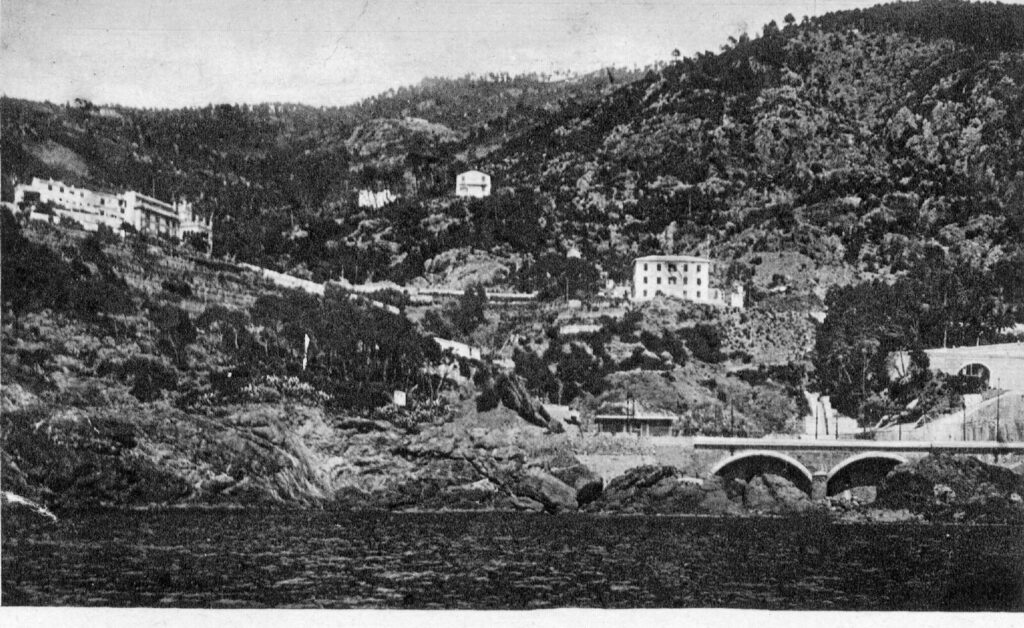
The tunnel bored through the headland separating Framura from Bonassola is the specific site that two American military missions in 1944 attempted to destroy during Operation Ginny I and II.
The rail line running through it still operates as part of the Genoa–La Spezia coastal route, maintained by Trenitalia. From the coastal path, the tunnel portals are visible at both ends; the surrounding rock face shows the geological composition of the headland, a compact limestone and marl formation typical of this section of the Ligurian Apennines. The site has no dedicated memorial marker at the tunnel itself, but the wartime events are documented in military historical records and give the location a specific historical weight that goes beyond its engineering function.
Castagnola Hamlet and its Elevated Position
Castagnola sits at one of the higher points within the Framura municipality, offering sightlines that extend along the coastal arc toward both Levanto and Deiva Marina. The hamlet’s building stock consists of narrow multi-storey stone houses constructed in the dark grey and ochre sandstone characteristic of Ligurian inland settlements, with roof lines that follow the slope rather than the horizontal. The elevation means temperatures here are consistently 3–5°C (5–9°F) lower than at sea level, a relevant factor for visitors arriving in July or August.
The access path from Anzo gains roughly 150 m (492 ft) of elevation over approximately 1.2 km (0.75 mi).
The Coastal Path toward Deiva Marina
Heading northwest from the Framura coastal access point, the footpath toward Deiva Marina follows a route cut into the cliff face at points where the terrain drops directly to the water. The path width narrows to under 1 m (3.3 ft) in several sections, requiring single-file movement. The rock face alongside the path shows clear sedimentary layering, with bands of darker shale interspersed with lighter limestone, giving a readable cross-section of the local geology. Distance from the Framura access point to the centre of Deiva Marina is approximately 3.5 km (2.2 mi) on foot, with a total elevation change of around 80 m (262 ft) across the route.
The I Borghi più belli d’Italia Recognition
Framura’s inclusion in the I Borghi più belli d’Italia register places it among a national selection of municipalities that meet specific criteria for architectural integrity, urban coherence, and landscape preservation. The register, maintained by a dedicated national association, evaluates settlements on measurable indicators including the preservation of historic building fabric, the absence of significant modern intrusions in the historic centre, and the maintenance of public spaces.
For visitors using what to see in Framura as a planning framework, this designation functions as a practical indicator: the historic cores of the five hamlets retain their original street plans and building heights, and no large-scale commercial infrastructure disrupts the sight lines between them.
Local food and typical products of Framura
Framura’s food culture belongs to the broader Ligurian coastal and hill tradition, shaped by the constraints of a terrain where flat agricultural land is scarce and the sea provides protein while the terraces above yield olives, grapes, and herbs. The municipality’s position between the coast and the Apennine foothills means its food habits draw from both fishing communities and the more austere pastoral economy of the interior. Ligurian cooking along this stretch of coast is not, historically, a cuisine of abundance; it is a cuisine of careful use, where every part of a catch or harvest appears in some form on the table.
Among the dishes most directly associated with the Ligurian coastal tradition that reaches through Framura, trofie al pesto stands out as the reference preparation: short, twisted pasta made from wheat flour and water, served with a sauce of fresh basil leaves ground with garlic, pine nuts, Parmigiano Reggiano, Pecorino, and Ligurian olive oil.
The technique involves no cooking of the sauce; the basil is cold-worked in a mortar to preserve its volatile aromatic compounds. Farinata, a flatbread made from chickpea flour, water, olive oil, and salt, baked in a wood-fired iron pan at high temperature until the surface blisters and the interior remains soft, is sold at local bakeries and represents a daily staple rather than a ceremonial food. Acciughe sotto sale — anchovies preserved under coarse sea salt — are integral to the local diet and appear as a flavouring agent in numerous preparations, from pasta sauces to stuffed vegetables.
The olive oil produced in this section of the Ligurian Riviera di Levante uses primarily the Taggiasca cultivar, a small olive with low bitterness and a high content of oleic acid. While Framura itself does not hold a dedicated certified designation, the broader Ligurian olive oil production area is documented within regional agricultural registries. Local wine production in the municipality is small-scale, with the terraced vineyards yielding primarily white grape varieties suited to the thin soils and high light exposure of the coastal slopes.
The wines produced here are consumed locally rather than distributed commercially at scale.
The best opportunity to encounter local food producers directly is at the seasonal markets held in the larger nearby centres of Levanto and Deiva Marina, typically active on weekend mornings from late April through September. These markets stock preserved anchovies, local olive oil, dried herbs including rosemary and marjoram harvested from coastal hillsides, and fresh pasta from small producers. International visitors should note that English may be limited in smaller shops and at market stalls; carrying euro cash is practical, as card readers are not universal at these smaller outlets.
Festivals, events and traditions of Framura
The sources available for Framura do not specify the patron saint festival with a confirmed date or a detailed programme of annual events unique to the municipality. What the documentary record does confirm is that Framura belongs to a regional festive calendar common to Ligurian coastal communities, where the Catholic liturgical year structures the rhythm of public celebrations.
Many municipalities in this part of the Province of La Spezia hold processions and open-air Masses during the summer months, particularly in August, when the resident population is supplemented by returning emigrants and seasonal visitors. The five hamlets of Framura may each observe distinct local feast days tied to the chapel or oratory present in each settlement, a pattern typical of multi-frazione municipalities throughout Liguria.
The broader regional calendar includes the sagra, a traditional local food fair, format that appears in neighbouring municipalities during the late summer and early autumn harvest period, generally between late August and October. Given Framura’s agricultural base of olives, grapes, and anchovies, the harvest cycle would logically anchor any food-related communal gatherings to September and October, though no specific named event with a confirmed date is documented in the available sources for Framura itself. Visitors with a specific interest in attending local festivities are advised to check directly with the municipality before travelling.
When to visit Framura, Italy and how to get there
The best time to visit Framura sits within two distinct windows.
The first runs from late April through June: temperatures along this section of the Ligurian coast typically reach 22–26°C (72–79°F) at sea level, the coastal paths remain passable without the heat stress of midsummer, and accommodation in the surrounding area is available without the full-season premium. The second window is September and early October, when the summer crowds thin, the light changes quality on the hillside terraces, and the olive harvest begins on the lower slopes. July and August bring the highest temperatures and the maximum concentration of visitors to the Ligurian Riviera di Levante; access roads to small municipalities like Framura can become congested on weekends during this period.
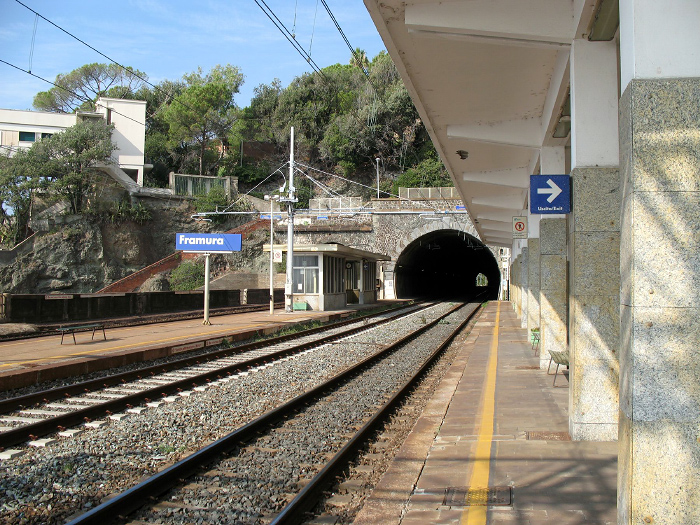
Reaching Framura by train is straightforward. The municipality is served by the coastal rail line connecting Genoa to La Spezia, and the nearest station, Framura-Bonassola, sits on this route. Services on this line are operated by , with regional trains running at approximately hourly intervals throughout the day. Travel time from Genoa is roughly 50 minutes; from La Spezia, approximately 25 minutes. For those arriving from further afield, Genoa Cristoforo Colombo Airport lies approximately 60 km (37 mi) northwest of Framura, and the airport connects to the rail network via a shuttle to Genova Brignole station.
If you arrive by car, the A12 motorway is the relevant route, with the Deiva Marina exit being the closest practical access point, located approximately 5 km (3.1 mi) from the municipality. From La Spezia by road, the journey covers around 25 km (15.5 mi) via the coastal SS1 route. For visitors making a day trip from Genoa, the rail connection makes Framura accessible without a car, with the return journey still completing comfortably before evening. Travellers coming from Florence face a journey of approximately 150 km (93 mi), reachable by train via La Spezia in around two hours.
What to see in Framura can realistically be covered in a single day from either La Spezia or Genoa, but the combination of five hamlets and the coastal path network rewards a two-night stay. The terrain between hamlets is uneven and involves sections of stone steps; the coastal path toward Deiva Marina includes narrow cliff-edge sections not suitable for pushchairs or for those with significant mobility limitations. For those planning to extend the visit along the coast, the nearby village of lies immediately adjacent and shares the same rail stop, making it a natural complement to a Framura itinerary.
Where to stay near Framura
The available sources do not provide verified details on specific named accommodation properties within Framura itself.
The municipality’s small resident population of 677 and its dispersed structure across five hamlets means that lodging options, where they exist, are likely to take the form of private holiday rentals or small agriturismi — farm-stay accommodations regulated under Italian agricultural tourism legislation. For confirmed and bookable accommodation, the neighbouring centres of Levanto and Deiva Marina, both within 10 km (6.2 mi) of Framura, offer a broader range of verified options including hotels and B&Bs accessible via the coastal train line.
Visitors who want to explore what to see in Framura while staying in a comparable small Ligurian village context may also consider the inland municipality of Coreglia Ligure, which shares the same provincial territory and offers a different perspective on the Ligurian hill landscape. For those extending their journey further along the Ligurian coast toward the western Riviera, Imperia provides a larger urban base with direct rail connections back to the La Spezia and Framura corridor.
Frequently asked questions about Framura
What is the best time to visit Framura?
The best time to visit Framura for comfortable exploration of its hamlets and coastal paths is between April and June, or during September. Temperatures during these months typically remain below 28°C (82°F), making walking between the five frazioni or along the coastal trails more enjoyable. While the patron saint, San Martino di Tours, is celebrated, the specific date of the village's main festival is not documented. Avoiding July and August can also be beneficial, as temperatures at sea level are higher, though the elevated hamlet of Castagnola offers cooler conditions by 3-5°C.
What to see in Framura? Main monuments and landmarks
Framura's main attractions are its five distinct hamlets—Anzo, Ravecca, Setta, Costa, and Castagnola—each offering unique character and panoramic views. Walking the approximately 6 km (3.7 mi) path connecting these frazioni is a primary experience, revealing terraced landscapes and traditional stone architecture. High up, Castagnola provides extensive sightlines along the Ligurian coast. The historic railway tunnel between Framura and Bonassola, significant for its WWII history, is visible from the coastal path. Additionally, the scenic coastal path towards Deiva Marina offers breathtaking cliffside views, making Framura an officially recognized 'Most Beautiful Village in Italy'.
What are the main natural or scenic attractions of Framura?
Framura offers significant natural beauty through its terraced landscapes and dramatic coastline. The walking path connecting its five hamlets provides a scenic journey through olive groves and dry-stone walls, culminating in panoramic views of the Ligurian Sea from elevated points like Castagnola. The coastal path heading northwest towards Deiva Marina is a notable scenic attraction, carved into the cliff face and offering intimate views of geological formations and the open water. These routes provide ample opportunities to experience the unique blend of mountain and sea that characterizes this part of Liguria.
Where to take the best photos in Framura?
For the best photographic opportunities in Framura, head to the elevated hamlets of Costa and Castagnola, which offer sweeping panoramic views of the Ligurian Sea and the coastline stretching towards Levanto and Deiva Marina. The path connecting the five frazioni, with its terraced olive groves and traditional stone architecture, provides picturesque compositions. Additionally, the coastal path towards Deiva Marina, with its dramatic cliffside sections and views directly over the water, offers unique perspectives of the rugged Ligurian landscape, showcasing the area's geology and coastal drama.
What can you do in Framura? Activities and experiences
In Framura, the primary activity is exploring its unique structure through extensive walking. Visitors can undertake the approximately 6 km (3.7 mi) circuit connecting the five hamlets (Anzo, Ravecca, Setta, Costa, Castagnola), traversing terraced slopes and ancient mule tracks. Another popular experience is hiking the scenic coastal path towards Deiva Marina, offering dramatic cliffside views. Beyond active exploration, visitors can immerse themselves in the local Ligurian food culture, tasting specialties like trofie al pesto, farinata, and anchovies preserved under salt, often accompanied by local Taggiasca olive oil.
Who is Framura suitable for? Families, couples, hikers, solo travelers?
Framura is ideally suited for active travelers, including hikers, couples, and solo adventurers, who appreciate authentic Ligurian villages and natural beauty. Its extensive network of walking paths connecting the five hamlets and the challenging coastal trail towards Deiva Marina require firm footwear and a moderate fitness level. It serves as an excellent base for exploring the wider Ligurian region, offering a tranquil escape from more crowded destinations. Those interested in history will find its WWII connections and ancient agricultural heritage compelling. It's less ideal for families with very young children or individuals with mobility limitations due to the uneven terrain.
What to eat in Framura? Local products and specialties
Framura's culinary scene reflects the broader Ligurian tradition, emphasizing fresh, local ingredients. Signature dishes include trofie al pesto, a classic short, twisted pasta served with a vibrant cold-worked basil sauce featuring local olive oil, pine nuts, and cheeses. Another must-try is farinata, a savory flatbread made from chickpea flour, baked until crispy on the outside and soft within. Acciughe sotto sale, or anchovies preserved under coarse sea salt, are a staple, used to flavour various dishes. The region is also known for its high-quality Taggiasca olive oil, a key component in many local preparations.
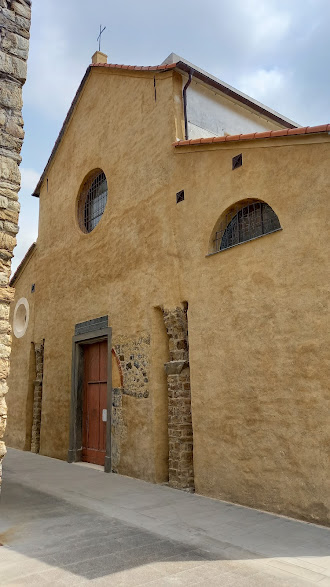
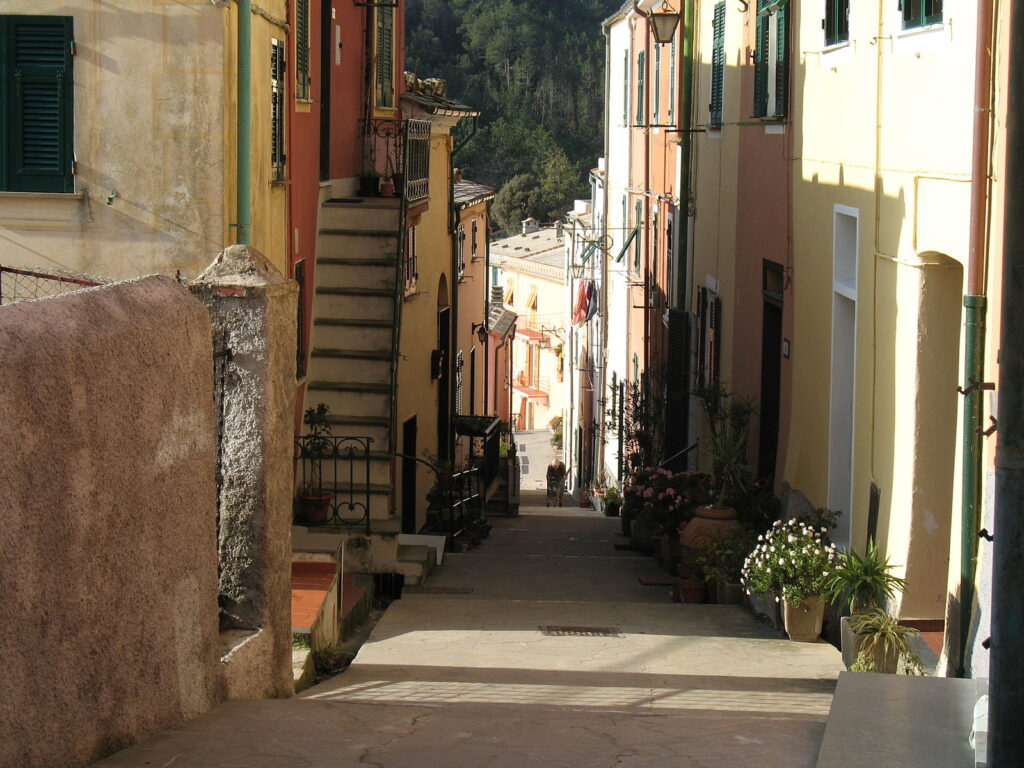
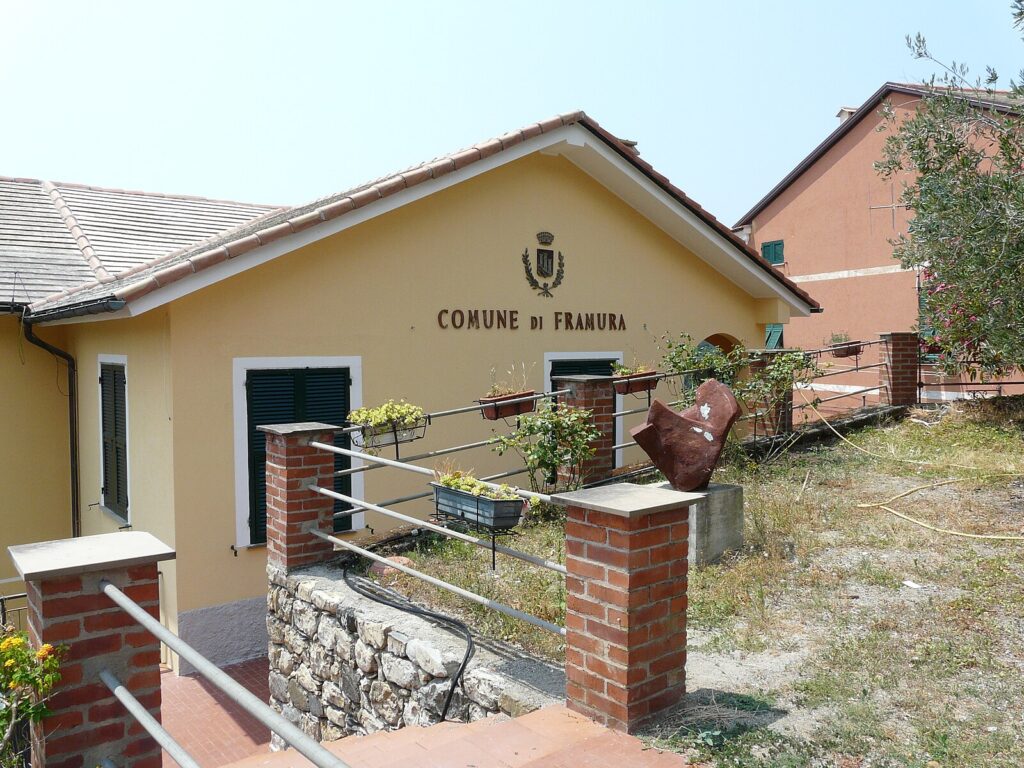
📷 Photo Gallery — Framura
Nearby Villages near Framura
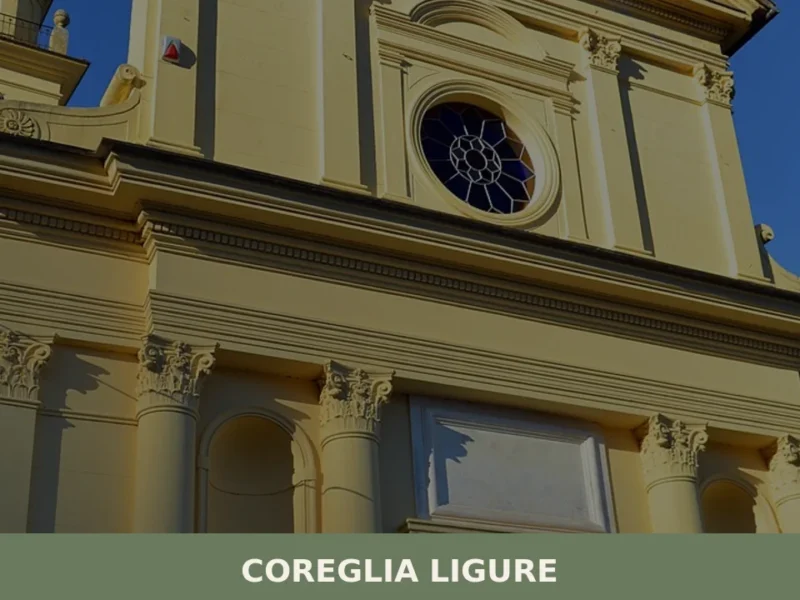
In Liguria More villages to discover
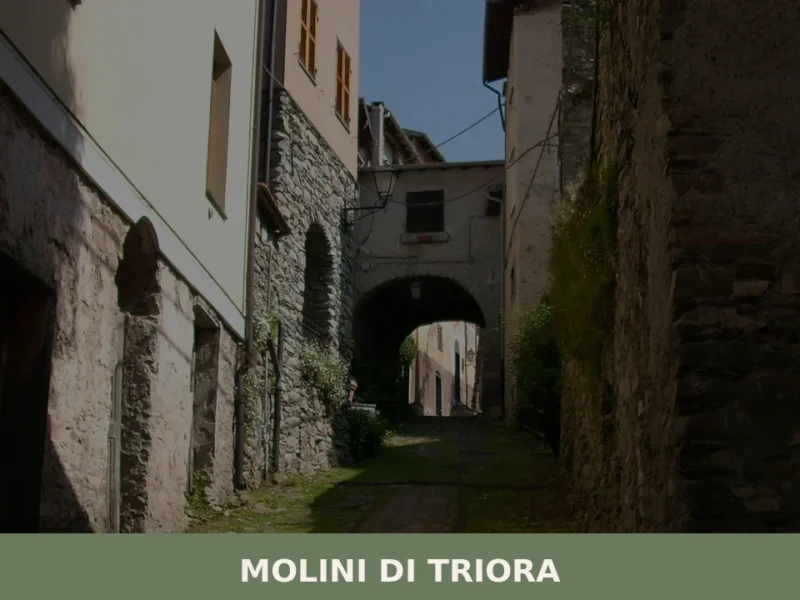
Molini di Triora
 Hills
Hills
What to see in Molini di Triora, Italy: a village at 460 m in Liguria. Discover top attractions, local food, festivals and how to get there. Read the guide.
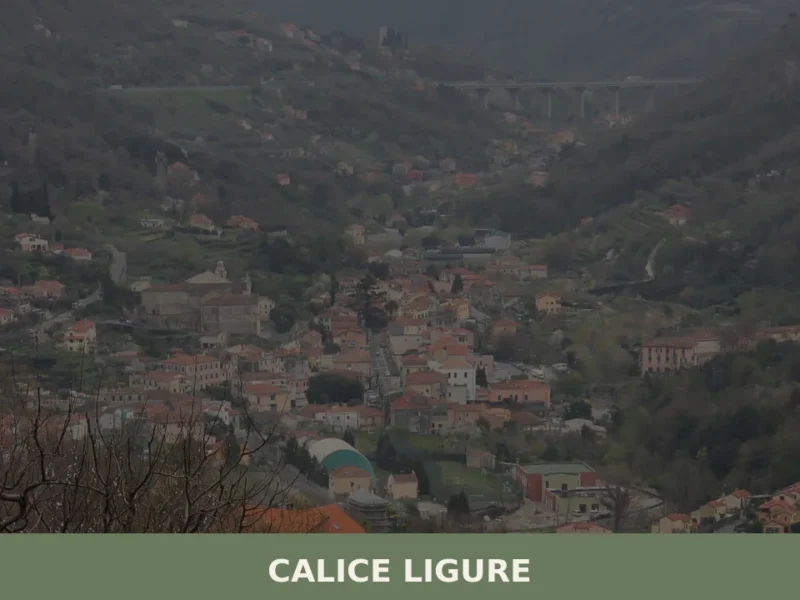
Calice Ligure
 Plains
What to see in Calice Ligure, Italy: explore top attractions, local food and how to reach this Savona village of 1,727 people. Discover Liguria's inland.
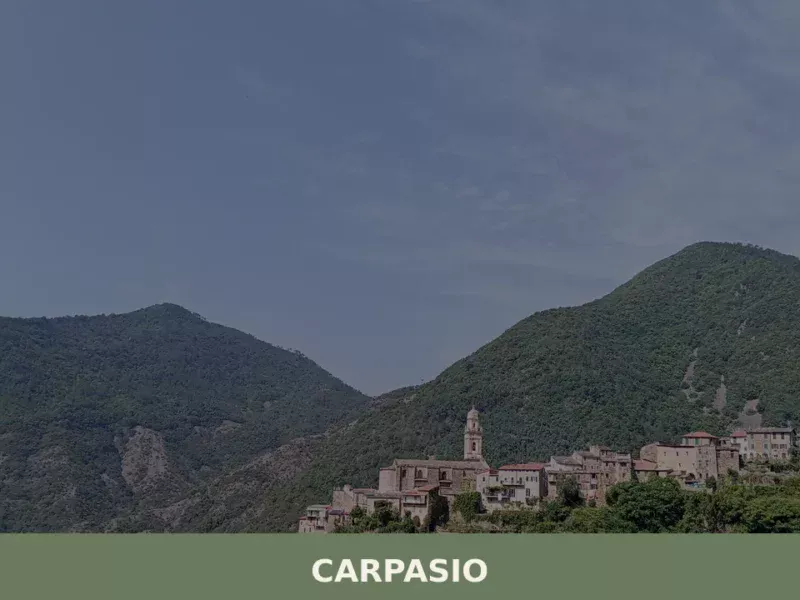
Carpasio
 Mountain
A faint scent of wild thyme drifts on the crisp mountain air as the morning light, still soft and golden, spills over the terracotta rooftops of Carpasio. Here, at 720 meters above sea level, life unfolds at a rhythm dictated by the sun and the seasons, far removed from the coastal bustle of Imperia. This […]
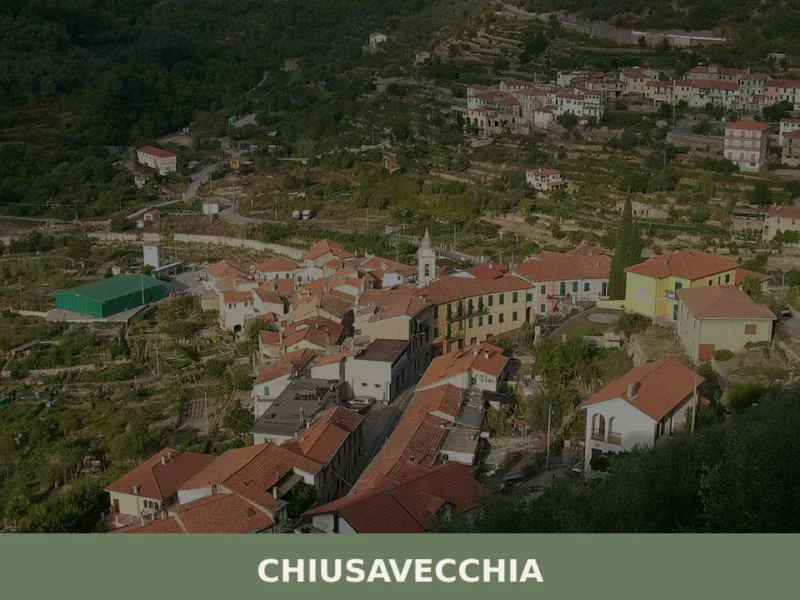
Chiusavecchia, Liguria: An Ancient Italian Village Guide
Plains
What to see in Chiusavecchia, Italy: Explore this Ligurian village at 140m altitude. Discover its historic core and the feast of San Biagio.
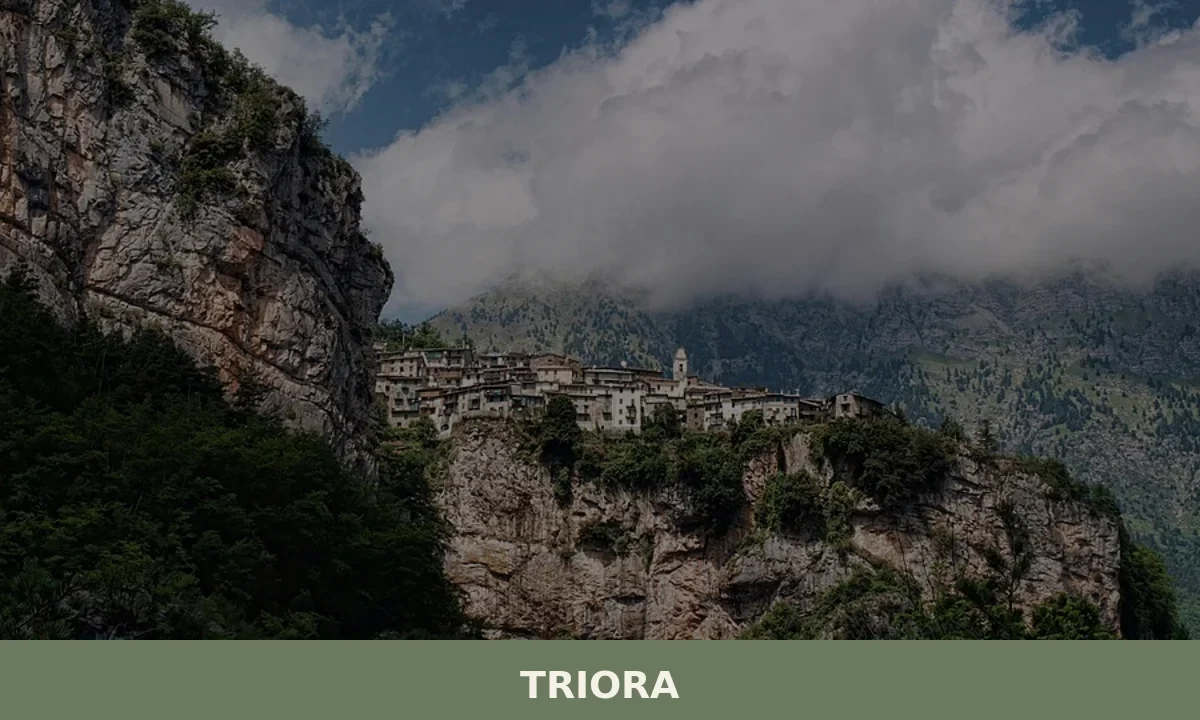
Triora
Mountain
what to see in triora, Italy: Explore this historic village, home to 416 residents, and discover its ancient witch trials history and vibrant August festival. Plan your visit today.
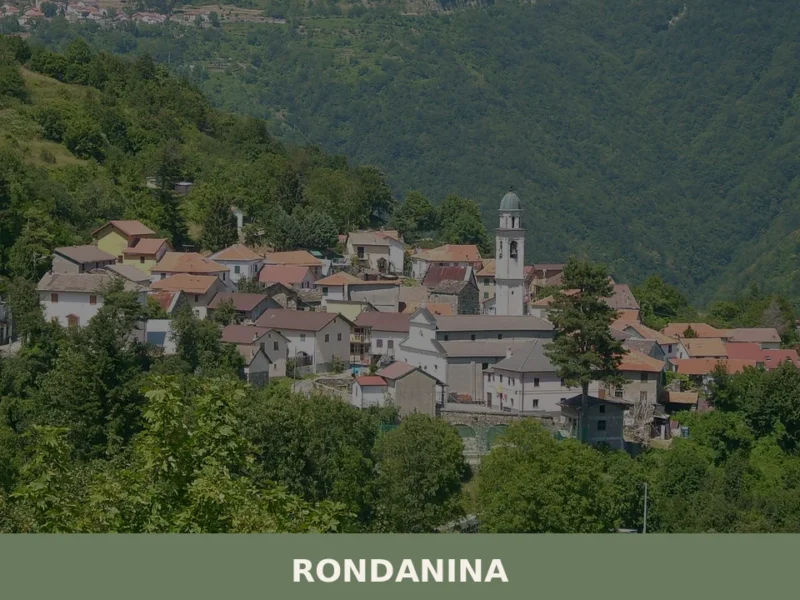
Rondanina
Mountain
What to see in Rondanina, Italy: 67 inhabitants, 30 km from Genoa, inside Parco dell'Antola. Discover top attractions, local food and how to get there.
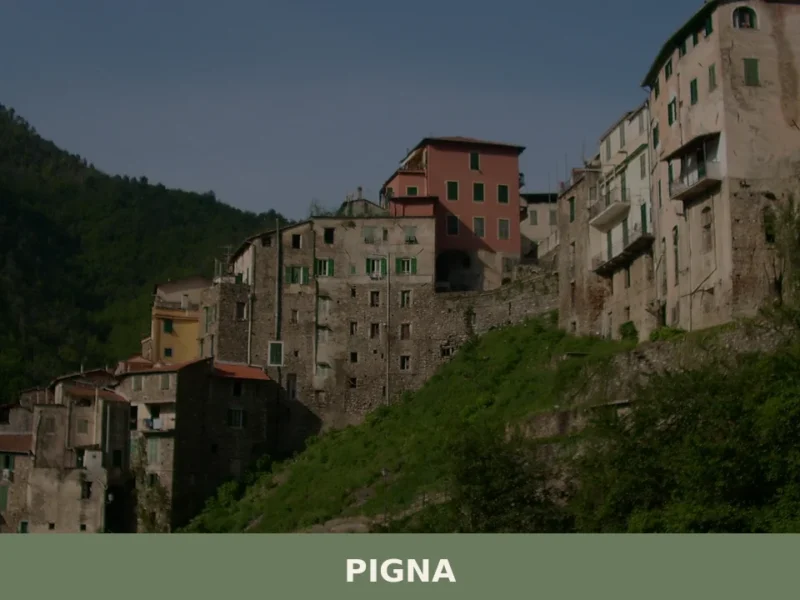
Pigna
Mountain
What to see in Pigna: Explore this Ligurian village, home to 741 inhabitants, its historic tower, and ancient bridge. Discover Italy's rich past.
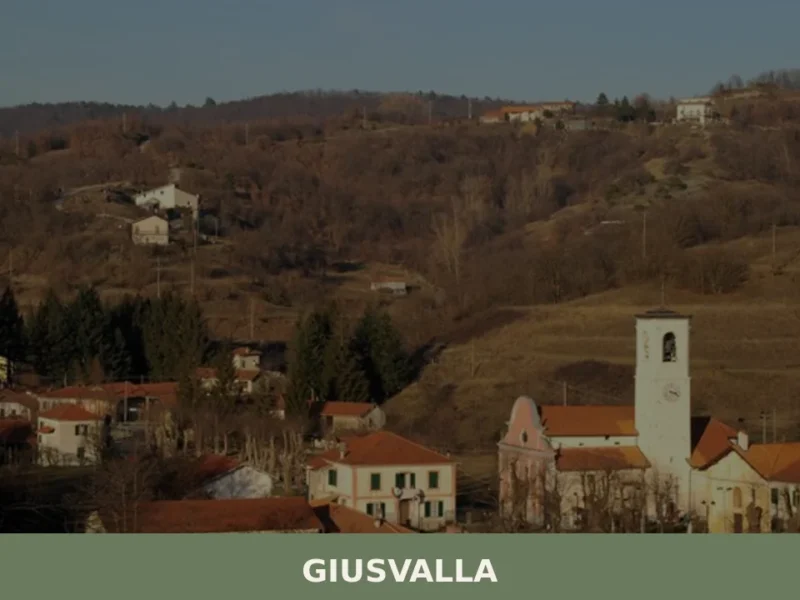
Giusvalla
Mountain
What to see in Giusvalla, Italy: 465 inhabitants, 45 km from Genoa. Discover the Festa Patronale di S. Matteo, Bricco della Croce, and local Ligurian food traditions.
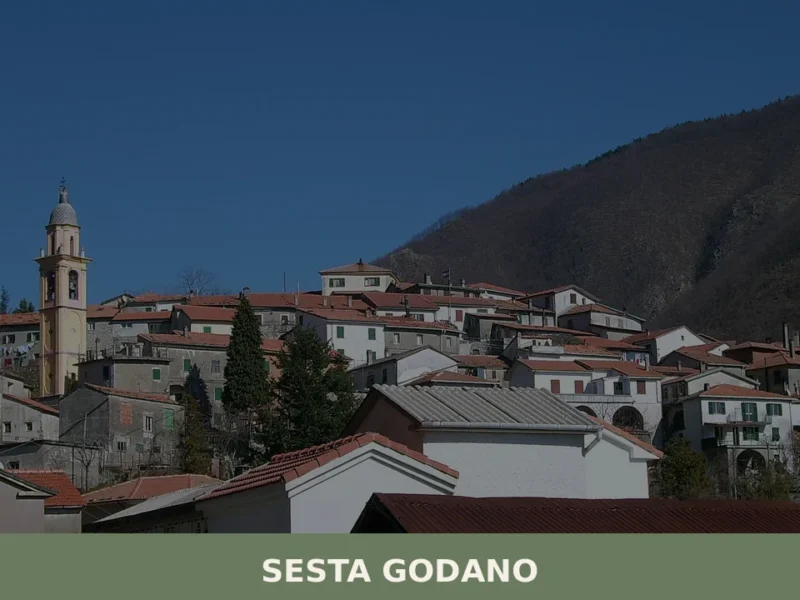
Sesta Godano
Mountain
What to see in Sesta Godano, Italy? Explore this Ligurian village at 242 m (794 ft) altitude. Discover its mountain setting and local festivals. Read our guide.
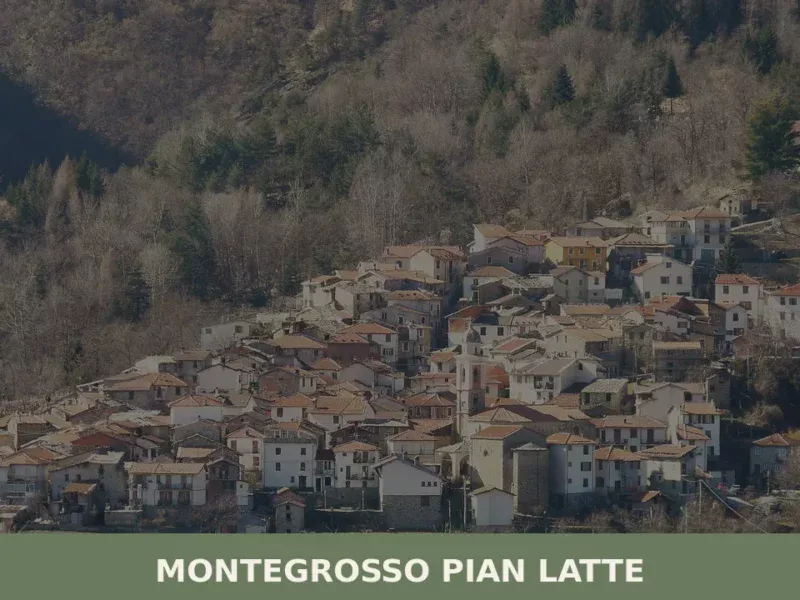
Montegrosso Pian Latte
Mountain
What to see in Montegrosso Pian Latte, Italy? Discover this Ligurian village of 132 residents, explore its frazione Case Fascei, and the Alpi Liguri Park. Read our guide.

🏡 Know Framura better than we do?
If you’re a local or have been there, your knowledge matters: add what’s missing or fix a detail on this page.