


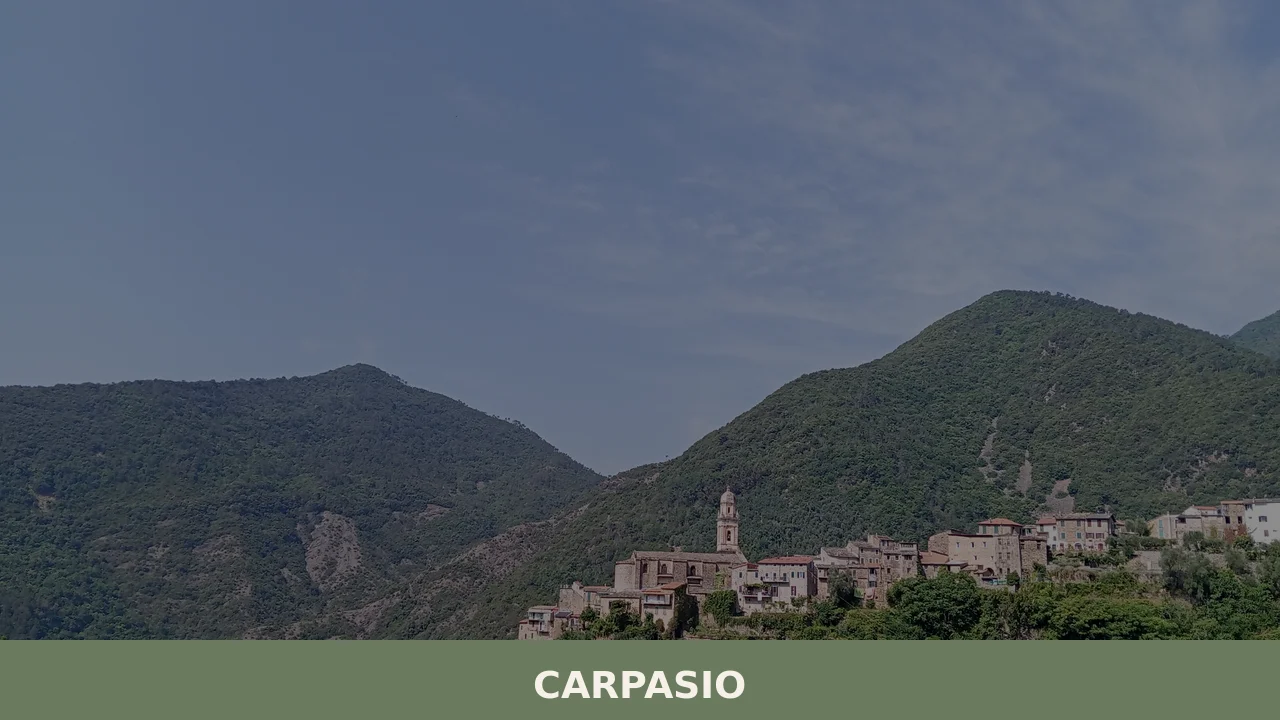
Carpasio
 Mountain
A faint scent of wild thyme drifts on the crisp mountain air as the morning light, still soft and golden, spills over the terracotta rooftops of Carpasio. Here, at 720 meters above sea level, life unfolds at a rhythm dictated by the sun and the seasons, far removed from the coastal bustle of Imperia. This […]
Discover Carpasio
A faint scent of wild thyme drifts on the crisp mountain air as the morning light, still soft and golden, spills over the terracotta rooftops of Carpasio. Here, at 720 meters above sea level, life unfolds at a rhythm dictated by the sun and the seasons, far removed from the coastal bustle of Imperia. This small Ligurian village, home to just 160 inhabitants, offers a glimpse into a way of life deeply connected to its rugged terrain, where every stone tells a story of resilience and community.
Exploring Carpasio means stepping into a quiet corner of Italy, a place where the simplicity of daily existence is its most profound charm, and where the focus keyword “” subtly underpins its identity.
History of Carpasio
The origins of Carpasio, like many settlements nestled in the Ligurian hinterland, likely trace back to Roman or pre-Roman Ligurian populations, drawn to the strategic elevation and fertile mountain slopes. While specific historical records for such a small community are often sparse, the village’s architecture speaks of a medieval past, with stone houses clustered together for defense against historical incursions. Its position above the Argentina Valley would have offered commanding views, making it a valuable outpost for monitoring trade routes and territorial boundaries.
Over centuries, Carpasio evolved from a defensive stronghold into an agricultural hub, with its inhabitants cultivating olives, chestnuts, and various mountain crops. The village’s name itself may derive from local flora or an ancient family name, reflecting its deep ties to the land. Though it never rose to prominence as a major center, Carpasio has maintained its character as a resilient mountain community, preserving traditions and a way of life that has largely vanished from more accessible areas of Liguria.
What to see in Carpasio: 5 must-visit attractions
Parish Church of San Nazario e Celso
Dominating the village’s skyline, the Parish Church of San Nazario e Celso is a focal point of Carpasio.
Its modest facade belies an interior that often contains centuries-old frescoes, wooden altars, and devotional art, reflecting the deep faith of the local community. The churchyard, typically paved with local stone, often provides a quiet spot for contemplation and offers initial views over the surrounding valleys.
The Oratorio della Confraternita
Adjacent to the main church, the Oratorio della Confraternita serves as a testament to the village’s communal life. These small chapels, common in Liguria, were once meeting places for lay brotherhoods who played a vital role in local social and spiritual affairs. Inside, visitors might find intricate wooden statues, processional banners, and a palpable sense of historical piety.
Piazza del Comune and the Belvedere
The heart of Carpasio beats in its small Piazza del Comune, a gathering place for residents and a natural point of orientation.
From here, follow the signs to a designated belvedere or panoramic viewpoint. These elevated spots typically offer breathtaking vistas across the Argentina Valley, stretching towards the Ligurian Alps and, on clear days, even a glimpse of the distant Mediterranean Sea.
The Carrugi and Stone Houses
Wandering through Carpasio’s ‘carrugi’—the narrow, winding alleyways—is an experience in itself. These ancient paths, often covered or bridged by archways, are lined with traditional stone houses built directly into the hillside. Exploring them reveals hidden courtyards, unexpected architectural details, and a profound sense of the village’s medieval layout, where every turn offers a new perspective.
The Old Wash House and Fountains
Seek out the village’s historic wash house (lavatoio) and ancient fountains.
These vital communal spaces, once central to daily life, are often beautifully preserved, featuring stone basins fed by natural springs. They offer a tangible link to Carpasio’s past, illustrating the resourcefulness of its inhabitants and providing a tranquil spot for reflection, often accompanied by the gentle sound of flowing water.
Local food and typical products
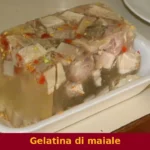
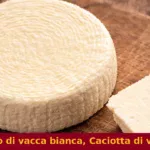
The cuisine of Carpasio, deeply rooted in the Ligurian tradition, reflects its mountain setting and proximity to the sea. The undisputed king of the table is the Taggiasca olive, cultivated extensively in the Imperia province. This small, intensely flavorful olive yields a delicate, fruity olive oil that forms the base of almost every local dish. Expect to find it drizzled over fresh bread, used in pestos, or as a key ingredient in rabbit stews and vegetable tarts.
Beyond olive oil, typical products include wild herbs gathered from the surrounding hills, used in savory pies and frittatas.
Heartier dishes feature game, such as wild boar or rabbit, often slow-cooked with aromatic herbs and local wine. Fresh pasta, like trofie or tagliatelle, served with pesto or a rich meat sauce, is also a staple. While Carpasio itself may not boast numerous restaurants due to its small size, a local trattoria or agriturismo in the vicinity will offer authentic flavors, often accompanied by local Vermentino or Pigato wines.
Best time to visit Carpasio
The optimal time to experience the quiet charm of Carpasio, and where the focus keyword “” truly comes alive, is during the spring (April-June) and autumn (September-October) months. In spring, the hillsides burst into bloom, and the air is fresh, making it ideal for hiking and exploring the surrounding nature.
Autumn offers mild temperatures, vibrant foliage, and the opportunity to witness the olive harvest, a pivotal event in the local agricultural calendar.
Summers (July-August) can be warm, but the village’s altitude provides a welcome escape from the intense coastal heat, with evenings often bringing a refreshing coolness. While winters (November-March) are quieter, the possibility of snow transforms Carpasio into a picturesque, hushed landscape, though some services may be limited. Always check local weather conditions and road accessibility, especially outside of peak seasons, as mountain roads can be challenging.
How to get to Carpasio
Carpasio is situated in the hinterland of Imperia, Liguria, at 720 meters above sea level. Access typically involves navigating winding mountain roads.
- By Car: The most practical way to reach Carpasio is by car. From the A10 Autostrada dei Fiori (Genoa-Ventimiglia), take the Imperia Ovest exit. From there, follow signs inland towards Pontedassio and then continue on local roads towards Carpasio. The journey from Imperia takes approximately 30-40 minutes.
- By Train: The nearest major train station is Imperia. From there, public bus services to smaller inland villages are limited and infrequent, making a taxi or rented car the most viable option for the final leg of the journey.
- By Air: The closest international airports are Nice Côte d’Azur Airport (France), approximately 80 km away, and Genoa Cristoforo Colombo Airport (Italy), approximately 120 km away.
From both airports, car rental is recommended for onward travel to Carpasio.
More villages to discover in Liguria
Liguria’s rugged coastline and dramatic hinterland are dotted with hundreds of captivating villages, each with its own unique character. Once you’ve experienced the serene atmosphere of Carpasio, consider venturing further into the region to uncover more of these hidden gems. The Ligurian Alps and Apennines offer countless opportunities for exploration, from ancient mule tracks to panoramic viewpoints.
For another glimpse into Ligurian mountain life, albeit with a different architectural flair, consider a visit to Apricale. This stunning medieval village, famous for its cascading stone houses and vibrant artistic scene, is also located in the Imperia province and offers a complementary perspective on the region’s rich history and culture. Or, delve into the coastal beauty of the Riviera, where villages like ‘s more famous counterparts cling dramatically to cliffsides overlooking the Mediterranean Sea.
Frequently asked questions about Carpasio
What is the best time to visit Carpasio?
The ideal times to visit Carpasio are spring (April-June) and autumn (September-October). Spring offers blooming hillsides and fresh air, perfect for hiking and nature exploration. Autumn brings mild temperatures, vibrant foliage, and the opportunity to observe the olive harvest. Additionally, the village celebrates its patron saint, Antonino di Apamea, on September 2nd, offering a glimpse into local traditions. While summers provide a cool mountain escape from coastal heat, winters transform the village into a serene, snow-covered landscape, though services may be limited.
What to see in Carpasio? Main monuments and landmarks
Carpasio offers several points of interest. The Parish Church of San Nazario e Celso and the adjacent Oratorio della Confraternita showcase centuries of faith and communal life, often featuring ancient art. The Piazza del Comune leads to a panoramic Belvedere, providing breathtaking views of the Argentina Valley and the Ligurian Alps. Exploring the narrow 'carrugi' (alleyways) reveals traditional stone houses and the village's medieval layout. Don't miss the historic wash house and fountains, tangible links to Carpasio's past, accessible throughout the day.
What are the main natural or scenic attractions of Carpasio?
Perched at 720 meters, Carpasio's primary natural attraction is its stunning mountain setting. The Belvedere offers expansive panoramic views across the Argentina Valley, reaching towards the Ligurian Alps and, on clear days, the distant Mediterranean Sea. The surrounding rugged terrain and hillsides are ideal for nature walks and exploring ancient mule tracks, particularly vibrant with blooms in spring. The crisp mountain air and serene atmosphere are central to the village's natural charm.
Where to take the best photos in Carpasio?
For breathtaking panoramic shots, head to the Belvedere near the Piazza del Comune, capturing sweeping vistas of the Argentina Valley and the Ligurian Alps. The winding 'carrugi' offer atmospheric photo opportunities with their traditional stone houses, hidden courtyards, and unique architectural details. Capture the terracotta rooftops bathed in morning light or the picturesque, hushed landscape if visiting in winter. The historic wash house and fountains also provide charming, tranquil subjects.
Are there museums, churches or historic buildings to visit in Carpasio?
Yes, Carpasio features significant historic buildings. The Parish Church of San Nazario e Celso and the Oratorio della Confraternita are central to the village's heritage, open for visitors during typical church hours (though specific times are not published, they are generally accessible). The village itself is a living museum, with its medieval 'carrugi' and traditional stone houses offering a glimpse into its past. The Old Wash House and ancient fountains are also beautifully preserved historic communal spaces to explore.
What can you do in Carpasio? Activities and experiences
In Carpasio, visitors can immerse themselves in the tranquility of mountain life. Key activities include hiking and exploring the surrounding nature via ancient mule tracks, enjoying panoramic views from the Belvedere, and wandering through the atmospheric 'carrugi'. In autumn, you might witness the traditional olive harvest. Engage in food and wine experiences by sampling local Taggiasca olive oil and other specialties, often found in nearby trattorias or agriturismi. It's an ideal destination for quiet contemplation and reconnecting with nature.
Who is Carpasio suitable for? Families, couples, hikers, solo travelers?
Carpasio is ideally suited for travelers seeking tranquility, authentic Ligurian mountain life, and a break from the coastal bustle. It's perfect for hikers and nature lovers eager to explore the surrounding trails and enjoy panoramic views. Couples will appreciate the quiet, romantic atmosphere, while solo travelers can find a peaceful retreat for reflection. Families who enjoy outdoor activities and a serene environment will also find Carpasio appealing, offering a glimpse into a simpler, deeply connected way of life.
What to eat in Carpasio? Local products and specialties
The cuisine of Carpasio highlights Ligurian mountain traditions. The star product is the Taggiasca olive and its delicate, fruity olive oil, essential in almost every dish. Other specialties include wild herbs gathered from the hills, used in savory pies, and heartier game dishes like wild boar or rabbit, often slow-cooked with local wines. Fresh pasta such as trofie or tagliatelle with pesto or rich meat sauces are staples. While Carpasio is small, nearby trattorias or agriturismi offer authentic flavors, often paired with Vermentino or Pigato wines.
Nearby Villages near Carpasio
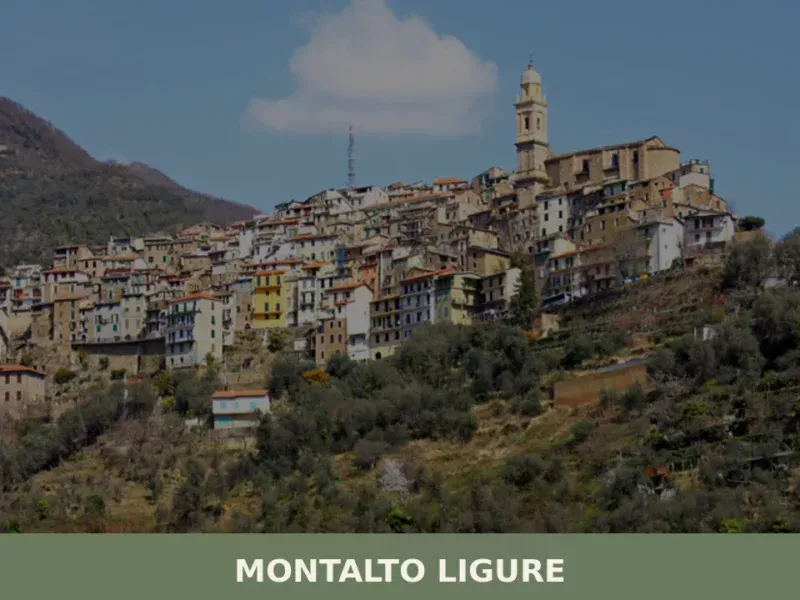
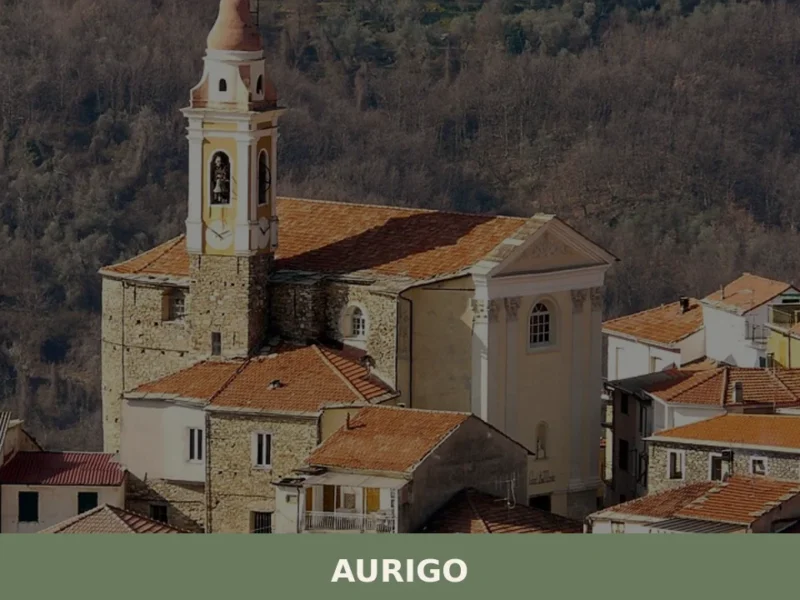
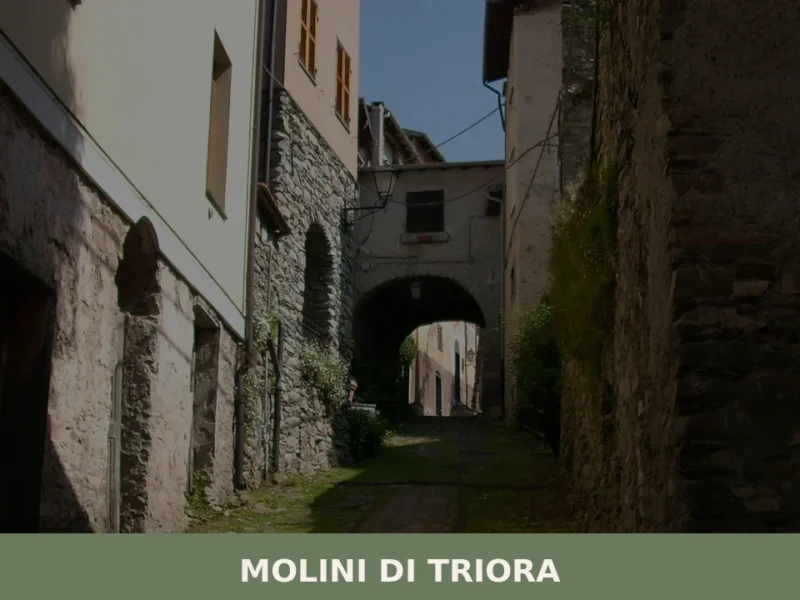
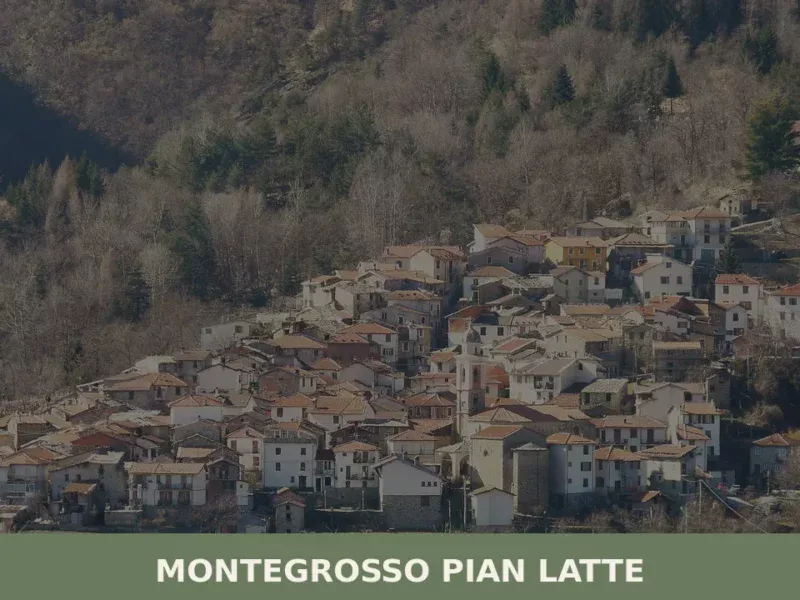
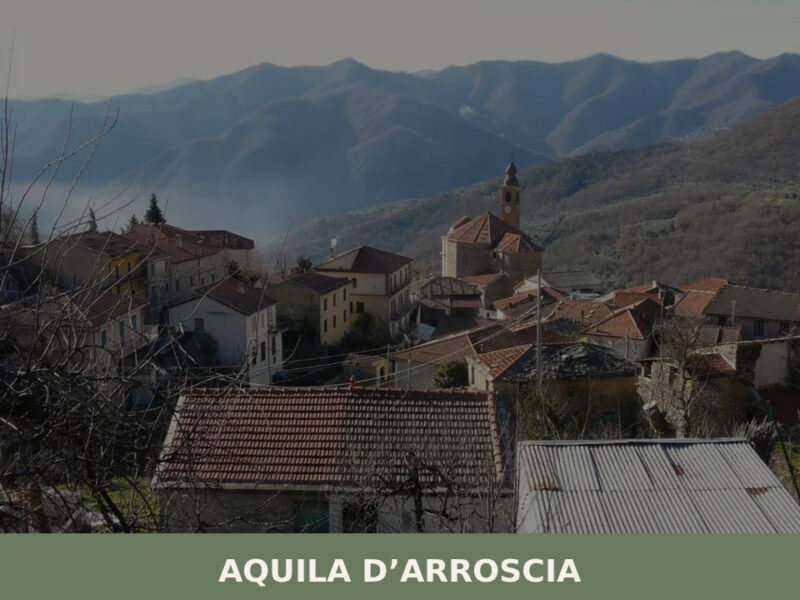
In Liguria More villages to discover
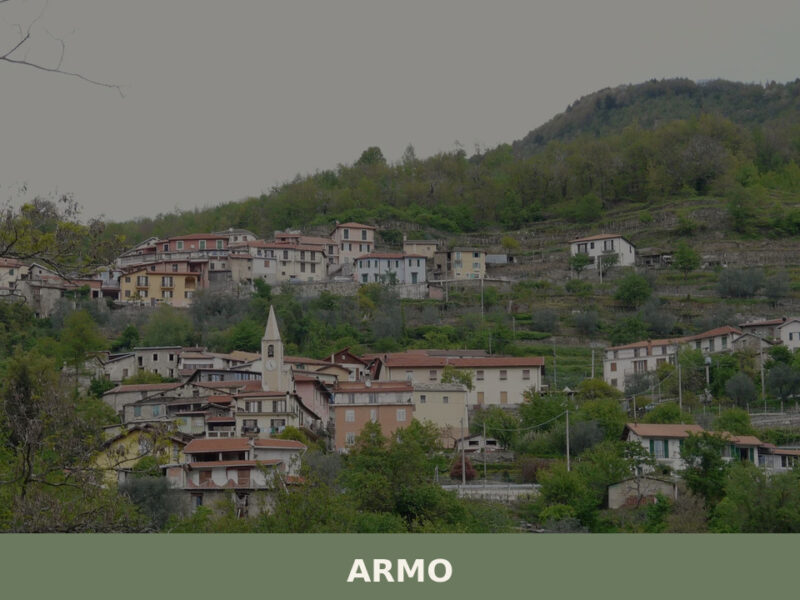
Armo
 Hills
Hills
Armo, a village of 120 inhabitants above the Petrace valley in Calabria, rewards visitors with stone lanes, ancient olive terraces, and Aspromonte trails.
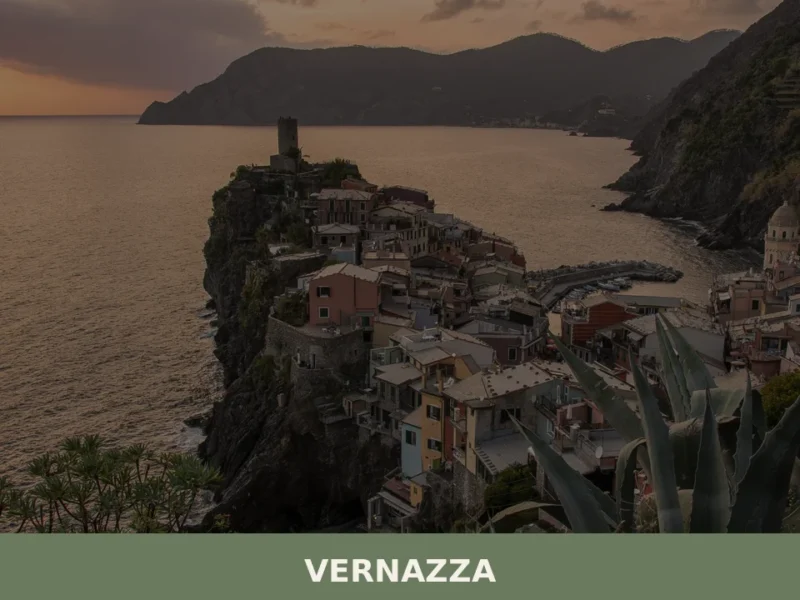
Vernazza
 Sea
Sea
What to see in Vernazza, Liguria, Italy: Doria Castle, Santa Margherita Church and the only natural port of Cinque Terre. Explore a village of 899 inhabitants. Discover now.
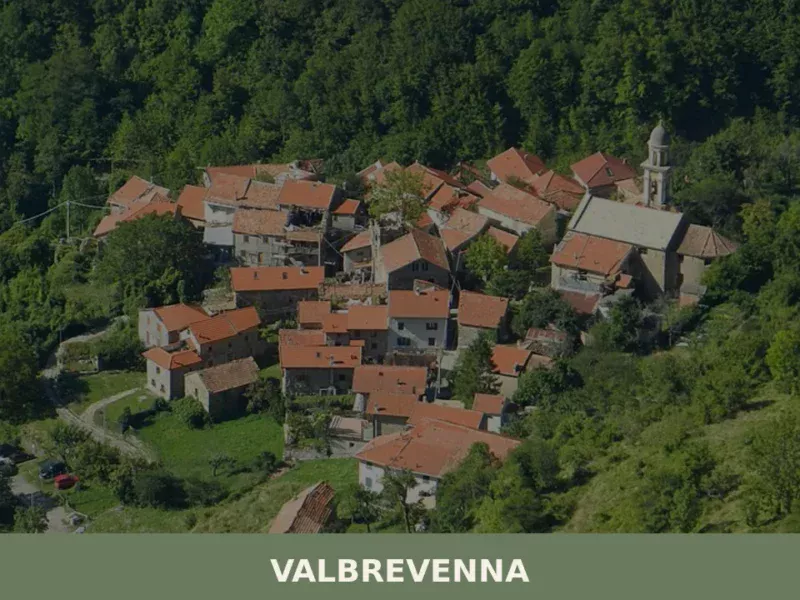
Valbrevenna
Mountain
what to see in valbrevenna, Italy: Explore the Ligurian Apennines. With 817 inhabitants, discover hiking in Antola Park and traditional hamlets. Read our guide.
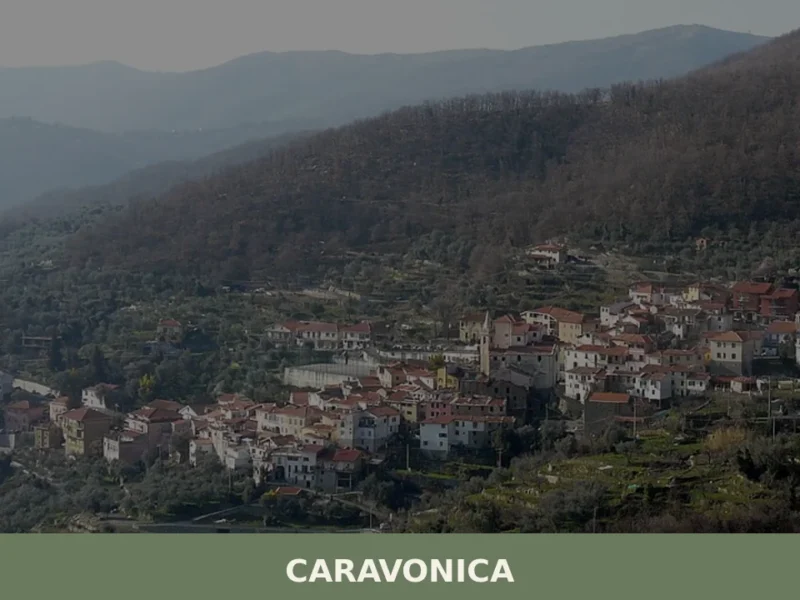
Caravonica
Hills
The scent of wild rosemary drifts on the morning air, carried by a breeze that has travelled from the Ligurian Sea and across the terraced olive groves. Morning light, still soft, begins to illuminate the ochre and terracotta facades of Caravonica “”, a village clinging to a hillside in the Imperia province. At 360 meters […]
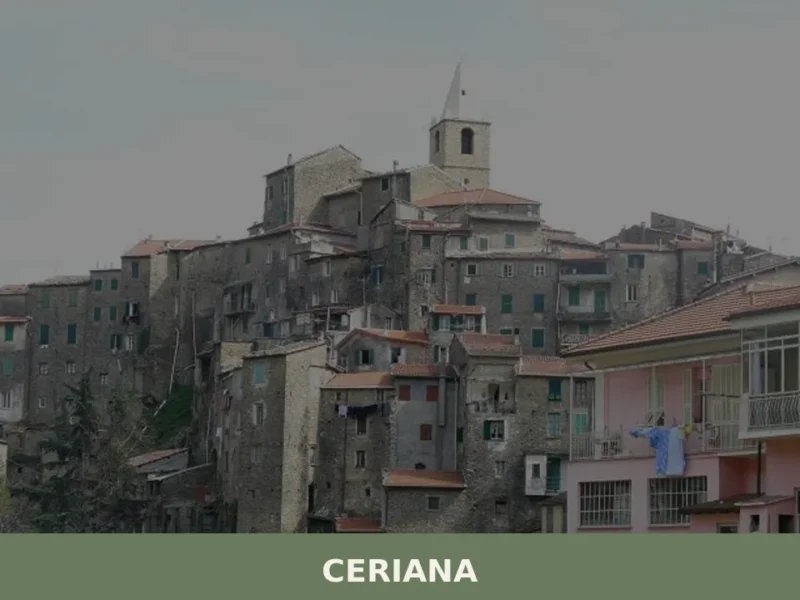
Ceriana: A Ligurian Hill Village Guide
Hills
What to see in Ceriana, Italy: Explore this Ligurian village at 369 m (1,211 ft) altitude. Discover historical sites and lively festivals. Read our guide.
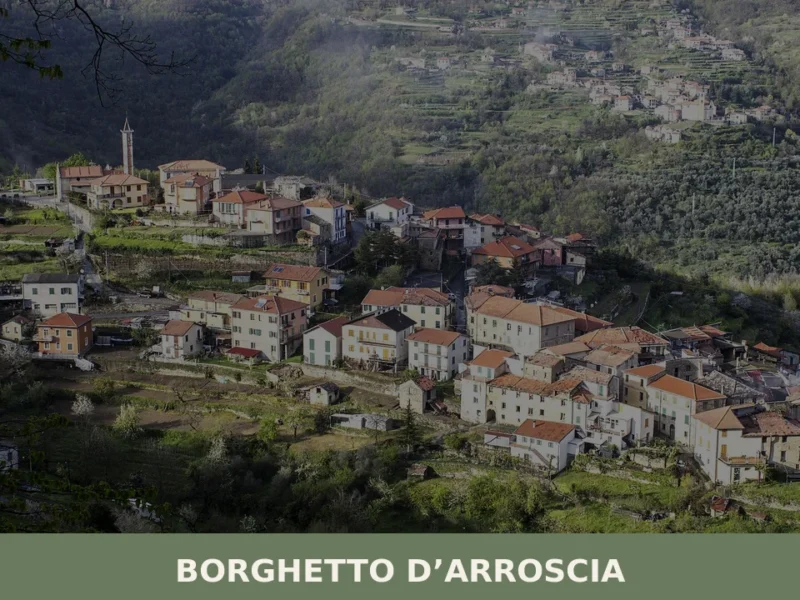
Borghetto d’Arroscia
 Plains
Along the banks of the Arroscia river, amidst centuries-old olive groves and cultivated terraces, lies the territory of Borghetto d’Arroscia, a scattered municipality in the province of Imperia. Its hamlets, such as Gavenola and Bastia, preserve the appearance of small Ligurian settlements, characterized by stone buildings and narrow streets that follow the contours of the […]
Pigna
Mountain
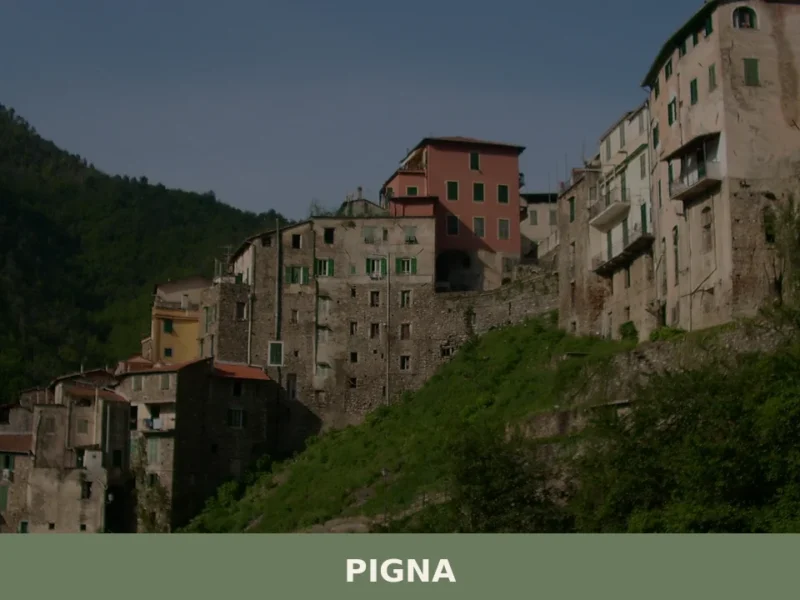
What to see in Pigna: Explore this Ligurian village, home to 741 inhabitants, its historic tower, and ancient bridge. Discover Italy's rich past.
Orco Feglino
Mountain
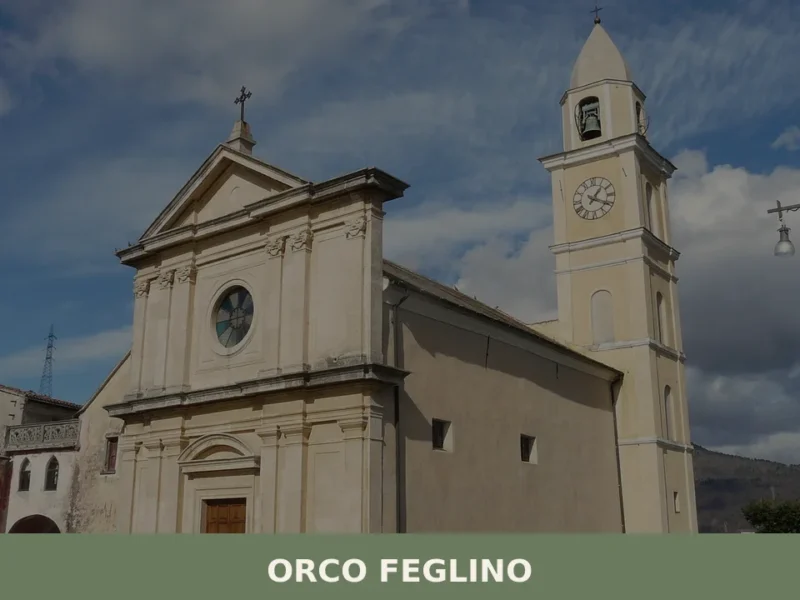
What to see in Orco Feglino, Italy? Located 50 km (31 mi) from Genoa, this village of 889 inhabitants offers castle ruins and historic churches. Explore its rich past.
Imperia
Sea
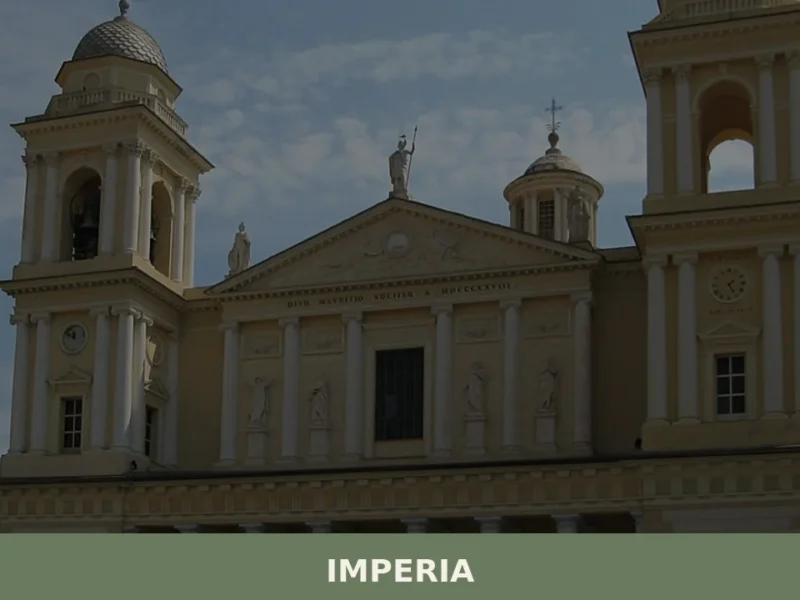
What to see in Imperia: dual city rising to 534 m in Liguria. Explore the Parasio, the free Olive Museum and sardenaira. Plan your visit now.
Pignone
Hills
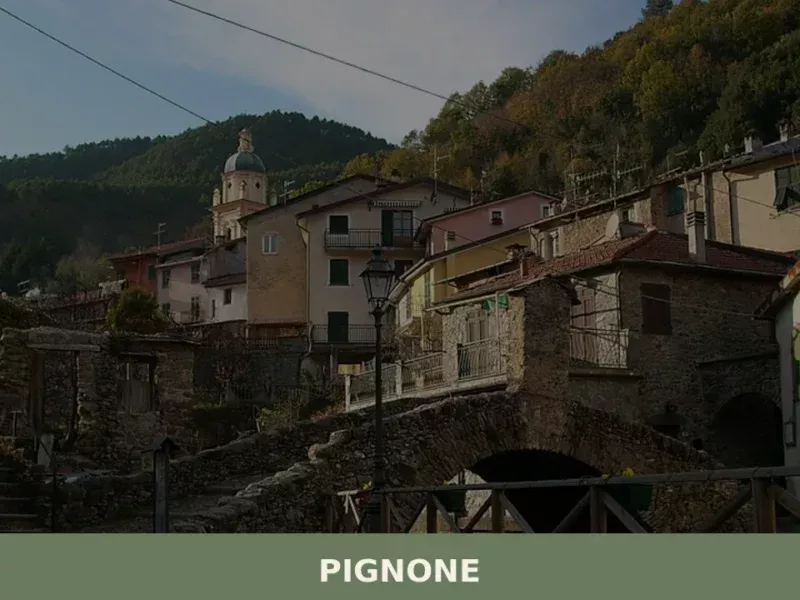
what to see in pignone provides a glimpse into Ligurian life. With a population of 654, discover its location near La Spezia, Italy and its administrative divisions. Explore its quiet charm.


🏡 Know Carpasio better than we do?
If you’re a local or have been there, your knowledge matters: add what’s missing or fix a detail on this page.