


Osiglia
 Mountain
What to see in Osiglia, Italy? Explore this Ligurian comune of 458 inhabitants, 25 km (16 mi) from Savona. Discover its mountainous surroundings and tranquil environment.
Discover Osiglia
With a population of 458 inhabitants, Osiglia stands as a small comune within Italy’s Liguria region. This administrative division places it within the Province of Savona, positioned approximately 60 kilometres (37 mi) west of Genoa.
The village’s modest size contributes to its distinct character, offering a contrast to the more populous coastal areas and larger urban centers.
For those wondering what to see in Osiglia, this Ligurian village offers a glimpse into local life away from the coast, with its 458 residents contributing to a quiet atmosphere.
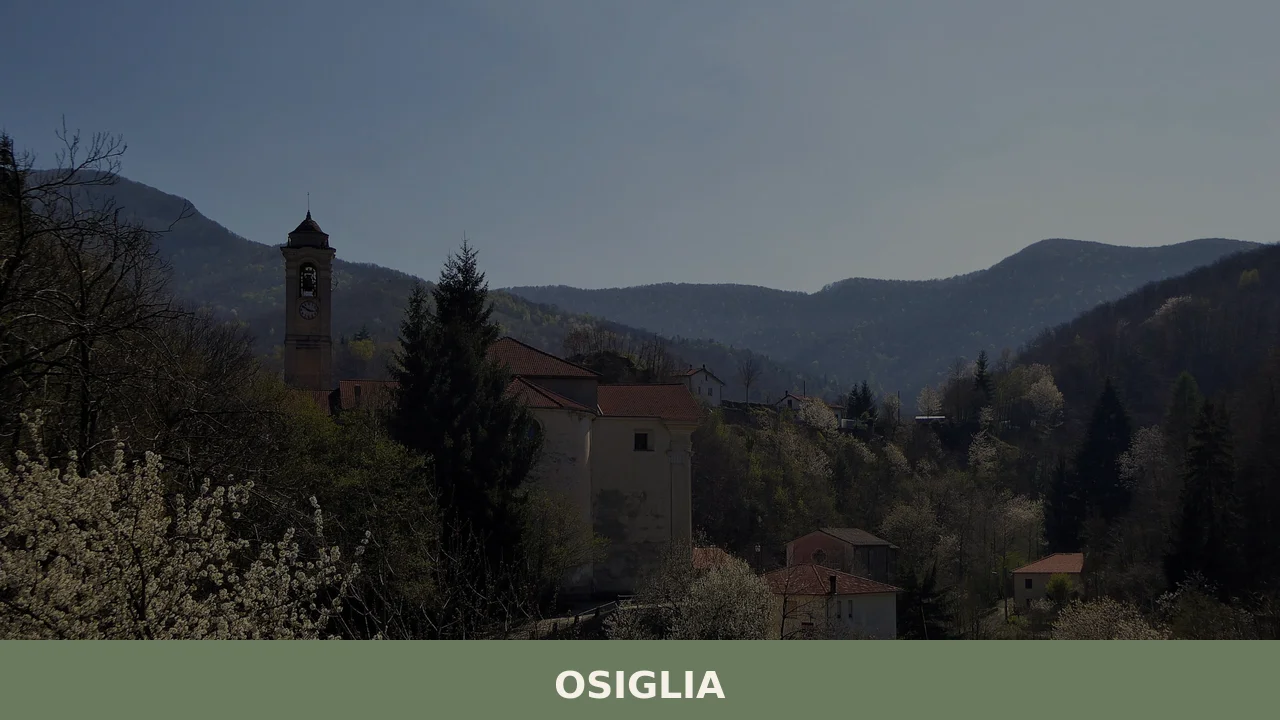
Visitors to Osiglia find themselves in a mountainous setting, bordering several other municipalities and offering opportunities to explore the natural landscape surrounding Monte Camulera. The Osiglia highlights include its geographical position and the tranquil environment of a traditional Ligurian comune.
History of Osiglia
Osiglia’s identity as a comune in the Province of Savona defines its administrative and geographical context within Liguria, Italy.
The name itself, appearing as Oseria in both Ligurian and Piedmontese dialects, suggests historical linguistic influences from these two distinct regions, reflecting a crossroads of cultural exchange in the Apennine foothills. This linguistic duality hints at historical interactions and possibly shifting allegiances or populations over centuries, common in border territories between regional powers.
The establishment of Osiglia as a comune implies a long-standing local governance structure, although specific founding dates or significant historical milestones are not extensively documented in available records.
Its location in the Ligurian hinterland, about 60 kilometres (37 mi) west of Genoa and 25 kilometres (16 mi) west of Savona, indicates a historical connection to these larger urban centers, likely for trade, administration, or defense.
The village’s continued existence with a population of 458 inhabitants into modern times underscores a resilient community, adapting to changing economic and social landscapes typical of small Italian municipalities.
While specific historical events shaping Osiglia are not detailed, its position bordering municipalities such as Bormida, Calizzano, and Millesimo suggests a shared regional history with these neighboring communities. The presence of geographical features like Monte Camulera, referenced in regional contexts, further indicates that the natural environment played a significant role in the development and defense of the area. Without further historical records, the narrative of Osiglia remains largely one of enduring local identity within the broader historical fabric of the Province of Savona and the Liguria region.
Understanding what to see in Osiglia often begins with appreciating this deep-rooted local context.
What to see in Osiglia, Liguria: top attractions
The village of Osiglia, primarily known for its tranquil setting and geographical position within the Ligurian Apennines, offers visitors a chance to experience the region’s natural beauty.
While specific historical monuments or cultural sites are not extensively documented in available sources, the surrounding landscape provides opportunities for exploration. For those asking what to see in Osiglia, the focus shifts to its natural environment.
Monte Camulera
The slopes of Monte Camulera rise above the Osiglia area, providing a prominent natural landmark for the comune. This mountain, whose name appears in regional geographical references, represents a significant part of the local topography and offers panoramic views of the surrounding Ligurian valleys and peaks. Visitors can appreciate the geological formations and diverse flora typical of the Apennine range, making it a focal point for outdoor activities like hiking.
Exploring the lower trails around Monte Camulera during spring or autumn provides agreeable weather conditions for walking.
The Village of Osiglia and its Surroundings
The small community of Osiglia, home to 458 inhabitants, itself constitutes an attraction for those seeking a quiet Ligurian experience.
Walking through the village allows visitors to observe the traditional architecture and the rhythm of rural Italian life, far removed from the bustling coastal resorts, defining a core part of what to see in Osiglia. The comune is situated approximately 25 kilometres (16 mi) west of Savona, offering a sense of remoteness while remaining accessible. Observing the local interactions and the simple structures of the village provides insight into the daily existence of this Ligurian settlement.
It is worth taking time to simply observe the local environment and its peaceful atmosphere.
The Borders with Neighboring Municipalities
Osiglia shares its administrative boundaries with several other Ligurian municipalities, including Bormida, Calizzano, Millesimo, Murialdo, Pallare, and Rialto. These borders delineate not only administrative divisions but also potential pathways for exploring the wider region, with each neighboring comune offering its own distinct character and local features. The geographical proximity suggests historical connections and shared landscapes, inviting visitors to consider excursions into these adjacent areas, which might reveal similar architectural styles or agricultural practices.
A drive along the roads connecting Osiglia to these nearby villages can offer varied perspectives of the Ligurian interior.
Panoramic Views of the Ligurian Interior
Due to its elevated position within the Province of Savona, Osiglia offers expansive views across the undulating terrain of the Ligurian interior. The landscape is characterized by its mountainous profile, with valleys and forested areas stretching towards the horizon.
These vistas provide a visual understanding of the region’s geography, distinct from the coastal panoramas typically associated with Liguria. From various points around the comune, one can appreciate the scale of the Apennine foothills. These vistas are a significant part of what to see in Osiglia and its broader surroundings. Early morning or late afternoon light often enhances the visual impact of these natural landscapes.
Tranquil Environment and Local Life
The overall atmosphere of Osiglia is defined by its tranquility, a direct consequence of its small population and relative remoteness from major urban centers. This peaceful setting provides an opportunity for visitors to experience a slower pace of life, typical of many smaller Italian communities. The absence of heavy tourism infrastructure means that interactions tend to be more genuinely local, offering a direct insight into the daily routines of the 458 inhabitants. Engaging with the quiet environment allows for a reflective experience, which is central to understanding what to see in Osiglia, away from the usual tourist itineraries.
Respecting local customs and quiet hours is advisable for visitors.
Local food and typical products of Osiglia
The gastronomic traditions of Osiglia, while not specifically detailed in available sources, are inherently linked to the broader culinary heritage of Liguria, which forms an important part of understanding what to see in Osiglia from a cultural perspective.
This region’s cooking is characterized by its emphasis on fresh, local ingredients, often reflecting the interplay between mountainous inland areas and the nearby Mediterranean coast. Historically, Ligurian cuisine has relied on olive oil, aromatic herbs, vegetables, and seafood, with inland areas developing dishes based on game, chestnuts, and dairy products. The influence of neighboring Piedmont, suggested by the linguistic variations of Osiglia’s name, might also contribute to certain culinary practices.
Without specific documented dishes for Osiglia, one can infer that local cooking likely follows the Ligurian tradition of simple, flavorful preparations. Common regional specialties include pesto, a sauce made from basil, pine nuts, garlic, Parmigiano Reggiano, Pecorino Sardo, and olive oil, often served with trofie or trenette pasta. Inland areas, like Osiglia’s vicinity, might also feature dishes with wild mushrooms, game meats, or focaccia variations, reflecting the produce available in the surrounding hills.
These dishes typically emphasize the quality of their primary ingredients.
No certified products specific to Osiglia or its immediate vicinity are mentioned in the provided sources.
However, the Liguria region as a whole boasts several Protected Designation of Origin (PDO) and Protected Geographical Indication (PGI) products, such as Riviera Ligure DOP olive oil or Basilico Genovese DOP. While these are not directly attributed to Osiglia, their regional presence highlights the quality of agricultural produce found throughout Liguria. Any local products in Osiglia would likely reflect the natural resources of its immediate mountainous environment.
Festivals, events and traditions of Osiglia
Specific festivals, events, or traditions unique to Osiglia are not detailed in the provided information. However, like many Italian comuni, Osiglia would traditionally observe religious holidays, particularly the feast day of its patron saint, often celebrated with local processions, religious services, and community gatherings.
These events typically provide a focal point for social life, strengthening community bonds among the 458 inhabitants and adding to what to see in Osiglia for a visitor.
Such celebrations often include music, traditional foods, and sometimes small markets, reflecting centuries-old customs.
Beyond religious observances, smaller villages in Liguria might host seasonal events tied to agricultural cycles, such as harvest festivals for chestnuts or mushrooms, reflecting the produce of their mountainous environment. While no specific dates or details are available for Osiglia, these types of events are common throughout the region, offering a glimpse into local culture and artisanal products. Visitors seeking such experiences in Osiglia would need to inquire locally upon arrival, as these smaller events may not be widely publicized.
When to visit Osiglia, Italy and how to get there
The best time to visit Liguria, and consequently Osiglia, depends on the desired activities. Spring (April-May) and early autumn (September-October) offer mild temperatures and fewer crowds, making them ideal for hiking around Monte Camulera and exploring the surrounding nature. Summers (June-August) are warmer, suitable for those who prefer higher temperatures, though the Ligurian interior can be warm, while winters bring cooler weather and potential for snow in higher elevations.
For those interested in exploring what to see in Osiglia and its natural surroundings, the shoulder seasons provide the most comfortable conditions.
Accessing Osiglia involves navigating inland roads from the Ligurian coast.
The village is situated approximately 60 kilometres (37 mi) west of Genoa and about 25 kilometres (16 mi) west of Savona, the provincial capital. If you arrive by car, the most common approach would be via the A6 motorway (Torino-Savona) or the A10 motorway (Genoa-Ventimiglia), exiting towards the interior roads leading to Osiglia. Specific exit names are not provided, but signs would direct travelers towards the Val Bormida area. The terrain around Osiglia is mountainous, so roads may be winding, but generally accessible for standard vehicles.
The nearest major train station would be Savona, which connects to regional and national rail networks. From Savona, a bus service or a rental car would be necessary to reach Osiglia.
The nearest major airport is Genoa Cristoforo Colombo Airport (Genoa Airport), approximately 60 kilometres (37 mi) east, offering connections to various European cities.
For international visitors, it is worth noting that while credit cards are widely accepted, carrying some Euros cash can be useful for smaller establishments or local markets in less tourist-oriented villages like Osiglia. English may be limited in smaller shops. A day trip from a nearest major city like Savona or Genoa is certainly feasible given the distances.
Visitors exploring the Ligurian interior beyond Osiglia might consider extending their trip to other significant locations in the region. For instance, the coastal city of Imperia offers a different perspective on Ligurian life, known for its olive oil production and maritime heritage.
Further east, the village of Castiglione Chiavarese provides another example of an inland Ligurian community with its own local traditions.
In the northern part of the region, Isola del Cantone, though technically in Genoa province, shares geographical characteristics with Osiglia’s mountainous surroundings, while Bajardo, high above the Riviera, presents a historical hill-top settlement. These destinations provide a broader understanding of Liguria’s diverse landscapes and cultures.
Frequently asked questions about Osiglia
What is the best time to visit Osiglia?
The best time to visit Osiglia is spring (April–May) and early autumn (September–October), when temperatures are mild and the Ligurian Apennine landscape is at its most inviting for hiking around Monte Camulera and exploring the surrounding valleys. Summer (June–August) brings warmer days suitable for outdoor walks, while winters can be cold at 715 metres altitude. The village honours its patron, the Santissimo Nome di Maria, with local religious and community celebrations — enquire locally for the current year's date.
What to see in Osiglia? Main monuments and landmarks
Osiglia's most distinctive feature is its elevated position at 715 metres within the Ligurian Apennines, offering sweeping panoramic views over the surrounding inland valleys. Monte Camulera is the principal natural landmark, providing a backdrop to the village and access for hiking. The historic village core itself, with its traditional Ligurian stone architecture and quiet rural character, rewards a leisurely walk. Its borders with Calizzano, Millesimo, and Bormida also make it a natural gateway to exploring the wider inland Savona province.
What are the main natural or scenic attractions of Osiglia?
The dominant natural attraction is Monte Camulera, rising above the comune and offering panoramic views across the Ligurian Apennines. The area surrounding Osiglia features forested hillsides, typical of the inland Province of Savona, suitable for walking and nature observation. Spring and autumn are ideal seasons for enjoying the local flora and the undulating landscape of valleys and ridges characteristic of the Ligurian interior, far removed from the coastal scenery for which the region is more commonly known.
What can you do in Osiglia? Activities and experiences
Osiglia is primarily suited to slow, nature-based tourism. Hiking on the slopes of Monte Camulera is the main outdoor activity, best enjoyed in spring and autumn. The village's position bordering Calizzano, Millesimo, and Bormida makes it a practical base for day trips into the broader Ligurian hinterland by car. Visitors can also explore the quiet village streets to observe traditional rural architecture and local daily life, offering a genuine off-the-beaten-track alternative to Liguria's busier coastal destinations.
Who is Osiglia suitable for? Families, couples, hikers, solo travelers?
Osiglia is best suited to hikers, nature lovers, and travellers seeking an authentic, crowd-free Ligurian experience. Its mountainous setting at 715 metres and access to Monte Camulera make it appealing to those who enjoy walking and scenic landscapes. Couples and solo travellers looking for tranquillity and a slower pace will feel at home in this quiet village of 458 inhabitants. It is less suited to visitors seeking museums, nightlife, or beach holidays, but pairs well with nearby inland towns such as Millesimo and Calizzano.
What to eat in Osiglia? Local products and specialties
Osiglia sits within a mountainous inland area of Liguria where the culinary tradition draws on Apennine produce: wild mushrooms, chestnuts, game, and locally made cheeses are staples of the hinterland table. The broader Liguria region offers certified products such as Riviera Ligure DOP extra-virgin olive oil and Basilico Genovese DOP, both used throughout local cooking. Classic Ligurian dishes such as focaccia, trofie al pesto, and fresh pasta preparations are standard across the province. For hyper-local specialties, visiting the village directly is the most reliable approach.
📷 Photo Gallery — Osiglia
Nearby Villages near Osiglia
In Liguria More villages to discover
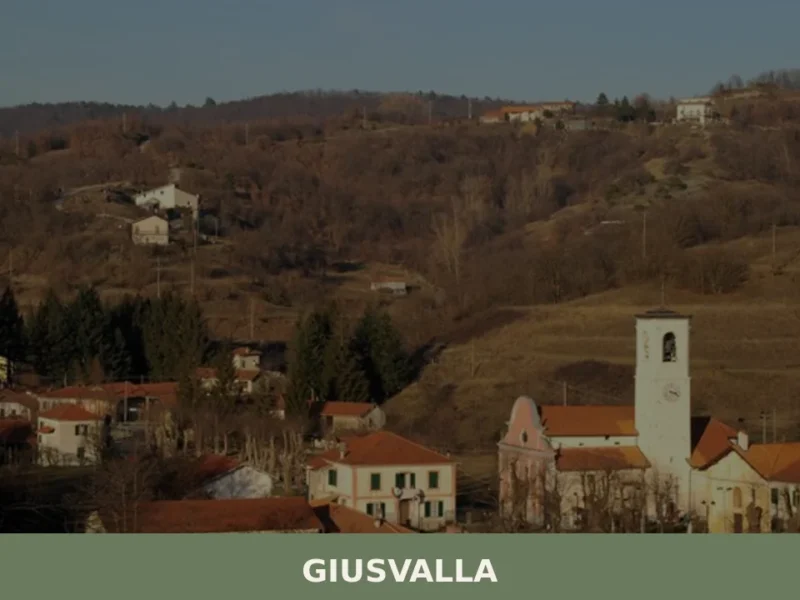
Giusvalla
Mountain
What to see in Giusvalla, Italy: 465 inhabitants, 45 km from Genoa. Discover the Festa Patronale di S. Matteo, Bricco della Croce, and local Ligurian food traditions.
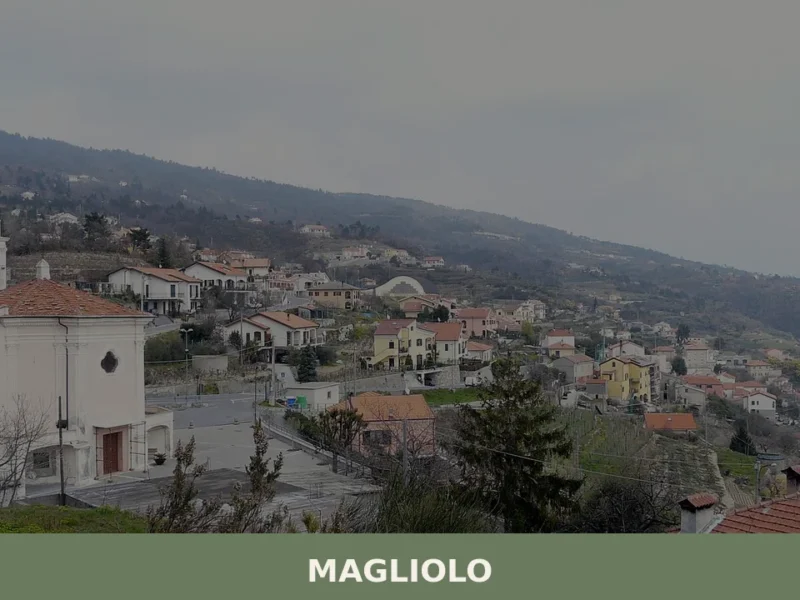
Magliolo
Mountain
What to see in Magliolo, Italy: 947 inhabitants, Ligurian valleys, local food traditions and how to get there. Discover the best of this Savona Province village.
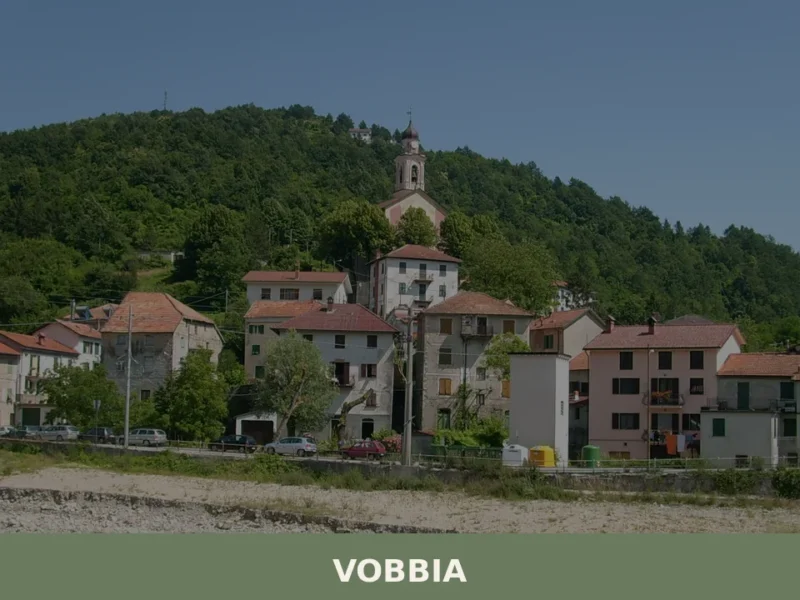
Vobbia
Mountain
What to see in Vobbia, Italy? Explore this Ligurian village of 453 inhabitants, a gateway to Antola Regional Natural Park and its scenic trails. Discover local architecture and panoramic views.
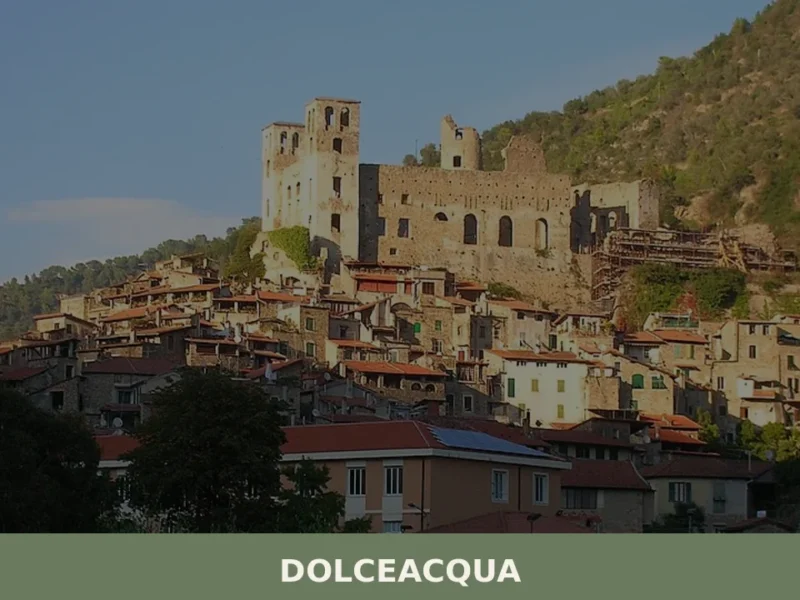
Dolceacqua
 Plains
What to see in Dolceacqua: discover Doria Castle, the Old Bridge, and 5 main attractions of this Ligurian village. Plan your visit!
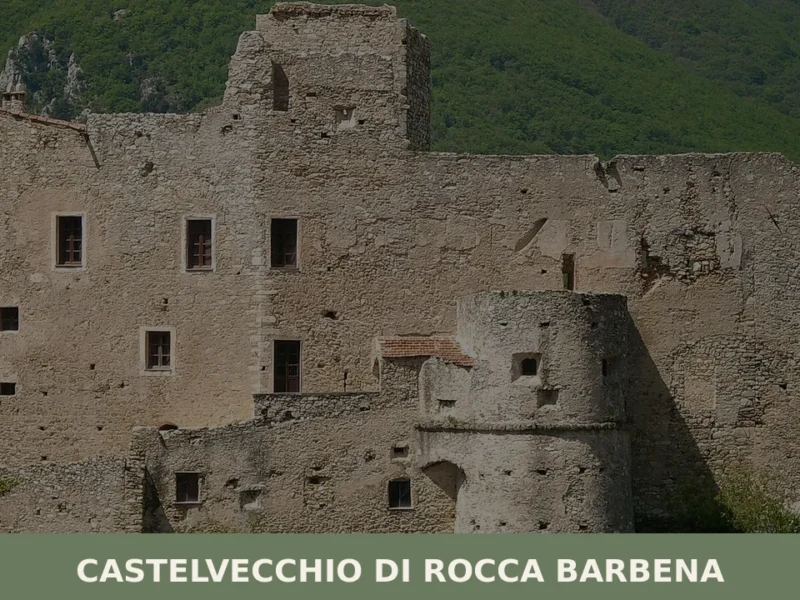
Castelvecchio di Rocca Barbena
Mountain
What to see in Castelvecchio di Rocca Barbena, Liguria, Italy: explore a 9th-century castle, 166 inhabitants, 70 km from Genoa. Discover top attractions and travel tips.
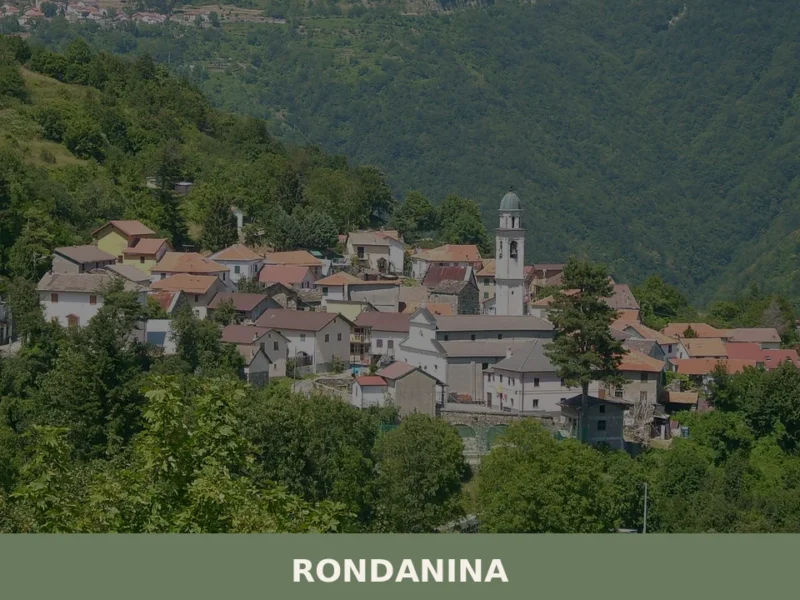
Rondanina
Mountain
What to see in Rondanina, Italy: 67 inhabitants, 30 km from Genoa, inside Parco dell'Antola. Discover top attractions, local food and how to get there.
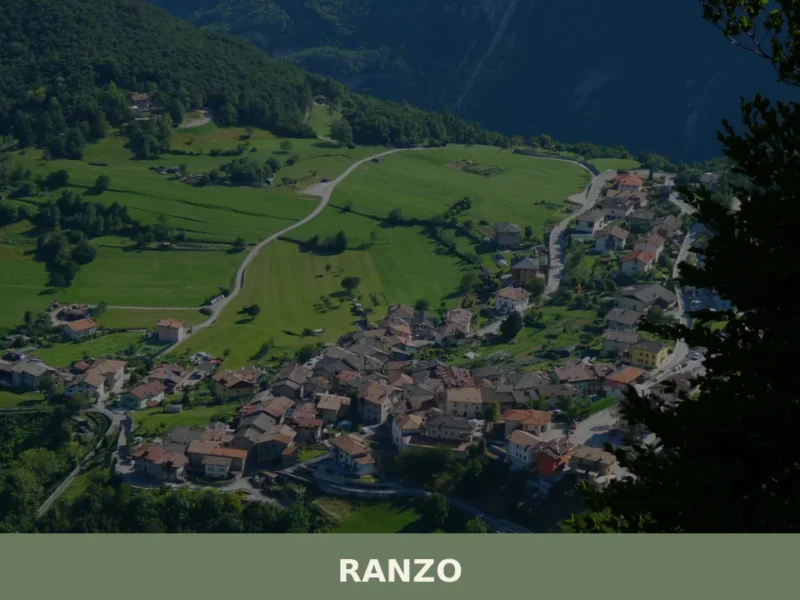
Ranzo
Mountain
What to see in Ranzo, Liguria, Italy: explore a village of 550 inhabitants, 80 km from Genoa. Discover top attractions, local food, and how to get there.
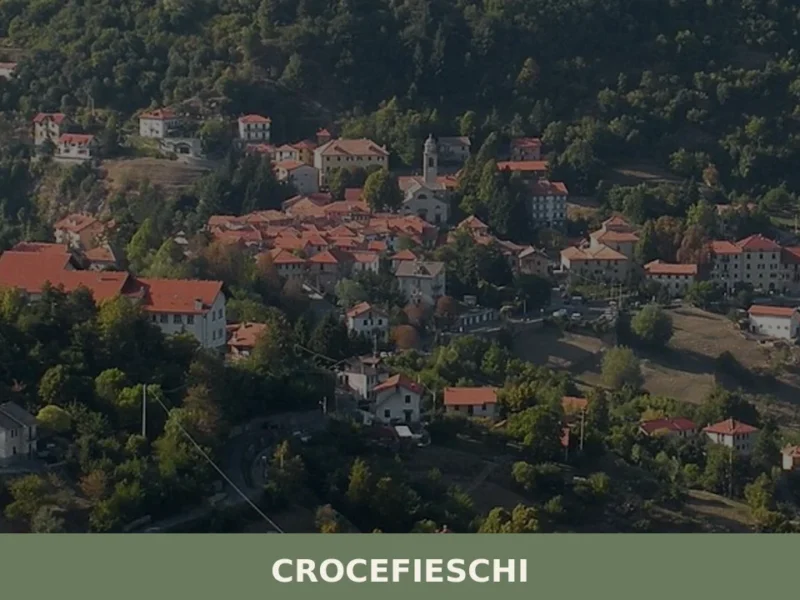
Crocefieschi
Mountain
At 742 meters above sea level, in the heart of the Ligurian Apennines, lies Crocefieschi, a municipality in the province of Genoa with 518 inhabitants. Its geographical position makes it a reference point for those seeking significant altitudes in the Genoese hinterland, away from coastal dynamics. The village’s name, according to tradition, is said to […]

Bormida
 Hills
Hills
The Bormida di Pallare runs cold through the upper valley, cutting between the flanks of Monte Settepani at 1,386 m (4,547 ft) and Ronco di Maglio at 1,108 m (3,635 ft). Iron was worked here for centuries, and the name of at least one surviving building still carries that industrial memory. The village covers 22.4 […]
Apricale
Hills
A sun-facing medieval village of 626 inhabitants in Liguria's Val Nervia. Explore what to see in Apricale, from its castle to its open-air murals.




🏡 Know Osiglia better than we do?
If you’re a local or have been there, your knowledge matters: add what’s missing or fix a detail on this page.