


Propata
 Mountain
What to see in Propata, Italy: Discover the parish church and its Maragliano statue in this Ligurian village of 156 inhabitants. Explore its history.
Discover Propata
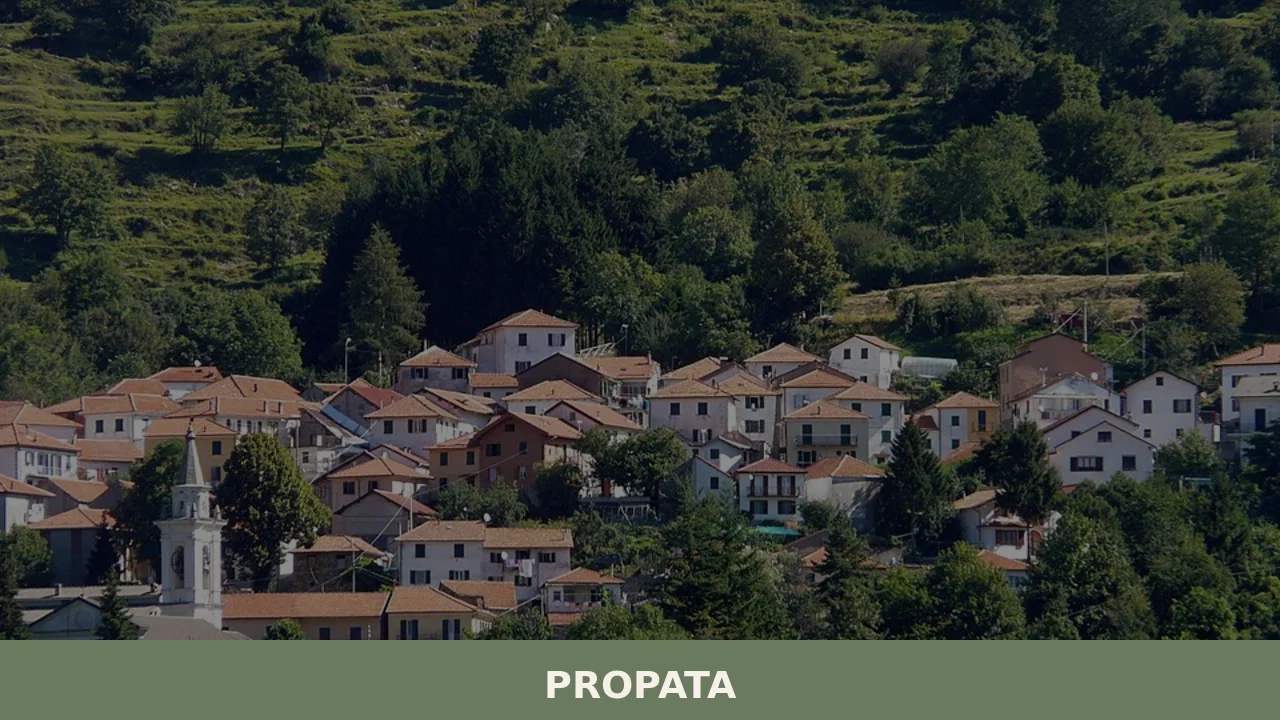
The village of Propata, home to just 156 inhabitants, sits approximately 25 kilometres (16 mi) northeast of Genoa in the Italian region of Liguria. This small comune, or municipality, offers a distinct glimpse into a quieter pace of life within the mountainous terrain of the Ligurian Apennines.
Its geographical position has historically linked it to various routes connecting the coast with inland valleys, shaping a unique regional identity over centuries.
For those wondering what to see in Propata, this Ligurian village provides a focused experience centered on its cultural and natural heritage.
Visitors to Propata find particular interest in the parish church of St. Lawrence, which houses a significant wooden statue by Anton Maria Maragliano. These Propata highlights, along with the proximity to the Parco Naturale Regionale dell’Antola, offer a concentrated exploration for travelers seeking specific cultural points and outdoor activities.
History of Propata
Propata’s identity is intrinsically tied to its status as a comune within the Metropolitan City of Genoa, a designation that positions it as an administrative unit in the broader Italian region of Liguria.
The establishment of such municipalities dates back centuries, reflecting a long history of local governance and community organization in Italy. While specific founding dates or early historical events for Propata are not detailed in available records, its existence as a recognized settlement with a parish church points to a sustained presence and development over generations.
The geographical context of Propata, situated inland from the bustling port city of Genoa, suggests a history influenced by both agricultural traditions and potential transit routes through the Apennine mountains.
Liguria itself boasts a rich historical narrative, marked by maritime republics, trade, and strategic defensive positions. Propata, though a smaller player, would have been part of this wider regional tapestry, experiencing the ebb and flow of political and economic shifts that characterized the Ligurian hinterland, much like other inland communities such as Mendatica in western Liguria.
The parish church of St.
Lawrence, with its notable artistic treasure, serves as a tangible link to Propata’s past and the cultural importance of religious institutions in local life. The presence of a wooden statue by Anton Maria Maragliano, a prominent Baroque sculptor from Genoa active in the late 17th and early 18th centuries, indicates a period of artistic patronage and connection to broader cultural trends emanating from the regional capital. This artistic legacy provides one of the few precise historical anchors for the village’s documented heritage.
What to see in Propata, Liguria: top attractions
Parish Church of St.
Lawrence
The Parish Church of St. Lawrence stands as the spiritual and cultural heart of Propata, its structure reflecting the architectural styles typical of Ligurian churches in the Apennine foothills. While specific construction dates are not provided, the presence of a significant Baroque artwork suggests a history extending back at least to the 17th or 18th century. Visitors will observe a building that, despite its modest size, holds importance for the community and offers a quiet space for reflection.
The church’s exterior often features local stone, while its interior layout typically includes a nave and an altar area.
Wooden Statue by Anton Maria Maragliano
Housed within the Parish Church of St. Lawrence, the wooden statue by Anton Maria Maragliano (1664-1739) is a highlight for art enthusiasts exploring what to see in Propata. Maragliano, a master of Genoese Baroque sculpture, was renowned for his expressive religious figures carved primarily from wood. This particular piece represents a significant example of his work, bringing the artistic prowess of Genoa to this smaller Ligurian village.
The intricate details and dynamic forms characteristic of his style are evident, offering a tangible connection to the artistic movements of the 18th century.
Parco Naturale Regionale dell’Antola
Just a short distance from Propata lies the Parco Naturale Regionale dell’Antola, a vast protected area covering approximately 10,795 hectares (26,675 acres) established in 1995.
This regional park offers extensive opportunities for hiking, nature observation, and enjoying the serene mountain landscape of the Ligurian Apennines. Its highest peak, Monte Antola, reaches 1,597 metres (5,239 ft) above sea level, providing panoramic views across the valleys. Visitors can explore a network of trails suitable for various fitness levels, immersing themselves in the park’s diverse flora and fauna throughout the year.
The Historic Core of Propata
Exploring the historic core of Propata reveals the characteristic layout of a small Ligurian mountain village, a tranquil experience for those seeking what to see in Propata beyond specific landmarks. With a population of just 156 inhabitants, the village maintains a quiet atmosphere, where stone houses often line narrow, winding lanes. Visitors can wander through these pathways, observing traditional architecture and experiencing the unhurried pace of daily life.
The central area, often anchored by the parish church, provides a focal point for understanding the community’s structure and historical development over centuries.
Ligurian Apennine Landscape
The natural landscape surrounding Propata offers expansive views and a serene environment, characteristic of the Ligurian Apennines.
Situated about 25 kilometres (16 mi) northeast of Genoa, the village is set amidst rolling hills and forested slopes that define this part of Italy. Visitors can appreciate the verdant valleys and distant mountain ridges, which provide a backdrop for outdoor activities and quiet contemplation. The area’s elevation contributes to cooler temperatures in summer and a distinct seasonality, making it an appealing destination for those who appreciate natural beauty and open spaces.
Local food and typical products of Propata
While specific culinary traditions directly attributed to Propata are not detailed in the available sources, the village, as a part of Liguria, participates in the rich gastronomic heritage of the region.
Ligurian cuisine is characterized by its reliance on fresh, local ingredients, often reflecting the interplay between the sea and the mountains. This approach emphasizes simplicity and quality, utilizing herbs, olive oil, and seasonal produce that thrive in the Mediterranean climate. The proximity to Genoa also means an influence from its historical culinary prowess.
Visitors exploring the wider Ligurian area may encounter dishes that showcase these regional characteristics.
Staples often include fresh pasta, such as trofie or pansoti, typically served with pesto alla Genovese, a fragrant sauce made from basil, pine nuts, garlic, Parmigiano Reggiano, Pecorino Sardo, and olive oil. Another common preparation is Focaccia, a flat oven-baked bread often seasoned with olive oil and salt, which can be enjoyed plain or with various toppings.
Seafood also plays a significant role along the coast, though inland villages like Propata would historically lean more on agricultural products and game.
Regarding certified products, the provided sources do not specify any unique designations (such as DOP or PGI) directly associated with Propata itself. However, the broader Ligurian region is home to several such recognitions. For instance, Basilico Genovese (DOP), a specific type of basil, is fundamental to pesto. Additionally, various olive oils, such as Olio Extra Vergine di Oliva Riviera Ligure (DOP), are produced across the region, reflecting centuries of olive cultivation.
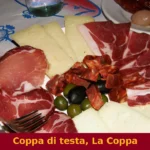
Local cheeses and cured meats, though not certified for Propata, form part of the wider Ligurian agricultural production.
Festivals, events and traditions of Propata
The available sources do not provide specific details regarding festivals, events, or unique traditions celebrated within Propata itself. Many small Italian villages, however, traditionally observe religious holidays and local patron saint days, which often involve community gatherings, processions, and sometimes local markets or simple festivities.
These events typically foster a strong sense of local identity and continuity.
In the absence of specific information for Propata, it can be inferred that the rhythms of rural life and the agricultural calendar may have historically shaped local customs. Seasonal harvests, for example, often lead to communal celebrations in other Ligurian villages, though the precise nature of such traditions in Propata remains undocumented in the provided material. Visitors seeking vibrant local events might find a more detailed calendar in larger towns or coastal areas of Liguria.
When to visit Propata, Italy and how to get there
The best time to visit Liguria, and consequently Propata, largely depends on the desired activities.
Spring (April to June) offers mild temperatures, blooming landscapes, and ideal conditions for hiking in the Parco Naturale Regionale dell’Antola, before the intense heat of summer. Autumn (September to October) also provides pleasant weather and vibrant foliage, suitable for outdoor exploration. Summers (July to August) are warm, making it a good time for those who enjoy the sun, though the inland mountains offer some respite from coastal humidity.
Winters (November to March) are cooler and can bring snow to the higher elevations, appealing to visitors interested in winter landscapes, though some services might be more limited.
Propata’s accessibility makes it a viable option for a day trip from Genoa or other nearby Ligurian towns. For those arriving by car, the village is located about 25 kilometres (16 mi) northeast of Genoa. Access is typically via the A7 motorway (Milan-Genoa), with suitable exits including Busalla or Ronco Scrivia, from which provincial roads lead directly to Propata. The journey from the A7 exit to the village usually takes around 25-30 minutes. Parking facilities are generally available within or near the village center, accommodating visitors exploring what to see in Propata.
For travelers utilizing public transport, the nearest train stations are Busalla and Ronco Scrivia, both situated on the Genoa-Milan railway line.
From these stations, local bus services or taxis can complete the journey to Propata. The closest international airport is Genoa Cristoforo Colombo Airport (GOA), approximately 40 kilometres (25 mi) southwest of Propata, with a driving time of about 50-60 minutes. International visitors should note that while major cities offer English services, smaller Ligurian villages like Propata, Liguria, Italy may have limited English speakers, and carrying some Euros cash can be beneficial for local purchases.
Exploring the diverse offerings of Liguria often involves visiting several distinct localities.
From Propata, travelers might consider extending their itinerary to include other Ligurian destinations such as Prelà, an inland village known for its olive groves and historical architecture, or the charming medieval village of Dolceacqua, famed for its Doria castle and ancient bridge in the western part of the region. These villages, while different in character, collectively contribute to the rich tapestry of Ligurian life and history.
Frequently asked questions about Propata
What is the best time to visit Propata?
The best time to visit Propata depends on your desired experience. Spring (April-June) and Autumn (September-October) offer mild temperatures and blooming or vibrant foliage, ideal for hiking and exploring the Parco Naturale Regionale dell'Antola. Summers (July-August) are warm, providing a pleasant escape from coastal humidity, and are perfect for experiencing the Festa Patronale di San Lorenzo, celebrated on August 10th. Winters (November-March) bring cooler weather and potential snow, appealing to those seeking a serene, wintry mountain landscape.
What to see in Propata? Main monuments and landmarks
Propata offers a focused experience centered on its cultural and natural heritage. The main attraction is the Parish Church of St. Lawrence, the spiritual heart of the village. It notably houses a significant wooden statue by Anton Maria Maragliano, a prominent Genoese Baroque sculptor from the 17th-18th centuries, representing a key artistic treasure. Visitors can also explore the Historic Core of Propata, characterized by narrow, winding lanes and traditional stone houses, offering a tranquil glimpse into authentic Ligurian mountain life. These sites are generally accessible during daylight hours.
What are the main natural or scenic attractions of Propata?
Propata is an excellent base for exploring the natural beauty of the Ligurian Apennines. The primary natural attraction is the Parco Naturale Regionale dell'Antola, located just a short distance away. This vast protected area offers extensive opportunities for hiking on its network of trails, nature observation, and enjoying panoramic views from peaks like Monte Antola (1,597m). The surrounding Ligurian Apennine Landscape itself provides serene vistas of rolling hills, forested slopes, and verdant valleys, perfect for outdoor enthusiasts and quiet contemplation.
Are there museums, churches or historic buildings to visit in Propata?
Yes, the Parish Church of St. Lawrence is the main historic building to visit in Propata. It serves as the village's spiritual and cultural center and is notable for housing a precious wooden statue by Anton Maria Maragliano, a renowned Baroque sculptor from Genoa. While specific opening hours are not detailed, churches in small Italian villages are typically open for visitors during daylight hours. Exploring the Historic Core also offers a glimpse into traditional Ligurian mountain architecture with its characteristic stone houses and tranquil atmosphere.
What can you do in Propata? Activities and experiences
Propata offers a tranquil escape focused on nature and local culture. Visitors can enjoy hiking and nature observation within the nearby Parco Naturale Regionale dell'Antola, which features a network of trails suitable for various fitness levels. Exploring the historic core of Propata allows for quiet strolls through narrow lanes, appreciating traditional stone architecture and the unhurried pace of mountain life. Additionally, experiencing the Festa Patronale di San Lorenzo on August 10th provides an opportunity to engage with local traditions and community spirit.
Who is Propata suitable for? Families, couples, hikers, solo travelers?
Propata is ideal for hikers and nature lovers eager to explore the Ligurian Apennines and the Parco Naturale Regionale dell'Antola. It's also perfect for solo travelers and couples seeking a tranquil escape and a slower pace of life amidst natural beauty. Those interested in cultural heritage will appreciate the Parish Church of St. Lawrence and its Baroque artwork. Its quiet, unhurried atmosphere makes it suitable for visitors looking to disconnect and enjoy outdoor activities and authentic, small-village Italian life.
What to eat in Propata? Local products and specialties
While Propata doesn't have specific certified products of its own, it shares in the rich gastronomic heritage of the wider Ligurian region. Visitors can expect to enjoy regional specialties such as Pesto alla Genovese, often served with fresh pasta like trofie or pansoti, made with Basilico Genovese (DOP). Another local favorite is Focaccia, a flat oven-baked bread seasoned with olive oil. The area also produces excellent Olio Extra Vergine di Oliva Riviera Ligure (DOP), alongside local cheeses and cured meats characteristic of the Ligurian Apennines.
📷 Photo Gallery — Propata
Nearby Villages near Propata
In Liguria More villages to discover
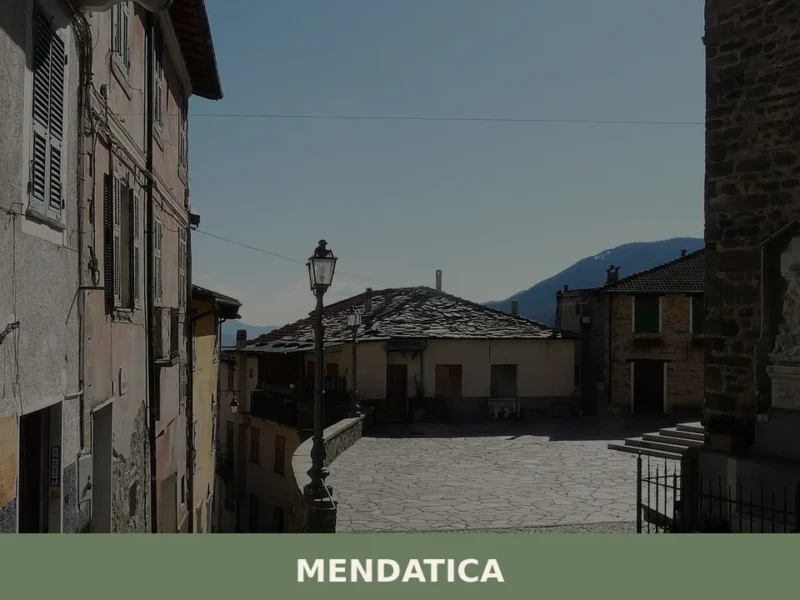
Mendatica
Mountain
What to see in Mendatica, Liguria, Italy: 190 inhabitants, mountain village 100 km from Genoa. Discover Colle San Bernardo, Alpi Liguri Park and local cuisine.

Arenzano
 Sea
Sea
What to see in Arenzano, Liguria, Italy: explore a 16th-century patrician villa, a Saracens' Tower, and a coastal sanctuary. Population 11,445. Discover it all.
Isola del Cantone
 Hills
Hills
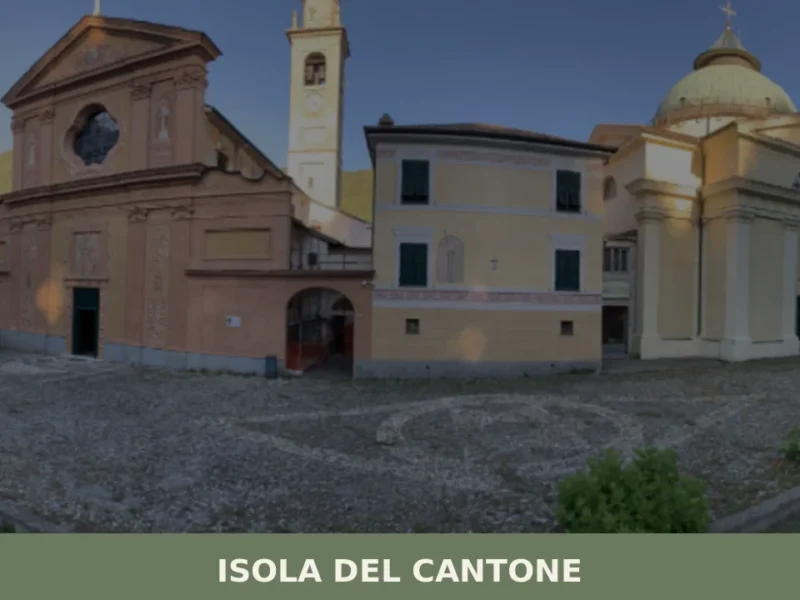
what to see in isola del cantone (Genoa). Discover the Church of Saints Stephen and Innocent and the Old Bridge. Explore this village of 1385 inhabitants.
Framura
Sea
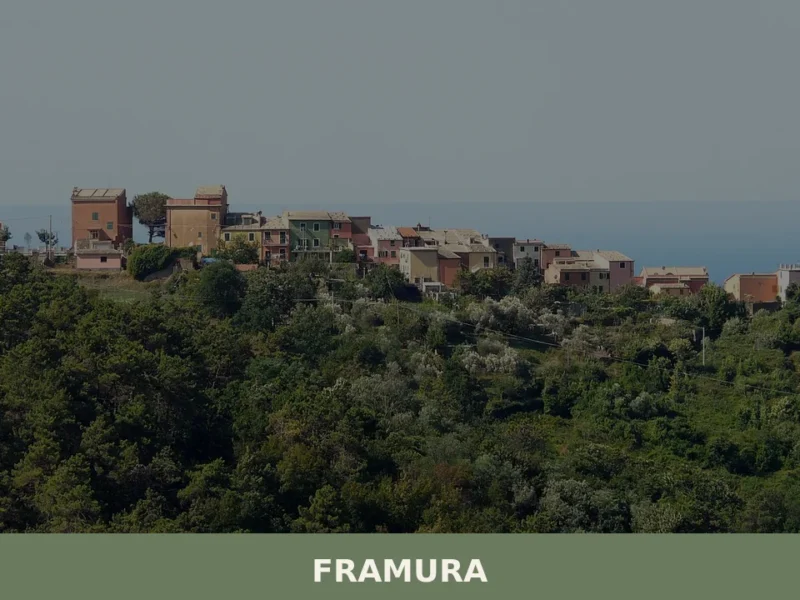
What to see in Framura, Liguria, Italy: explore 5 top attractions, WWII history, coastal trails, and local food in a village of 677 inhabitants. Discover it now.
Santo Stefano d’Aveto
Mountain
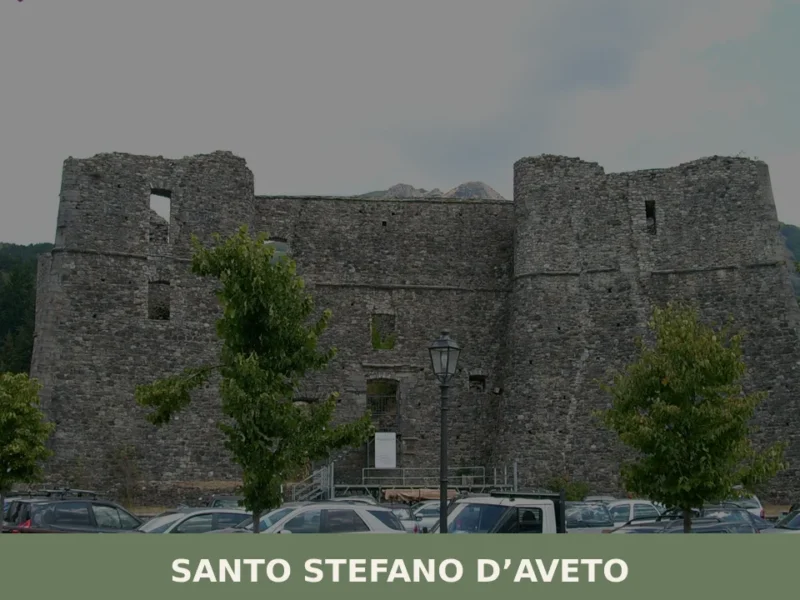
What to see in Santo Stefano d'Aveto? Discover the castle, hikes, and nearby villages with our complete guide to the Ligurian hinterland. Plan your trip now!
Pallare
Mountain
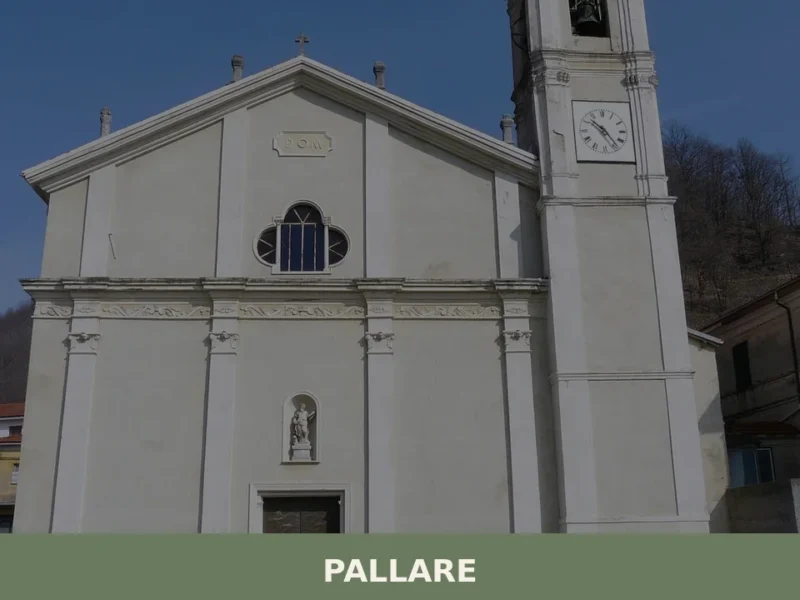
what to see in pallare: Explore this Ligurian comune, 15 km from Savona, Italy. Discover its geographical context and accessibility. Read our guide.
Bergeggi
Sea
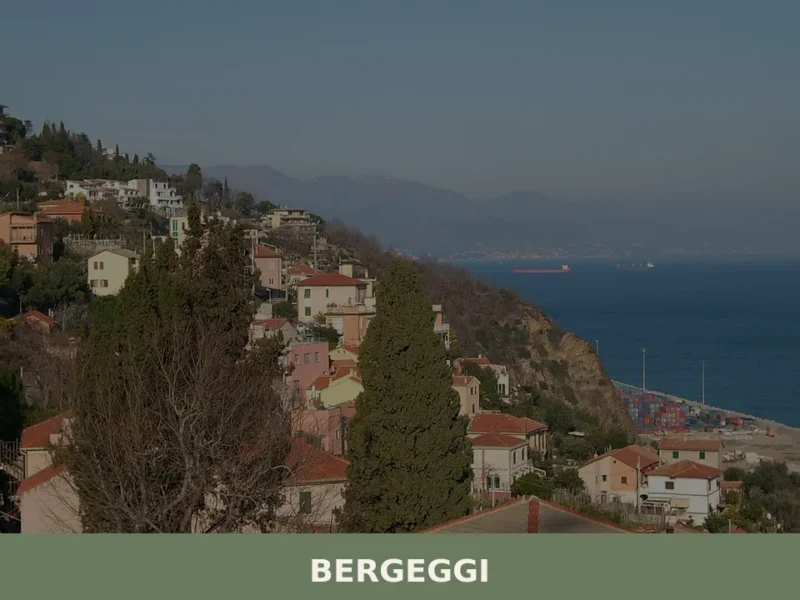
The limestone bluffs that drop into the Ligurian Sea west of Savona do not ease the traveller in gently. The coastline here is direct: rock, water, and the smell of salt on warm stone. Bergeggi sits at roughly 10 km (6.2 mi) from Savona, at a point where the Via Aurelia, the ancient Roman road […]
Dolceacqua
 Plains
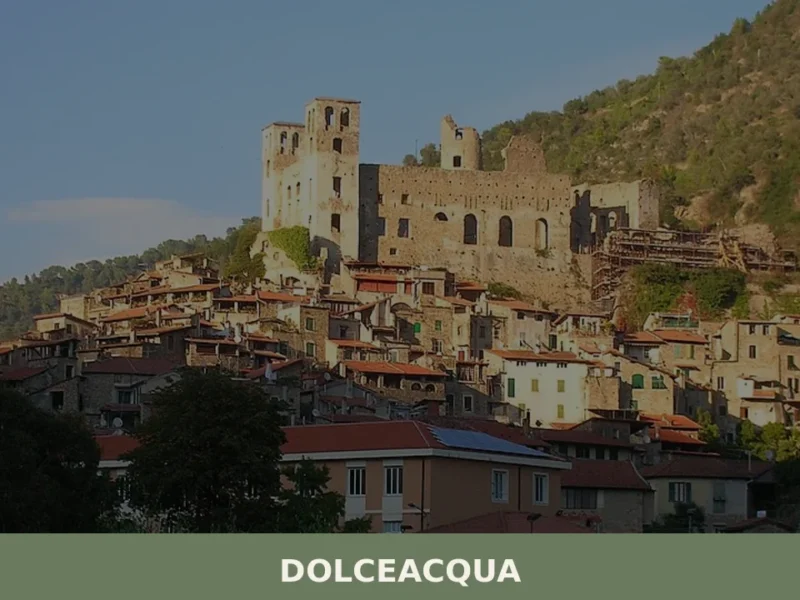
What to see in Dolceacqua: discover Doria Castle, the Old Bridge, and 5 main attractions of this Ligurian village. Plan your visit!
Zignago
Mountain
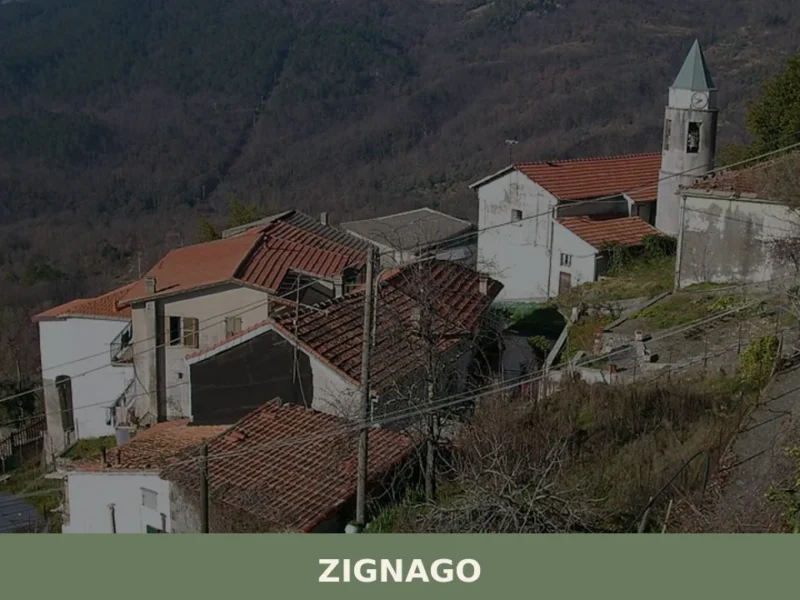
what to see in zignago in Italy. Explore this Ligurian comune of 542 residents, located 20 km (12 mi) from La Spezia, and discover its administrative heart and surrounding valleys.
Tiglieto
Mountain
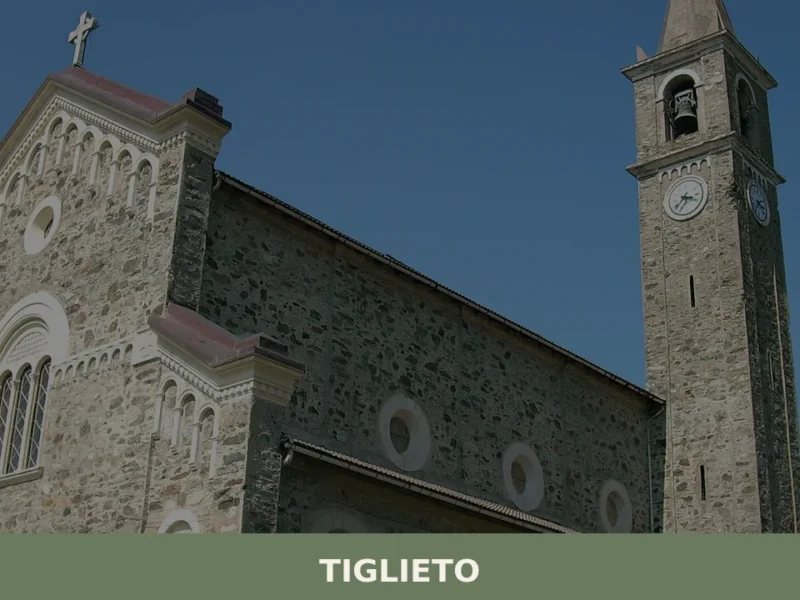
what to see in tiglieto: Explore Tiglieto, Italy, located 52 km (32 mi) from Genoa. Discover the historic Abbey and the Beigua Regional Park.


🏡 Know Propata better than we do?
If you’re a local or have been there, your knowledge matters: add what’s missing or fix a detail on this page.