


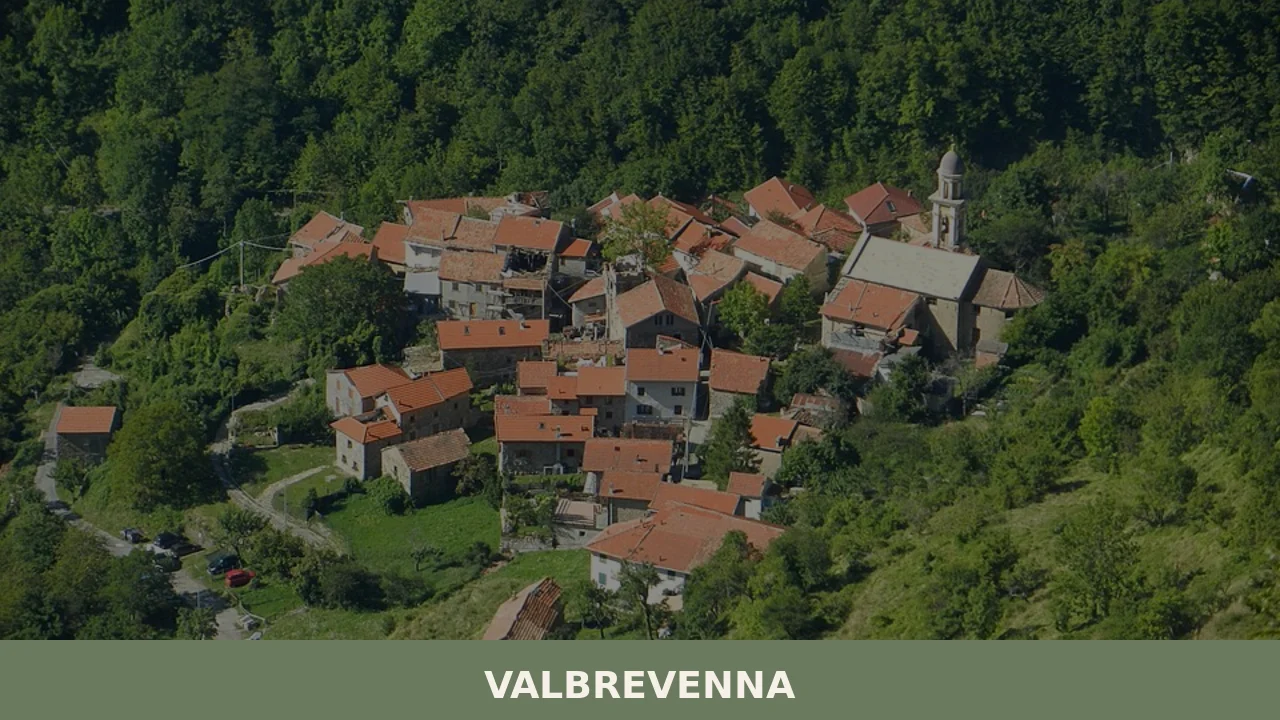
Valbrevenna
 Mountain
what to see in valbrevenna, Italy: Explore the Ligurian Apennines. With 817 inhabitants, discover hiking in Antola Park and traditional hamlets. Read our guide.
Discover Valbrevenna
The steep hillsides and dense woodlands common to the Ligurian Apennines define the landscape around Valbrevenna, a municipality situated in the Metropolitan City of Genoa. This area, known for its rugged terrain and rich biodiversity, lies approximately 15 km (9 mi) northeast of the regional capital.
With its modest population of 817 inhabitants, Valbrevenna offers a quieter experience, typical of the inland Ligurian valleys, where agricultural traditions persist and the rhythm of life aligns with the natural environment, providing a tangible sense of a less hurried pace.
For those wondering what to see in Valbrevenna, the municipality, with its 817 residents, presents opportunities for exploring natural landscapes and local traditions throughout the year.
Visitors can engage in outdoor activities, particularly hiking and nature observation, within the adjacent Parco naturale regionale dell’Antola or discover the small communities that comprise the area. The Valbrevenna highlights include access to numerous well-maintained hiking trails and the chance to experience a less frequented Ligurian inland environment, offering a distinct contrast to the region’s bustling coastal resorts.
History of Valbrevenna
Valbrevenna, as an administrative comune in the Metropolitan City of Genoa, holds a position within the broader historical and geographical tapestry of Liguria.
Its strategic location, approximately 15 km (9 mi) northeast of Genoa, has historically placed it within the economic and cultural orbit of the regional capital. While distinct historical events specific to Valbrevenna are not widely documented in the provided sources, its existence as an organized settlement reflects the long-standing human presence in the Ligurian Apennines, adapting to the mountainous terrain and utilizing its natural resources over centuries.
The municipality’s current geographical boundaries connect it to several other communities within the Metropolitan City of Genoa, including Carrega Ligure, Casella, Crocefieschi, Montoggio, Propata, Savignone, Torriglia, and Vobbia.
This network of bordering villages suggests a historical interconnectedness, where local paths and shared resources would have facilitated commerce, communication, and social interaction among the inhabitants.
The evolution of these administrative divisions and geographical proximities has gradually shaped the local identities and daily lives of the communities, including Valbrevenna, which has maintained its distinct rural character despite its relative proximity to a major urban center.
While specific dates regarding Valbrevenna’s founding are not available, its inclusion within the signifies a modern commitment to preserving the natural and cultural heritage of the area. The history of such inland Ligurian areas often revolves around traditional agricultural practices, forestry, and the gradual development of small, resilient settlements. The modest population of 817 inhabitants today reflects a pattern common to many Italian mountain communities, which have preserved their heritage and way of life through various historical periods, adapting to economic and social changes while maintaining a strong connection to their land.
What to see in Valbrevenna, Liguria: top attractions
Parco naturale regionale dell’Antola
The serves as a primary draw for visitors to Valbrevenna, offering a vast protected area of natural beauty and ecological significance.
This regional park, established to preserve the rich biodiversity and distinctive landscapes of the Ligurian Apennines, encompasses diverse habitats ranging from dense woodlands of beech and oak to open, high-altitude meadows. The park provides numerous well-maintained trails suitable for various levels of hikers, allowing for extensive exploration of the local flora and fauna, including sightings of deer, wild boar, and various birds of prey such as buzzards and kestrels.
The park’s commitment to nature conservation makes it an essential stop for environmental enthusiasts.
The Brevenna Valley Landscape
The very name Valbrevenna signifies the “Valley of Brevenna,” indicating the prominence of its natural valley formation as a key geographical feature within the municipality. This landscape is characterized by its dramatic elevation changes, with hillsides covered in a mosaic of chestnut and oak forests, interspersed with smaller agricultural plots and terraced fields. Exploring the valley floor and its sloping terrain reveals a quintessential traditional Ligurian inland environment, where stone farmhouses and small churches blend seamlessly into the natural backdrop. Visitors keen on understanding what to see in Valbrevenna from a natural perspective will appreciate the quiet pathways, the clear watercourses that shape this particular geographical area, and the sense of unspoiled nature.
Traditional Hamlets and Rural Architecture
Valbrevenna is a comune that comprises several smaller settlements or hamlets scattered across its mountainous territory, each contributing to the collective identity and historical fabric of the municipality.
These small communities showcase compelling examples of traditional Ligurian rural architecture, typically featuring robust stone houses with characteristic slate roofs, often constructed directly into the hillsides to maximize stability and minimize exposure.
A leisurely walk through these hamlets allows visitors to observe the enduring building styles and the ingenious ways in which life has adapted to the mountain environment over generations. Such villages, like those found near Balestrino, share a common architectural heritage that speaks to the resilience and resourcefulness of Liguria’s hinterland communities.
Panoramic Views of the Apennines
Given Valbrevenna’s elevated position within the Ligurian Apennines, the municipality’s higher points offer extensive panoramic views across the surrounding mountain ranges. From various vantage points within its territory, which can reach significant altitudes, visitors can observe the undulating contours of the Apennine chain, extending towards more distant peaks and hidden valleys. These vistas provide ample opportunities for landscape photography and quiet contemplation, especially during the clearer months of spring and autumn, when the air is crisp and visibility is high.
Seeking out these expansive viewpoints is a rewarding part of deciding what to see in Valbrevenna, offering a profound sense of the scale and grandeur of the Ligurian interior.
Local Pathways and Ancient Trails
The intricate network of local pathways and ancient trails connecting the various parts of Valbrevenna and extending into the Antola Park represents a significant attraction for outdoor enthusiasts and those interested in historical routes.
These routes, once vital for communication, trade, and daily life between scattered settlements, now serve as recreational paths for exploring the natural environment. They traverse diverse terrain, from shaded woodland tracks, often scented with wild herbs, to open ridges, frequently revealing glimpses of historic dry-stone walls and meticulously terraced fields. These trails are generally well-marked, providing a direct and immersive way to engage with the natural environment and discover the less accessible corners of Valbrevenna, offering both physical activity and cultural insight.
Local food and typical products of Valbrevenna
As an inland community within Liguria, Valbrevenna shares in the rich and diverse gastronomic traditions of the region, which skillfully blend influences from both the mountainous terrain and the nearby sea.
The local cuisine is characterized by its reliance on fresh, seasonal ingredients, particularly wild herbs, vegetables, mushrooms, and products derived from pastoral farming and small-scale agriculture. This approach to cooking emphasizes natural flavors, simple preparations, and a deep respect for the bounty of the land, reflecting a historical ethos of self-sufficiency that has shaped the culinary identity of the Ligurian hinterland for centuries.
Typical Ligurian dishes that would be familiar in Valbrevenna often feature fresh pasta, locally grown vegetables, and aromatic herbs.
One prominent example is Trofie al Pesto, a short, twisted pasta traditionally served with the iconic Ligurian basil pesto, made from fresh basil leaves, pine nuts, garlic, Parmigiano Reggiano cheese, Pecorino Sardo cheese, and high-quality olive oil.
Another staple is Farinata, a thin, savory pancake made from chickpea flour, water, and olive oil, traditionally baked in a wood-fired oven until golden and crispy. Additionally, vegetable pies, known as torte di verdura, filled with local greens like borage or chard, constitute a significant and wholesome part of the culinary heritage, often prepared with a thin pastry crust.
While the provided sources do not specify certified products unique to Valbrevenna itself, the broader Ligurian region is renowned for several high-quality agricultural items that hold protected status. These include Basilico Genovese DOP (Denominazione d’Origine Protetta), cultivated for its delicate aroma and distinctive flavor, which is absolutely essential for authentic Ligurian pesto.
Another significant regional product is Olio Extra Vergine di Oliva Riviera Ligure DOP, an extra virgin olive oil known for its mild, fruity notes and low acidity, primarily produced from Taggiasca olives across the Ligurian Riviera.
Though not exclusive to Valbrevenna, these products represent the quality and tradition of Ligurian agriculture, influencing the culinary practices and available produce in local communities like Valbrevenna.
Festivals, events and traditions of Valbrevenna
The available information does not detail specific festivals, events, or traditions unique to Valbrevenna. However, many smaller Italian communities, particularly those in rural and mountainous areas, typically observe annual patron saint festivals (feste patronali), which are deeply rooted in local religious and social life.
These celebrations usually involve a combination of solemn religious processions, often carrying statues of the patron saint through the village streets, communal meals that bring families and neighbors together, and sometimes include music, folk dances, or evening fireworks displays.
Without explicit data for Valbrevenna, any such events would follow similar patterns of community celebration, reinforcing local bonds and heritage.
In addition to potential religious observances, traditional activities in inland Ligurian areas often revolve around the agricultural calendar and the changing seasons, reflecting a deep connection to the land. These might include local markets for fresh produce, or community gatherings related to the harvests of chestnuts, mushrooms, or other wild foods abundant in the Apennine foothills.
While specific dates or names of such events in Valbrevenna are not confirmed by the provided sources, the presence of the suggests a strong link to nature-based traditions and an enduring appreciation for the local environment and its resources.
When to visit Valbrevenna, Italy and how to get there
Determining the best time to visit Liguria, and specifically Valbrevenna, Italy, depends largely on the type of activities planned. Spring (April-May) and autumn (September-October) are generally considered ideal for hiking and exploring the natural landscapes, offering mild temperatures, comfortable walking conditions, and vibrant scenery with wildflowers in spring or rich foliage in autumn.
During these months, the weather is most conducive to outdoor excursions in the without the intense heat of summer or the chillier conditions of winter. Summer (June-August) provides warmer temperatures, suitable for higher altitude walks and enjoying the cooler mountain air, though some lower trails might be quite warm. Winter months can bring colder temperatures and potential snow at higher elevations, appealing to those seeking a quieter, more austere mountain experience.
Valbrevenna, Liguria, is readily accessible for those traveling by car, making it a convenient day trip from Genoa, the nearest major city.
The municipality is located approximately 15 km (9 mi) northeast of Genoa, a journey that typically takes about 30-40 minutes by car, depending on traffic and specific starting points within Genoa. Access is generally via the motorway network, such as the A7 from Milan, connecting to Genoa, and then transitioning to local provincial roads that wind into the Brevenna Valley.
For those arriving by train, the nearest major stations are Genoa Piazza Principe or Genoa Brignole, both offering extensive connections to national and regional rail lines, making it easy to reach the regional capital.
International visitors will find the nearest airport to be Genoa Cristoforo Colombo Airport (GOA), conveniently situated near the city of Genoa.
From the airport, car rental services are readily available, providing the most direct and flexible route to Valbrevenna and the surrounding areas. While public transport options might be limited for reaching the more remote inland communities, local bus services do connect some of the larger villages. It is useful for international travelers to carry some Euros cash, as smaller shops and local establishments in less frequented inland areas may have limited English speakers and might not always accept card payments, ensuring a smoother travel experience.
Frequently asked questions about Valbrevenna
What is the best time to visit Valbrevenna?
The best time to visit Valbrevenna, nestled in the Ligurian Apennines, is generally during spring (April-June) and autumn (September-October). These seasons offer ideal temperatures for hiking and nature observation in the Parco naturale regionale dell'Antola, with crisp air and excellent visibility for panoramic views. Summer provides a refreshing escape from coastal heat, perfect for outdoor activities in a cooler mountain climate. Additionally, visitors in late September can experience the traditional Festa Patronale of San Michele Arcangelo on September 29th, offering a glimpse into local religious and community traditions.
What to see in Valbrevenna? Main monuments and landmarks
In Valbrevenna, the primary attraction is the vast Parco naturale regionale dell'Antola, offering extensive well-maintained trails for hiking and nature observation amidst diverse Ligurian Apennine landscapes. Visitors can explore the charming traditional hamlets scattered throughout the municipality, characterized by robust stone houses and slate roofs, showcasing resilient rural architecture. From various elevated points, the area also provides breathtaking panoramic views of the Apennine chain. These experiences offer a profound sense of the region's natural beauty and its enduring connection to local traditions, far from the coastal bustle.
What are the main natural or scenic attractions of Valbrevenna?
Valbrevenna is defined by its natural beauty. The foremost natural attraction is the Parco naturale regionale dell'Antola, a protected area ideal for hiking and observing rich biodiversity, including deer and various birds of prey. The Brevenna Valley itself offers a quintessential Ligurian inland environment with clear watercourses and quiet pathways. Visitors can also find numerous vantage points across the municipality for panoramic views of the undulating Apennine chain, especially rewarding during clear spring and autumn days. An intricate network of well-marked local pathways and ancient trails provides immersive exploration of the natural environment.
Where to take the best photos in Valbrevenna?
For stunning photography in Valbrevenna, focus on the expansive panoramic views of the Ligurian Apennines available from various elevated points within the municipality, especially during spring and autumn when visibility is high. The traditional hamlets, with their robust stone houses and characteristic slate roofs nestled into the hillsides, offer picturesque scenes of rural Ligurian architecture. Capture the serene beauty of the Brevenna Valley landscape, where small churches and stone farmhouses blend seamlessly into the natural backdrop of chestnut and oak forests, reflecting a timeless connection to the land.
What can you do in Valbrevenna? Activities and experiences
Valbrevenna offers a range of activities focused on outdoor recreation and cultural immersion. The primary activity is hiking and nature observation within the Parco naturale regionale dell'Antola, utilizing its numerous well-maintained trails to explore diverse landscapes and spot local flora and fauna. Visitors can also spend time discovering the charming traditional hamlets, taking leisurely walks to appreciate their unique rural architecture and the slower pace of life. Engaging with local food traditions, such as tasting regional Ligurian dishes like Trofie al Pesto, also provides a rich cultural experience.
Who is Valbrevenna suitable for? Families, couples, hikers, solo travelers?
Valbrevenna is ideally suited for hikers, nature enthusiasts, and those seeking a tranquil escape from urban bustle. Its focus on outdoor activities within the Parco naturale regionale dell'Antola makes it perfect for solo travelers, couples, and families who enjoy walking and observing wildlife. It appeals to visitors interested in experiencing authentic inland Ligurian traditions, rural architecture, and a slower pace of life, offering a distinct contrast to the region's more crowded coastal resorts. It's a destination for those who appreciate unspoiled landscapes and a deep connection to nature.
What to eat in Valbrevenna? Local products and specialties
In Valbrevenna, you can savor the rich gastronomic traditions of inland Liguria, characterized by fresh, seasonal ingredients like wild herbs, vegetables, and mushrooms. Typical dishes include Trofie al Pesto, featuring the iconic Ligurian basil pesto, and Farinata, a savory chickpea flour pancake. Don't miss the wholesome torte di verdura, vegetable pies often filled with local greens. While not exclusive to Valbrevenna, the cuisine benefits from regional products like Basilico Genovese DOP, essential for authentic pesto, and Olio Extra Vergine di Oliva Riviera Ligure DOP, influencing the high quality of local culinary practices.
📷 Photo Gallery — Valbrevenna
Getting there
Località Molino Vecchio, 16010 Valbrevenna (GE)
Nearby Villages near Valbrevenna
In Liguria More villages to discover
Genova
 Sea
Sea
What to see in Genova: city at 18 m above sea level with UNESCO Rolli palaces and Europe's largest aquarium. Plan your visit with our full guide.
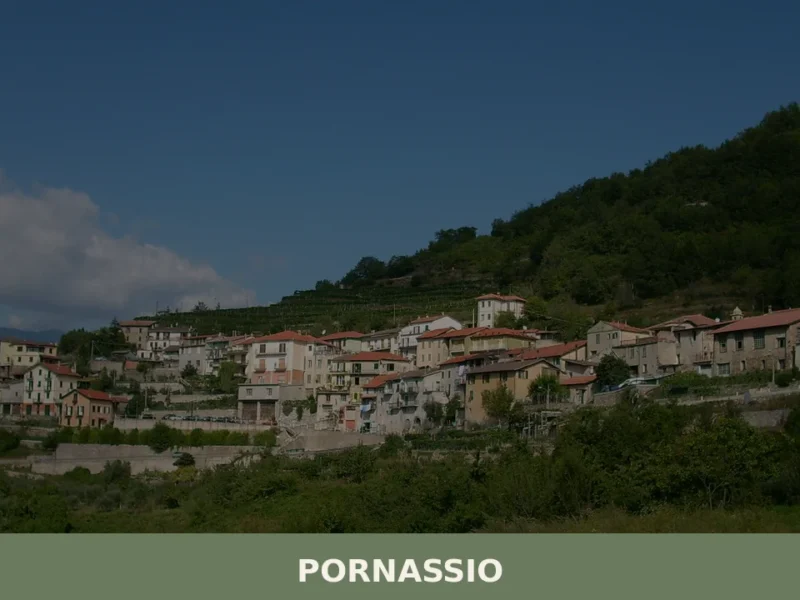
Pornassio
Mountain
What to see in Pornassio, Liguria, Italy: 5 top attractions, local food, and how to get to this 629-inhabitant village 90 km from Genoa. Discover it now.
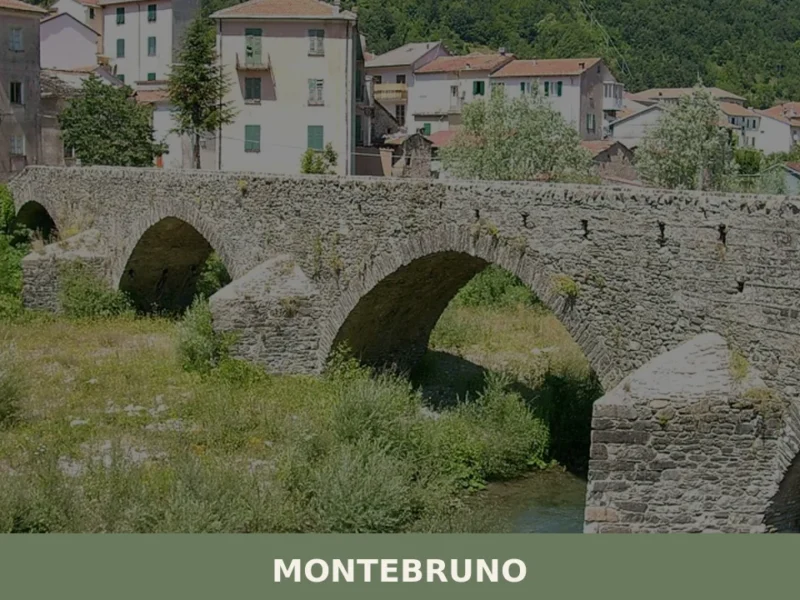
Montebruno
Mountain
What to see in Montebruno, Italy: a mountain village at 655 m (2,149 ft) near Genoa. Discover the Marian sanctuary, Antola park trails and the 8 September feast.
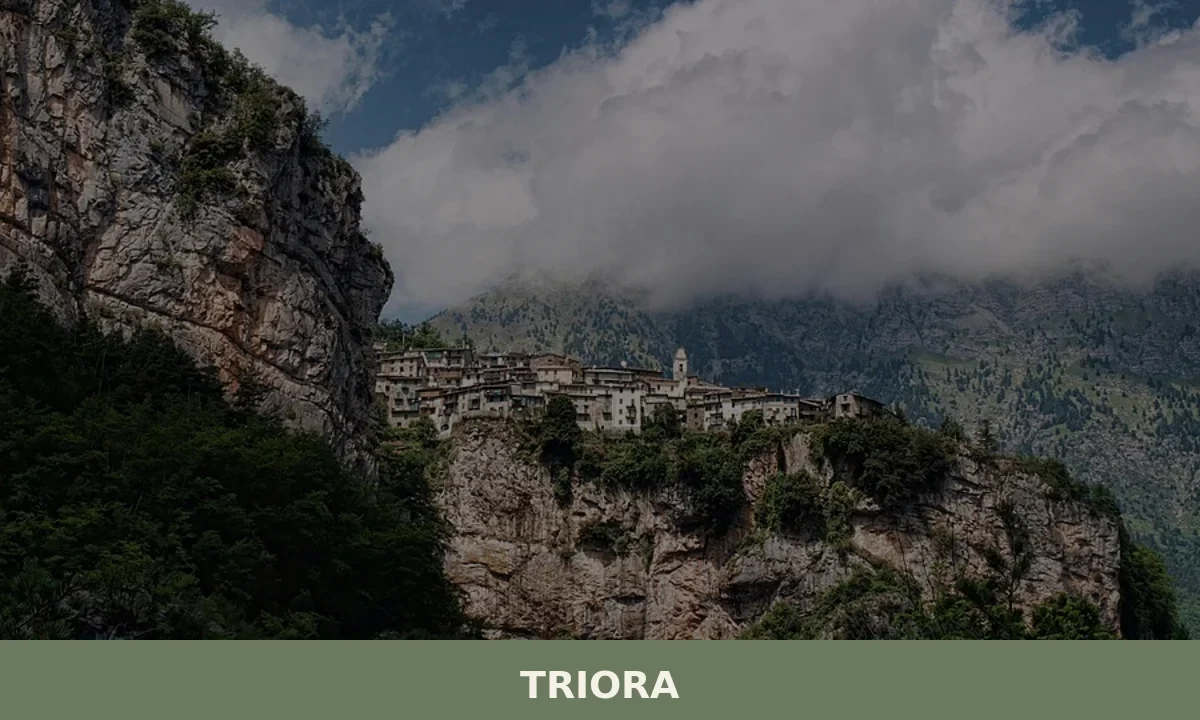
Triora
Mountain
what to see in triora, Italy: Explore this historic village, home to 416 residents, and discover its ancient witch trials history and vibrant August festival. Plan your visit today.
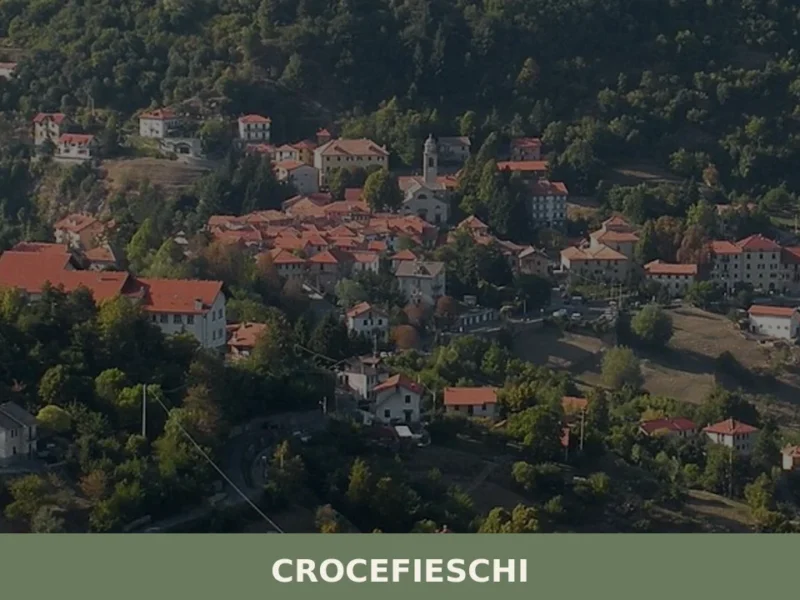
Crocefieschi
Mountain
At 742 meters above sea level, in the heart of the Ligurian Apennines, lies Crocefieschi, a municipality in the province of Genoa with 518 inhabitants. Its geographical position makes it a reference point for those seeking significant altitudes in the Genoese hinterland, away from coastal dynamics. The village’s name, according to tradition, is said to […]
Piana Crixia
Mountain
what to see in piana crixia, Italy: Explore this Savona comune (843 inhabitants) and its international ties. Discover Ligurian character and natural surroundings.
Cosseria
Mountain
What to see in Cosseria, Liguria, Italy: explore a comune of 1,095 inhabitants near Savona. Discover the 5th Infantry Division history, local food and how to get there.
Perinaldo
Mountain
what to see in perinaldo, Italy: Discover the 15th-century church and Cassini Observatory in this Ligurian village of 913 inhabitants. Explore Perinaldo now.
Magliolo
Mountain
What to see in Magliolo, Italy: 947 inhabitants, Ligurian valleys, local food traditions and how to get there. Discover the best of this Savona Province village.
Plodio
Mountain
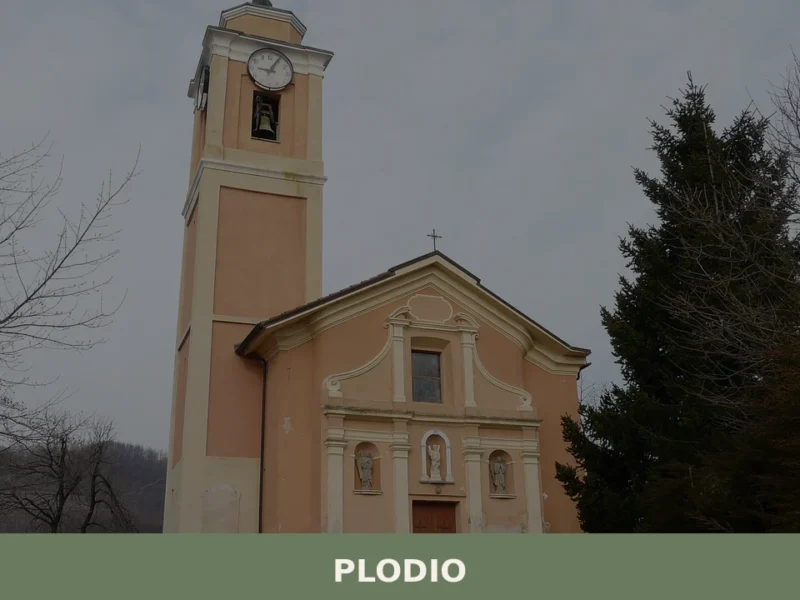
What to see in Plodio, Liguria, Italy: explore Val Bormida, Col di Cadibona and local traditions in a village of 640 inhabitants. Discover the full travel guide.
🏡 Know Valbrevenna better than we do?
If you’re a local or have been there, your knowledge matters: add what’s missing or fix a detail on this page.