


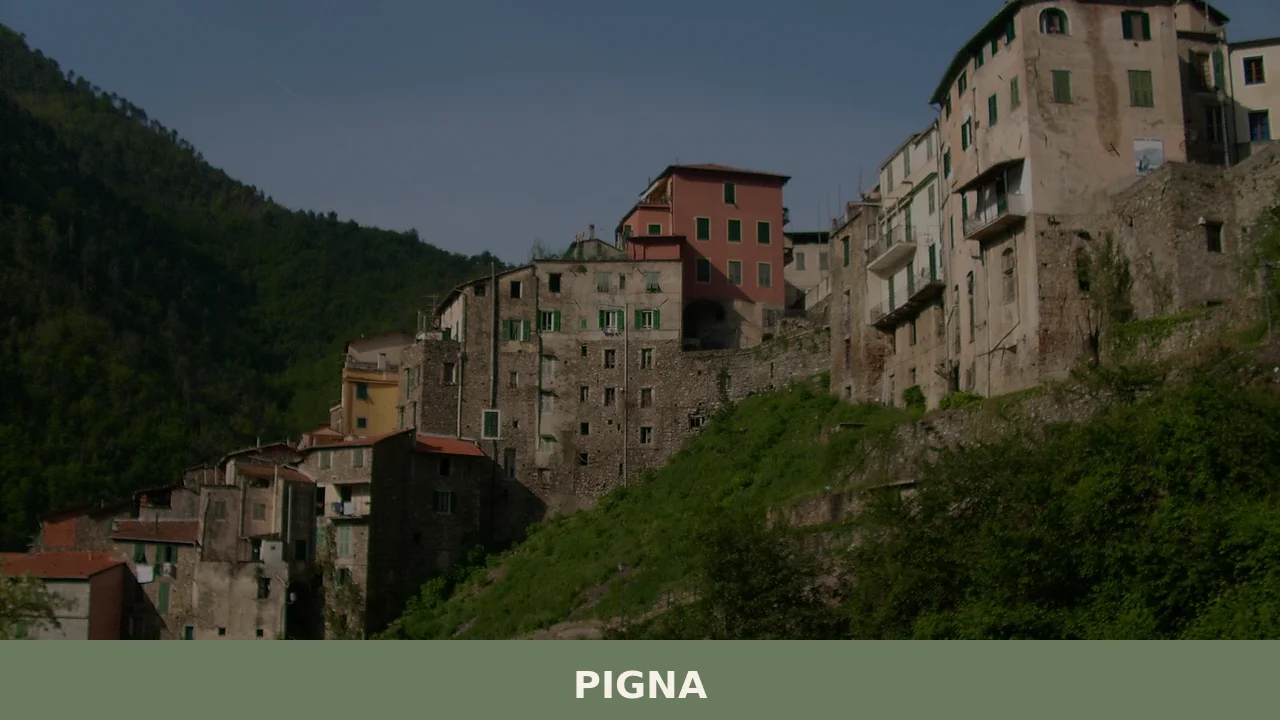
Pigna
 Mountain
What to see in Pigna: Explore this Ligurian village, home to 741 inhabitants, its historic tower, and ancient bridge. Discover Italy’s rich past.
Discover Pigna
The formidable 56-meter-high bell tower stands sentinel over Pigna, a striking landmark that punctuates the skyline of the Nervia valley. This structure, a tangible link to the village’s turbulent past, reflects the enduring spirit of a community that has adapted and thrived amidst the Ligurian landscape.
Below, the ancient pathways wind through a village whose current location was strategically chosen to safeguard its inhabitants against historical conflicts.
Cosa vedere a Pigna, Liguria: attrazioni principali
For those asking what to see in Pigna, this historic village, home to 741 inhabitants, presents a rich tapestry of sights.
Visitors to Pigna find opportunities to explore ancient architectural remnants like the Loggia Della Piazza Vecchia, which hints at its commercial heritage, and to walk across the historic Lago Pigo Bridge. The Pigna highlights include both man-made structures and the natural beauty of its setting beneath Monte Torraggio, inviting a deeper understanding of its unique character.
Local food and typical products of Pigna
La gastronomia di Pigna riflette la ricchezza del suo territorio, offrendo sapori autentici legati alla tradizione ligure di montagna.
History of Pigna
The history of Pigna stretches back to prehistoric times, with archaeological findings in the surrounding countryside indicating human settlements as far back as 60,000 years ago.
The village’s present layout is not its original configuration; in the 10th century, the community was situated closer to the valley floor, specifically around the area of the Church of San Tommaso. This initial location, however, proved too vulnerable to the political instabilities of the era, prompting a strategic relocation farther up the hill to a more defensible position.
By 1258, Pigna had transitioned from the dominion of the nobility of Ventimiglia, a coastal town, to the control of the Anjou of Provence.
This shift placed Pigna squarely in the midst of the larger conflicts between the Guelphs of Provence and the Ghibellines of Genoa, with Pigna aligning itself with the Guelph faction.
A significant moment in this regional struggle occurred in 1365 when a peace treaty was formally signed at Pigna’s Lago Pigo Bridge, establishing it as a definitive dividing line between the territories of Provence and the Republic of Genoa.
The political landscape continued to evolve, and with the peaceful transfer of Nice in 1388, orchestrated by the Grimaldi family of Monaco, Pigna passed from Provençal rule to the House of Savoy. This change reignited tensions with the neighboring village of Rocchetta Nervina‘s ally, Castel Vittorio, leading to a notable incident in 1727 when Pigna residents famously stole the bells from Castel Vittorio’s bell tower.
How to get to Pigna
Pigna è facilmente raggiungibile in auto dalle principali città liguri, attraverso strade panoramiche che offrono scorci mozzafiato sulla valle Nervia. È consigliabile l’uso di un navigatore.
These bells are now preserved in the impressive 56-meter-high tower adjacent to Pigna’s main church, while Castel Vittorio retaliated by removing stones from Pigna’s village square. Although Pigna fell under Genoese control between 1625 and 1633, it ultimately returned to Savoyard governance until the unification of Italy in 1860. The village is also the birthplace of Jean-Baptiste Pastor, a notable property developer in Monaco, further connecting Pigna, Liguria, Italy, to a broader regional narrative.
What to see in Pigna, Liguria: top attractions
The Bell Tower
Dominating the Pigna skyline, the impressive 56-meter-high bell tower stands as a powerful symbol of the village’s enduring history and resilience.
This structure, a focal point of the community, houses bells famously acquired from the neighboring village of Castel Vittorio in 1727, following a period of historical rivalry. Visitors can observe its robust construction and appreciate its strategic positioning, which offers panoramic views over the surrounding Nervia valley and the ancient rooftops of Pigna.
The tower’s height makes it a visible landmark from many points within the village and beyond.
Loggia Della Piazza Vecchia
The Loggia Della Piazza Vecchia offers tangible evidence of Pigna’s active commercial past, serving as a reminder of its historical role as a trading hub.
This ancient loggia, an open-sided gallery, once buzzed with market activity and served as a central meeting place for villagers and merchants alike. Exploring this area allows visitors to step into the daily life of medieval Pigna, where economic exchanges and social interactions shaped the community. The architectural details provide insights into the functional design of public spaces in historical Ligurian villages.
Lago Pigo Bridge
Spanning a local waterway, the Lago Pigo Bridge is not merely a crossing but a site of profound historical significance, marking the signing of a peace treaty in 1365. This agreement formally delineated the territories between Provence and the Republic of Genoa, making the bridge a physical and symbolic boundary. Its ancient stone structure speaks of centuries of use and political importance, inviting visitors to reflect on the historical divisions and reconciliations that shaped the region.
The bridge provides access to tranquil natural surroundings, offering a moment of quiet reflection.
Church of San Tommaso
Situated closer to the valley floor, the Church of San Tommaso marks the original site of Pigna, predating the village’s relocation to its current, more defensible hill position in the 10th century.
This ancient religious edifice provides a direct link to the earliest documented settlements of the area, offering insights into the community’s beginnings. Visitors can examine the church’s architectural elements, which reflect its medieval origins, and contemplate the strategic reasons behind the village’s move. Its location provides a historical contrast to the tightly packed houses on the slopes above.
Monte Torraggio and the Little Dolomites
Rising to an elevation of 1,973 meters (6,473 ft) above sea level, Monte Torraggio stands as a prominent natural landmark overlooking Pigna, forming part of the distinctive “Little Dolomites” of Liguria. The rugged peaks and dramatic landscapes offer a stunning backdrop to the village, providing opportunities for outdoor exploration and scenic views.
For those asking what to see in Pigna beyond its historical architecture, the proximity to the Parco naturale regionale delle Alpi Liguri makes this area ideal for hiking and appreciating the region’s diverse flora and fauna.
The panoramic vistas from higher elevations reveal the expansive beauty of the Ligurian Alps.
Local food and typical products of Pigna
The culinary traditions of Pigna are deeply rooted in the broader Ligurian gastronomic heritage, characterized by a resourceful use of local ingredients from both the mountains and the nearby coast. Olive oil, a cornerstone of Ligurian cooking, forms the base of many dishes, complemented by wild herbs, fresh vegetables, and artisanal cheeses. The region’s history of trade and its proximity to both France and the sea have influenced a cuisine that is both simple and rich in flavor, prioritizing freshness and the quality of seasonal produce.
Visitors to Pigna can expect to discover dishes that celebrate these local resources.
Typical preparations often include Ravioli di Borragine, pasta filled with borage, a wild herb common in the Ligurian hinterland, often served with a light butter and sage sauce or a simple tomato sauce. Another staple is Coniglio alla Ligure, rabbit cooked with olives, pine nuts, and aromatic herbs, reflecting the region’s agricultural bounty.
Focaccia, a flat oven-baked bread, is a ubiquitous treat, often enjoyed plain or topped with rosemary and coarse salt.
While specific certified products uniquely attributed to Pigna are not detailed in available records, the village benefits from the broader Ligurian designation for its wines. The region is renowned for its diverse viticulture, with white wines like Pigato and Vermentino, and reds such as Rossese di Dolceacqua, commonly found in local eateries and shops. These wines pair excellently with the local cuisine, offering a complete taste experience of the Ligurian landscape.
Olive oil from the Taggiasca olive, known for its delicate flavor, is another essential regional product that can be found in and around Pigna.
Festivals, events and traditions of Pigna
The available historical records and local guides for Pigna do not detail specific annual festivals or traditional events with precise dates or descriptions of their unfolding. While many Italian villages celebrate patron saints or harvest festivals, the sources for Pigna do not provide verifiable information on such occurrences.
Visitors interested in local traditions may find that smaller, spontaneous community gatherings occur, but these are not formally documented in the provided materials.
Therefore, specific recommendations for festivals or events in Pigna cannot be offered based on the current available information.
Planning Your Visit: What to see in Pigna and How to Get There
The best time to visit Liguria, and Pigna specifically, is during the spring (April to June) and autumn (September to October) months.
These periods offer mild and pleasant weather, ideal for exploring the village’s ancient pathways and the surrounding natural beauty without the intense heat of summer. Spring brings blooming wildflowers to the hillsides, while autumn provides vibrant foliage and comfortable temperatures for hiking in the nearby . Summer, though warmer, is suitable for those who enjoy outdoor activities at higher altitudes or prefer a livelier atmosphere.
Pigna’s location on the slopes of the Nervia valley means that its streets can be steep and uneven, a characteristic common to many ancient Ligurian villages. While this adds to its historical charm, visitors should be prepared for walking on inclines and cobblestone surfaces. For those traveling internationally, it is advisable to carry some Euros cash, as smaller shops and local establishments in remote villages like Pigna may have limited card payment options.
English may also be less widely spoken in these smaller, more traditional settings, so a basic Italian phrasebook can be helpful.
To reach Pigna, travelers can utilize several transport options. The village is situated about 30 kilometers (19 mi) west of Imperia and approximately 110 kilometers (68 mi) southwest of Genoa, placing it close to the French border.
The nearest major train station is Ventimiglia, a significant railway hub on the Ligurian coast, from which local buses or a taxi can complete the journey to Pigna. For those arriving by air, Genoa Cristoforo Colombo Airport (GOA) is the primary option within Italy, though Nice Côte d’Azur Airport (NCE) in France is often a closer and convenient alternative, especially for visitors coming from western Europe, located approximately 60 kilometers (37 mi) away. Driving offers flexibility, with the A10 motorway providing access to the Ligurian coast, followed by scenic regional roads leading to the village.
When planning what to see in Pigna, considering these travel logistics ensures a smooth and enjoyable visit.
Visitors exploring Pigna may also consider extending their trip to nearby villages that share the region’s distinctive character. Just a short distance away is Dolceacqua, renowned for its Doria Castle and medieval bridge, which offers a complementary historical experience within the same picturesque valley.
Frequently asked questions about Pigna
What is the best time to visit Pigna?
Spring (April–June) and autumn (September–October) are the ideal seasons to visit Pigna. Mild temperatures make it perfect for walking the steep cobblestone lanes and hiking toward Monte Torraggio. Autumn also brings the feast of the patron saint San Michele Arcangelo, celebrated on 29 September, offering a glimpse into local tradition. Summer suits outdoor enthusiasts seeking higher-altitude trails, while winter can be chilly at 280 m elevation. Avoid August if you prefer quieter, crowd-free exploration of this small Ligurian village.
What are the historical origins of Pigna?
Human presence near Pigna dates back approximately 60,000 years, based on archaeological findings in the surrounding countryside. The medieval village originally stood near the valley floor around the Church of San Tommaso, but relocated uphill in the 10th century for defensive reasons. By 1258 it passed from the Ventimiglia nobility to the Anjou of Provence, becoming entangled in Guelph-Ghibelline conflicts. A peace treaty signed at the Lago Pigo Bridge in 1365 formally divided Provençal and Genoese territories. Pigna later joined the House of Savoy in 1388, remaining under Savoyard rule until Italian unification in 1860.
What to see in Pigna? Main monuments and landmarks
Pigna's top sights include the 56-metre bell tower beside the main church, housing bells famously seized from Castel Vittorio in 1727. The Loggia della Piazza Vecchia, an ancient open gallery, recalls the village's mercantile past. The Lago Pigo Bridge, where a territorial peace treaty was signed in 1365, is both historically significant and scenically set along a local waterway. The Church of San Tommaso marks the original village site near the valley floor. No admission fees are documented for these open-air monuments; most are freely accessible on foot along Pigna's winding medieval lanes.
What are the main natural or scenic attractions of Pigna?
Pigna sits at the foot of Monte Torraggio (1,973 m), part of the so-called 'Little Dolomites' of Liguria, whose dramatic rocky peaks form a striking backdrop to the village. The surrounding territory falls within the Parco Naturale Regionale delle Alpi Liguri, protecting diverse alpine flora and fauna. The Nervia valley offers scenic walks and hiking routes suitable for varying fitness levels. Spring wildflowers and autumn foliage make the landscape particularly photogenic. The park is a documented destination for hikers and nature lovers exploring the Ligurian hinterland.
Where to take the best photos in Pigna?
The 56-metre bell tower provides a striking vertical subject against Pigna's terracotta rooftops and is best photographed from the village's lower lanes in the golden morning light. The Lago Pigo Bridge, framed by vegetation along the waterway, offers a classic Ligurian rural composition. Looking upward from the Nervia valley floor, the entire hillside village with Monte Torraggio rising behind it creates a panoramic shot especially rewarding in spring or autumn. The Loggia della Piazza Vecchia, with its archways, adds architectural detail and shade for midday photography.
Are there museums, churches or historic buildings to visit in Pigna?
Pigna's most significant historic structures are the 56-metre bell tower adjacent to the main church, the medieval Loggia della Piazza Vecchia, and the Church of San Tommaso near the original village site on the valley floor. The bell tower is notable for housing the bells taken from Castel Vittorio in 1727. These sites are accessible as part of a self-guided walk through the village. Specific opening hours and admission prices for interiors are not documented in available sources; visitors are advised to check locally upon arrival.
What can you do in Pigna? Activities and experiences
Pigna offers hiking in the Parco Naturale Regionale delle Alpi Liguri, with Monte Torraggio (1,973 m) as the main summit destination. The village's medieval lanes invite leisurely exploration on foot, visiting the bell tower, Lago Pigo Bridge, and Loggia della Piazza Vecchia. Local eateries allow visitors to sample Ligurian hinterland cuisine including Ravioli di Borragine and Coniglio alla Ligure paired with regional wines such as Rossese di Dolceacqua or Pigato. The feast of San Michele Arcangelo on 29 September provides an opportunity to experience a traditional village celebration.
Who is Pigna suitable for? Families, couples, hikers, solo travelers?
Pigna suits hikers and nature lovers above all, given its position at the gateway to the Parco Naturale Regionale delle Alpi Liguri and the trails leading to Monte Torraggio. Couples and slow-travel enthusiasts will appreciate the authentic medieval atmosphere, historic architecture, and Ligurian cuisine without mass tourism crowds. History buffs drawn to Guelph-Ghibelline conflicts and medieval border history will find the village genuinely rewarding. Families with older children can enjoy the hiking and village exploration, though the steep, uneven cobblestone streets may be less suitable for prams or visitors with mobility limitations.
What to eat in Pigna? Local products and specialties
Pigna's cuisine reflects the Ligurian mountain tradition. Look for Ravioli di Borragine, pasta stuffed with borage (a wild herb widespread in the hinterland), typically dressed with butter and sage or a simple tomato sauce. Coniglio alla Ligure — rabbit braised with olives, pine nuts, and aromatic herbs — is a classic second course. Focaccia with rosemary and coarse salt is a daily staple. Local restaurants pair these dishes with Rossese di Dolceacqua (red) or Pigato and Vermentino (whites). Taggiasca olive oil, prized for its delicate flavour, is the essential regional condiment available in local shops.
📷 Photo Gallery — Pigna
Nearby Villages near Pigna
In Liguria More villages to discover
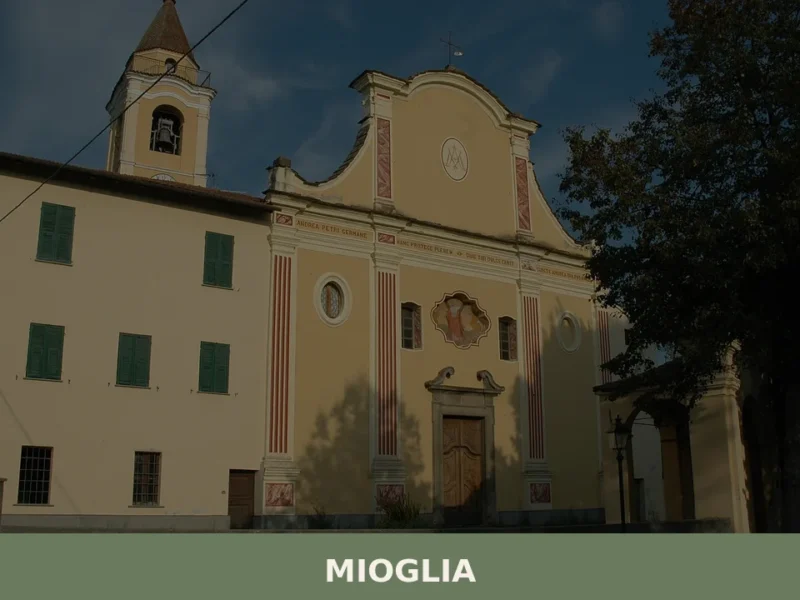
Mioglia
Mountain
What to see in Mioglia, Italy: a village of 538 inhabitants 40 km from Genoa. Discover top attractions, local food, festivals and how to get there.

Favale di Malvaro
 Hills
Hills
In 1892, Amadeo Pietro Giannini left Favale di Malvaro for America. The son of Ligurian emigrants, he went on to found the Bank of Italy in San Francisco in 1904, which later became Bank of America — for decades the largest banking institution in the world. This small village in the Fontanabuona valley, home to […]
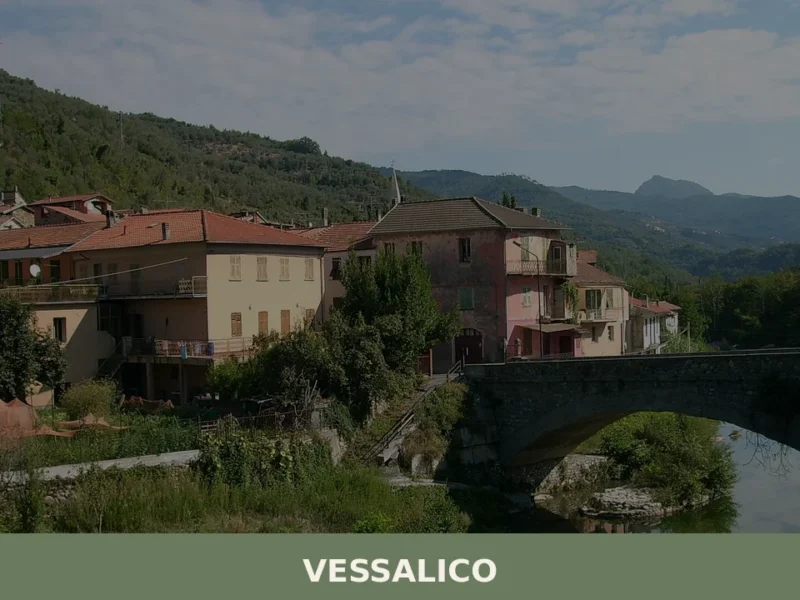
Vessalico
 Plains
what to see in vessalico, Italy: Explore this Ligurian village at 197m. Discover its history and the patron saint festival on July 22. Read more.
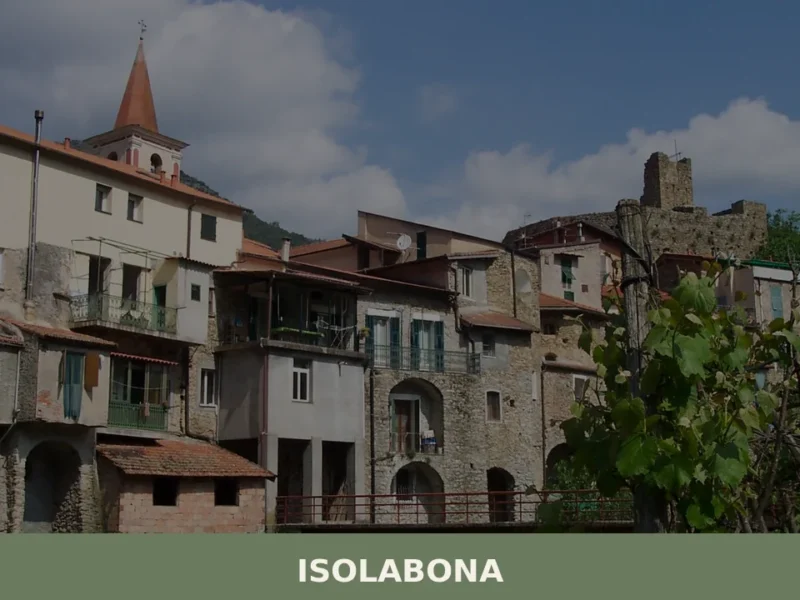
Isolabona
Mountain
What to see in Isolabona, Liguria, Italy: explore a village of 674 people set 30 km from Imperia. Discover top attractions, local food, and how to get there.

Arenzano
 Sea
Sea
What to see in Arenzano, Liguria, Italy: explore a 16th-century patrician villa, a Saracens' Tower, and a coastal sanctuary. Population 11,445. Discover it all.
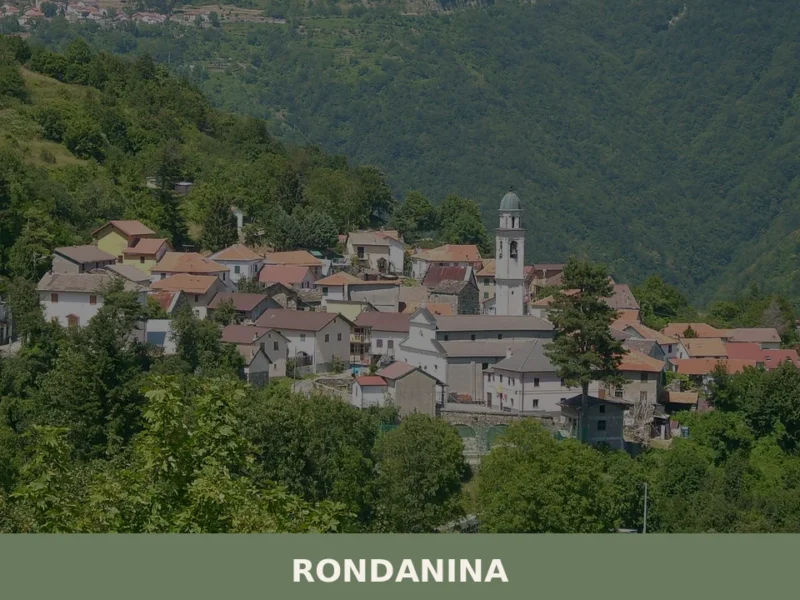
Rondanina
Mountain
What to see in Rondanina, Italy: 67 inhabitants, 30 km from Genoa, inside Parco dell'Antola. Discover top attractions, local food and how to get there.
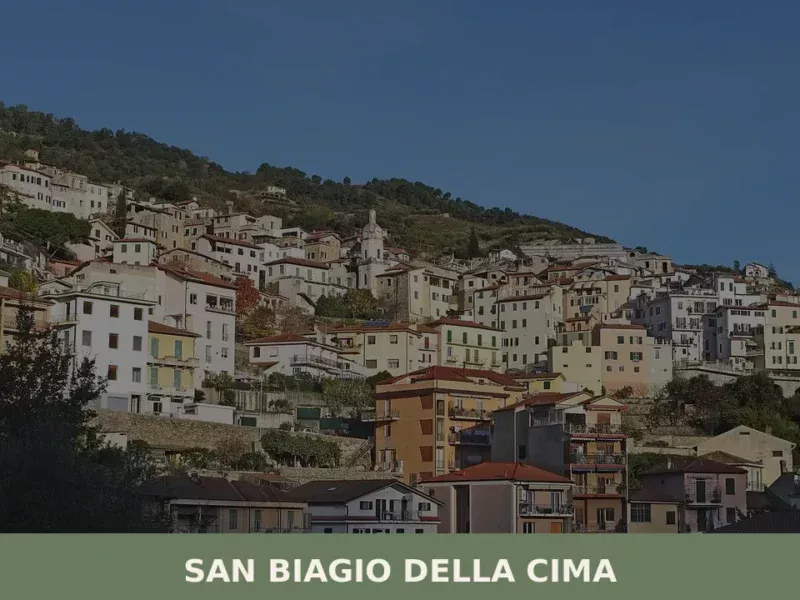
San Biagio della Cima
Sea
What to see in San Biagio della Cima, Italy: discover the 1,266-inhabitant Ligurian village, its 1686 historical pact, and surrounding views. Explore this corner of Italy.
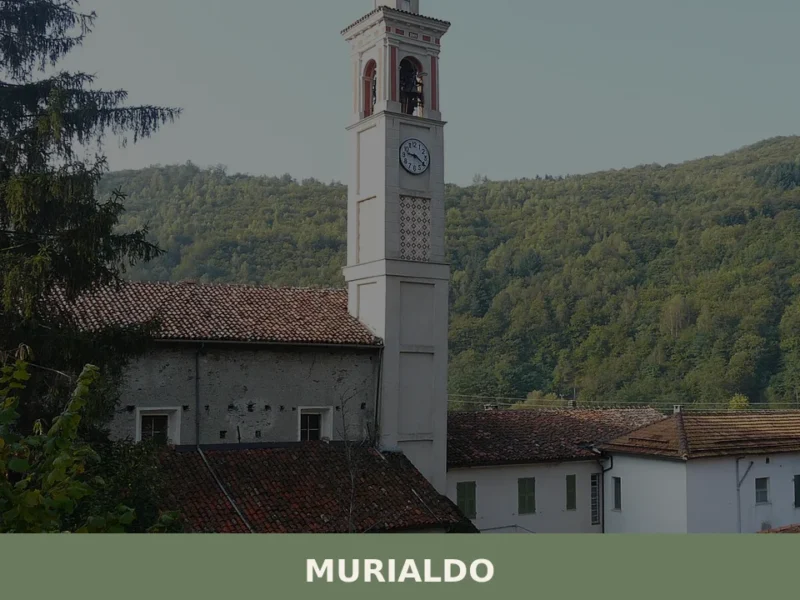
Murialdo
Mountain
What to see in Murialdo, Liguria, Italy: 8 borgate, Monte Camulera, and local cuisine across 37.5 sq km. Discover top attractions, events, and how to get there.
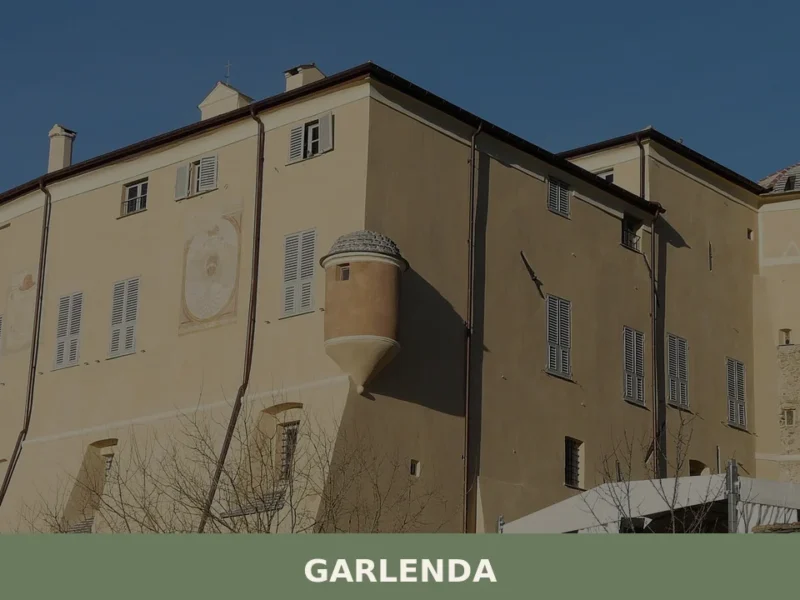
Garlenda
Hills
What to see in Garlenda, Liguria, Italy: explore a village of 1,200 inhabitants 80 km from Genoa. Discover top attractions, local food, and how to get there.
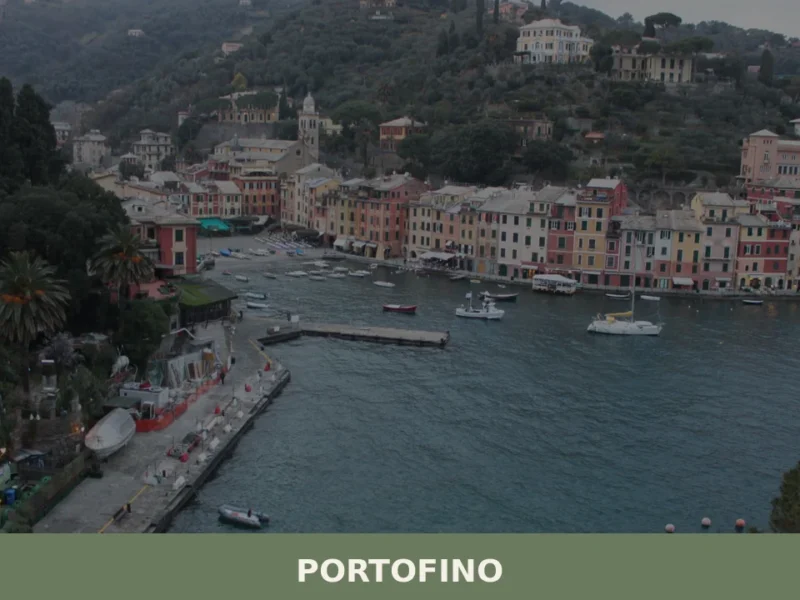
Portofino
Sea
Portofino has a population of 355 residents spread across a headland that descends to sea level. It is one of the smallest municipalities in Italy by population, yet its natural harbour appears in almost every historical guide to the Ligurian Riviera. Anyone looking into what to see in Portofino will find a compact collection of […]





🏡 Know Pigna better than we do?
If you’re a local or have been there, your knowledge matters: add what’s missing or fix a detail on this page.