


Carpino
 Lake
Lake
 Plains
What to see in Carpino, Puglia, Italy: folk festival, olive oil culture, 3 historic churches and caves at 147 m altitude. Discover the full travel guide.
Discover Carpino
Olive groves cover the hillside in visible rows, their trunks low and gnarled, leading the eye upward toward a cluster of whitewashed buildings at 147 m (482 ft) above sea level. The Gargano peninsula spreads east and south, and on clear days the Adriatic coast is a distinct line beyond the tree canopy. From the main square, Piazza del Popolo, the acoustic of open stone carries sound across the width of the space — which explains why this exact spot has hosted live music performances for decades.
The town records 3,811 inhabitants and a first documentary mention in 1158.
For anyone planning a trip to southern Italy, knowing what to see in Carpino means understanding a place where folk music history, olive oil production, pre-Christian cave archaeology, and three distinct churches converge within walking distance of each other.
Sitting at 147 m (482 ft) on the Gargano peninsula in the Province of Foggia, Carpino, Puglia, Italy draws visitors who want to engage with a documented cultural tradition rather than a resort landscape. The Carpino highlights include the Minutille caves, the Church of the Holy Cross, and the annual Folk Festival held in Piazza del Popolo.
History of Carpino
The earliest written record of Carpino dates to 1158, when Pope Adrian IV issued a papal bull granting the Abbey of Monte Sacro privileges over the church of Saint Peter and Saint Mary near the castellum capralis. That Latin phrase — meaning roughly “the castle of Capralis” — is identified in subsequent historical documents as the settlement that became the modern municipality.
The reference places the town firmly within the ecclesiastical and feudal network of Norman-era Apulia, a period during which monasteries exerted significant control over land, water rights, and local religious life across the Gargano.
The territory of Carpino sits on the northern arc of the Gargano peninsula, a limestone massif that historically functioned as a corridor between the Adriatic coast and the interior of the Capitanata plain.
This geographic position placed the town within reach of pilgrimage routes leading to Monte Sant’Angelo, a site of religious importance since late antiquity. Control of the land shifted over centuries through the succession of Norman, Swabian, Angevin, and Aragonese rule that characterised the Kingdom of Naples, each phase leaving administrative traces that shaped how settlements like Carpino were taxed, governed, and recorded.
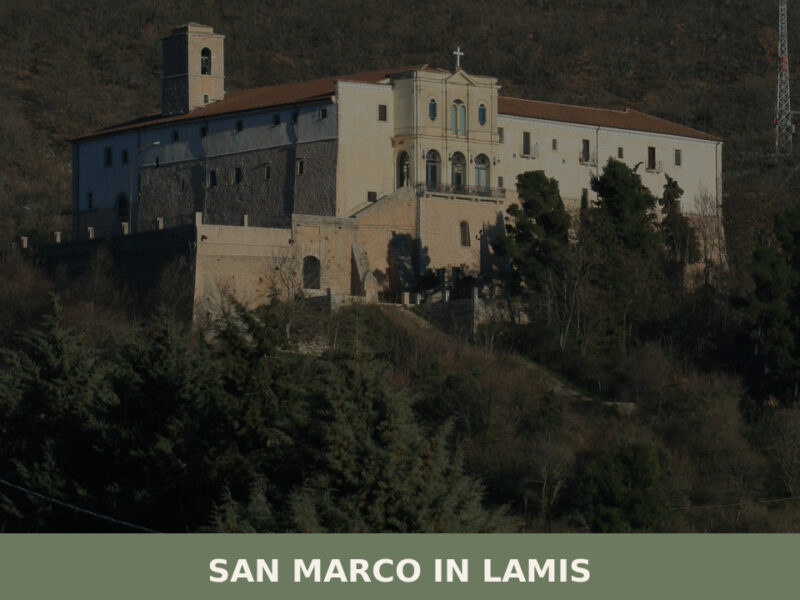
The nearby town of San Marco in Lamis, which shares the same Gargano highland geography and a comparable monastic heritage, gives a useful comparative point for understanding how ecclesiastical influence organised life across this part of Puglia.
By the twentieth century, Carpino had become associated with a specific strand of the folk music revival in southern Italy. The group known as the Cantori di Carpino — the Carpino Singers — collected and reinterpreted ancient tarantellas, the rhythmically driven folk dances of the region, and brought them to wider audiences across Italy and beyond.
Their work was not purely performative: it generated a broader research and documentation project focused on the traditional popular music of the Italian south, giving the town’s name direct association with an ethnomusicological legacy that persists today.
What to see in Carpino, Puglia: top attractions
Piazza del Popolo
The main square of Carpino is paved in pale stone and bounded by low facades that channel sound inward, a quality that has made it the historic venue for the town’s folk music events.
The square’s identity as a cultural gathering point is documented through its connection to the Carpino Folk Festival, which uses this space for live performances combining music, dance, and theatre. Standing in the centre of the square, the visitor understands the urban logic of the town: streets radiate outward from this focal point, and the square functions as both a transit node and a performance stage.
Visit in the evening during festival season — typically summer — when the stage is set and the acoustics of the open space are at their most effective.
The Minutille Caves (Grotte di Minutille)
The grotte di Minutille are an archaeological site located within the municipal territory of Carpino, carved into the limestone formations that characterise the Gargano subsoil. Limestone cave systems of this type on the Gargano have yielded evidence of human activity spanning several millennia, and the Minutille site represents the primary pre-historic and archaeological point of interest in the immediate area.
The cave openings are set into the hillside, and the surrounding olive groves give the approach a distinctive character — rows of cultivated trees ending abruptly at exposed rock. Visitors who plan to access the site should contact the Municipality of Carpino in advance for current access conditions, as archaeological sites on the Gargano are subject to conservation protocols.
Church of the Holy Cross
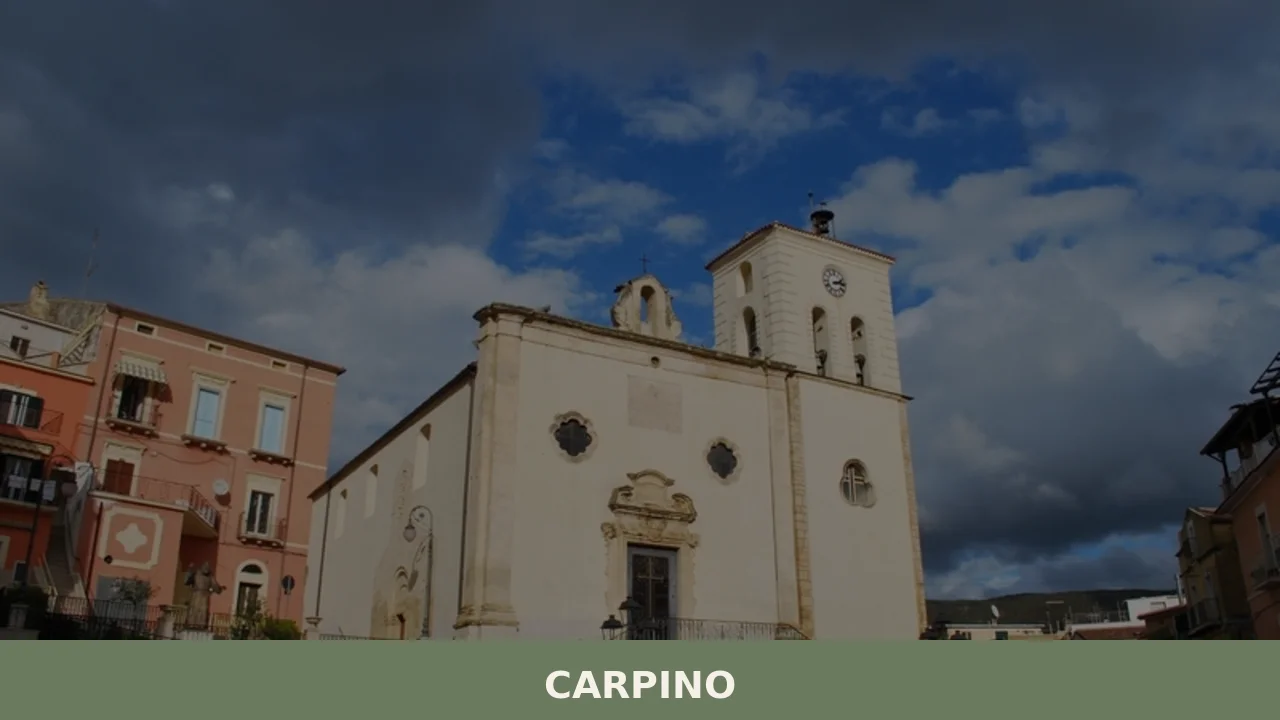
The Church of the Holy Cross stands as one of three documented religious buildings of historical note within the village, its exterior visible against the sky from several approaches to the upper part of town.
Sacred buildings dedicated to the Holy Cross in Apulia frequently incorporate architectural elements from multiple periods, reflecting the successive phases of construction and restoration that followed earthquakes and economic cycles across the region. Inside, the spatial organisation follows the single-nave plan common to rural churches of the post-medieval Mezzogiorno. The church is most active during the liturgical calendar’s major feasts, particularly around May 18, when the town honours its patron saint.
Church of Saint George
Dedicated to Saint George, this church represents one of the oldest devotional presences in the village’s religious landscape, Saint George being a patron figure with strong roots in the Byzantine and Norman ecclesiastical traditions that shaped the Gargano.
The building’s stone construction and its position within the older residential fabric of Carpino make it a reference point for understanding how the settlement grew around its places of worship.
Norman-era religious architecture across Apulia — including comparable examples in Cagnano Varano, located a short distance to the northwest along the Gargano — typically features thick rubble-stone walls and narrow windows adapted to the local climate. The church is worth examining from the exterior for the stonework of the portal and the proportions of the facade.
Church of Saint Cyril
The Church of Saint Cyril takes its name from Cirillo di Alessandria — Saint Cyril of Alexandria — who is also the town’s patron saint, whose feast falls on May 18. This alignment between a church dedication and the civic patron saint is a relatively uncommon arrangement that reflects a deliberate historical choice in the town’s religious identity.
The building serves as the primary site of the annual patron saint celebrations, making it the architectural focus of the most attended religious event in the local calendar. It is worth climbing up to the church in the days around May 18 to observe the convergence of religious procession, music, and public gathering that defines the feast.
Local food and typical products of Carpino
The culinary identity of Carpino is grounded in the olive groves that cover the hillsides surrounding the village.
The town holds the official designation Città dell’olio — Oil Town — a recognition tied to the documented economic and agricultural importance of olive oil production in the area. The Gargano peninsula has cultivated olive trees for centuries, and the particular limestone and clay soils of the northern Gargano produce oils with a specific aromatic profile, typically characterised by a green-fruit note in the early-harvest varieties and a fuller, slightly bitter finish in later pressings.
The olive harvest runs from late October through November, and during those weeks the working of the local frantoi — oil presses — gives the entire area a distinct green, grassy scent.
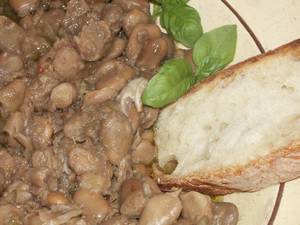
The broader food tradition of the Gargano interior draws on ingredients that are produced locally and prepared using techniques developed for a largely subsistence economy. Dried legumes — particularly cicerchie (grass peas) and fagioli di Carpino (local field beans) — form the base of thick soups and stews cooked with locally produced olive oil, garlic, and wild herbs gathered from the macchia, the dense coastal scrub of the peninsula.
Orecchiette and other hand-shaped pastas are made from durum wheat semolina and served with sauces based on seasonal vegetables or slow-cooked lamb, which has been a primary livestock animal of the Gargano upland for documented centuries. Cured meats — including soppressata, a pressed pork salume seasoned with black pepper and sometimes chilli — are prepared in the cold months using traditional drying methods.
The most significant certified product in the area is the olio extravergine di oliva del Gargano, produced from olive varieties native to the peninsula.
Local producers in the Carpino area press oil from cultivars including the Ogliarola garganica, a variety documented to the Gargano and valued for the balance of polyphenols and fatty acids it yields. Olive oil here is not a condiment but a primary cooking fat — used at every stage of preparation from the initial softening of onions to the finishing drizzle over soups and grilled vegetables.
For visitors interested in purchasing local oil directly, the autumn harvest season offers the most direct access to freshly pressed product through producers operating in and around Carpino.
Local markets and seasonal fairs in the Province of Foggia provide the clearest opportunity to encounter the full range of Gargano food products in one place. Spring and early summer bring events tied to the asparagus and wild herb season, while the autumn period aligns with the olive harvest and any associated local fairs.
Visitors looking for bottled oil, dried legumes, and cured meats throughout the year can find these in the small alimentari shops of Carpino itself, where cash payment remains the norm and English-language communication may be limited.
Festivals, events and traditions of Carpino
The principal civic and religious celebration in Carpino falls on May 18, the feast day of Cirillo di Alessandria — Saint Cyril of Alexandria — the town’s patron saint. The feast centres on the Church of Saint Cyril and typically includes a religious procession through the main streets of the village, during which the image or statue of the saint is carried by members of the local confraternity.
Brass band accompaniment is standard practice for patron saint processions across the Province of Foggia, and the route passes through Piazza del Popolo, connecting the religious and civic spaces of the town. The evening of May 18 usually brings public gatherings, music, and fireworks — a sequence that follows the established pattern of Apulian patron saint festivities.
The Carpino Folk Festival is a distinct cultural event that uses Piazza del Popolo as its primary stage and draws participants and audiences interested in the traditional folk music of southern Italy.
The festival incorporates live performances, dance, theatre with popular roots, workshops, conferences, roundtable discussions, and presentations of literature and cinema.
The work of the Cantori di Carpino — who reinterpreted ancient tarantellas and brought renewed attention to the Gargano’s oral musical heritage — provides the historical foundation for the festival’s programming. The event represents one of the more focused folk music gatherings in the Puglia region, with a documented emphasis on preserving and presenting the musical diversity of the Gargano area.
When to visit Carpino, Italy and how to get there
The best time to visit Carpino depends on the type of experience a traveller is seeking. May is the month with the highest concentration of local events: the patron saint feast on May 18 gives the village an active, publicly engaged atmosphere that is difficult to replicate at other times of year.
Summer — July and August — brings warmer temperatures across the Gargano and coincides with the folk festival season, when Piazza del Popolo functions as a live performance venue.
For those whose primary interest is the olive groves and the oil production cycle, late October and November offer direct access to the harvest and pressing operations. Winter is quiet, with fewer visitors and reduced services, but the landscape of the Gargano is fully accessible and the light on the hillside olive groves is notably clear.
Reaching Carpino requires planning, as the town does not sit on a main rail line. The nearest significant rail hub is Foggia, approximately 85 km (53 mi) to the south, served by Trenitalia with connections from Rome, Naples, and Milan. From Foggia, the road route to Carpino follows the SS89 northward along the Adriatic coast before turning inland toward the Gargano hills; by car the journey takes approximately one hour.
If you arrive by car from the south, the A14 motorway (Bologna-Taranto) provides the fastest approach: exit at Foggia and follow signs for the Gargano.
From Rome, the total road distance is approximately 380 km (236 mi), making Carpino reachable as a one-night stop rather than a day trip from the capital. The nearest airport with scheduled international and domestic services is Bari Karol Wojtyła Airport, located roughly 175 km (109 mi) to the south of Carpino; from Bari, the drive north takes between 1 hour 45 minutes and 2 hours depending on traffic through the Foggia plain. International visitors should carry euro cash, as card payment infrastructure in smaller shops and local markets across the Gargano interior is not universally available.
A practical day-trip circuit from Foggia can combine Carpino with a stop at Palo del Colle on the return journey southward, which adds a further dimension to a single day exploring the Province of Foggia and the wider Puglia region. Visitors based in the Valle d’Itria or around Gioia del Colle to the southeast can reach Carpino in under two hours by car, making it a viable northern extension of a longer Puglia itinerary.
Frequently asked questions about Carpino
What is the best time to visit Carpino?
The ideal time to visit Carpino is between May and August. May 18 is the feast of the patron saint Cirillo di Alessandria (Saint Cyril of Alexandria), when the Church of Saint Cyril becomes the focus of religious processions, music, and public celebrations — the single most attended event in the local calendar. Summer brings the Carpino Folk Festival to Piazza del Popolo, with live performances of traditional tarantellas. For those interested in olive oil culture, late October through November offers the active harvest season, when local frantoi are working and the countryside carries its characteristic green, grassy scent.
What are the historical origins of Carpino?
Carpino's first documented mention dates to 1158, when Pope Adrian IV issued a papal bull granting the Abbey of Monte Sacro privileges over a church near the 'castellum capralis' — the Latin place name identified in later documents as the settlement that became modern Carpino. This places the village firmly within the Norman-era ecclesiastical and feudal network of Apulia. Over subsequent centuries, the territory passed through Swabian, Angevin, and Aragonese control as part of the Kingdom of Naples, with each phase leaving administrative traces still visible in the town's urban and religious fabric.
What to see in Carpino? Main monuments and landmarks
Carpino's main attractions are all reachable on foot. Piazza del Popolo is the historic centre and live-performance hub. The Church of Saint Cyril, dedicated to the town's patron saint, is the focus of the May 18 feast. The Church of Saint George represents one of the oldest devotional presences in the village, rooted in Byzantine-Norman tradition. The Church of the Holy Cross is a third documented religious building of historical note. Outside the village, the Grotte di Minutille are limestone caves with evidence of prehistoric human activity — contact the Municipality of Carpino in advance for current access conditions.
What are the main natural or scenic attractions of Carpino?
Carpino sits at 147 m on the northern arc of the Gargano peninsula, a limestone massif that forms part of the Gargano National Park. The surrounding hillsides are covered in olive groves with low, gnarled trunks characteristic of the Ogliarola garganica cultivar. From the upper part of the village, on clear days, the Adriatic coastline is visible beyond the tree canopy. The Grotte di Minutille are set into exposed limestone formations where cultivated olive rows end abruptly at rock — an unusually distinctive landscape transition worth visiting on the approach to the archaeological site.
Where to take the best photos in Carpino?
The most rewarding photographic spots in Carpino are: the upper approaches to the Church of Saint Cyril, where the whitewashed village clusters against the sky; Piazza del Popolo during the evening hours of the Folk Festival, when stage lighting and pale stone combine effectively; and the hillside olive groves leading toward the Grotte di Minutille, where gnarled tree trunks frame the exposed limestone. For landscape photography, the viewpoint from the village's elevated position looking east toward the Adriatic coast is best in morning light, before summer haze reduces visibility.
Are there museums, churches or historic buildings to visit in Carpino?
Carpino has three documented historic churches: the Church of Saint Cyril (dedicated to the town's patron saint), the Church of Saint George (rooted in the Byzantine-Norman tradition of the Gargano), and the Church of the Holy Cross. All three are located within the walkable historic centre. The Church of Saint Cyril is most active around May 18 and during major liturgical feasts. For current opening hours, contact the Municipality of Carpino or the local pro loco, as rural churches in the Gargano interior typically open for services and scheduled feast days rather than maintaining fixed tourist hours.
What can you do in Carpino? Activities and experiences
Visitors to Carpino can attend the annual Folk Festival in Piazza del Popolo, which features live performances of traditional tarantellas rooted in the ethnomusicological work of the Cantori di Carpino. The May 18 patron saint feast combines religious procession, music, and public gathering. In autumn, the olive harvest (late October–November) gives access to working frantoi and the possibility of purchasing freshly pressed Ogliarola garganica oil directly from local producers. The Gargano National Park, which surrounds the municipality, offers marked trails and naturalistic itineraries accessible from the village for hiking and wildlife observation.
Who is Carpino suitable for?
Carpino is best suited to culturally motivated travellers who want documented authenticity over resort infrastructure. Folk music enthusiasts will find a town with a genuine ethnomusicological legacy through the Cantori di Carpino. Food and olive oil lovers benefit from the Città dell'olio designation and direct access to local producers during the autumn harvest. History and archaeology visitors have the Norman-era churches and the Grotte di Minutille. The compact, walkable village is manageable for couples and solo travellers; families with older children who engage with cultural events will find the Folk Festival and patron saint feast both accessible and genuinely local in character.
What to eat in Carpino? Local products and specialties
Carpino holds the Città dell'olio designation, and the primary local product is extra virgin olive oil pressed from the Ogliarola garganica cultivar, noted for green-fruit notes in early harvest and a fuller, slightly bitter finish in later pressings. Traditional dishes include thick soups based on cicerchie (grass peas) and fagioli di Carpino (local field beans), cooked with olive oil and wild herbs. Hand-shaped pasta such as orecchiette is served with seasonal vegetables or slow-cooked lamb. Cured meats including soppressata — a pressed pork salume seasoned with black pepper — are produced using traditional cold-month drying methods.
📷 Photo Gallery — Carpino
Nearby Villages near Carpino

 Mountain

In Apulia More villages to discover
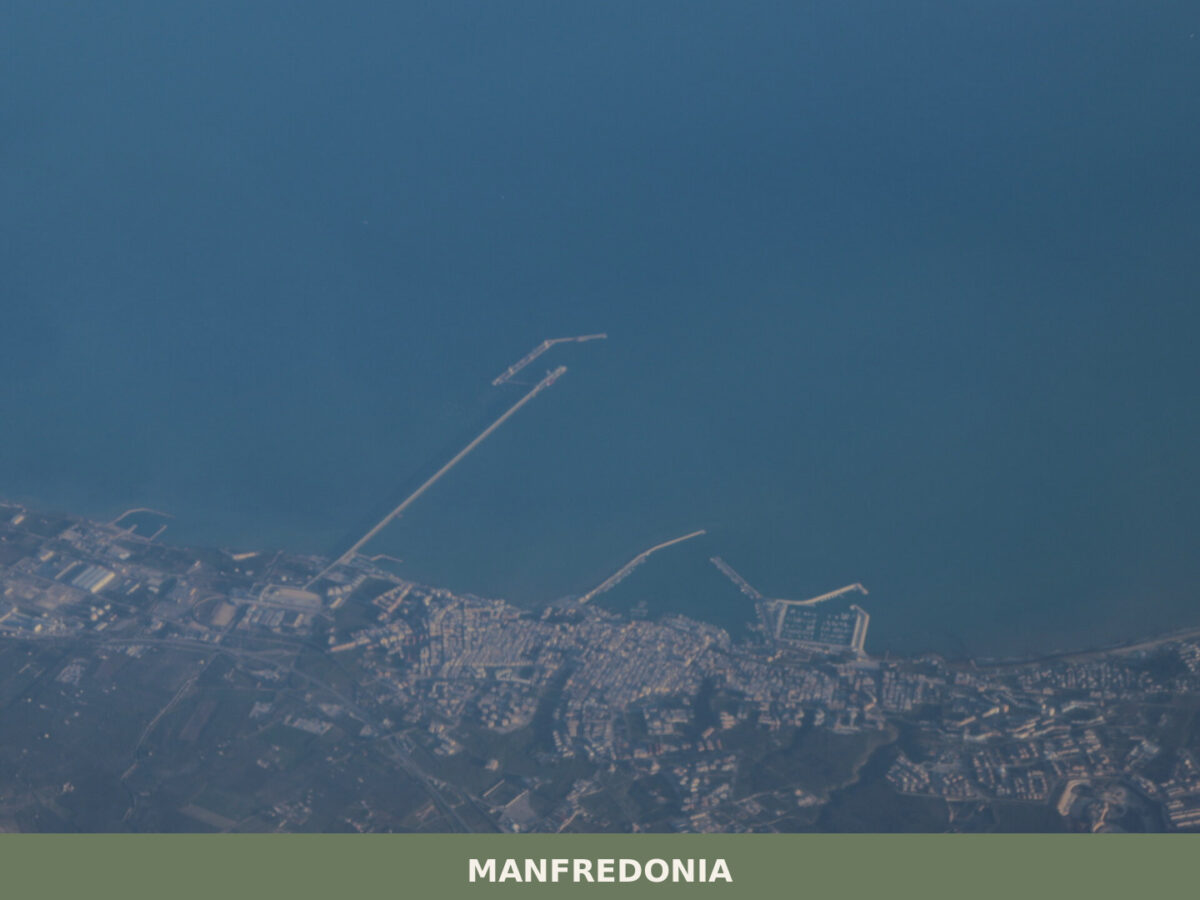
Manfredonia
 Sea
Sea
A port city founded by King Manfred on the Gargano coast, Manfredonia holds a medieval castle, pre-Roman carved stele, and one of Puglia's oldest carnivals.
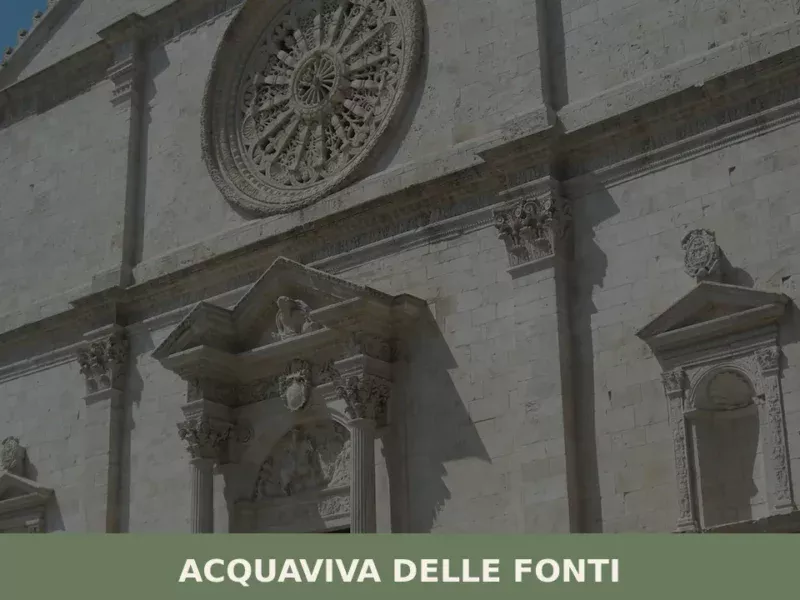
Acquaviva delle Fonti
 Hills
Hills
Beneath the main square of Acquaviva delle Fonti, water still flows. This is not a figure of speech: a network of underground aquifers runs through the limestone subsoil of this town in the Murge hills near Bari, feeding cisterns and wells that for centuries determined both the wealth and the very name of the town. […]
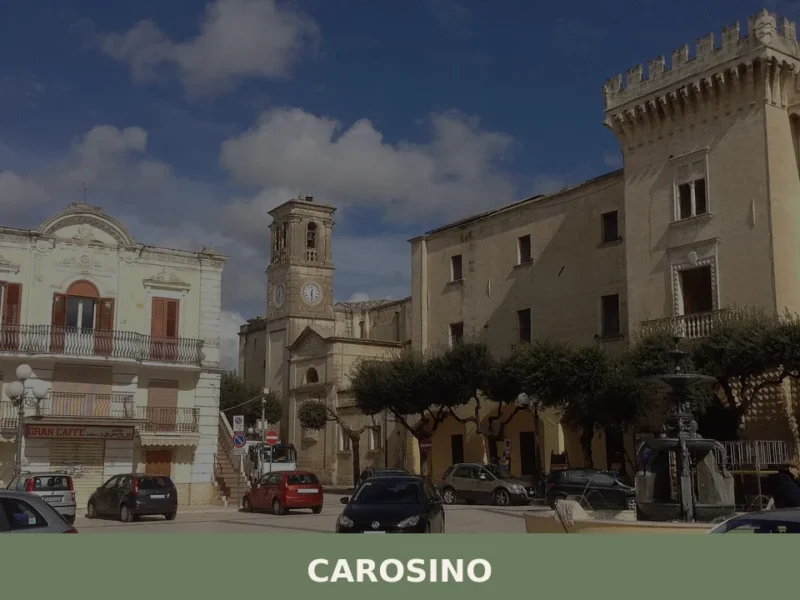
Carosino
Plains
Carosino is a comune of 6,371 inhabitants in the province of Taranto, positioned in the Ionian arc of Puglia where the landscape flattens into olive groves and vineyards before reaching the coast. Known locally by its Salentine dialect name Carusinu, the town sits within a territorial context defined by centuries of agricultural production and the […]
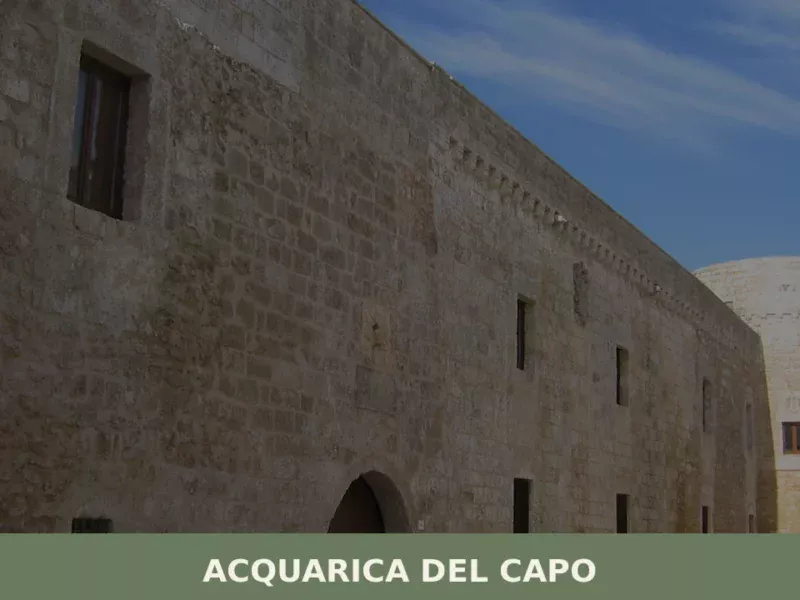
Acquarica del Capo
Plains
Acquarica del Capo existed as an independent municipality in the province of Lecce for decades before a formal merger on 15 May 2019 united it with neighbouring Presicce to form the new comune of Presicce-Acquarica. That administrative change did nothing to alter the physical village, which sits in the Capo di Leuca territory at the […]
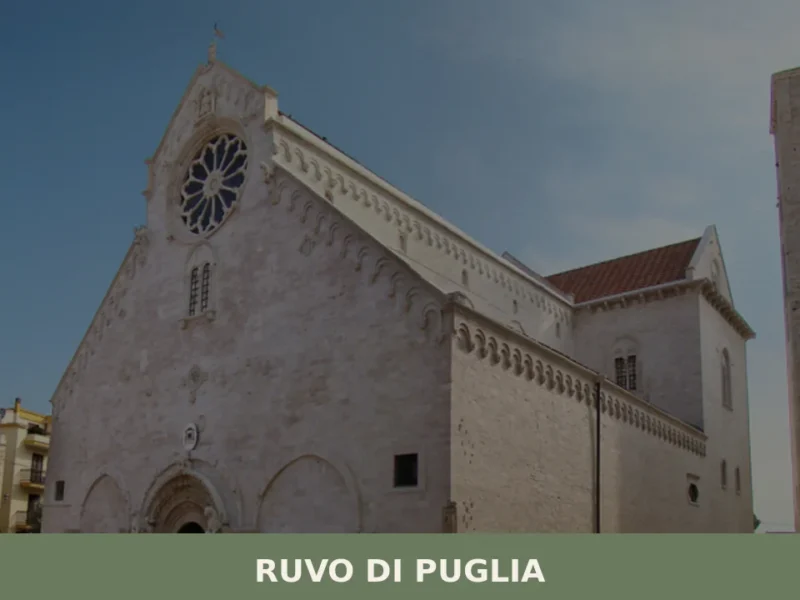
Ruvo di Puglia
Hills
Discover 5 unique attractions in Ruvo di Puglia. Explore the Cathedral and Jatta Museum. Plan your visit now!
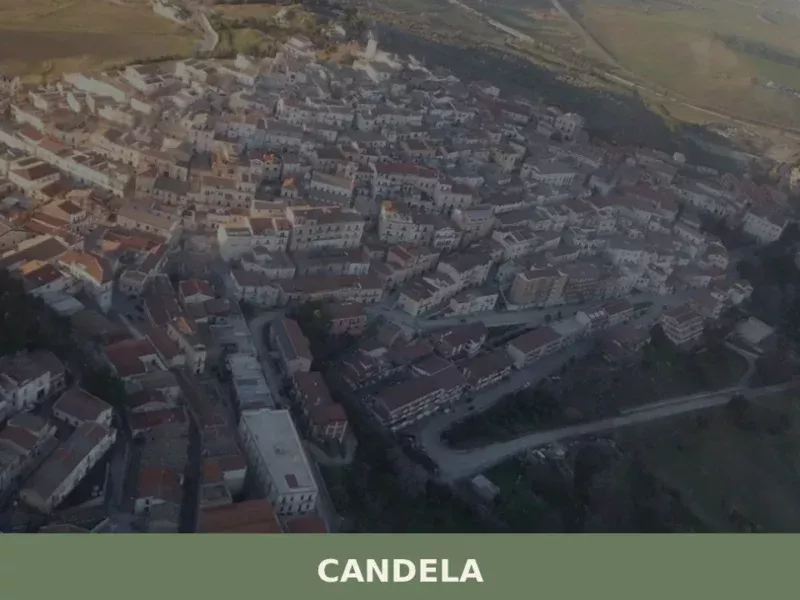
Candela
Hills
What to see in Candela, Puglia, Italy: explore a hilltop village at 474 m with Roman-era roots, the Feast of San Rocco and local wheat traditions. Discover it now.
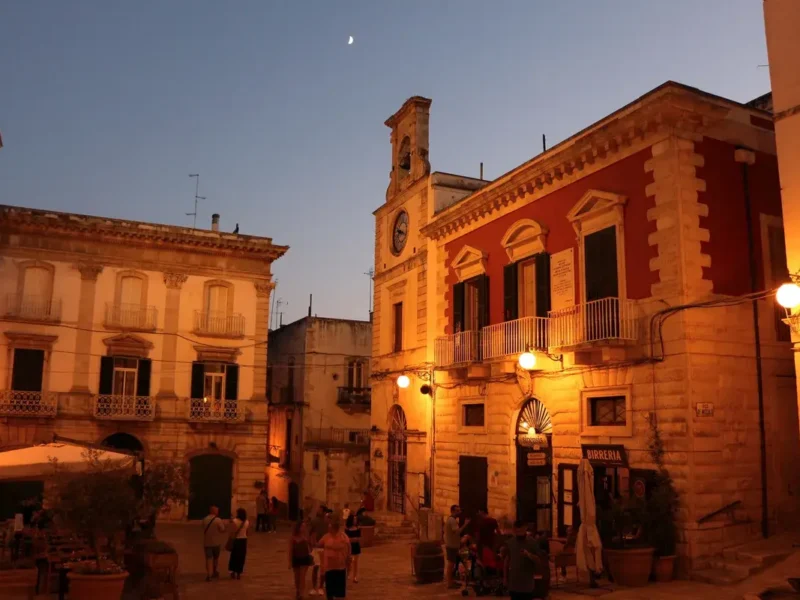
Putignano
Hills
What to see in Putignano: hilltop town at 372m in the Murgia Barese. Grotta del Trullo, 6-century-old Carnival, PAT cuisine. Plan your visit now.
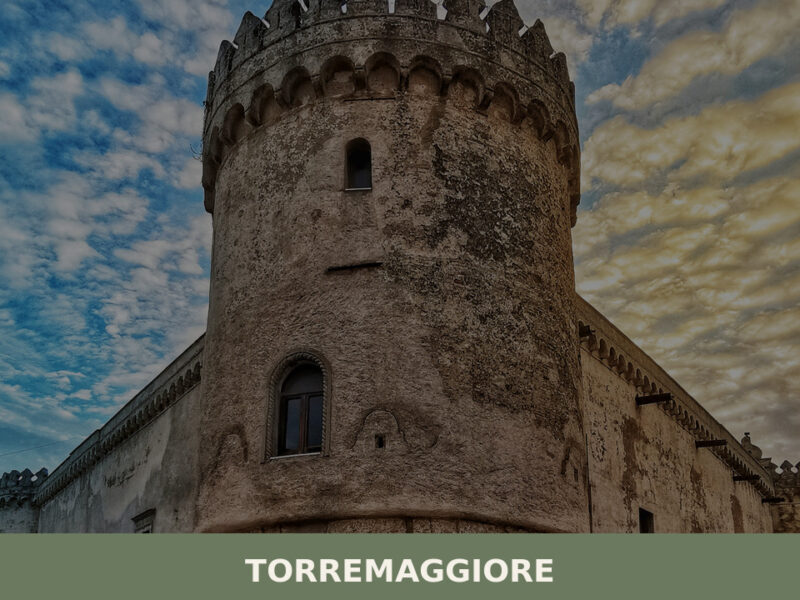
Torremaggiore
Plains
A complete guide to Torremaggiore in northern Puglia — its medieval castle, the ruins of Fiorentino, local food traditions, and practical travel information.
Stornarella
Plains
A working agricultural village on the Tavoliere plain near Foggia, Stornarella offers wheat-field panoramas, rural chapels, and the elemental cuisine of northern Puglia.
Conversano
Hills
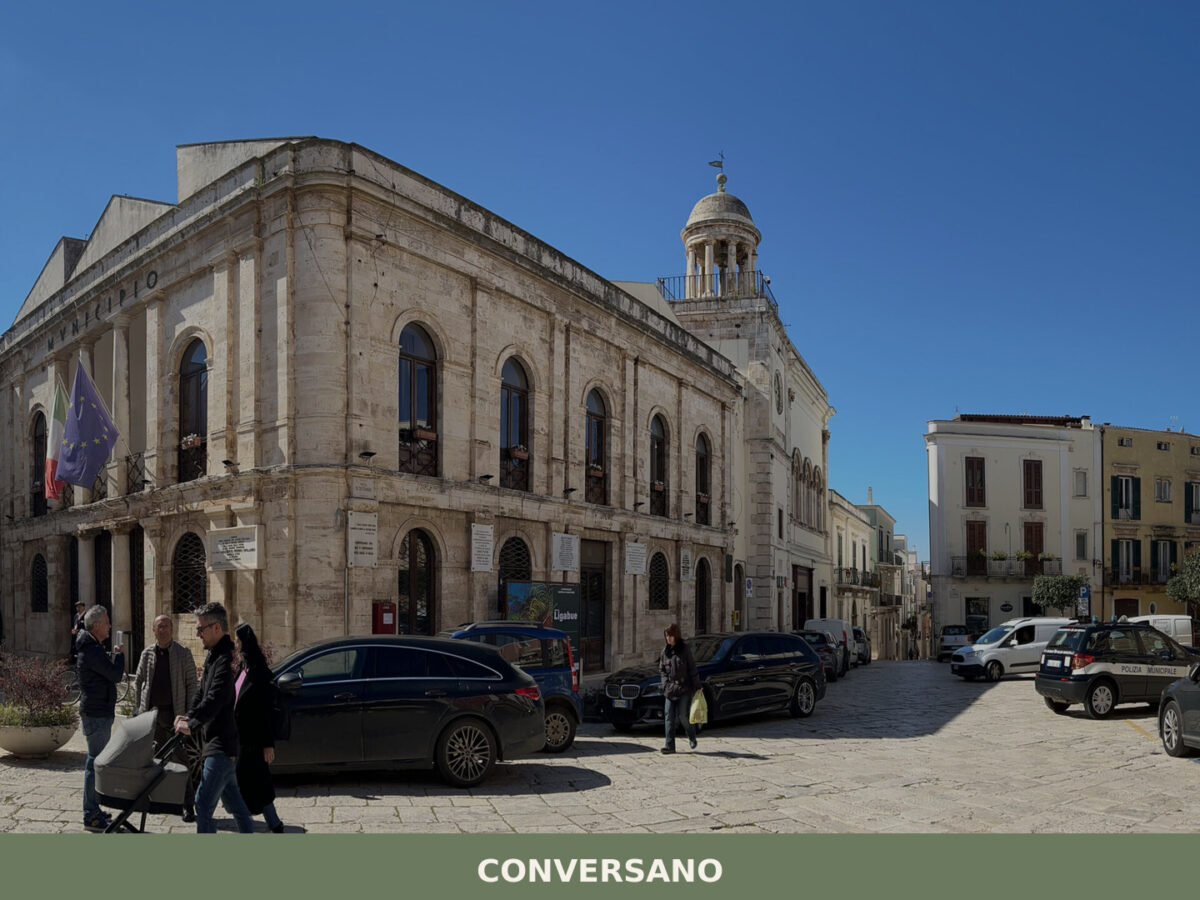
What to see in Conversano: town at 219 m on the Murgia plateau. Norman castle, Finoglio cycle, Romanesque cathedral and Africani PAT. Plan your visit now.

🏡 Know Carpino better than we do?
If you’re a local or have been there, your knowledge matters: add what’s missing or fix a detail on this page.