


Palmariggi
 Plains
What to see in Palmariggi, Puglia, Italy: discover the Aragonese Castle, a prehistoric menhir, and the Sanctuary of Madonna di Montevergine. Population 1,542. Explore now.
Discover Palmariggi
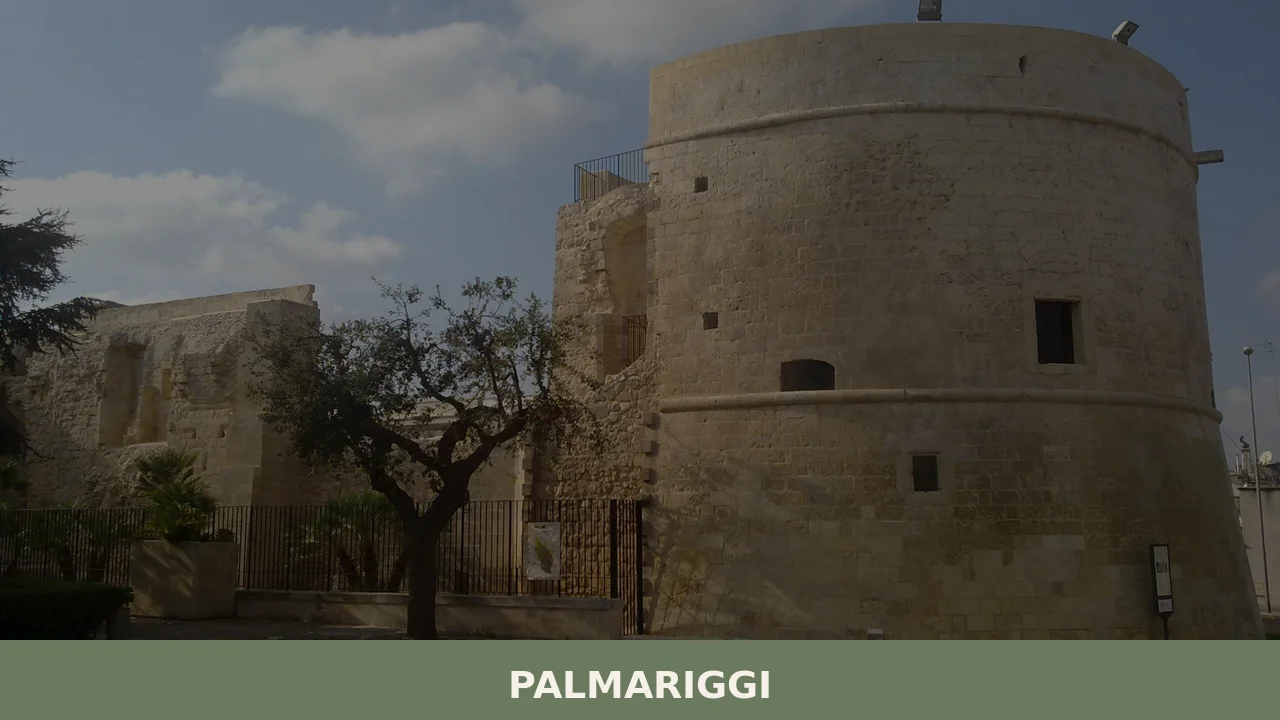
Two towers rise above the low rooftops of the Salento, the southernmost peninsula of Puglia, where the limestone plain stretches flat in every direction and olive trees mark the field boundaries with their gnarled trunks.
These towers are what remains of a 15th-century Aragonese castle, and they stand without ceremony at the edge of a village of 1,542 people.
Beside them, the rebuilt nave of a church dedicated to Saint Luke the Evangelist catches the afternoon light, its facade oriented toward a landscape that has changed very little since the structure was raised after 1777.
Knowing what to see in Palmariggi means orienting yourself around four historically documented sites concentrated in a compact area of the province of Lecce.
At 99 m (325 ft) above sea level, this comune in Palmariggi, Puglia, Italy offers visitors a prehistoric standing stone, a hilltop sanctuary, a partially surviving medieval fortress, and a reconstructed Baroque mother church.
Visitors to Palmariggi find a place where the built record of Messapian, medieval, and early modern occupation is readable in the landscape without the need for interpretation centres or guided queues.
History of Palmariggi
The local Salentino dialect name for the village is Parmarisci, a form that preserves an older phonetic layer than the Italianised toponym in current official use. The exact etymology remains a subject of philological discussion, but the root is generally associated with the Latin and Romance vocabulary of agricultural land management in the Salento.
What is documented is that the territory was inhabited long before any medieval administrative structure was imposed on it: the presence of a menhir on the hill of Montevergine places human activity in the area during the prehistoric period, when communities across the Salento erected these large upright stones as part of ritual or territorial marking practices.
During the medieval period, the settlement came under the influence of the Aragonese, the Iberian dynasty that controlled the Kingdom of Naples from 1442 onward.
The construction of the castle in the 15th century reflects the defensive and administrative priorities of that era, when the Salento’s coastal exposure and internal road network made fortified strongpoints in inland villages a political necessity.
The Aragonese left a durable architectural signature across the region, and Palmariggi’s castle belongs to the same strategic logic that produced fortified structures in dozens of Apulian communes during this period.
Similar patterns of Aragonese-era fortification shaped the built fabric of other Puglian communities, including those in the Bari hinterland such as the villages around Casamassima, where the medieval and early modern layers of settlement history are equally legible today.
In the early modern period, Palmariggi followed the ecclesiastical and civic reorganisation common to small Salentino communes after the Council of Trent.
The mother church, originally dedicated to Saint Luke the Evangelist, was rebuilt after 1777, which suggests either structural damage or a deliberate architectural renewal in the latter half of the 18th century. The cult of the Madonna di Montevergine also consolidated during this period, with the sanctuary on the hill serving both devotional and communal functions for the surrounding population.
The village reached its current administrative form as a comune within the province of Lecce, and today its 1,542 inhabitants maintain the civic and religious calendar that has governed local life for several centuries.
What to see in Palmariggi, Puglia: top attractions
Aragonese Castle
Two towers are what survives of the Aragonese castle built during the 15th century, and they give a clear sense of the original structure’s scale even in their incomplete state.
The castle was constructed during the period of Aragonese dominance over the Kingdom of Naples, which began in 1442 and reshaped the defensive architecture of the entire Apulian interior.
Standing at the base of the towers, a visitor can read the coursed stone construction and the proportions of the original defensive volume in the remaining masonry. It is worth walking the perimeter to understand how the two towers relate to each other and to estimate what the full fortified enclosure once covered.
The site is accessible from the village centre and requires no dedicated equipment.
Mother Church of Saint Luke the Evangelist
The mother church carries a dedication to Saint Luke the Evangelist and its current fabric dates from a reconstruction undertaken after 1777, placing it firmly in the late 18th-century phase of ecclesiastical building that reshaped many Salentino interiors following seismic events and changing liturgical requirements.
The rebuilding introduced a nave configuration consistent with post-Tridentine church planning, prioritising the congregation’s relationship to the altar.
Inside, the proportions reflect the spatial ambitions of a rural comune working within the material and financial constraints of the period. The church remains an active place of worship and serves as the principal venue for the patron feast of the Madonna, celebrated on the last Sunday of July each year. Visitors should note that entry during services may be restricted.
Sanctuary of Madonna di Montevergine
The Sanctuary of Madonna di Montevergine occupies a hill above the village floor, and the walk up to it passes through the same limestone terrain that defines the entire Salento plain.
Marian sanctuaries on elevated ground are a recurring feature of Apulian religious geography, typically established at sites with pre-existing sacred or strategic significance.
This sanctuary serves the local community as both a devotional destination and a focal point for the annual religious calendar.
The hill of Montevergine is also the location of the prehistoric menhir, which means that a single visit to this elevated area combines two historically distinct layers of human occupation. The sanctuary itself houses the venerated image of the Madonna and draws pilgrims particularly in the period around the July patron feast.
Menhir of Montevergine
The menhir on the hill of Montevergine is a large upright standing stone belonging to the prehistoric megalithic tradition documented across the Salento and broader Mediterranean coastal zones.
The Salento has one of the highest concentrations of menhirs in Italy, with over 60 documented examples spread across the province of Lecce, making this individual stone part of a verifiable regional pattern rather than an isolated curiosity.
The menhir stands on the same hilltop as the Sanctuary of Madonna di Montevergine, and the proximity of a prehistoric ritual monument to a Christian sacred site is a documented pattern in southern Italian religious topography.
Visitors should approach from the sanctuary path and allow time to observe the stone’s dimensions and the panoramic view of the flat Salento landscape from this elevated position, which sits at approximately 99 m (325 ft) above sea level.
Local food and typical products of Palmariggi
The food culture of Palmariggi belongs to the broader Salentino kitchen, which developed over centuries as an agricultural tradition built on olive oil, legumes, wild greens, and durum wheat.
The Salento’s culinary geography is shaped by its distance from major trade ports and its reliance on what the limestone soil produces reliably: olives, figs, almonds, and the hard wheat varieties that give the region’s pasta its distinctive texture.
The communal oven and the domestic grinding stone were central to this food system, and many of the dishes eaten in the village today trace their technique directly to those pre-industrial production methods.
Among the dishes consistent with the local tradition, ciceri e tria stands out as the most structurally specific: it combines chickpeas cooked long in their broth with a pasta made from durum semolina, part of which is fried separately until crisp before being folded into the softer boiled portion.
The contrast of textures is the defining quality of the dish. Pittule, small fried dough rounds made from leavened wheat flour and water, appear at festive occasions and markets throughout the Salento, sometimes filled with salted anchovies, olives, or capers.
Frise, the twice-baked barley or wheat rings soaked briefly in water and dressed with raw tomato and olive oil, function as both a working meal and a street food across the province of Lecce.
The olive oil produced in this part of the Salento falls within a documented tradition of cultivating the Ogliarola Salentina and Cellina di Nardò varieties, both of which yield oils with a relatively low acidity and a grassy, mildly bitter finish.
The province of Lecce is included in the production zone of the Terra d’Otranto DOP extra virgin olive oil designation, which covers a defined geographic area of southern Puglia.
Almonds grown in the Salento are used in traditional confectionery, particularly in pasticciotti, small oval pastry shells filled with custard cream, which are sold in pastry shops across the province year-round.
The most practical time to encounter local food production directly is during the summer months, when village festivals and open-air markets across the Salento bring producers of olive oil, preserved vegetables, dried legumes, and local cheeses into public spaces.
The patron feast of Palmariggi, held on the last Sunday of July, typically coincides with this period of peak agricultural and social activity in the region.
Festivals, events and traditions of Palmariggi
The principal annual event in Palmariggi is the feast of Maria, madre di Gesù, the village’s patron, celebrated on the last Sunday of July.
This is the fixed point around which the communal religious calendar organises itself, and the feast draws both residents and visitors from surrounding villages. The celebration follows the structure common to Salentino patronal feasts: a solemn religious procession carries the image of the Madonna through the village streets, accompanied by the clergy and the community. Outdoor celebrations, including music and communal gathering, extend the event into the evening hours.
The proximity of the feast to the height of summer means it takes place in full heat, and attendance in the early morning or evening hours is more practical.
The Sanctuary of Madonna di Montevergine functions as a secondary devotional focus throughout the year, drawing smaller groups of pilgrims outside the main July feast.
The religious relationship between the hilltop sanctuary and the village below reflects a pattern of dual sacred geography documented across the Salento, where a communal church in the settlement centre and an elevated sanctuary outside it serve complementary ritual purposes.
No other documented festivals or recurring events are confirmed in the available sources for Palmariggi beyond the patronal feast.
When to visit Palmariggi, Italy and how to get there
The most practical period to visit Palmariggi and the wider Salento is between late April and early June, or in September. During these months, daytime temperatures in the province of Lecce typically range between 20°C and 28°C (68°F and 82°F), which makes outdoor exploration of sites like the Montevergine hill and the castle grounds manageable. July and August bring intense heat, with temperatures regularly exceeding 35°C (95°F) at midday, though the last Sunday of July remains the correct date for visitors who want to attend the patronal feast.
Autumn visits from September onward offer stable weather and significantly reduced road traffic on the provincial roads that connect the small comuni of the Salento interior.
Palmariggi sits in the province of Lecce, approximately 30 km (18.6 mi) from the city of Lecce itself, which is the principal urban hub of the Salento and the most convenient base for a day trip. If you arrive by car, the most direct route from Lecce follows the SS16 and connecting provincial roads eastward through the flat agricultural landscape of the interior.
There is no train station in Palmariggi; the nearest rail connections are in Lecce, served by Trenitalia with direct services from Bari (approximately 1 hour 30 minutes), Naples (approximately 4 hours), and Rome (approximately 5 hours 30 minutes by high-speed connection to Bari, then regional train).
The nearest international airport is Brindisi Airport, located approximately 45 km (28 mi) from Palmariggi, with road transfer time of around 45 to 50 minutes by car.
For those travelling from further afield, Bari Karol Wojtyła Airport is approximately 150 km (93.2 mi) to the north and offers a wider range of international connections. The official municipality website of Palmariggi provides current contact details and local administrative information. International visitors should be aware that English is not widely spoken in smaller shops and bars in the village, and carrying cash in euros is advisable for small purchases.
Palmariggi makes a logical stop within a broader Salento itinerary. Travellers exploring the province of Lecce by car can combine a visit here with the coastal areas to the east or with other inland villages of the same plain.
Those interested in comparing the Aragonese architectural legacy across Puglia might consider that similar medieval and early modern building patterns shaped communities much further north in the region, such as the villages near Grumo Appula in the Bari hinterland, where the same dynastic history left a comparable physical record.
Travellers based in Lecce can reach Palmariggi and return within a half-day, leaving time for the city’s cathedral quarter in the afternoon.
Frequently asked questions about Palmariggi
What is the best time to visit Palmariggi?
The best time to visit Palmariggi is late spring (May–June) or early autumn (September–October), when the Salento heat is manageable and the limestone plain is at its most photogenic. Summer remains popular: the patron feast of Maria, madre di Gesù, celebrated on the last Sunday of July, brings the village to life with processions, local food stalls, and open-air gatherings. If you plan your visit around that weekend, book accommodation in the broader province of Lecce well in advance, as the entire Salento sees peak tourist pressure throughout July and August.
What are the historical origins of Palmariggi?
Palmariggi's territory shows traces of human presence from prehistoric times, evidenced by the menhir on the hill of Montevergine, part of the dense concentration of over 60 standing stones documented across the province of Lecce. During the medieval period, the Aragonese dynasty — which controlled the Kingdom of Naples from 1442 — built a castle here as part of a regional defensive network. The local dialect name Parmarisci preserves an older phonetic layer than the official Italian toponym, though its precise etymology remains debated among philologists.
What to see in Palmariggi? Main monuments and landmarks
Palmariggi concentrates four documented sites within a compact area. The two surviving towers of the 15th-century Aragonese Castle are accessible from the village centre at no cost. The Mother Church of Saint Luke the Evangelist, rebuilt after 1777, is an active place of worship — entry may be restricted during services. On the hill of Montevergine, the Sanctuary of Madonna di Montevergine and a prehistoric menhir occupy the same elevated site, combining two distinct historical layers in a single short walk. The hilltop also offers a panoramic view over the flat Salento plain.
Where to take the best photos in Palmariggi?
The hilltop of Montevergine offers the most rewarding photographic vantage point: from approximately 99 m above sea level, the flat Salento plain stretches in every direction, framed by gnarled olive trees and dry-stone field boundaries. The prehistoric menhir and the sanctuary facade provide strong foreground subjects. In the village centre, the two Aragonese towers read well in the late afternoon light, particularly when shot from ground level to emphasise their scale against the low surrounding rooftops typical of Salentino architecture.
Are there museums, churches or historic buildings to visit in Palmariggi?
The principal historic buildings are the two towers of the Aragonese Castle (15th century), freely accessible from the village perimeter, and the Mother Church of Saint Luke the Evangelist, rebuilt after 1777 in a post-Tridentine nave configuration. No dedicated museum is documented in Palmariggi. The Sanctuary of Madonna di Montevergine on the hilltop above the village houses the venerated Marian image and is open to visitors, with heightened activity during the July patron feast period. No admission fees or fixed opening hours are documented for these sites.
What can you do in Palmariggi? Activities and experiences
The most rewarding activity is a self-guided walk combining the village centre — where the Aragonese towers anchor the historic fabric — with the uphill path to Montevergine, where both the Marian sanctuary and the prehistoric menhir can be visited in a single outing. The patron feast on the last Sunday of July provides a direct encounter with local religious tradition, street food, and communal life. The surrounding Salento plain is well suited to cycling along secondary roads lined with centuries-old olive groves, a documented leisure practice across the province of Lecce.
Who is Palmariggi suitable for? Families, couples, hikers, solo travelers?
Palmariggi suits travellers who prefer unhurried, self-directed exploration over organised tourism infrastructure. The compact site cluster — castle towers, baroque church, hilltop sanctuary, and prehistoric menhir — is manageable for families with older children and for solo travellers interested in archaeology or religious heritage. Couples looking for a quiet Salento base away from coastal crowds will find the village a practical stopover. The flat surrounding plain and short walking distances make it accessible for visitors with limited mobility. It is not geared toward nightlife, beach tourism, or large-group itineraries.
What to eat in Palmariggi? Local products and specialties
Palmariggi sits within the production zone of the Terra d'Otranto DOP extra virgin olive oil, made from Ogliarola Salentina and Cellina di Nardò olives — look for low-acidity oils with a grassy, mildly bitter finish at local markets. Signature Salentino dishes to seek out include ciceri e tria (chickpeas with partly fried durum pasta), pittule (fried leavened dough, often filled with anchovies or olives), and frise (twice-baked wheat rings dressed with tomato and olive oil). Pasticciotti — oval pastry shells filled with custard cream — are the area's most recognised confection and available year-round across the province.
Nearby Villages near Palmariggi
In Apulia More villages to discover
Castellaneta
 Sea
Sea
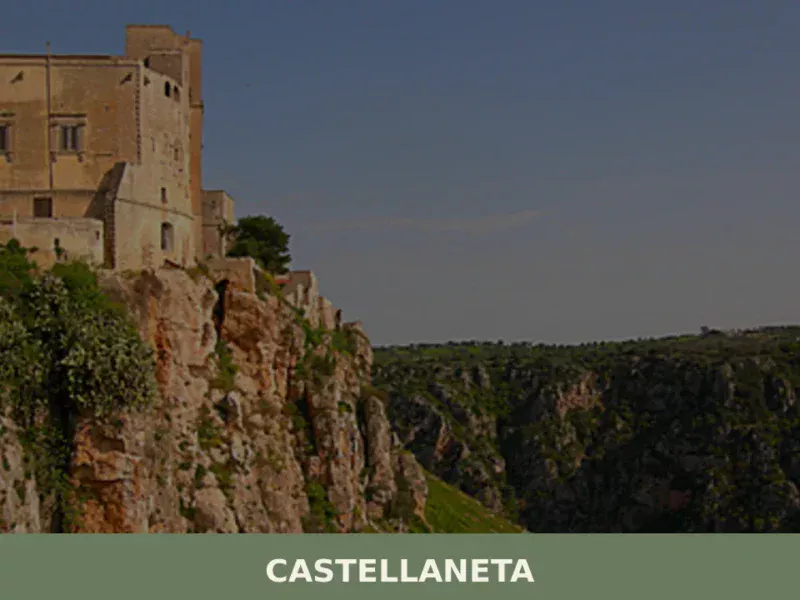
Castellaneta, a comune of around 15,784 inhabitants in the province of Taranto, sits above a dramatic ravine system carved into the Apulian plateau — a geological fact that has determined the town’s layout, its defensive logic, and the views that define it today. Visitors drawn to this corner of southern Puglia often arrive expecting little […]
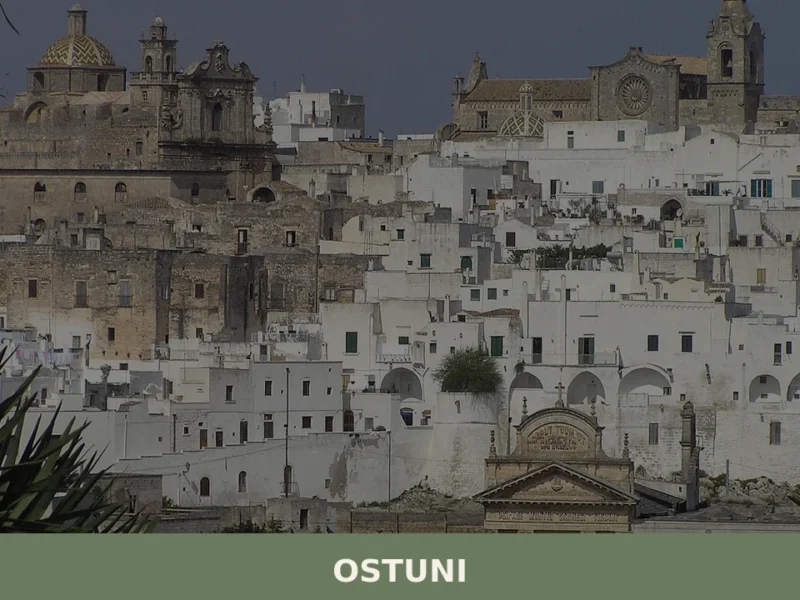
Ostuni
Sea
What to see in Ostuni, Italy: Discover the 'White Town' with its 30,143 residents and explore 5 key historical sights. Read our guide for top attractions and travel tips.
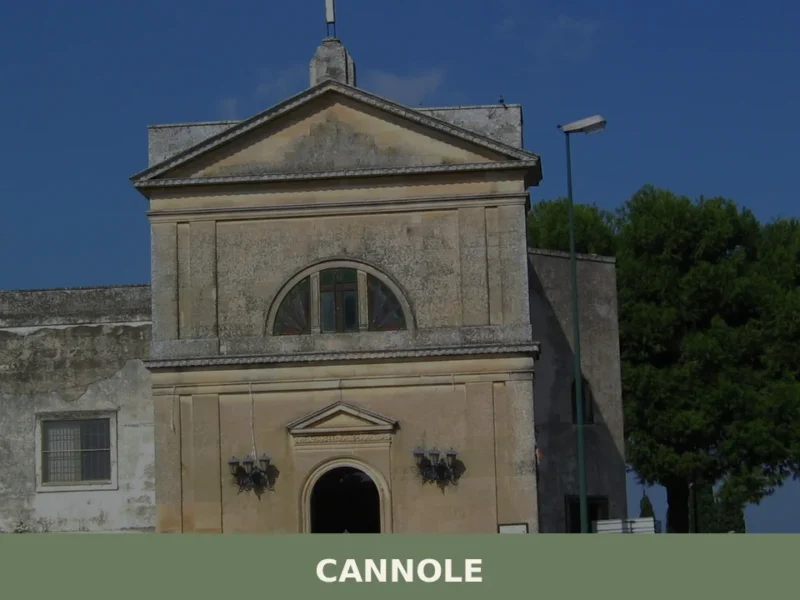
Cannole
Plains
With its 1,631 inhabitants spread across a plateau at 100 metres above sea level in the interior of the Salento, Cannole is one of the smallest municipalities in the province of Lecce. The settlement is organised around a compact core of Lecce stone houses, with a central square that still serves as a daily point […]
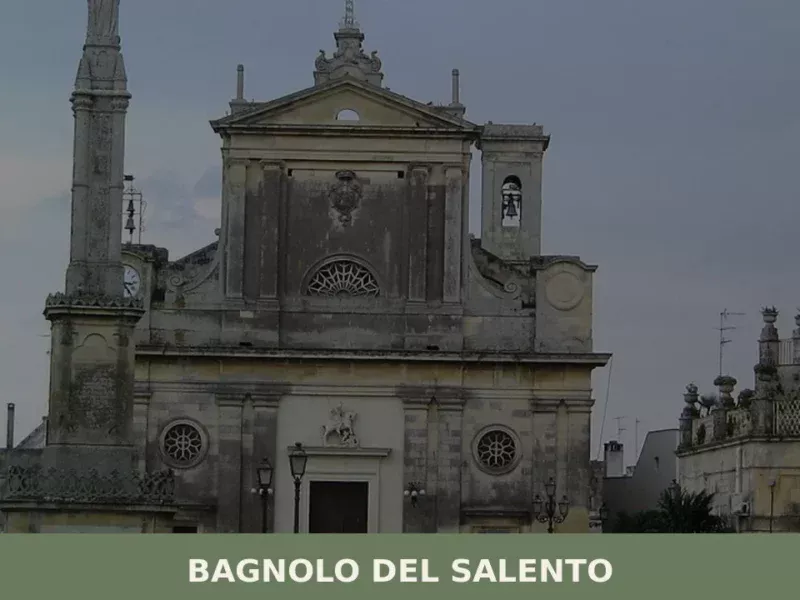
Bagnolo del Salento
Plains
Bagnolo del Salento: discover the village, visit historic churches, and taste traditional cuisine. Plan your trip now!
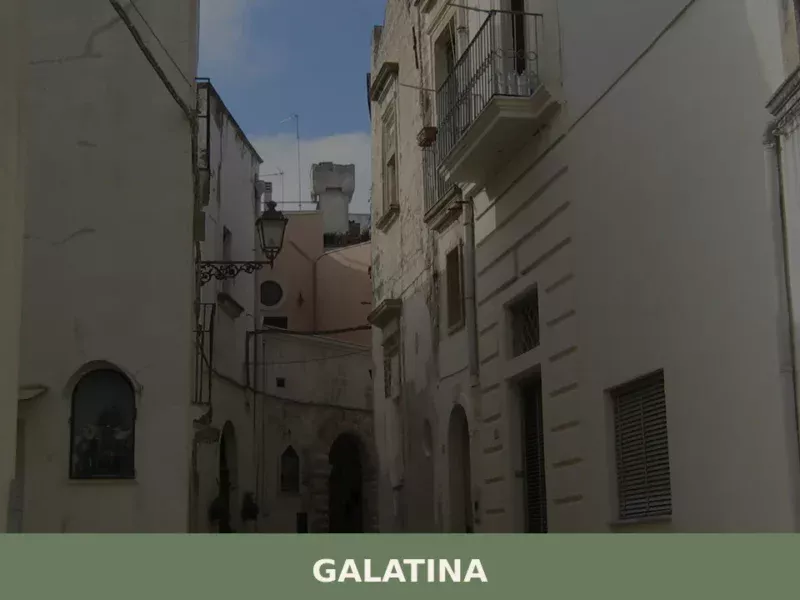
Galatina
Plains
Discover what to see in Galatina, Puglia: Gothic frescoes, tarantismo history, local food and practical travel tips for this Salento city near Lecce.
Roccaforzata
Plains
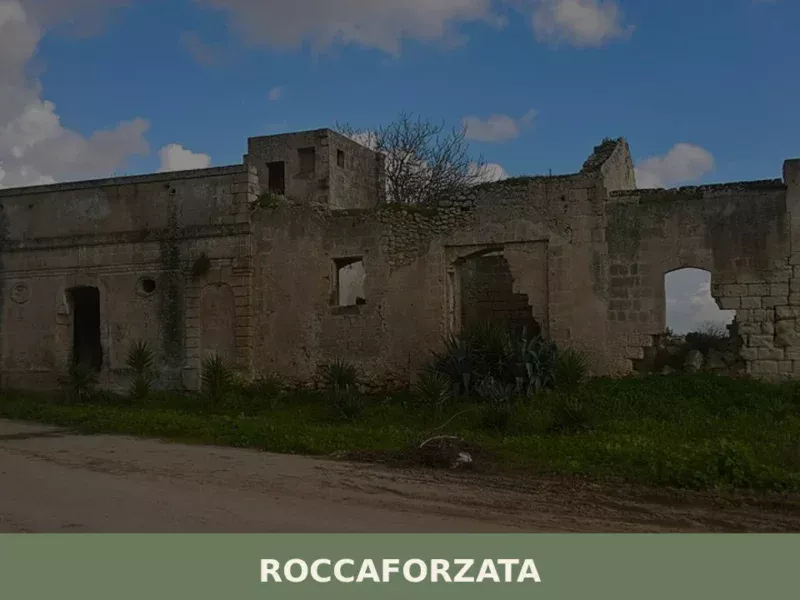
Roccaforzata is home to 1,762 inhabitants, spread across a plateau at 145 metres above sea level in the eastern Taranto countryside. The municipal territory covers just 6.67 square kilometres, making it one of the smallest in the province of Taranto. Anyone looking into what to see in Roccaforzata will find a compact urban centre, developed […]
San Marco la Catola
 Mountain
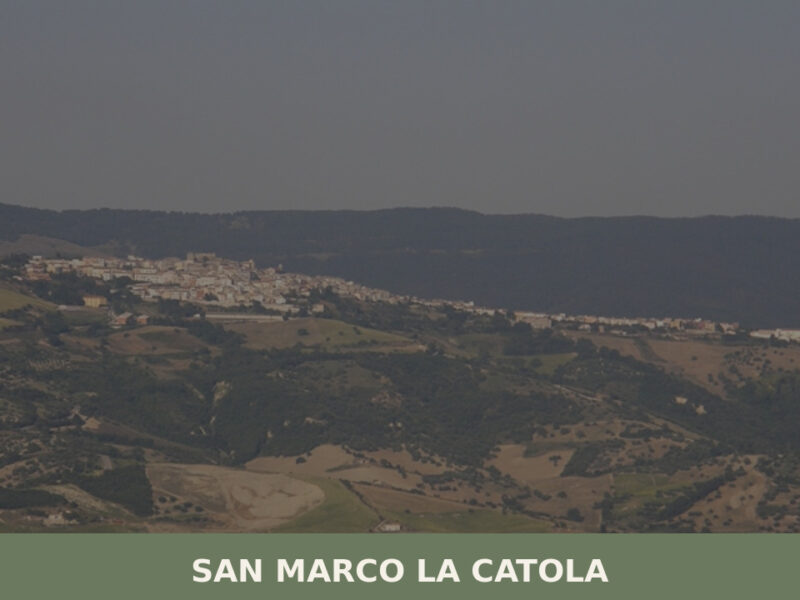
A quiet hill village at 683 metres in the Daunia mountains of Puglia. Discover what to see in San Marco la Catola, from its medieval core to the Fortore valley.
Corato
 Hills
Hills
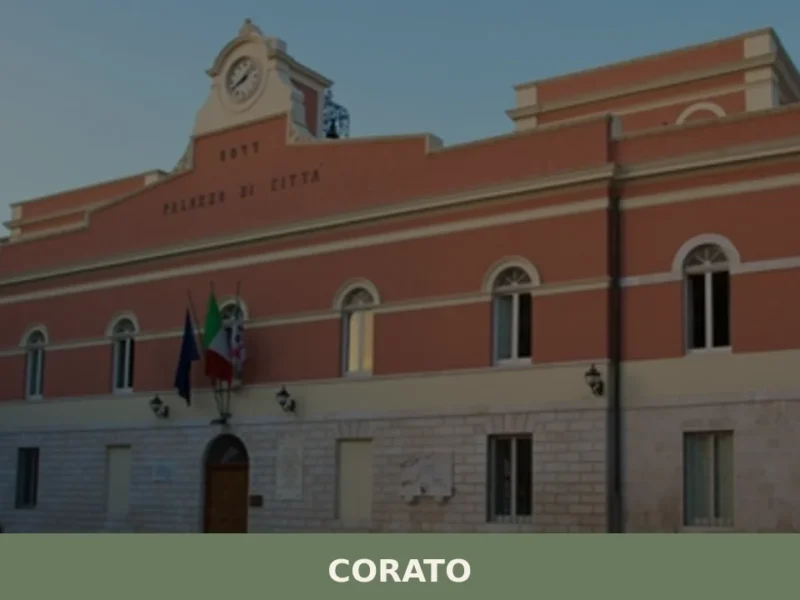
What to see in Corato, a city at 232 m in Puglia. 5 attractions, underground olive presses, Castel del Monte 18 km away, PAT dishes. Plan your visit now.
Ordona
Plains
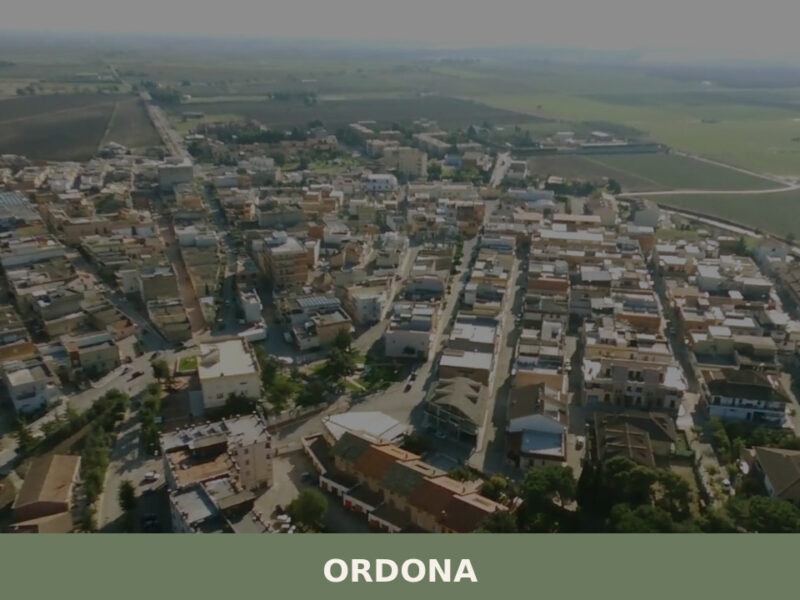
Ordona sits on the Tavoliere plain near Foggia, above the ancient Daunian-Roman city of Herdonia. A guide to its archaeology, food, and surroundings.
Alberobello
Hills
Alberobello, Puglia: Discover UNESCO trulli, Monti & Aia Piccola districts. Explore unique history & traditions. Plan your visit!





🏡 Know Palmariggi better than we do?
If you’re a local or have been there, your knowledge matters: add what’s missing or fix a detail on this page.