


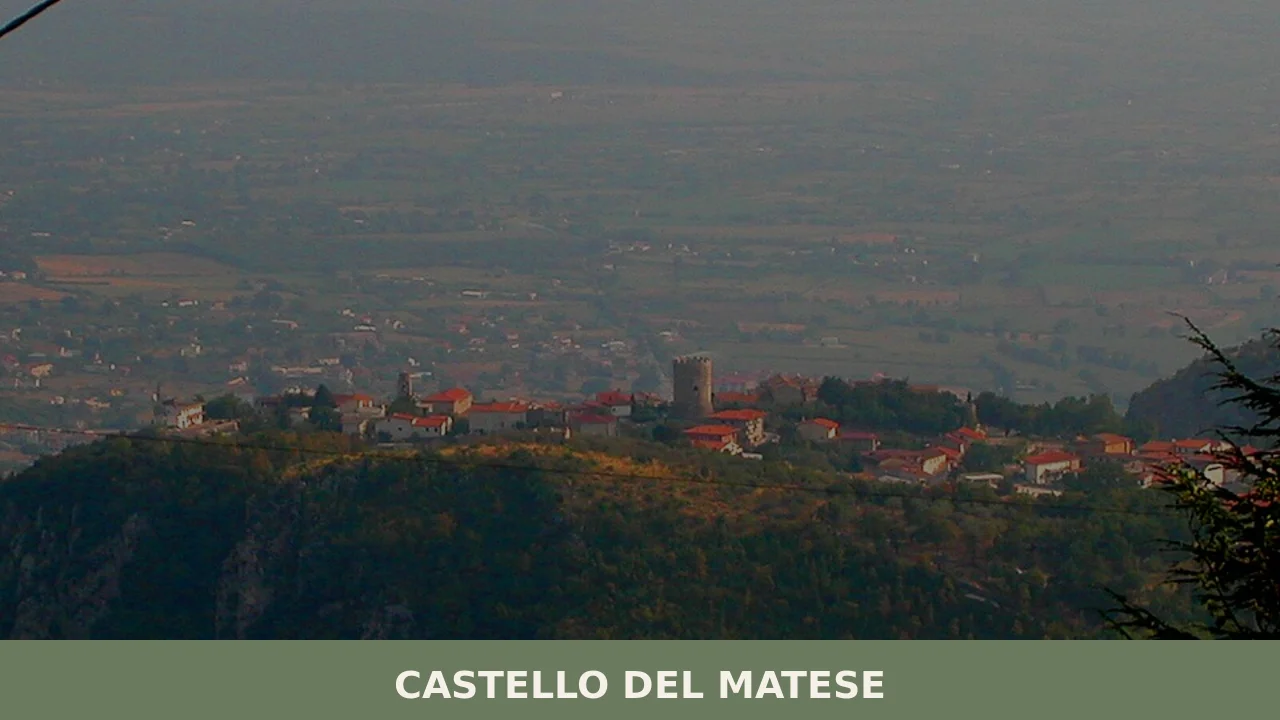
Castello del Matese
 Hills
Hills
Visit Castello del Matese to explore its medieval historic center and local traditions. Plan your Campania trip, discover things to do in the village.
Discover Castello del Matese
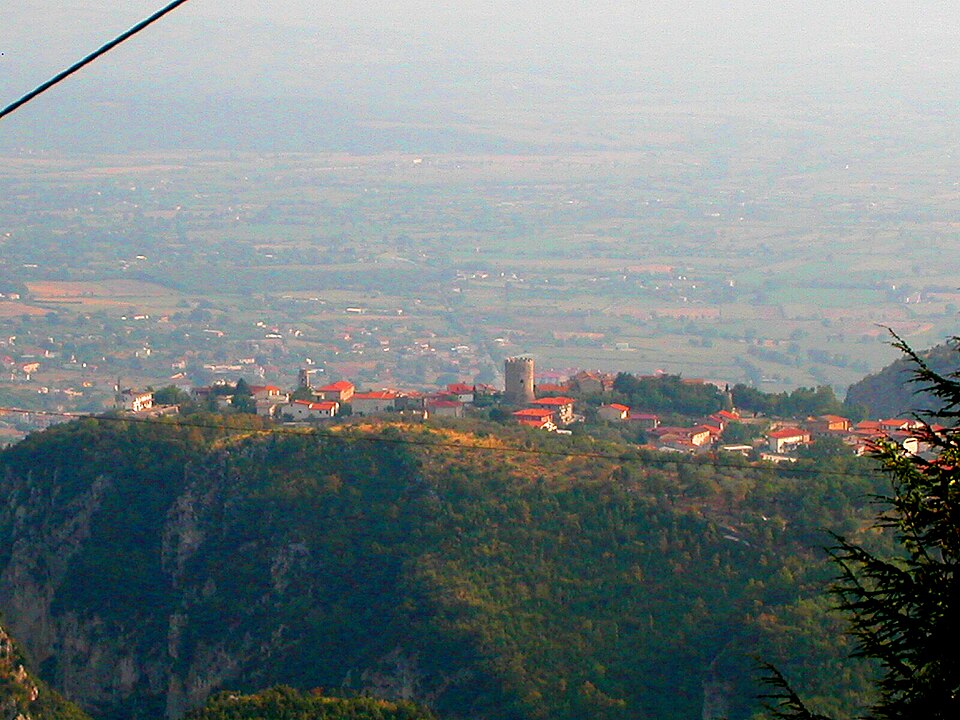
At 476 metres above sea level, on the southern slope of the Matese massif, the municipality of Castello del Matese has 1,398 inhabitants spread between the historic centre and the hamlets overlooking the Alifana plain.
The very name of the town refers to the Norman fortress that defined its strategic identity in the Middle Ages.
Anyone looking into what to see in Castello del Matese will find a centre where religious architecture, surviving defensive structures and the proximity to Lake Matese — the highest karst lake in Italy — make up a compact itinerary that can be covered in a single day.
History and origins of Castello del Matese
The settlement dates back to the Lombard period, when its elevated position above the Volturno valley made it a natural control point.
Under the Normans, between the 11th and 12th centuries, the fortified structure that gave the village its name was built: the “castellum” from which the current name derives.
Over the centuries, the fief passed through several noble families of the Kingdom of Naples, including the Sanframondo, lords of a vast territory covering much of the upper Caserta area.
In 1807, during the Napoleonic administrative reorganisation, the municipality took on the name “Castello d’Alife”, later changed to the current “Castello del Matese” in 1970 to emphasise its geographical belonging to the massif.
The municipal territory extends up to the wooded slopes of the Matese, with oak and beech forests marking the transition from the hill zone to the mountain zone.
The town’s history is closely bound to the agro-pastoral economy of the mountain: transhumance, dairy production, and wheat cultivation on the lower-lying land.
During the post-unification brigandage period, the Matese area was the scene of clashes and social tensions.
In 1877, in these very mountains, the insurrectionary attempt of the so-called Banda del Matese took place, a significant episode in the history of the Italian anarchist movement that also involved the neighbouring municipalities.
What to see in Castello del Matese: 5 top attractions
1.
Ruins of the Norman castle
Of the fortress that gave the village its name, sections of wall remain visible in the upper part of the settlement. The original structure, built between the 11th and 12th centuries, occupied a commanding position over the valley below.
The remains still allow visitors to make out the layout of the defensive complex and its relationship with the urban fabric that developed at its feet.
2.
Church of Sant’Antonio di Padova
Dedicated to the patron saint, celebrated on 13 June, the church retains a structure reworked over the centuries with Baroque interventions on the original building. The interior features side altars with stucco decorations and paintings from the Neapolitan school. The façade, simple and linear, reflects the sobriety of religious architecture found in smaller Campanian centres.
3.
Historic centre and stone doorways
The old core develops along a vertical axis climbing towards the castle ruins. Several buildings retain doorways in local limestone with carved lintels, dating from between the 16th and 18th centuries.
The houses, built close against one another following medieval construction logic, form a compact system with covered passages and external staircases.
4.
Lake Matese
Reachable by car from the town centre in about twenty minutes, Lake Matese sits at 1,007 metres above sea level and is the highest natural karst basin on the Italian peninsula. Its size varies considerably between summer and winter due to its karst water supply. The shores, free from heavy development, support riparian vegetation that includes species endemic to the central-southern Apennines.
5.
Matese hiking trails
Several hiking routes depart from the municipal territory, climbing towards the peaks of the massif, including Monte Gallinola (1,923 m) and Monte Miletto (2,050 m). The trails pass through dense beech forests and high-altitude clearings still used today for summer grazing.
The CAI (Italian Alpine Club) has marked a number of routes connecting Castello del Matese to the mountain refuges and summit plateaux.
Local cuisine and regional products
The table at Castello del Matese reflects the dual vocation of the territory — agricultural in the lower belt and pastoral at higher elevations.
Cheese is the central product: caciocavallo di Castelfranco, made with milk from cows raised on the Matese pastures, and fresh ricotta, also used in the preparation of local desserts.
Among the first courses are cavatelli with pork ragù, legume soups — beans and grass peas — and handmade pasta dressed with porcini mushrooms gathered in the surrounding woods.
Extra virgin olive oil produced in the hill belt, from native cultivars such as caiazzana, accompanies most dishes.
Wood-oven-baked bread, often in large loaves, is still part of daily eating habits. In the trattorias and agriturismos of the area, you can find Matese lamb, cooked on the grill or oven-roasted with potatoes, and pork cured meats — soppressata and capocollo — aged according to methods that vary from family to family.
The official municipal website periodically lists food festivals and markets where these products are offered.
When to visit Castello del Matese: the best time
The patron saint’s feast of Sant’Antonio di Padova, on 13 June, is the moment when the town comes alive with processions, market stalls and evening fireworks.
Summer, from June to September, offers the best conditions for high-altitude excursions towards the lake and the Matese peaks: temperatures above one thousand metres remain moderate even in July and August, making the area a cool-weather destination compared to the Campanian plain.
Autumn brings the colours of the beech forests and mushroom season, particularly active between September and November.
Winter transforms the massif: snow covers the summits from December to March and Lake Matese can partially freeze over.
For those interested in what to see in Castello del Matese from a naturalistic perspective, spring — April and May — is the season of wildflower blooms in the high meadows and the return of water to the streams fed by snowmelt.
The hill climate of the town centre, at 476 metres, is generally mild but windy, with marked temperature swings between day and night.
How to get to Castello del Matese
By car, the most direct access is via the Caianello–Benevento dual carriageway (SS 372 “Telesina”): exit at Dragoni, then continue for about 15 kilometres northward along the provincial road that climbs the valley.
From Naples the distance is around 80 kilometres, which can be covered in one hour and twenty minutes via the A1 motorway to Caianello and then the Telesina. From Caserta, the provincial capital, the 55-kilometre journey takes about 50 minutes.
The nearest railway station is Piedimonte Matese, on the Alifana line (Santa Maria Capua Vetere – Piedimonte Matese), from which Castello del Matese is about 10 kilometres away, reachable by local transport services.
The reference airport is Naples-Capodichino, approximately 90 kilometres away.
From Rome, the village can be reached in about two hours by taking the A1 southbound to the Caianello exit.
Other villages to discover in Campania
The Matese side of the province of Caserta includes a series of smaller centres that share with Castello del Matese the same historical and environmental background.
Among them, Ailano lies a few kilometres to the north-west, along the Lete valley, in a setting where the remains of medieval architecture alternate with agricultural terraces still under cultivation.
Its territory, crossed by the river that once powered ancient mills, offers a complementary itinerary to that of Castello del Matese, with travel times of no more than twenty minutes by car.
Exploring the villages of the upper Caserta area in sequence — from Ailano to Castello del Matese, continuing towards Letino and San Gregorio Matese — allows you to cross a territory where altitude changes by almost one thousand metres within a few kilometres, radically altering the vegetation, climate and food traditions.
It is a route that works well over two or three days, staying overnight in the agriturismos scattered along the slopes of the massif.
Frequently asked questions about Castello del Matese
What is the best time to visit Castello del Matese?
The feast of Sant'Antonio di Padova on June 13th offers a vibrant local experience with processions, market stalls, and evening fireworks. Summer (June-September) is ideal for high-altitude excursions to Lake Matese and the Matese peaks, providing a cool escape from the Campanian plain. Autumn (September-November) showcases stunning beech forest colours and is perfect for mushroom foraging. Spring (April-May) features blooming wildflowers and lively streams from snowmelt. Winter (December-March) brings snow to the summits, transforming the landscape for those seeking a tranquil, snowy retreat. The town centre's hill climate is generally mild but can be windy with temperature swings.
What to see in Castello del Matese? Main monuments and landmarks
Explore the **Ruins of the Norman castle**, where sections of the 11th-12th century fortress walls offer glimpses into its strategic past, visible in the upper village. Visit the **Church of Sant'Antonio di Padova**, dedicated to the patron saint, featuring Baroque elements, stucco decorations, and Neapolitan school paintings. Wander through the **historic centre**, a compact medieval core with charming stone doorways from the 16th-18th centuries, covered passages, and external staircases, perfect for a leisurely stroll. These sites are generally accessible for exterior viewing and exploration.
What are the main natural or scenic attractions of Castello del Matese?
The primary natural attraction is **Lake Matese**, just a 20-minute drive away. As Italy's highest natural karst lake, its serene shores and unique riparian vegetation offer stunning landscapes. The municipal territory is also a gateway to the **Matese hiking trails**, with routes marked by the CAI leading towards peaks like Monte Gallinola (1,923 m) and Monte Miletto (2,050 m). These trails wind through dense beech forests and high-altitude clearings, providing exceptional opportunities for nature immersion and panoramic views.
Where to take the best photos in Castello del Matese?
For panoramic views, head to the **Ruins of the Norman castle** in the upper part of the village, offering commanding vistas over the valley. The **historic centre** itself, with its medieval layout, stone doorways, and narrow alleys, provides picturesque backdrops for architectural photography. Don't miss the scenic beauty of **Lake Matese**, where the calm waters, surrounding mountains, and endemic vegetation create stunning natural landscapes, particularly at sunrise or sunset. The high-altitude clearings along the **Matese hiking trails** also offer breathtaking mountain vistas.
Are there museums, churches or historic buildings to visit in Castello del Matese?
Yes, visitors can explore the **Church of Sant'Antonio di Padova**, a historic religious building dedicated to the patron saint, featuring Baroque interior details and paintings. While there are no museums mentioned, the **Ruins of the Norman castle** provide a glimpse into the village's medieval defensive structures. The entire **historic centre** is an open-air architectural experience, showcasing traditional stone houses and elegant doorways dating from the 16th to 18th centuries, reflecting centuries of local craftsmanship and history. Access to the church is typically during services or specific opening hours; castle ruins and historic centre are always accessible for exterior viewing.
What can you do in Castello del Matese? Activities and experiences
Engage in **hiking** along the CAI-marked trails that ascend towards the Matese peaks, passing through ancient beech forests. Discover the natural beauty of **Lake Matese**, ideal for tranquil walks and nature photography. Explore the **historic centre**, admiring the medieval urban fabric and stone doorways. Indulge in **local gastronomy** at trattorias and agriturismos, savoring Matese cheeses, cavatelli with ragù, and roasted lamb. Keep an eye out for local **food festivals** listed on the municipal website, offering a taste of regional specialties.
Who is Castello del Matese suitable for? Families, couples, hikers, solo travelers?
Castello del Matese is ideal for **nature lovers and hikers**, thanks to its proximity to Lake Matese and extensive CAI trails leading to mountain peaks. It appeals to **couples and solo travelers** seeking tranquility, authentic village charm, and scenic beauty, especially those interested in exploring historic centers. **Families** will appreciate the opportunities for outdoor activities and the region's agriturismos. Food enthusiasts will also find it rewarding, with rich local gastronomy to discover. It’s a perfect destination for those looking for an escape from the heat, offering cooler temperatures in summer.
What to eat in Castello del Matese? Local products and specialties
The local cuisine highlights **caciocavallo di Castelfranco** and fresh **ricotta**, both made from Matese pasture milk. Savour traditional first courses like **cavatelli with pork ragù** or hearty **legume soups**, often featuring beans and grass peas, alongside handmade pasta with locally gathered **porcini mushrooms**. Don't miss the **extra virgin olive oil** from native caiazzana olives and the renowned **wood-oven-baked bread**. For main courses, try **Matese lamb**, often grilled or roasted, and the area's distinct **pork cured meats** such as soppressata and capocollo.
📷 Photo Gallery — Castello del Matese
Nearby Villages near Castello del Matese
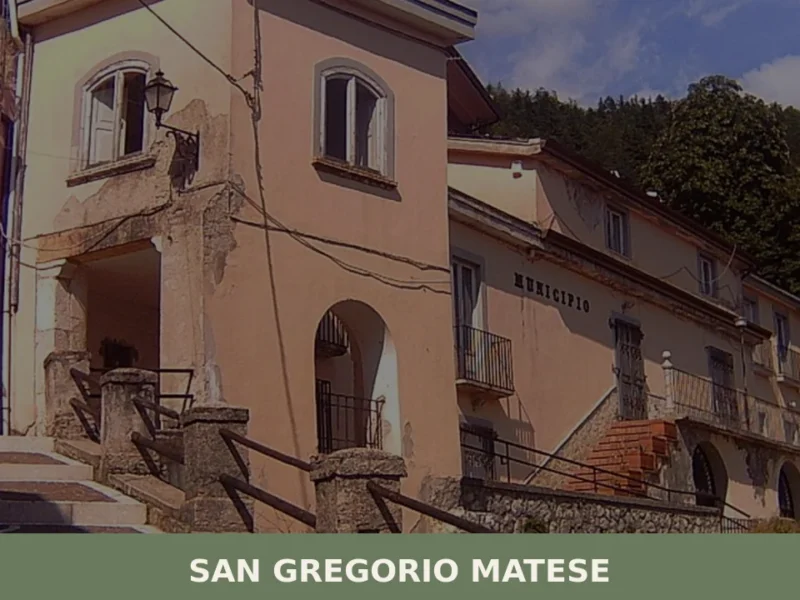
Nearby villages we are mapping:
- Letino Campania 📍 14.3 km Coming soon
In Campania More villages to discover
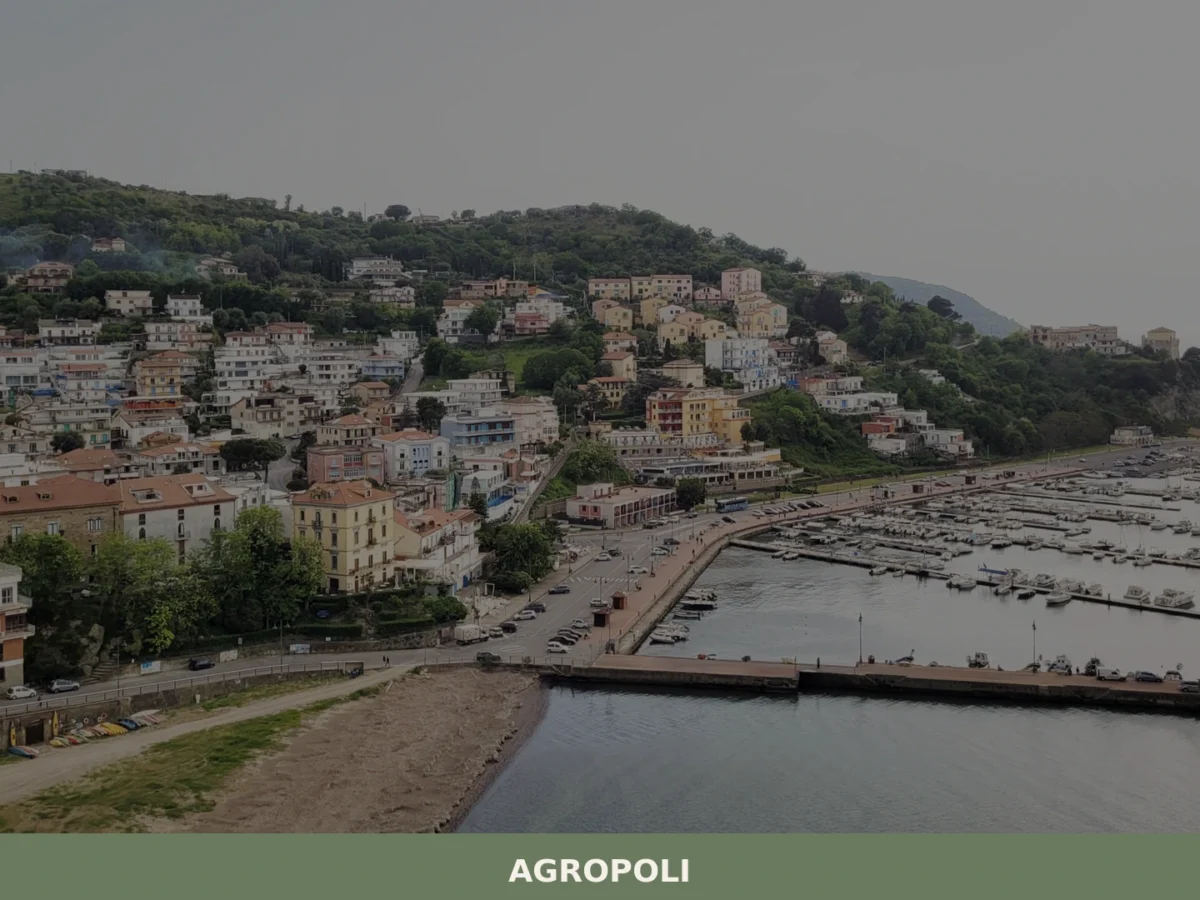
Agropoli
 Sea
Sea
Discover what to see in Agropoli, Cilento: the Aragonese castle, medieval borgo, fishing port, local food and practical travel tips for Campania's Cilento coast.
Castel Campagnano
 Plains
Standing at fifty-eight metres above sea level along the left bank of the Volturno, Castel Campagnano has a current population of 1,458, spread between the historic centre and the hamlets scattered across the alluvial plain. The municipality, in the province of Caserta, retains an urban layout that still follows the plan of the fortified medieval […]
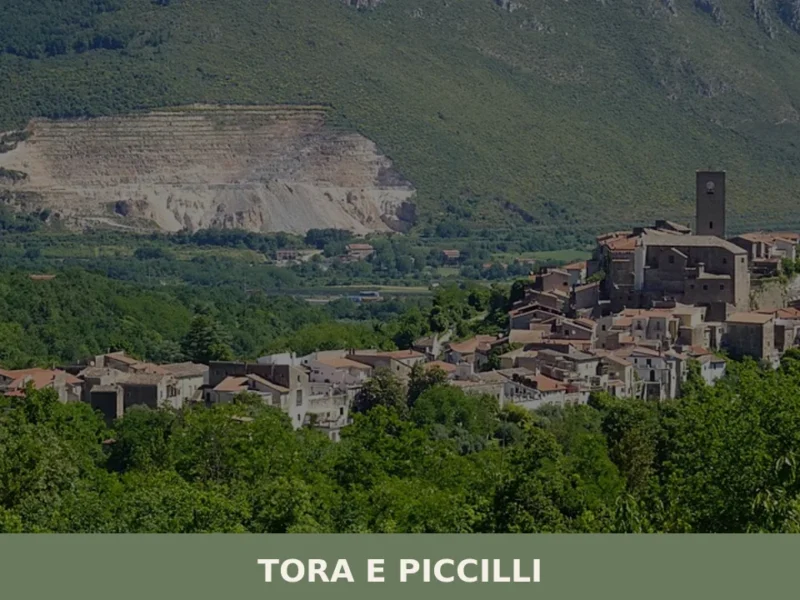
Tora e Piccilli
Hills
What to see in Tora e Piccilli, Italy: discover this Caserta comune at 343 m altitude. Explore its hilly landscape and small-town character. Read our complete guide.
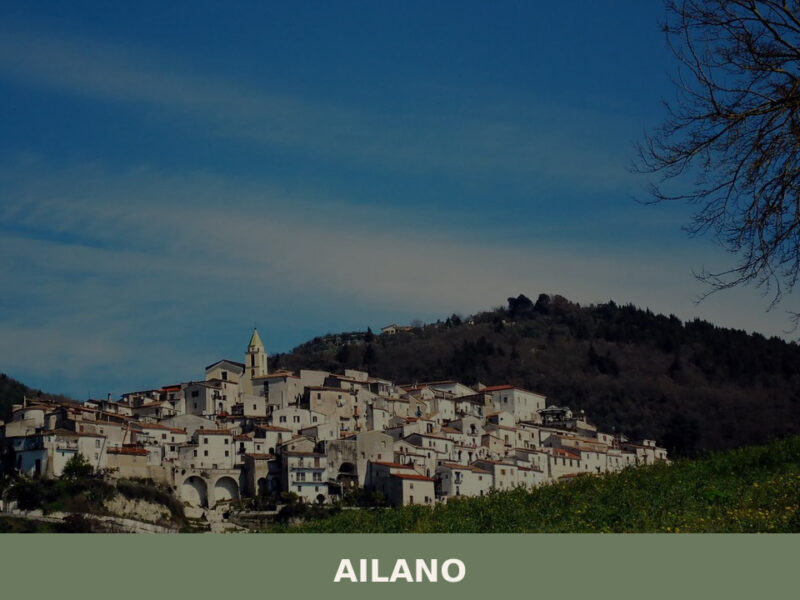
Ailano
Hills
A complete guide to what to see in Ailano, a village of 1,198 inhabitants in the Caserta province of Campania, with its medieval centre, parish churches, and Volturno valley views.
Valle Agricola
 Mountain
Valle Agricola, a municipality of 960 inhabitants in the province of Caserta, rises to 691 meters above sea level, representing a mountain settlement within the Matese Massif. Its geographical position, between peaks and valleys, has for centuries determined the social and economic dynamics of the place, oriented towards livestock farming and subsistence agriculture. For those […]
Avellino
Hills
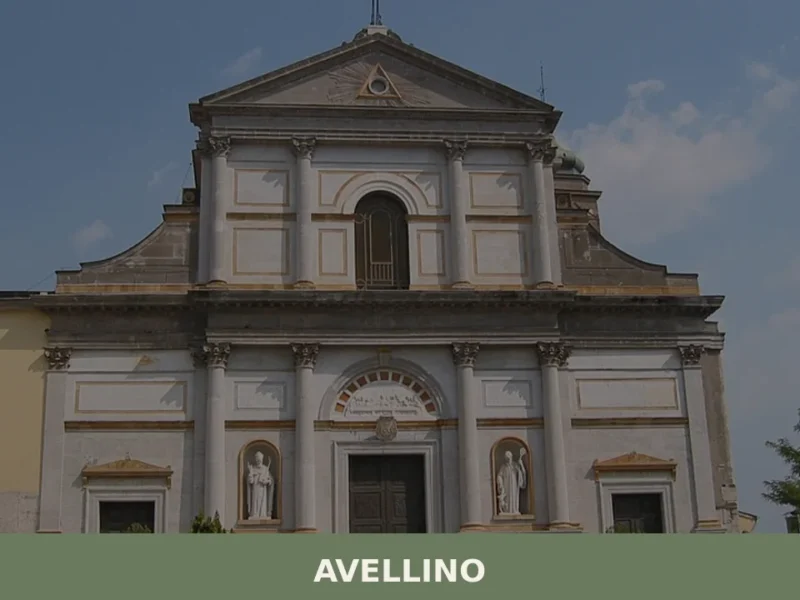
Uncover the charm of the village of Avellino in Campania, Italy. Explore its rich history, local traditions, and stunning landscapes. Plan your visit to this Italian gem!
Formicola
Plains
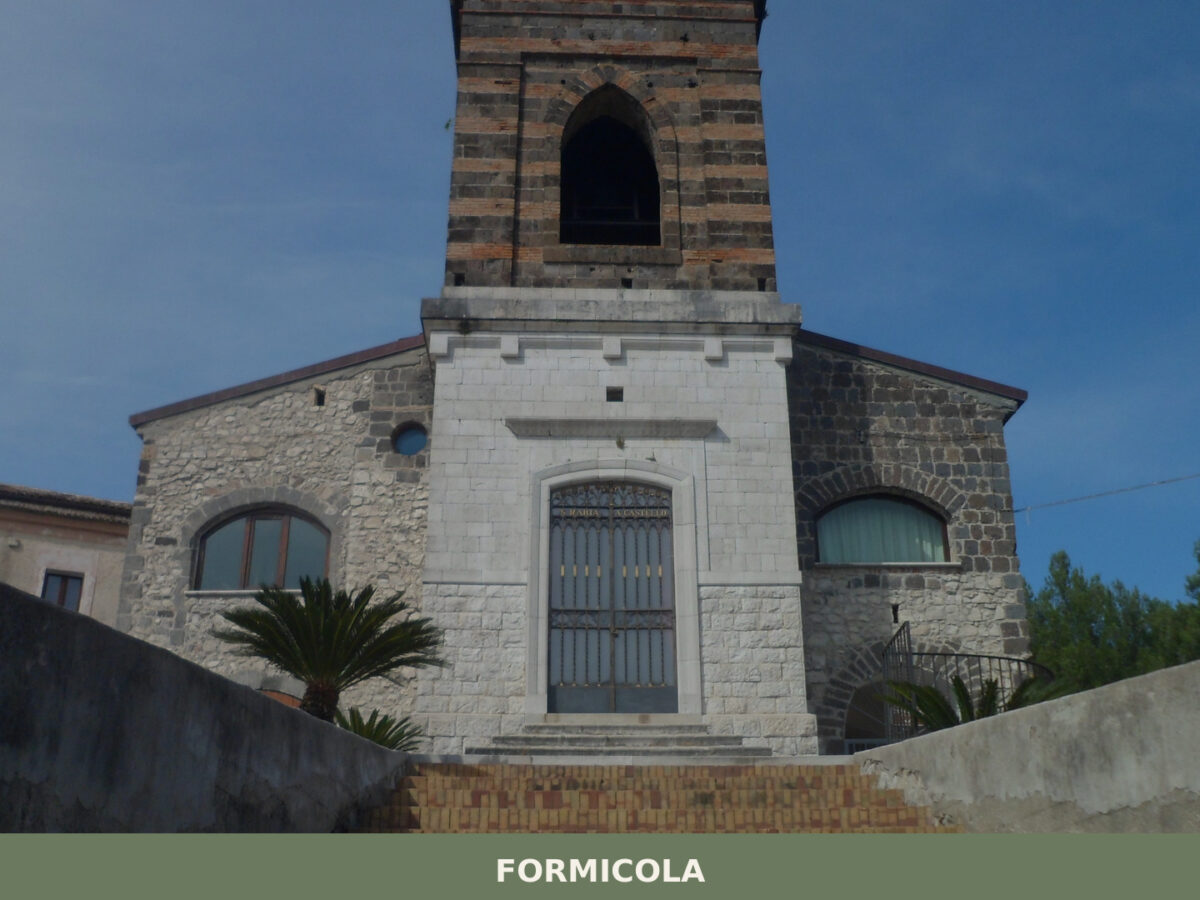
Discover Formicola, a picturesque village in Campania, Italy. Explore its rich history, stunning landscapes, and authentic Italian culture and traditions.

Castellammare di Stabia
Sea
Castellammare di Stabia offers over 2,800 years of layered history, from buried Roman villas to Bourbon royal palaces, all framed by the Gulf of Naples.

Altavilla Irpina
Mountain
Discover Altavilla Irpina, a hilltop village in Avellino province with medieval churches, ancient stone architecture, and authentic Irpinian food traditions.
Fontegreca
Hills
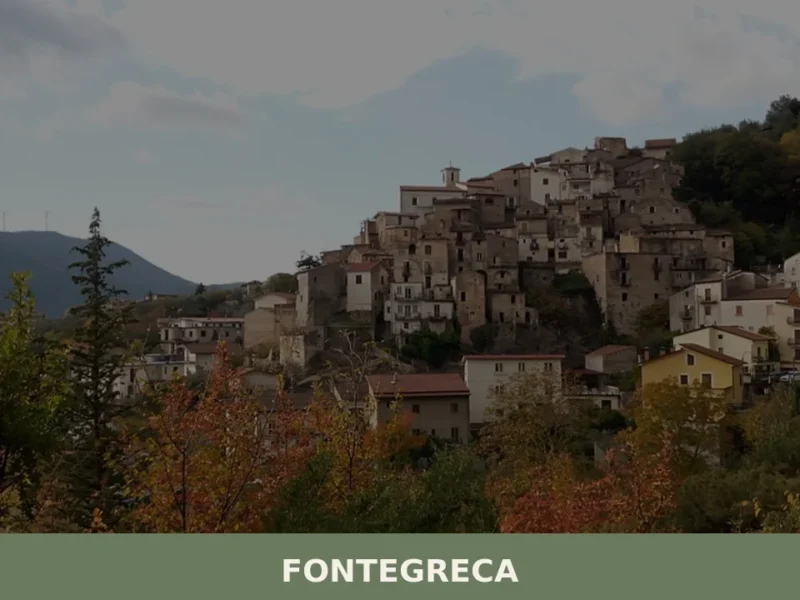
Fontegreca, a municipality in the province of Caserta, is home to the Cipresseta, a protected natural area recognized for its size and for the presence of centuries-old cypress trees, a distinctive feature of the local landscape. With a population of 834 inhabitants and situated 320 meters above sea level, this hill village develops on a […]





🏡 Know Castello del Matese better than we do?
If you’re a local or have been there, your knowledge matters: add what’s missing or fix a detail on this page.