


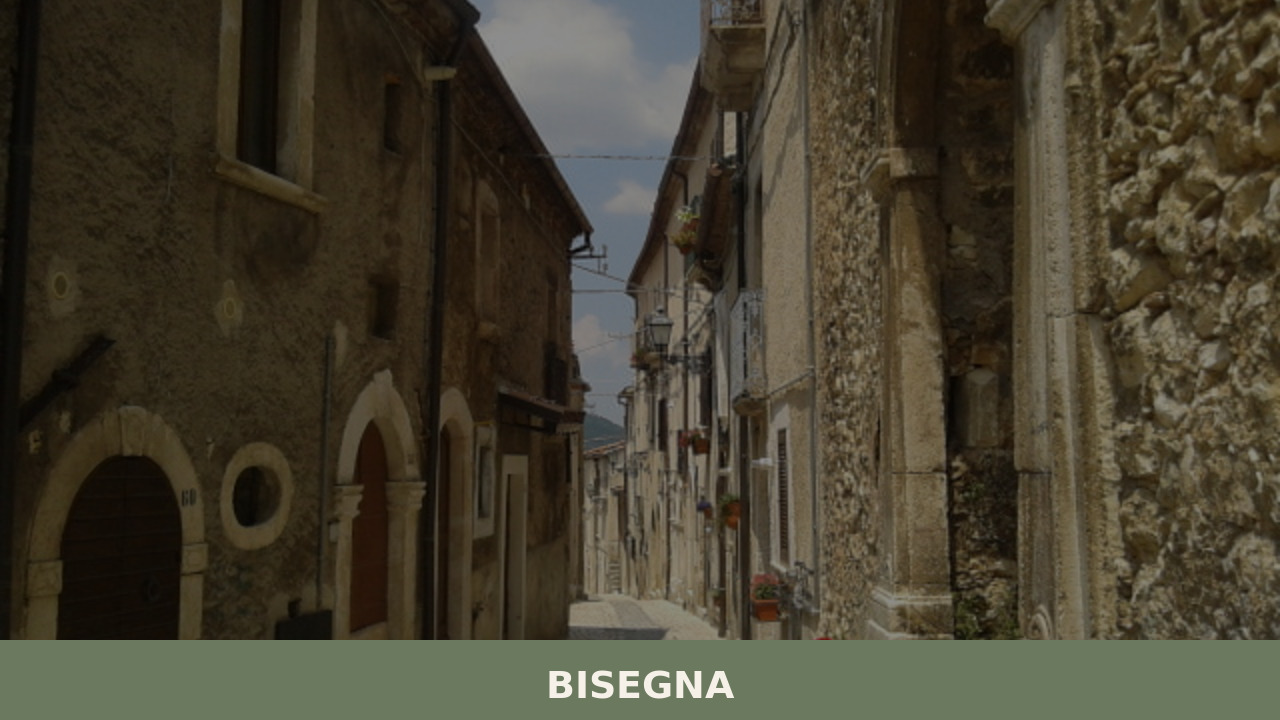

A mountain village of 217 inhabitants at 1,210 metres in Abruzzo’s national park. Discover what to see in Bisegna: stone lanes, frescoes, and highland trails.
Discover Bisegna
Morning fog lifts off the upper Sangro valley and the stone houses of Bisegna appear one by one, grey-brown against a slope of beech forest. At 1,210 metres above sea level, the air carries a sharp, resinous cold even in late spring. Only 217 people live here year-round — a number that has been shrinking for decades, leaving stretches of the old centre silent except for wind through open doorways. If you are wondering what to see in Bisegna, the answer begins with that silence itself: a village where every wall, every faded fresco, and every narrow lane holds an outsized share of Abruzzo’s mountain memory.
History of Bisegna
Bisegna sits within the historical territory of the Marsica, the highland region once home to the Marsi, an Italic people who resisted Roman expansion until the Social War of 91–88 BC. The village’s origins are medieval, though the exact date of its founding remains undocumented. Its name may derive from a personal Latin name or from a local toponym linked to the terrain — theories vary, and no single etymology has been conclusively established. What is clear is that the settlement grew around a fortified nucleus, a pattern common to the mountain communities of the upper Sangro and Giovenco valleys, where altitude provided defence and pastureland sustained an economy built on transhumance.
During the medieval period, Bisegna belonged to the feudal systems that governed the Marsican highlands, passing through the hands of various baronial families as the Kingdom of Naples reorganised its territories. The earthquake of 1915 — the Avezzano earthquake, which devastated the Marsica — caused damage here as it did across the region, though the village’s small scale and elevation spared it the catastrophic losses suffered at lower altitudes. The 20th century brought a slow but persistent wave of emigration, as shepherds and farmers left for Rome, northern Italian cities, and abroad. The population, once several times its current size, contracted to the 217 residents who remain today.
What survives is a built environment shaped by centuries of pastoral life: dry-stone walls, narrow passages designed to block wind, and churches that served as both spiritual and civic centres. The village’s position within what is now the Parco Nazionale d’Abruzzo, Lazio e Molise has, in recent decades, given Bisegna a second context — no longer just a shepherds’ settlement, but a gateway to one of the oldest protected areas in Europe.
What to see in Bisegna: 5 must-visit attractions
1. The historic centre
The old nucleus of Bisegna is a compact cluster of stone houses connected by narrow lanes, external staircases, and covered passageways. Many structures are abandoned, their roofs collapsed, yet the masonry itself — local limestone, hand-cut and dry-stacked — remains intact. Walking through, you encounter arched doorways, small niches once used for oil lamps, and the particular quiet of a place where architecture outlasted the community that built it.
2. The Bisegna Frescoes
A modern addition to the village’s visual landscape, the frescoes of Bisegna were begun in 2002 following an iconographic programme designed by Don Cesare Agosta. Painted on exterior walls in the historic centre, they introduce colour and narrative imagery into the grey-stone setting. The project represents a deliberate effort to mark the village with new cultural meaning — an act of renewal, not restoration, set against the backdrop of depopulation.
3. Church of Saints Peter and Paul
The parish church dedicated to Saints Peter and Paul is the principal religious building in Bisegna. Its structure reflects the typical mountain church architecture of the Marsica: modest in scale, with a stone façade and a simple bell tower. Inside, the nave is unadorned, reflecting the austere character of highland worship. The church has served as the village’s spiritual anchor for centuries, surviving the seismic events that periodically reshape Abruzzo’s built landscape.
4. The panoramic viewpoints
At 1,210 metres, Bisegna offers direct sightlines across the Giovenco valley and toward the peaks of the national park. From the upper edges of the village, the Monte Marsicano massif is visible to the southeast. These views are not manicured — there are no observation platforms or informational plaques — but the openness of the terrain and the clarity of mountain light at this altitude make the visual range exceptional, particularly in autumn and winter when the air is driest.
5. Trails into the Parco Nazionale d’Abruzzo, Lazio e Molise
Bisegna lies within the boundaries of one of Europe’s oldest national parks, established in 1922. Footpaths lead from the village into beech and oak forests where the Marsican brown bear, Apennine wolf, and Abruzzo chamois persist in viable populations. The trails are marked but not heavily trafficked, offering a walking experience defined by solitude and the sound of running water from seasonal streams that cut through the surrounding valleys.
Local food and typical products
The cuisine of Bisegna is the cuisine of Abruzzo’s mountain interior — shaped by altitude, by pastoral tradition, and by the necessity of preserving food through long winters. Lamb and mutton, products of the transhumance economy, appear in slow-cooked preparations. Pecorino cheese, made from the milk of sheep that graze the high pastures, is the defining dairy product. Legumes — particularly lentils and chickpeas grown at elevation — feature in thick soups, often combined with handmade pasta such as sagne or chitarra. Saffron, cultivated on the Navelli plateau to the north, is occasionally present in local recipes, reflecting broader Abruzzese culinary geography.
Dining options within Bisegna itself are limited by the village’s size. Visitors are more likely to find agriturismi and small trattorias in neighbouring communities within the national park. These establishments typically offer fixed menus based on seasonal availability: wild herbs in spring, porcini mushrooms in autumn, cured meats year-round. The arrosticini — small skewers of sheep meat grilled over coals — are ubiquitous across the region and remain one of the most direct ways to taste the flavour of Abruzzo’s highlands.
Best time to visit Bisegna
The optimal window for visiting Bisegna runs from late May through October, when trails are clear of snow and daylight hours are long. Summer temperatures at 1,210 metres rarely become oppressive — daytime highs in July and August hover around 25°C, dropping sharply after sunset. This makes the village a natural refuge from the heat of Rome and the coastal lowlands. Autumn, particularly October, brings extraordinary colour to the beech forests surrounding the village, and the reduced visibility of summer haze gives way to crystalline views across the national park.
Winter transforms Bisegna into a cold, quiet place. Snowfall is common from December through March, and some access roads may require snow chains or winter tyres. The village does not host major festivals that attract outside visitors on a significant scale, but the broader Marsica and national park area hold seasonal events — religious processions in summer, food festivals tied to the agricultural calendar in autumn. Those who visit in the off-season should be prepared for limited services and should confirm the availability of accommodation in advance.
How to get to Bisegna
Bisegna is located in the province of L’Aquila, in the interior of Abruzzo. By car from Rome, the most direct route follows the A25 motorway (Roma–Pescara) to the Cocullo or Pescina exit, then continues on provincial roads through the Giovenco valley. The drive takes approximately two hours under normal conditions, covering roughly 140 kilometres. From Pescara on the Adriatic coast, the distance is similar — about 130 kilometres via the A25 in the opposite direction.
The nearest railway station with regular service is Pescina, on the Avezzano–Sulmona line. From Pescina, reaching Bisegna requires a car, as public bus service to the village is extremely limited and not reliably scheduled for visitor use. The closest airports are Rome Fiumicino (approximately 170 km) and Pescara Abruzzo Airport (approximately 140 km). A rental car is effectively essential for anyone planning to explore Bisegna and the surrounding national park territory.
More villages to discover in Abruzzo
The mountain interior of Abruzzo holds dozens of small communities like Bisegna, each shaped by the same forces — transhumance, feudalism, emigration, seismic upheaval — yet each retaining a distinct character. To the south, deeper within the national park, the village of Alfedena offers a larger historic centre and significant archaeological traces of its pre-Roman Samnite past, including a necropolis and sections of polygonal walls. It serves as a useful counterpoint to Bisegna: where Bisegna is intimate and spare, Alfedena carries a more layered accumulation of visible history.
To the north, in the foothills below the Gran Sasso massif, Barete provides a different register of Abruzzese mountain life. Lower in altitude and closer to the provincial capital of L’Aquila, Barete sits within a landscape still bearing the marks of the 2009 earthquake, offering a sobering perspective on the seismic vulnerability that all these communities share. Together, these villages sketch the outlines of a region where geography — altitude, rock, distance — remains the primary author of human settlement.
Frequently asked questions about Bisegna
What is the best time to visit Bisegna?
Late May through October is the ideal window. Summer (July–August) offers mild mountain temperatures around 25°C, making Bisegna a pleasant escape from lowland heat. October is exceptional for autumn foliage in the surrounding beech forests. The feast of San Rocco, patron saint of the village, is celebrated on 16 August and represents the main local event of the year. Winter brings frequent snowfall from December to March; access roads may require snow chains and services are very limited.
What are the historical origins of Bisegna?
Bisegna sits within the ancient Marsica, homeland of the Marsi people who resisted Rome until the Social War of 91–88 BC. The village itself has medieval origins, growing around a fortified nucleus as was common in the upper Sangro and Giovenco valleys, where altitude ensured defence and high pastures sustained a transhumance economy. It passed through various baronial families under the Kingdom of Naples. The 1915 Avezzano earthquake caused damage, but emigration through the 20th century proved the greater transformation, reducing the population to around 217 residents today.
What to see in Bisegna? Main monuments and landmarks
The compact historic centre features dry-stone lanes, arched doorways, and covered passageways that reflect centuries of pastoral life. The parish Church of Saints Peter and Paul is the village's main religious building, with a stone façade and simple bell tower typical of Marsican mountain architecture. A cycle of exterior frescoes painted from 2002 onward, following a programme by Don Cesare Agosta, adds colour and narrative imagery to the grey-stone streets. All are accessible on foot; no admission fees apply.
What are the main natural and scenic attractions near Bisegna?
Bisegna lies within the Parco Nazionale d'Abruzzo, Lazio e Molise, one of Europe's oldest national parks, established in 1922. Marked footpaths lead directly from the village into beech and oak forests that shelter the Marsican brown bear, Apennine wolf, and Abruzzo chamois. The Monte Marsicano massif is visible to the southeast. The Giovenco valley unfolds below the village, and seasonal streams cut through the surrounding terrain. Trails are lightly trafficked, offering a solitary, immersive experience in protected wilderness.
Where can you take the best photos in Bisegna?
The upper edges of the village offer unobstructed sightlines across the Giovenco valley toward the peaks of the national park, with Monte Marsicano visible to the southeast. These natural viewpoints are at their most photogenic in autumn, when beech forests turn gold, and in winter after snowfall. The frescoed exterior walls in the historic centre provide striking foreground subjects against the grey limestone backdrop. Early morning, when fog lifts off the valley, creates atmospheric conditions particularly distinctive to this altitude.
What can you do in Bisegna? Activities and experiences
Hiking into the Parco Nazionale d'Abruzzo, Lazio e Molise is the primary activity, with marked trails leaving directly from the village into beech forests and mountain terrain. Wildlife observation — the park hosts Marsican brown bears, Apennine wolves, and Abruzzo chamois — is a realistic possibility on quieter trails. The village's historic centre and its outdoor frescoes make for a short but rewarding cultural walk. The feast of San Rocco on 16 August brings a moment of community life to an otherwise quiet calendar.
Who is Bisegna suitable for?
Bisegna suits hikers and nature lovers seeking access to the Parco Nazionale d'Abruzzo, Lazio e Molise without the busier entry points. Couples and slow travellers drawn to authentic, depopulated mountain villages will find the silence and stone architecture deeply atmospheric. It is less suited to families with young children expecting organised entertainment or to visitors relying on public transport. Those who appreciate solitude, wildlife, and understated cultural heritage — rather than conventional tourism infrastructure — will feel most at home here.
What to eat near Bisegna? Local products and specialties
The cuisine reflects Abruzzo's mountain pastoral tradition. Lamb and mutton appear in slow-cooked dishes; pecorino cheese from high-pasture sheep is the defining dairy product. Thick soups of lentils or chickpeas paired with handmade pasta — sagne or chitarra — are staples of the highland table. Arrosticini, small sheep-meat skewers grilled over coals, are the region's most iconic dish. Porcini mushrooms feature in autumn menus. Dining options within Bisegna are extremely limited; agriturismi and small trattorias in nearby national park communities are the practical choice.
How do you get to Bisegna? By car, train, and from the nearest cities
By car from Rome (approx. 140 km, about 2 hours): take the A25 Roma–Pescara motorway, exit at Cocullo or Pescina, then follow provincial roads through the Giovenco valley. From Pescara (approx. 130 km): drive the A25 in the opposite direction. The nearest railway station with regular service is Pescina, on the Avezzano–Sulmona line; from there a car is essential, as bus connections to Bisegna are extremely limited. Nearest airports: Rome Fiumicino (approx. 170 km) and Pescara Abruzzo Airport (approx. 140 km). A rental car is effectively required.
Nearby Villages near Bisegna
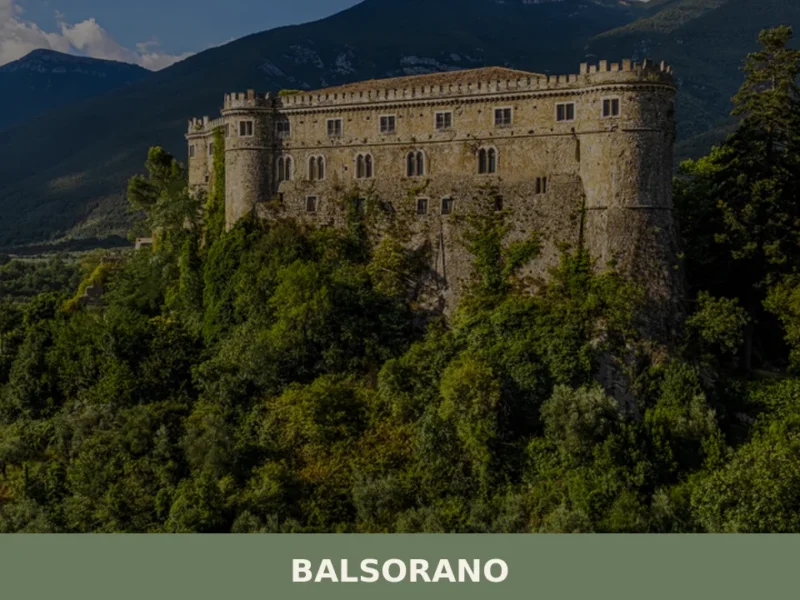
In Abruzzo More villages to discover
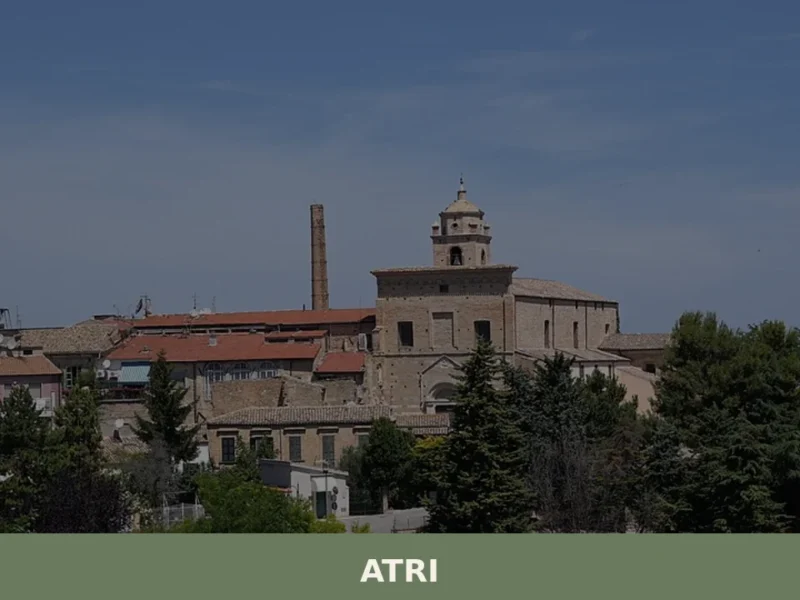
Atri
 Hills
Hills
Atri, in the province of Teramo, stands at 442 meters above sea level, an altitude that allows the city to overlook the Teramo hills. Its origins lie in ancient Hatria, a Picene settlement and later an important Roman municipality, known for minting its own coins as early as the 3rd century BC. This historical richness […]
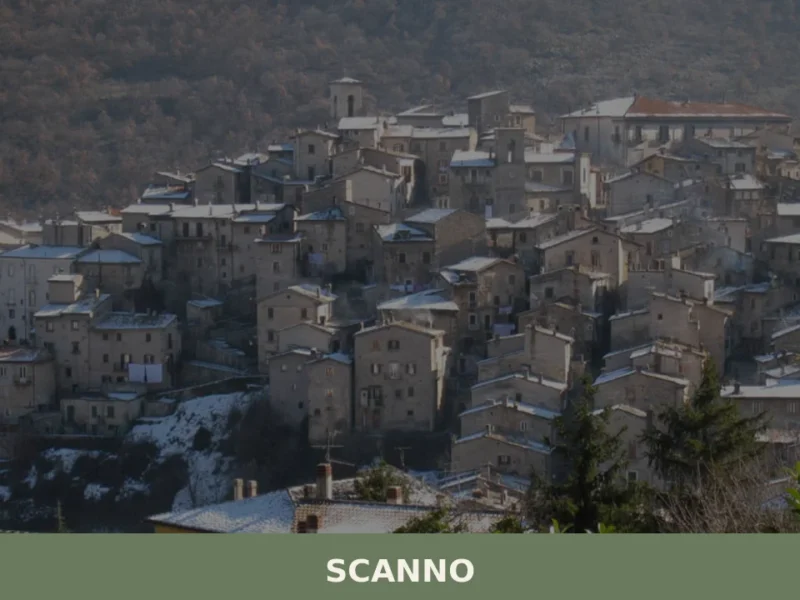
Scanno
 Lake
Lake
 Mountain
what to see in scanno, Italy? Explore this Abruzzese village at 1,050 m (3,445 ft), admire Lago di Scanno and its ancient crafts. Discover more.
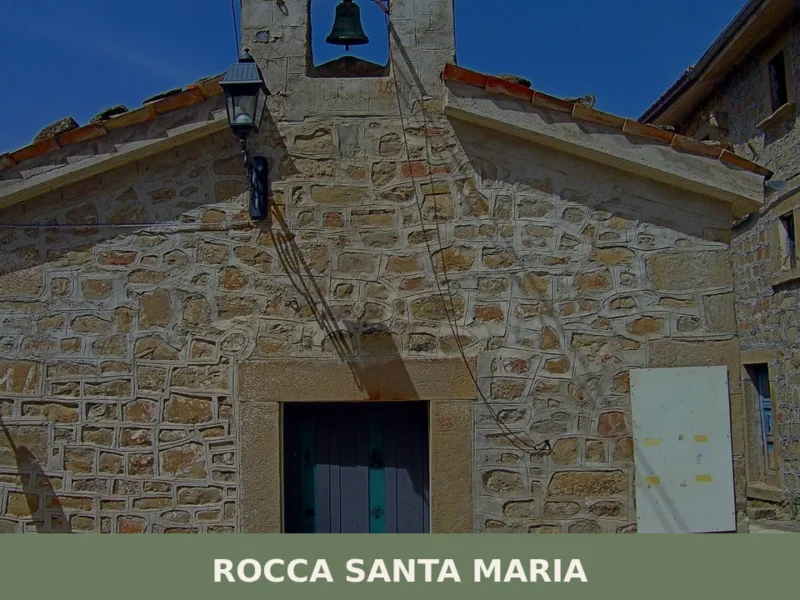
Rocca Santa Maria
Mountain
what to see in rocca santa maria, Italy. Explore a village of 560 inhabitants within Gran Sasso e Monti della Laga National Park. Discover its mountain frazioni and natural beauty.
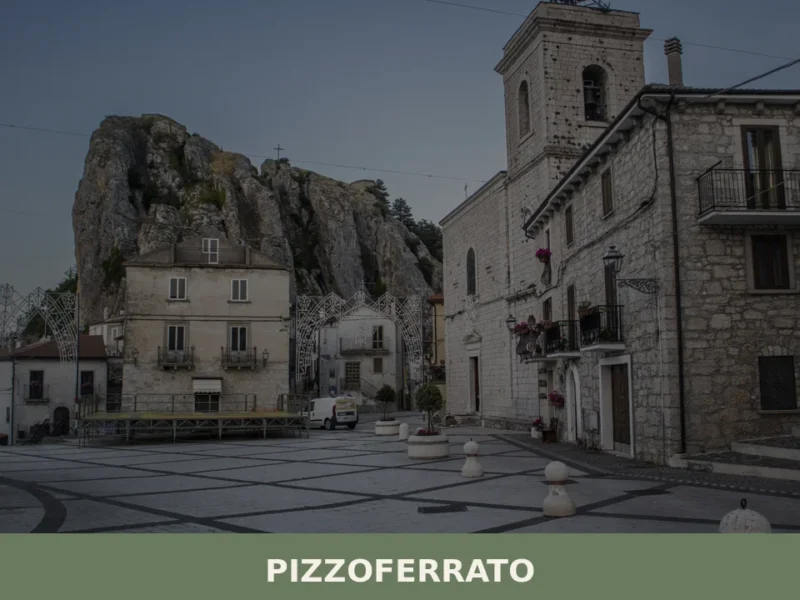
Pizzoferrato
Mountain
What to see in Pizzoferrato, Italy? Explore this mountain village at 1251 m (4104 ft) altitude. Discover ancient churches and Majella National Park. Read our guide!
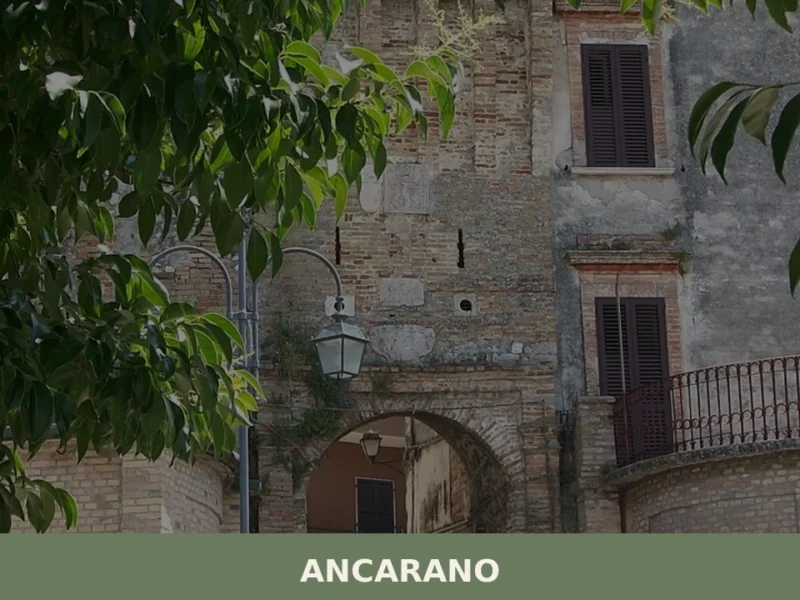
Ancarano
Hills
At 295 metres above sea level, where the province of Teramo brushes against the border with the Marche, Ancarano occupies a strip of hilly territory that slopes down towards the Val Vibrata, with a population of 1,824 inhabitants spread between the historic centre and the surrounding hamlets. Anyone wondering what to see in Ancarano will […]
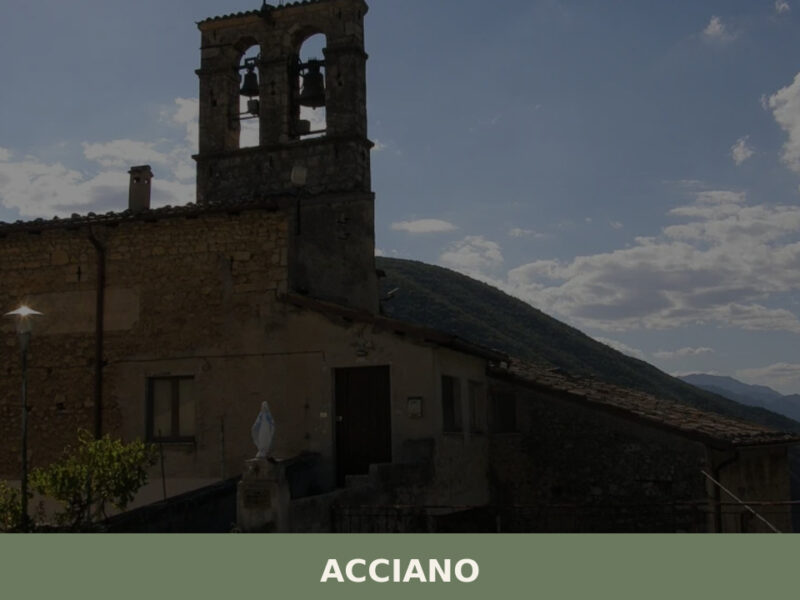
Acciano
Mountain
Morning light falls across stone walls the colour of dried wheat, and the only sound is water — a fountain somewhere below the main road, feeding a trough that has served this valley for centuries. Acciano sits in the Aterno Valley south of L’Aquila, a commune of just 339 inhabitants spread across a handful of […]
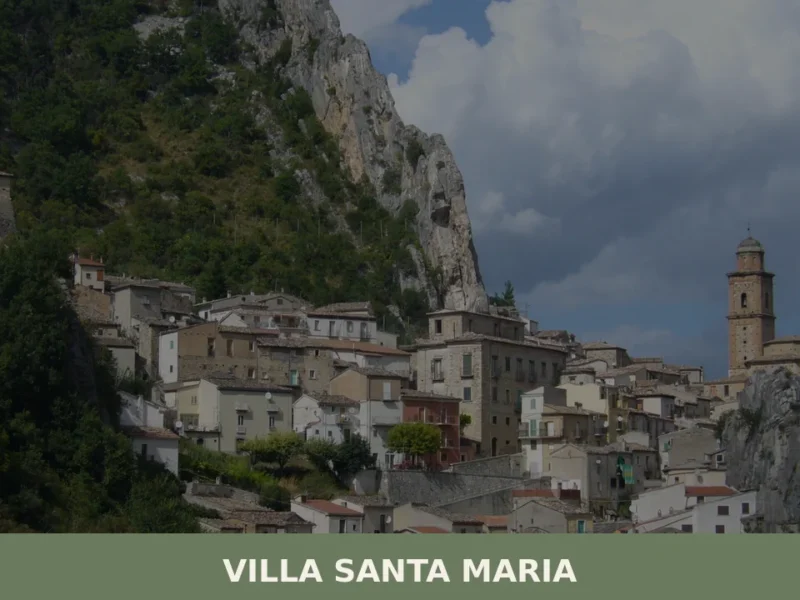
Villa Santa Maria
Mountain
Discover Villa Santa Maria, a mountain village in Abruzzo known as the 'Homeland of Chefs,' offering a unique blend of history, landscapes, and gastronomic legacy.
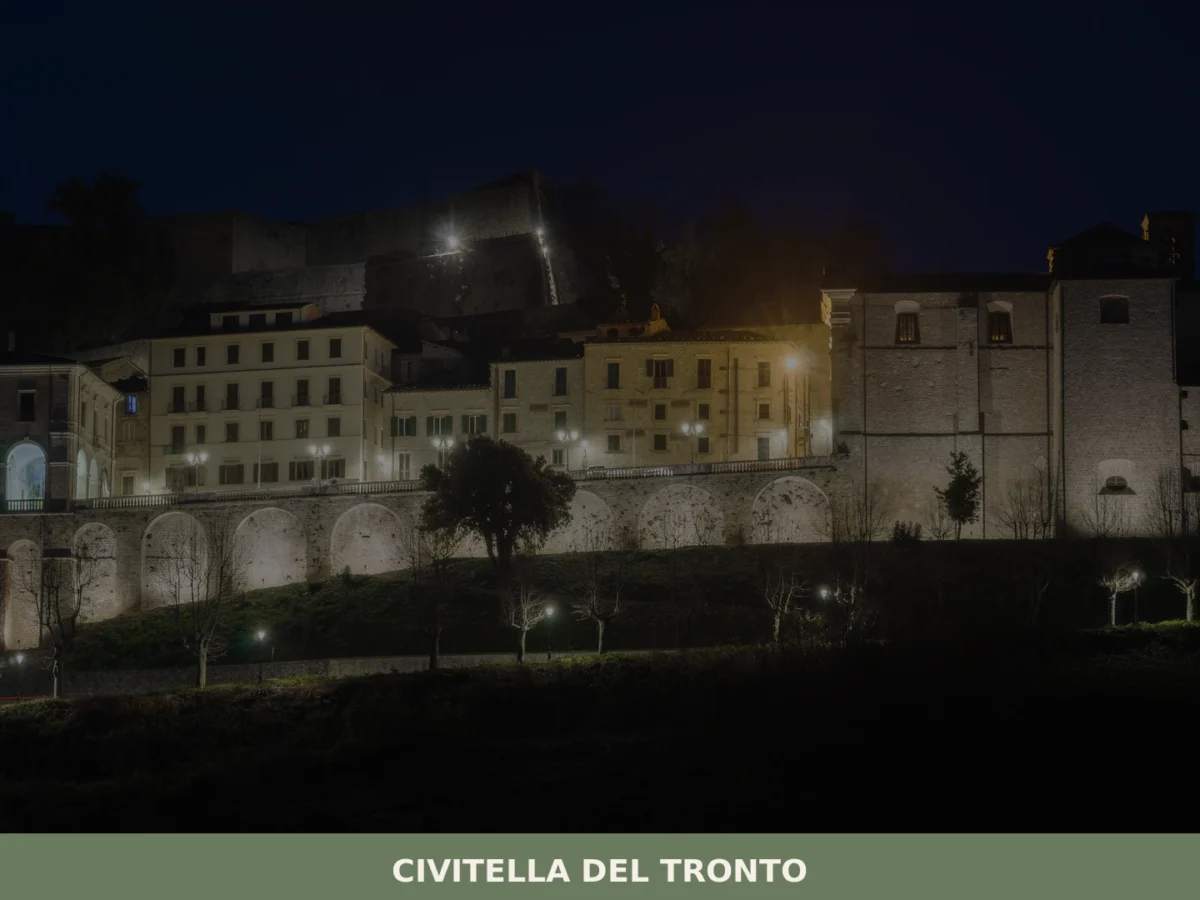
Civitella del Tronto
Hills
what to see in civitella del tronto, Italy: Discover the historic Fortress and the 1326 San Francesco church in this Abruzzo village at 589 meters altitude. Explore now.
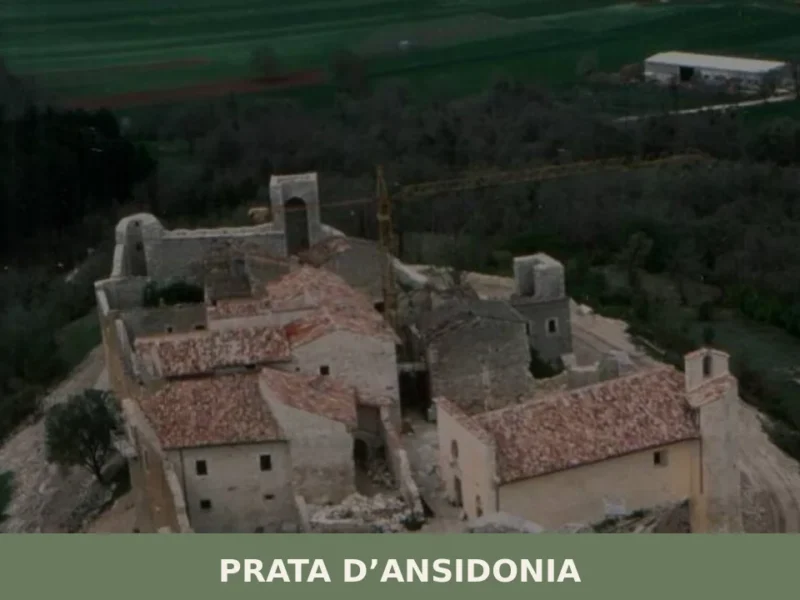
Prata d’Ansidonia
Mountain
What to see in Prata d’Ansidonia? Discover the 5 must-see historic attractions of this village in Abruzzo. Plan your visit and immerse yourself in local history.
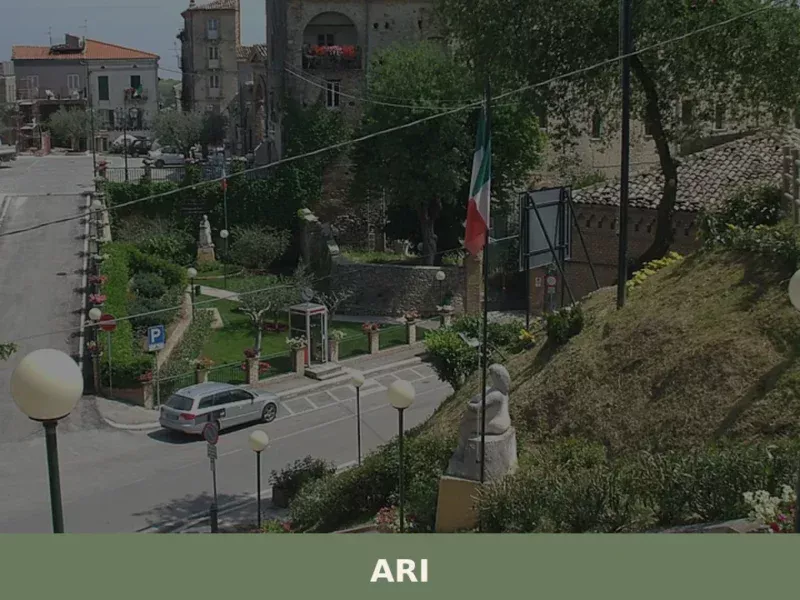
Ari
Hills
Ari has 1,071 inhabitants spread across a hilly area at 289 metres above sea level, in the strip of land that separates the Teatine coast from the first undulations of the Maiella massif. The municipality, in the province of Chieti, occupies a position that commands a view over the valley corridor of the Dendalo stream, […]





🏡 Know Bisegna better than we do?
If you’re a local or have been there, your knowledge matters: add what’s missing or fix a detail on this page.