


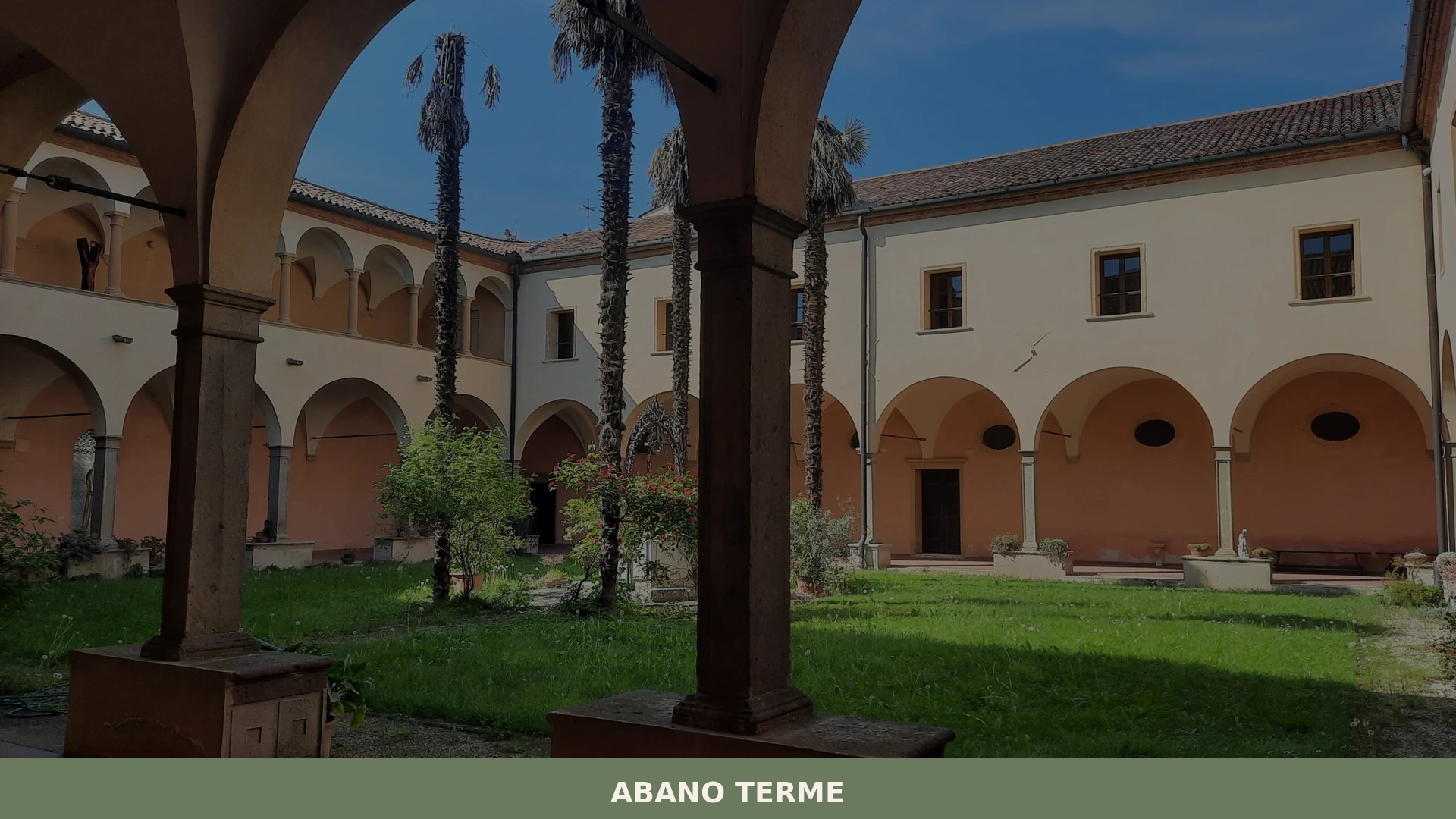
Abano Terme
 Plains
Discover what to see in Abano Terme: Roman thermal history, the Euganean Hills park, local DOC wines, and practical travel tips for Veneto’s top spa town.
Discover Abano Terme
At just 14 metres above sea level, Abano Terme sits at the northeastern edge of the Euganean Hills, 10 kilometres southwest of Padova, in one of Italy’s most geologically active thermal zones. The town’s waters have drawn visitors for centuries, and today more than 250,000 tourists pass through each year. Knowing what to see in Abano Terme means looking beyond the hotel pools and mud baths — though those too are part of the story — toward a layered landscape of Roman history, sacred architecture, and volcanic terrain.
History of Abano Terme
The name itself carries geological weight.
Ancient sources referred to the settlement as Fons Aponi or Aquae Patavinae, a reference to the god Aponus, a local deity associated with the thermal springs that bubble up from deep within the earth. The Romans identified and developed the site for its curative waters, and the term aponensi — still used today to describe the town’s inhabitants — preserves that ancient naming tradition. This continuity of identity across two millennia is not merely symbolic: it reflects how thoroughly the thermal resource has defined the settlement’s purpose from its earliest documented existence.
Through the medieval period, the area fell under the political orbit of the Este family and later the Republic of Venice, whose dominion over the Paduan territories shaped much of the region’s administrative and economic life. The thermal baths continued to function across these centuries, though their use and management shifted with each ruling power. Pietro d’Abano, the thirteenth-century philosopher and physician born here, gave the town one of its most enduring intellectual claims to fame — his work bridging Arabic medical knowledge and European scholasticism brought the town a degree of scholarly renown that reached well beyond its geographic footprint.
His statue still stands in Padova’s Prato della Valle.
The town carried the name Abano Bagni until 1924, when it was officially renamed Abano Terme by royal decree — a deliberate rebranding that aligned the settlement’s civic identity with its primary economic engine. The twentieth century saw systematic expansion of the hotel and spa infrastructure, transforming what had been a modest bathing resort into one of Europe’s principal fangotherapy destinations. The combination of naturally heated radioactive waters, flowing from volcanic depths at temperatures between 70°C and 87°C, and the particular mineral composition of the local mud gave the town a therapeutic profile that attracted medical tourism on an industrial scale.
What to see in Abano Terme: 5 must-visit attractions
Duomo di San Lorenzo
The town’s principal church, dedicated to Saint Lawrence, stands near the central Piazza del Comune. Its current structure reflects baroque reworking of an older religious foundation, and the interior holds canvases and decorative elements accumulated over several centuries of patronage.
The bell tower is visible from much of the flat town centre.
Piazza del Comune and the Town Centre
The civic heart of Abano Terme, Piazza del Comune is framed by early twentieth-century architecture that reflects the town’s development during the thermal tourism boom. The layout itself — wide, pedestrian-friendly, oriented toward hotels and thermal establishments — reveals how thoroughly the town was designed around visitor circulation rather than traditional agricultural or mercantile functions.
The Euganean Hills Natural Park (Parco dei Colli Euganei)
Abano Terme borders the Parco Regionale dei Colli Euganei, a protected area covering over 18,000 hectares of volcanic hills rising abruptly from the Po Plain.
The park contains medieval abbeys, terraced vineyards, and basalt outcrops — a geomorphological record of ancient volcanic activity that explains the thermal phenomenon beneath Abano itself.
Santuario della Madonna della Salute (Montirone)
Perched on the small hill of Montirone — one of the few topographic variations in this otherwise flat terrain — this Marian sanctuary offers a viewpoint over the town and the beginning of the Euganean hills. The site has been a place of devotion for local communities for several hundred years and retains active liturgical use alongside its role as a visitor landmark.
The Thermal Establishments and Mud Therapy Culture
The thermal infrastructure itself constitutes a cultural phenomenon worth examining. The waters emerging from depths of up to 3,000 metres reach the surface between 70°C and 87°C and are used in over 100 hotel-spa complexes. The specific fangotherapy protocol — in which volcanic mud is matured in thermal pools for a minimum of 60 days before application — is recognised as a distinct therapeutic tradition within Italian spa medicine, documented by the Terme Euganee consortium.
Local food and typical products
The agricultural territory surrounding Abano Terme, within the broader Paduan plain and the Euganean Hills, produces several products of documented quality.
The Colli Euganei DOC wine zone covers vineyards growing on volcanic soils within the adjacent park, yielding both white and red wines — including a local variant of Moscato and a Fior d’Arancio Colli Euganei DOCG, a naturally sparkling or passito sweet wine with protected designation status. The volcanic mineral content of the soil contributes to a flavour profile distinctive enough to have justified the separate appellation.
For dining, the Paduan culinary tradition forms the baseline: dishes based on bigoli (a thick whole-wheat pasta), slow-cooked meats, and freshwater fish from the inland waterways appear on menus throughout the area. Soppressa veneta and local cured meats produced in the Euganean foothills are available in delicatessens and markets in and around the town. The Mercato di Abano Terme and the broader network of producers in the Paduan province offer the most direct access to local products outside of restaurant settings. For visitors interested in the regional food context, the official Comune di Padova portal provides useful orientation to the provincial food culture.
Best time to visit Abano Terme
Because the town’s primary offering is thermal and spa-based, it functions as a year-round destination in a way that purely landscape- or beach-driven resorts do not.
Winter months, when outdoor tourism in northern Italy contracts sharply, remain commercially active in Abano Terme: cold air and low light outside the hotel windows do not diminish the value of a 37°C thermal pool. Spring and autumn represent a practical middle ground — milder temperatures, lower hotel occupancy, and the opportunity to combine thermal visits with hiking in the Euganean Hills park, where the trails through chestnut and hornbeam forest are most comfortable between March and May and again in September and October.
Summer brings the largest visitor numbers and the highest prices. The Euganean plain in July and August can be oppressively humid, and the town’s flat, built-up layout offers little shade. If visiting in summer, early mornings in the park or evenings in the piazza are the most comfortable hours.
Local feast days and cultural events tied to the broader Paduan calendar provide additional programming across the year, though visitors should verify specific dates through the municipal information services before planning around them.
How to get to Abano Terme
Abano Terme is straightforwardly accessible by road and rail from the major nodes of northeastern Italy. The town sits 10 kilometres southwest of Padova, which is itself one of the principal stations on the Venice–Milan high-speed rail corridor.
- By train: The nearest mainline station is Padova Centrale, served by Frecciarossa, Intercity, and regional services from Venice (approximately 25 minutes), Milan (approximately 1 hour 50 minutes), and Bologna (approximately 50 minutes). From Padova station, Abano Terme is reachable by bus (SITA/BusItalia services) in approximately 30–40 minutes, or by taxi in around 15 minutes.
- By car: From the A4 Serenissima motorway (Venice–Milan), exit at Padova Ovest and follow the SP47 south toward Abano Terme — approximately 15 minutes from the motorway exit. From the A13 (Padova–Bologna), exit at Terme Euganee–Montegrotto and proceed north.
- By air: Venice Marco Polo Airport (VCE) is approximately 50 kilometres away — around 45–55 minutes by car depending on traffic. Verona Villafranca Airport (VRN) is approximately 90 kilometres to the west. Neither airport has direct public transport links to Abano Terme; a connection via Padova or a hired car is the practical approach.
Where to stay in Abano Terme
Accommodation in Abano Terme is dominated by hotel-spa complexes — there are over 100 thermal hotel establishments in the municipality, ranging from large four- and five-star structures with full fangotherapy programmes to smaller three-star hotels with basic thermal pool access. The concentration of these properties along the main avenues of the town centre means that most visitors are within a short walk of the central piazza and the park edge.
For those whose primary purpose is thermal treatment, staying in-house at a hotel with its own thermal facilities is the conventional and most practical arrangement, since treatment programmes are typically structured around the property’s own pools and mud preparation cycles.
Visitors looking for a quieter base or a lower price point might consider accommodation in adjacent Montegrotto Terme — the neighbouring municipality that shares the same thermal aquifer and has a similarly developed hotel infrastructure. Agriturismi in the Euganean Hills, a short drive away, offer an alternative for those combining spa visits with countryside stays. Booking well in advance is advisable for peak spring and autumn wellness weekends, when demand from domestic Italian and German-speaking European markets keeps occupancy high across the better-equipped properties.
More villages to discover in Veneto
The Veneto region extends well beyond the thermal plain around Padova into dramatically varied terrain. To the northeast of Lake Garda, the village of San Zeno di Montagna occupies the high slopes of Monte Baldo at over 600 metres elevation — a complete geographic contrast to Abano’s flat, volcanic-spring landscape. Equally distinct is San Mauro di Saline, a small Lessinia settlement where the economy has long been tied to the upland pastures and stone-building traditions of the Venetian pre-Alps.
Heading south across the Po Plain, the provincial capital of Rovigo anchors a territory of river delta landscapes and reclaimed agricultural land that tells a very different story of Venetian hydraulic engineering and land management.
Further west, Roveredo di Guà lies in the Guà river valley, where the flat agricultural Veneto transitions toward the Vicenza and Verona hinterland. Together these places illustrate how the region’s identity is built not from a single landscape type but from a sequence of very different physical and cultural zones, each with its own economic logic and settlement history.
Frequently asked questions about Abano Terme
What is the best time to visit Abano Terme?
Abano Terme is a year-round destination thanks to its thermal and spa offerings, which remain appealing regardless of external weather. Winter months are active, with guests enjoying warm thermal pools. For those wishing to combine spa visits with outdoor activities like hiking in the Euganean Hills Natural Park, spring (March-May) and autumn (September-October) offer milder temperatures and lower hotel occupancy. While summer brings the largest visitor numbers, July and August can be humid. Consider visiting around August 10th for the patron saint San Lorenzo's feast day, though specific event details should be verified locally.
What are the historical origins of Abano Terme?
Abano Terme boasts deep historical roots tied to its thermal springs. Ancient Romans knew the settlement as Fons Aponi or Aquae Patavinae, honoring the local deity Aponus. They developed the site for its curative waters, a purpose that has defined the town for millennia. During the medieval period, it came under the Este family and then the Republic of Venice. The 13th-century philosopher Pietro d'Abano, a native, further elevated its intellectual renown. The town was officially renamed Abano Terme in 1924, reflecting its primary thermal identity and setting the stage for its modern development as a leading spa destination.
What to see in Abano Terme? Main monuments and landmarks
Beyond its renowned thermal facilities, Abano Terme offers several points of interest. The Duomo di San Lorenzo, the town's principal church, showcases Baroque architecture and its bell tower is a prominent landmark. The nearby Piazza del Comune represents the civic heart with early 20th-century design. For nature enthusiasts, the Euganean Hills Natural Park, bordering the town, provides volcanic landscapes, hiking trails, and historical sites. The Santuario della Madonna della Salute on Montirone hill offers a panoramic viewpoint over Abano. Lastly, experiencing the unique mud therapy culture within the many thermal establishments is a key part of the visit.
What are the main natural or scenic attractions of Abano Terme?
The primary natural attraction surrounding Abano Terme is the Parco Regionale dei Colli Euganei (Euganean Hills Natural Park). This protected area features volcanic hills rising abruptly from the plain, offering a dramatic landscape for hiking, cycling, and exploring. The park is characterized by basalt outcrops, terraced vineyards, and diverse ecosystems, all direct results of ancient volcanic activity that also fuels Abano's thermal springs. Within the town itself, the small hill of Montirone, home to the Santuario della Madonna della Salute, provides one of the few topographic variations and a pleasant viewpoint.
Where to take the best photos in Abano Terme?
For panoramic views of Abano Terme and the initial stretches of the Euganean Hills, the Santuario della Madonna della Salute on Montirone offers an excellent vantage point. The Duomo di San Lorenzo's prominent bell tower provides a classic architectural subject within the town center. The expansive, pedestrian-friendly Piazza del Comune, with its early 20th-century architecture, is ideal for capturing the town's civic atmosphere. For natural landscapes, the trails and viewpoints within the adjacent Euganean Hills Natural Park offer stunning opportunities to photograph volcanic terrain, vineyards, and historic abbeys.
Are there museums, churches or historic buildings to visit in Abano Terme?
Abano Terme features several notable religious and civic structures. The Duomo di San Lorenzo, the town's main church, is a Baroque edifice with a distinctive bell tower, generally open to visitors during daylight hours. The Santuario della Madonna della Salute, perched on Montirone hill, is a historic Marian sanctuary also accessible to the public. While specific museum institutions are not highlighted, the Piazza del Comune itself is an example of early 20th-century urban planning reflecting the town's thermal tourism boom. For current opening times or mass schedules for the churches, it's advisable to check locally upon arrival.
What can you do in Abano Terme? Activities and experiences
Abano Terme primarily offers a range of wellness and relaxation activities centered around its renowned thermal waters and fangotherapy. Visitors can indulge in therapeutic mud baths, thermal swimming pools, and spa treatments available in over 100 hotel-spa complexes. Beyond the spas, the adjacent Euganean Hills Natural Park provides excellent opportunities for hiking, cycling, and exploring medieval abbeys and vineyards. Culinary experiences include tasting local Colli Euganei DOC wines and savoring traditional Paduan dishes like bigoli and slow-cooked meats, available in local restaurants and markets.
Who is Abano Terme suitable for? Families, couples, hikers, solo travelers?
Abano Terme is ideally suited for individuals and couples seeking relaxation, wellness, and therapeutic spa treatments. Its extensive thermal infrastructure caters to those looking for a rejuvenating getaway, making it popular with an older demographic but also increasingly with younger visitors seeking a health-focused break. Hikers and nature enthusiasts will appreciate the proximity to the Euganean Hills Natural Park. While not primarily a destination for active family entertainment, families seeking a calm base with hotel pool access might find it appealing. Solo travelers looking for tranquility and self-care will also enjoy the offerings.
What to eat in Abano Terme? Local products and specialties
The culinary landscape of Abano Terme is rich, drawing from both the fertile Paduan plain and the volcanic Euganean Hills. A highlight is the Colli Euganei DOC wine, including variants like Moscato and the protected Fior d'Arancio Colli Euganei DOCG, often found in local vineyards. The regional cuisine features traditional Paduan dishes such as bigoli (thick whole-wheat pasta), hearty slow-cooked meats, and freshwater fish. Local delicatessens and markets, like the Mercato di Abano Terme, offer Soppressa veneta and other cured meats produced in the Euganean foothills, showcasing the area's diverse agricultural heritage.
📷 Photo Gallery — Abano Terme
Nearby Villages near Abano Terme
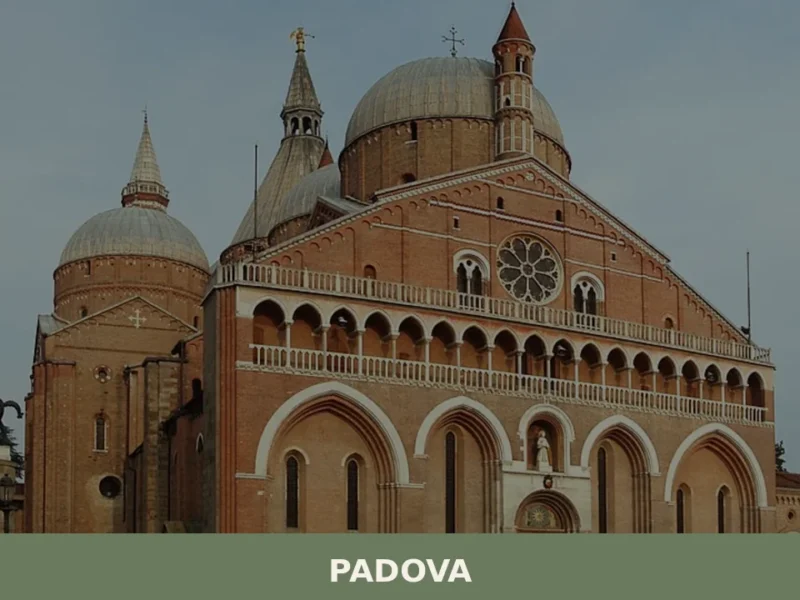
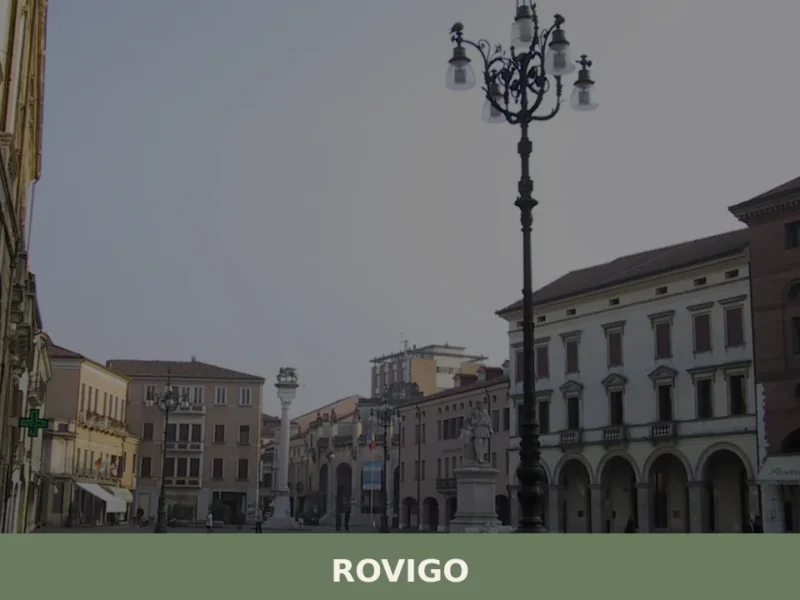
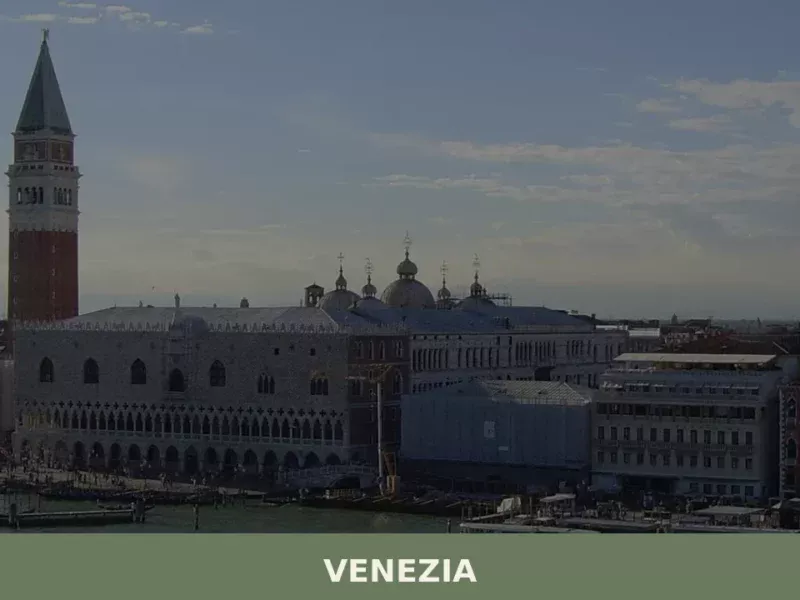
In Veneto More villages to discover
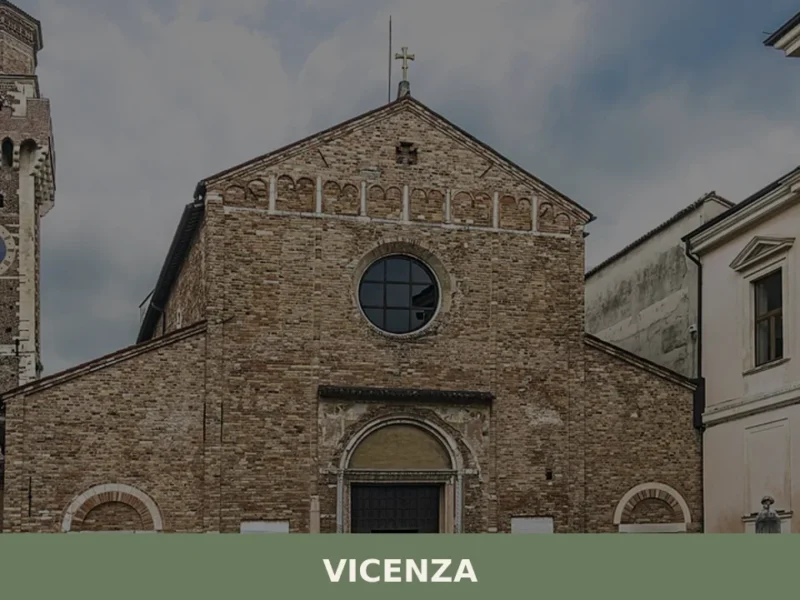
Vicenza
Plains
Village of Vicenza: Explore 1 architectural masterpiece, the Olympic Theatre, and taste traditional baccalà. Plan your Italy trip now!
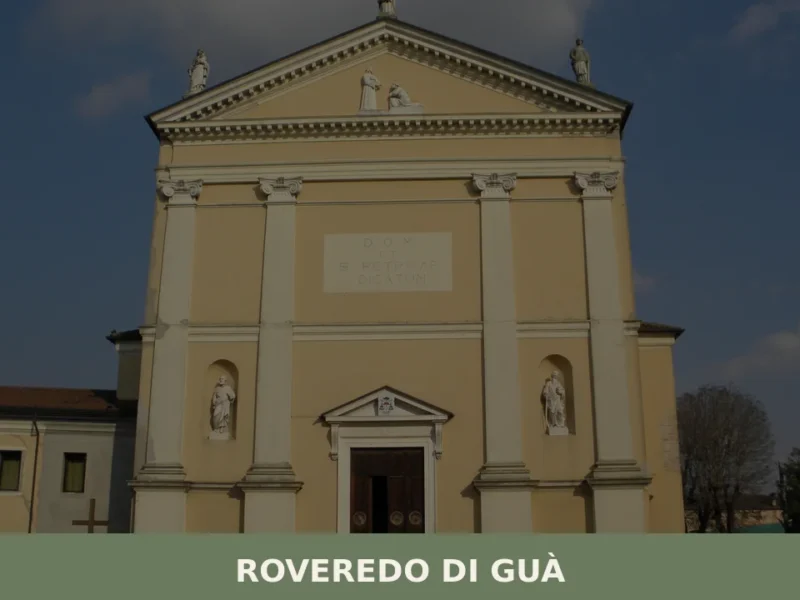
Roveredo di Guà
Plains
Roveredo di Guà has 1,542 inhabitants and covers an area of just 8 square kilometres on the lower Veronese plain, 16 metres above sea level, along the course of the Guà canal — a branch of the Adige river system that has determined the shape and economy of this territory. Understanding what to see in […]
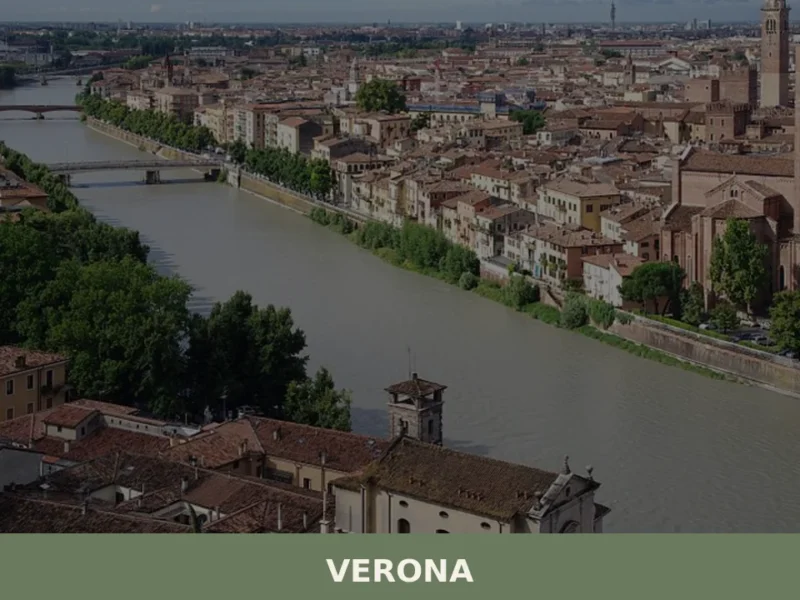
Verona
Plains
What to see in Verona, a UNESCO city of 255,000 people. Explore the Roman Arena, Juliet's House, San Zeno Basilica and local dishes like bollito and pearà. Plan your visit now.
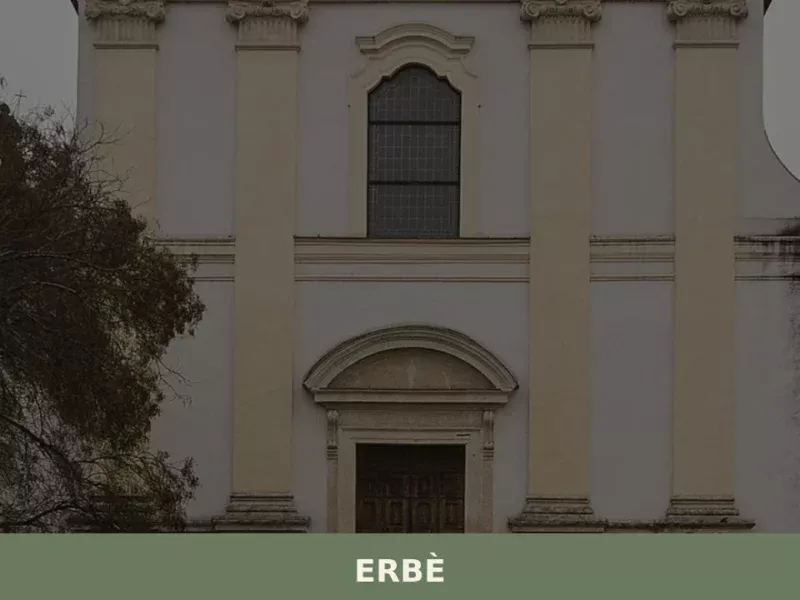
Erbè
Plains
Erbè has 1,838 inhabitants and occupies a stretch of the Veronese plain north of the Tione dei Monti river, along the road connecting Verona to Mantua. The municipal territory, almost entirely flat and crossed by a dense network of irrigation canals, was progressively reclaimed starting in the 15th century under the administration of the Republic […]
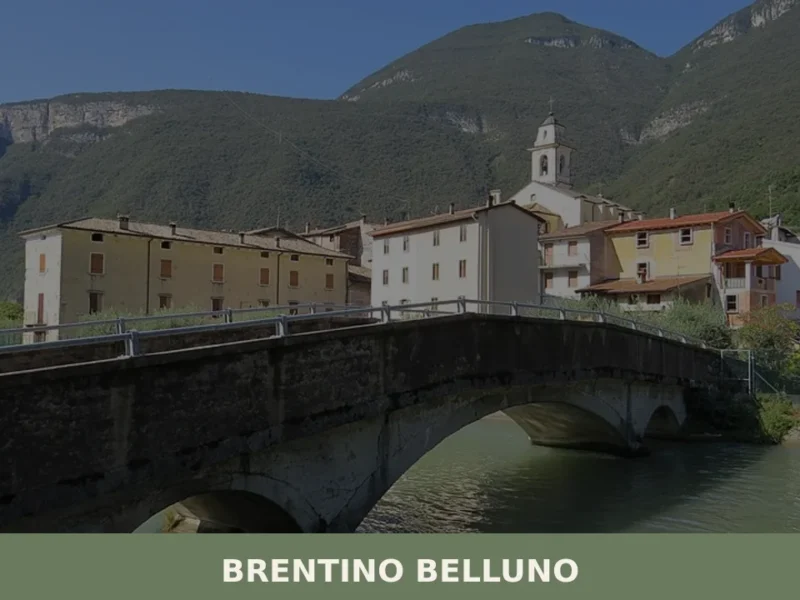
Brentino Belluno
Plains
At 137 metres above sea level, where the Adige Valley narrows between Monte Baldo and the Lessini Mountains, Brentino Belluno is a municipality of 1,363 inhabitants created in 1929 through the administrative merger of two distinct settlements: Brentino, on the left bank of the Adige, and Belluno Veronese, clinging to the eastern slope of Monte […]
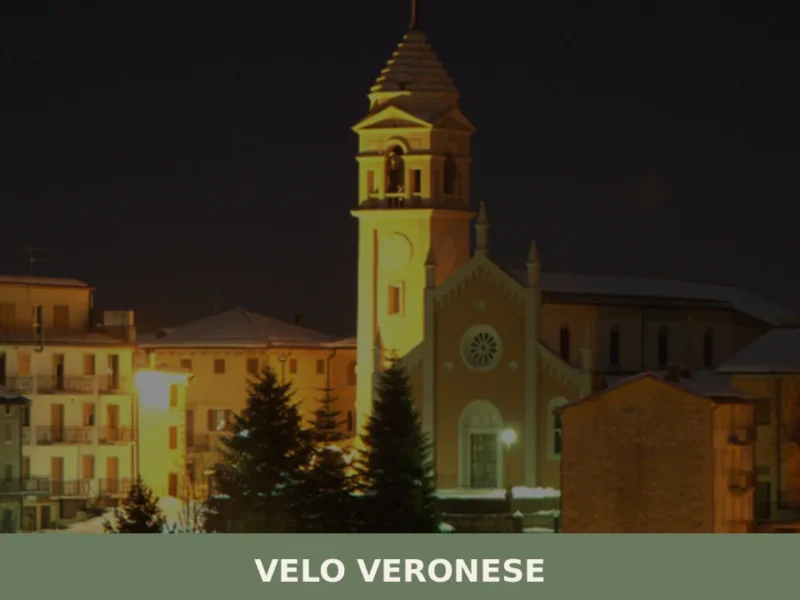
Velo Veronese
 Mountain
At 1,087 metres above sea level, on the eastern slope of the Lessinia range in the Verona province, Velo Veronese has 770 inhabitants spread between its central nucleus and the scattered contrade (hamlets) across the plateau. Anyone wondering what to see in Velo Veronese should know that this municipality is the main gateway to the […]
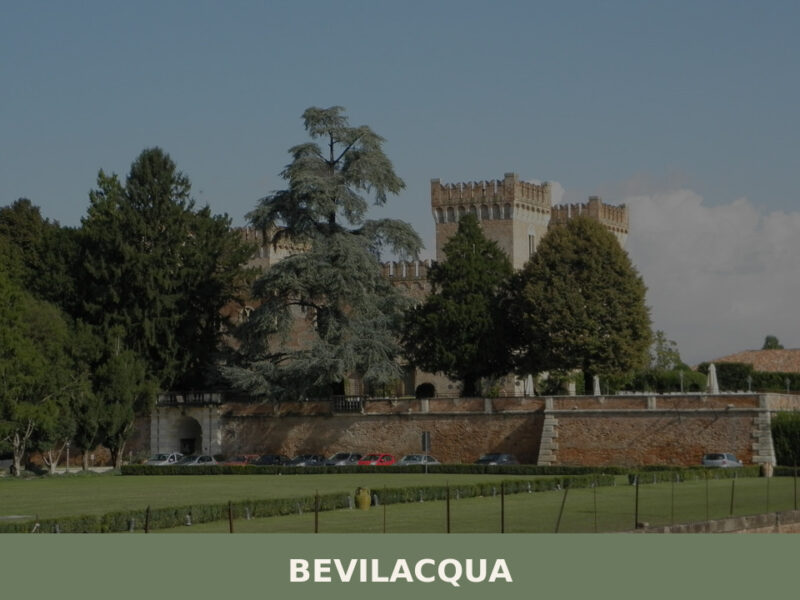
Bevilacqua
Mountain
A castle rising over the Fratta River, fewer than 1,800 inhabitants, and the quiet agricultural heart of the Veronese plain. Here's what to see in Bevilacqua.
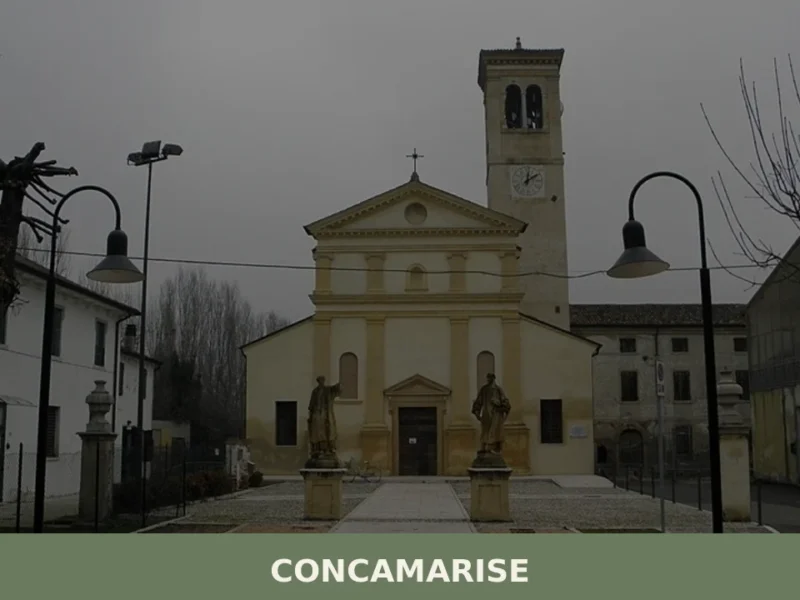
Concamarise
Plains
Concamarise, a municipality in Verona province with 1,053 inhabitants, rises only 21 meters above sea level, located in the Bassa Veronese, an area known for its long-standing agricultural tradition and complex hydrographic network. Its very name suggests a connection with water: “Conca” refers to a territorial depression, while “Marise” is likely linked to the marshy […]
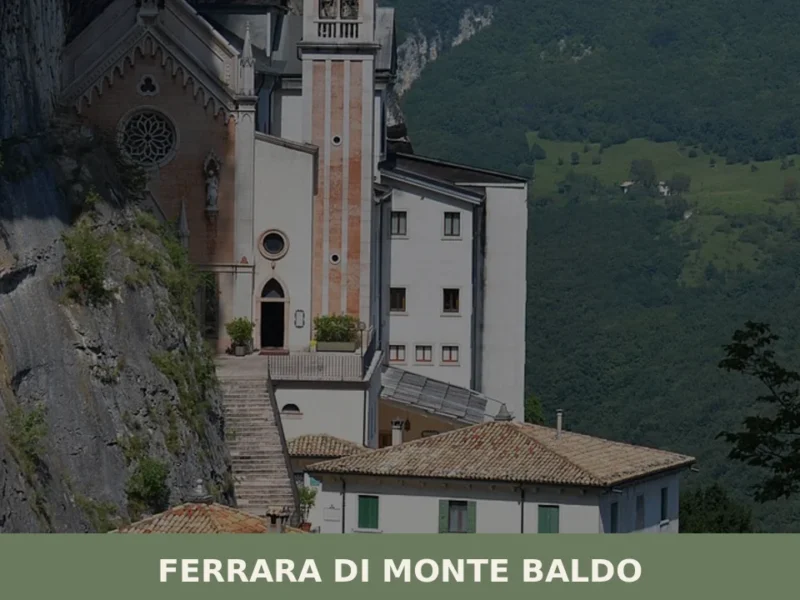
Ferrara di Monte Baldo
Mountain
A comune of 280 residents at 856 metres elevation. Discover stone architecture shaped by alpine seasons and the territory that connects the Garda rim to the high Veronese interior.
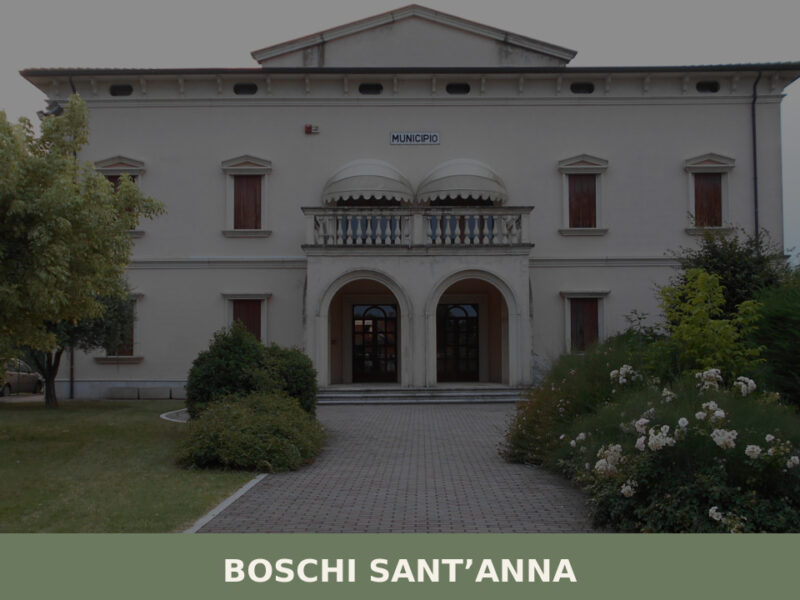
Boschi Sant’Anna
Plains
A quiet farming village of 1,359 inhabitants on the Veronese plain. Discover what to see in Boschi Sant'Anna, from its parish church to the canal-laced agricultural landscape.





🏡 Know Abano Terme better than we do?
If you’re a local or have been there, your knowledge matters: add what’s missing or fix a detail on this page.