


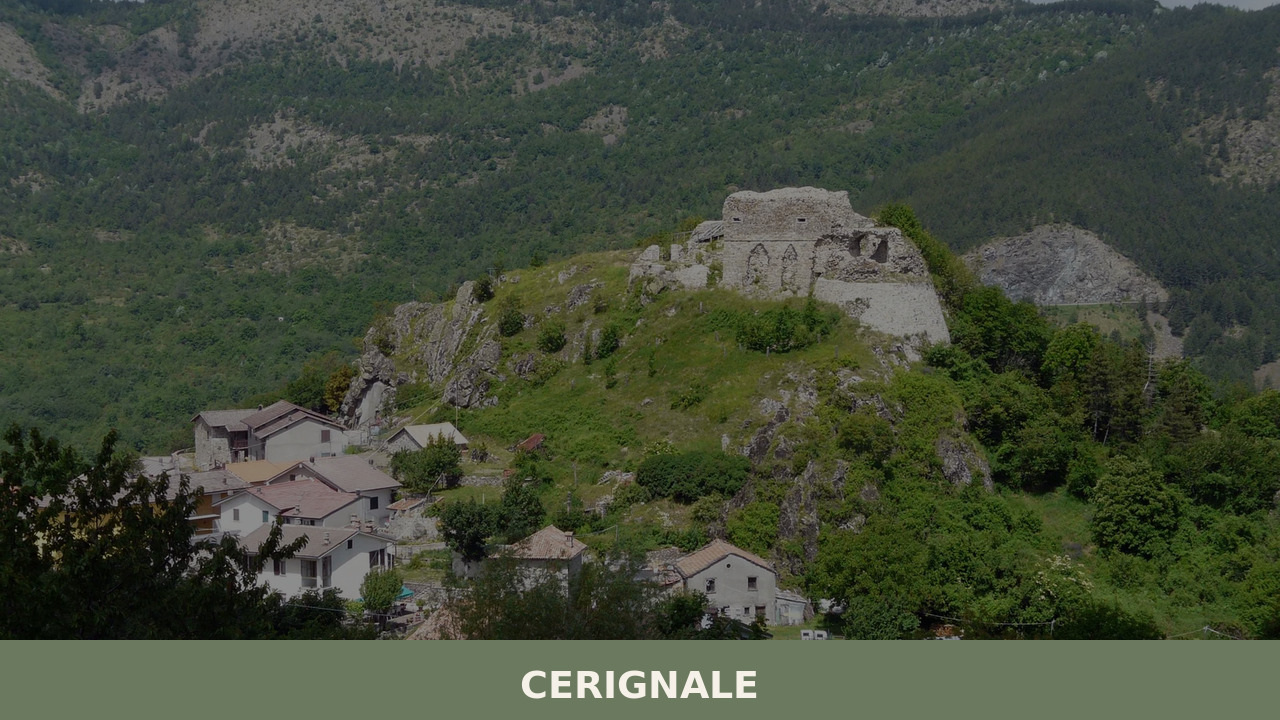
Cerignale
 Mountain
Cerignale, a 117-resident village at 725 metres in the Piacenza Apennines, holds medieval ruins, a geological elephant, and the silence of the upper Val Trebbia.
Discover Cerignale
Morning mist lifts off the Trebbia valley in slow, unravelling sheets, and the first sound you register is absence — no traffic, no construction, no crowd. Cerignale sits at 725 metres above sea level, home to 117 residents, a place where stone walls outnumber people and the Apennine ridge defines every horizon. If you are wondering what to see in Cerignale, the answer begins the moment you arrive: a landscape shaped by geology and centuries of quiet human persistence, not by tourism.
History of Cerignale
Cerignale’s origins reach back to the early medieval period, when scattered settlements across the upper Val Trebbia served as outposts along the routes connecting the Po Plain to the Ligurian coast. The name itself likely derives from a Latin root — possibly linked to “Cerrus,” the Turkey oak that still dominates the surrounding forests — though definitive etymological certainty remains elusive. What is documented is the territory’s role as a feudal holding, passing through the hands of successive noble families who built fortifications to control the narrow valleys threading between Piacenza and Genoa.
The Castello di Cariseto, the most visible relic of that feudal past, anchored the hamlet of Cariseto within the comune’s boundaries. Its stone tower and walls testify to a period when control over mountain passes carried genuine strategic value. Through the late Middle Ages and into the early modern era, Cerignale’s population was sustained by chestnut cultivation, sheep grazing, and the timber trade — economies that have since contracted, leaving the village in the quiet depopulation that marks much of Italy’s Apennine interior.
By the twentieth century, emigration — first to the industrial cities of northern Italy, then abroad — reduced Cerignale to one of the smallest comuni in the province of Piacenza. Yet the built environment remains: churches, ruins, dry-stone terraces, and the road network that once linked these mountain communities to the wider world.
What to see in Cerignale: 5 must-visit attractions
1. Castello di Cariseto
The castle stands in the frazione of Cariseto, its rough-cut stone walls visible long before you reach the hamlet. Dating to the medieval period, the structure retains a defensive tower and partial curtain wall. It is privately held and not open for interior visits, but the exterior and surrounding views of the valley reward the short walk from the main road.
2. The Elephant of the Trebbia (Elefante del Trebbia)
Just below Cerignale, a geological formation on the Monte Cerello massif bears an unmistakable resemblance to an elephant in profile. The shape is the result of differential erosion on layered sedimentary rock. It is best viewed from the road or opposite bank of the valley, and its outline shifts convincingly with the angle of sunlight — morning and late afternoon produce the sharpest definition.
3. Madonnina della Val Trebbia
A roadside statue of the Madonna, positioned as protector of the valley and its winding road. The figure occupies a natural vantage point above the Trebbia gorge, and the site functions as an informal lookout. The installation reflects a deeply rooted tradition of wayside devotion found across the Apennine passes, marking both spiritual and geographic thresholds.
4. Ruins of the Chiesa dell’Invenzione di Santo Stefano, Selva
In the frazione of Selva, the roofless walls of this church stand among encroaching vegetation. Dedicated to the Invention (discovery) of the relics of Saint Stephen, the ruin preserves its basic nave structure and stone masonry. It is a sobering marker of population decline — a building that once served a community now largely gone.
5. Panoramic walk above Cariseto
The terrain around Cariseto offers footpaths that climb through mixed oak and chestnut woodland to open ridge points. From here, the view stretches across the Trebbia valley to the opposite Apennine slopes. No formal trail signage exists on all routes, so a topographic map or GPS device is advisable. The walk itself is the attraction — silence, altitude, and unobstructed sightlines.
Local food and typical products
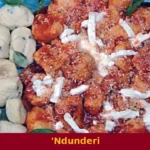
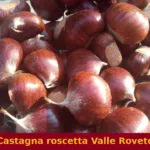
Cerignale belongs to the culinary orbit of the Piacenza Apennines, where the kitchen is shaped by altitude, livestock, and forest. Cured meats dominate: coppa piacentina DOP, pancetta piacentina DOP, and salame piacentino DOP are produced across the province and appear on tables here as a matter of course. Chestnut flour, once the staple carbohydrate of mountain communities, still features in local recipes — used for flatbreads, cakes, and a dense porridge. Pisarei e fasö, small hand-rolled bread dumplings served with a borlotti bean and tomato sauce, is the signature first course of the Piacenza hills.
Dining options within the comune itself are extremely limited, consistent with a village of 117 inhabitants. Seasonal agriturismi and small trattorie may operate in the surrounding frazioni and along the Val Trebbia road, but availability fluctuates — confirming opening times in advance is essential, particularly outside the summer months. For a wider selection of restaurants and producers, the town of Bobbio, roughly 20 kilometres down the valley, serves as the gastronomic hub of the upper Trebbia.
Best time to visit Cerignale
Late spring — May through mid-June — brings the clearest air and the fullest green to the valley, with wildflowers across the meadows and comfortable daytime temperatures between 15°C and 22°C at this altitude. Autumn, particularly October, is the second prime window: chestnut harvest season, reduced haze, and a canopy that turns from deep green to copper and ochre over the course of a few weeks. Summer brings warmth but also occasional thunderstorms in the Apennines; the valley is notably cooler than the plains of Piacenza, making it a functional retreat from lowland heat.
Winter transforms the village — snow is common above 700 metres, and some roads may become difficult or impassable without chains. Services contract to near zero. If you come in winter, come prepared and come for the solitude itself. Local festivals, where they occur, tend to cluster in the summer months, often centred on food — chestnut and mushroom sagre in the surrounding valley — but dates and continuity vary with the shrinking population.
How to get to Cerignale
Cerignale is reached by the SS45, the state road that follows the Trebbia valley from Piacenza south towards Genoa — one of Italy’s great driving roads, with continuous curves and elevation changes over its roughly 90-kilometre course. From Piacenza, the drive to Cerignale takes approximately one hour and fifteen minutes. From Milan, allow around two and a half hours via the A1 motorway to Piacenza, then south on the SS45. From Genoa, the approach is shorter in distance but slower, climbing north through the Ligurian Apennines — roughly two hours.
There is no rail station in Cerignale. The nearest railway stop with regular service is Piacenza, on the Milan–Bologna main line. From Piacenza, bus connections into the Val Trebbia exist but are infrequent and not designed for tourist schedules; a car is effectively required. The nearest airports are Milan Linate (approximately 150 km), Milan Malpensa (approximately 200 km), and Parma (approximately 120 km).
More villages to discover in Emilia-Romagna
The upper Val Trebbia holds a chain of small comuni that share Cerignale’s Apennine character — sparse population, stone architecture, and an economy rooted more in memory than in present activity. Downstream, Ottone sits at a strategic junction where the Trebbia valley branches, a slightly larger settlement that has retained more of its services and offers a broader base for exploring the surrounding ridgelines and forests.
Further afield but still within the province of Piacenza, Zerba claims one of the smallest populations of any Italian comune — a status it shares, in spirit, with Cerignale. Together, these villages form a constellation of Apennine communities that have outlasted centuries of economic pressure, and visiting them in sequence gives a fuller picture of how mountain life in Emilia-Romagna persists, adapts, and, in some places, quietly fades.
Frequently asked questions about Cerignale
What is the best time to visit Cerignale?
Late spring (May to mid-June) offers the clearest air, wildflowers, and temperatures between 15°C and 22°C — ideal for walking and photography. Autumn (October) is equally rewarding: chestnut harvest season transforms the forests to copper and ochre. Summer is cooler than the Piacenza plains, making Cerignale a genuine mountain retreat. The feast of patron saint San Lorenzo falls on 10 August, a traditional date to experience local devotion. Avoid winter unless you seek deep solitude — snow is common above 700 metres and services are minimal.
What are the historical origins of Cerignale?
Cerignale's roots trace to the early medieval period, when settlements in the upper Val Trebbia controlled routes between the Po Plain and the Ligurian coast. Its name likely derives from 'Cerrus,' the Turkey oak native to these slopes. The territory became a feudal holding, and the Castello di Cariseto — still visible today — was built to dominate the valley passes. Chestnut cultivation, sheep grazing, and the timber trade sustained the population for centuries. Twentieth-century emigration to northern Italian cities and abroad reduced Cerignale to one of the smallest comuni in the province of Piacenza.
What to see in Cerignale? Main monuments and landmarks
The Castello di Cariseto in the hamlet of Cariseto is the most prominent historic structure — a medieval tower and partial curtain wall visible from the valley road. It is privately owned and not open for interior visits, but the exterior is freely accessible. The ruined Chiesa dell'Invenzione di Santo Stefano in Selva preserves its roofless stone nave among vegetation. The Madonnina della Val Trebbia offers a roadside shrine and informal viewpoint above the Trebbia gorge. All sites are compact and reachable by car; no admission fees apply.
What are the main natural or scenic attractions of Cerignale?
The Elefante del Trebbia is a striking geological formation on the Monte Cerello massif — layers of eroded sedimentary rock that form an unmistakable elephant profile in the hillside. It is best viewed from the road or opposite bank, with morning and late-afternoon light producing the sharpest outline. The panoramic footpaths above Cariseto climb through oak and chestnut woodland to open ridgelines with unobstructed views across the Trebbia valley. No formal trail signage covers all routes; a topographic map or GPS device is strongly recommended before setting out.
Where to take the best photos in Cerignale?
Three spots stand out. The Elefante del Trebbia geological formation reads most dramatically from the opposite bank of the valley or from the SS45 road below Cerignale — morning light defines the profile best. The Madonnina della Val Trebbia combines a sculptural subject with a natural backdrop above the gorge. The ridge above Cariseto, reached on foot through chestnut woodland, delivers wide-angle valley panoramas with no foreground clutter. Autumn morning mist rising off the Trebbia is the signature atmospheric condition, best captured from any elevated point on the village perimeter.
Are there museums, churches or historic buildings to visit in Cerignale?
Cerignale's built heritage is modest but authentic. The Castello di Cariseto — a medieval tower and curtain wall in the frazione of Cariseto — is the most substantial historic structure, viewable from the exterior only as it remains in private ownership. The ruined Chiesa dell'Invenzione di Santo Stefano in the frazione of Selva is an evocative open-air ruin accessible on foot. No museums operate within the comune. For the nearest museum infrastructure, the town of Bobbio, approximately 20 kilometres down the Trebbia valley, offers historic collections and a well-preserved medieval bridge.
What can you do in Cerignale? Activities and experiences
Walking is the primary activity. The footpaths above Cariseto climb through mixed oak and chestnut woodland to open ridgelines — bring a topographic map or GPS as signage is incomplete. Spotting the Elefante del Trebbia geological formation from the valley road is a short, rewarding stop. The SS45 through the Val Trebbia is widely regarded as one of Italy's great driving roads, and Cerignale sits at a particularly dramatic section. In autumn, chestnut and mushroom sagre in the surrounding valley offer seasonal food experiences. Birdwatching and wildlife observation are possible given the low human disturbance in the area.
Who is Cerignale suitable for?
Cerignale suits visitors who actively seek silence, landscape, and an unmediated encounter with Apennine mountain life. Hikers and nature photographers will find the terrain and light conditions rewarding. Couples looking for an off-grid escape from urban noise will appreciate the altitude and the near-total absence of tourist infrastructure. It is less suitable for families with young children expecting organised activities or amenities. Solo travellers drawn to slow, contemplative travel will find Cerignale close to ideal. It is not a destination for those who need restaurants, shops, or conventional sightseeing on demand.
What to eat in Cerignale? Local products and specialties
Cerignale sits within the culinary territory of the Piacenza Apennines, anchored by three DOP-certified cured meats: coppa piacentina DOP, pancetta piacentina DOP, and salame piacentino DOP. Chestnut flour — historically the mountain staple — appears in flatbreads, cakes, and dense porridge. Pisarei e fasö, small hand-rolled bread dumplings with borlotti beans and tomato, is the signature first course of the Piacenza hills. Dining within Cerignale itself is extremely limited; seasonal agriturismi operate in the surrounding area but require advance confirmation. Bobbio, roughly 20 kilometres down the valley, is the nearest reliable base for restaurants and local producers.
Nearby Villages near Cerignale
In Emilia-Romagna More villages to discover
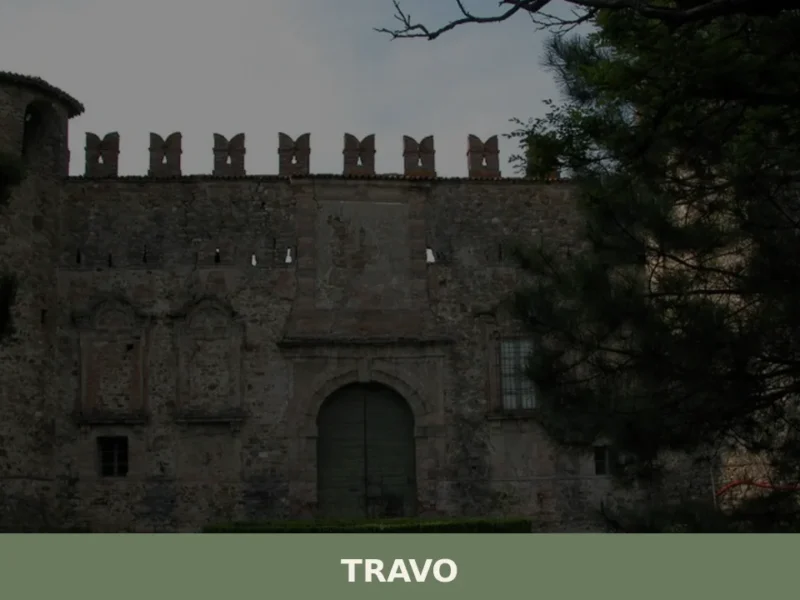
Travo
 Plains
At 171 metres above sea level, in the lower Val Trebbia, Travo is one of those centres in the province of Piacenza where the historical layers of the past surface in visible, tangible ways: from pre-Roman foundations to the medieval domains of the Malaspina and Landi families, with traces of the Matildine Middle Ages in […]
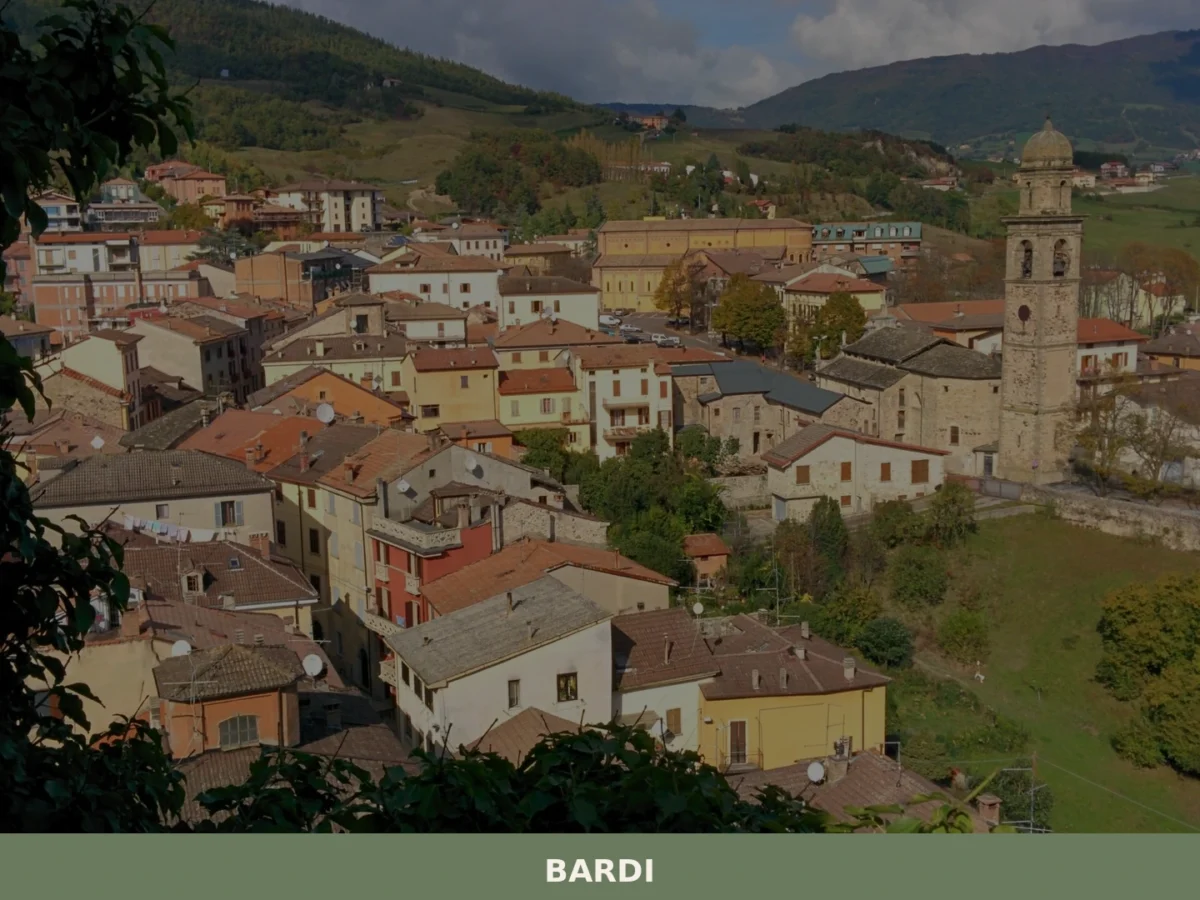
Bardi
Mountain
What to see in Bardi, Italy: Explore the Landi Castle and its 13th-century Oratory at 625 m altitude. Discover this mountain village in Emilia-Romagna.

Sorbolo
Plains
Sorbolo offers 3,000 years of history from Bronze Age terramare to Farnese noble palaces. Visit for Roman centuriation, a Serassi organ and authentic Po Valley cuisine.
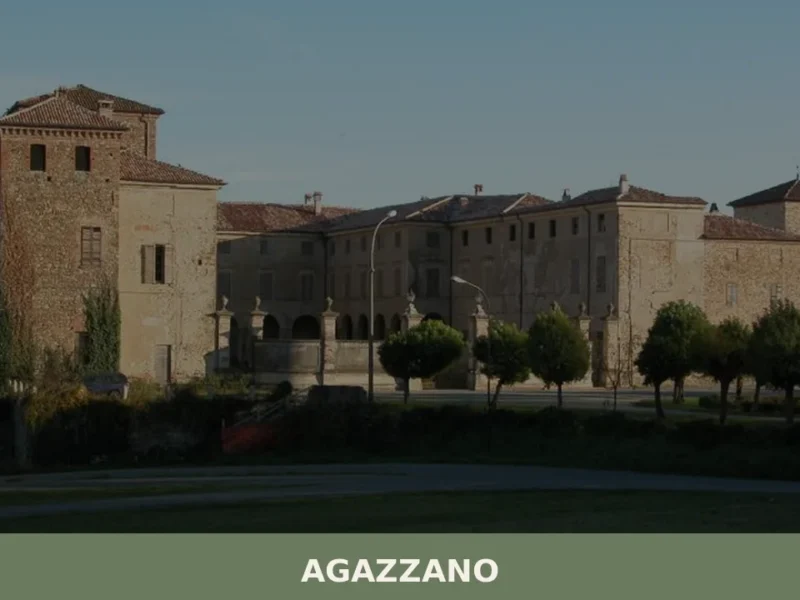
Agazzano
Plains
What to see in Agazzano, a village at 187 m in Piacenza province with 2,054 residents. Explore the medieval castle, Santa Maria Assunta church and Val Luretta. Plan your visit.
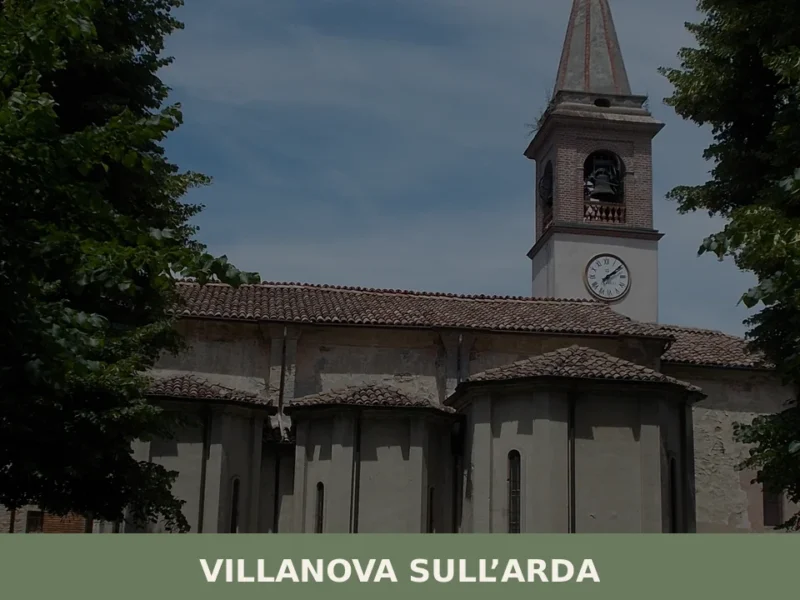
Villanova sull’Arda
Plains
In 1813, in the hamlet of Sant’Agata, Giuseppe Verdi was born — the composer who would rewrite the history of European melodrama. Villanova sull’Arda, home to 1,894 inhabitants in the Bassa Piacentina lowlands, still bears the marks of that bond: the villa where Verdi lived for over half a century with soprano Giuseppina Strepponi stands […]
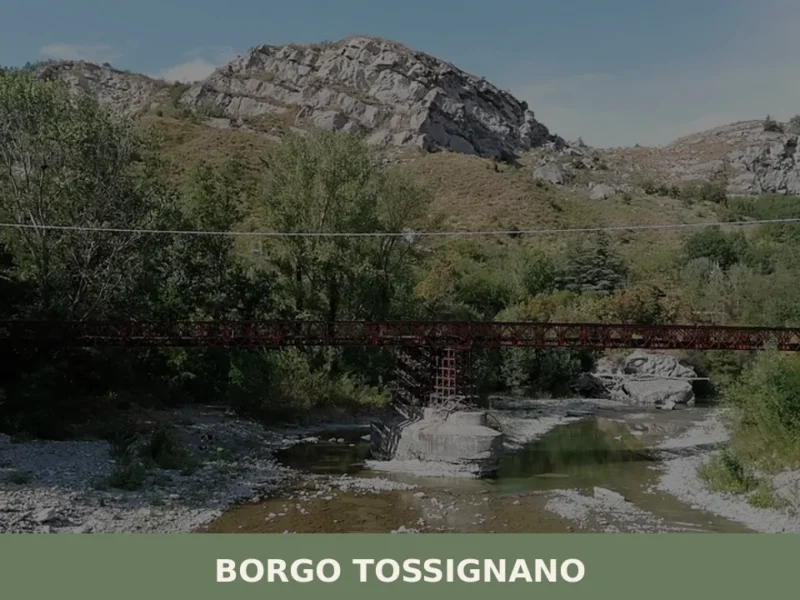
Borgo Tossignano
Plains
What to see in Borgo Tossignano: a complete guide to the village in the Santerno Valley In February 1945, Allied troops and retreating German units fought over every metre of the Santerno Valley, and Borgo Tossignano paid a devastating price: much of the settlement was levelled by bombing, and the post-war reconstruction reshaped the village […]
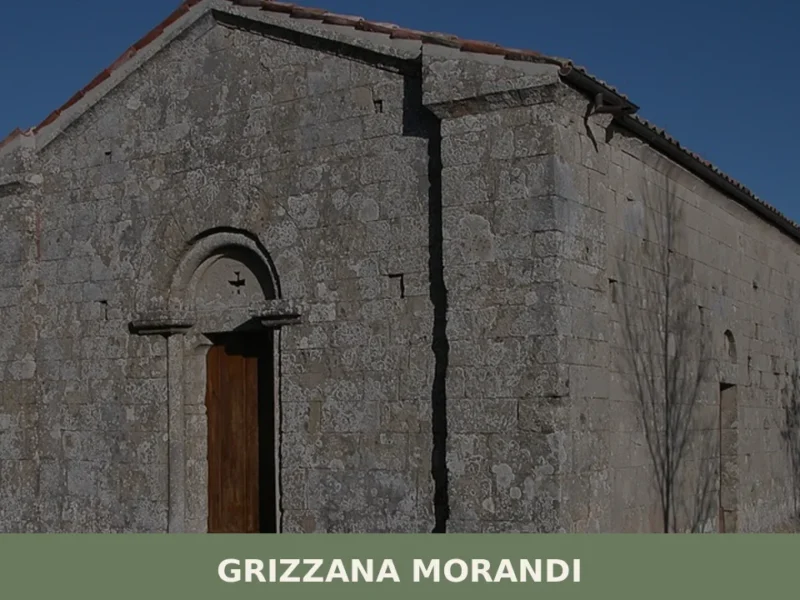
Grizzana Morandi
 Hills
Hills
In 1929, the Bolognese painter Giorgio Morandi travelled to Grizzana for the first time — a scattered municipality in the Emilian Apennines that he would return to every summer for over thirty years. From the barns and tower-houses of this valley, he painted hundreds of landscapes, transforming the clay badlands and mountain ridgelines into universal […]
Alfonsine
Plains
What to see in Alfonsine? Discover the top 5 attractions of the village in Emilia-Romagna. From the house museum to nature trails, plan your visit now!
Bettola
Hills
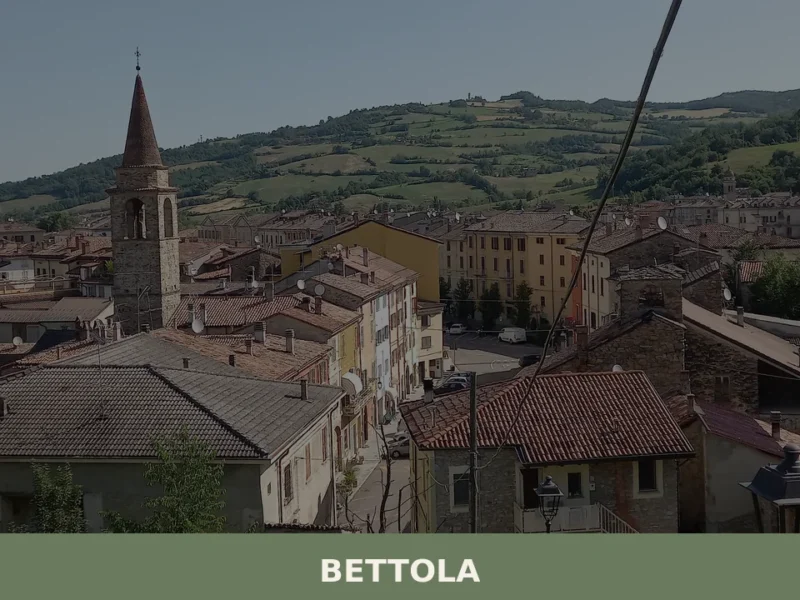
What to see in Bettola: a Val Nure village at 329 m with 2,983 residents. Discover the Sanctuary of the Madonna della Quercia, Piacenza DOP cured meats and how to get there.
Baiso
Hills
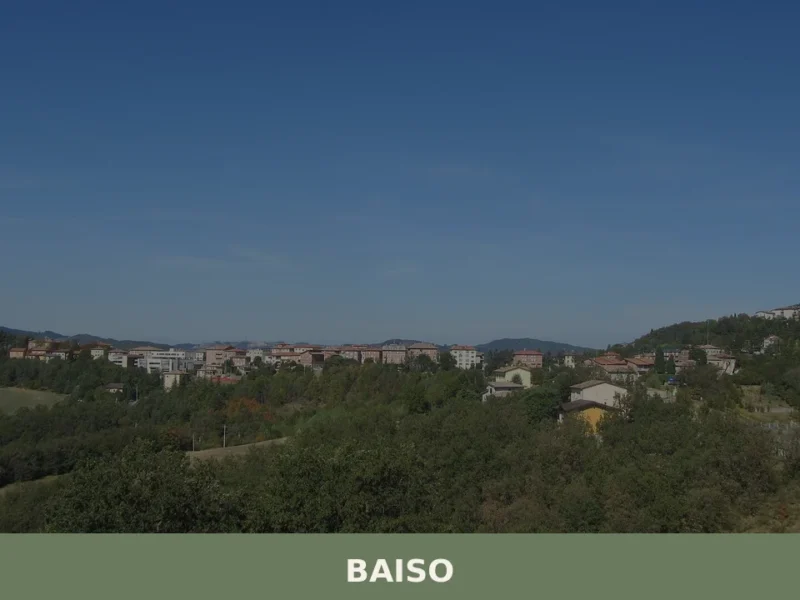
The ridge road into Baiso levels out at 542 m (1,778 ft) above the Po Plain and delivers a view across the Apennine foothills that is measurable rather than vague: the valley floors of the Secchia drainage basin lie several hundred metres below, and the profiles of Carpineti and Castellarano mark the horizon to the […]

🏡 Know Cerignale better than we do?
If you’re a local or have been there, your knowledge matters: add what’s missing or fix a detail on this page.