


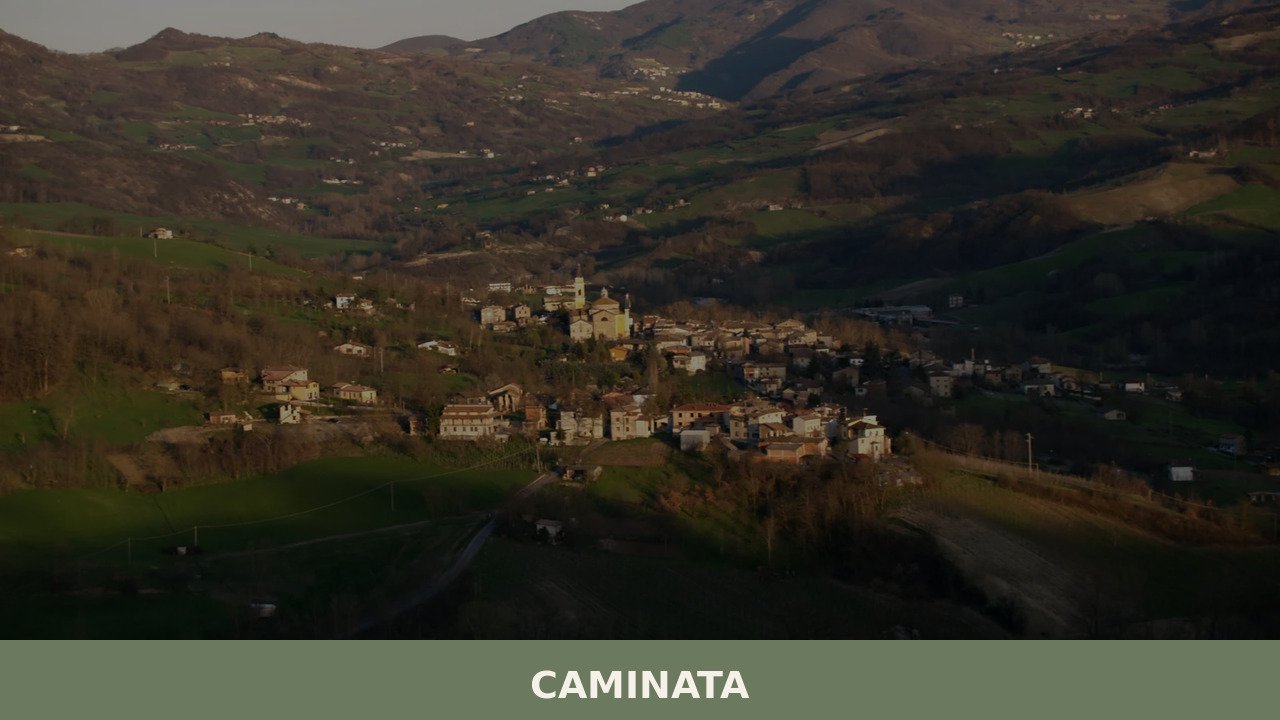
Caminata
 Hills
Hills
Caminata sits at 364 metres in the Val Tidone, Piacenza province. A guide to its church, trails, Apennine food traditions, and surrounding landscape.
Discover Caminata
Morning fog lifts from the Tidone valley in slow, deliberate layers, revealing a cluster of stone rooftops at 364 metres above sea level. A church bell marks the hour to an audience of 244 residents — and perhaps a handful of passing hikers. This is Caminata, a fraction of the municipality of Alta Val Tidone in the province of Piacenza, where the Apennine foothills of Emilia-Romagna begin their quiet ascent toward Liguria. If you are wondering what to see in Caminata, the answer begins with understanding a place where landscape and human settlement have been in conversation for centuries, each shaping the other with patient insistence.
History of Caminata
The name “Caminata” likely derives from the Latin caminata, a term used in medieval documents to describe a heated room or a dwelling with a fireplace — a marker of some status in the early Middle Ages. The word itself hints at the village’s role as a settled, structured habitation along the routes that connected the Po plain to the Ligurian coast. This stretch of the Val Tidone served as a corridor for trade, military movements, and pilgrimage throughout the medieval period.
Like many small settlements in the Piacenza Apennines, Caminata’s fortunes were intertwined with the feudal families who controlled the valley. The territory passed through the hands of various noble lineages — their influence visible today in the ecclesiastical architecture and the layout of the village itself, which follows the defensive logic of hilltop communities. The parish church, dedicated to Saints Timothy and Symphorian, stands as the most tangible record of this long history, its fabric reworked across centuries but rooted in a devotional tradition that predates most written records of the settlement.
By the modern era, Caminata had become what it remains: a small agricultural community, its population shaped by the same patterns of rural depopulation that have marked Apennine villages across northern Italy since the mid-twentieth century. Its absorption into the municipality of Alta Val Tidone in 2018 — a merger of the former communes of Caminata, Nibbiano, and Pecorara — reflects the administrative realities of sustaining governance in territories where residents number in the hundreds.
What to see in Caminata: 5 must-visit attractions
1. Chiesa dei Santi Timoteo e Sinforiano
The parish church is the architectural heart of the village. Dedicated to Saints Timothy and Symphorian — an unusual pairing that speaks to early Christian devotional currents in the region — the building presents a sober stone façade that has been modified over successive centuries. Inside, the proportions are modest but deliberate, the nave oriented to catch morning light from the east. It is the kind of church built not for spectacle but for daily use by a small, enduring community.
2. The historic village centre
Caminata’s compact core retains the spatial logic of a medieval Apennine settlement: narrow passages between stone-walled houses, doorways scaled for mules as much as people, and an economy of space that reflects centuries of building on a hillside. Walking the centre takes minutes, but the texture of the masonry — local sandstone, repaired and patched across generations — rewards close attention.
3. Panoramic viewpoints over Val Tidone
At 364 metres, the village sits at a threshold between the valley floor and the higher ridges. From several points along the village’s edge, the Tidone valley opens out toward the plains of Piacenza in one direction and climbs toward the Apennine watershed in the other. On clear winter mornings, the layered topography — vineyards, woodland, distant ridgelines — is rendered in sharp, cold detail.
4. Walking trails in the Alta Val Tidone
A network of marked footpaths connects Caminata to neighbouring hamlets and ridgelines across the Alta Val Tidone territory. These trails follow old mule tracks and farm roads through mixed oak and chestnut woodland, passing abandoned farmsteads and drystone walls. The terrain is moderate — suitable for day hikes rather than mountaineering — and the sense of solitude is genuine, not manufactured.
5. The Tidone river valley landscape
The broader valley below Caminata is defined by the Tidone watercourse and the agricultural patchwork along its banks. Vineyards producing grapes for Colli Piacentini wines alternate with hay meadows and small arable plots. The landscape is not dramatic but legible — each parcel of land telling a story of cultivation adapted to slope, aspect, and soil over many generations.
Local food and typical products
The culinary identity of Caminata is inseparable from the wider Piacenza Apennine tradition. This is a territory of cured meats — coppa piacentina DOP, salame piacentino DOP, and pancetta piacentina DOP all carry protected designation of origin status rooted in the specific climate and curing practices of these hills. Pasta here means pisarei e fasö (small bread-dough dumplings with borlotti beans), anolini filled with braised meat and served in broth, and tortelli with ricotta and spinach. The cooking is direct, built on animal fats and slow preparation rather than elaborate technique.
The Colli Piacentini DOC wine zone encompasses the vineyards surrounding Caminata, producing Gutturnio (a blend of Barbera and Croatina), Ortrugo, and Malvasia. In a settlement of this size, dining options are limited to a small number of agriturismi and trattorie in the immediate vicinity, where menus follow the seasons and the kitchen garden rather than a printed card. Asking locally is the most reliable guide to what is open and when.
Best time to visit Caminata
Spring — from mid-April through May — brings wildflowers to the hillside meadows and comfortable temperatures for walking the trails around the village. Autumn is arguably the more compelling season: the grape harvest in September and October fills the valley with activity, the chestnut woods turn copper and gold, and the sagre (food festivals) in the wider Val Tidone celebrate porcini mushrooms, chestnuts, and new wine. Summer can be warm, though temperatures at this altitude remain several degrees cooler than on the Piacenza plain below. Winter is quiet, often foggy, and offers the sharpest light on the rare clear days — a season for those who prefer a landscape stripped to its essentials.
There is no large-scale tourism infrastructure in Caminata. Accommodation is limited to rural B&Bs and agriturismi in the surrounding area. Plan ahead, particularly on weekends in autumn when local food events draw visitors from Piacenza and Milan.
How to get to Caminata
Caminata lies approximately 35 kilometres south-southwest of Piacenza. By car from the A21 motorway (Turin–Brescia), exit at Castel San Giovanni and follow provincial roads south through the Val Tidone toward Nibbiano and Alta Val Tidone. The drive from Castel San Giovanni takes roughly 30 minutes along winding but well-maintained hill roads. From Milan, the total driving distance is around 100 kilometres (approximately 1 hour 30 minutes). From Bologna, count on approximately 200 kilometres and just over two hours.
The nearest train station is Castel San Giovanni, on the Piacenza–Alessandria line, served by regional services. From the station, reaching Caminata requires a car, as public bus connections to the upper valley are infrequent. The closest airports are Milan Linate (approximately 110 km), Milan Malpensa (approximately 150 km), and Parma Giuseppe Verdi (approximately 100 km).
More villages to discover in Emilia-Romagna
Caminata belongs to a constellation of small Apennine settlements where the rhythms of agricultural life persist in ways largely erased from the plains below. Within the same Alta Val Tidone municipality, the village of Nibbiano serves as the valley’s principal centre, with a more developed core of services, a medieval layout of its own, and proximity to the Tidone reservoir — a man-made lake that has become a focal point for walking and quiet recreation in the area.
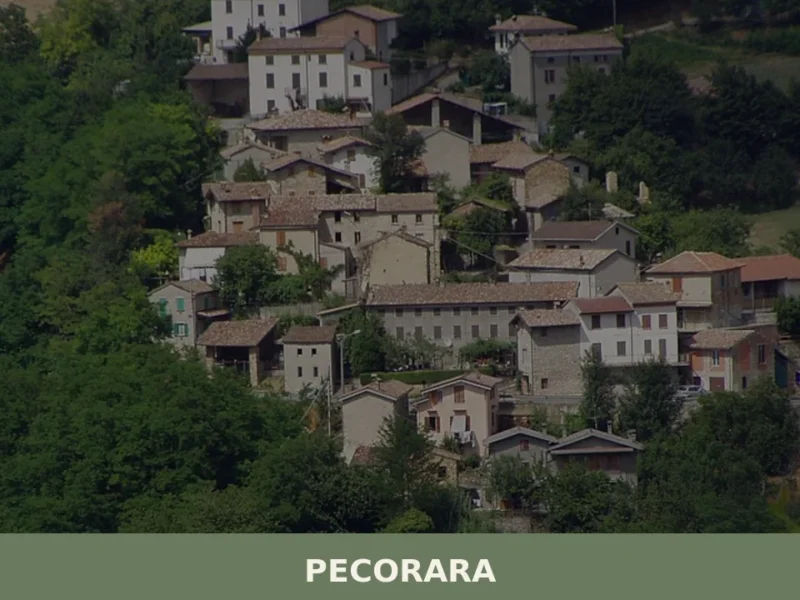
Further along the Apennine ridge, the village of Pecorara occupies a higher, more isolated position with wide views across the valleys toward both Piacenza and Pavia. Together, these communities form a territory that rewards slow exploration: not a single destination but a network of places connected by footpaths, back roads, and a shared history of making a life from steep, demanding terrain. For those drawn to the Emilia-Romagna Apennines, this corner of the Piacenza hills offers an unmediated encounter with a landscape that has not been redesigned for visitors.
Frequently asked questions about Caminata
What is the best time to visit Caminata?
Spring (mid-April to May) offers wildflowers and ideal hiking conditions on the Alta Val Tidone trails. Autumn (September–October) is the most rewarding season: the grape harvest animates the valley, chestnut woods turn golden, and local sagre celebrate porcini mushrooms, chestnuts, and new Colli Piacentini wines. The feast of patron saint San Giuseppe falls on 19 March, a quieter winter occasion worth noting for those seeking local tradition. Summer is pleasant at 364 metres — several degrees cooler than the Piacenza plain. Book accommodation well ahead for autumn weekends, when visitors from Piacenza and Milan fill rural agriturismi.
What are the historical origins of Caminata?
The name Caminata derives from the Latin caminata, a medieval term for a heated, fireplace-equipped dwelling — signalling the village's early role as a structured settlement of some status. It developed along routes linking the Po plain to the Ligurian coast, serving trade, military, and pilgrimage traffic through the Val Tidone. Feudal noble families controlled the territory across the medieval period, shaping its defensive hilltop layout. In 2018, Caminata merged with Nibbiano and Pecorara to form the municipality of Alta Val Tidone, reflecting the administrative challenges of governing small Apennine communities.
What to see in Caminata? Main monuments and landmarks
The Chiesa dei Santi Timoteo e Sinforiano is the village's architectural centrepiece — a sober stone parish church with origins in early Christian devotion, reworked across centuries, its nave oriented to catch morning light. The medieval village core rewards a slow walk: narrow passages between local sandstone houses follow the defensive logic of Apennine hilltop settlements. There is no formal admission charge to explore the village or enter the church during open hours; as with most small Apennine parishes, visiting during morning hours or around Mass times offers the best chance of finding the church open.
What are the main natural or scenic attractions of Caminata?
Caminata sits at the threshold between the Tidone valley floor and the Apennine ridges, offering panoramic views toward the Piacenza plain and the watershed toward Liguria. A network of marked footpaths connects the village to neighbouring hamlets along old mule tracks through oak and chestnut woodland, passing abandoned farmsteads and drystone walls — moderate terrain suited to day hikes. The Tidone valley below features vineyards producing Colli Piacentini DOC wines, hay meadows, and the Tidone reservoir near Nibbiano, which serves as a focal point for walking and quiet recreation in the wider Alta Val Tidone area.
Where to take the best photos in Caminata?
The most compelling photography opportunities are found at the village's edge, where the terrain drops toward the Val Tidone and the layered landscape — vineyards, woodland, and distant Apennine ridgelines — opens into view. Winter mornings with clear skies after fog has lifted offer the sharpest light and the most defined topography. The stone façade of the Chiesa dei Santi Timoteo e Sinforiano and the narrow sandstone passages of the historic core provide strong architectural subjects. Autumn adds colour from the chestnut woods, while the September grape harvest brings life and activity to the valley below.
Are there museums, churches or historic buildings to visit in Caminata?
The primary historic building is the Chiesa dei Santi Timoteo e Sinforiano, the parish church at the heart of the village. Its dedication to Saints Timothy and Symphorian reflects early Christian devotional currents specific to this part of the Piacenza Apennines, and the fabric of the building records modifications across many centuries. No dedicated museum exists in Caminata itself, which is consistent with a village of 244 residents. For a broader cultural context, the nearby centres of Nibbiano and the wider Alta Val Tidone municipality may offer additional heritage resources; checking with the local municipality is advisable before visiting.
What can you do in Caminata? Activities and experiences
Hiking the marked footpath network through the Alta Val Tidone is the primary active pursuit, with trails following old mule tracks through chestnut and oak woodland at moderate difficulty. Food and wine experiences centre on nearby agriturismi and trattorie serving Piacenza Apennine cuisine — cured meats, handmade pasta, and Colli Piacentini DOC wines — with menus following seasonal availability. Autumn sagre in the broader Val Tidone celebrate porcini mushrooms, chestnuts, and new wine. The area also suits quiet rural exploration by car, connecting Caminata with the villages of Nibbiano and Pecorara along winding hill roads.
Who is Caminata suitable for?
Caminata suits visitors who actively seek out unspoiled, unhurried Apennine landscapes over curated tourist experiences. Hikers and walkers will find a genuine network of trails through woodland and open hillside with real solitude. Food and wine enthusiasts are well placed to explore Piacenza's DOP cured meats and Colli Piacentini DOC wines at source in local agriturismi. Couples looking for quiet rural retreats and travellers interested in medieval village architecture will find the setting rewarding. Families with young children can enjoy the gentle countryside, though the very limited services mean independent travellers comfortable with self-sufficiency will get the most from a visit.
What to eat in Caminata? Local products and specialties
The Piacenza Apennine hills surrounding Caminata produce three DOP-protected cured meats: coppa piacentina DOP, salame piacentino DOP, and pancetta piacentina DOP, each shaped by the specific microclimate of these valleys. Pasta specialities of the area include pisarei e fasö (bread-dough dumplings with borlotti beans), anolini stuffed with braised meat served in broth, and ricotta and spinach tortelli. Local wines fall under the Colli Piacentini DOC designation, with Gutturnio (Barbera and Croatina blend), Ortrugo, and Malvasia all produced in nearby vineyards. Dining is best found at agriturismi and small trattorie in the immediate vicinity, where menus follow the season.
Nearby Villages near Caminata
In Emilia-Romagna More villages to discover
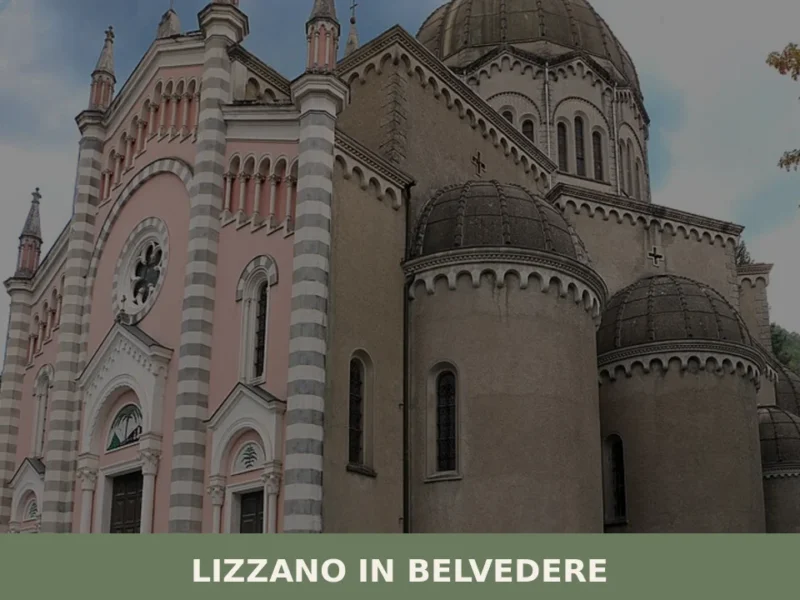
Lizzano in Belvedere
 Mountain
Every year, on 17 August, the procession in honour of Saint Mamante winds its way up the streets of Lizzano in Belvedere to the parish church, following a ritual that has been repeated since at least the 15th century. This municipality of 2,314 inhabitants, situated at 640 metres above sea level on the Bolognese Apennines, […]
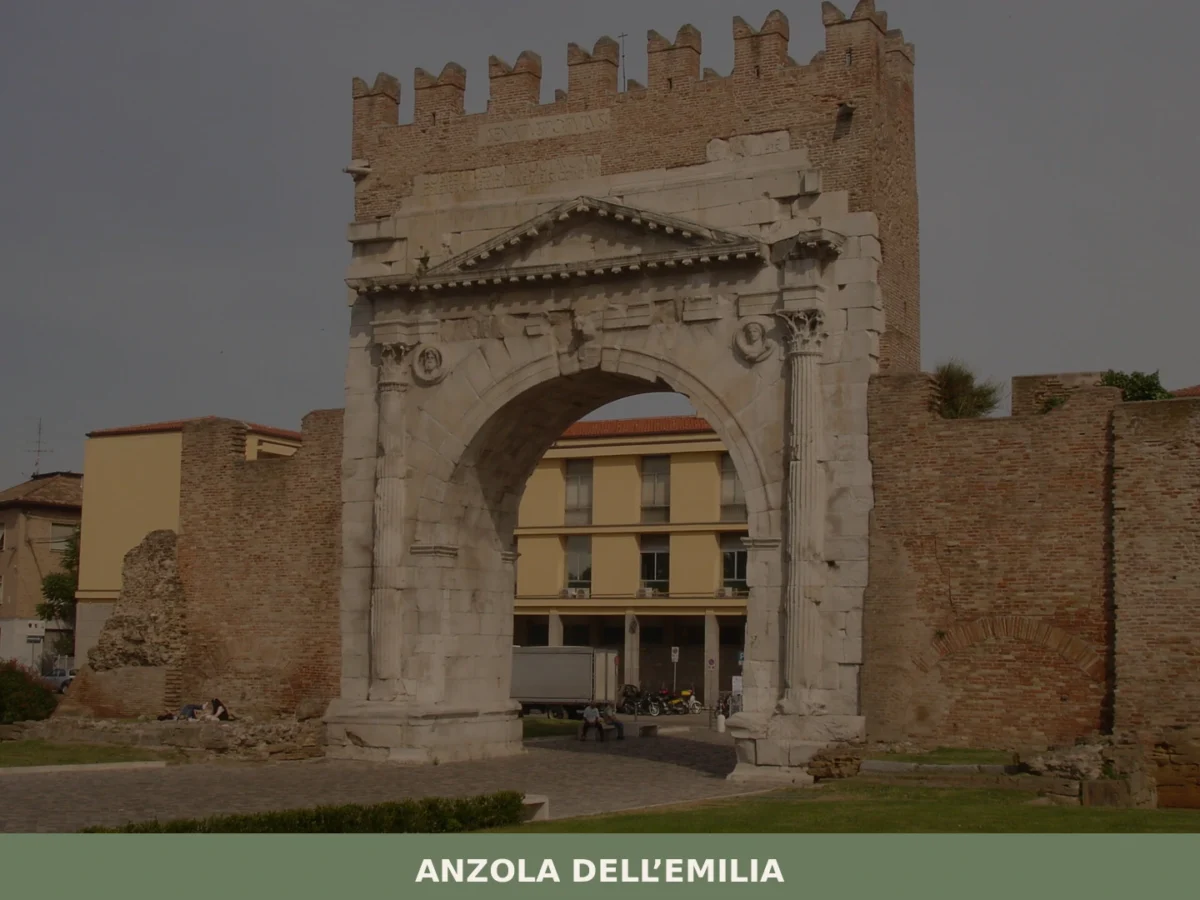
Anzola dell’Emilia
 Plains
What to see in Anzola dell'Emilia: 5 must-visit attractions, from the medieval tower to the parish church. Discover the complete guide and plan your visit.
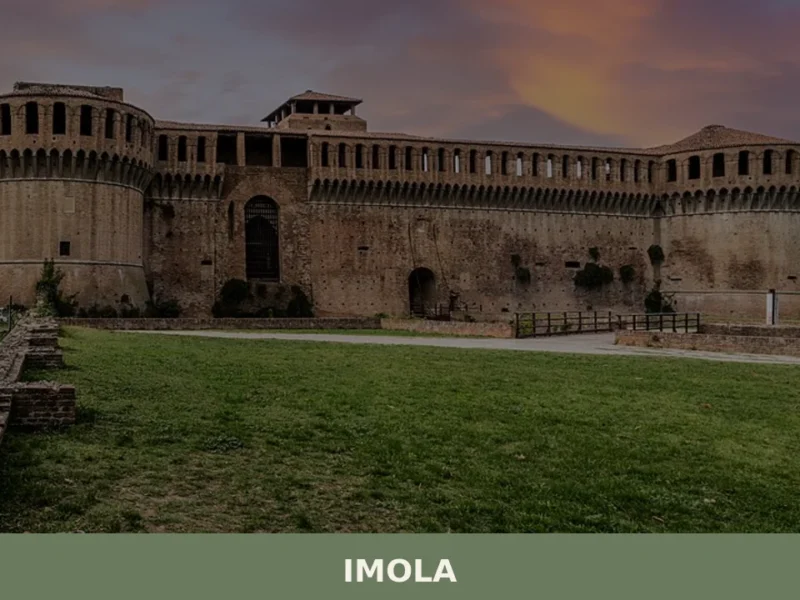
Imola
Plains
In 1953, on the track of the Autodromo Enzo e Dino Ferrari, Formula One cars raced in the Italian Grand Prix, placing Imola firmly in international motorsport history. But this city of 69,121 inhabitants, spread out at 47 metres above sea level along the banks of the River Santerno, had already existed for two thousand […]
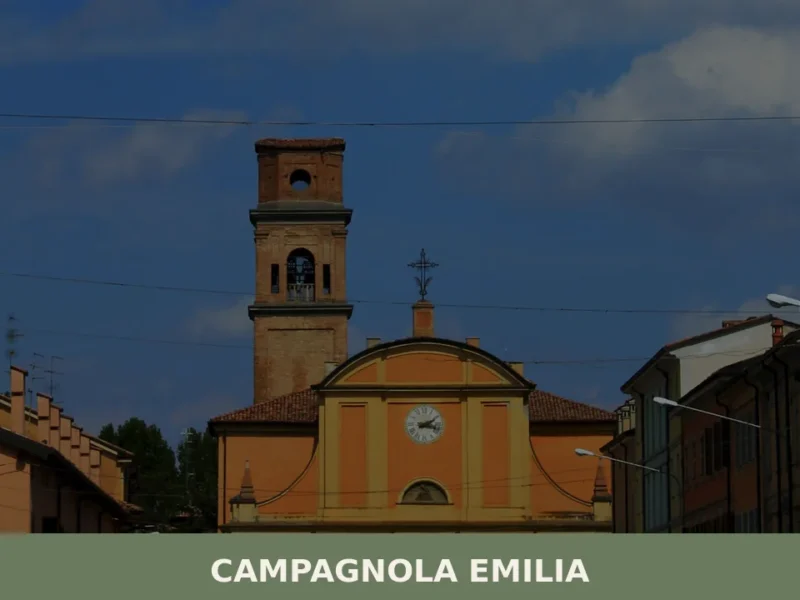
Campagnola Emilia
Plains
What to see in Campagnola Emilia, Italy: explore a Po Plain comune at 22 m altitude, 25 km from Reggio Emilia. Discover local festivals and food. Read the guide.
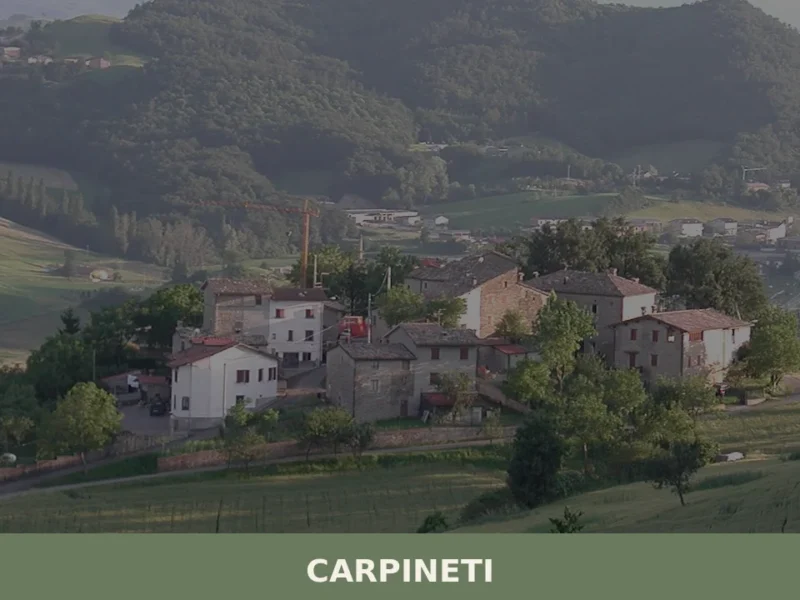
Carpineti
Hills
What to see in Carpineti: from the Rocca dei Canossa to the traditional flavors of the Apennines. Find out how to get there and plan your visit.
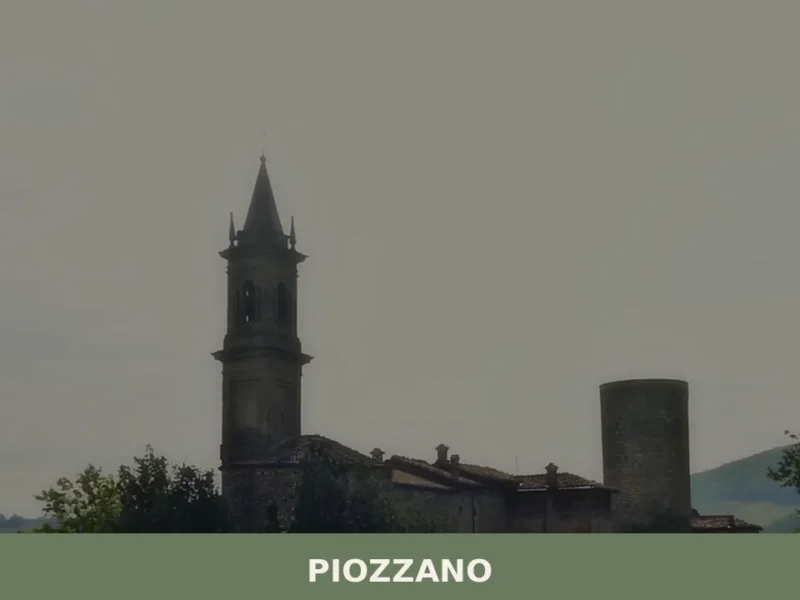
Piozzano
Hills
What to see in Piozzano, Italy: Explore this village of 578 inhabitants, 222 m a.s.l., near Piacenza. Discover its history and local specialties.
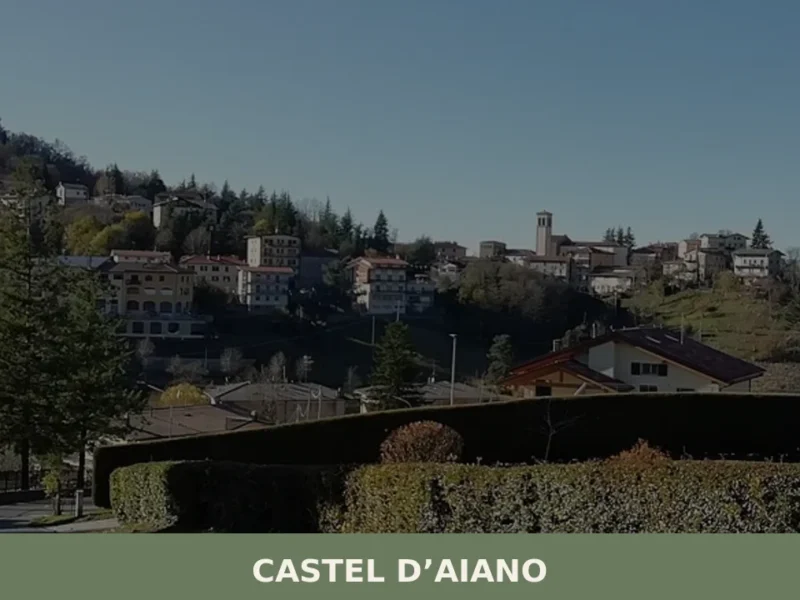
Castel d’Aiano
Mountain
In 1944 the Gothic Line cut through these mountains, and Castel d’Aiano found itself at the centre of the clash between Allied forces and German troops: the hamlets of Villa d’Aiano, Sassomolare and Rocca di Roffeno still bear the marks of that period. Today the municipality has 1,916 inhabitants spread across a vast, hilly territory […]
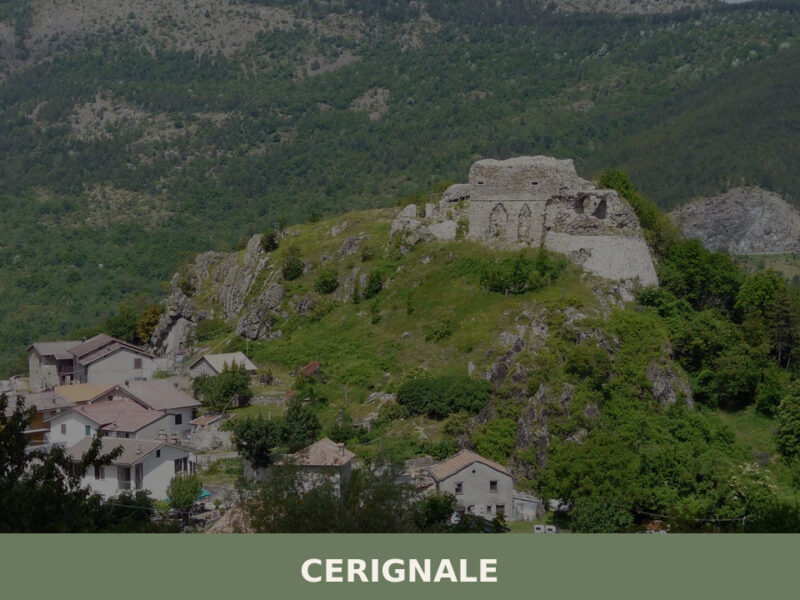
Cerignale
Mountain
Cerignale, a 117-resident village at 725 metres in the Piacenza Apennines, holds medieval ruins, a geological elephant, and the silence of the upper Val Trebbia.
Grizzana Morandi
Hills
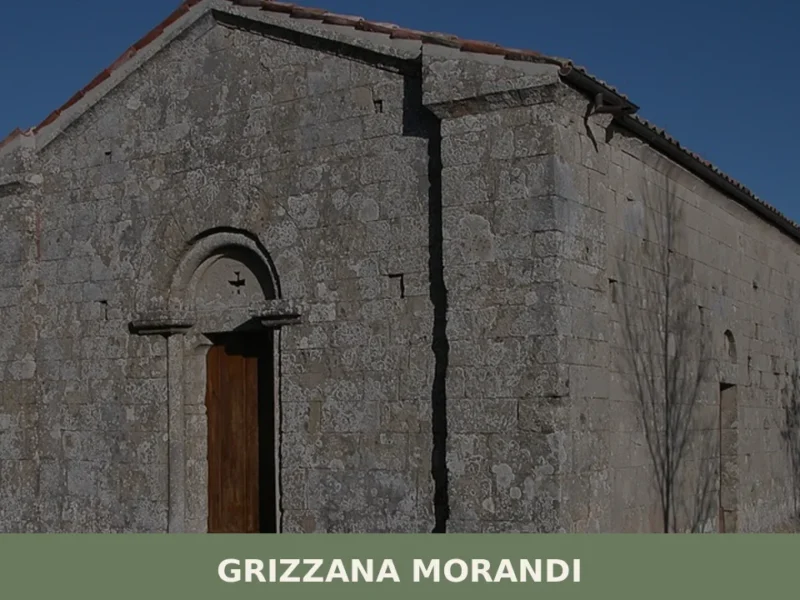
In 1929, the Bolognese painter Giorgio Morandi travelled to Grizzana for the first time — a scattered municipality in the Emilian Apennines that he would return to every summer for over thirty years. From the barns and tower-houses of this valley, he painted hundreds of landscapes, transforming the clay badlands and mountain ridgelines into universal […]
Rimini
 Sea
Sea
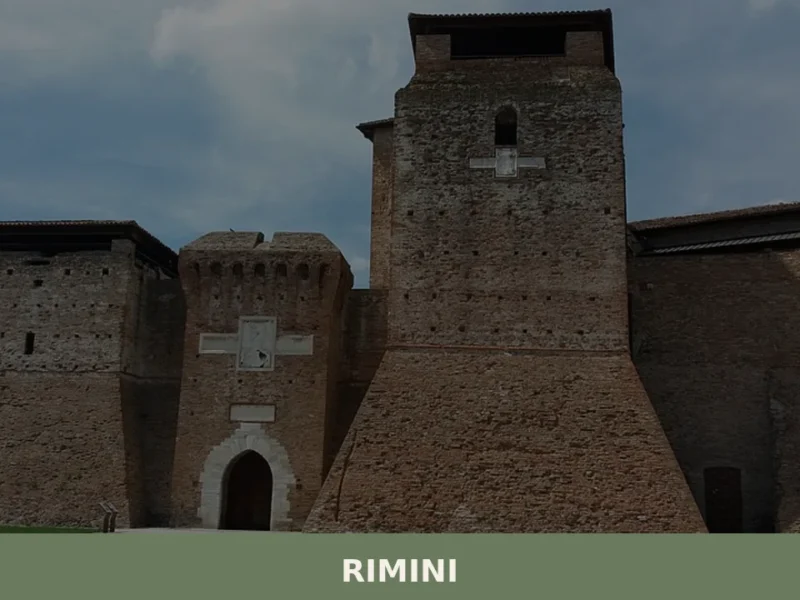
What to see in Rimini: 149,211 residents, Arch of Augustus, Tempio Malatestiano, Fellini Museum. Plan your visit with our complete guide to Roman history and local food.




🏡 Know Caminata better than we do?
If you’re a local or have been there, your knowledge matters: add what’s missing or fix a detail on this page.