


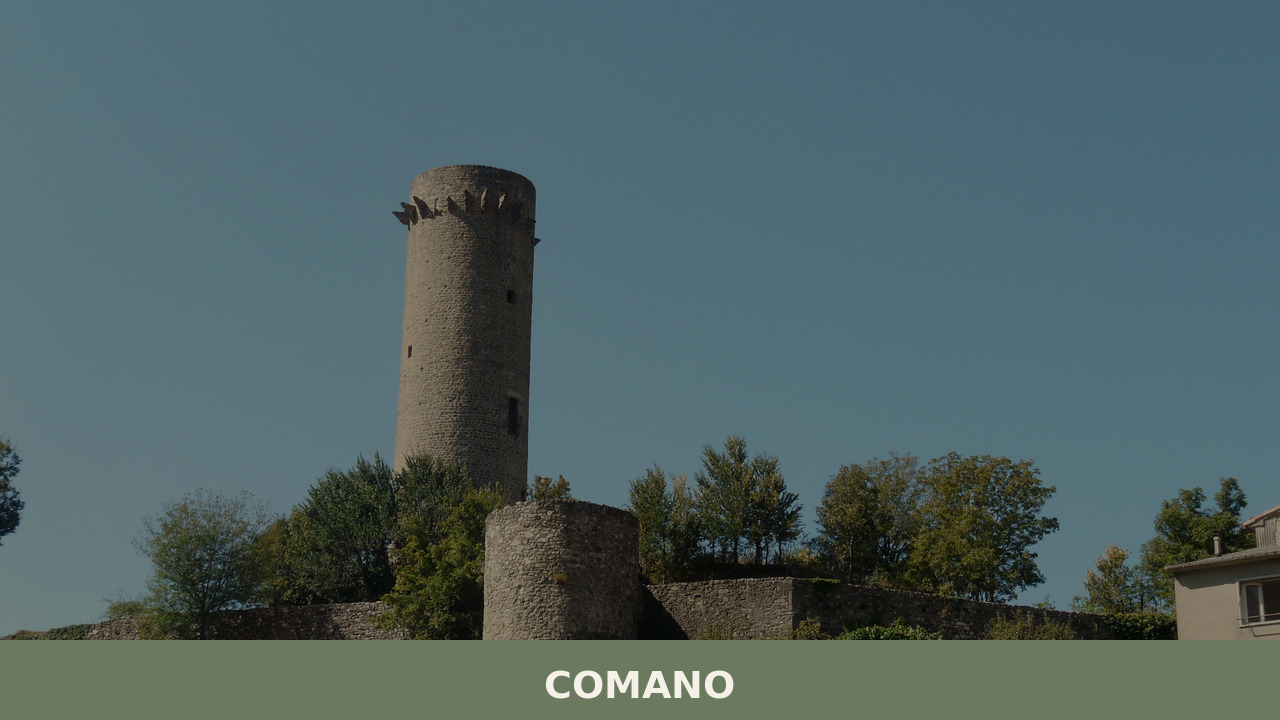
Comano
 Hills
Hills
Morning fog lifts slowly from the Taverone valley, revealing stone walls the colour of weathered bone. A church bell marks the hour — its echo rolls across chestnut groves before dissolving into silence. Comano sits in the upper Lunigiana, a commune of scattered hamlets across the hills of Massa e Carrara province, home to just […]
Discover Comano
Morning fog lifts slowly from the Taverone valley, revealing stone walls the colour of weathered bone. A church bell marks the hour — its echo rolls across chestnut groves before dissolving into silence. Comano sits in the upper Lunigiana, a commune of scattered hamlets across the hills of Massa e Carrara province, home to just 759 inhabitants. For anyone asking what to see in Comano, the answer begins with understanding a place shaped more by geology and isolation than by grand ambition — a territory where every footpath leads to another century.
History of Comano
The name Comano likely derives from a Roman landowner — a praedium Comani, or estate of Comanus — a naming convention common across the Italian peninsula where rural properties outlasted the empire that created them. The territory has been inhabited since pre-Roman times, and archaeological evidence from the broader Lunigiana region, including the famous statue menhirs, points to a deep and layered human presence stretching back to the Bronze Age.
During the medieval period, Comano fell under the dominion of the Malaspina family, the feudal lords who controlled much of the Lunigiana for centuries. The Malaspina divided their territories repeatedly among heirs, creating a patchwork of small fiefdoms, each with its own fortification. Comano’s strategic position on routes connecting the Po Valley to the Tyrrhenian coast made it a valuable, if modest, holding. Control of the area later passed through various hands before the Grand Duchy of Tuscany absorbed the Lunigiana’s fragmented lordships.
The commune’s history in the modern era has been one of quiet depopulation, a pattern familiar across the Apennine interior. Agricultural terracing, once maintained by larger communities, has gradually been reclaimed by forest. Yet the physical fabric of the medieval hamlets — Comano’s borghi — remains largely intact, offering an unedited record of rural Tuscan life before industrialisation reshaped the lowlands.
What to see in Comano: 5 must-visit attractions
1. The Parish Church of San Giorgio
The church of San Giorgio serves as Comano’s principal place of worship, its stone façade bearing the marks of successive restorations over several centuries. Inside, the single nave retains an atmosphere of spare, unadorned devotion typical of Lunigiana churches. The surrounding churchyard offers a vantage over the valley that explains, in a glance, why this site was chosen.
2. The Medieval Hamlet Centres
Comano’s commune encompasses several small hamlets — frazioni — including Comano itself, Crespiano, and Camporaghena. Walking between them on mule tracks that have connected these settlements for centuries reveals architecture built from local sandstone, with narrow archways, exterior staircases, and rooflines that follow the slope of the land rather than any imposed plan.
3. The Chestnut Forests of the Upper Valley
Chestnut woodland blankets the hillsides around Comano and historically provided the community’s dietary staple. Ancient trees with trunks exceeding two metres in diameter still stand. In autumn, the forest floor becomes a working landscape again, as locals gather chestnuts using methods unchanged in their essentials for generations.
4. The Taverone Valley Trails
A network of marked footpaths follows the Taverone river and its tributaries through the commune. These paths were once the only connections between hamlets and the outside world. The terrain shifts between riparian woodland, open pasture, and dense forest — each section carrying distinct birdsong, light, and the particular scent of whichever tree species dominates overhead.
5. The Statue Menhirs Heritage
The Lunigiana is renowned for its prehistoric statue menhirs — anthropomorphic stone carvings dating from the third and fourth millennia BCE. While the major collection is housed at the Museo delle Statue Stele Lunigianesi in Pontremoli, Comano’s position within this cultural landscape provides essential context for understanding the civilisation that produced them.
What to see in Comano: local food and typical products
The cuisine of Comano belongs to the Lunigiana tradition, which is mountain food — built on chestnuts, spelt, and foraged herbs rather than the olive oil and wine that define Tuscany’s more celebrated tables to the south. Testaroli, a batter-based pasta cooked on flat terracotta or cast-iron plates and dressed with pesto or oil, is the region’s signature dish and appears on tables across the commune. Panigacci, small discs of unleavened bread cooked in stacked clay moulds over embers, and sgabei, strips of fried dough served alongside cured meats, complete the traditional repertoire. Chestnut flour remains central — used in castagnaccio (a dense, unsweetened cake) and in pattona, a porridge that sustained families through lean winters.
Local honey, gathered from hives positioned amid the chestnut and acacia woods, carries a distinctly tannic, amber flavour. Small-scale producers in the area also maintain sheep and goat herds, yielding fresh and aged cheeses. Dining options in Comano are limited and often seasonal; the nearest reliable range of restaurants and agriturismi can be found in the larger centres of Aulla and Pontremoli, both within the Lunigiana. Visitors should expect to plan meals in advance and embrace the rhythms of a place where hospitality is personal rather than commercial.
Best time to visit Comano
Late spring — from mid-May through June — brings warm days, wildflower meadows, and daylight that stretches past nine in the evening, ideal for walking the valley trails. Autumn, particularly October, is Comano’s most characterful season: the chestnut harvest animates the forests, and local sagre (food festivals) celebrating chestnuts and mushrooms are common across the Lunigiana. The air cools sharply, and morning mists give the hamlets an atmosphere that borders on the cinematic without ever tipping into cliché.
Winters are cold and quiet, with snowfall possible at higher elevations and many facilities closed. July and August bring warmth but also the occasional thunderstorm rolling in from the Apennine ridge. Comano is not a place geared toward mass tourism at any time of year; its appeal lies precisely in that absence. Visitors should bring appropriate footwear for uneven stone paths and be prepared for limited mobile phone reception in the deeper valleys.
How to get to Comano
Comano is reached most easily by car. The A15 motorway (Autostrada della Cisa), connecting Parma to La Spezia, provides the main access corridor; exit at Aulla and follow provincial roads eastward into the Taverone valley. The drive from Aulla takes approximately 25 minutes. From Florence, the journey covers roughly 170 kilometres and takes around two and a half hours. From Pisa, allow approximately two hours for the 130-kilometre drive.
The nearest railway station is Aulla-Lunigiana, served by regional trains on the Parma–La Spezia and Lucca–Aulla lines. From the station, onward travel to Comano requires a car or infrequent local bus services — checking timetables in advance is essential. The closest major airport is Pisa Galileo Galilei (PSA), approximately 120 kilometres to the south. Genoa Cristoforo Colombo (GOA) and Parma Giuseppe Verdi (PMF) are also within reasonable reach. For those arriving from northern Europe by road, the Cisa pass offers one of the most scenic transits of the Apennines.
More villages to discover in Toscana
The Lunigiana rewards slow, deliberate exploration — each valley holds settlements with their own distinct character, even when separated by only a few kilometres of chestnut forest. From Comano, the wider province of Massa e Carrara extends toward the coast and into mountain terrain that feels far removed from the postcard imagery of central Tuscany. The villages here share a common material culture — stone, slate, chestnut timber — yet each has responded differently to the pressures of geography and history.
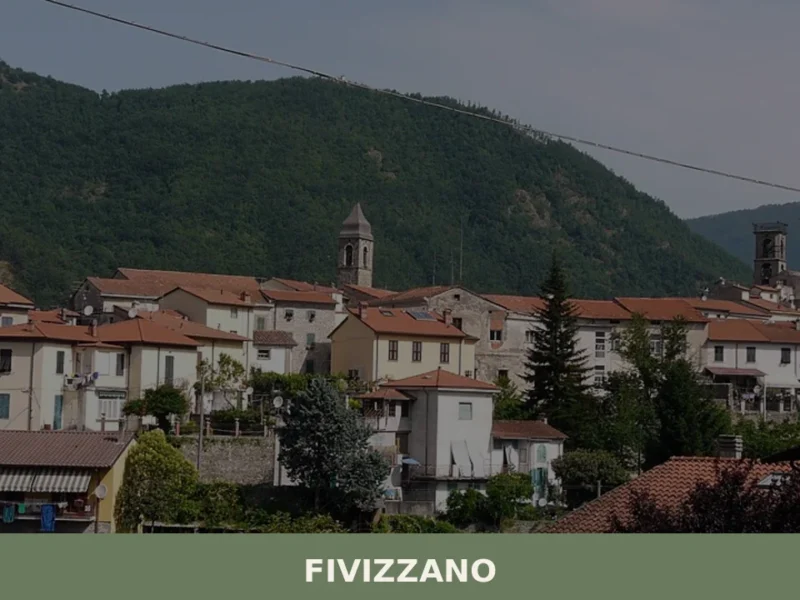
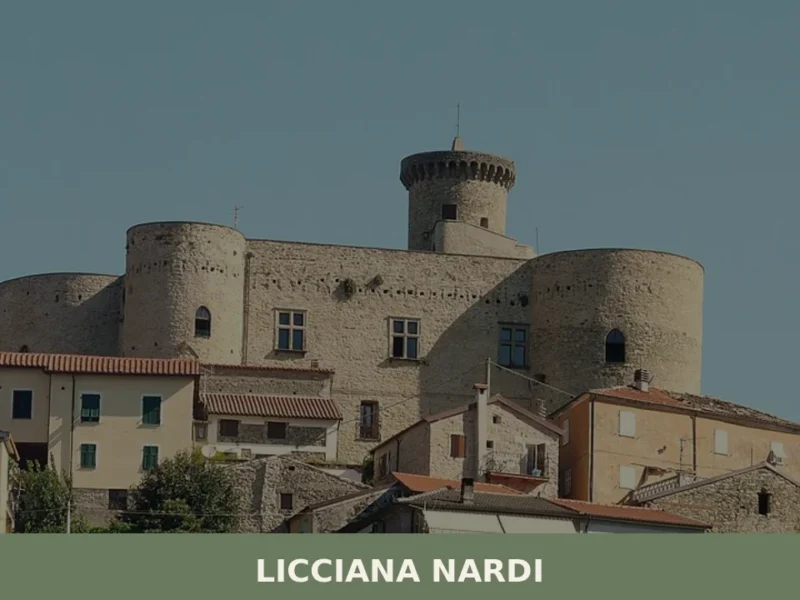
Travellers drawn to Comano’s quietude will find similar depth in the nearby town of Fivizzano, a former Medici stronghold with a handsome central piazza and a tradition of printing that dates to the Renaissance. Further into the Tuscan interior, Licciana Nardi offers another perspective on Lunigiana life, with its own Malaspina castle and a network of hamlets that mirror Comano’s dispersed settlement pattern. Together, these villages form a constellation that tells a single, complex story about survival and adaptation in the Italian mountains.
Frequently asked questions about Comano
What is the best time to visit Comano?
Late spring (mid-May to June) offers warm days, wildflower meadows and long evenings ideal for walking the Taverone valley trails. Autumn — especially October — is arguably the most rewarding season: the chestnut harvest brings the forests to life and local sagre celebrating chestnuts and mushrooms are held across the Lunigiana. The feast of the patron saint San Giorgio falls on 23 April, a good reason to visit in spring. Winters are cold with possible snowfall; many facilities close. Summer brings warmth but occasional Apennine thunderstorms.
What are the historical origins of Comano?
The name Comano likely derives from a Roman landowner — a praedium Comani, or estate of Comanus — a common naming convention in Roman-era rural Italy. The broader Lunigiana territory shows human presence since the Bronze Age, evidenced by the region's famous prehistoric statue menhirs. During the medieval period, Comano fell under the Malaspina family, powerful feudal lords who controlled much of the Lunigiana for centuries. The area was later absorbed into the Grand Duchy of Tuscany. Like much of the Apennine interior, Comano experienced gradual depopulation in the modern era, though its medieval hamlets remain largely intact.
What to see in Comano? Main monuments and landmarks
The Parish Church of San Giorgio is the village's principal monument, with a stone façade bearing marks of successive restorations and a single nave in the austere style typical of Lunigiana churches. The surrounding churchyard offers panoramic views over the valley. Beyond the church, Comano's scattered medieval hamlets — including Crespiano and Camporaghena — are themselves the main attraction: stone architecture built from local sandstone, narrow archways and exterior staircases. The Lunigiana's prehistoric statue menhirs are best seen at the Museo delle Statue Stele Lunigianesi in nearby Pontremoli.
What are the main natural or scenic attractions of Comano?
The Taverone valley provides the commune's primary natural setting. A network of marked footpaths follows the Taverone river and its tributaries through terrain that shifts between riparian woodland, open pasture and dense forest. Ancient chestnut woods blanket the hillsides, with trees exceeding two metres in diameter — particularly striking during the October harvest season. The upper valley trails connect the scattered hamlets along routes originally used as mule tracks, offering a genuine immersion in Apennine landscape with minimal tourist infrastructure and outstanding quiet.
Where to take the best photos in Comano?
The churchyard of San Giorgio provides one of the most documented viewpoints in the commune, with a direct sightline over the Taverone valley and the surrounding chestnut-covered hills. The stone lanes and archways of the medieval hamlets — particularly in the early morning when fog lifts from the valley — offer atmospheric compositions typical of the Lunigiana's unrestored rural architecture. October visits yield the richest visual material: autumn colour in the chestnut forests combined with morning mist creates conditions that photographers and landscape enthusiasts specifically seek out in this part of Tuscany.
What can you do in Comano? Activities and experiences
Hiking along the marked footpaths of the Taverone valley is the principal activity, with trails connecting the commune's hamlets through varied Apennine terrain. In autumn, joining or observing the chestnut harvest is a genuinely local experience, with methods largely unchanged across generations. The broader Lunigiana context offers day trips to Pontremoli to visit the Museo delle Statue Stele Lunigianesi, and to Fivizzano for its Renaissance piazza and printing heritage. The area suits slow, exploratory travel — walking between hamlets, stopping at small local producers for honey and cheese, and attending autumn sagre across the Lunigiana.
Who is Comano suitable for?
Comano suits hikers, slow travellers and anyone seeking genuine rural Tuscany away from mass tourism circuits. The Taverone valley trail network makes it particularly appealing to walkers of moderate fitness. History and architecture enthusiasts will value the intact medieval hamlets and the broader Malaspina and statue menhir heritage of the Lunigiana. The village is not oriented toward families with young children or visitors expecting conventional tourist services — dining options are limited and seasonal, mobile reception is poor in the valleys. Couples and solo travellers who value quietude and authenticity over comfort will find it most rewarding.
What to eat in Comano? Local products and specialties
Comano's food belongs to the Lunigiana mountain tradition. Testaroli — a batter-based pasta cooked on flat terracotta or cast-iron plates and dressed with pesto or olive oil — is the region's signature dish. Panigacci (unleavened bread discs cooked in stacked clay moulds over embers) and sgabei (fried dough strips served with cured meats) complete the traditional repertoire. Chestnut flour is central to local sweets: castagnaccio and pattona, a winter porridge. Local honey from chestnut and acacia woods has a distinctly tannic, amber character. Small producers supply fresh and aged sheep and goat cheeses. Dining options in Comano are limited; plan meals in advance.
Nearby Villages near Comano
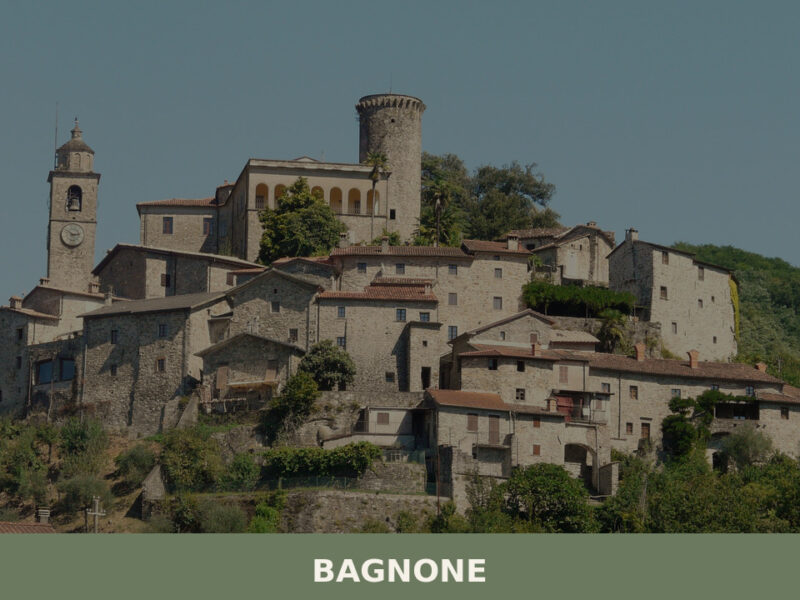
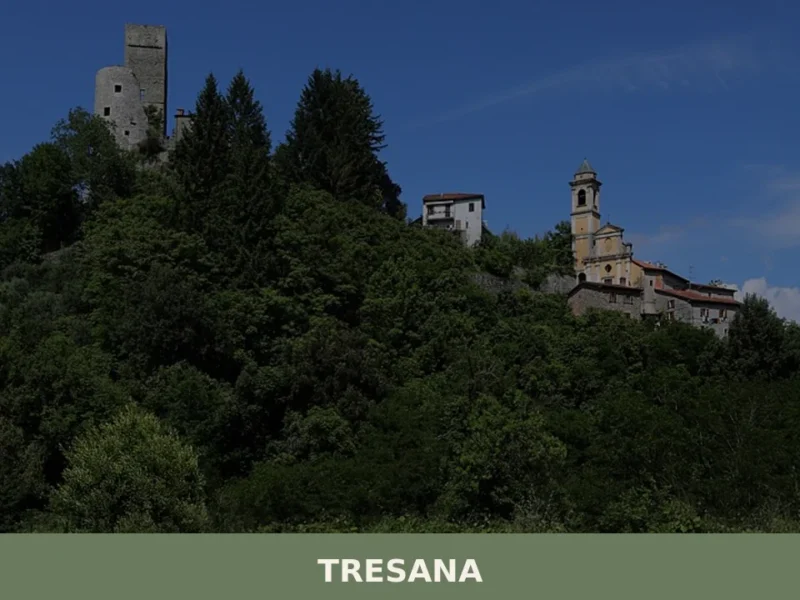
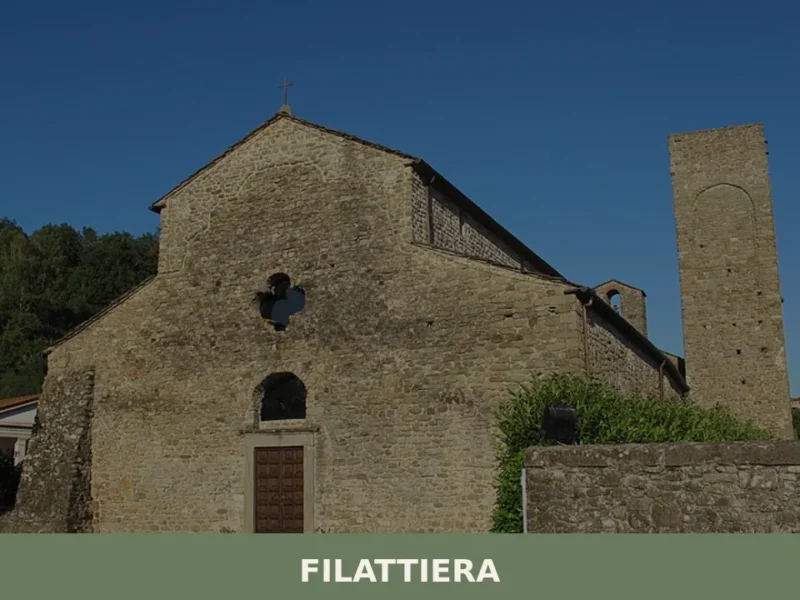
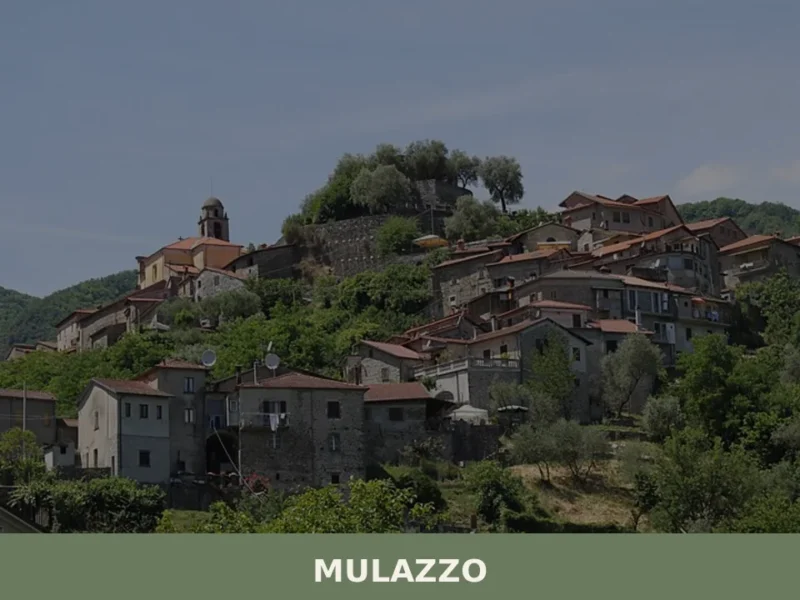
In Tuscany More villages to discover
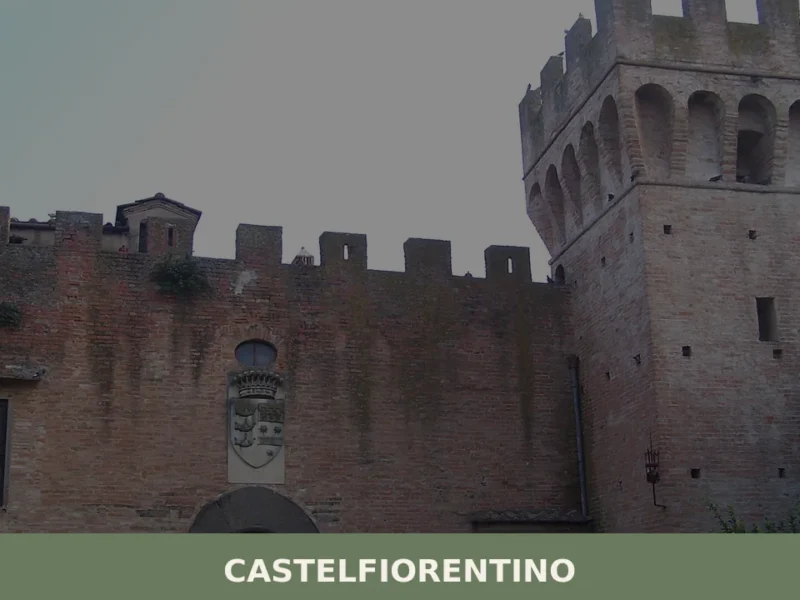
Castelfiorentino
 Plains
What to see in Castelfiorentino, Italy: 6 top attractions, history from 1149, the Sanctuary of Santa Verdiana and a crucifix by Giovanni Pisano. Discover now.
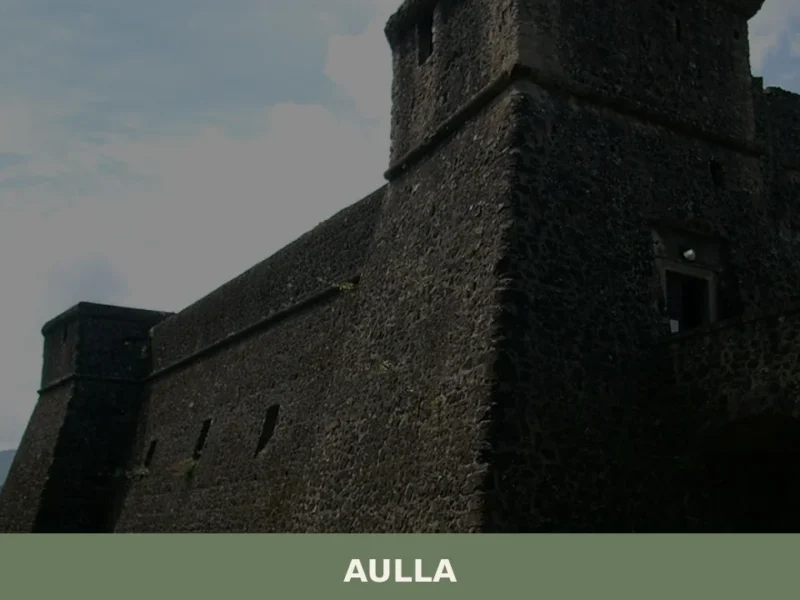
Aulla
Plains
In 884 AD, Marquis Adalbert of Tuscany founded an abbey dedicated to Saint Caprasius at the confluence of the Magra and Aulella rivers, transforming a modest valley-floor settlement into an obligatory stopping point on the Via Francigena. Today, anyone wondering what to see in Aulla will find a lowland town at 64 metres above sea […]
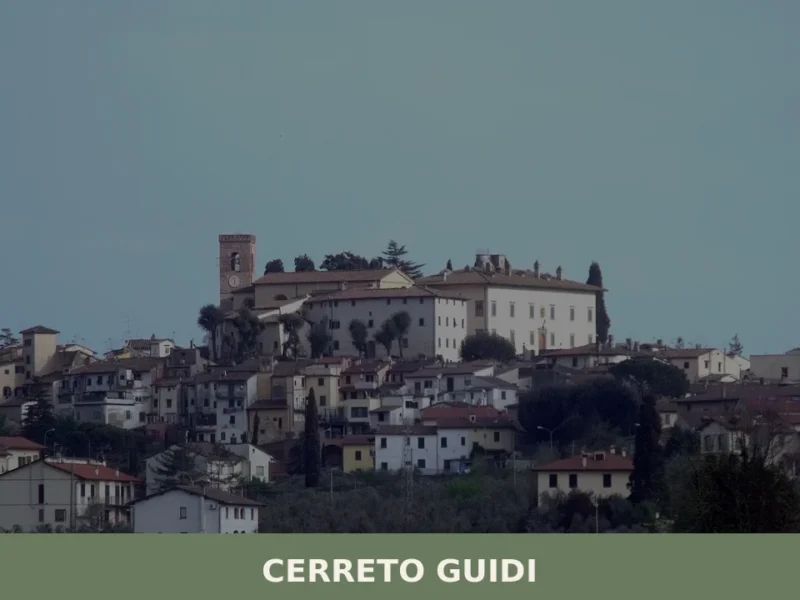
Cerreto Guidi
Plains
A low plain spreads west of Florence, and at 30 kilometres (19 mi) from the city the land rises just enough — to 123 metres (404 feet) above sea level — for a cluster of terracotta rooftops to stand out against the Tuscan sky. The municipality borders Empoli, Fucecchio, Vinci, and Lamporecchio, placing it at […]
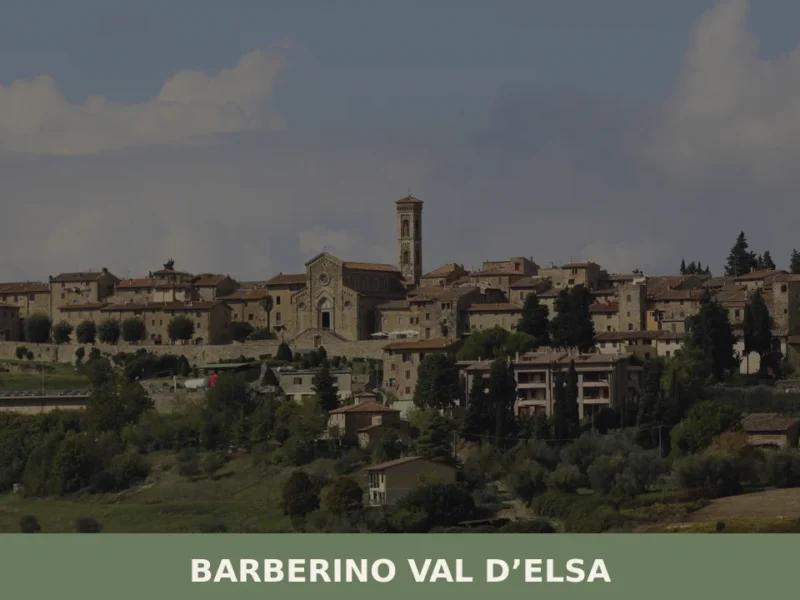
Barberino Val d’Elsa
Hills
The 14th-century walls still enclose the historic centre of Barberino Val d’Elsa within an almost intact perimeter, with two town gates that filter access to the village just as they did six centuries ago. In this article History and origins of Barberino Val d’Elsa What to see in Barberino Val d’Elsa: main attractions Traditional Cuisine […]
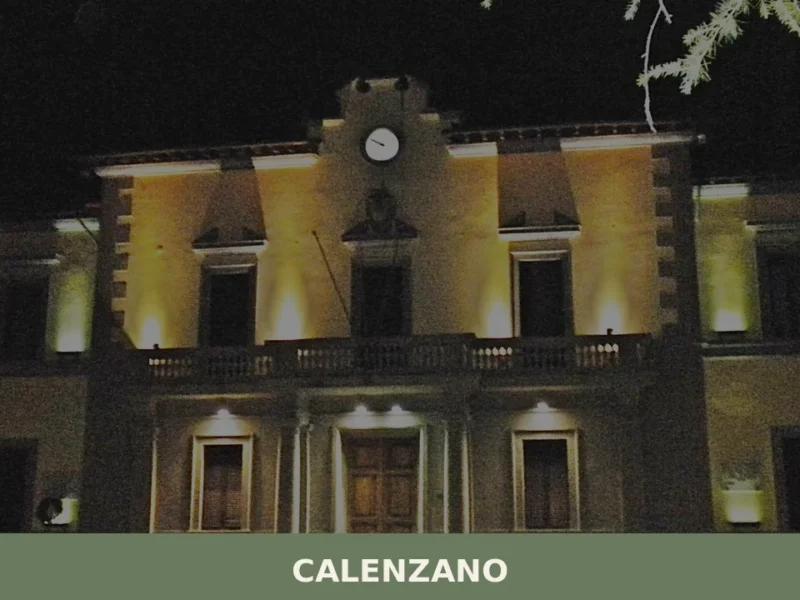
Calenzano
Plains
What to see in Calenzano, Italy: 5 top attractions, medieval churches, Renaissance art, and practical tips. 11 km from Florence. Discover Calenzano, Toscana.
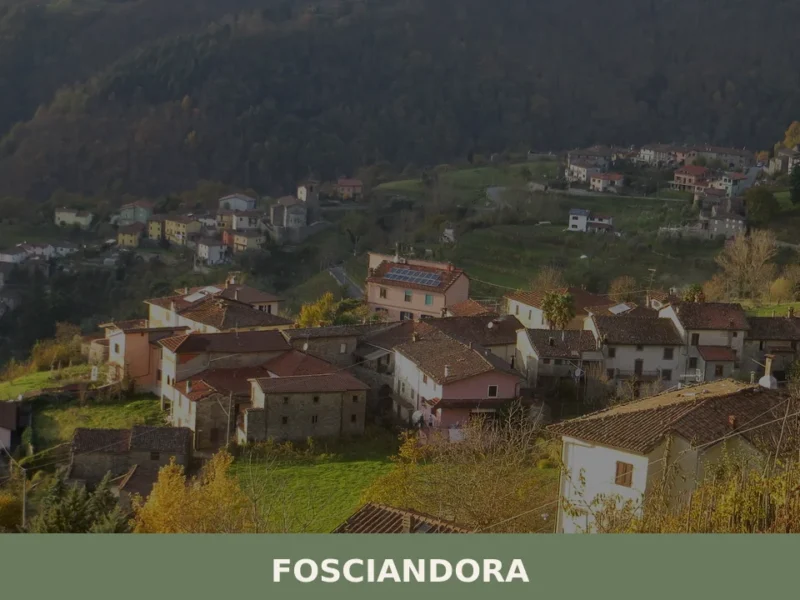
Fosciandora
Hills
What to see in Fosciandora, Italy: 9 churches, a medieval mill, local Garfagnana cuisine and the feast of San Sebastiano. Explore this Lucca province village at 390 m.
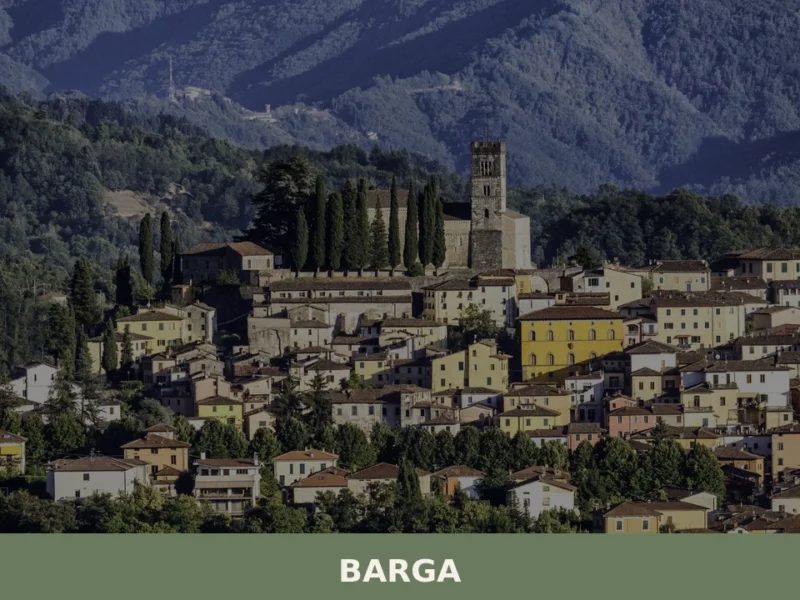
Barga
Hills
what to see a Barga, village toscano a 410 m s.l.m.: Duomo di San Cristoforo, Teatro dei Differenti, cuisine della Garfagnana. guide pratica con consigli su quando andare e how to get there.
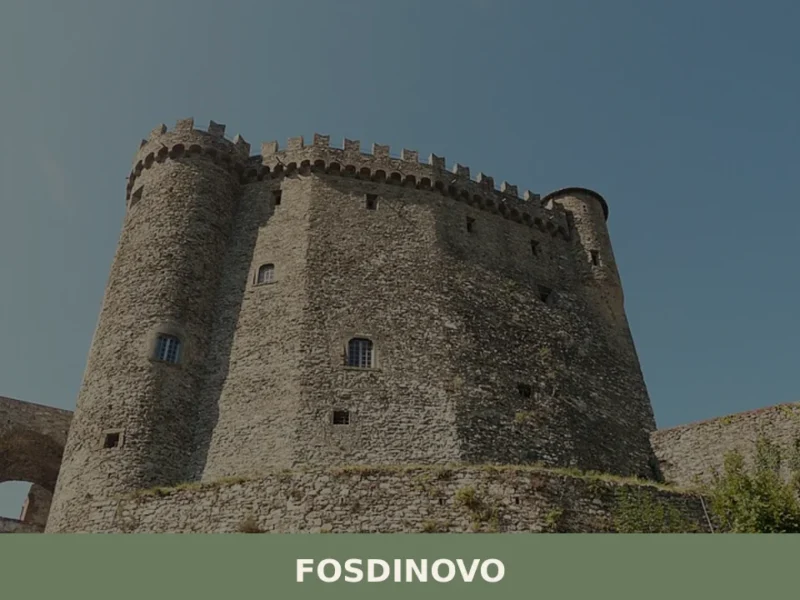
Fosdinovo
Hills
The Malaspina Castle of Fosdinovo has dominated the ridge separating the Val di Magra from the Apuan coast for over seven hundred years, with its four circular towers and a sentry walkway that can still be traversed. At 500 metres above sea level, this town in the province of Massa and Carrara has 4,982 inhabitants […]
Coreglia Antelminelli
Hills
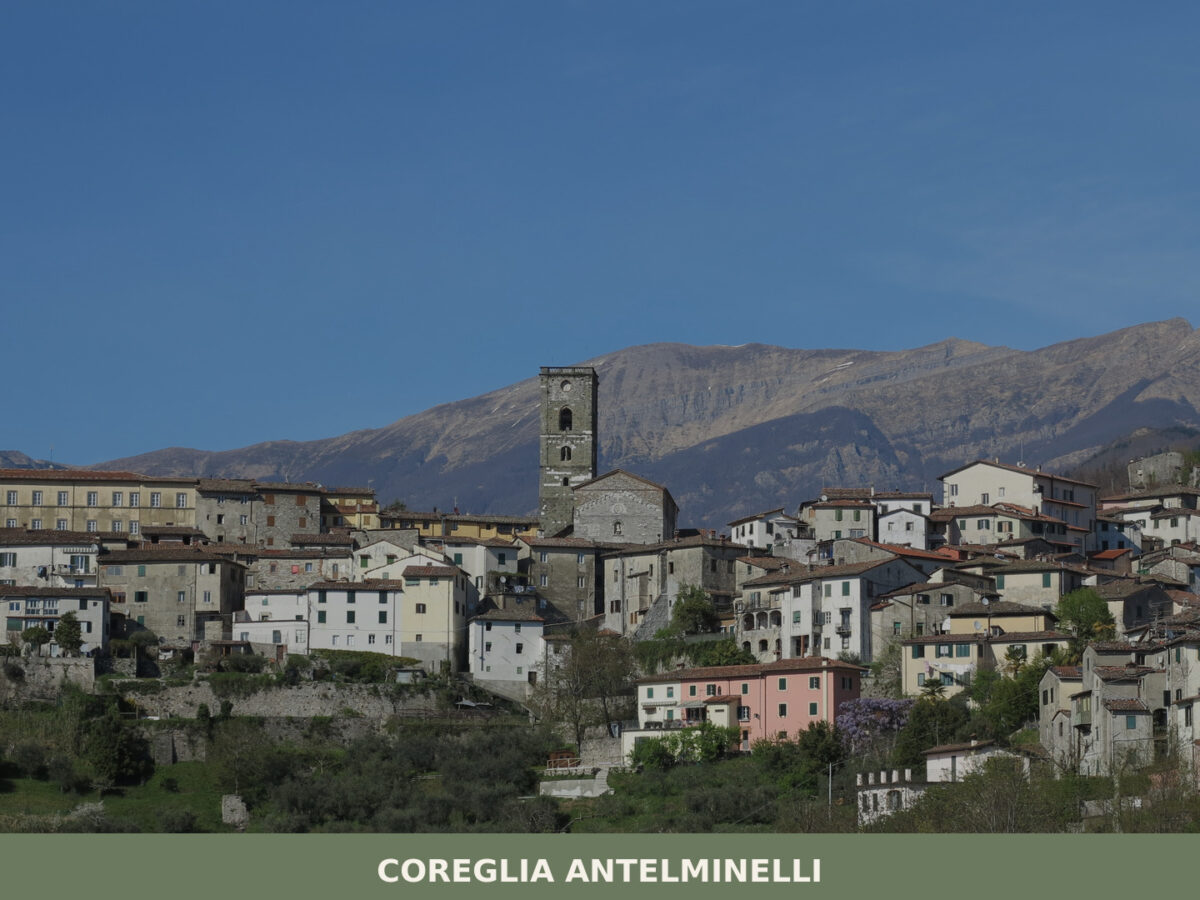
What to see in Coreglia Antelminelli, Italy: 3 Romanesque churches, a painted crucifix by Berlinghieri, and a village at 595 m. Explore the full guide.
Villafranca in Lunigiana
Plains
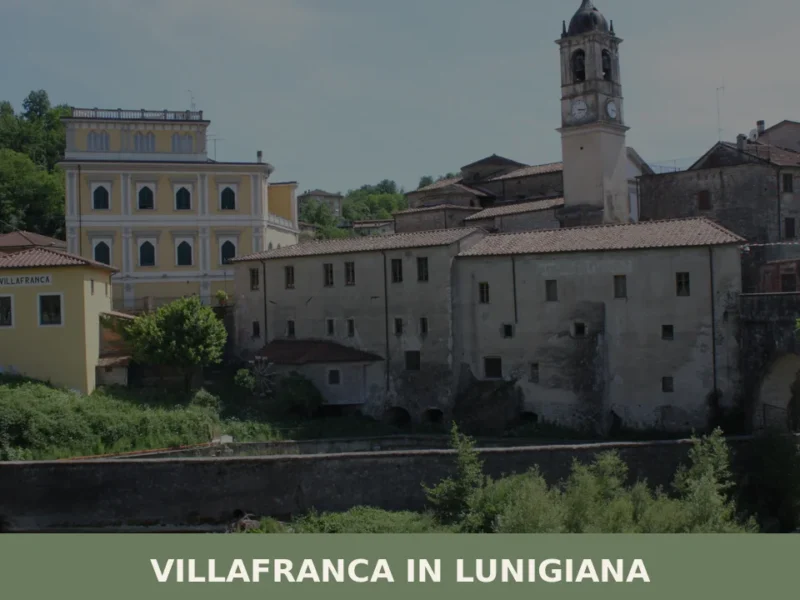
What to see in Villafranca in Lunigiana: explore the Via Francigena, medieval churches and local cuisine in Toscana, Italy. Population 4,803. Discover it now.





🏡 Know Comano better than we do?
If you’re a local or have been there, your knowledge matters: add what’s missing or fix a detail on this page.