


Colle San Magno
 Hills
Hills
What to see in Colle San Magno, Lazio, Italy: discover a medieval castle, asphalt mines and a hilltop church at 540 m. Read the complete travel guide.
Discover Colle San Magno
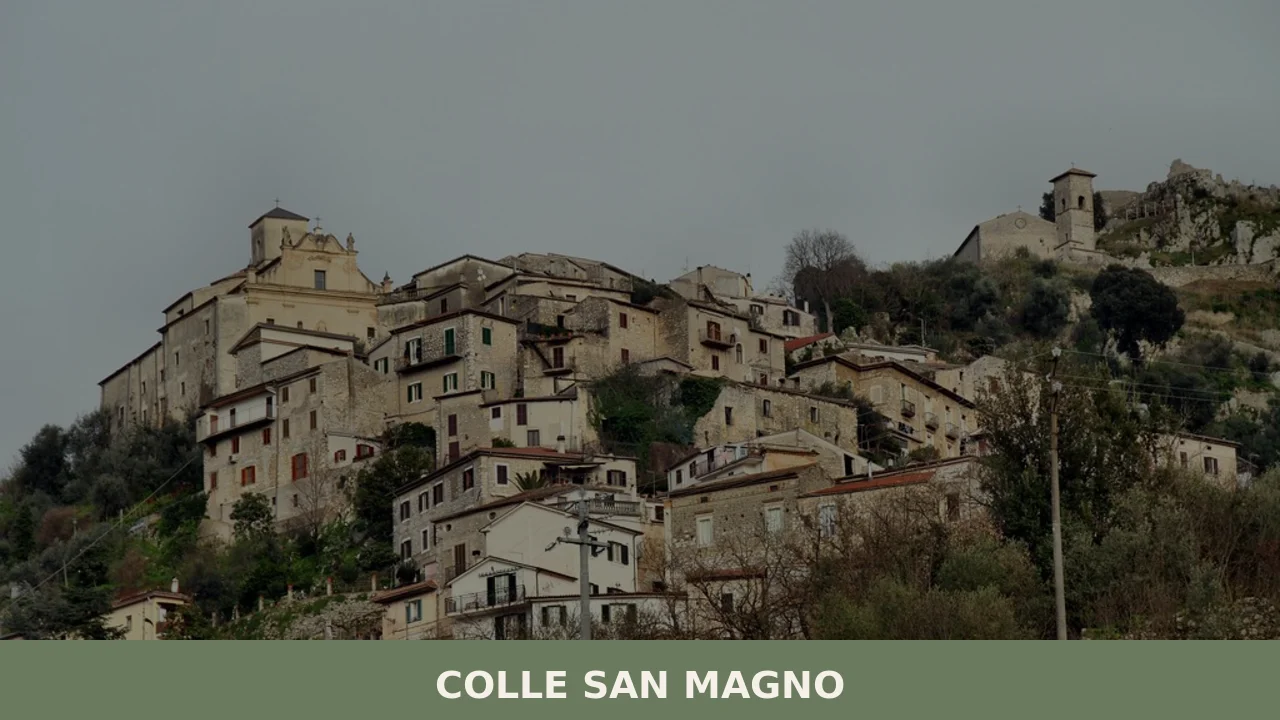
Stone rises in compact layers along the ridge that gives this village its name. The medieval castle’s walls define the skyline against the Lazio hill country, and below the old town the ground itself bears the marks of industrial extraction: shafts and workings cut into the hillside where asphalt was once mined on a commercial scale.
At 540 m (1,772 ft) above sea level, in the Province of Frosinone, a population of 734 inhabitants occupies a settlement that has been continuously inhabited since the 11th century.
Deciding what to see in Colle San Magno is straightforward once you know the three anchors the village offers: the medieval castle that dominated the ridge for centuries, the abandoned asphalt mines that record an industrial chapter unique in this part of Lazio, and the Church of Santa Maria Assunta at the centre of the old town.
Visitors to Colle San Magno, Lazio, Italy find a compact commune located about 110 km (68 mi) southeast of Rome and about 30 km (19 mi) southeast of Frosinone, sitting within the borghi di collina, the hill-village category of the Italian interior.
History of Colle San Magno
The name of the village records a specific religious dedication.
Colle simply means hill in Italian, while San Magno refers to St Magnus of Anagni — Magno di Anagni in Italian — a figure venerated in this part of the Ciociaria region of Lazio. The local dialect name, Glio Colle, preserves an older phonology that diverges from standard Italian, indicating how long the settlement has maintained a distinct local identity on this ridge.
The patron saint connection to Anagni, a larger town roughly 40 km (25 mi) to the northwest, situates Colle San Magno within a broader network of medieval ecclesiastical and civic relationships across Frosinone province.
The town was founded in the 11th century, a period when the construction of fortified hilltop settlements accelerated across central Italy in response to the political fragmentation that followed the decline of Carolingian authority.
Control of the settlement passed through several noble houses over the following centuries.
The D’Avalos family held authority here before the Boncompagni took over in the 16th century. The Boncompagni were one of the most powerful Roman aristocratic families of the period — Pope Gregory XIII, elected in 1572, belonged to this dynasty — and their governance of Colle San Magno lasted until the upheavals of the late 18th century.
In 1796 the village was acquired by the Kingdom of Naples, a transfer that reflected the broader reorganisation of central Italian territories in the revolutionary period.
This shift placed Colle San Magno under Neapolitan administrative and fiscal structures, leaving institutional traces that persisted into the 19th century.
The industrial development of the asphalt deposits later added an economic dimension to the village’s history that set it apart from purely agricultural hill communes in the same area.
Villages in the Province of Frosinone share a similar pattern of medieval foundation, noble governance and eventual absorption into unified Italy, as seen for instance in Barbarano Romano, another Lazio comune whose medieval core reflects comparable cycles of fortification and dynastic control.
What to see in Colle San Magno, Lazio: top attractions
The Medieval Castle
The castle’s masonry follows the upper contour of the ridge, its walls oriented to command views across the Frosinone hill country in multiple directions. Founded alongside the settlement in the 11th century, the structure passed through the hands of both the D’Avalos and Boncompagni families, each of whom modified it according to the defensive and residential standards of their respective eras.
Standing at the base of the walls today, you can read the accumulated construction campaigns in the variation of the stonework.
It is worth climbing to the upper perimeter in the morning, when the light from the east defines the relief of the masonry most clearly and the valley below is still partly in shadow.
The Old Asphalt Mines
The extraction shafts and surface workings cut into the hillside below the old town represent a documented industrial past that is unusual among hill villages of this altitude and size.
Asphalt mining in this area exploited natural bituminous deposits that occur in specific geological strata of the Apennine foothills. The scale of the operation, now disused, left visible modifications to the landscape that remain readable on site. For visitors with an interest in industrial archaeology, the mine area offers a concrete record of how the local economy diversified beyond agriculture during the 19th and early 20th centuries.
Access is on foot from the lower part of the village.
Church of Santa Maria Assunta
The Church of Santa Maria Assunta stands within the old town fabric, its facade oriented toward the central gathering space of the historic centre. Dedicated to the Assumption of Mary, the building serves as the main parish church of the commune and is the site of the principal annual liturgical celebrations, including the feast of the patron saint on 19 August. The interior preserves the functional arrangement of a working parish church that has served a rural community continuously for several centuries.
Visiting on a weekday morning typically allows access without crowds, and the stone flooring and plastered nave walls show the layered maintenance of a building still in active use.
The Historic Centre and Ridge Streetscape
The centro storico — the historic urban core — of Colle San Magno occupies the upper part of the ridge at 540 m (1,772 ft), where the street layout follows the natural topography rather than any planned grid.
Narrow lanes between stone-faced buildings create a sequence of compressed spaces that open periodically onto wider points with views toward the surrounding hill country.
The scale of the settlement, with 734 inhabitants, means the entire historic centre can be covered on foot in under an hour. The relationship between the built edge and the open hillside is most visible on the eastern side, where the last row of houses gives directly onto the slope.
The Surrounding Hill Landscape
The terrain around Colle San Magno consists of the rolling Apennine foothills characteristic of the Province of Frosinone, at elevations ranging from roughly 300 m (984 ft) in the valley floors to over 600 m (1,969 ft) on the higher ridges nearby.
The village sits approximately 110 km (68 mi) southeast of Rome and about 30 km (19 mi) southeast of Frosinone, positioning it within a stretch of the Lazio interior that receives relatively few organised tour groups.
Walking routes on the unpaved tracks that connect Colle San Magno to adjacent valleys offer direct contact with the agricultural and woodland landscape that has framed the settlement since its 11th-century foundation.
Local food and typical products of Colle San Magno
The gastronomy of Colle San Magno belongs to the broader culinary tradition of the Ciociaria, the inland area of the Province of Frosinone that extends from the Liri valley toward the pre-Apennine ridges.
This is a cuisine shaped by the resources of small-scale mixed farming: cereal cultivation on the lower slopes, sheep and goat herding on the higher ground, and kitchen gardens that supplied legumes, greens and preserved vegetables through the winter. The relative isolation of hill communes at this altitude reinforced a practical cooking style based on ingredients that could be stored, dried or cured over long periods.
Pasta forms the core of the local table.
Sagne ‘mpastorate is a wide, irregularly cut pasta traditionally combined with a sauce of mixed legumes — chickpeas, lentils, borlotti beans — cooked slowly with garlic, olive oil and dried chilli. Pasta e fagioli in this area uses locally grown borlotti beans simmered with pork rind for body and depth.
Agnello alla cacciatora, lamb pieces braised with white wine, rosemary and olives, appears on tables particularly in spring when younger animals are available from local farms.
Cured pork products — salsiccia secca, a dried sausage seasoned with fennel seed and black pepper, and guanciale, cured pork cheek — are produced domestically and used both as antipasto and as a cooking fat in pasta sauces.
No products with a formal EU certification designation (DOP, IGP or STG) are documented specifically for Colle San Magno in the available sources.
The broader Province of Frosinone participates in the Lazio olive oil and sheep cheese traditions that are well established across the region, and locally produced pecorino — sheep’s milk cheese aged for varying periods on wooden boards in cool cellars — circulates through informal local markets and direct farm sales rather than through certified distribution channels.
The weekly market and seasonal agricultural fairs provide the most reliable opportunity to purchase local produce directly.
Late autumn, from October through November, is the period when cured meats are prepared and when fresh pecorino and aged varieties are both available simultaneously.
Visitors arriving in this window will find the largest selection of items produced within the immediate territory of the commune and neighbouring villages.
Festivals, events and traditions of Colle San Magno
The principal annual event in Colle San Magno is the feast of the patron saint, Magno di Anagni, celebrated on 19 August.
The date falls in the heart of the Italian summer, when many residents who have moved to larger cities return to the village, significantly increasing the size of the gathering relative to the permanent population of 734.
The celebrations follow the structure of a traditional central Italian festa patronale: a solemn religious Mass in the Church of Santa Maria Assunta, a procession through the historic centre carrying the image of the saint, and evening events in the communal spaces of the village that typically include music and communal eating.
The August timing of the feast connects the religious calendar to the practical rhythms of the agricultural year, when the main cereal harvest is complete and the vine harvest has not yet begun — a window that historically freed labour for communal celebration.
The summer period more broadly, from July through August, concentrates the village’s social calendar, with informal gatherings and the return of the diaspora community giving the centro storico a level of activity it does not maintain through the quieter winter and spring months. The feast on 19 August remains the fixed point around which the summer programme organises itself.
When to visit Colle San Magno, Italy and how to get there
The best time to visit Colle San Magno depends on what you are looking for.
Late spring, from May to June, offers mild temperatures at 540 m (1,772 ft), with the hill landscape at its greenest before the summer dry season sets in. The village is fully accessible and the historic centre is navigable without the heat that characterises July and August in this part of Lazio. For those who want to coincide with the patron saint feast, arriving around 19 August means witnessing the main annual gathering, though accommodation in and around the village fills more quickly in that week.
Autumn, from September through October, brings lower temperatures, good light for the landscape, and the start of the cured meat and cheese production season.
Getting to Colle San Magno from Rome is practical by car. Take the A1 motorway (Autostrada del Sole) south from Rome and exit at Ferentino or Frosinone, then follow provincial roads southeast toward the village — a total distance of approximately 110 km (68 mi) from central Rome, with a drive time of around 90 minutes depending on traffic on the motorway approach.
Frosinone, the provincial capital, is 30 km (19 mi) to the northwest and serves as the most useful nearby urban hub for fuel, larger supermarkets and services.
Frosinone has a railway station served by Trenitalia regional connections from Rome Termini, with journey times of approximately 50 to 70 minutes; from Frosinone station, reaching Colle San Magno requires onward transport by car or taxi, as no direct bus service is documented for this route.
The nearest major airport is Rome Fiumicino (Leonardo da Vinci International), approximately 130 km (81 mi) to the northwest, from which a hired car or taxi to the village takes around 100 minutes under normal traffic conditions. International visitors should be aware that English is not widely spoken in the smaller shops and bars of the village, and carrying cash in euros is advisable as card payment infrastructure may be limited.
Colle San Magno works well as a day trip from Rome or as a base for exploring the hill country of the Province of Frosinone.
The drive from Rome is direct on the A1 without complex navigation, and the compact size of the historic centre means the main attractions can be covered in half a day, leaving time for the surrounding landscape or a meal before returning.
Those making a longer circuit of the Lazio interior might combine the visit with a stop at Onano, a hill village in another part of Lazio that similarly rewards visitors arriving by car with time to explore on foot.
The official municipality website of Colle San Magno carries current information on local services and events.
Visitors extending their stay in the region may also find it useful to orient themselves through Latina, the provincial capital of the coastal Lazio province to the southwest, which has a wider range of hotels and transport connections for those combining the inland hill country with the Lazio coast. The two areas are distinct in character but within practical driving range of each other.
Frequently asked questions about Colle San Magno
What is the best time to visit Colle San Magno?
Spring (April–June) and early autumn (September–October) offer the most comfortable conditions for exploring this hill village at 540 m, with mild temperatures and clear views across the Frosinone hill country. The most significant date in the local calendar is 19 August, the feast of patron saint Magno di Anagni, when the village holds its principal annual celebration centred on the Church of Santa Maria Assunta. Late October and November is the best window for food: cured meats are freshly prepared and both fresh and aged pecorino are available simultaneously from local farms and markets.
What are the historical origins of Colle San Magno?
Colle San Magno was founded in the 11th century during the wave of fortified hilltop settlement construction that followed the decline of Carolingian authority across central Italy. The village name combines the Italian word for hill with a dedication to St Magnus of Anagni (Magno di Anagni), situating it within a network of medieval ecclesiastical ties across Frosinone province. Control passed from the D'Avalos family to the Boncompagni — the dynasty of Pope Gregory XIII — in the 16th century, and in 1796 the village was acquired by the Kingdom of Naples following the revolutionary reorganisation of central Italian territories.
What to see in Colle San Magno? Main monuments and landmarks
The three principal attractions are the medieval castle, whose 11th-century walls follow the upper ridge and show layered construction campaigns from both the D'Avalos and Boncompagni periods; the Church of Santa Maria Assunta at the centre of the historic core, still in active parish use; and the disused asphalt mines below the old town, where extraction shafts and surface workings document an industrial past unusual for a hill village of this size. The compact centro storico can be covered entirely on foot in under an hour. The mine area is reached on foot from the lower part of the village.
Where to take the best photos in Colle San Magno?
The upper perimeter of the medieval castle offers the widest views across the Frosinone hill country and is best photographed in the morning, when eastern light defines the relief of the stonework and the valley below remains partly in shadow. The eastern edge of the historic centre, where the last row of stone-faced houses gives directly onto the open hillside slope, provides a clear visual contrast between the built settlement and the surrounding landscape. The compressed lanes of the centro storico, which periodically open onto wider points with hill views, also reward photography at any time of day.
Are there museums, churches or historic buildings to visit in Colle San Magno?
The Church of Santa Maria Assunta is the main documented religious building, located within the old town fabric and serving as the active parish church of the commune. Its interior preserves the functional arrangement of a rural parish church in continuous use for several centuries, with stone flooring and plastered nave walls showing successive phases of maintenance. The medieval castle represents the principal historic building, with masonry that records construction campaigns spanning from the 11th century through the Boncompagni period. Visiting the church on a weekday morning typically allows access without other visitors present.
What can you do in Colle San Magno? Activities and experiences
On-foot exploration of the centro storico and the medieval castle walls can be completed in a morning. The disused asphalt mines below the old town offer a documented industrial archaeology itinerary accessible on foot from the lower village. Unpaved tracks connecting Colle San Magno to adjacent valleys provide walking routes through the Apennine foothill landscape of mixed agriculture and woodland that has surrounded the settlement since its foundation. The weekly market and seasonal agricultural fairs are the most reliable way to purchase local produce — cured meats, pecorino and legumes — directly from producers within the commune and neighbouring villages.
Who is Colle San Magno suitable for? Families, couples, hikers, solo travelers?
Colle San Magno suits visitors who are specifically interested in medieval hill villages, industrial archaeology or the authentic rural food culture of the Ciociaria. The compact scale — 734 inhabitants, entire historic centre walkable in under an hour — makes it manageable for couples and solo travellers seeking quiet, undiscovered Lazio. The surrounding unpaved tracks and hill terrain appeal to walkers and those interested in Apennine foothill landscapes. It is less suited to visitors expecting organised tourist infrastructure, large museums or evening entertainment. The village receives very few organised tour groups, which is itself an attraction for travellers seeking an unmediated experience of the Lazio interior.
What to eat in Colle San Magno? Local products and specialties
The local table belongs to the Ciociaria tradition of the Province of Frosinone. Documented specialties include sagne 'mpastorate, wide irregularly cut pasta with a slow-cooked sauce of mixed legumes including chickpeas, lentils and borlotti beans; pasta e fagioli made with local borlotti beans and pork rind; and agnello alla cacciatora, lamb braised with white wine, rosemary and olives. Cured pork products include salsiccia secca seasoned with fennel and black pepper, and guanciale. Locally produced pecorino — sheep's milk cheese aged on wooden boards — circulates through informal markets and direct farm sales. No formal EU DOP or IGP designation is documented specifically for Colle San Magno.
Nearby Villages near Colle San Magno
 Mountain

In Lazio More villages to discover
Castelnuovo Parano
Hills
What to see in Castelnuovo Parano, Lazio, Italy: a village of 885 at 310 m. Discover the 1059 castle origins, Gustav Line history and local hilltop culture.
Aquino
 Plains
What to see in Aquino? Discover 5 must-see historic attractions in this definitive guide to the Lazio village. Plan your visit now!
Latera
Hills
 Lake
Lake
Latera has 766 inhabitants and sits on a tuff plateau at 508 metres above sea level, on the far northern edge of the province of Viterbo, close to the borders with Umbria and Tuscany. For centuries a fiefdom of the Farnese family, this small centre retains a compact Renaissance urban layout, with straight streets converging […]
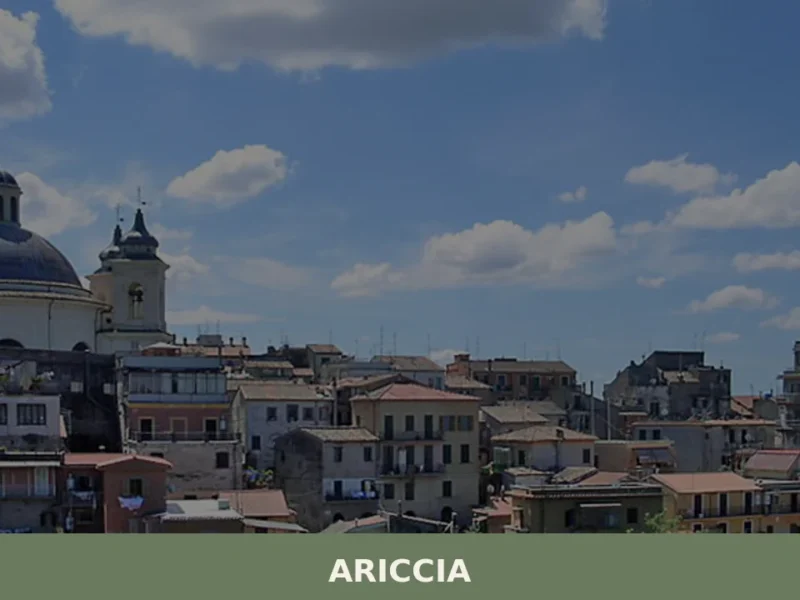
Ariccia
Hills
What to see in Ariccia: from Palazzo Chigi to the monumental bridge, discover the 5 top attractions. Plan your visit with this complete travel guide.
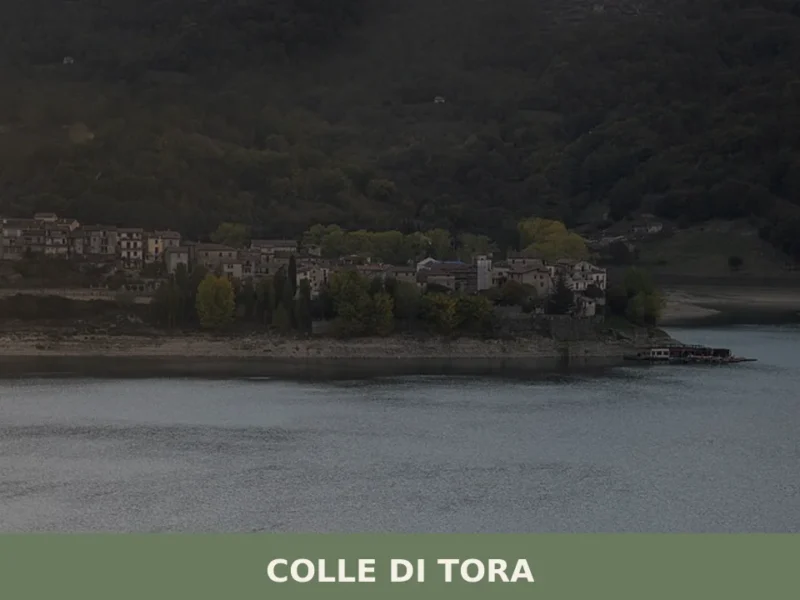
Colle di Tora
Hills
Lake
What to see in Colle di Tora: a village at 542 m on Lake Turano with 381 residents, a medieval centre and 3 PAT-certified products. Plan your visit today.
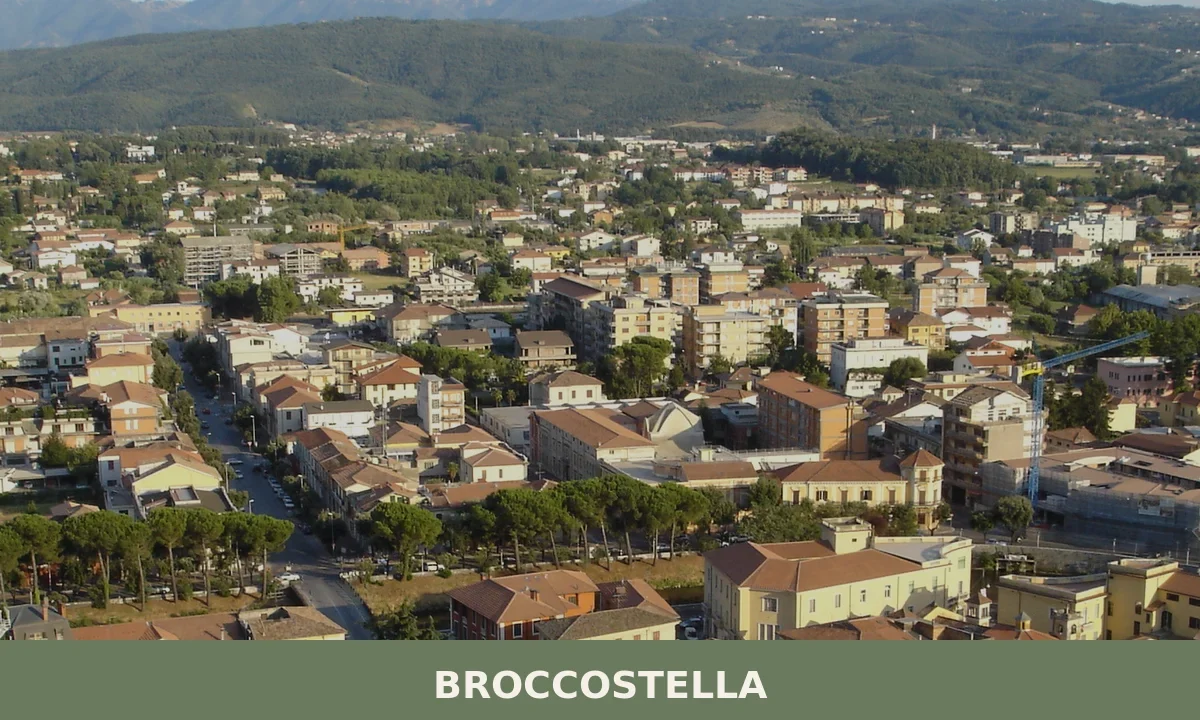
Broccostella
Hills
What to see in Broccostella, Lazio, Italy: 100 km from Rome, Lady Gaga connections, Apennine landscapes. Discover top attractions, food and travel tips.
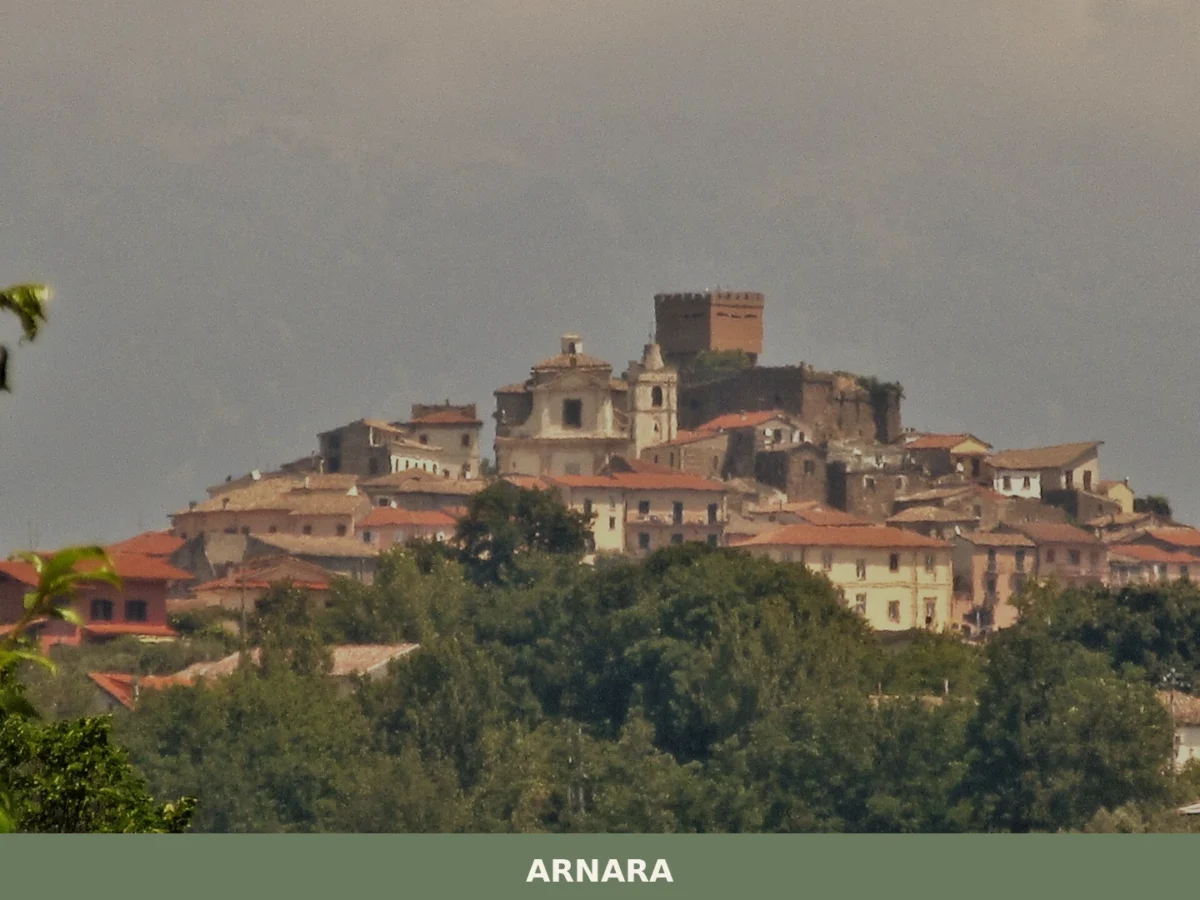
Arnara
Hills
What to see in Arnara, Lazio, Italy: medieval castle, Sacco Valley views at 250 m altitude, local food traditions. Discover top attractions and how to get there.
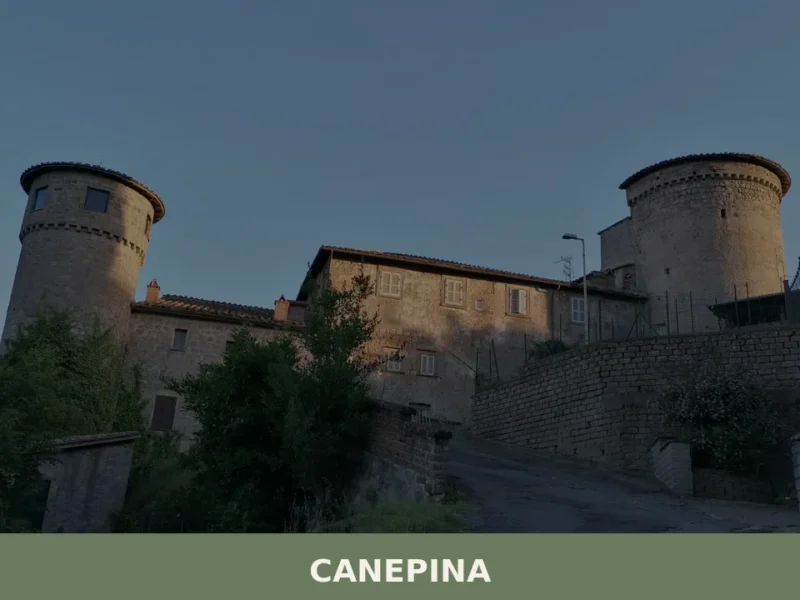
Canepina
Hills
What to see in Canepina, Lazio, Italy: explore this 3,127-inhabitant hill village 60 km from Rome. Discover its hemp heritage, patron saint feast and local cuisine.
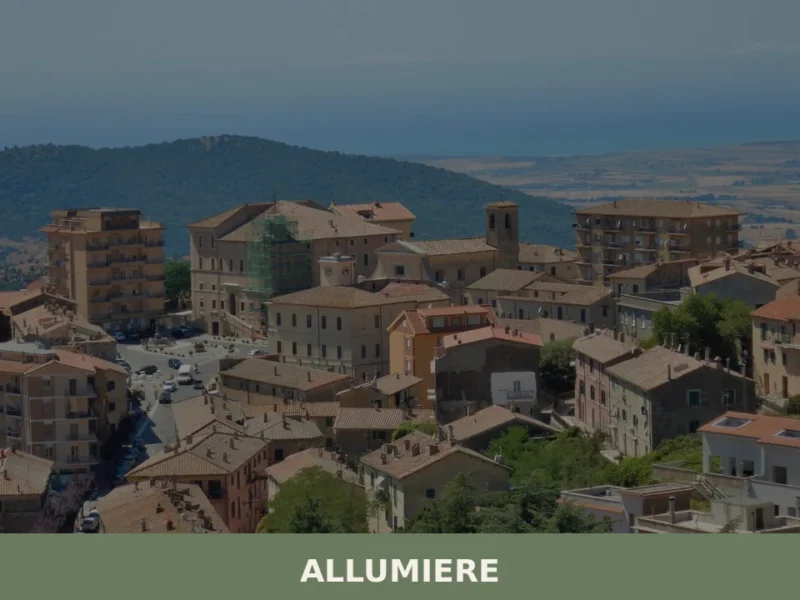
Allumiere
Hills
What to see in Allumiere, Lazio, Italy: explore the alunite mining history, Santa Maria Assunta church, and Borgo della Farnesiana. 4,146 inhabitants. Discover it now.
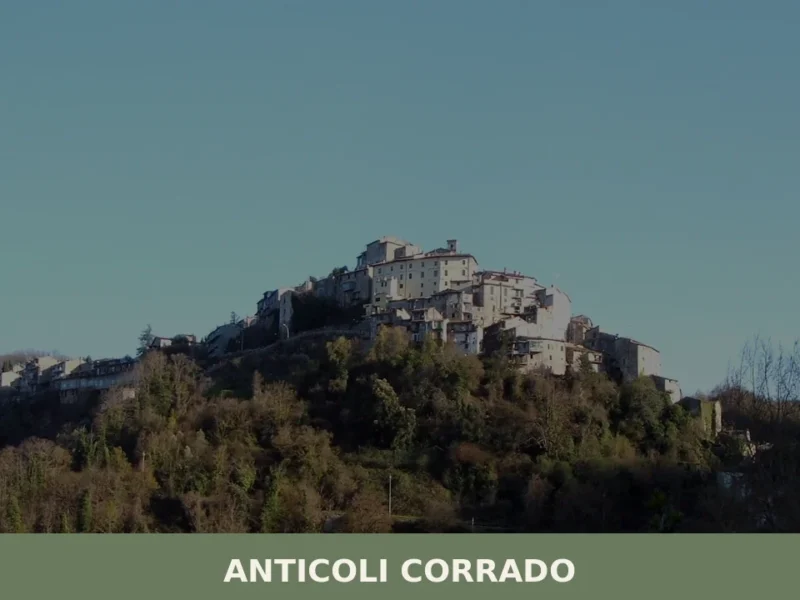
Anticoli Corrado
Hills
Stone walls rise in tight formation above the Aniene valley, 40 kilometres (25 mi) northeast of Rome, where a cluster of houses at 508 metres (1,667 ft) altitude holds the ruins of a medieval castle and an 11th-century church. The fountain in Piazza delle Ville was cast by Arturo Martini, a sculptor whose work now […]



🏡 Know Colle San Magno better than we do?
If you’re a local or have been there, your knowledge matters: add what’s missing or fix a detail on this page.