


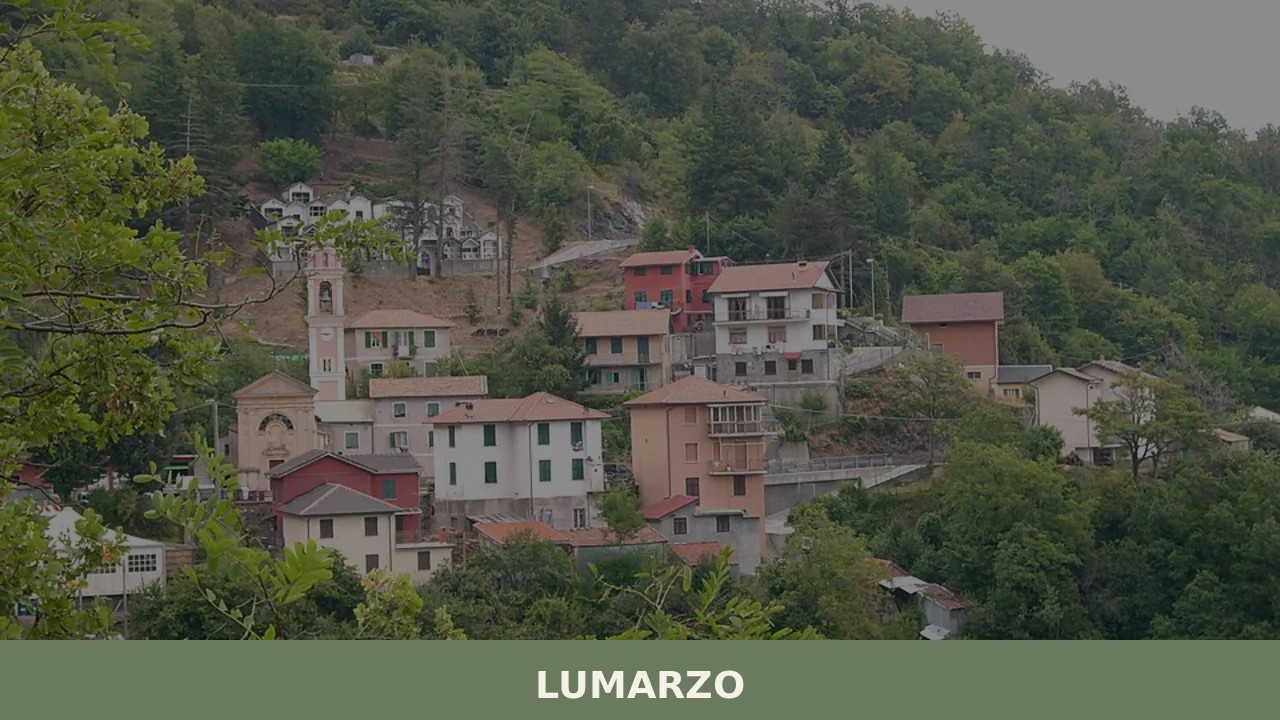
Lumarzo
 Hills
Hills
What to see in Lumarzo: a Ligurian village at 228m with 1,419 residents, historic oratories, Fontanabuona valley trails and the Saint Camillus feast. Plan your visit now.
Discover Lumarzo
At 228 metres above sea level, in the Fontanabuona valley, Lumarzo is a municipality in the metropolitan city of Genoa with 1,419 inhabitants and a history tied to the control of Liguria’s inland routes. Those wanting to know what to see in Lumarzo will find a village where religious devotion, Apennine landscape and rural architecture coexist in a direct and concrete way.
The feast day dedicated to Saint Camillus de Lellis still marks the rhythm of the year, and the municipal territory — divided into several hamlets — offers trails through woodland, historic oratories and views over the valley below.
History and Origins of Lumarzo
The name Lumarzo derives, according to the most widely accepted philological theories, from a medieval Latin root referring either to the lay of the land or to a place name of Roman origin.
The Fontanabuona valley, within which the municipality sits, was crossed from ancient times by transit routes connecting the Ligurian coast to the Apennines and Piedmont. These routes shaped human settlement in the higher areas, where it was possible to control the passes and make use of forest resources. The earliest documentary records of Lumarzo date to the medieval period, when the village fell within the orbit of Genoa’s feudal system, with its hamlets organised around places of worship and minor defensive structures.
During the late Middle Ages, the territory came under the control of the Republic of Genoa, which gradually extended its authority across the entire Fontanabuona valley.
Lumarzo’s position — away from the coast yet connected to it by mule tracks — made it a transit point for goods and people. Local communities developed a mixed economy based on livestock farming, timber cutting and modest hillside agriculture. The parish churches of the hamlets reflect the religious and social importance of these settlements, which often fell under the influence of Genoese noble families with landholdings in the valley, as explored further on the Wikipedia page for Lumarzo.
With the annexation of Liguria to the Kingdom of Sardinia in 1815 and then to the Kingdom of Italy in 1861, Lumarzo followed the administrative changes common to the entire region.
The municipality retained its autonomy while remaining part of the province of Genoa. In the twentieth century, like many villages in the Ligurian interior, Lumarzo experienced the effects of depopulation driven by the industrialisation of the coast and emigration towards larger urban centres. The population stabilised over time at modest levels — those that still define the municipality today, with its 1,419 residents spread between the main village and the hamlets across the hilly terrain.
What to See in Lumarzo: Main Attractions
The Parish Church of the Main Village
The parish church of Lumarzo is the religious and architectural focal point of the settlement.
Built in the forms typical of rural Ligurian religious architecture, it has a sober façade in local stone and an interior laid out in keeping with post-Tridentine Catholic tradition. The building holds furnishings and devotional works accumulated over the centuries, donated by local families. Its central position in the village makes it the reference point for regular liturgical celebrations and feast days. It is worth looking closely at the details of the external stonework, which reveals successive layers of construction from different periods.
Oratories of the Hamlets
The municipal territory of Lumarzo includes several hamlets, each with its own oratory or votive chapel.
These small religious structures are spread across the hillside and serve as stopping points along the local paths. Historically, the oratories played a role in bringing together dispersed communities, allowing religious practice without the need to travel to the main village. Many retain votive frescoes and processional statues made by local craftspeople. Exploring what to see in Lumarzo means giving time to these smaller buildings, which are often open only during feast days or on request to local residents.
The Fontanabuona Valley Landscape
The geographical setting of Lumarzo offers direct views over the Fontanabuona valley, one of the most extensive valleys in the Genoese interior.
From the higher points of the municipal territory, it is possible to take in the wooded hillsides, the agricultural areas of the valley floor and the nearby villages strung out along the Lavagna stream. The landscape is dominated by chestnut groves and mixed woodland that change colour with the seasons. The hiking trails crossing the municipality link the various hamlets and lead to panoramic ridges along the Ligurian Apennines. Walkers can follow historic routes once used to transport goods between the coast and the interior.
Hiking Trails Across the Municipal Territory
The network of paths across Lumarzo’s territory connects with the regional trails running through the Fontanabuona valley.
The routes pass through chestnut woodland, grazing areas and rural settlements that are either abandoned or still inhabited. The variety of elevation change — with the main village at 228 metres above sea level and the ridges rising considerably higher — makes the area suitable for both experienced hikers and those who prefer walks of moderate difficulty. Along the trails, visitors encounter fountains, dry-stone walls and agricultural terracing that document centuries of work on the land.
Anyone asking what to see in Lumarzo should not overlook this concrete landscape dimension.
Historic Hamlets of the Municipality
Lumarzo is a municipality made up of multiple hamlets, each with its own architectural character. Houses in grey local stone, arched doorways, narrow lanes and wooden loggias are recurring features in the built environment of the hamlets. Some settlements include structures dating to the medieval or early modern period, with later modifications that have not erased the original layout. Walking between the hamlets — connected by mule tracks and country lanes — allows visitors to read the settlement history of the territory at first hand.
Comparing the different settlements reveals the distinct agricultural, pastoral or craft-based vocations that shaped each community.
Local Food and Products of Lumarzo
The cuisine of the Genoese interior, to which Lumarzo belongs both geographically and culturally, differs from coastal cooking in its reliance on land-based ingredients.
The Fontanabuona valley has long sustained a gastronomic tradition built on forest produce, kitchen garden vegetables and small-scale livestock farming. The chestnut groves covering the hillsides have supplied chestnut flour for centuries, forming the base of numerous preparations both sweet and savoury. Without direct access to the sea, local cooking turned to preserved foods, pulses, wild herbs and pork — ingredients well suited to keeping and eating through the winter months.
Among the most deeply rooted preparations in the local tradition, chestnut flour polenta holds a prominent place: it was eaten both as a main dish and as an accompaniment to meat or mushroom sauces.
Genoese minestrone, enriched with basil pesto, is another reference point of the regional kitchen that extends into the interior as well, with seasonal variations depending on vegetable availability.
Porcini mushrooms, gathered in the surrounding woods in autumn, feature in several preparations: sautéed with garlic and parsley, dried for winter use or used as a sauce for fresh pasta. Vegetable torta, a local version of the Ligurian savoury tart made with puff pastry or bread dough, is filled with wild herbs, spring onions and prescinseua cheese.
As regards certified products, the available information contains no records of DOP, IGP, PAT, DOC or DOCG designations specifically attributed to the municipality of Lumarzo or its hamlets. Local cooking sits within the broader gastronomic tradition of inland Liguria, which makes the most of simple ingredients prepared using techniques passed down within families.
Extra-virgin olive oil produced in parts of the province of Genoa does feature in inland cooking, though the climatic conditions of the Fontanabuona valley favour chestnut cultivation more than the olive growing found in the coastal zones.
Food-related gatherings centre on the patron feast days and summer celebrations, when local associations organise communal meals with traditional dishes.
Autumn, coinciding with the mushroom and chestnut harvest, is the most active season for those wishing to engage directly with local food culture. The weekly markets in neighbouring Fontanabuona valley towns offer the chance to buy fresh local produce.
Festivals, Events and Traditions of Lumarzo
The patron feast of Lumarzo is dedicated to Saint Camillus de Lellis, founder of the Order of Ministers of the Sick, canonised in 1746. The date of the celebration follows a moveable calendar: it falls on the first Monday after the Feast of the Madonna del Bosco, which in turn takes place on the first Sunday after 8 September. This system of linked dates connects two distinct devotions — the Marian and the patron — creating a festive cycle concentrated in the second half of September.
The arrangement reflects a liturgical practice common to many communities in the Ligurian interior, where feast days cluster around recurring dates in the traditional religious calendar.
The patron celebrations include a solemn Mass, a procession with the statue of the saint through the streets of the village, and gatherings for the local community and for former residents returning for the occasion.
The Feast of the Madonna del Bosco, which precedes that of Saint Camillus, has a Marian character and belongs to the devotional tradition associated with woodland shrines, widespread across Liguria and southern Piedmont. These celebrations represent the most significant moments of collective gathering for a community of 1,419 inhabitants spread between the main village and its hamlets.
When to Visit Lumarzo and How to Get There
The most suitable period for visiting Lumarzo is late spring, between May and June, when vegetation is at its fullest and temperatures allow comfortable walks along the area’s trails. Autumn, from September to November, is equally good for those interested in the chestnut woods, mushroom picking and the September patron feast days.
Summer brings pleasant temperatures compared to the coast, with daily ranges that make even the middle of the day manageable at altitude.
Winter is frequented mainly by residents and those seeking the quiet of rural villages out of season. For up-to-date information on municipal services and local events, visit the official website of the Municipality of Lumarzo.
If arriving by car from the coast, the most direct route starts from Genoa along the main road that runs up the Bisagno or Fontanabuona valley. The most convenient motorway exit is Lavagna on the A12, from where the valley road continues northward. The distance from Genoa is approximately 30 kilometres. The nearest railway station is at Chiavari or Lavagna, on the coastal Genoa–La Spezia line, from which onward travel requires a car or local bus.
Those arriving from Genoa Cristoforo Colombo international airport cover around 35 to 40 kilometres. The municipality can also be reached from Rapallo by heading north up the Fontanabuona valley. Local roads are paved but narrow near the hamlets, so careful driving is advisable.
Other Villages to Explore in Liguria
The Ligurian interior offers a number of villages that share with Lumarzo the same multi-hamlet structure, Apennine landscape and distance from the tourist pressure of the coast.
Visitors to Lumarzo can build a broader itinerary by including Davagna, a municipality in the Bisagno valley also within the province of Genoa, where the rural landscape and stone architecture display characteristics similar to those of the Fontanabuona villages. Moving towards the western Riviera, Apricale, in the inland area of the province of Imperia, is a well-preserved example of a hilltop medieval settlement, with a castle and urban layout that document a historical phase common to many Ligurian villages.
For those wishing to alternate inland visits with the coast, Bonassola, on the eastern Riviera, offers an example of a small seaside village with a waterfront that has not been overwhelmed by development.
Savona is also worth a stop, with a historic centre that preserves medieval and Renaissance structures within a medium-scale urban setting. An itinerary combining Lumarzo with these villages allows visitors to cross Liguria according to a coherent geographical and historical logic, moving from mountain to hill to coast without losing sight of the region’s broader history.
Frequently asked questions about Lumarzo
What is the best time to visit Lumarzo?
The best time to visit Lumarzo is during autumn, particularly from mid-September to October. This period coincides with the vibrant foliage of the chestnut groves and the local mushroom and chestnut harvest, offering a rich immersion into local food culture. The patron feast of San Camillo de Lellis also falls in mid-September (the first Monday after the Feast of the Madonna del Bosco, which is the first Sunday after September 8th), bringing traditional celebrations. Spring and early summer are also excellent for hiking, with milder temperatures ideal for exploring the numerous trails and enjoying the verdant Fontanabuona Valley landscapes.
What to see in Lumarzo? Main monuments and landmarks
In Lumarzo, visitors should explore the Parish Church of the Main Village, the central architectural and religious focal point. Wander through the various historic hamlets to discover their unique rural architecture, characterized by grey stone houses, narrow lanes, and traditional loggias. Each hamlet often features its own small oratory or votive chapel, which, while sometimes open only during feast days or upon request, offers glimpses into local devotion and craftsmanship. From the higher points of the municipality, you can also enjoy expansive views over the Fontanabuona Valley.
What are the main natural or scenic attractions of Lumarzo?
Lumarzo's primary natural attractions revolve around the stunning Fontanabuona Valley landscape. From various elevated points within the municipal territory, you can enjoy panoramic vistas of wooded hillsides, agricultural areas, and charming villages nestled along the Lavagna stream. The area is dominated by extensive chestnut groves and mixed woodlands, providing beautiful scenery that shifts with the seasons. A network of well-maintained hiking trails offers direct access to these natural settings, leading to panoramic ridges within the Ligurian Apennines and connecting the historic hamlets.
Where to take the best photos in Lumarzo?
For memorable photos in Lumarzo, focus on the panoramic viewpoints accessible from the higher hiking trails, offering sweeping vistas of the Fontanabuona Valley, its wooded hills, and scattered hamlets. The Parish Church in the main village provides a classic architectural subject. Don't miss capturing the authentic charm of the historic hamlets themselves, with their characteristic grey stone houses, arched doorways, and narrow, winding lanes. These rustic details, along with the numerous small oratories tucked away in the landscape, offer picturesque scenes reflecting Ligurian rural life.
Are there museums, churches or historic buildings to visit in Lumarzo?
Yes, Lumarzo offers several religious and historic buildings to visit. The Parish Church of the Main Village stands as the primary architectural landmark, featuring sober stone facades and interiors reflecting post-Tridentine Catholic tradition. Additionally, the municipal territory is dotted with numerous small oratories and votive chapels, found within the various hamlets. While these oratories often have limited opening hours, typically during feast days or by arrangement with local residents, they preserve votive frescoes and statues. The historic hamlets themselves, with their medieval and early modern structures, are living examples of traditional Ligurian rural architecture.
What can you do in Lumarzo? Activities and experiences
In Lumarzo, you can immerse yourself in hiking and trekking across a diverse network of trails that connect historic hamlets and lead to panoramic ridges within the Ligurian Apennines. Explore the charming hamlets, discovering their unique rural architecture and small oratories. Engage with the local food culture, especially during autumn when the mushroom and chestnut harvest offers opportunities to taste traditional dishes like chestnut flour polenta. Attend village festivals, particularly the patron feast in mid-September, to experience communal meals and local traditions.
Who is Lumarzo suitable for? Families, couples, hikers, solo travelers?
Lumarzo is ideal for hikers, nature enthusiasts, and those seeking an authentic, tranquil rural Ligurian experience away from coastal crowds. Its diverse hiking trails, ranging from moderate to more challenging, appeal to both seasoned trekkers and families with an active interest in the outdoors. Cultural explorers will appreciate the historic hamlets, rural architecture, and local traditions. It's also suitable for couples and solo travelers looking for a peaceful escape, scenic views, and an immersion into inland Ligurian life and cuisine, particularly during the autumn harvest season.
What to eat in Lumarzo? Local products and specialties
In Lumarzo, the local cuisine, rooted in inland Ligurian traditions, features land-based ingredients. A must-try is chestnut flour polenta, a centuries-old staple often served with meat or mushroom sauces. Autumn brings an abundance of porcini mushrooms from the surrounding woods, used in various preparations. Savor the traditional vegetable torta, a savory tart filled with wild herbs, spring onions, and prescinseua cheese. Genoese minestrone, enriched with basil pesto, is also a regional highlight. While not specifically DOP/IGP, local extra-virgin olive oil is a key ingredient in many dishes.
Nearby Villages near Lumarzo
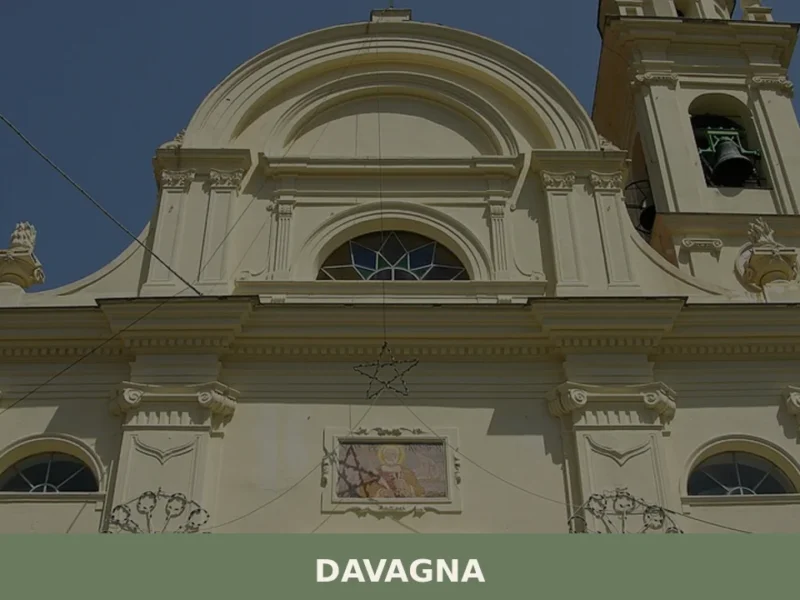
In Liguria More villages to discover
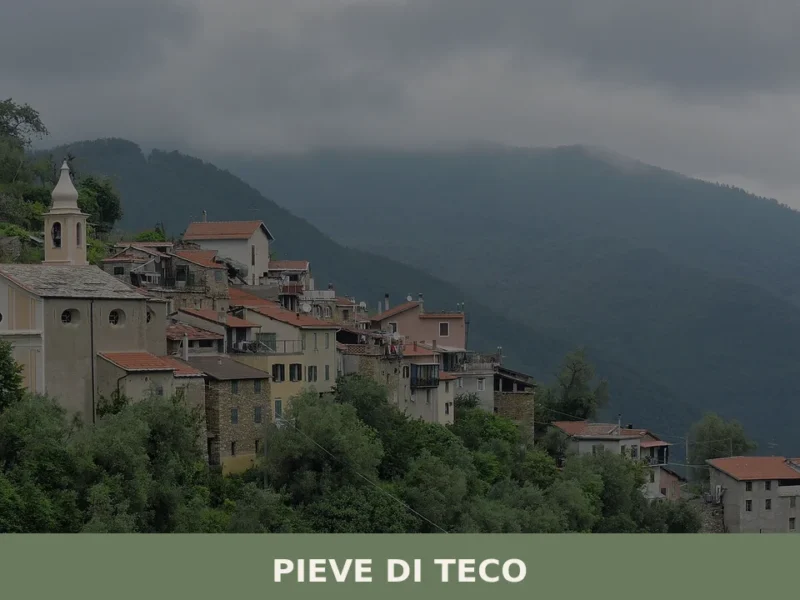
Pieve di Teco
 Mountain
What to see in Pieve di Teco, Liguria, Italy: explore 5 top attractions, local food, and how to get there. Population 1,411. Discover this Ligurian village.
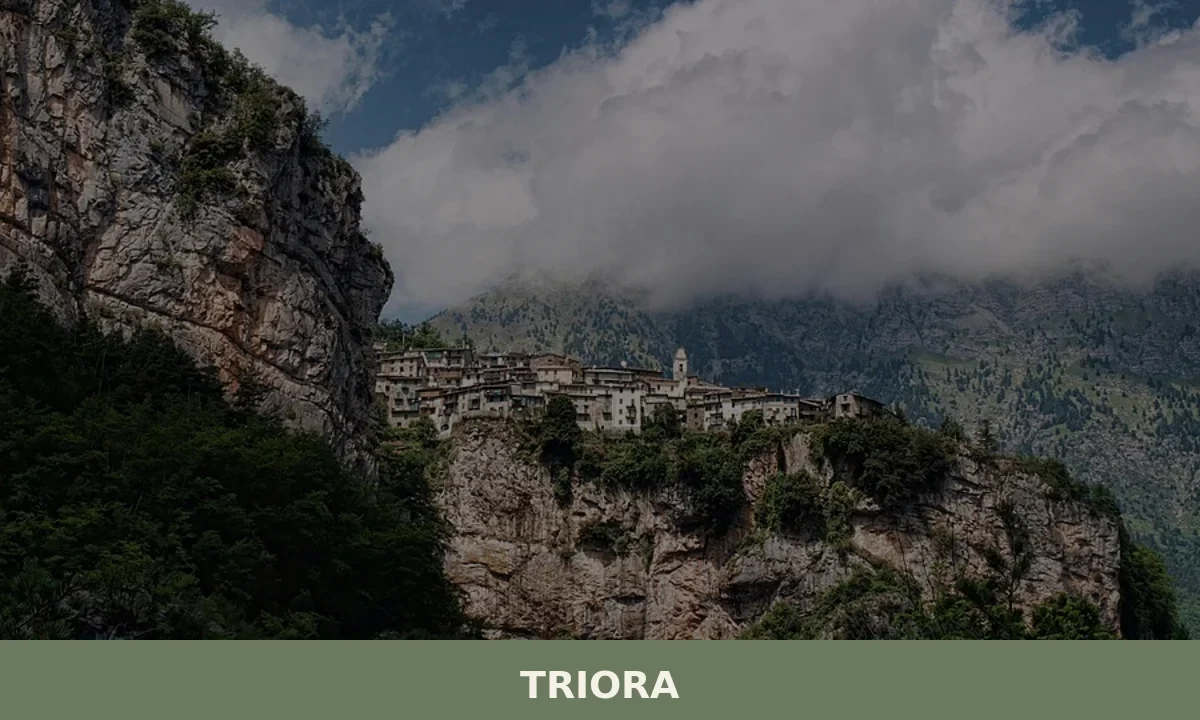
Triora
Mountain
what to see in triora, Italy: Explore this historic village, home to 416 residents, and discover its ancient witch trials history and vibrant August festival. Plan your visit today.
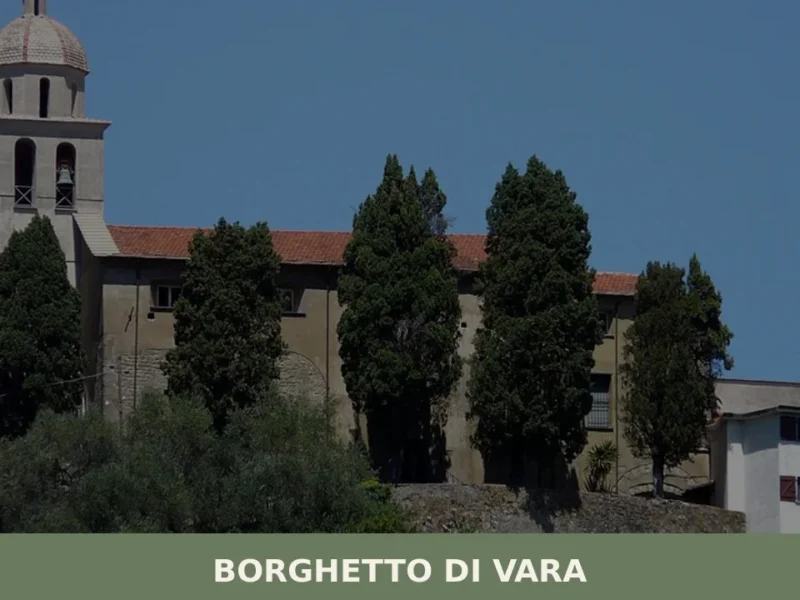
Borghetto di Vara
 Plains
What to see in Borghetto di Vara, Italy: Discover a village of 870 inhabitants at 104 m altitude. Explore its plain landscape and the Parish Church of San Carlo Borromeo.
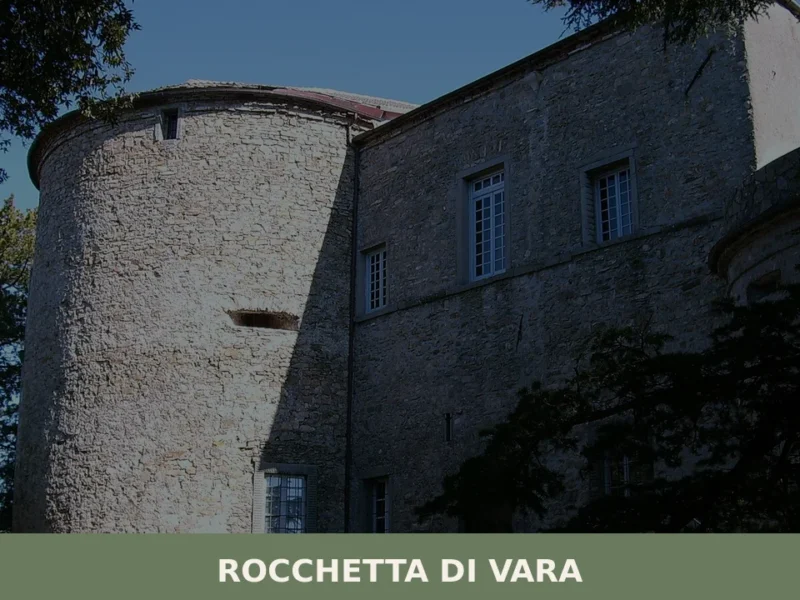
Rocchetta di Vara
Mountain
What to see in Rocchetta di Vara, Italy: 752 inhabitants, 70 km from Genoa. Discover top attractions, local food and how to get there. Complete guide.
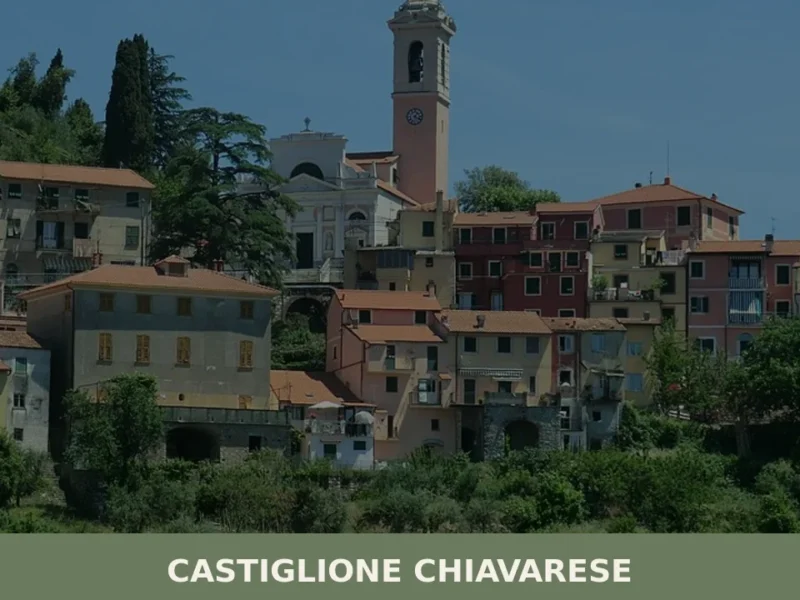
Castiglione Chiavarese
Hills
Castiglione Chiavarese sits at 271 metres above sea level in the province of Genova, its 1,586 inhabitants spread across a constellation of hamlets — or frazioni — that dot the hillsides above the Petronio valley. The comune’s territory stretches from the Ligurian ridge down toward the coast between Sestri Levante and Moneglia, covering a patchwork […]
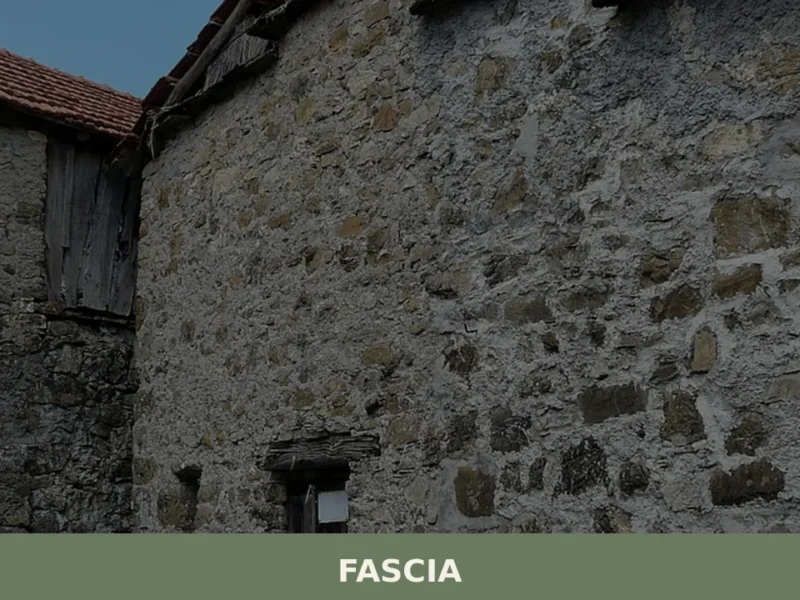
Fascia
Mountain
At 1118 meters above sea level, Fascia, in the province of Genoa, stands out as one of Liguria’s highest municipalities, with a population of just 70 inhabitants. This demographic data, recorded in the last census, defines a setting of rare tranquility and a distinct mountain identity. For those wondering what to see in Fascia, it […]
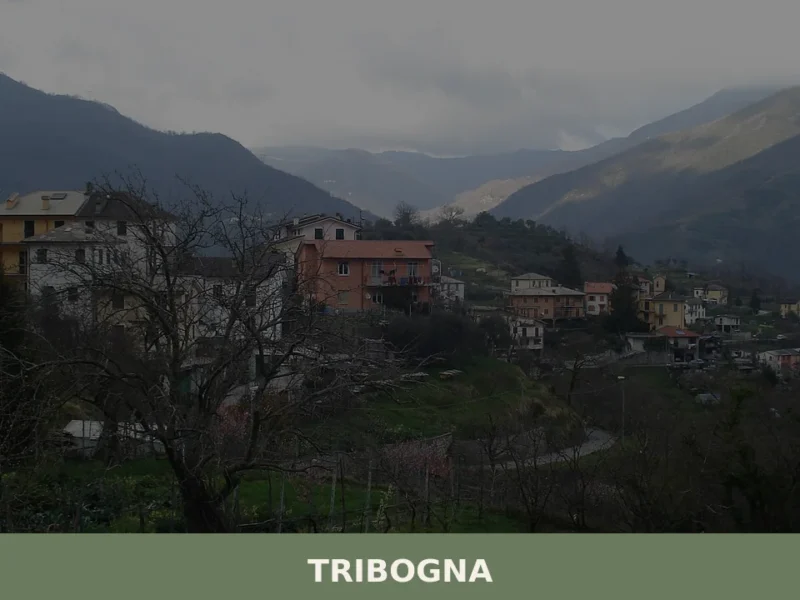
Tribogna
Hills
what to see in tribogna, Italy: Explore this Ligurian comune of 628 inhabitants, 33 km east of Genoa. Read about its administrative role and surrounding valleys.
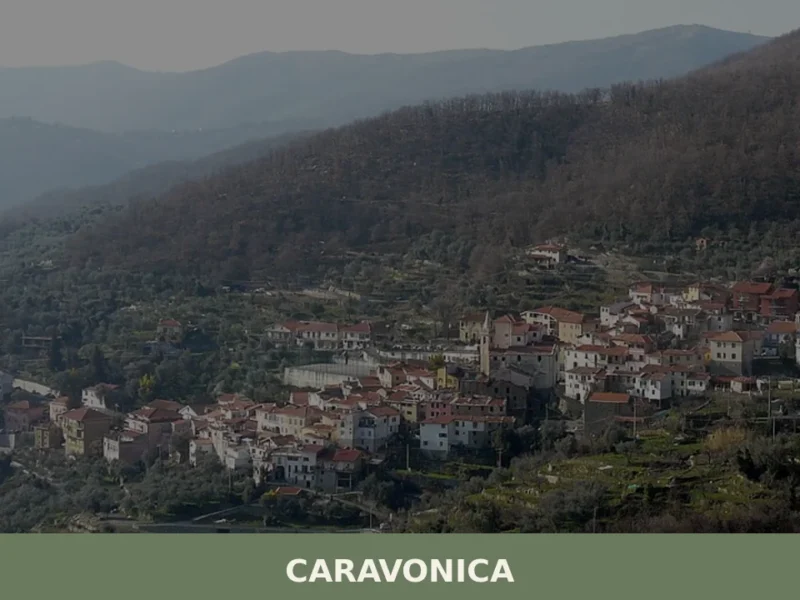
Caravonica
Hills
The scent of wild rosemary drifts on the morning air, carried by a breeze that has travelled from the Ligurian Sea and across the terraced olive groves. Morning light, still soft, begins to illuminate the ochre and terracotta facades of Caravonica “”, a village clinging to a hillside in the Imperia province. At 360 meters […]
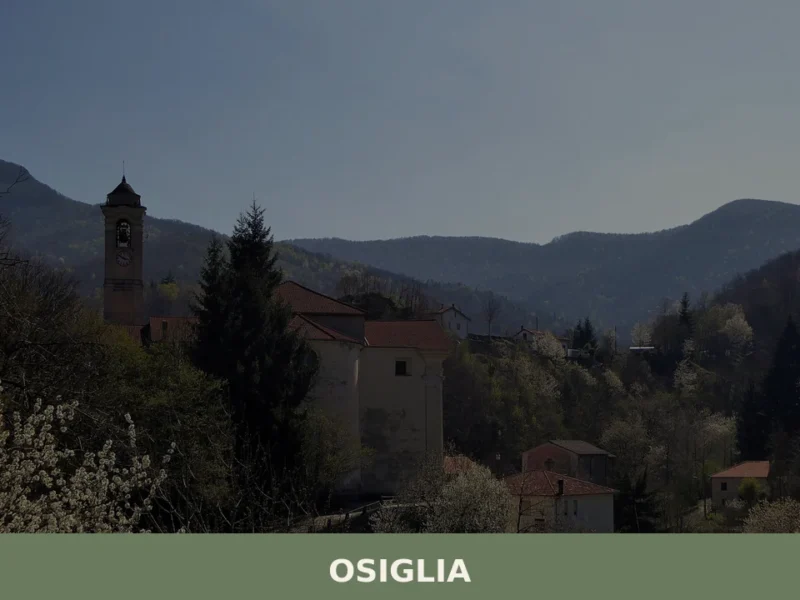
Osiglia
Mountain
What to see in Osiglia, Italy? Explore this Ligurian comune of 458 inhabitants, 25 km (16 mi) from Savona. Discover its mountainous surroundings and tranquil environment.
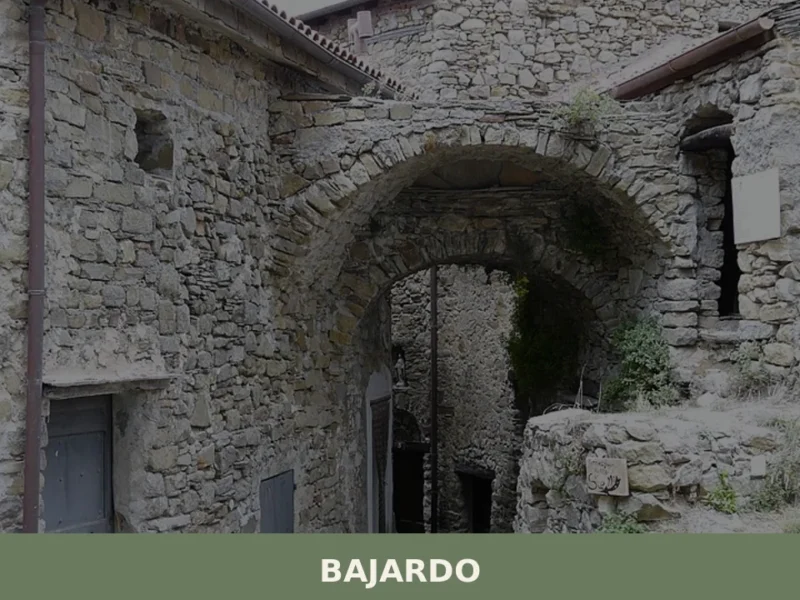
Bajardo
Mountain
What to see in Bajardo? Discover top 5 attractions at 910m, with historic ruins, stunning views, and trails. Plan your visit!






🏡 Know Lumarzo better than we do?
If you’re a local or have been there, your knowledge matters: add what’s missing or fix a detail on this page.