


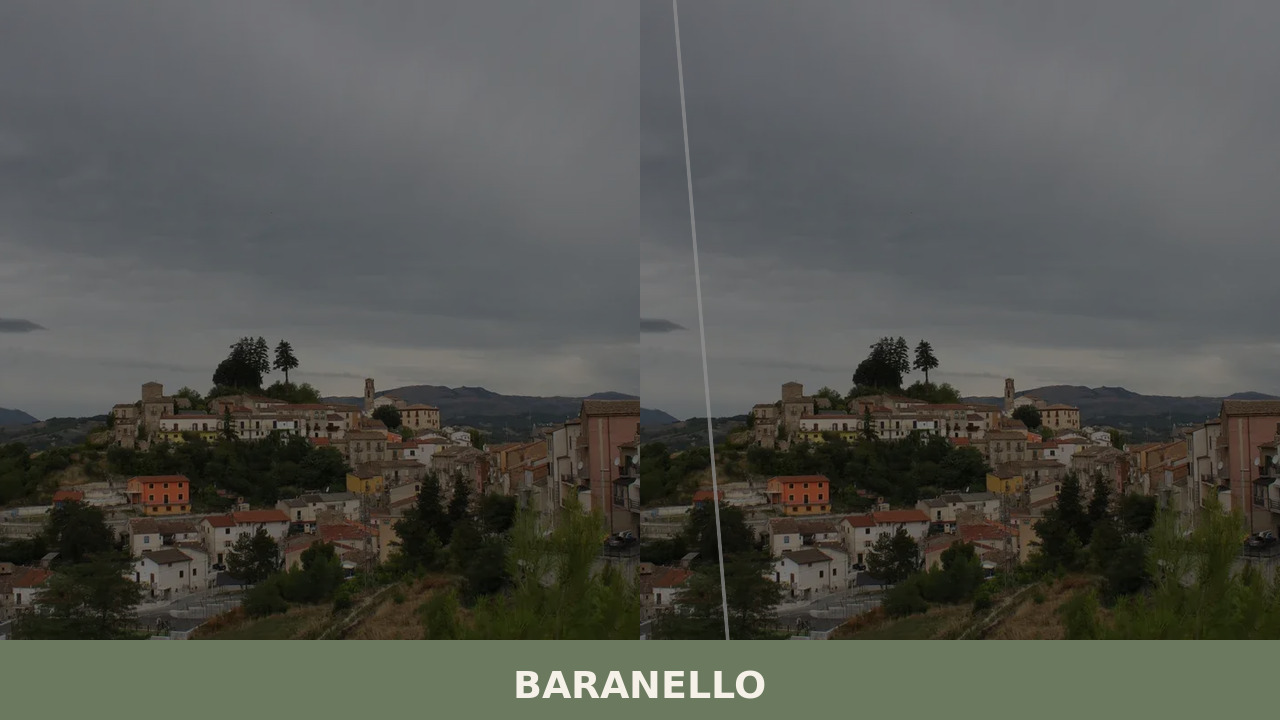
Baranello
 Mountain
A documentary guide to Baranello in Molise — its civic museum, medieval churches, castle, and the quiet rhythms of an overlooked Italian hill village.
Discover Baranello
Morning light spills across the rooftops in slow gradients of terracotta and grey stone, and the only sound is a dog barking somewhere below the castle walls. At 610 metres above sea level, the air in Baranello carries the sharp, clean edge of the Molise Apennines. This small comune of roughly 2,489 inhabitants sits in the province of Campobasso, quiet and largely overlooked by the tourist circuits that sweep through southern Italy. Understanding what to see in Baranello means slowing down — listening to the layers of history compressed into a handful of streets, a civic museum, and a church facade that has watched centuries pass without fanfare.
History of Baranello
The origins of Baranello are tied to the broader patterns of settlement across inland Molise — a landscape shaped by Samnite tribes long before Rome extended its reach southward. The name itself is thought to derive from a Lombard or early medieval root, though precise etymological consensus remains elusive. What is clear is that the settlement existed in some form during the Norman period, when the feudal organisation of southern Italy brought fortified hilltop villages like this one into strategic significance. The castello that still marks the village skyline dates its foundations to this era of baronial control.
Through the medieval and early modern centuries, Baranello passed through the hands of various feudal families, a common trajectory for small Molisan centres that changed allegiance with shifts in the Kingdom of Naples. The village’s position — elevated, defensible, surrounded by agricultural land — ensured its survival even as larger towns grew around it. By the 19th century, Baranello had gained a modest reputation beyond its size, largely due to the cultural collection amassed by Giuseppe Barone, which would become the nucleus of the village’s civic museum.
Like much of interior Molise, the 20th century brought emigration and demographic contraction. Yet the village’s historical fabric — its churches, its museum, the outline of its medieval street plan — has remained substantially intact, offering a record of southern Italian rural life that larger, more visited towns have often paved over.
What to see in Baranello: 5 must-visit attractions
1. Museo Civico di Baranello (Civic Museum)
The Civic Museum houses the eclectic collection assembled by Giuseppe Barone in the late 19th century: archaeological finds from the Samnite and Roman periods, ceramics, coins, and decorative arts. It is a rare example of a private collection preserved intact in a village of this size, and it offers an unfiltered window into the antiquarian passions of southern Italy’s provincial intelligentsia.
2. Chiesa di San Michele Arcangelo
The Church of San Michele Arcangelo anchors the village’s sacred architecture. Its stone facade, visible from across the valley, reflects centuries of modification — a layering of Romanesque bones beneath later Baroque interventions. Inside, the altarpieces and devotional paintings speak to the local patronage networks that sustained artistic production in rural Molise well into the 18th century.
3. Castello di Baranello
The castle, positioned at the village’s highest point, retains its Norman-era layout despite modifications over the centuries. It is not a grand palatial complex but a compact feudal structure — thick walls, narrow openings — built for vigilance over the surrounding valleys. Its form tells you everything about the strategic calculations that governed hilltop settlement in medieval Molise.
4. The Historic Centre
Walking through the centro storico reveals a tight weave of stone-built houses, arched passageways, and external staircases typical of Molisan hill villages. The street plan follows the contours of the ridge, with narrow vicoli that open without warning onto views of the Biferno valley. The architecture is vernacular, unrestored in the theatrical sense — which is precisely what gives it documentary value.
5. Panoramic viewpoints over the Biferno valley
Several points along the village’s perimeter offer unobstructed sightlines across the Biferno river basin and toward the Matese mountain range. On clear winter mornings, the snow line on the Matese is visible in sharp detail. These views contextualise Baranello within the wider geography of inland Molise — a region defined by its ridges, its river corridors, and the vast distances between settlements.
Local food and typical products
The cuisine of Baranello belongs to the broader tradition of Molisan mountain cooking — a repertoire built on dried pasta, pork, legumes, and foraged greens. Cavatelli, the hand-rolled pasta shape that defines the region, appears here dressed with ragù or with broccoli and sausage. Pork in its various preserved forms — soppressata, ventricina, capocollo — remains central to the domestic larder. The local olive oil, pressed from groves at the lower elevations around Campobasso, is peppery and direct. Bread, often baked in wood-fired ovens, is dense and long-lasting, designed for a rural economy where baking happened once a week.
Dining options in a village of this size are limited but genuine. Small trattorie and agriturismi in the surrounding area serve fixed menus that change with the season — lamb at Easter, mushrooms and polenta in autumn, bean soups through the winter months. The Molise region has worked to promote its agri-food heritage, and Baranello participates in this broader effort, though always on a scale that feels domestic rather than commercial.
Best time to visit Baranello
Spring and early autumn are the most comfortable seasons. April through June brings moderate temperatures and green hillsides; September and October offer warm days, cooler evenings, and the start of the olive and grape harvest. Summers at 610 metres are milder than on the coast, though July and August can still be warm during midday hours. Winter brings cold, occasionally snow, and a particular stillness that empties the streets and leaves the village to its residents.
The annual feast of San Michele Arcangelo, the village’s patron saint, is the most significant local event — a day of religious procession, communal eating, and music that temporarily concentrates the village’s social energy in its piazza. Visitors looking for an authentic encounter with Baranello’s community life should time their visit to coincide with this celebration or with the summer festivals common across Molisan villages in August, when emigrants return and the population briefly doubles.
How to get to Baranello
Baranello lies approximately 15 kilometres northwest of Campobasso, the regional capital. By car, take the SS87 from Campobasso toward Isernia; the turnoff for Baranello is clearly signposted. From Naples, the drive takes roughly two hours via the A1 motorway (exit at San Vittore) followed by the SS85 and SS17 through Isernia, or via the Benevento-Campobasso route on the SS88. From Rome, allow approximately two and a half to three hours.
The nearest train station is Campobasso, served by Trenitalia regional lines from Naples (via Benevento) and from the Adriatic coast. From Campobasso station, Baranello is reachable by local bus or taxi. The nearest airports are Naples Capodichino (approximately 150 km) and Pescara (approximately 160 km). A rental car is strongly recommended — public transport connections in inland Molise are infrequent and not designed around visitor schedules.
More villages to discover in Molise
Baranello belongs to a constellation of small Molisan centres, each with its own character and historical weight. On the Adriatic coast, Termoli offers a striking contrast: a walled fishing port on a headland above the sea, with a Romanesque cathedral, a Swabian castle, and a trabucco-lined coastline. The shift from Baranello’s inland silence to Termoli’s salt air and harbour activity captures the full range of the Molisan landscape in under an hour’s drive.
Inland and to the southeast, Larino preserves one of the region’s finest medieval cathedrals and a Roman amphitheatre that sits, half-excavated, at the edge of town. Larino’s annual Carrese — a dramatic ox-cart race through the streets — is one of Molise’s most distinctive traditions. Together, these villages sketch an outline of a region that rewards the patient traveller: one willing to follow secondary roads, eat in unmarked trattorie, and find significance in the small and the overlooked.
Frequently asked questions about Baranello
È possibile visitare Baranello come gita giornaliera da Campobasso?
Sì, Baranello si trova a circa 15 chilometri a nordovest di Campobasso, raggiungibile in auto in meno di 20 minuti tramite la SS87. Il centro storico, il Museo Civico e la Chiesa di San Michele Arcangelo sono visitabili in mezza giornata. È consigliabile abbinare la visita a un pranzo in una trattoria locale e, in stagione, a una passeggiata verso i punti panoramici sul Biferno. L'auto è il mezzo più pratico; i collegamenti con autobus pubblici da Campobasso sono limitati.
Quando si festeggia San Michele Arcangelo a Baranello?
San Michele Arcangelo è il patrono di Baranello. La festa liturgica di San Michele ricorre il 29 settembre, data tradizionalmente celebrata in molti comuni italiani dedicati a questo santo. La celebrazione locale include processione religiosa, musica e momenti di convivialità nella piazza del paese, rappresentando l'appuntamento comunitario più sentito dell'anno. Chi desidera vivere Baranello nella sua dimensione più autentica dovrebbe programmare la visita in prossimità di questa ricorrenza.
Esistono percorsi escursionistici o naturalistici nei dintorni di Baranello?
Baranello si inserisce nel contesto appenninico molisano, con la catena del Matese visibile dalle sue vedute panoramiche. Il territorio circostante è percorribile a piedi lungo sentieri rurali che collegano i centri collinari della provincia di Campobasso. Per escursionismo strutturato, il massiccio del Matese — ben visibile da Baranello — offre percorsi CAI documentati, accessibili dai paesi pedemontani vicini come Bojano. Si consiglia di verificare la segnaletica locale e le mappe CAI aggiornate prima di intraprendere percorsi nel territorio.
Qual è l'origine della collezione conservata nel Museo Civico di Baranello?
Il Museo Civico di Baranello nasce dalla raccolta privata di Giuseppe Barone, allestita nel corso dell'Ottocento. La collezione comprende reperti archeologici di epoca sannitica e romana, ceramiche, monete e arti decorative. Si tratta di un caso raro di collezione privata ottocentesca rimasta intatta in un comune di piccole dimensioni, testimonianza del mecenatismo e delle passioni antiquarie che caratterizzarono la borghesia provinciale del Mezzogiorno nell'età preunitaria e postunitaria.
Nearby Villages near Baranello
In Molise More villages to discover
Termoli
 Sea
Sea
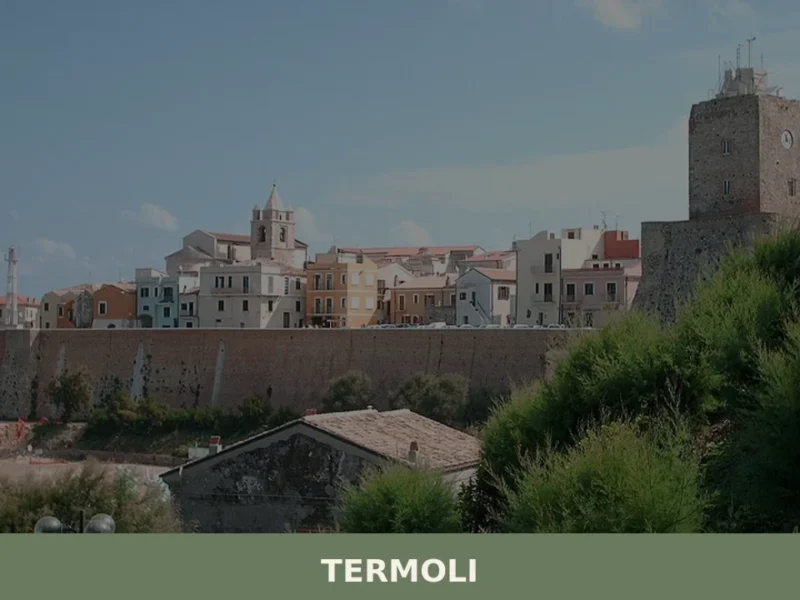
Salt air sharpens every breath along the stone ramparts at dawn, and the Adriatic below shifts between grey-green and pale blue as fishing boats throttle out from the harbour, trailing diesel and the promise of the day’s catch. Termoli — a working coastal town of roughly 32,000 people in the province of Campobasso — sits […]
Guglionesi
 Hills
Hills
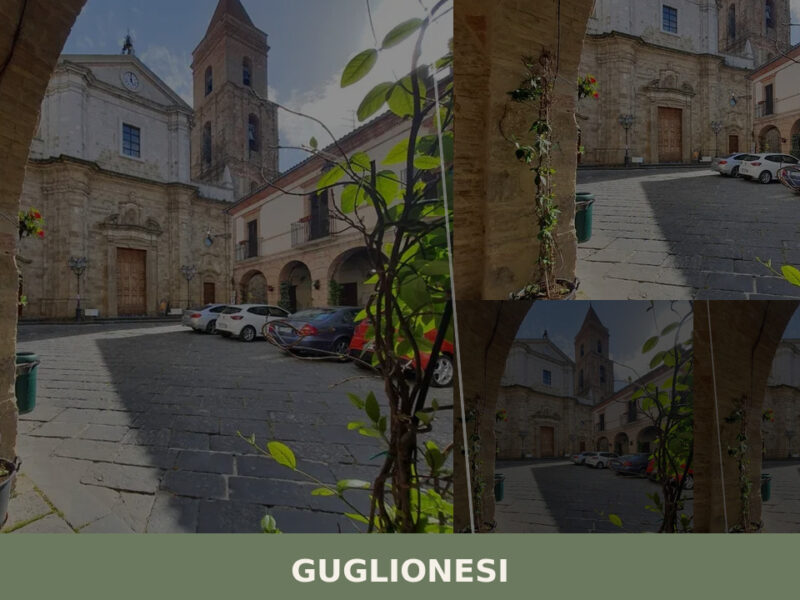
A hill town of nearly five thousand people in Campobasso province, Guglionesi offers Romanesque churches, Samnite archaeological traces, and wide Adriatic views across the Biferno valley.
Riccia
Mountain
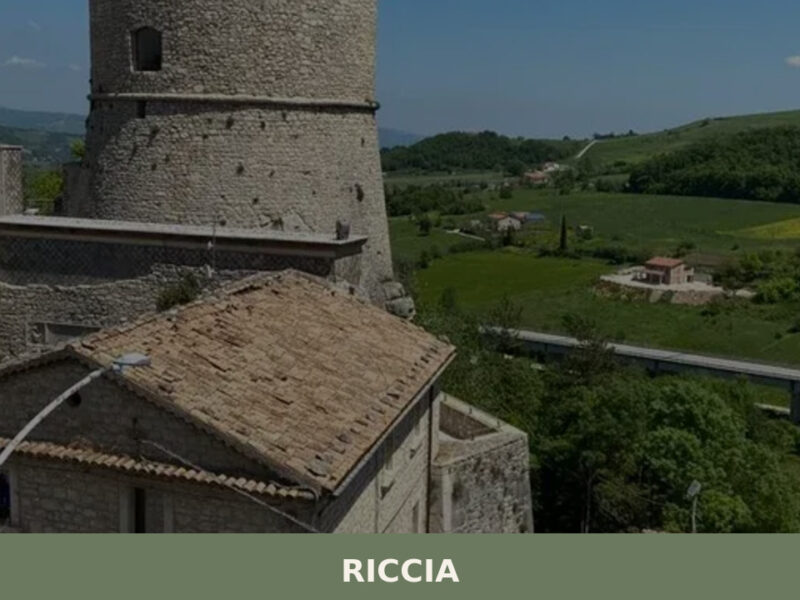
A hilltop village of 4,814 inhabitants in the province of Campobasso, Riccia reveals medieval streets, a Norman castle, and one of Molise's most celebrated food festivals.
Campochiaro
Mountain
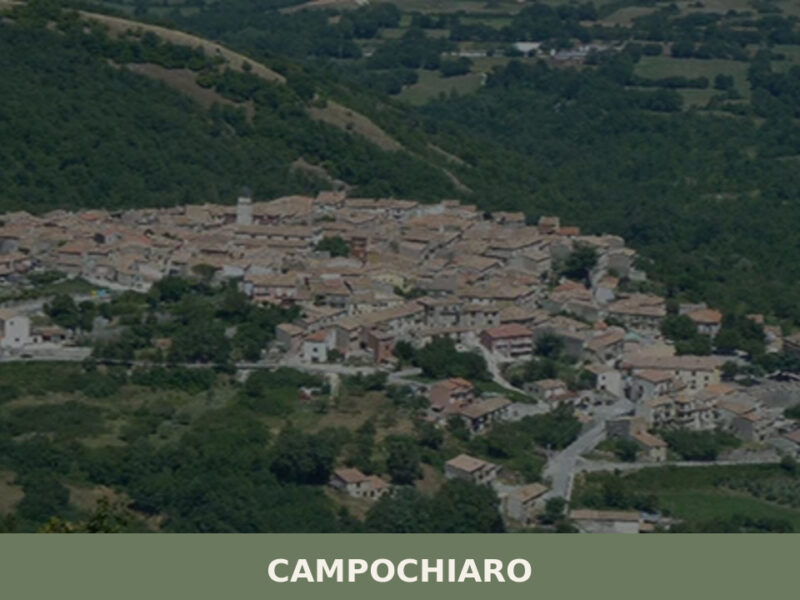
On the eastern slope of the Matese massif, where highland pastures descend toward the Biferno plain, Campochiaro greets visitors with its 594 inhabitants and a compact urban layout, arranged at 750 metres above sea level around the parish church dedicated to Saint Mark. Here, in 1980, archaeologists unearthed an Italic sanctuary from the Samnite period […]
Agnone
Mountain
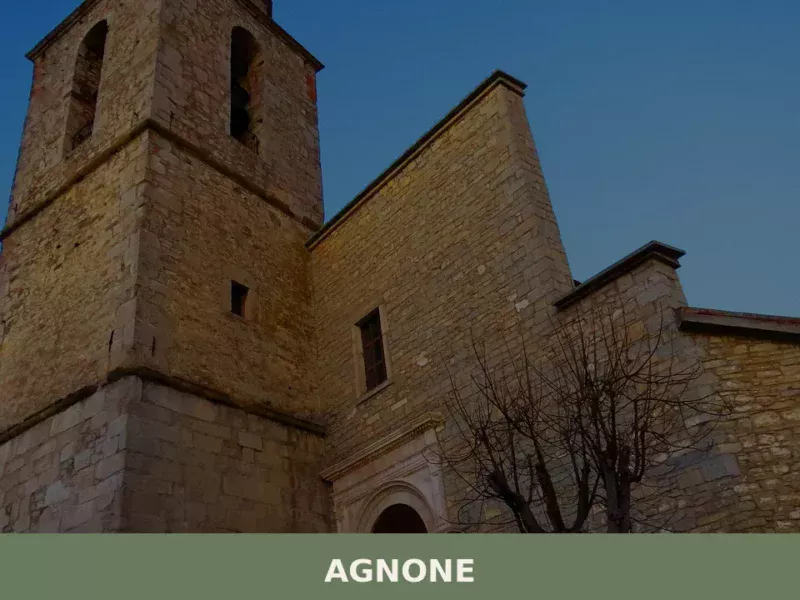
Discover what to see in Agnone, Molise: the 1040 Marinelli bell foundry, medieval churches, Samnite museum, local food and practical travel tips.
Trivento
Hills
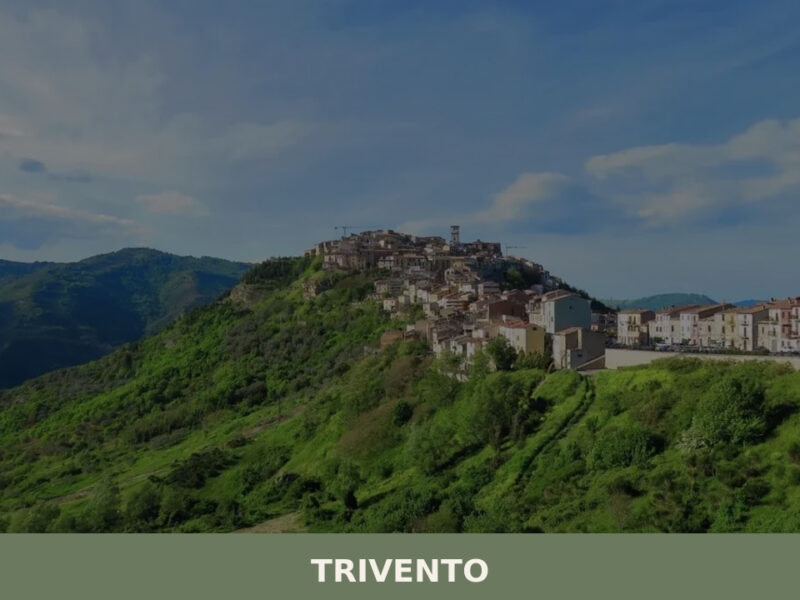
Morning fog lifts off the Trigno valley in slow, pale sheets, and Trivento emerges at 599 metres above sea level — a compact ridgeline of stone and tile roofs, church bells marking the quarter-hour across a town of 4,353 residents. The air carries woodsmoke and the faint resin scent of surrounding oak forest. If you […]
Acquaviva Collecroce
Hills
Discover Acquaviva Collecroce, a charming Croatian-speaking village in Molise, Italy. Explore its unique culture, history, traditions, and stunning landscapes.
Molise
Mountain
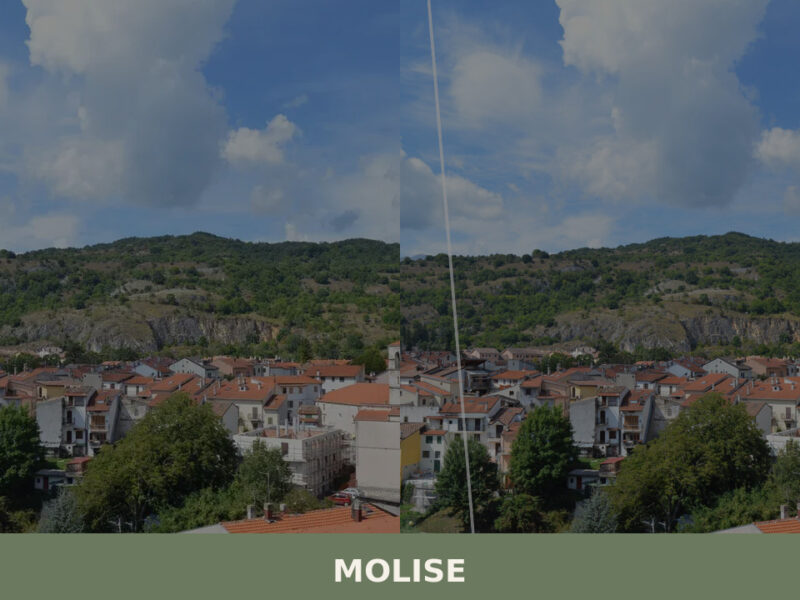
Molise is Italy's youngest and least-visited region. From Samnite theatres to Adriatic fishing towns, here is what to see in Molise.
Larino
Hills
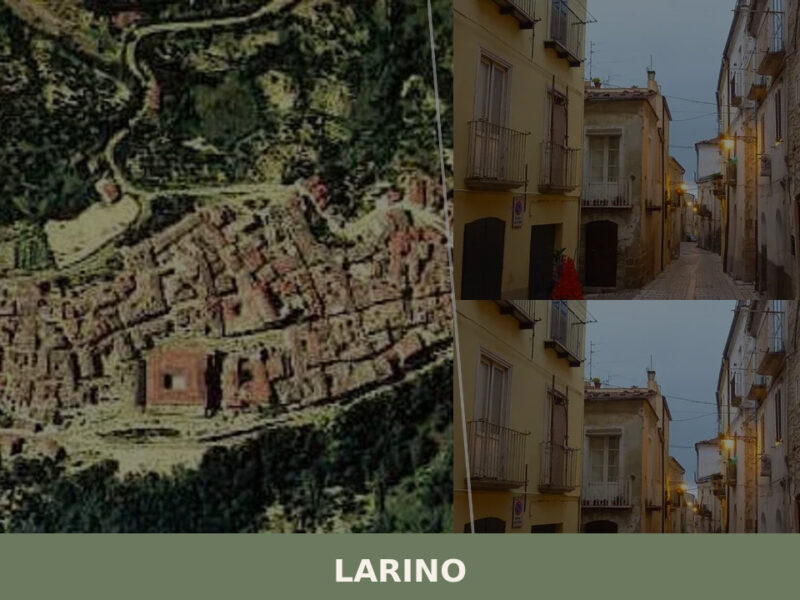
A layered town of Roman ruins and medieval stone in the Molisan countryside. Here is everything to see in Larino, from its amphitheatre to the Festa di San Pardo.
Ferrazzano
Mountain
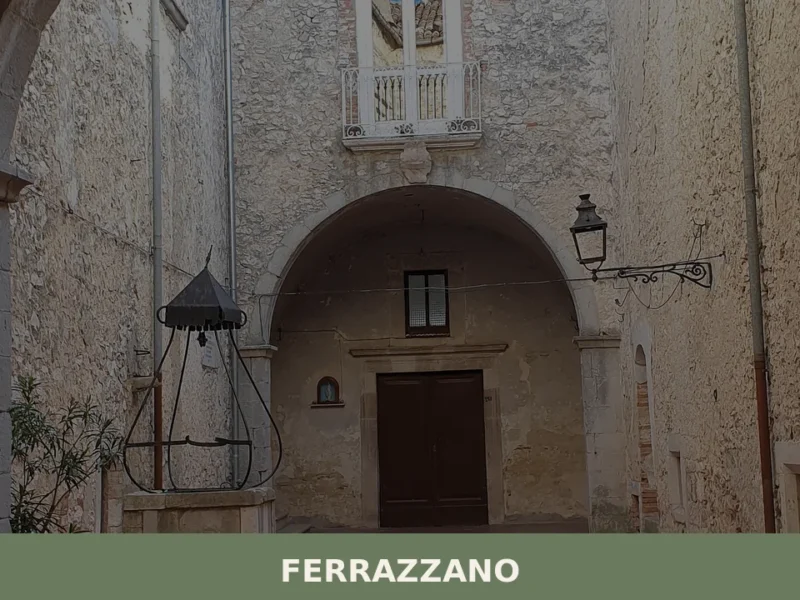
Morning light hits the limestone walls of Ferrazzano at an angle that turns every alley into a corridor of pale gold. At 872 metres above sea level, the air carries a sharpness that the lower towns of Molise never know — a clarity that makes the distant Adriatic coast visible on days when the haze […]


🏡 Know Baranello better than we do?
If you’re a local or have been there, your knowledge matters: add what’s missing or fix a detail on this page.