


Erice
 Sea
Sea
what to see in erice? Discover Erice, Italy, a village 751 m high. Explore ancient fortifications and the Norman Castle of Venus. Read our guide for top attractions.
Discover Erice
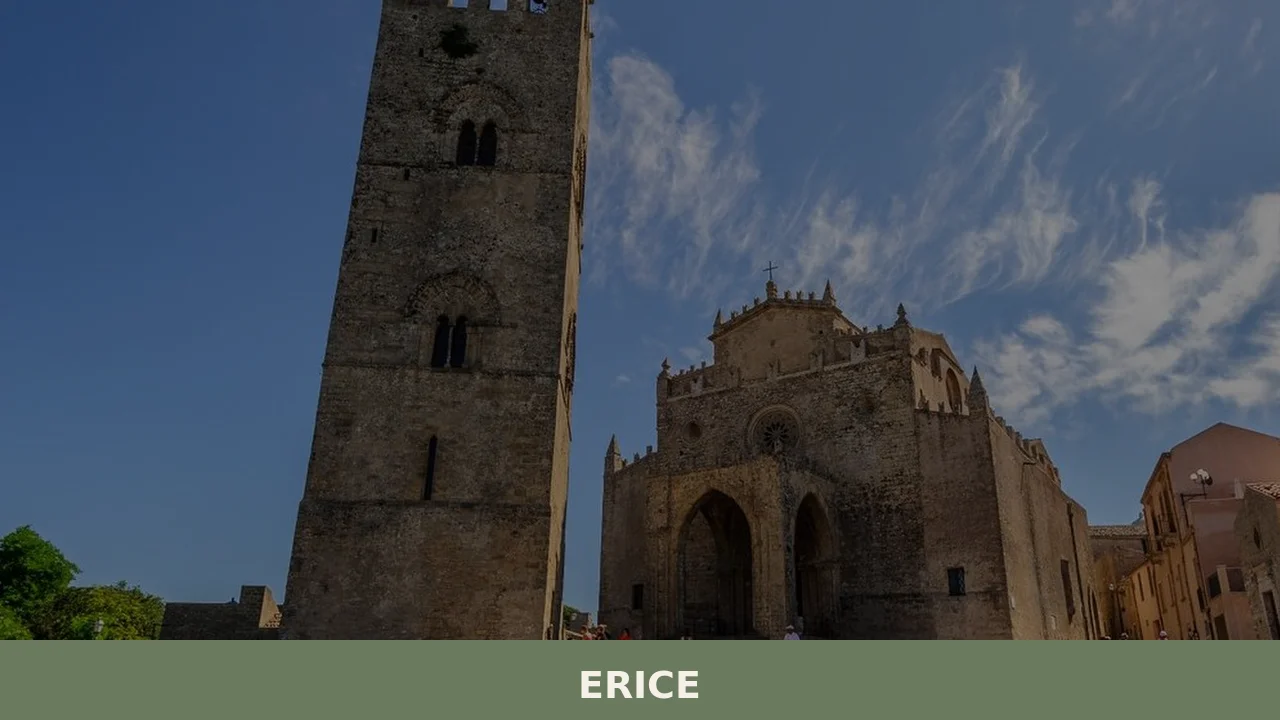
The cobbled paving of Erice’s historic centre, laid with small stones in intricate patterns, guides visitors through a street network that has retained its medieval layout. High on the summit of Monte Erice, this ancient city has for centuries watched over the Strait of Sicily, its strategic position evident in the enduring fortifications that define its silhouette.
Local food and typical products of Erice
When to visit Erice, Italy and how to get there
Erice, home to 25,594 inhabitants across its municipality, blends ancient history with a modern identity centred on science and peace, making it a compelling destination for international travellers. Visitors to Erice find a wealth of cultural heritage and educational initiatives, inviting exploration of its unique character and answering the question of what to see in Erice.
History of Erice
The earliest evidence of human activity on Erice’s hilltop dates back to the early first millennium BCE, when the Elymians established a settlement they called Iruka, complete with fortifications and a summit sanctuary. With the arrival of the Phoenicians in western Sicily by the early 8th century BCE and subsequent Carthaginian control until the Roman annexation in 241 BCE, the site developed within what are now known as the Elymian–Punic walls.
Excavations reveal distinct Elymian construction phases and later Punic rebuilding, marked by squared blocks bearing Punic mason’s marks, while the oldest quarter preserves a dense network of narrow, irregular lanes, interpreted as a defensive layout.
The modern settlement of Erice truly began to take shape during the Norman period, when the summit was re-fortified as the Norman Castle of Venus, a stronghold overlooking the Strait of Sicily.
From the Norman conquest, the town was known as Monte San Giuliano, a name it retained for centuries. By the 12th century, the traveller Ibn Jubayr documented abundant springs, cultivated fields, vineyards, and a fortress accessed by a bridge, indicating a thriving community. The town coalesced around three primary nodes: the Norman fortress with its Balio Towers, the Mother Church, and the Palazzo Giuratorio, which housed the giurati (sworn civic magistrates), all interconnected by key thoroughfares like the “Royal Road” and the “Great Road.”
What to see in Erice, Sicilia: top attractions
a, Italy, experienced periods of prosperity and decline under Spanish Habsburg and Bourbon rule, with its population peaking at approximately 12,000 by the late 1600s, a time when many palaces and churches were constructed.Bourbon land policies, which redistributed parts of the demanio (public lands), encouraged new rural settlements such as Custonaci and San Vito Lo Capo, a pattern also seen in other Sicilian towns like Poggioreale.
Following World War II, the re-inauguration of the Trapani-Erice Cable Car on 8 July 2005 dramatically improved accessibility, leading to a new era defined by intellectual pursuits and expanding the scope of what to see in Erice for visitors. In 1962, physicist Antonino Zichichi founded the Ettore Majorana Foundation and Centre for Scientific Culture, transforming Erice into an international hub for scientific research and peace initiatives, attracting Nobel laureates and fostering declarations such as the Erice Statement on the responsibilities of science.
What to see in Erice, Sicilia: top attractions
Norman Castle of Venus
Dominating the highest point of Monte Erice, the Norman Castle of Venus stands on the site of an ancient sanctuary that saw continuous construction phases from antiquity.
Re-fortified by the Normans, this formidable structure served as a crucial defensive stronghold over the Strait of Sicily during the medieval period, particularly during the kingdom’s ventures in Ifriqiya between 1148 and the 1160s. Visitors can explore the remnants of the fortress, which once housed Spanish troops after 1632, and appreciate its strategic command of the surrounding landscape, offering expansive views extending towards the coast and beyond.
The castle’s enduring presence highlights Erice’s long military significance.
Elymian-Punic Walls
Circumscribing the ancient settlement, the Elymian-Punic Walls represent a tangible link to Erice’s earliest inhabitants, with sections dating back to the Elymian phase and later Punic rebuilding.
These fortifications feature squared blocks, some bearing distinctive Punic mason’s marks, providing insight into the construction techniques of the late 6th century BCE. Exploring the circuit allows visitors to trace the defensive layout that protected the community from the early Iron Age onwards. The walls are best observed from outside the historic centre, where their imposing scale and ancient craftsmanship are most evident against the natural rock formations of Monte Erice.
Balio Towers and Gardens
Serving as the fortified gateway to the upper citadel and the Norman fortress, the Balio Towers are a prominent feature of Erice’s medieval defences, offering insight into the village’s strategic past and providing another answer to what to see in Erice.
In the 1870s, Count Agostino Sieri Pepoli leased the towers and transformed the surrounding area into the landscaped Balio Gardens, creating a public green space that contrasts with the stone architecture.
Within these gardens, he also constructed the neo-Gothic Pepoli Turret, intended as a private retreat for study and cultural exchange, which later became a significant venue for gatherings of writers and scholars. Today, the Pepoli Turret houses a Peace Observatory, known as the “Lighthouse of the Mediterranean,” inviting reflection on science and peace initiatives.
Ettore Majorana Foundation and Centre for Scientific Culture
Established in 1962 by physicist Antonino Zichichi, the Ettore Majorana Foundation and Centre for Scientific Culture has transformed Erice into a global nexus for advanced education and research, adding a unique modern layer to what to see in Erice. This institution hosts international scientific schools and workshops year-round, attracting renowned scholars, including Nobel laureates like Paul Dirac and Steven Weinberg.
Its curriculum spans diverse disciplines, from particle physics to ethics and microelectronics, fostering significant declarations such as the Erice Statement on the responsibilities of science.
The Foundation’s dedication to science-for-peace has garnered international recognition, drawing attention from world leaders and leading to initiatives like the Ettore Majorana–Erice–Science for Peace Prize, solidifying Erice’s modern identity as a “city of science and peace.”
Cordici Museum
Founded in 1876, the Cordici Museum offers a cultural journey through Erice’s past, initially established to preserve local heritage. Since 1939, the museum has been housed on the upper floors of the Palazzo Municipale, occupying rooms that once served as the municipal theatre. Its collections provide insights into the town’s artistic and historical evolution, showcasing artefacts and documents from various periods.
Visitors interested in local history and art will find the museum’s exhibits illuminating, providing context to the ancient and medieval structures seen throughout the village.
The museum serves as a key repository for the collective memory of Erice, Sicilia, Italy.
Local food and typical products of Erice
Erice’s gastronomic tradition is deeply rooted in the agricultural bounty of its surrounding territory and its historical position within Sicily, reflecting centuries of diverse cultural influences from Elymian, Punic, Greek, and Arab settlers, adding another dimension to what to see in Erice beyond its ancient stones. The fertile foothills, especially those producing Erice DOC wine, contribute significantly to the local palate. Sicilian cuisine, in general, emphasizes fresh, seasonal ingredients, with a strong focus on seafood from the nearby coast and produce from the fertile plains. This blend of mountain and sea traditions shapes a distinct culinary identity, characterized by robust flavours and simple, yet refined, preparations.
While specific dishes are not detailed in historical accounts for Erice itself, the broader Trapanese culinary tradition, which Erice shares, offers a glimpse into local tastes. Expect to find pasta dishes like Busiate al Pesto Trapanese, a hand-rolled pasta served with a pesto made from tomatoes, almonds, basil, garlic, and Pecorino cheese. Another staple is Couscous di Pesce, a North African-influenced dish featuring semolina steamed and served with a rich fish broth and various seafood.
Desserts often include almond-based pastries, a legacy of Arab influence, such as Genovesi Ericine, sweet pastries filled with cream.
The agricultural landscape surrounding Erice is particularly noted for its viticulture, contributing to the region’s certified products.
Erice DOC wine (CERT) is produced in the foothills of the municipality, recognized for its quality and distinctive characteristics. The Erice DOC zone includes several varieties, both white and red, benefiting from the unique microclimate and soil conditions of the area. This designation ensures adherence to specific production standards, guaranteeing authenticity and a connection to the local territory.
Visitors keen to experience the local produce can explore the area surrounding Erice, where several wineries offer tastings and direct sales of Erice DOC wine. While specific markets within the historic centre are not highlighted in historical records, smaller local shops often carry regional specialities. For those interested in the broader culinary landscape of Sicily, venturing into the provincial capital of Trapani provides access to larger markets and a wider array of regional delicacies, including fresh seafood and traditional pastries.
Festivals, events and traditions of Erice
The village of Erice reveres Santuario di Maria Santissima di Custonaci as its patron saint, celebrating her feast day on the last Wednesday of August.
This annual event is a significant expression of local tradition and faith, drawing both residents and visitors.
The celebrations typically involve religious processions through the historic streets, where the effigy of the Madonna is carried amidst hymns and prayers, reflecting centuries-old devotion. The atmosphere is often complemented by traditional music, local food stalls, and sometimes fireworks, creating a vibrant community gathering.
Beyond the religious observance, Erice maintains its cultural identity through traditions that reflect its long history. The town’s commitment to science and peace, embodied by the Ettore Majorana Foundation, has evolved into a modern tradition of intellectual exchange and dialogue. This focus is further highlighted by the Peace Observatory in the Pepoli Turret, which actively promotes intercultural understanding.
While the sources do not specify other annual festivals or food fairs, the ongoing scientific conferences and educational initiatives represent a contemporary and defining aspect of Erice’s yearly calendar, drawing international participants to its ancient setting.
When to visit Erice, Italy and how to get there
The best time to visit Erice, Italy, and indeed much of Sicilia, is during the spring (April to June) or early autumn (September to October).
These periods offer pleasant temperatures, making it ideal for exploring the hilltop village and its surroundings without the intense heat of the summer months, and allowing visitors to fully appreciate what to see in Erice. Erice’s altitude of 751 m (2,464 ft) provides a natural refuge, offering cooler breezes even in summer, which made it a favoured villeggiatura destination for centuries. However, spring brings blooming flora and fewer crowds, while autumn offers comfortable weather and the grape harvest season for the Erice DOC wine region.
Erice is readily accessible, largely due to the Trapani-Erice Cable Car, which re-inaugurated on 8 July 2005.
This cable car connects the lower districts of Erice, contiguous with Trapani, to the historic hilltop centre, providing a convenient and scenic journey for day-trippers and daily commuters alike, making it easier to explore what to see in Erice. The town’s medieval layout features narrow, irregular lanes and cobbled paving, which, while charming, can be uneven in places, so comfortable walking shoes are advisable. For those arriving by car, parking is available at the base of the cable car or at designated areas outside the historic centre, as vehicle access within the ancient walls is restricted.
To reach Erice, visitors typically fly into Trapani–Milo Airport, which is located nearby.
From the airport, one can take a shuttle or taxi to Trapani, the provincial capital, which is the nearest major city for a day trip to Erice. From Trapani, the most direct and recommended route up to the historic centre is via the Trapani-Erice Cable Car. For those driving, Erice is connected by provincial roads; check local signage for parking options before ascending to the historic centre.
International visitors should note that while major tourist areas may have English speakers, carrying some Euros cash can be useful for smaller shops and cafes.
Where to stay near Erice
Erice offers a range of accommodation options that allow visitors to fully immerse themselves in its historic atmosphere. While the Grand Hotel Igea, a symbol of early 20th-century tourism, has been repurposed for educational facilities, the village and its immediate surroundings provide several choices. These typically include smaller, independently run hotels, charming bed and breakfasts, and various holiday rentals found within the historic centre’s medieval buildings. Many of these establishments reflect the local architecture, providing a distinct experience.
For those seeking a deeper connection with the Sicilian landscape, the surrounding foothills and lower districts offer additional options, including agriturismi that combine hospitality with agricultural activities.
These can be particularly appealing for visitors interested in the local Erice DOC wine region, similar to stays found near Gangi. While former monasteries now serve as boarding facilities and teaching labs for a hospitality school, their historical use underscores the village’s long tradition of welcoming guests.
Exploring these options allows visitors to choose between a stay within the ancient walls or in the tranquil countryside nearby.
Beyond Erice, visitors exploring western Sicily can extend their itinerary to other significant sites. Consider a visit to Godrano, an inland village offering a different perspective on Sicilian rural life, or delve into the profound ancient history of Siracusa, a major city on the island’s eastern coast renowned for its Greek ruins and baroque architecture. These destinations, alongside Erice, present a comprehensive picture of Sicily’s diverse heritage and natural beauty.
Frequently asked questions about Erice
What is the best time to visit Erice?
Spring (April–June) and early autumn (September–October) offer the most pleasant conditions, with mild temperatures and clear visibility from Monte Erice's 751 m summit. Summer remains cooler than coastal Sicily thanks to the altitude, making it a refreshing escape from the heat. August is particularly lively: the feast of the patron Santuario di Maria Santissima di Custonaci is celebrated on the last Wednesday of August, drawing locals and visitors alike. Winter can bring fog and mist that shroud the hilltop, creating an atmospheric but less panoramic experience.
What are the historical origins of Erice?
Erice's origins trace back to the early first millennium BCE, when the Elymians founded a settlement called Iruka on the summit of Monte Erice, complete with fortifications and a sanctuary. Phoenician and Carthaginian influence followed, leaving visible traces in the Elymian–Punic walls with their characteristic squared blocks and Punic mason's marks. Rome took control in 241 BCE. The Normans later re-fortified the site, naming it Monte San Giuliano, a name it kept for centuries. In 1962, physicist Antonino Zichichi founded the Ettore Majorana Foundation, reshaping Erice into an international centre for science and peace.
What to see in Erice? Main monuments and landmarks
Key sites include the Norman Castle of Venus, perched at the summit with sweeping views over the Strait of Sicily; the ancient Elymian–Punic Walls, best appreciated from outside the historic centre; and the Balio Towers and Gardens, which feature the neo-Gothic Pepoli Turret, now home to a Peace Observatory. The Cordici Museum, housed in the Palazzo Municipale since 1939, displays artefacts spanning Erice's long history. The Ettore Majorana Foundation adds a unique scientific and cultural dimension. The medieval street network itself, with its intricate cobbled paving, is worth exploring on foot.
What are the main natural or scenic attractions of Erice?
Monte Erice itself is the primary natural attraction, rising to 751 m above sea level and offering panoramic views across the Strait of Sicily, the Egadi Islands, and on clear days towards Tunisia. The Balio Gardens, landscaped in the 1870s by Count Agostino Sieri Pepoli, provide a rare green space within the stone-dominated historic centre. The mountain's altitude creates a distinct microclimate with cool breezes even in summer, and morning mist often envelops the hilltop, producing dramatic atmospheric scenery particularly appealing to photographers and nature lovers.
Where to take the best photos in Erice?
The terrace of the Norman Castle of Venus offers the most expansive panorama, stretching across the Strait of Sicily and, on clear days, towards the Egadi Islands and the Tunisian coast. The Balio Gardens provide a picturesque setting combining medieval towers, neo-Gothic architecture, and manicured greenery. The cobbled lanes of the historic centre, with their intricate stone paving and narrow medieval passages, offer compelling architectural compositions. Early morning, when low clouds and mist drift around the summit, creates particularly evocative conditions for photography throughout the entire village.
Are there museums, churches or historic buildings to visit in Erice?
The Cordici Museum, founded in 1876 and located on the upper floors of the Palazzo Municipale since 1939, houses collections documenting Erice's artistic and historical evolution across multiple periods. The Norman Castle of Venus is open to visitors and traces occupation from antiquity through the medieval period. The Balio Towers and the Pepoli Turret, now operating as a Peace Observatory, are accessible within the Balio Gardens. The Ettore Majorana Foundation and Centre for Scientific Culture occupies historic buildings in the village and hosts international events year-round.
What can you do in Erice? Activities and experiences
Visitors can explore the medieval street network on foot, tracing the Elymian–Punic Walls and visiting the Norman Castle of Venus. The Balio Gardens offer a relaxed stroll with panoramic views. Wine enthusiasts can seek out Erice DOC wines produced in the municipality's foothills, with local wineries offering tastings. The Ettore Majorana Foundation regularly hosts public lectures and international scientific events. The last Wednesday of August brings the patron feast of the Santuario di Maria Santissima di Custonaci, a traditional local celebration. The Trapani–Erice Cable Car, reopened in 2005, offers a scenic ascent from the coast.
Who is Erice suitable for? Families, couples, hikers, solo travelers?
Erice suits a broad range of visitors. Couples will appreciate the romantic atmosphere of the fog-draped medieval lanes, panoramic views, and the intimate scale of the historic centre. History and archaeology enthusiasts are drawn by the Elymian–Punic Walls, the Norman Castle of Venus, and the Cordici Museum. Intellectually curious travellers, including those interested in science and peace initiatives, find the Ettore Majorana Foundation particularly compelling. Families can enjoy the Balio Gardens and the cable car ascent. The cooler mountain climate also makes Erice an attractive summer retreat for visitors seeking relief from coastal heat.
What to eat in Erice? Local products and specialties
Erice shares the Trapanese culinary tradition, offering dishes such as Busiate al Pesto Trapanese — hand-rolled pasta with a sauce of tomatoes, almonds, basil, garlic, and Pecorino — and Couscous di Pesce, a North African-influenced semolina dish served with fish broth and seafood. A local speciality is Genovesi Ericine, sweet pastries filled with cream, sold in bakeries within the historic centre. The territory is also certified for Erice DOC wine, produced in the municipality's foothills in both white and red varieties, reflecting the area's distinct microclimate and soils.
📷 Photo Gallery — Erice
Nearby Villages near Erice
In Sicily More villages to discover
Alcamo
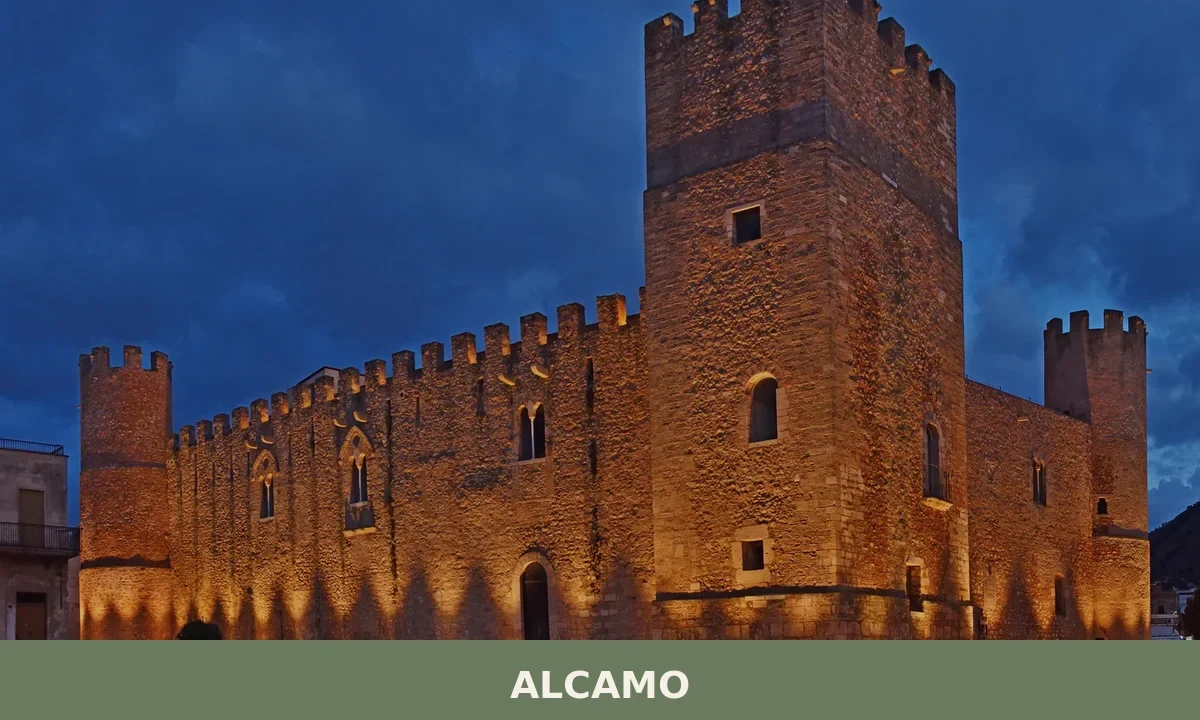
Alcamo sits where Arab merchants once haggled at fiorenti markets and Norman barons held court. Discover how a Mesolithic settlement became Sicily's most layered trading town.
Cefalà Diana
 Hills
Hills
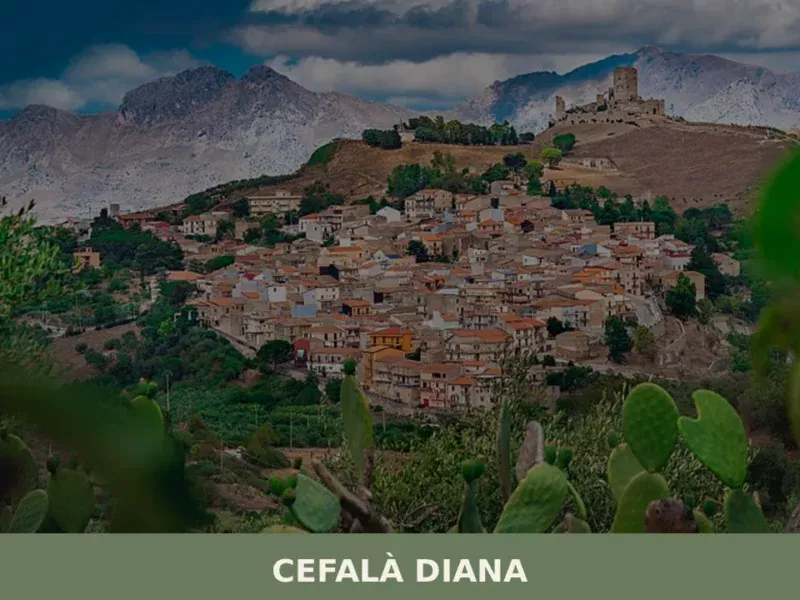
Discover what to see in Cefalà Diana, Sicily: Arab-Norman baths, castle ruins, local food, best season to visit, and how to get there from Palermo.

Rodì Milici
Hills
Two urban nuclei, one Knights of Malta palazzo and the ruins of ancient Longane: Rodì Milici rewards visitors who look beyond the Sicilian coast.
Ragusa
Sea
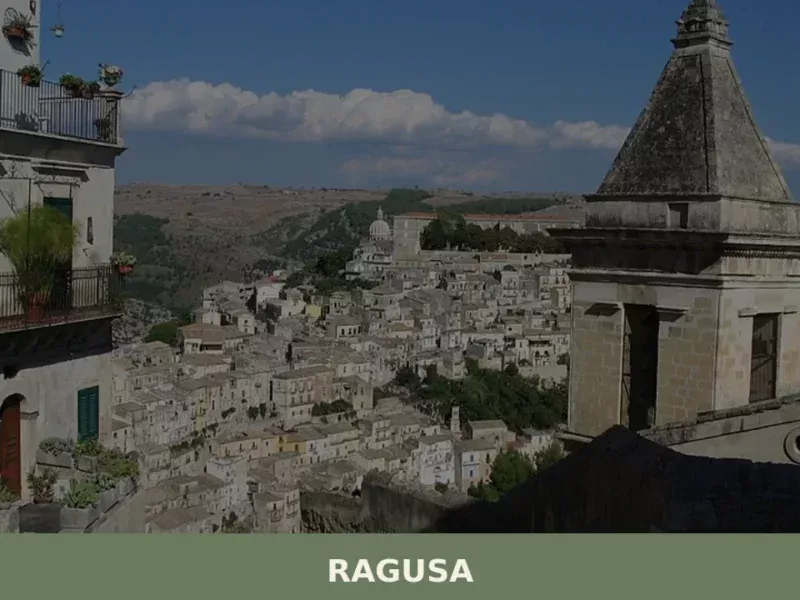
What to see in Ragusa, a UNESCO city at 520m with 70,000 residents: explore Ibla, San Giorgio, Giardino Ibleo and Cotognata PAT. Plan your visit now.
Aci Bonaccorsi
Sea
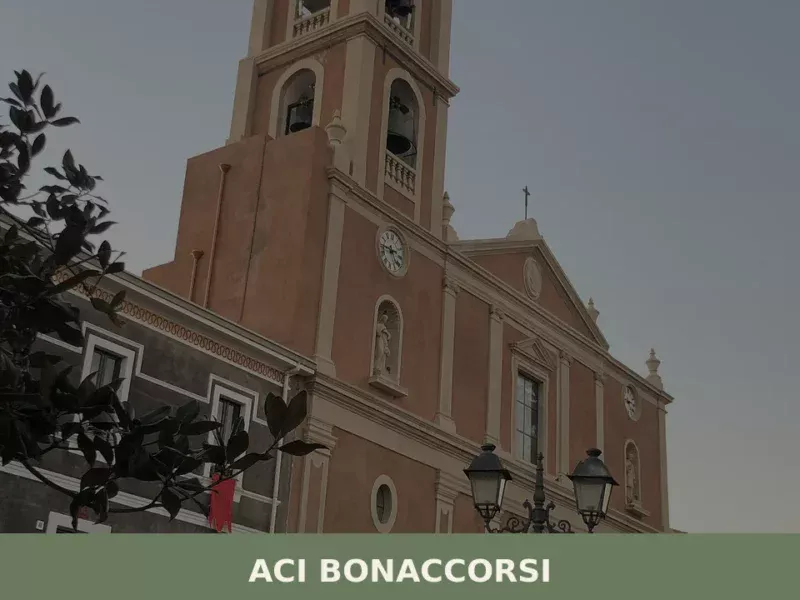
Discover what to see in Aci Bonaccorsi: Etna views, volcanic architecture, IGP citrus groves and Italy's 2022 most virtuous municipality on the Ionian slope.
Contessa Entellina
Hills
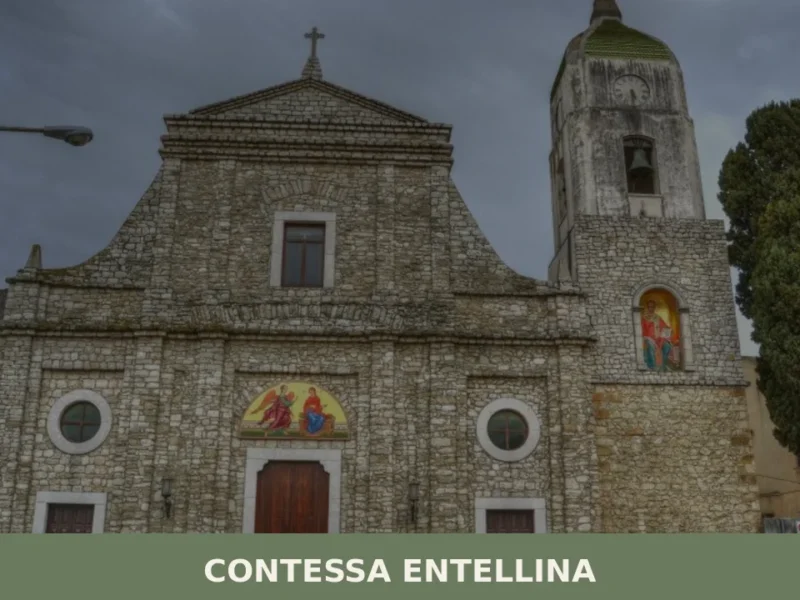
Discover what to see in Contessa Entellina: Arbëreshë heritage, Rocca d'Entella ruins, Byzantine-rite churches, local food, and practical travel tips.
Agrigento
Sea
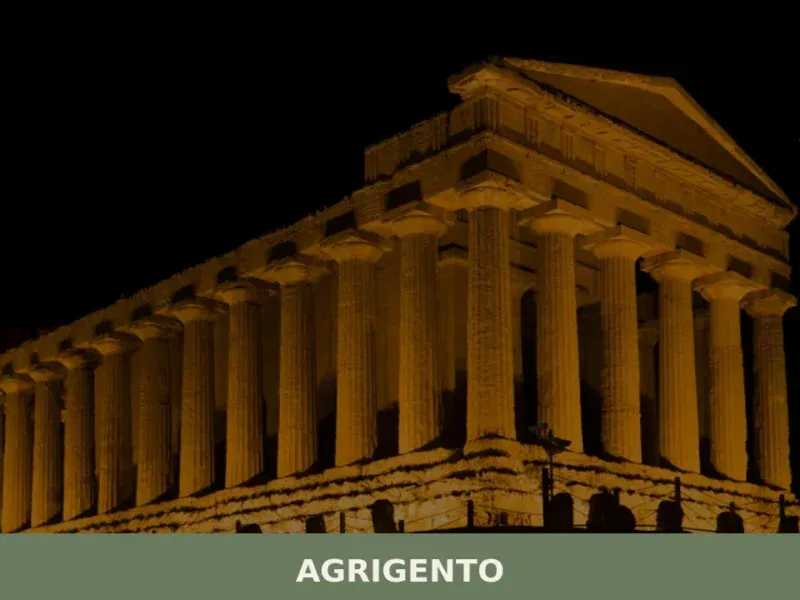
What to see in Agrigento, a city of 58,063 at 230m: UNESCO Valley of the Temples, Norman Cathedral, certified Cotognata. Plan your visit with our complete guide.
Caltanissetta
Hills
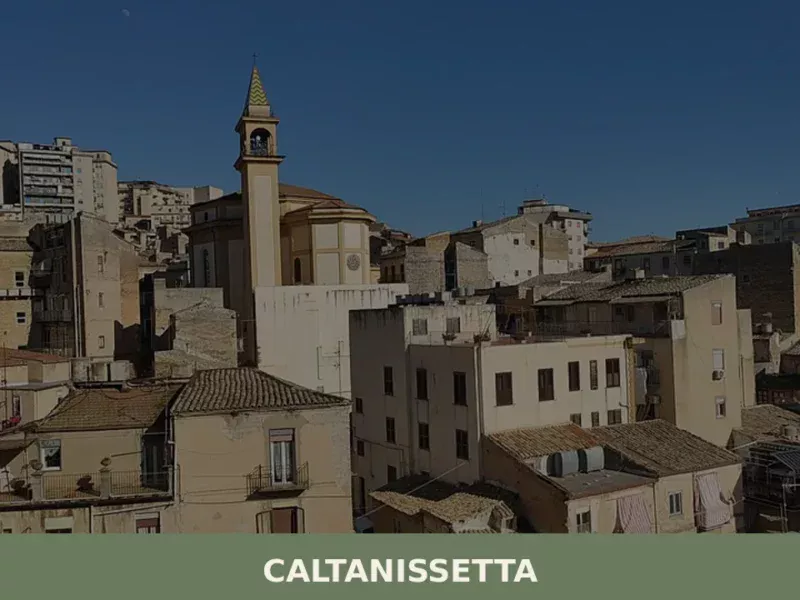
What to see in Caltanissetta: 61,000 residents at 568m, from Castello di Pietrarossa to Baroque churches and Holy Week. Plan your visit with this complete guide.
Isnello
Hills
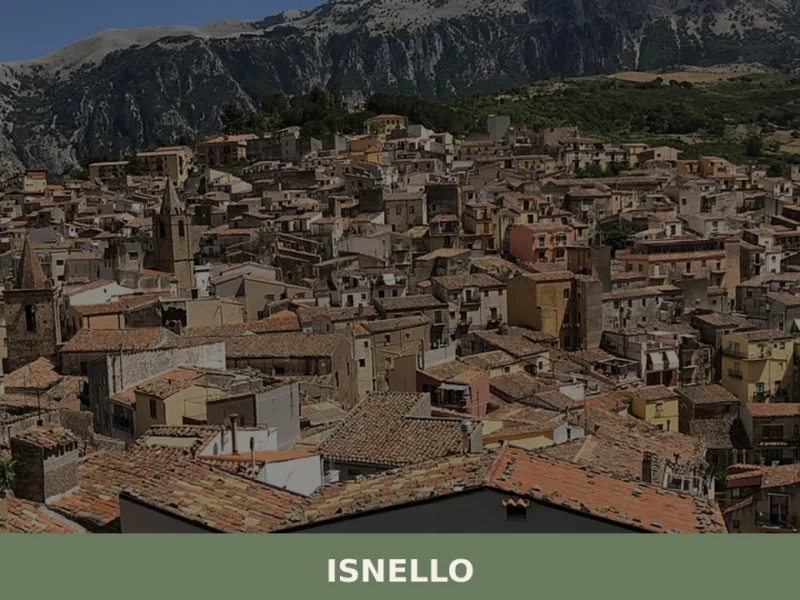
What to see in Isnello, Italy: Explore this 583 m (1,913 ft) altitude village near Palermo. Discover its historic center and panoramic views. Read our guide.
Bompietro
 Mountain
Morning light reaches Bompietro slowly, climbing over the Madonie range before it pours across the rooftops and into the narrow streets where older residents already occupy doorstep chairs. At 685 metres above sea level, the air carries a sharpness absent from the coast — part wild oregano, part cold stone. Fewer than 1,200 people live […]
🏡 Know Erice better than we do?
If you’re a local or have been there, your knowledge matters: add what’s missing or fix a detail on this page.