


Godrano
 Mountain
What to see in Godrano: from the Bosco della Ficuzza Reserve to the Palazzina Reale, churches and cuisine of the Sicani hinterland at 693 m above sea level.
Discover Godrano
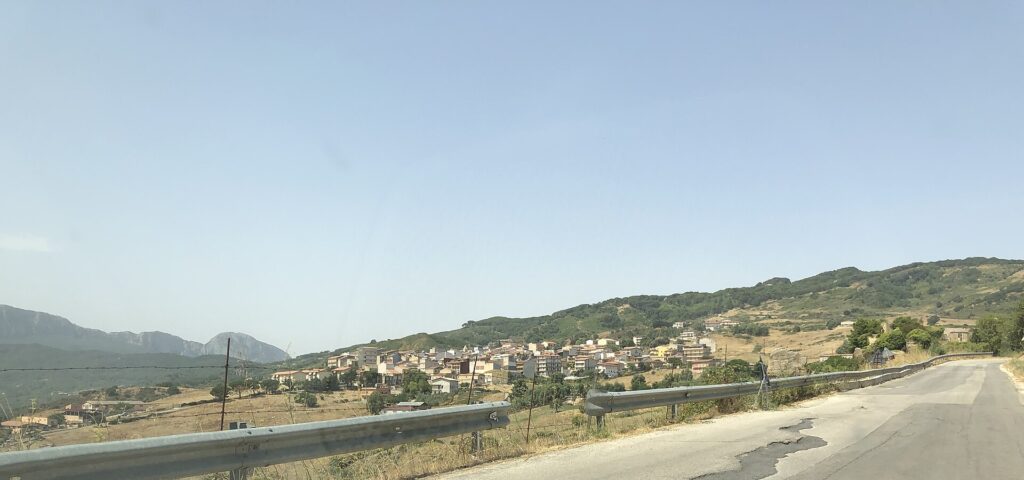
At 693 metres above sea level, on the eastern slope of Rocca Busambra — the highest peak of the western Sicani mountains at 1,613 metres — Godrano is home to 1,193 inhabitants and occupies a natural terrace overlooking the valley of the Frattina stream. Asking what to see in Godrano means preparing for an itinerary where geology, woodland and centuries of historical layering coexist within just a few square kilometres, inside the boundaries of a municipality that also administers a portion of the Bosco della Ficuzza Oriented Nature Reserve.
History and origins of Godrano
The place name first appears in Norman documents of the 12th century in the form Guddaran, probably derived from the Arabic wādī rān, referring to a local watercourse.The territory fell within the vast feudal system that the Normans reorganised after the conquest of Sicily: the barony of Godrano passed over the centuries between various noble families — from the Ferreri to the Ferraro, through to the Ferreri princes of Godrano in the 1600s — following the patterns of succession and sale typical of Sicilian landed estates.
In 1583, the licentia populandi granted by the Spanish viceroy launched the organised settlement of the present-day village, with the construction of the main church and the layout of the urban plan along a principal road axis. The town grew slowly, tied to cereal farming and highland pastoralism.Until the mid-20th century, Godrano was an agricultural centre with over three thousand residents; post-war emigration towards Northern Italy and Germany reduced the population to less than a third, though it left much of the historic building fabric intact.
A painful chapter is the local feud that marked the community between the 1950s and 1960s, an episode documented by the anthropologist in the judicial chronicles of the time and later studied as an emblematic case of the social dynamics of inland Sicily. After that period, the town embarked on a path of civic reconstruction that found one of its central pillars in the environmental protection of the Bosco della Ficuzza.
What to see in Godrano: churches, woods and rural architecture
1. Chiesa Madre di San Giuseppe
Built in the late 16th century at the same time as the village’s foundation, the church has a single nave with lateral stucco altars and a wooden statue of Saint Joseph, the patron saint of the town, carried in procession every 19 March. The façade in local stone features a round-arched portal rebuilt in the 18th century.
2. Bosco della Ficuzza Oriented Nature Reserve
Covering more than 7,000 hectares, the reserve managed by the Azienda Foreste Demaniali of the Sicilian Region is the most extensive remaining forest in western Sicily. From the territory of Godrano, trails lead upward towards the limestone wall of Rocca Busambra, a habitat for the Egyptian vulture and Bonelli’s eagle. Holm oaks, cork oaks and downy oaks make up the forest canopy.
3. Palazzina Reale di Ficuzza
Commissioned by Ferdinand III of Bourbon from the architect Giuseppe Venanzio Marvuglia in 1803, the Palazzina stands in the hamlet of Ficuzza, a few kilometres from the centre of Godrano. The neoclassical building served as a hunting lodge and features a two-storey façade with a central loggia. Today it houses an environmental education centre and a small natural history museum.
4. Gorgo del Drago
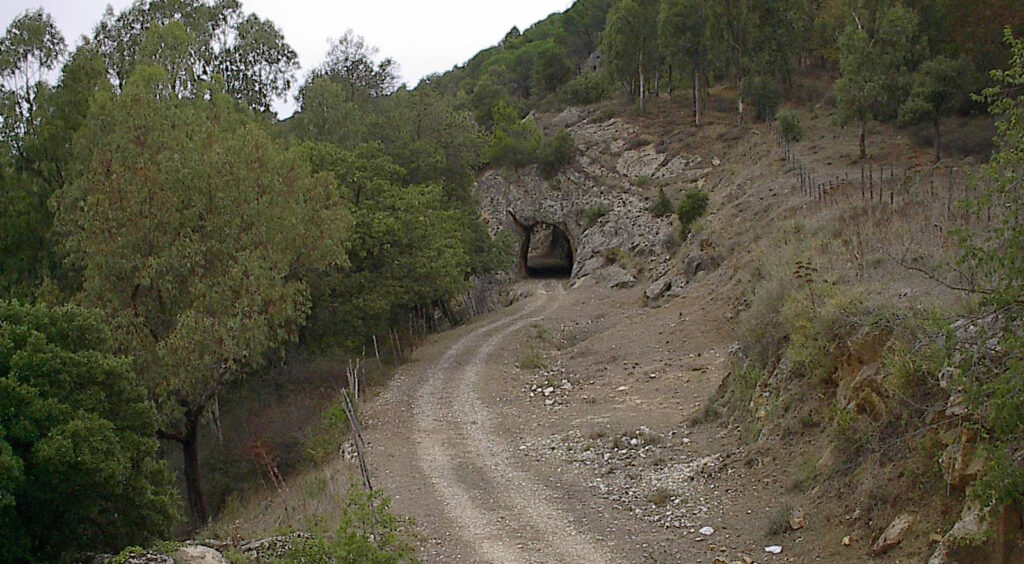
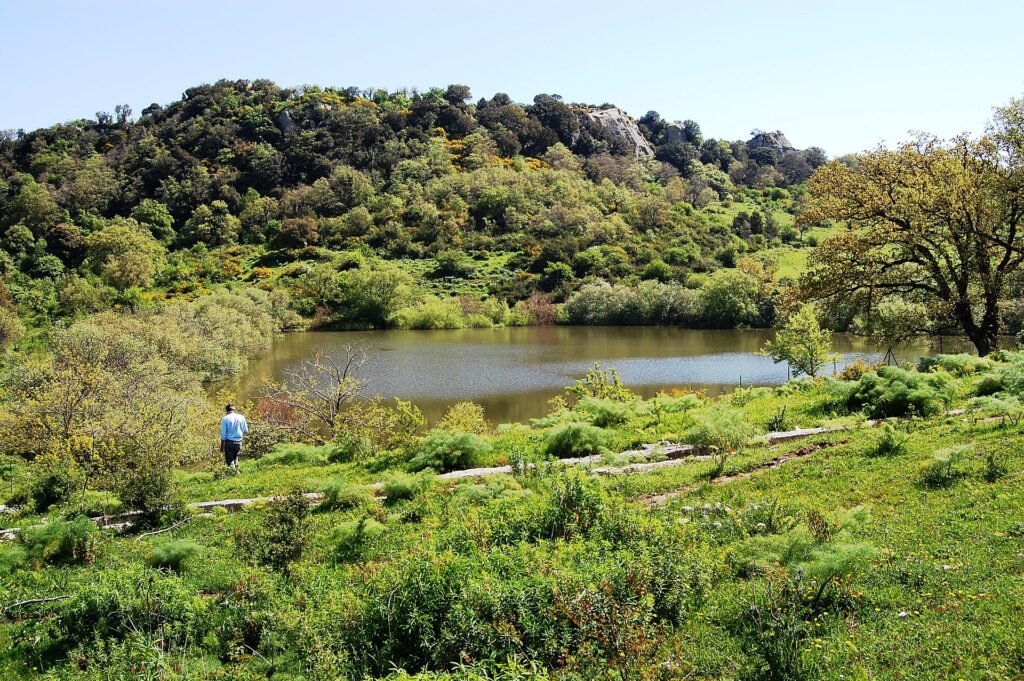
A small karst lake of modest size, located in the forest at around 800 metres above sea level, fed by seasonal springs. The popular name evokes local legends. The area can be reached on foot from the trail that starts at the Palazzina di Ficuzza, following a route of approximately 45 minutes on an unpaved track signposted by the reserve’s managing authority.
5. Historic centre and public fountains
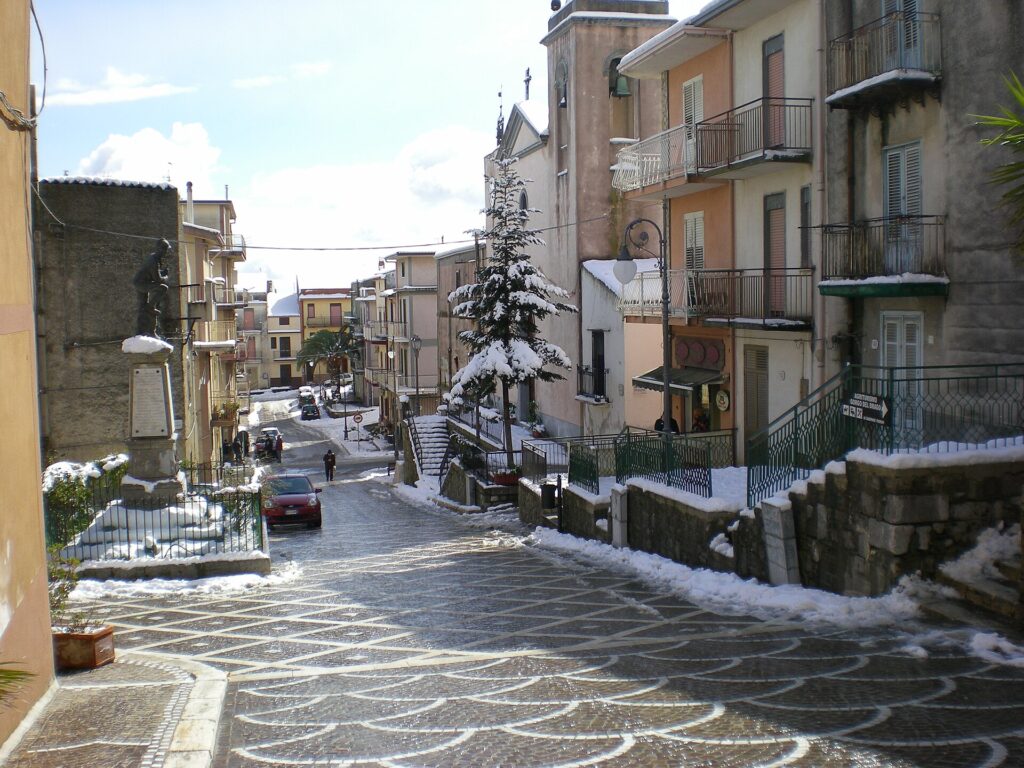
The 16th-century urban layout can still be read in the arrangement of parallel streets that climb towards the upper part of the town. Along the way, several limestone fountains can be found — including the fountain in Piazza San Giuseppe — built between the 18th and 19th centuries to distribute water from the mountain springs.
What to see in Godrano: food and local produce
The cooking of Godrano is that of the Sicani hinterland: lamb and kid meat, dried legumes, durum wheat bread baked in wood-fired ovens.The most distinctive dish is pasta con le fave cottòie, dried broad beans boiled for a long time and dressed with olive oil and wild fennel gathered from the meadows around the forest. For the feast of Saint Joseph on 19 March, families prepare the tavulate, ritual banquets open to the community featuring dishes based on vegetables, rice fritters and almond sweets.
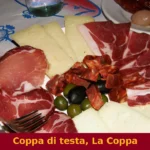
The territory falls within the production area of provola dei Sicani cheese and sulla honey, the latter obtained from the spring blossoms that cover the pastures between 500 and 800 metres. In the Ficuzza area, some producers harvest porcini and cardoncelli mushrooms during the autumn months, sold fresh or dried. There are no large restaurants in the town centre, but a few family-run trattorias and agriturismos in the surrounding countryside offer fixed menus based on seasonal produce.The municipal website occasionally publishes updates on accommodation and dining options.
When to visit Godrano: the best time
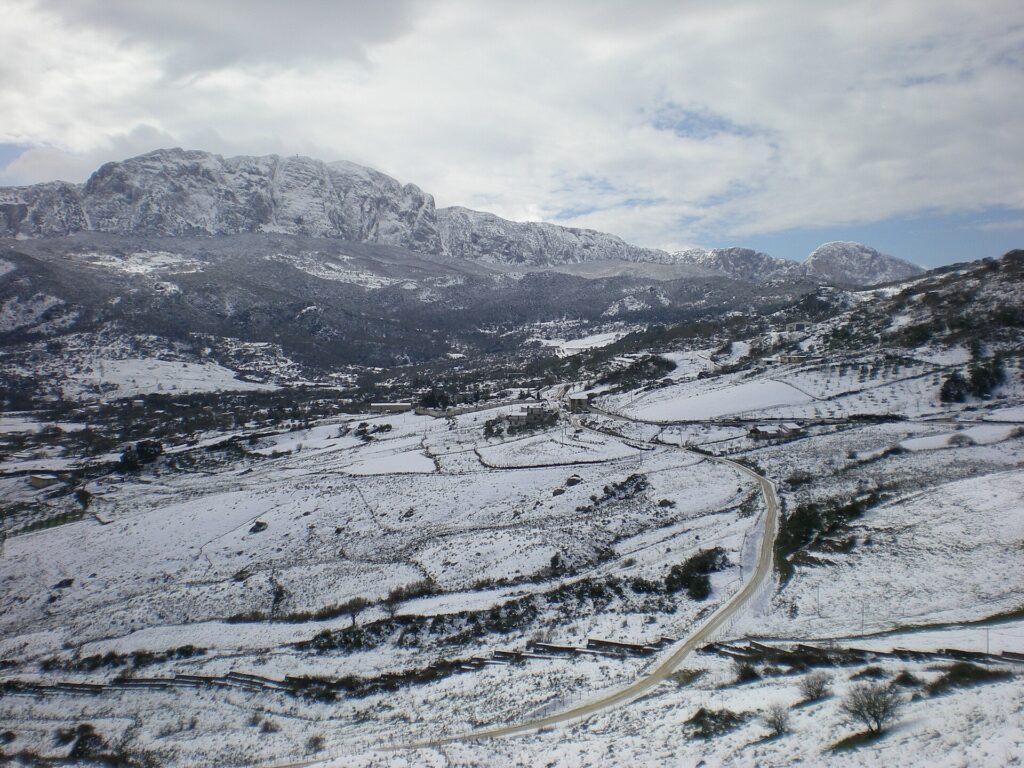
The altitude of 693 metres makes summers less oppressive than on the coast — maximum temperatures in July and August hover around 28–30 °C — while winters bring frequent rain and, in colder years, occasional snowfall that whitens Rocca Busambra. Spring, from April to June, is the most favourable season for hikes in the Bosco della Ficuzza: the trails are dry, the vegetation is at peak bloom, and the days are long enough to allow circular routes of five or six hours.
The calendar of local events revolves around the feast of Saint Joseph (19 March), with the tavulate and the procession, and the summer patronal festival in the first days of August, when the town welcomes emigrants and their descendants returning for the holidays. In autumn, the mushroom harvest draws hikers and foragers from the province of Palermo.Those who want to avoid rain and mud on the unpaved trails should rule out the period between November and February.
How to reach Godrano
Godrano is 45 kilometres from Palermo. By car, the fastest route follows the SS 624 (Palermo–Sciacca) to the Ficuzza-Godrano exit, from where a provincial road climbs to the town centre in about ten minutes. The total driving time from Palermo is around 50 minutes.
The nearest railway station is Palermo Centrale; from there, no direct rail connections to Godrano exist. AST (Azienda Siciliana Trasporti) bus services run limited routes, generally one or two per day on weekdays, departing from the bus terminal in Piazza Giulio Cesare in Palermo. The nearest airport is Falcone-Borsellino at Punta Raisi, approximately 70 kilometres away. For those arriving from Catania or the A19 motorway, the recommended exit is Villabate, continuing on the SS 121 and the SS 624. A private or rental car remains the most practical way to reach the village and get around the reserve.
Other villages to discover in Sicily
Visitors to Godrano and the Bosco della Ficuzza find themselves on the edge of a vast territory — the Sicani mountains — that is home to several smaller centres with their own histories and landscapes.To the south-west, Campofiorito is a small municipality founded in the 17th century in the valley of the left Belice, with an economy still linked to olive and wheat cultivation. The distance from Godrano is about 35 kilometres on provincial roads that cross a hilly landscape with no settlements in between: a short transfer, but enough to shift the environmental register, moving from highland forest to rolling arable land.
Further east, in the province of Palermo but heading towards the Madonie, Bompietro sits at around 750 metres above sea level on the southern slope of the Madonie massif. The two villages share their demographic condition — both under two thousand inhabitants — and a rural economy that has had to reckon with the emigration of the second half of the 20th century. For those building an itinerary through the Sicilian interior, linking Godrano, Campofiorito and Bompietro means crossing three distinct mountain systems — Sicani, Belice, Madonie — in less than a hundred kilometres of road.
Frequently asked questions about Godrano
What is the best time to visit Godrano?
The ideal time to visit Godrano, especially for nature lovers and hikers, is spring, from April to June. During these months, the trails in the Bosco della Ficuzza are dry, the vegetation is in full bloom, and the longer days allow for extensive excursions. Summers (July-August) are milder than on the coast, with temperatures around 28-30°C. Culturally, don't miss the Feast of Saint Joseph on March 19th, featuring traditional 'tavulate' banquets, or the lively summer patronal festival in early August when emigrants return. Autumn is perfect for mushroom foraging, while winter (November-February) can bring rain and mud, making hiking less enjoyable.
What to see in Godrano? Main monuments and landmarks
In Godrano, begin with the Chiesa Madre di San Giuseppe, a late 16th-century church featuring a single nave, stucco altars, and a historic wooden statue of the patron saint. Explore the 16th-century urban layout, discovering charming parallel streets and 18th-19th century limestone public fountains, including one in Piazza San Giuseppe. A few kilometers away in Ficuzza, visit the neoclassical Palazzina Reale, built in 1803 as a Bourbon hunting lodge, now housing an environmental education center and a small natural history museum. From there, a 45-minute walk leads to the serene Gorgo del Drago, a small karst lake nestled in the forest.
What are the main natural or scenic attractions of Godrano?
Godrano is a gateway to the vast Bosco della Ficuzza Oriented Nature Reserve, spanning over 7,000 hectares. Here, you can hike numerous trails that ascend towards the impressive limestone wall of Rocca Busambra, the highest peak of the western Sicani mountains. This natural sanctuary is a critical habitat for rare species like the Egyptian vulture and Bonelli's eagle, amidst ancient holm oak, cork oak, and downy oak forests. Within the reserve, discover the Gorgo del Drago, a small karst lake accessible via a scenic 45-minute walk from the Palazzina Reale di Ficuzza, offering picturesque views and local legends.
Where to take the best photos in Godrano?
For breathtaking landscape shots, head towards the trails in the Bosco della Ficuzza Oriented Nature Reserve, where you can capture the majestic Rocca Busambra and the dense forest canopy. The serene Gorgo del Drago, a small karst lake, offers a picturesque natural setting. Within the village, the 16th-century historic center with its charming parallel streets and 18th-19th century limestone public fountains, especially the one in Piazza San Giuseppe, provide excellent opportunities for architectural and street photography. Don't miss the neoclassical facade of the Palazzina Reale di Ficuzza for elegant historical shots.
Are there museums, churches or historic buildings to visit in Godrano?
Yes, Godrano offers several points of historical and cultural interest. The Chiesa Madre di San Giuseppe, dating back to the late 16th century, is the main religious edifice, known for its single nave and a venerated wooden statue of the patron saint. A short distance from the village, in the hamlet of Ficuzza, stands the Palazzina Reale, a grand neoclassical hunting lodge commissioned by Ferdinand III of Bourbon in 1803. This historic building now houses a small natural history museum and an environmental education center, making it a blend of history and nature interpretation. The village's 16th-century urban layout and its historic public fountains also tell centuries of local history.
What can you do in Godrano? Activities and experiences
Godrano is ideal for immersive experiences in nature and local culture. Embark on hiking adventures in the Bosco della Ficuzza Oriented Nature Reserve, exploring trails that lead to Rocca Busambra or the enchanting Gorgo del Drago, perfect for birdwatching and enjoying pristine landscapes. Indulge in the authentic Sicani hinterland cuisine at family-run trattorias, savoring specialties like 'pasta con le fave cottòie,' local lamb, and artisanal cheeses. Participate in traditional events such as the 'tavulate' for the Feast of Saint Joseph on March 19th, or join the vibrant summer patronal festival in early August. Autumn offers the unique experience of mushroom foraging.
Who is Godrano suitable for? Families, couples, hikers, solo travelers?
Godrano is particularly suitable for nature enthusiasts, hikers, and those seeking an authentic, tranquil experience in Sicily's less-explored interior. Its extensive trails in the Bosco della Ficuzza Oriented Nature Reserve make it a paradise for active travelers, birdwatchers, and mushroom foragers. Families and couples looking for a peaceful escape will appreciate the slow pace, rich history, and genuine local traditions, including the communal 'tavulate' during the Feast of Saint Joseph. It also appeals to solo travelers and cultural explorers interested in rural Sicilian life, traditional cuisine, and geological landscapes, especially those who prefer traveling by car for maximum flexibility.
What to eat in Godrano? Local products and specialties
Godrano's cuisine reflects the Sicani hinterland, rich in hearty and authentic flavors. A must-try specialty is 'pasta con le fave cottòie,' featuring dried broad beans slow-cooked and dressed with olive oil and wild fennel. During the Feast of Saint Joseph (March 19th), experience the traditional 'tavulate,' ritual banquets with vegetable-based dishes, rice fritters, and almond sweets. Local produce includes succulent lamb and kid meat, dried legumes, and durum wheat bread baked in wood-fired ovens. The area is also known for 'provola dei Sicani' cheese, fragrant 'sulla' honey, and in autumn, fresh porcini and cardoncelli mushrooms from the Ficuzza forest.
📷 Photo Gallery — Godrano
Nearby Villages near Godrano
In Sicily More villages to discover
Acate
 Sea
Sea
Discover what to see in Acate, the former Biscari in Ragusa province: Baroque history, Cerasuolo di Vittoria vineyards, castle and Iblean landscapes.
Bompietro
Mountain
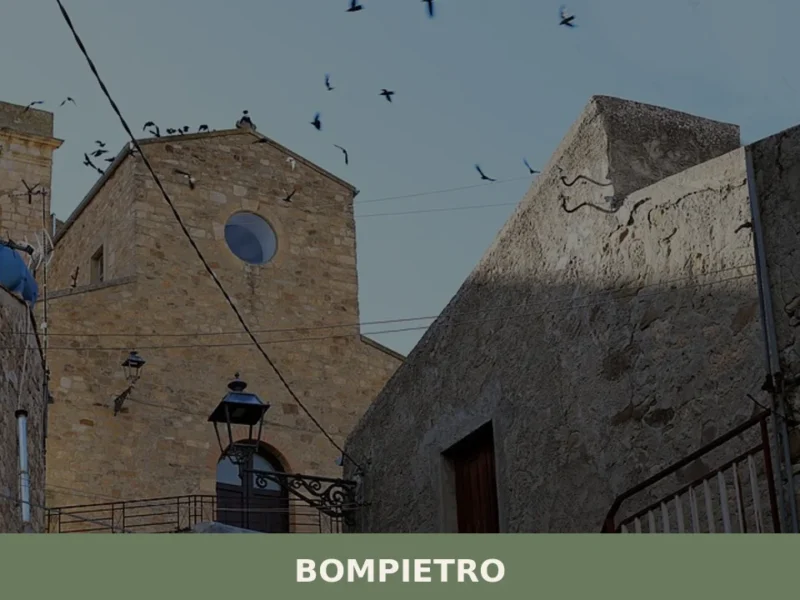
Morning light reaches Bompietro slowly, climbing over the Madonie range before it pours across the rooftops and into the narrow streets where older residents already occupy doorstep chairs. At 685 metres above sea level, the air carries a sharpness absent from the coast — part wild oregano, part cold stone. Fewer than 1,200 people live […]
Geraci Siculo
Mountain
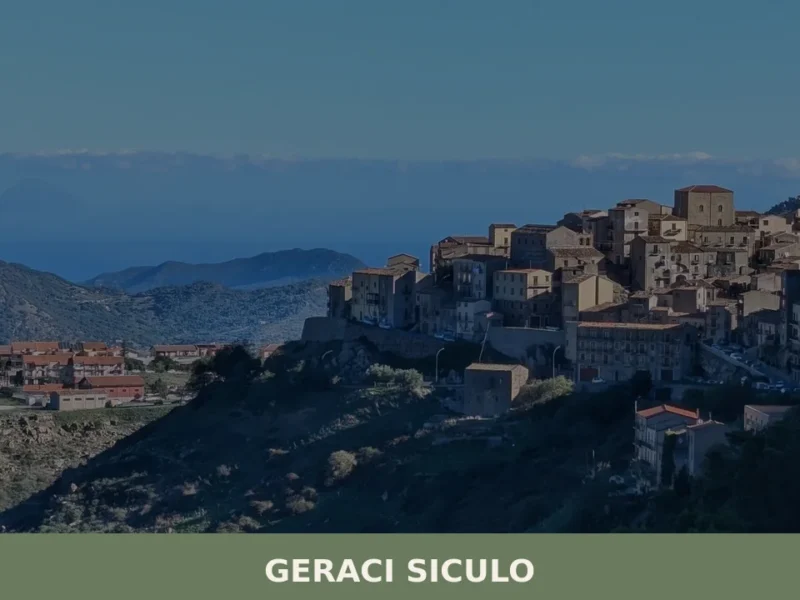
What to see in Geraci Siculo, Italy? Discover this mountain village at 1077 m, an I Borghi più belli d'Italia member, and its San Bartolomeo feast. Explore its historic core and Madonie views.
Cefalà Diana
 Hills
Hills
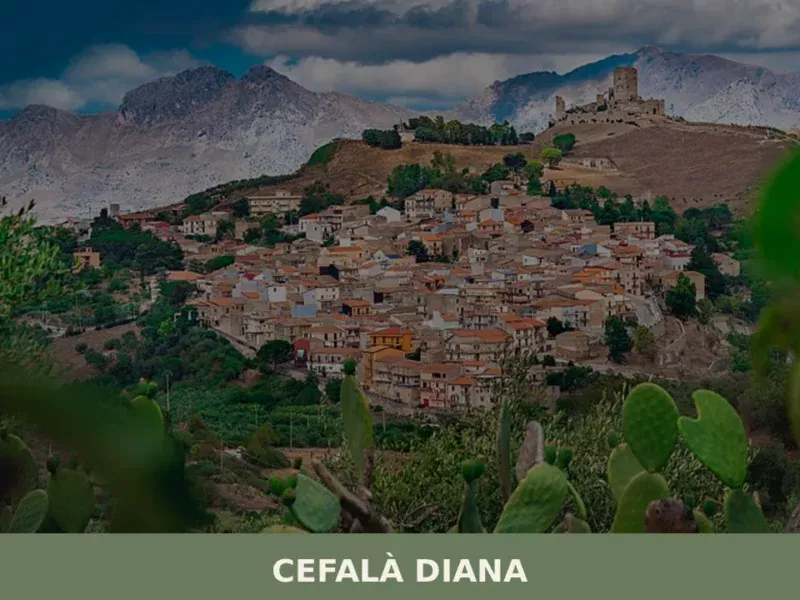
Discover what to see in Cefalà Diana, Sicily: Arab-Norman baths, castle ruins, local food, best season to visit, and how to get there from Palermo.
Poggioreale
Hills
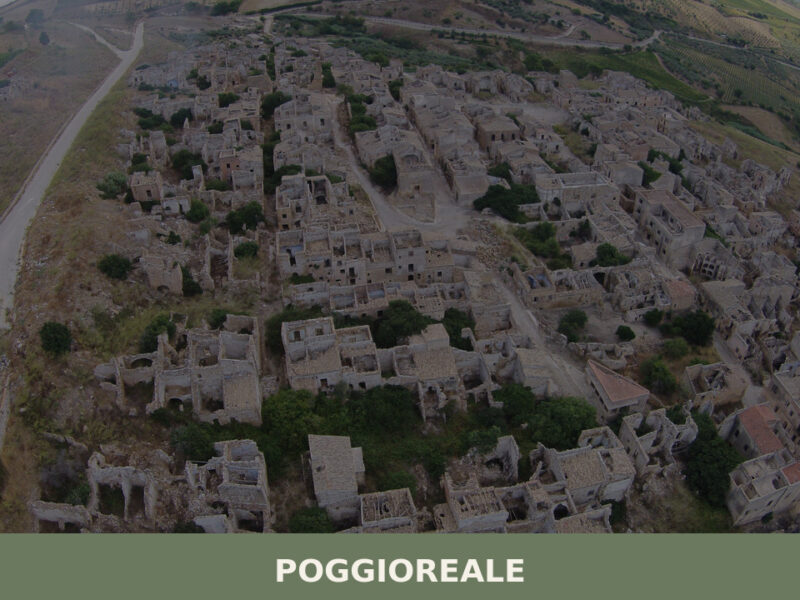
Morning light falls across cracked stone walls and doorways that open onto nothing but sky. In Poggioreale, silence is the dominant sound — the kind that presses against your ears and demands attention. This small community of roughly 1,505 inhabitants sits in the western interior of Sicily, within the province of Trapani, where the Belìce […]
Acquaviva Platani
Hills
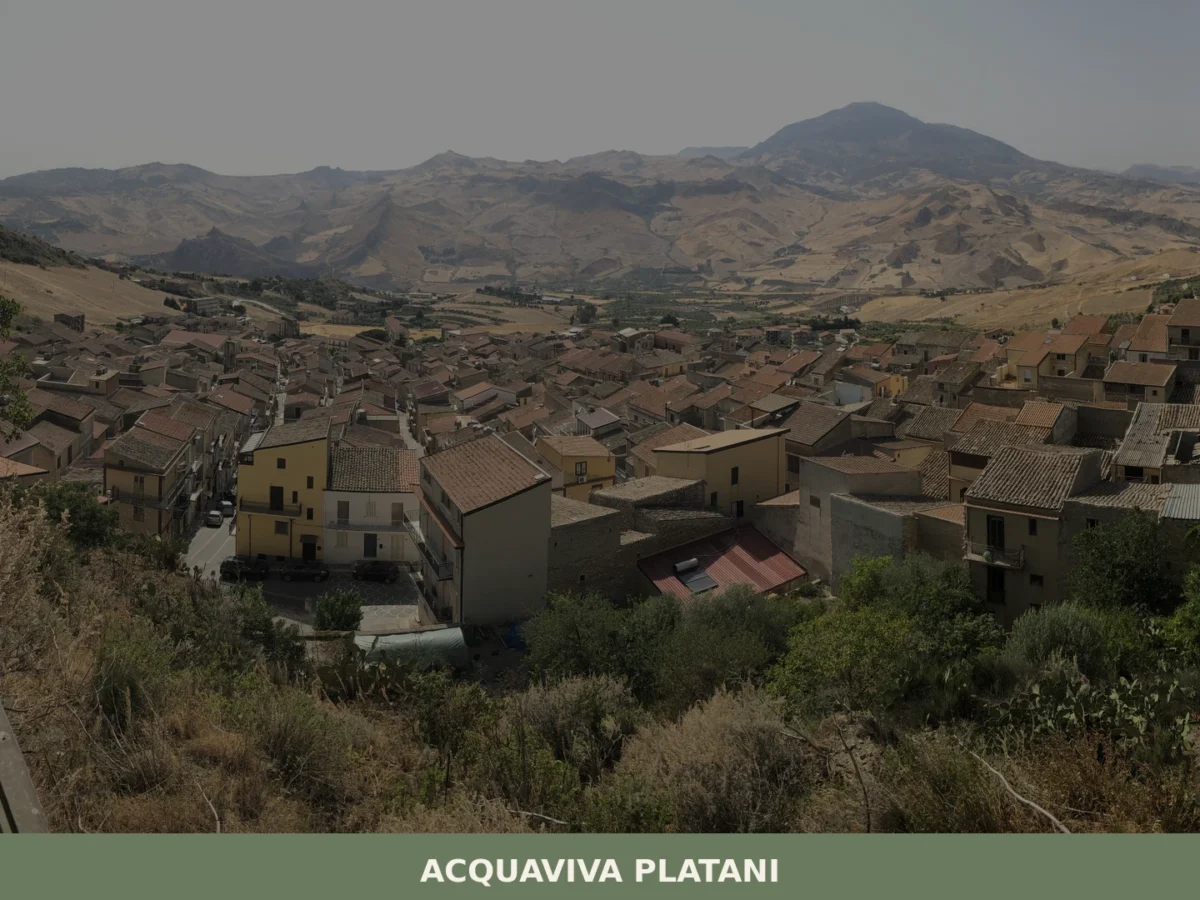
A clock tower built in 1894 rises above the roofline of a compact hill town in the province of Caltanissetta, its stone face marking hours in a landscape where the Platani river moves through the valley below. The name of the place translates directly from Italian as “Living Water,” a reference to the natural springs […]
Palermo
Sea
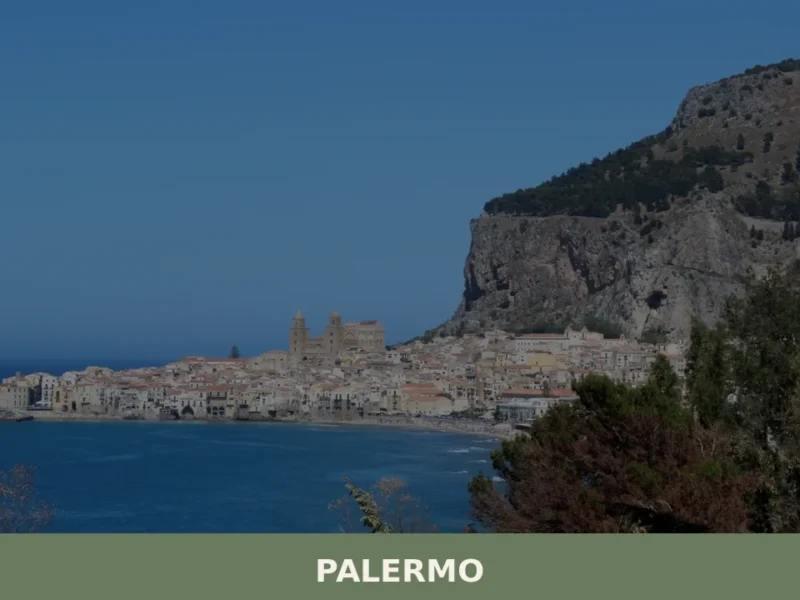
What to see in Palermo: from the Palatine Chapel mosaics to Ballaru00f2 Market. Home to 654,987 people and 2 PAT-certified products. Plan your visit with this complete guide.
Contessa Entellina
Hills
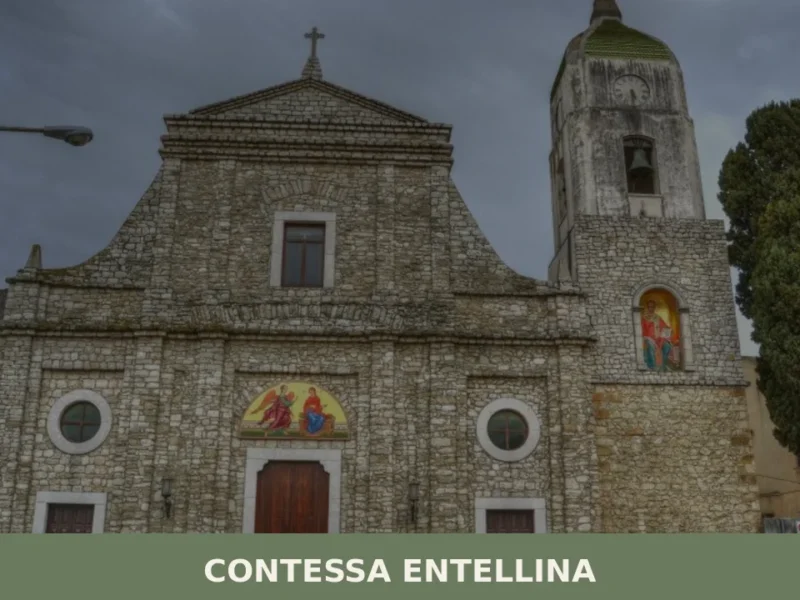
Discover what to see in Contessa Entellina: Arbëreshë heritage, Rocca d'Entella ruins, Byzantine-rite churches, local food, and practical travel tips.

Licata
Mountain
34,000 residents, Greek foundations and a coastline of alternating cliffs and sandy coves make Licata one of the most layered towns on Sicily's southern shore.
Caltanissetta
Hills
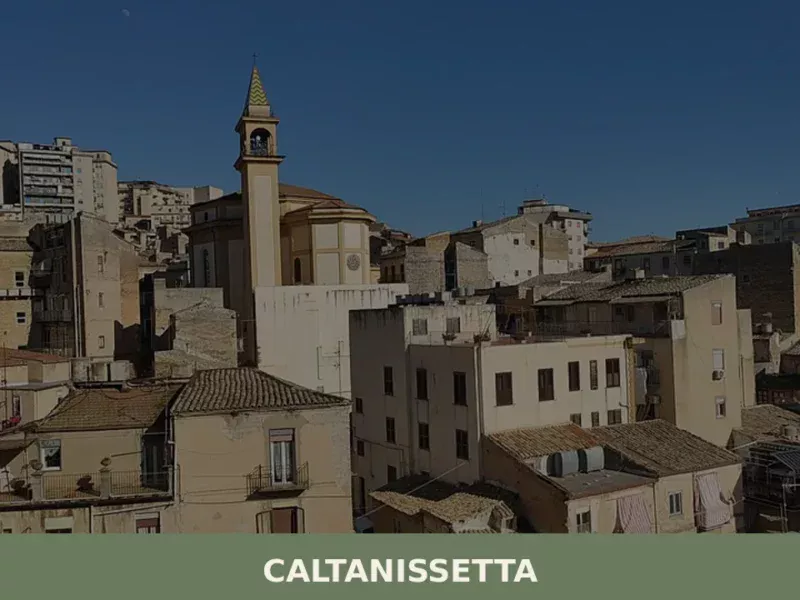
What to see in Caltanissetta: 61,000 residents at 568m, from Castello di Pietrarossa to Baroque churches and Holy Week. Plan your visit with this complete guide.



🏡 Know Godrano better than we do?
If you’re a local or have been there, your knowledge matters: add what’s missing or fix a detail on this page.