


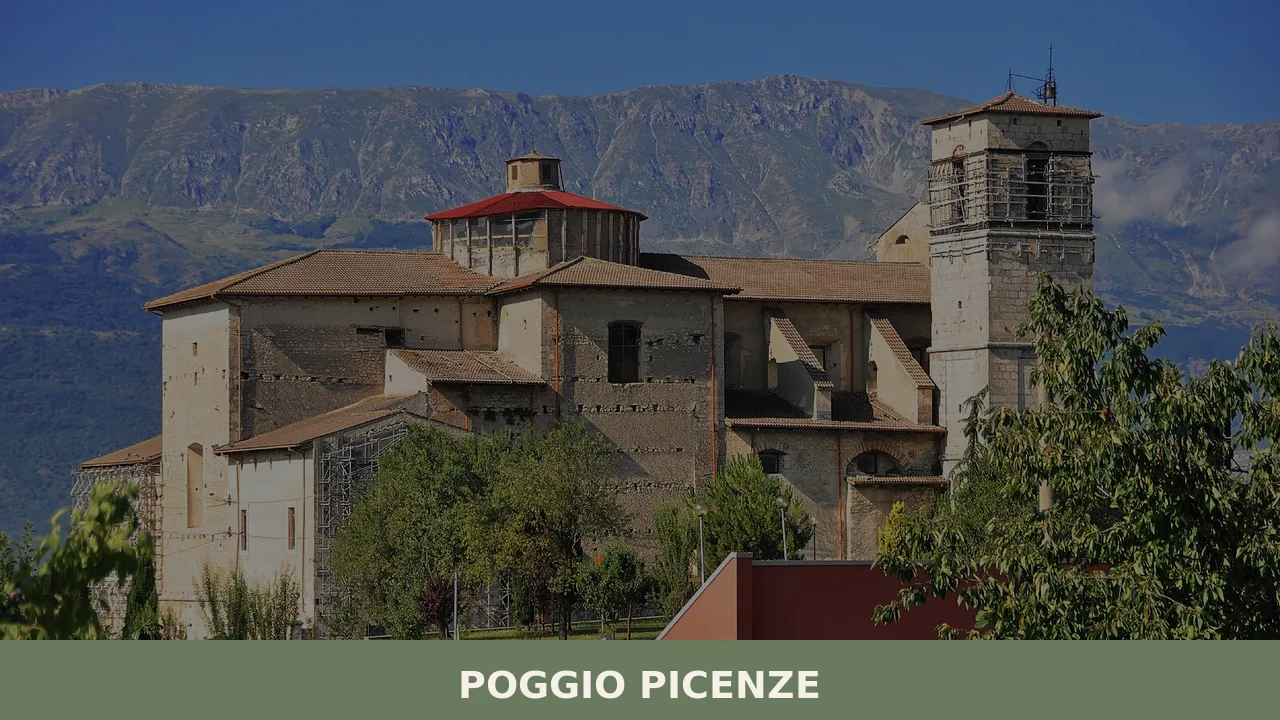
Poggio Picenze
 Mountain
What to see in Poggio Picenze, Italy: explore 5 top attractions at 760 m altitude, the Blues festival, and San Felice feast. Discover Abruzzo’s limestone village.
Discover Poggio Picenze
White limestone cut from the quarries above the village left its mark on nearly every doorway in this part of the Abruzzo Apennines. The stone, known locally as La Pietra del Poggio, hardens after exposure and develops a golden patina over decades, a quality that master masons from Poggio Picenze exploited across hundreds of ornate portals, balconies, fountains, and carved eagles spread throughout the surrounding territory.
At 760 metres (2,490 ft) above sea level, the town overlooks the broad flatness of the Aquila basin, divided into two distinct urban clusters that sit apart from each other on the hillside.
Knowing what to see in Poggio Picenze helps visitors make the most of a compact but historically dense destination.
The village counts roughly 1,097 inhabitants and sits just 12 km (7.5 mi) from L’Aquila, the provincial capital, making it an easy addition to any itinerary through inland Abruzzo. Visitors to Poggio Picenze find a parish church with a Renaissance altar, a Baroque interior, and a stone façade restored in 1870, alongside medieval fountains, the remains of a fortified castle with six original towers, and a calendar of summer festivals that draws emigrants back from across the world each August.
History of Poggio Picenze
The name Poggio Picenze connects directly to the mountain on whose flank the original settlement stood.
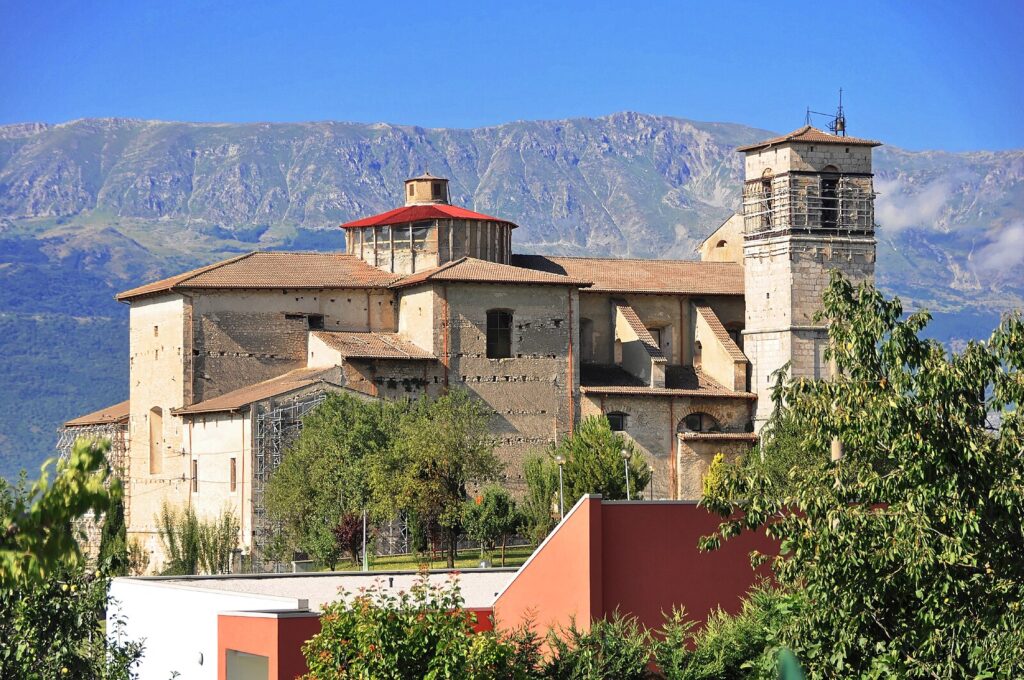
Mount Picenze takes its name from the Piceni, an Italic people also called Picentia, who established settlements across this territory around the 3rd century BC. The castle itself was constructed around the year 1000 and appears in written records by 1173 under the Latin form Podio de Picentia. At that time it was a fortified complex with surrounding walls and six towers, one of them taller than the rest and positioned at the centre of the structure. Fragments of that original layout remain visible in the oldest part of town.
The strategic position of the castle on the hillside made it a target during the violent conflicts of the 15th century. In 1423, the garrison held out for two full days against the siege laid by Braccio da Montone, buying time for residents to organise a defence, before the castle finally fell.
The territory subsequently passed through several hands: Emperor Charles V granted it after a peasant rebellion in 1533 to Antonio Aldana, and it later came under the control of the Alfieri family of L’Aquila. In 1566, the Spaniard Giagiacomo of Léognan Castriota took possession and chose to reside there in preference to his other holdings, a sign of the estate’s relative comfort and security.
By the 18th century the estate had passed to the Marquis De Sterlich of Chieti. The town suffered severe structural damage in the earthquake of 6 October 1762, which forced substantial rebuilding work across its civic and religious buildings. Feudal governance formally ended in 1806, and the castle, already weakened by repeated seismic events, was partially demolished in 1832 when it was judged unsafe. Castel di Ieri, another fortified settlement in the L’Aquila province, shares a comparable pattern of medieval construction and post-feudal transformation during the same period.
The late 19th century brought emigration on a scale that reshaped the village permanently: approximately 75 percent of the population left over the course of a century, a movement that left its trace in the Sagra degli Spizzichi, an August festival explicitly designed to welcome emigrants home. During World War II, despite air raids targeting nearby L’Aquila, Poggio Picenze’s older structures remained largely intact. That relative good fortune did not extend to 2009: on 6 April of that year, an earthquake struck at 3:32 local time with an epicentre near L’Aquila, measuring 5.8 on the Richter scale and 6.3 on the moment magnitude scale.
The event caused fatalities in Poggio Picenze and triggered several thousand aftershocks, more than thirty of which exceeded a Richter magnitude of 3.5.
What to see in Poggio Picenze, Abruzzo: top attractions
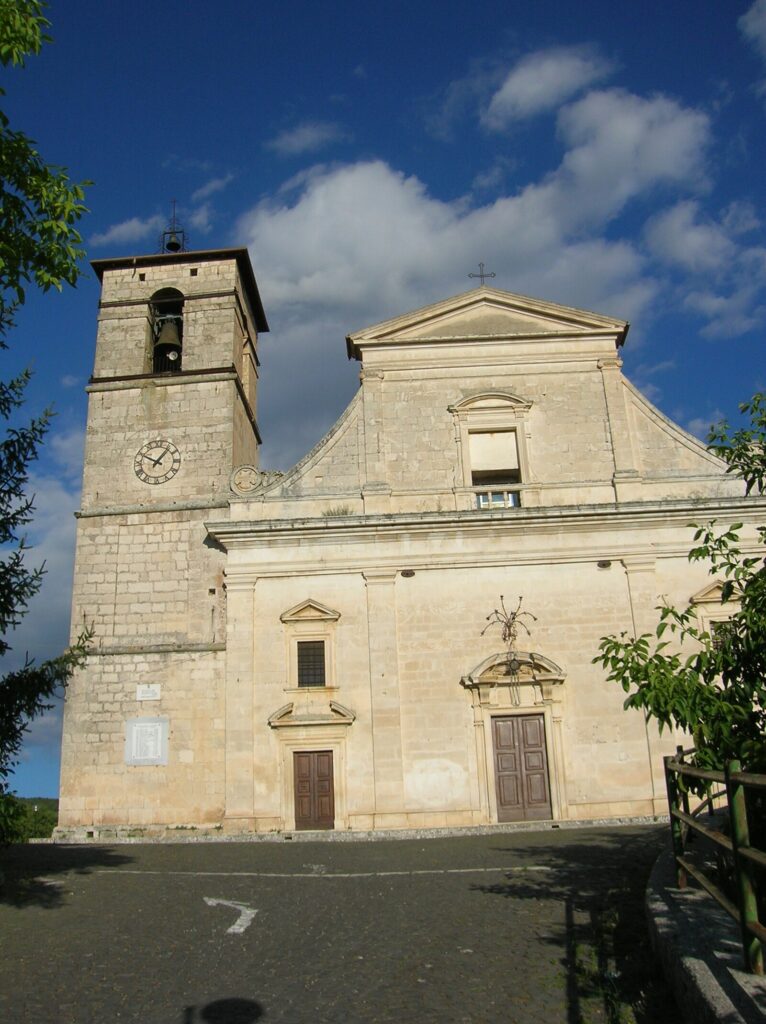
Chiesa di San Felice Martire
The stone façade of the parish church, built from local limestone and restored to its current form in 1870, faces a small square in the older part of the village.
Construction began around the mid-15th century, and the building sustained severe damage in the 1762 earthquake before being rebuilt and enlarged. Inside, a nave and two aisles run between columns toward an interior furnished with Baroque-Classical altars, statues, and paintings. The altar dedicated to St. John is documented as the work of Renaissance master Thomas Rocco of Vicenza, a verifiable attribution that makes this interior more than a generic provincial church. The church is dedicated to Saint Felix the Martyr, the town’s patron, and remains the focal point of the June feast.
Visit in the morning when light enters from the façade side.
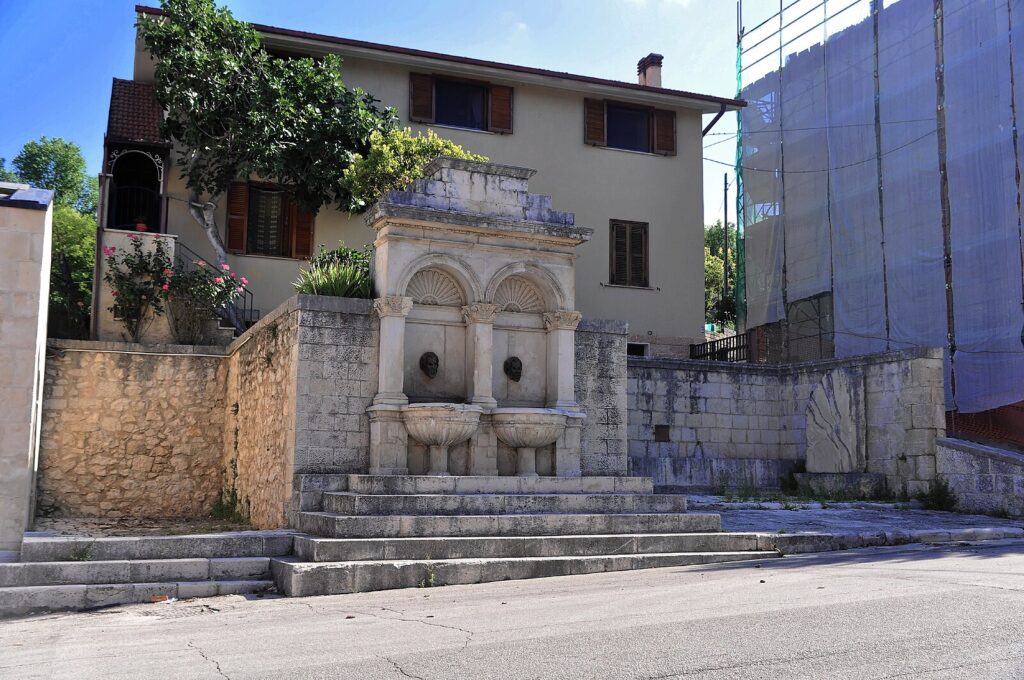
Fontana di San Rocco
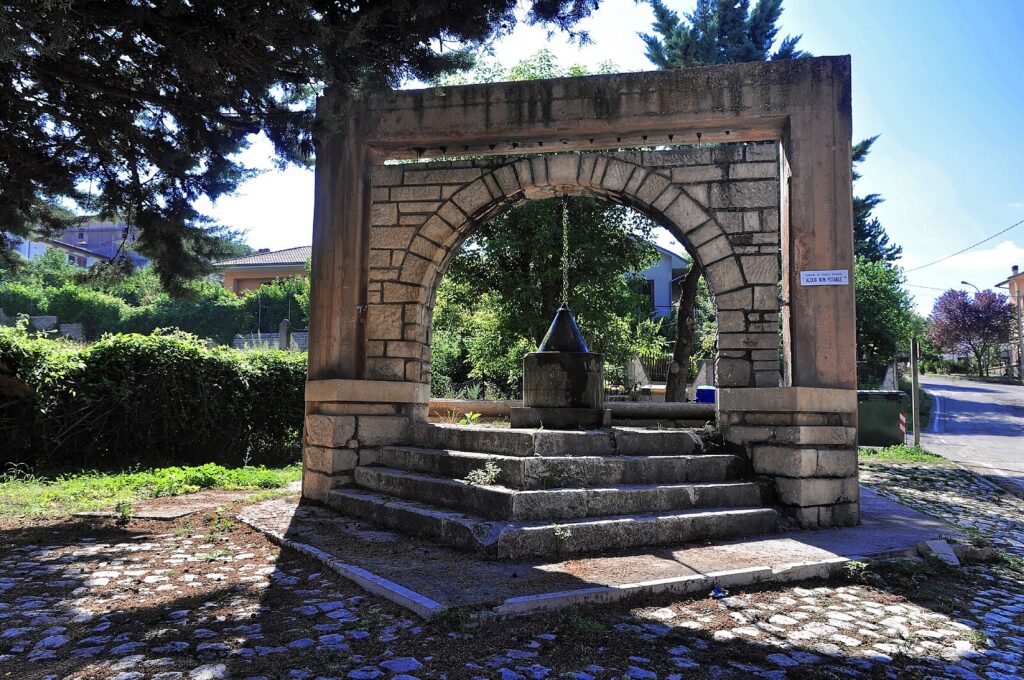
Two tanks sit within niches framed by three columns topped by capitals, the whole structure bounded by a stone staircase and supported by small piers. The fountain is one of the most physically coherent examples of the local stoneworking tradition, demonstrating precisely how La Pietra del Poggio was applied to civic infrastructure rather than private portals alone.
Its placement near the old quarter connects it visually to the street pattern that developed over centuries of continuous habitation. The carving detail on the capitals rewards close inspection: the masons who worked this stone knew its properties well, shaping tight ornamental forms that the material’s hardness preserved.
The fountain is accessible on foot from the upper part of the village without significant elevation change.
Castle Remains and the Old Quarter
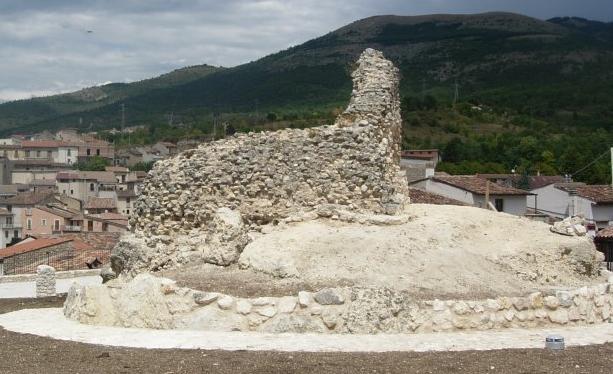
What survives of the original fortified castle, documented in sources as early as 1173, sits within the older of the two urban areas that divide Poggio Picenze’s built fabric. The original structure had six towers and a full perimeter of fortified walls; much of that was lost to the demolition of 1832, but visible fragments of masonry still mark where the medieval boundary ran.
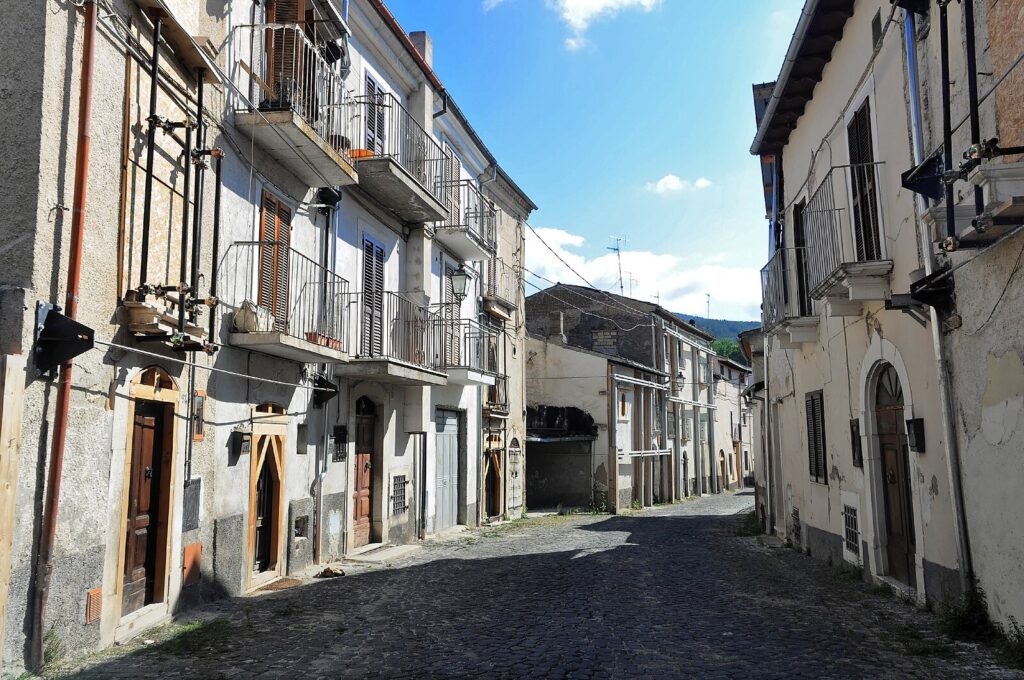
Walking through this section of the village, the logic of the hilltop defensive position becomes clear: the site overlooks the Aquila basin across a wide sightline extending toward L’Aquila, 12 km (7.5 mi) to the west. The remnants are not fenced or formally presented as a site, which means the stonework is visible at close range directly from the street. The best light for reading the texture of the remaining walls falls in the late afternoon.
Chiesa della Visitazione
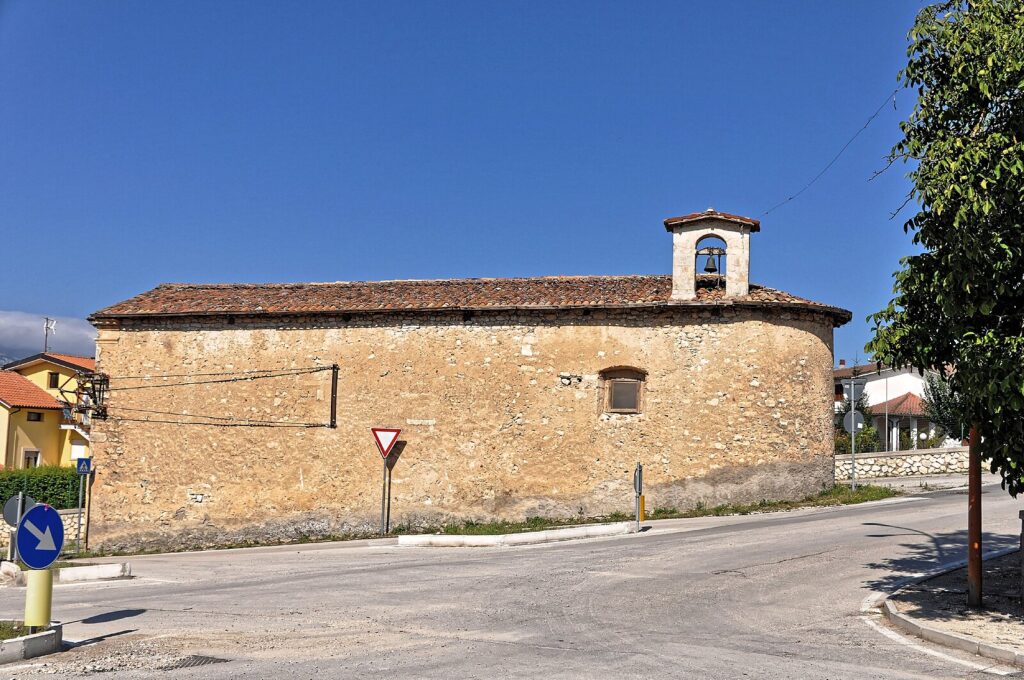
The façade of this church follows a Romanesque scheme, with the upper section carrying a crucifix in high relief that stands out against the flat stonework below.
Built between the 15th and 16th centuries, the building was still functioning as a place of pre-dawn worship in the early 20th century, when farmers attended Mass before leaving for the fields, a detail that places the building inside the agricultural rhythm of the community rather than purely in ecclesiastical history. The façade’s proportions are compact and direct, typical of rural Abruzzo church construction, without the decorative accumulation found in larger urban buildings. The high-relief crucifix is the single most architecturally distinct element and worth examining from directly in front of the entrance.
Church of San Giuliano and the San Rocco Site
The Church of San Giuliano dates its construction to the early 15th century and was preceded on the same site by a small hospital that operated until 1447.
The design was plain: a single-aisle interior with a tettoia ceiling in wood, and a clean stone front with pilasters in local material.
The church dedicated to San Rocco, which stood nearby and was described as architecturally notable, was destroyed by the earthquake of 13 January 1915, leaving the San Giuliano building as the surviving structure of what was once a small complex combining religious and civic functions. The wooden ceiling inside San Giuliano represents a construction technique visible in several Abruzzo hill settlements from the same period. The site documents the practical overlap between charitable and devotional architecture that characterised small medieval communities across the region.
Local food and typical products of Poggio Picenze
Poggio Picenze sits within a farming territory that the sources consistently describe in agricultural terms. The village belongs to the mountain community of Campo Imperatore-Piana Navelli, a plateau area whose altitude and open pasture land define the ingredients available to local cooks. Sheep rearing is documented directly by the village’s main food festival, the Sagra degli Spizzichi e della Pecora alla Chiaranese, which centres entirely on lamb and sheep preparation in the Chiaranese style.
The broader Abruzzo tradition at this altitude relies on winter-hardy grains, legumes, and cured meats, with lamb and mutton providing the primary protein base for communal cooking.
The central dish of the village’s food calendar is pecora alla chiaranese, a slow-cooked sheep preparation using local methods.
The term chiaranese refers to a preparation technique associated with this part of the L’Aquila province, involving extended cooking with local herbs and minimal liquid to concentrate the flavour of older, pasture-raised animals. The resulting dish has a dense texture and a pronounced flavour that distinguishes it from younger lamb preparations more common in coastal Abruzzo. Spizzichi — the first word of the festival title — refers to small bites and mixed small dishes served alongside the main preparation, a format typical of communal outdoor eating at Abruzzo summer festivals.
The tradition at Fara San Martino, a village known across the region for its pasta production in the Majella area, illustrates how food identity in Abruzzo tends to concentrate on a single dominant product around which a full festival economy is built — a pattern the Poggio Picenze sagra replicates with sheep.
No certified DOP or IGP products are recorded in the provided sources specifically for Poggio Picenze. The village’s food culture as documented centres on festival cooking rather than protected designation products, with the August sagra serving as the primary public expression of local culinary practice.
Visitors who want to encounter the full range of Abruzzo’s certified sheep-cheese and cured-meat production should explore the wider L’Aquila province, where the plateau altitude supports both sheep-milk cheese traditions and cured-meat production.
The Sagra degli Spizzichi e della Pecora alla Chiaranese runs across the first Friday, Saturday, and Sunday of August each year.
It began in the early 1970s and has functioned since then as a point of return for the large diaspora population that emigrated from the village over the preceding century. Food is served outdoors in the town’s communal spaces. For visitors planning a trip specifically around this event, accommodation in L’Aquila, 12 km (7.5 mi) away, provides a practical base.
Festivals, events and traditions of Poggio Picenze
On 18 June the village celebrates the feast of its patron saint, San Felice Martire. The morning begins with a Mass in the parish church. Members of the festival committee then place the effigy of the saint into a reliquary case donated by the city of Girona, Catalonia, Spain. The Banda Musicale, the town’s music band, plays as bonfires signal the opening of the reliquary.
The saint’s effigy is placed on a raised platform and carried in procession through the streets. At the conclusion of the route, a round of traditional gunfire announces that the saint has appeared to the town and is returning to the church.
The Girona connection embedded in the reliquary case gives the celebration a documented cross-border dimension unusual for a settlement of this size.
The second major event is the Poggio Picenze in Blues festival, held on the second weekend of July in the main town square. The format is a rhythm and blues music programme, and the acoustic properties of the square — bounded by medieval stone architecture — have made it a noted setting among performing musicians.
The third event is the August sagra described in the food section, which has run annually since the early 1970s and carries the additional social function of reconnecting the village with its global emigrant community, sometimes referred to locally as “The Emigrant’s Week.” All three events fall within the summer calendar, between June and August, which defines the most active cultural period in Poggio Picenze.
When to visit Poggio Picenze, Italy and how to get there
The clearest argument for visiting between late June and early August is the concentration of all three major events within that window: the patron saint feast on 18 June, the Blues festival in the second week of July, and the sheep festival in the first week of August. Outside that period, the village is accessible year-round, but the altitude of 760 m (2,490 ft) means winters are genuinely cold and the road conditions between L’Aquila and the village require attention after snowfall.
Spring, from April through May, offers mild temperatures and uncrowded access to the monuments. The village forms part of the mountain community of Campo Imperatore-Piana Navelli, a plateau that sits at significantly higher elevation further east, so visitors combining the two destinations should plan for temperature differences even in summer.
Poggio Picenze, Abruzzo, Italy sits on Italy’s Highway 17, which connects L’Aquila to the east.
Coming from Rome, the most direct route runs along the A24 motorway toward L’Aquila, a distance of approximately 120 km (74.5 mi) from the capital, with a journey time of roughly 90 minutes depending on traffic. From L’Aquila, the village is 12 km (7.5 mi) along State Road 17. If you arrive by car, this is the standard approach: exit the A24 at L’Aquila Est and follow SS17 eastward. The nearest major rail connection is Trenitalia services into L’Aquila station, from which a car or taxi covers the remaining 12 km (7.5 mi).
The nearest airport is Pescara’s Abruzzo Airport, located approximately 100 km (62 mi) to the east, with a drive time of around one hour along the A25 and A24 motorways. For those travelling from Rome, Poggio Picenze works as a day trip from the capital, with enough time to cover the main monuments and return comfortably in a single day.
International visitors should carry euro cash, as smaller establishments in the village may not accept card payments, and English-language assistance in local shops is limited.
Visitors extending their stay beyond Poggio Picenze can combine the trip with a visit to Frisa, a village in Abruzzo’s Chieti province, which offers a different geographic perspective on the region’s inland settlement pattern, or head northwest to Pescara on the Adriatic coast, approximately 100 km (62 mi) from Poggio Picenze, where transport connections for onward travel are considerably more frequent.
📷 Photo Gallery — Poggio Picenze
Nearby Villages near Poggio Picenze
In Abruzzo More villages to discover
Gioia dei Marsi
Mountain
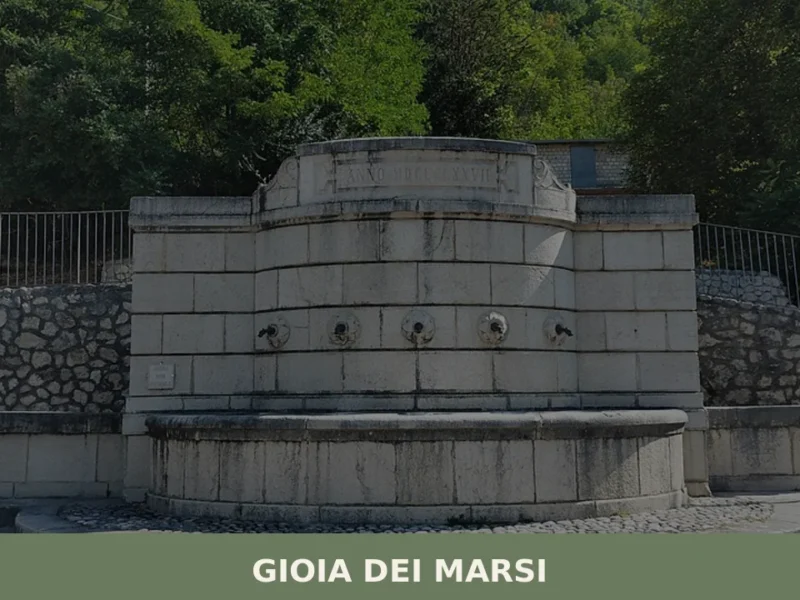
Gioia dei Marsi has a population of 2,091 and sits at 725 metres above sea level on the eastern edge of the Fucino, the plain that until 1875 was the largest lake in peninsular Italy. The draining of the lake radically transformed the economy and landscape of this Marsican settlement, shifting its centre of gravity […]
Penna Sant’Andrea
 Hills
Hills
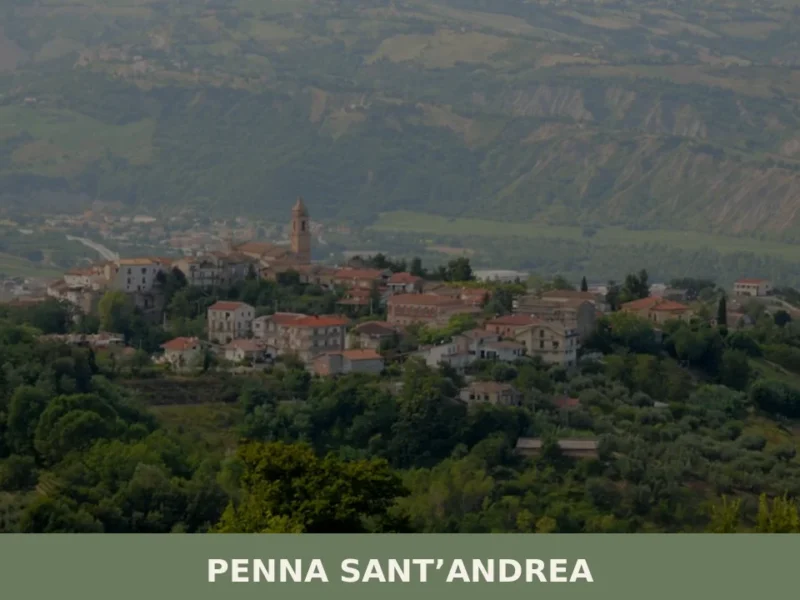
What to see in Penna Sant'Andrea? Discover the 5 must-see attractions of this village in Abruzzo. Plan your visit now!
Campli
Hills
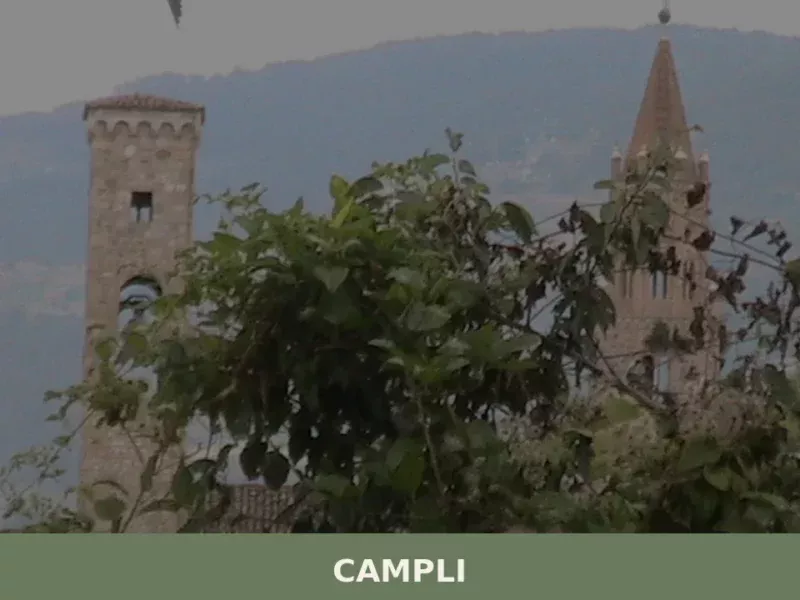
What to see in Campli, Abruzzo, Italy: explore the Scala Santa, the Farnese archaeological museum, and the August porchetta festival in this village of 7,167 inhabitants. Discover it all.
Villavallelonga
Mountain
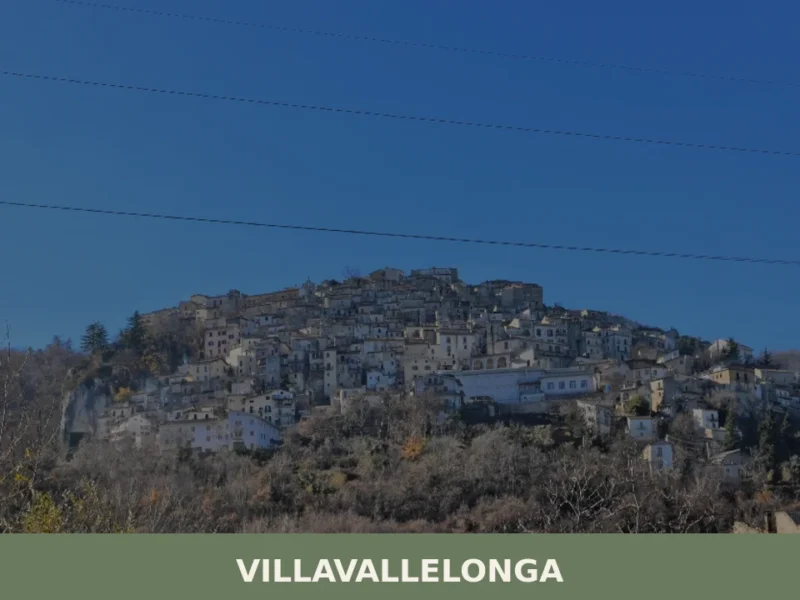
What to see in Villavallelonga, Italy: explore the national park, botanical garden and 927-inhabitant village of Abruzzo. Discover top attractions and travel tips.
Pescara
 Sea
Sea
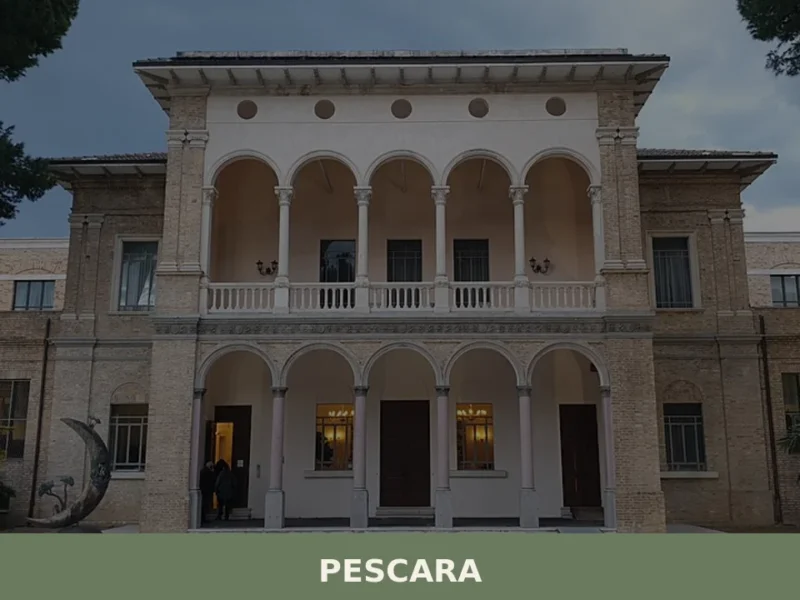
In Pescara, where the Aterno river meets the Adriatic, the city stretches across a coastal plain just 4 metres above sea level. Its forked layout, divided by the watercourse that once served as its natural boundary, has shaped the identity of this centre of nearly 119,000 inhabitants in the province of the same name. On […]
Civita d’Antino
Mountain
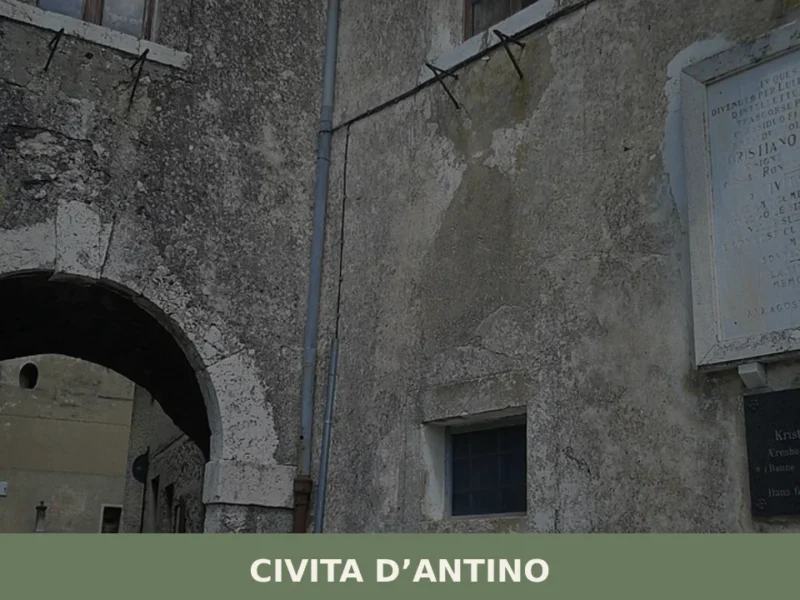
In 1878, the Danish painter Kristian Zahrtmann reached Civita d’Antino for the first time and decided to return every summer until 1911, turning this small town in the Valle Roveto into an artistic colony frequented by dozens of Scandinavian painters. Even today, anyone wondering what to see in Civita d’Antino will find traces of that […]
Castellafiume
Mountain
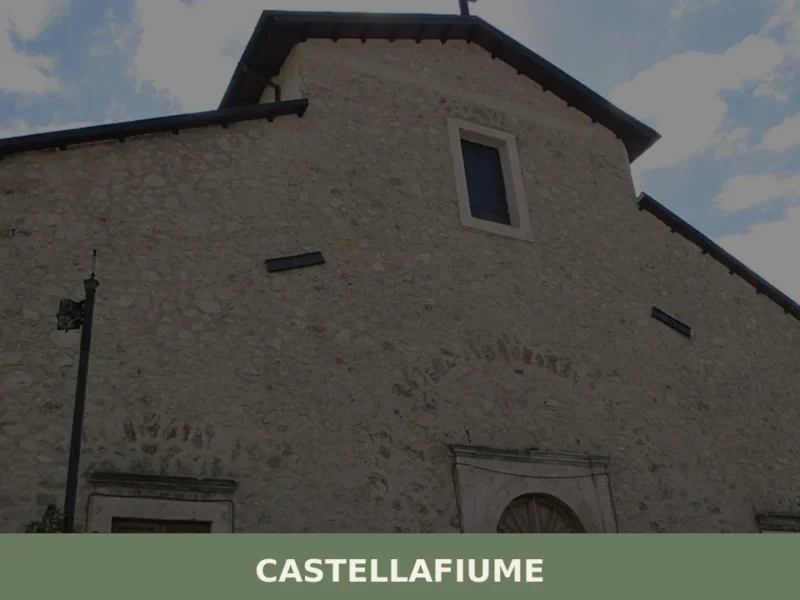
Documented since the 11th century as *Castrum Fluminis*, Castellafiume stands at 840 meters above sea level, in the heart of the L’Aquila Marsica region. This settlement, whose toponym evokes its connection to the Liri River which has its sources here, currently has 1,032 inhabitants. Its history is interwoven with events related to territorial control and […]
Civitaquana
Hills
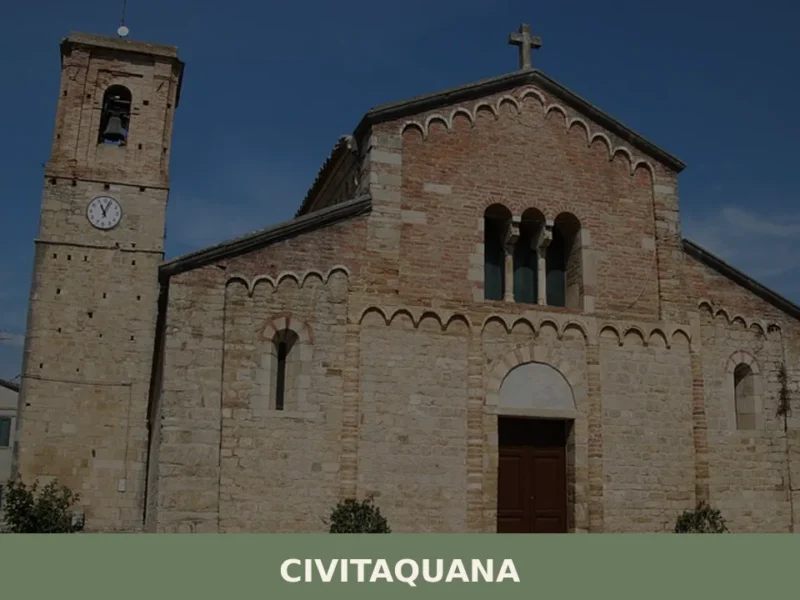
At 550 metres above sea level, on the eastern slope of the Gran Sasso descending towards the Pescara hills, Civitaquana is home to 1,146 inhabitants spread between the historic centre and the surrounding hamlets. The village’s very name — documented in medieval sources as Civitas Aquanae — reveals an origin linked to the presence of […]
Capistrello
Mountain
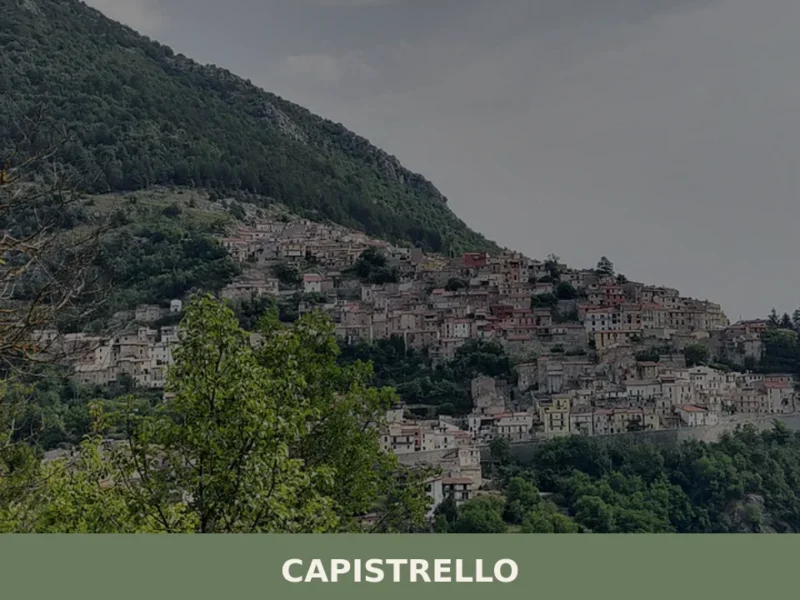
In 1902, a flood of the River Liri devastated the town and forced its inhabitants to rebuild entire neighbourhoods in the upper part of the settlement: that wound redrew the map of Capistrello, a village of 5,309 residents in the Marsica area, standing at 734 metres above sea level in the province of L’Aquila. Anyone […]
Prata d’Ansidonia
Mountain
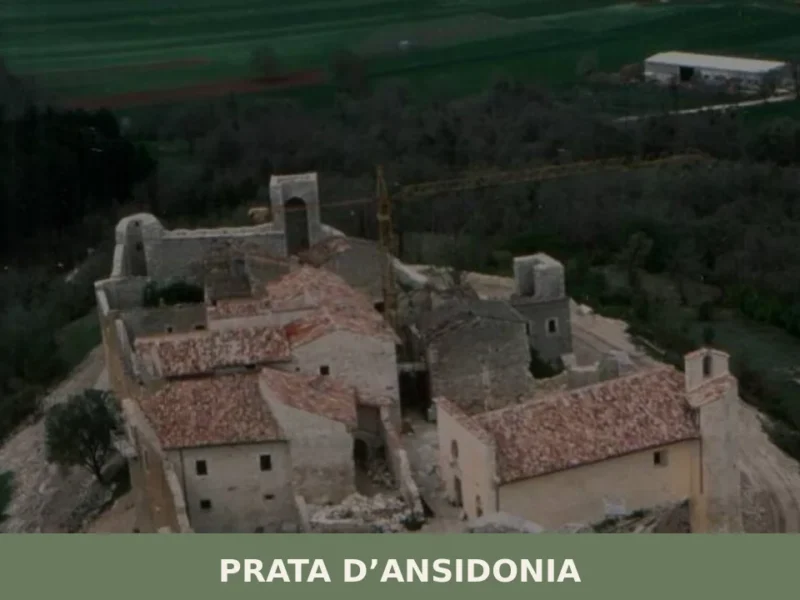
What to see in Prata d’Ansidonia? Discover the 5 must-see historic attractions of this village in Abruzzo. Plan your visit and immerse yourself in local history.
🧀 Italian traditional products



🏡 Know Poggio Picenze better than we do?
If you’re a local or have been there, your knowledge matters: add what’s missing or fix a detail on this page.