


Dolceacqua
 Plains
What to see in Dolceacqua: discover Doria Castle, the Old Bridge, and 5 main attractions of this Ligurian village. Plan your visit!
Discover Dolceacqua
At 51 meters above sea level, in the heart of Val Nervia in the province of Imperia, lies the village of Dolceacqua, a settlement of 2,129 inhabitants that stretches along the banks of the Nervia stream.
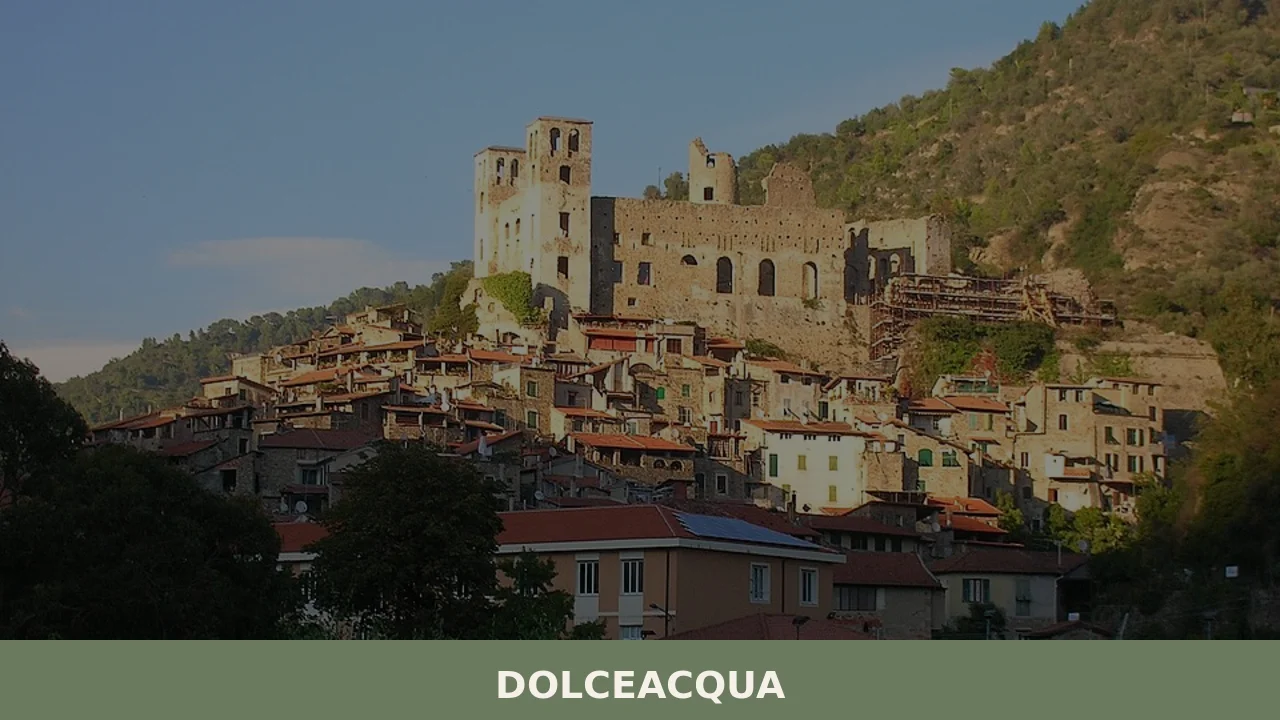
This ancient settlement is distinguished by its stone architecture and the presence of an imposing castle that dominates the valley from above, offering a tangible testament to centuries of Ligurian history and culture.
The surrounding landscape, characterized by olive groves and vineyards, helps define the identity of a place where the past merges with the tranquility of the present.
Those who wish to discover what to see in Dolceacqua will find a village rich in inspiration, where three distinctive elements immediately capture attention: the imposing Doria Castle, the elegant Ponte Vecchio (Old Bridge), and the intricate labyrinth of alleys in the Terra district.
These places represent the main attractions that answer travel queries, offering a journey through medieval architecture and picturesque views. A trip to Dolceacqua allows one to immerse themselves in an authentic atmosphere, exploring its narrow streets and discovering the history hidden behind every corner of the village.
History and Origins of Dolceacqua
Dolceacqua’s roots lie in a remote past, with the first documented records of the village dating back to the 12th century.
Its strategic position along the Val Nervia, an important communication route between the coast and the hinterland, immediately made it a crucial control point. The original settlement, known as “Terra,” developed around the primitive castle, probably erected around the 11th century, which became the hub of the community’s social and economic life. The lordship of the Counts of Ventimiglia held initial control of these lands before the village’s history took a decisive turn.
Dolceacqua’s destiny became inextricably linked to the powerful Doria family starting in 1270, when Oberto Doria, admiral of the Republic of Genoa, acquired the fief.
Under their dominion, the village experienced a period of great splendor and transformation.
The Doria Castle, originally a defensive stronghold, was expanded and fortified over subsequent centuries, particularly between the 15th and 16th centuries, when it took on the appearance of a stately residence while retaining its defensive characteristics.
The Doria family promoted economic and cultural development, leaving a deep mark on local architecture and traditions, also influencing nearby villages such as Diano San Pietro, which shared a similar historical-political context in western Liguria.
During the 17th and 18th centuries, the village was involved in numerous conflicts, including the War of the Austrian Succession, which caused severe damage to the castle in 1744.
Despite the destructions, Dolceacqua managed to preserve its medieval layout, with stone houses and “carrugi” (narrow alleyways) climbing towards the fortress.
In 1797, with the arrival of Napoleonic troops and the fall of the Ancien Régime, the Doria fiefdom was abolished, and Dolceacqua became part of the Ligurian Republic, then annexed to the Kingdom of Sardinia in 1815 and subsequently to the Kingdom of Italy.
This transition marked the end of a feudal era and the beginning of a new phase, in which the village maintained its historical identity, appealing to travelers and artists like Claude Monet who, in 1884, immortalized its famous bridge and castle in some of his most significant works.
What to see in Dolceacqua: main attractions
Doria Castle
The Doria Castle stands majestically atop the Terra district, dominating the entire Nervia valley and offering panoramic views that stretch to the sea. Its structure, characterized by mighty walls and corner towers, bears witness to centuries of architectural and defensive evolution.
The first constructions date back to the 12th century, but it was the Doria family, starting from the 13th century, that transformed the primitive fortress into a fortified stately residence, with significant expansions in the 15th and 16th centuries.
Today, its remains, partially rebuilt after the damage suffered in 1744, are accessible to visitors who can explore the courtyards, halls, and prisons, perceiving the imposing history enclosed within its stone walls.
Ponte Vecchio (Old Bridge)
Dolceacqua’s Ponte Vecchio, also known as the “Romanesque Bridge”, is a work of medieval engineering that crosses the Nervia stream with a single, elegant “donkey’s back” arch.
Its construction, estimated between the 14th and 15th centuries, features a span of approximately 33 meters, a remarkable size for the era. This bridge is not only a physical link between the more modern part of the village and the Terra district but also an iconic symbol of Dolceacqua, made famous by Claude Monet who, in 1884, called it “a jewel of lightness” and depicted it in several of his canvases.
Walking on the bridge offers a unique perspective on the ancient village and the castle, allowing one to appreciate the harmony between architecture and landscape.
Terra District
The Terra District represents the oldest and most charming core of Dolceacqua, a labyrinth of narrow alleys, stone houses leaning against each other, and covered passages that wind sinuously up towards the Doria Castle.
This medieval quarter, developed on the slopes of the fortress, preserves intact the charm of a bygone era, with its simple yet robust architecture, built from local stone.
Exploring the Terra means getting lost among narrow alleys (carrugi), hidden squares, and steep staircases, discovering artisan workshops and small art galleries that enliven the spaces. The dwellings, often with small windows and wooden shutters, create an intimate and cozy atmosphere, typical of Ligurian villages, which also recalls the urban layout of Diano Arentino, located in a similar geographical context.
Parish Church of Sant’Antonio Abate
The Parish Church of Sant’Antonio Abate is Dolceacqua’s main place of worship, located in the newer part of the village, beyond the Ponte Vecchio.
Its origin is ancient, but the building has undergone numerous modifications and reconstructions over the centuries, taking on its current Baroque appearance.
The facade, with decorative elements and an elaborate portal, leads to a three-nave interior, embellished with sacred artworks, including frescoes and paintings depicting episodes from the life of the patron saint and other religious subjects. The bell tower, soaring skywards, is a visible landmark from various angles of the village.
A visit to the church offers a moment of reflection on the faith and art that have shaped the community of Dolceacqua.
Oratory of San Filippo Neri
The Oratory of San Filippo Neri, a small but significant sacred building, is located in the heart of Dolceacqua’s ancient village, representing a precious example of local religious architecture.
Built in the 17th century, the oratory features a sober yet elegant facade, typical of Ligurian constructions of the era.
Inside, visitors can admire Baroque decorations, wooden altars, and canvases that bear witness to the devotion and artistic skill of local artisans. This place of worship, often used for confraternities and minor ceremonies, offers a more intimate perspective on the spirituality and community traditions that have characterized life in Dolceacqua for hundreds of years, providing a contrast with the more imposing military architecture of the castle.
Typical Cuisine and Products of Dolceacqua
The gastronomic tradition of Dolceacqua is rooted in Ligurian cuisine, characterized by simple and genuine flavors, strongly linked to the territory and its products. The proximity to the sea and the mountain hinterland has fostered the development of a variety of dishes that combine fresh, seasonal ingredients, from aromatic herbs to garden produce, from bluefish to olive oil.
The Mediterranean diet is interpreted here through recipes that enhance raw ingredients, with particular attention to sustainability and respect for seasonality.
This cuisine is a true narrative of the landscape and history of Val Nervia, where every dish tells a centuries-old tradition.
Among the typical dishes that can be tasted in Dolceacqua, preparations that reflect the ingenuity of peasant and seafaring cuisine stand out.
Borage ravioli, filled with this wild herb and seasoned with butter and sage or with traditional walnut sauce, represent an iconic first course. Farinata, a savory cake made from chickpea flour, water, oil, and salt, baked in a wood-fired oven, is another simple yet tasty specialty. No less important are Ligurian-style rabbit, cooked with Taggiasca olives, pine nuts, and rosemary, and brandacujùn, a dish based on shredded stockfish with potatoes, garlic, and parsley, emulsified with olive oil.
These dishes testify to the richness and variety of local gastronomic offerings.
Although there are no specific DOP or IGP certified products for Dolceacqua in the provided list, the territory is renowned for some excellent items.
Rossese di Dolceacqua DOC is the most famous wine of the area, a ruby red produced from Rossese grapes, cultivated on the sunny terraces of Val Nervia. This wine, appreciated for its fruity aromas and soft taste, pairs perfectly with traditional dishes. Extra virgin olive oil, obtained from the small and prized Taggiasca olives, is another pillar of local cuisine, used to season and flavor almost every preparation. Taggiasca olives themselves, both brined and pitted, are a typical product easily found in the village shops.
Festivals, Events, and Traditions of Dolceacqua
Life in Dolceacqua is marked by traditions and celebrations rooted in the history and faith of the community.
The most deeply felt and significant festival is dedicated to the patron saint, Saint Anthony the Abbot, celebrated annually on January 17th. This religious observance is characterized by solemn rites, processions through the village streets, and convivial moments involving the entire population.
During the festival, it is traditional to bless animals, in honor of the patron saint of breeders and domestic animals, a gesture that underscores the deep connection between the community and its agricultural roots.
The celebrations offer a unique opportunity to observe local customs and participate in the authentic life of the village.
In addition to the patron saint’s festival, Dolceacqua’s calendar includes other events that enliven the village throughout the year. During the summer, cultural events, concerts, and historical re-enactments often take place, highlighting the Doria Castle and the Borgo della Terra. These events attract visitors from everywhere, offering shows and entertainment in a charming setting.
It is always advisable to consult the official municipal website Dolceacqua.it to find out the updated program of events, as dates and types of events may vary from year to year.
Culinary traditions also find their place in smaller festivals dedicated to typical products, such as Rossese wine or olive oil, moments where local specialties can be tasted and the region’s food and wine heritage discovered.
When to visit Dolceacqua and how to get there
The best time to visit Dolceacqua depends on personal preferences, but spring and autumn offer ideal climatic conditions, with mild temperatures and lush nature that enhances the landscape’s colors.
In these months, the village is less crowded than during the peak summer season, allowing for a more peaceful and intimate visit to the attractions. Summer, from June to September, is enlivened by cultural events and festivals, but temperatures can be high and tourist influx greater.
Winter, on the other hand, offers a more secluded atmosphere, with the chance to enjoy the village’s tranquility and, in January, to participate in the celebrations of the patron saint, Saint Anthony the Abbot. Those seeking a holiday focused on tranquility and historical discovery will find spring and autumn the perfect time to explore Dolceacqua.
To reach Dolceacqua, several transport options are available.
If arriving by car, you can take the A10 motorway (Autostrada dei Fiori) and exit at Ventimiglia or Bordighera, both a few kilometers from the village.
From Ventimiglia, continue for about 10 km along the provincial road SP64, following signs for Dolceacqua. For those who prefer the train, the nearest railway station is Ventimiglia, well connected to major Italian and French cities. From Ventimiglia station, it is possible to take a regular bus service that leads directly to Dolceacqua, or a taxi.
For long-distance travel, the most convenient international airport is Nice Côte d’Azur (France), about 50 km away, or Genoa Cristoforo Colombo Airport, about 150 km away. It is advisable to check public transport timetables on the Trenitalia website or regional portals to best plan your trip.
Those arriving from Nice might also consider a detour to Brugnato, a village that, despite being further away, offers a similar experience of discovering inland Liguria.
| Starting Point | Distance | Estimated Time |
|---|---|---|
| Ventimiglia (station) | 10 km | 20 min (car/bus) |
| Nice (airport) | 50 km | 1 hour (car) |
| Genoa (airport) | 150 km | 1 hour 45 min (car) |
Where to stay in Dolceacqua
For those wishing to extend their stay and fully experience the atmosphere of Dolceacqua, the village and its surroundings offer various accommodation options.
Although there are no large hotel chains, you can find cozy B&Bs housed in ancient stone houses, which retain the charm of traditional architecture and offer genuine hospitality. Many of these structures are located within the Borgo della Terra or in its immediate vicinity, allowing you to fully immerse yourself in local life.
In the surrounding areas, the Nervia Valley also offers farm stays (agriturismi) nestled amidst green olive groves and vineyards, ideal for those seeking a holiday in contact with nature and the flavors of the region.
These establishments often offer zero-kilometer products and the opportunity to participate in activities related to rural life. Finally, holiday homes represent a flexible option for families or groups, ensuring greater autonomy and larger spaces. It is always advisable to book in advance, especially during high season periods, to secure the most suitable accommodation for your needs and to best enjoy Coreglia Ligure, also a Ligurian village worth visiting.
Frequently asked questions about Dolceacqua
What is the best time to visit Dolceacqua?
Spring (April–June) and early autumn (September–October) are ideal, with mild temperatures, blooming landscapes, and fewer crowds. The feast of Sant'Antonio Abate on January 17th is a deeply felt local tradition worth experiencing in winter. Summer brings the liveliest atmosphere, with cultural events and the possibility to combine the visit with the nearby Ligurian coast. Avoid August if you prefer a quieter experience, as the area attracts many visitors during peak holiday weeks.
What are the historical origins of Dolceacqua?
Dolceacqua's first documented records date to the 12th century. Its strategic position in Val Nervia made it a key control point between the coast and the hinterland. Initially under the Counts of Ventimiglia, the village passed to the Doria family in 1270, who transformed the castle into a fortified residence and shaped its urban and cultural identity. After damage during the War of the Austrian Succession (1744) and the Napoleonic period (1797), the village joined the Kingdom of Sardinia in 1815 and later unified Italy.
What to see in Dolceacqua? Main monuments and landmarks
The must-sees are: the Doria Castle, dominating the valley with its towers and courtyards, open to visitors; the Ponte Vecchio, a medieval single-arch bridge immortalized by Claude Monet in 1884; and the Terra district, a labyrinth of stone alleys and covered passages climbing toward the fortress. The Parish Church of Sant'Antonio Abate features a Baroque interior with frescoes, while the 17th-century Oratory of San Filippo Neri displays carved wooden altars and period canvases. Check local opening hours for the castle, as they may vary seasonally.
What are the main natural or scenic attractions of Dolceacqua?
Dolceacqua sits in the green Val Nervia, surrounded by terraced olive groves and vineyards producing the renowned Rossese DOC wine. The Nervia stream flows through the valley, offering pleasant walks along its banks. The hinterland of the province of Imperia features several hiking routes connecting Ligurian hilltop villages. The panoramic views from the Doria Castle over the valley and toward the sea represent one of the most rewarding natural vantage points in western Liguria.
Where to take the best photos in Dolceacqua?
The most iconic shot is the Ponte Vecchio framed with the Doria Castle rising behind it — the exact scene Claude Monet painted in 1884. For this view, position yourself along the Nervia stream bank downstream of the bridge. The narrow carrugi of the Terra district offer atmospheric shots at golden hour, when light filters through the stone archways. The castle terrace provides a sweeping panorama over the rooftops, valley, and olive groves that is particularly striking at sunset.
Are there museums, churches or historic buildings to visit in Dolceacqua?
Yes. The Doria Castle is the main historic building, accessible to visitors who can explore its courtyards, halls, and former prisons. The Parish Church of Sant'Antonio Abate houses Baroque frescoes and paintings dedicated to the patron saint. The Oratory of San Filippo Neri, dating to the 17th century, preserves Baroque decorations and wooden altars. For updated opening hours and admission fees to the castle, check with the local Pro Loco or the municipality of Dolceacqua directly, as schedules may vary by season.
What can you do in Dolceacqua? Activities and experiences
Dolceacqua offers a rich mix of culture and food-and-wine experiences. You can tour the Doria Castle, wander the medieval Terra district, and cross the famous Ponte Vecchio. Wine lovers should seek out local producers of Rossese di Dolceacqua DOC for tastings. The olive oil made from Taggiasca olives is another highlight worth buying directly from local shops. The surrounding Val Nervia provides walking paths through vineyards and olive groves. The patron feast of Sant'Antonio Abate on January 17th includes traditional local celebrations.
Who is Dolceacqua suitable for? Families, couples, hikers, solo travelers?
Dolceacqua is particularly well suited for couples seeking a romantic and photogenic medieval atmosphere, history enthusiasts drawn to the Doria Castle and Monet connection, and food-and-wine lovers eager to explore Rossese DOC and Taggiasca olive oil. Families will enjoy the compact, walkable historic centre and the picturesque bridge. Hikers can use the village as a base for Val Nervia trails. The quiet, authentic character of the village also makes it appealing for solo travelers and cultural tourists looking to escape the coastal crowds.
What to eat and drink in Dolceacqua? Local products and specialties
Dolceacqua is famous above all for Rossese di Dolceacqua DOC, a ruby-red wine from Rossese grapes grown on the valley's sunny terraces, prized for its fruity and soft character. Extra virgin olive oil from Taggiasca olives is a cornerstone of every local meal. Typical dishes include borage ravioli, chickpea farinata baked in a wood-fired oven, Ligurian-style rabbit with Taggiasca olives, and brandacujùn (shredded stockfish with potatoes and olive oil). Local shops in the village sell Taggiasca olives, oil, and wine for those wishing to bring home authentic products.
Nearby Villages near Dolceacqua
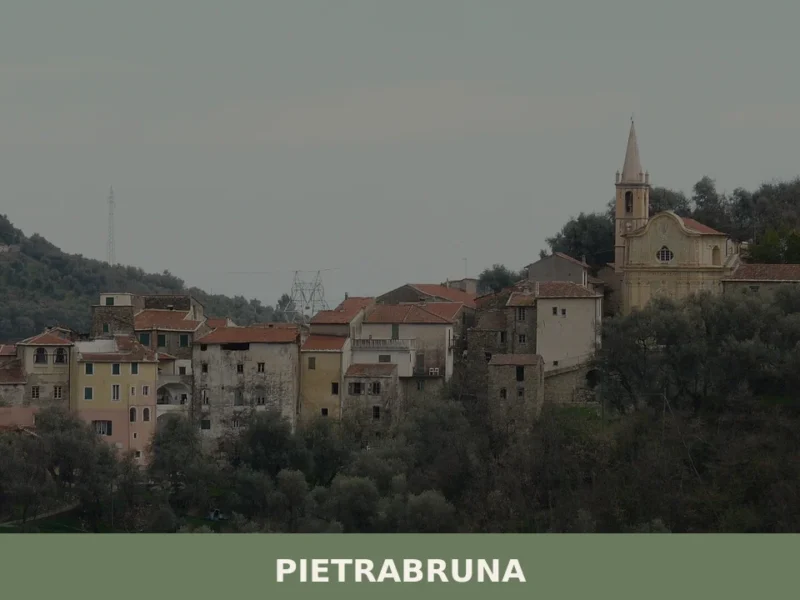
In Liguria More villages to discover
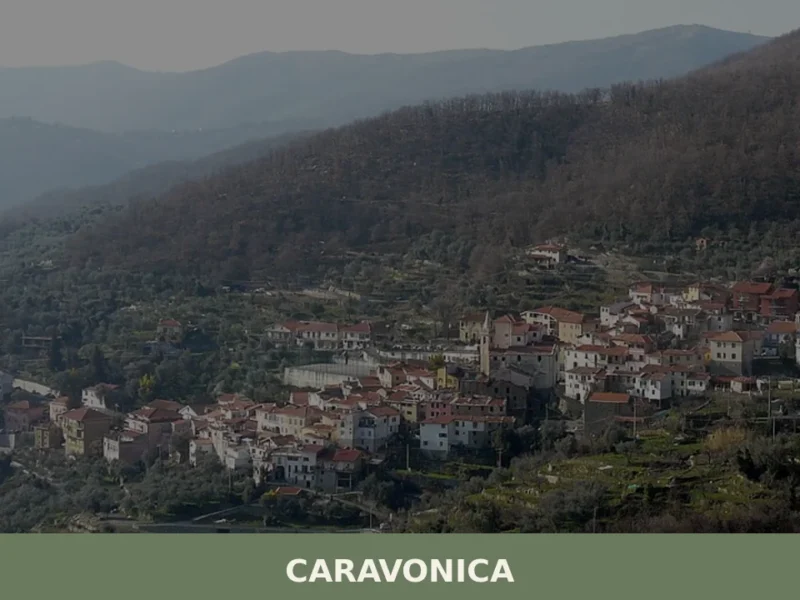
Caravonica
 Hills
Hills
The scent of wild rosemary drifts on the morning air, carried by a breeze that has travelled from the Ligurian Sea and across the terraced olive groves. Morning light, still soft, begins to illuminate the ochre and terracotta facades of Caravonica “”, a village clinging to a hillside in the Imperia province. At 360 meters […]
Portofino
 Sea
Sea
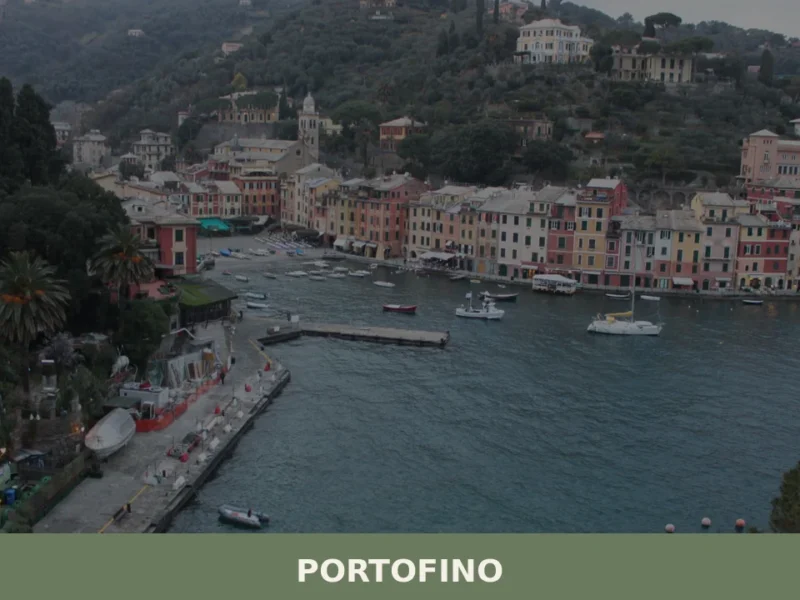
Portofino has a population of 355 residents spread across a headland that descends to sea level. It is one of the smallest municipalities in Italy by population, yet its natural harbour appears in almost every historical guide to the Ligurian Riviera. Anyone looking into what to see in Portofino will find a compact collection of […]
Plodio
 Mountain
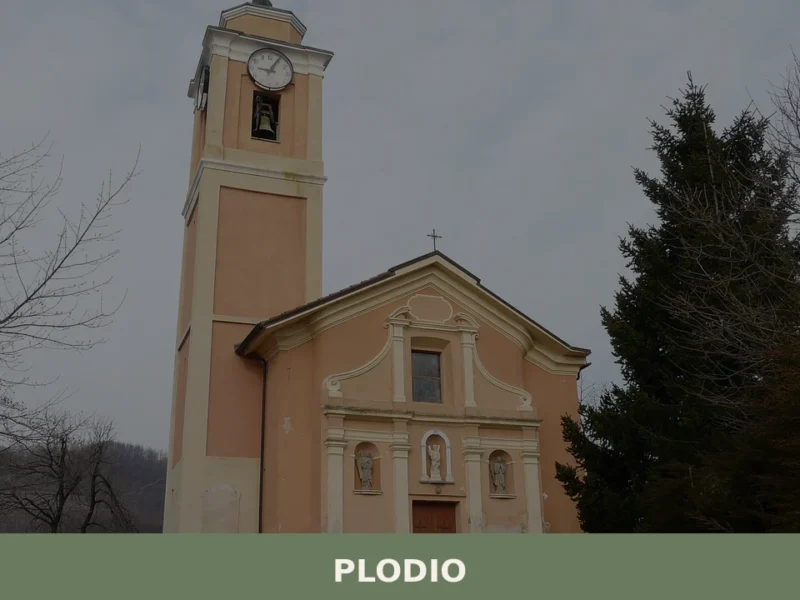
What to see in Plodio, Liguria, Italy: explore Val Bormida, Col di Cadibona and local traditions in a village of 640 inhabitants. Discover the full travel guide.
Castelvecchio di Rocca Barbena
Mountain
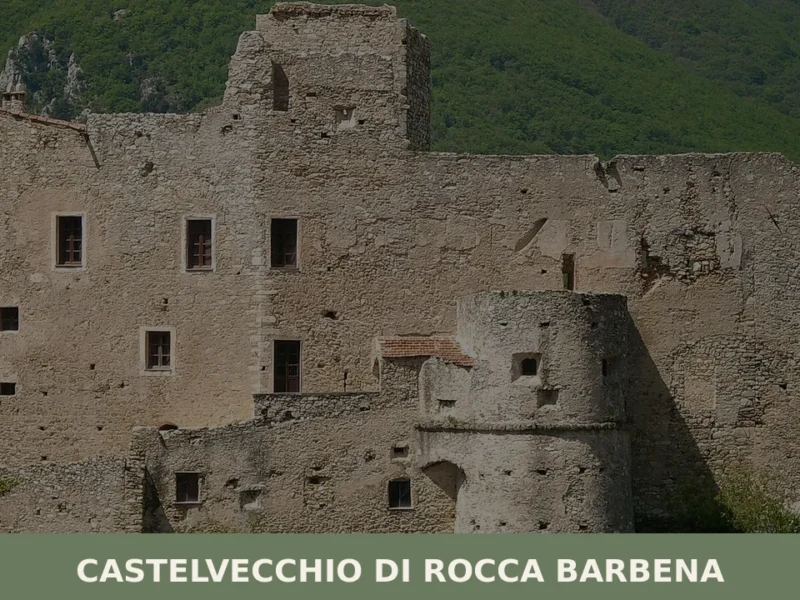
What to see in Castelvecchio di Rocca Barbena, Liguria, Italy: explore a 9th-century castle, 166 inhabitants, 70 km from Genoa. Discover top attractions and travel tips.
Casanova Lerrone
Hills
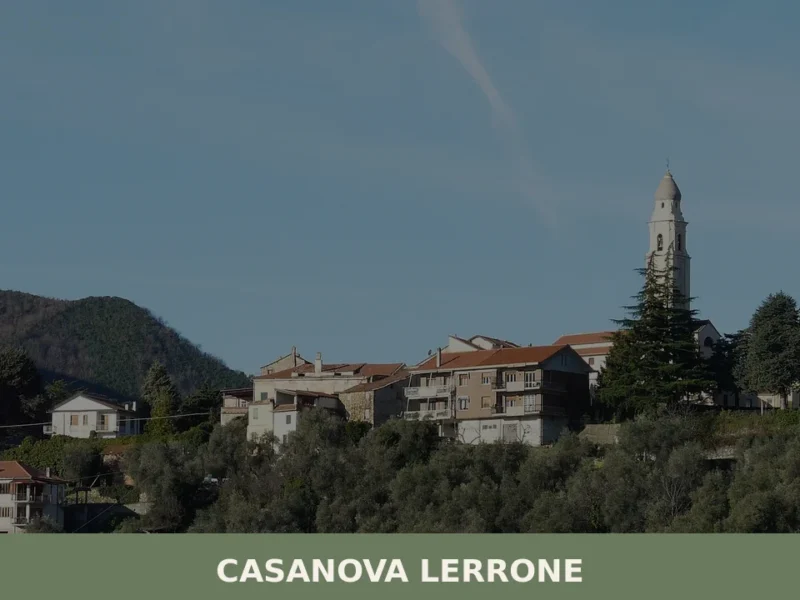
What to see in Casanova Lerrone, Italy: 752 inhabitants, 10 bordering municipalities. Discover top attractions, local food and how to get there. Explore now.
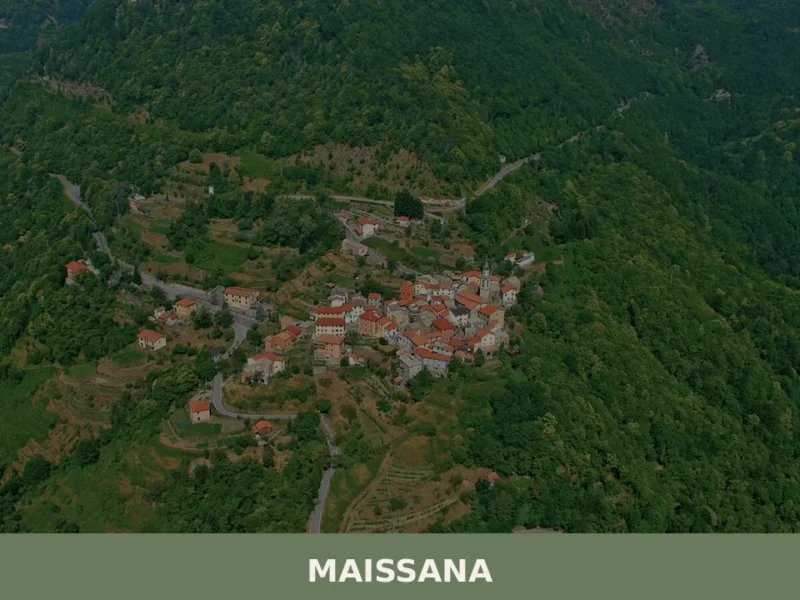
Maissana
Mountain
What to see in Maissana, Italy: 644 inhabitants, 50 km from Genoa. Discover top attractions, local food, festivals and how to get there. Explore now.
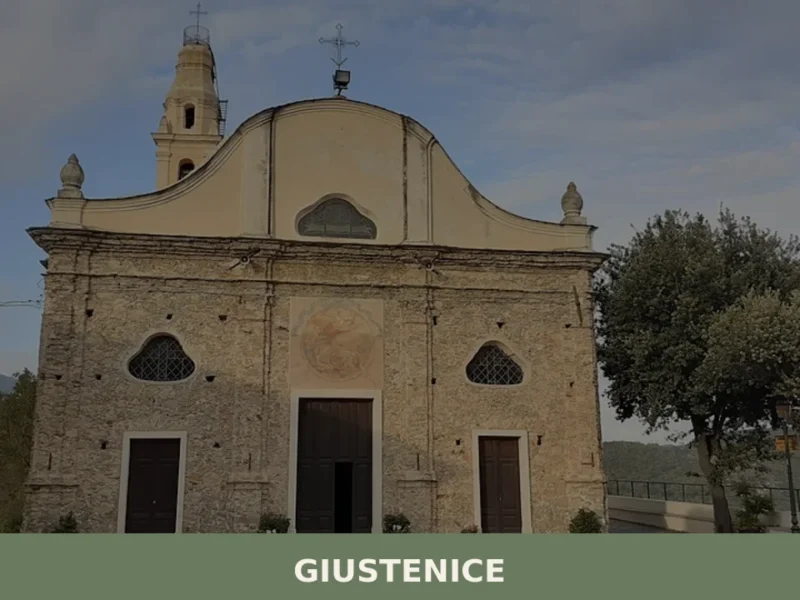
Giustenice
Sea
The Scaincio stream cuts through the Maremola Valley floor, and the path that follows it northward from San Lorenzo climbs steadily toward a ridgeline where the elevation crosses 1,200 m (3,937 ft). Above, the bulk of Monte Carmo reaches 1,389 m (4,557 ft), its limestone flanks visible for much of the valley. In this article […]
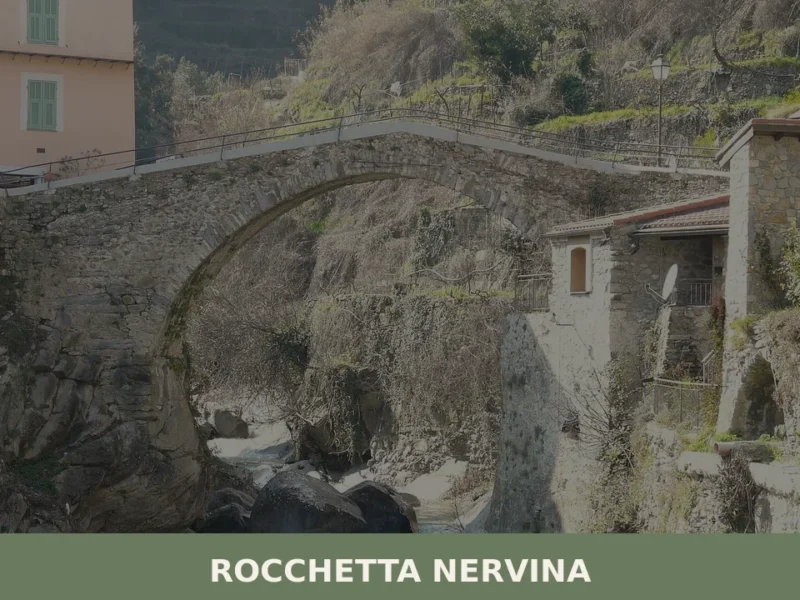
Rocchetta Nervina
Mountain
What to see in Rocchetta Nervina, Italy: discover the village (population 275) near the Ligurian Alps Regional Park. Explore its unique location bordering France and the Barbaira stream.
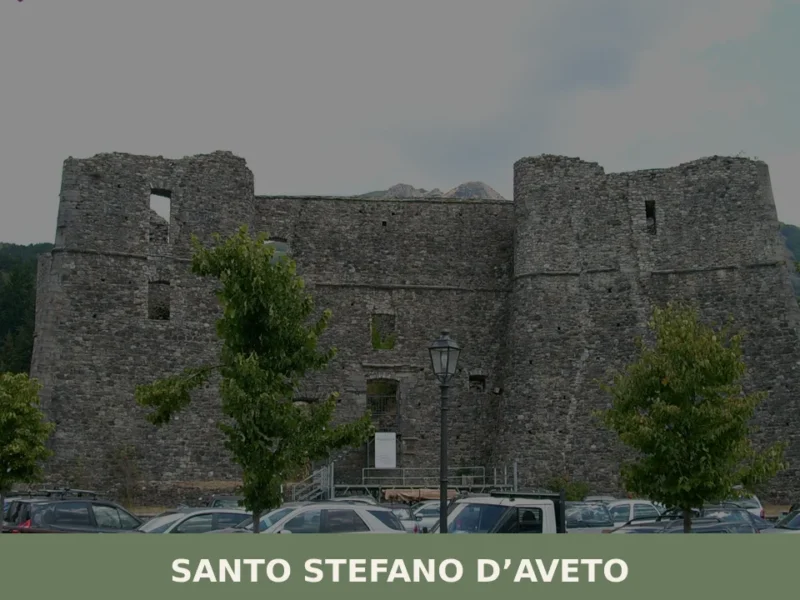
Santo Stefano d’Aveto
Mountain
What to see in Santo Stefano d'Aveto? Discover the castle, hikes, and nearby villages with our complete guide to the Ligurian hinterland. Plan your trip now!
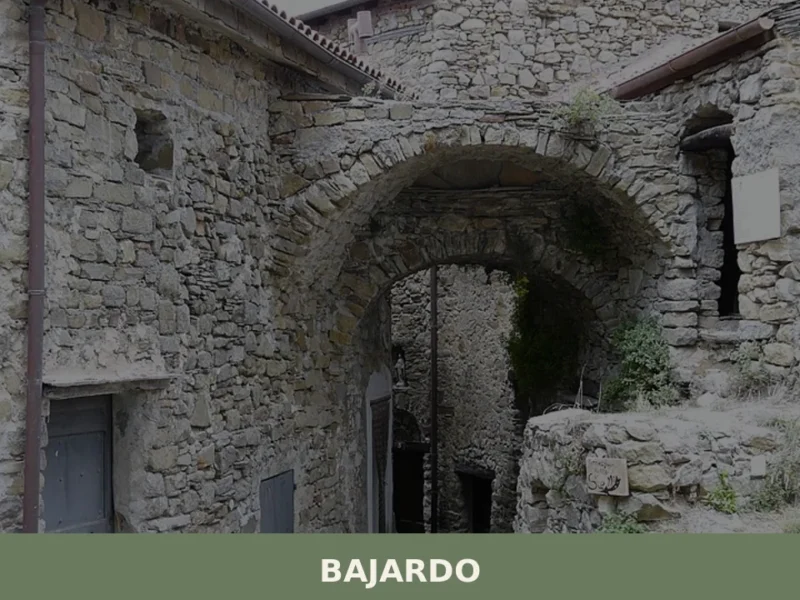
Bajardo
Mountain
What to see in Bajardo? Discover top 5 attractions at 910m, with historic ruins, stunning views, and trails. Plan your visit!

🏡 Know Dolceacqua better than we do?
If you’re a local or have been there, your knowledge matters: add what’s missing or fix a detail on this page.