


Avigliana
 Hills
Hills
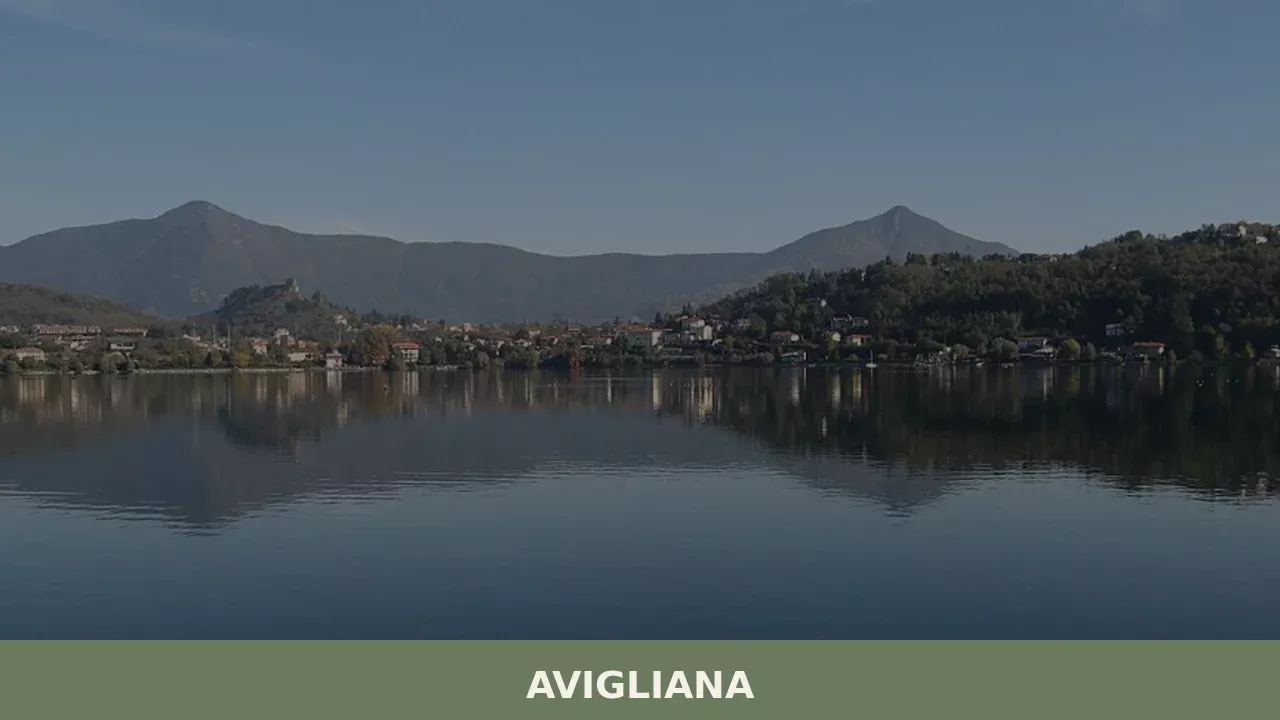
In 1092, a donation charter by Countess Adelaide of Susa mentioned for the first time the castrum Avillianae, a fortified settlement on the hill overlooking two moraine-origin lake basins in the lower Susa Valley. Anyone wondering what to see in Avigliana today will find an urban fabric preserving precise layers of history: thirteenth-century towers, Gothic […]
Discover Avigliana
In 1092, a donation charter by Countess Adelaide of Susa mentioned for the first time the castrum Avillianae, a fortified settlement on the hill overlooking two moraine-origin lake basins in the lower Susa Valley. Anyone wondering what to see in Avigliana today will find an urban fabric preserving precise layers of history: thirteenth-century towers, Gothic brick façades, and a circuit of walls still traceable in the layout of the streets. With its 12,262 inhabitants and an elevation of 383 metres above sea level, Avigliana is one of the gateways to the busiest Alpine valley in Europe, yet it retains a town plan that historical research has documented continuously from the Middle Ages to the present day.
History and origins of Avigliana
The place name Avigliana has been the subject of several etymological hypotheses. The most widely accepted traces it to a Roman praedial name, Avillius or Avilius, with the suffix -ana indicating land ownership: the area would therefore have been part of an agricultural estate in the late-imperial period. Another hypothesis, less supported in academic literature but present in local sources, links the name to the Latin word aquiliana, referring to the eagles that once nested on the surrounding crags. Documents from the eleventh century attest to the existence of a military garrison on the hill, established by the Marquises of Turin to control the road leading to the Alpine passes of Mont Cenis and Montgenèvre. The strategic position — at the mouth of the valley, between two natural lakes and an easily defensible elevation — made Avigliana a key node in the power networks of north-western medieval Italy.
The period of greatest expansion coincided with Savoy rule: in 1173, the House of Savoy gained control of the town and built a castle on the hilltop. Humbert III of Savoy stayed there on several occasions, and his successor Thomas I held court there in the thirteenth century, a period during which Avigliana received a municipal charter and was equipped with defensive walls featuring four access gates. The urban layout that can still be walked today — with its two main squares, the central street following the ridge, and the lateral comb-pattern lanes — dates largely from this phase. By 1330 the town already had a significant population, with commercial activities linked to trans-Alpine trade and an annual fair documented in Savoyard records. The church of San Giovanni, associated with the cult of the patron saint John the Baptist, was enlarged during the fourteenth century with Gothic structures that remain visible.
Avigliana’s military decline began in 1691, when French troops under General Catinat occupied the town during the War of the League of Augsburg and severely damaged the castle. The building was never rebuilt, and its ruins gradually became part of the hillside landscape. In the eighteenth and nineteenth centuries Avigliana transformed into an agricultural and manufacturing centre, with spinning mills and small industries related to cotton processing. The opening of the Turin–Modane railway in 1871 connected the town to the national network, encouraging new commercial exchanges. During the twentieth century, the growth of the Turin metropolitan area brought a rise in population, but the historic centre preserved its medieval character thanks to restoration work documented from the 1970s onwards. Among the notable figures linked to Avigliana is the Blessed Humbert III of Savoy, born in the castle in 1136, a central figure in the history of the Savoy dynasty who was beatified in 1838 by Pope Gregory XVI.
What to see in Avigliana: 5 top attractions
1. The Castle of the Counts of Savoy
The castle ruins occupy the hilltop at an elevation of 460 metres, reachable via a path that starts from Piazza Conte Rosso. The structure, built in the twelfth century and expanded until the fifteenth, retains sections of its perimeter walls, the base of the keep, and the remains of a chapel. The highest point offers a 360-degree view over the lakes, across the Turin plain as far as the Superga hill, and — on clear days — along the Alpine arc from Monviso to Monte Rosa. Access is free and the site can be visited year-round, though caution is advised in winter months as the ground can be slippery.
2. The Lakes of Avigliana
The two lakes of Avigliana — Lago Grande and Lago Piccolo — are basins of glacial moraine origin, formed at the end of the last Würm glaciation roughly 12,000 years ago. Lago Grande has a surface area of approximately 90 hectares and a maximum depth of 26 metres; Lago Piccolo, smaller in size, is surrounded by a belt of reeds protected as a wetland zone. Since 1980, both lakes have been part of the Avigliana Lakes Natural Park, managed by the Cottian Alps Protected Areas Authority. Well-marked lakeside trails can be walked and are suitable for families with children.
3. The Medieval Historic Centre
The old town extends along the hill ridge between two squares: Piazza Conte Rosso, in the upper part, and Piazza Santa Maria, further downhill. The house façades display Gothic elements in red brick — mullioned windows, small hanging arches, pointed-arch doorways — datable to between the thirteenth and fifteenth centuries. Particularly notable is the Casa del Beato Umberto, a fourteenth-century building with fragmentary frescoes on its façade. The route between the two squares, roughly 400 metres long, passes through narrow lanes paved in stone and under connecting arches between buildings, illustrating the compactness of the medieval defensive layout.
4. Church of San Giovanni
Located in the upper part of the town, the church of San Giovanni is dedicated to the patron saint of Avigliana and dates back to the twelfth century, with Gothic enlargements from the fourteenth and fifteenth centuries. The three-nave interior preserves fifteenth-century votive frescoes and a polyptych attributed to Defendente Ferrari, a Piedmontese painter active between the late fifteenth and early sixteenth centuries. The Romanesque stone bell tower is one of the oldest architectural elements in the entire complex. The patron saint’s feast day is celebrated on 24 June with a procession through the streets of the centre and the traditional St John’s bonfire.
5. Church of Santa Maria Maggiore
In the lower part of the historic centre, facing the square of the same name, the church of Santa Maria Maggiore represents the most accomplished example of Gothic architecture in Avigliana. The brick façade with its rose window and splayed portal dates from the fourteenth century. Inside are frescoed side chapels and a polychrome terracotta sculptural group from the fifteenth century depicting the Deposition, composed of nine life-size figures and regarded as one of the most important in western Piedmont. The church is generally open during daylight hours and can be visited free of charge.
Local cuisine and regional products
Avigliana’s cuisine reflects the town’s position at the junction between the plain and the mountains, with a tradition that combines ingredients from piedmont agriculture and products from Alpine livestock farming. The most representative dish of the area is chestnut and leek soup, prepared with soaked dried chestnuts, leeks from the Susa Valley plain, potatoes, and meat broth, slow-cooked in an earthenware pot. During the autumn months it is easy to find it on the menus of trattorias in the centre. Another widespread preparation is polenta concia, served with Toma Piemontese DOP, a semi-hard cheese produced from whole or partially skimmed cow’s milk according to the denomination’s production regulations, and melted butter with garlic. Bagna cauda, the quintessential Piedmontese dish made from salt-cured anchovies, garlic, and olive oil, appears on Avigliana tables above all between November and March, accompanied by raw and cooked vegetables such as cardoons, peppers, and Jerusalem artichokes.
Among the recognised local products are Grignolino del Piemonte, a light red wine that pairs well with traditional dishes, and Focaccia di Susa, a baked speciality common in the lower valley, made with flour, butter, sugar, and eggs, with a crumbly texture. At the weekly markets one can find torcetti, traditional Piedmontese biscuits shaped as small twisted sticks, made from a sweet dough with butter and sugar, and included in the list of Traditional Agri-Food Products (PAT) of the Piedmont Region. Another product available in local shops is chestnut honey from the surrounding valleys, dark in colour with a bitter and lingering flavour.
The best-known food event is the Sagra del Pesce (Fish Festival), held in summer on the shores of Lago Grande, during which freshwater fish — tench, perch, chub — are fried and served with polenta. In autumn, the chestnut festival draws producers from across the lower Susa Valley. The Saturday morning market in Piazza del Popolo is the place to find Alpine pasture cheeses, artisanal cured meats, and seasonal vegetables grown in the countryside between Avigliana and the neighbouring municipality of Trana. For those seeking restaurants rooted in the local tradition, the official municipal website periodically publishes an updated guide to restaurants and hospitality businesses in the area.
When to visit Avigliana: the best time of year
Spring, from April to June, is the most favourable season for those wanting to explore what to see in Avigliana while combining the historic centre with lakeside walks. Temperatures range between 12 and 22 degrees, the vegetation along the lake shores is in full bloom, and the days are long enough to cover both the upper part of the town and the perimeter of Lago Grande in a single outing. The 24th of June, the feast of St John the Baptist, is the most significant date in the local calendar: the evening bonfire on the castle hill draws residents and visitors alike, and for the occasion the historic centre hosts market stalls and performances. Summer offers the possibility of swimming in Lago Grande, where there is an equipped beach with paid access, generally open from mid-June to early September.
Autumn — particularly October and November — is the season of chestnuts, mushrooms, and the first mists that envelop the lakes, creating landscapes of great visual intensity. The gastronomic festivals are concentrated between September and November. Winter is the least busy period: temperatures drop below zero on January nights, the lakes can partially freeze in the harshest years, and some trails become impassable. However, sunny winter days — frequent in Piedmont between December and February — allow visits to the churches and historic centre in a low-angled light that brings out the details of the medieval brickwork. The Christmas period features a market in the historic centre, with artisanal products and local food.
How to reach Avigliana
Avigliana can be reached by car from the A32 Turin–Bardonecchia motorway, with a direct exit at Avigliana Est or Avigliana Ovest depending on the direction of travel. From central Turin the distance is approximately 25 kilometres, covered in 25–30 minutes via the ring road and motorway. From Milan the distance is approximately 170 kilometres, with a journey time of around one hour and forty minutes via the A4 and A32. The SS25 state road (Strada Statale 25 del Moncenisio) passes through the municipal territory and offers an alternative to the motorway for those coming from the Turin plain.
Avigliana railway station is on the Turin Porta Nuova–Bardonecchia–Modane line, served by regional trains with a frequency of approximately one train every 30–40 minutes during peak hours. The journey time from Turin Porta Nuova is about 30 minutes. Turin-Caselle airport is approximately 40 kilometres away, reachable in 35–45 minutes by car via the northern ring road and the A32. The railway station is located about 800 metres from the historic centre, connected by a flat pedestrian route along Via Umberto I. Free parking is available in Piazza del Popolo and along Via IV Novembre.
Other villages to discover in Piedmont
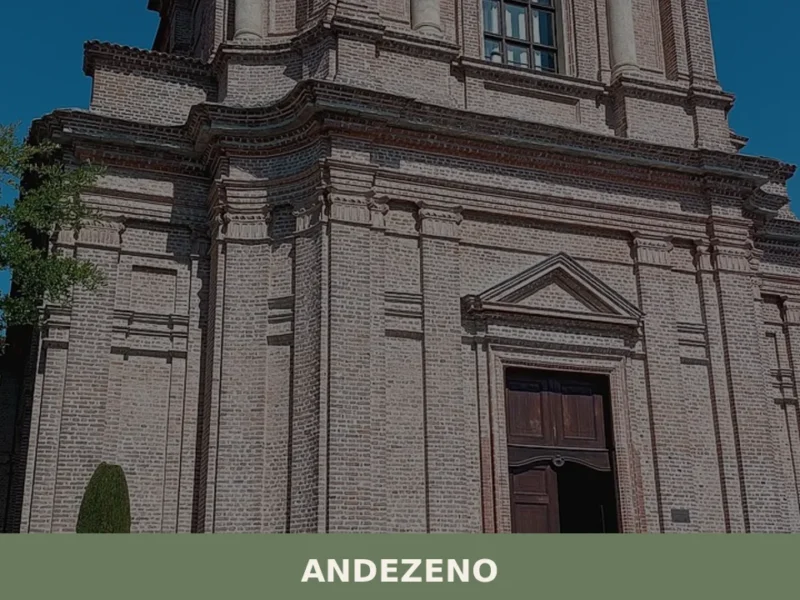
Those visiting Avigliana who wish to continue exploring the hills of Piedmont may consider a detour towards the eastern Turin hills, where Andezeno is located, a small centre in the Asti area of Monferrato about forty kilometres from Avigliana. Andezeno offers a completely different landscape — endless vineyards, tufa farmhouses, an eighteenth-century parish church — and provides an opportunity to observe how the same region produces, within just a few kilometres, radically different urban fabrics and landscapes. The drive between Avigliana and Andezeno crosses the southern belt of Turin and takes roughly 50 minutes, offering an itinerary that contrasts the culture of the lower Alpine valley with that of the wine-producing hills.
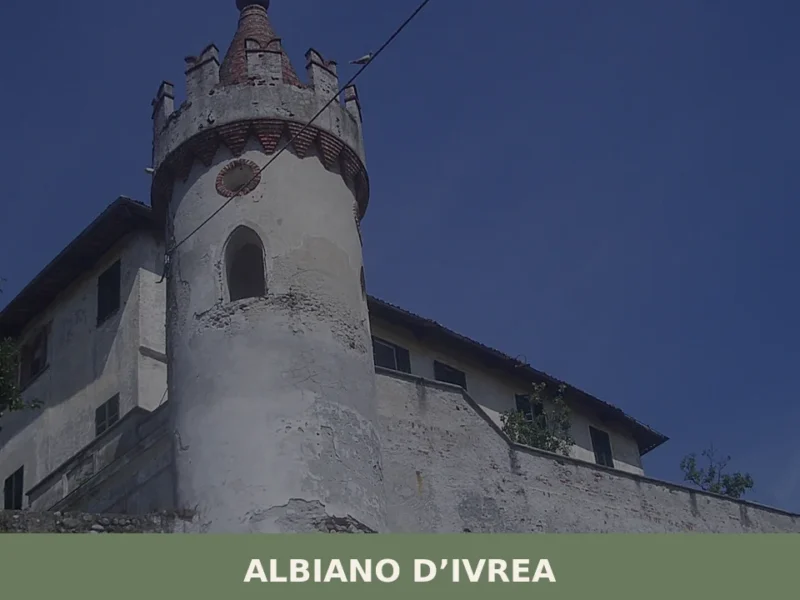
Another option is to head north towards the Serra Morainica d’Ivrea to reach Albiano d’Ivrea, in the Canavese district. Albiano shares with Avigliana the moraine matrix of its landscape — here it is the glacial deposits of the Ivrea morainic amphitheatre that have shaped the terrain — but features more compact rural architecture, with stone-built clusters and a close relationship with the fruit-growing traditions of the area. A two- or three-day itinerary that includes Avigliana, Andezeno, and Albiano d’Ivrea allows you to cross three distinct Piedmontese micro-regions, each with its own geology, agricultural economy, and architectural traditions, composing a multifaceted portrait of this region’s diversity.
Frequently asked questions about Avigliana
What is the best time to visit Avigliana?
Spring (April–June) and early autumn (September–October) offer mild temperatures and clear skies ideal for walking the lakeside trails and exploring the medieval centre. The patron saint's feast of San Giovanni Battista on 24 June is a highlight: a traditional procession winds through the historic streets followed by the St John's bonfire. Summer brings the Sagra del Pesce on the shores of Lago Grande. Autumn is perfect for chestnut festivals and seasonal cuisine. Winter visits are possible but the path to the castle ruins can be slippery — check conditions before heading up.
What are the historical origins of Avigliana?
Avigliana is first documented in 1092, when a charter by Countess Adelaide of Susa mentioned the castrum Avillianae — a fortified hilltop settlement controlling routes to the Mont Cenis and Montgenèvre passes. The place name likely derives from a Roman estate owner, Avillius or Avilius. In 1173 the House of Savoy took control and built a castle where Humbert III — later beatified by Pope Gregory XVI in 1838 — was born in 1136. A municipal charter, defensive walls, and a regular street plan were established during the thirteenth century under Thomas I of Savoy.
What to see in Avigliana? Main monuments and landmarks
The five key sites are: (1) the Castle of the Counts of Savoy ruins on the hilltop at 460 m — free access year-round via a path from Piazza Conte Rosso; (2) the Church of San Giovanni, with 15th-century frescoes and a polyptych attributed to Defendente Ferrari; (3) the Church of Santa Maria Maggiore, featuring a Gothic brick façade and a 15th-century terracotta Deposition group — both churches generally open during daylight hours, free entry; (4) the medieval historic centre between Piazza Conte Rosso and Piazza Santa Maria; (5) the Avigliana Lakes Natural Park, open year-round with free lakeside trails.
What are the main natural or scenic attractions of Avigliana?
The Avigliana Lakes Natural Park, established in 1980 and managed by the Cottian Alps Protected Areas Authority, protects two glacial moraine lakes: Lago Grande (about 90 hectares, up to 26 m deep) and Lago Piccolo, surrounded by a protected reed wetland. Well-marked, family-friendly trails run along both shores. The park is open year-round and access is free. The hilltop castle ruins at 460 m offer panoramic views over the lakes, the Turin plain, Superga hill, and — on clear days — the full Alpine arc from Monviso to Monte Rosa.
Where to take the best photos in Avigliana?
The summit of the castle hill (460 m) gives a 360-degree panorama encompassing both lakes, the Turin plain, and the Alpine arc — best in morning light or at golden hour. Within the medieval centre, the Gothic brick façades along the lane between Piazza Conte Rosso and Piazza Santa Maria, including the frescoed Casa del Beato Umberto, offer strong architectural compositions. The reed-fringed shore of Lago Piccolo provides reflective water shots, especially at dawn. The rose window and splayed portal of Santa Maria Maggiore photograph well in afternoon light from the square.
Are there museums, churches or historic buildings to visit in Avigliana?
The Church of San Giovanni (upper town) houses 15th-century votive frescoes and a polyptych by Piedmontese Renaissance painter Defendente Ferrari; its Romanesque bell tower is among the oldest structures in town. The Church of Santa Maria Maggiore (Piazza Santa Maria) displays a 14th-century Gothic brick façade and a polychrome terracotta Deposition of nine life-size figures — considered one of the most significant in western Piedmont. Both are generally open during daylight hours and free to enter. The Casa del Beato Umberto retains fragmentary medieval frescoes on its exterior façade and is visible from the street.
What can you do in Avigliana? Activities and experiences
Visitors can walk free, family-friendly trails around Lago Grande and Lago Piccolo within the natural park, hike up to the castle ruins, or stroll the 400-metre medieval ridge route between the two main squares. In summer the Sagra del Pesce serves fried freshwater fish with polenta on the lakeside. Autumn brings chestnut festivals with producers from across the lower Susa Valley. The Saturday morning market in Piazza del Popolo is the place to buy Alpine cheeses, artisanal cured meats, torcetti biscuits, and seasonal produce. The feast of San Giovanni Battista on 24 June includes a historic procession and bonfire.
Who is Avigliana suitable for? Families, couples, hikers, solo travelers?
Avigliana suits a wide range of visitors. Families appreciate the flat, well-marked lakeside trails of the natural park and the shallow, reed-fringed shores of Lago Piccolo. History enthusiasts and couples enjoy the compact medieval centre with its Gothic architecture, frescoed churches, and hilltop castle ruins. Hikers use Avigliana as a gateway to the Susa Valley and the Cottian Alps. Food lovers find authentic Piedmontese cuisine — bagna cauda, polenta concia, chestnut soup — in local trattorias. The town is also well suited to day-trippers from Turin, located roughly 25 km away by road or rail.
What to eat in Avigliana? Local products and specialties
Avigliana's tables draw on both valley and Alpine traditions. Signature dishes include chestnut and leek soup (slow-cooked in earthenware), polenta concia with Toma Piemontese DOP and garlic butter, and bagna cauda — the regional anchovy and garlic dip — served from November to March with cardoons, peppers, and Jerusalem artichokes. Torcetti (twisted butter-and-sugar biscuits, listed as a Piedmont Traditional Agri-Food Product) and chestnut honey from surrounding valleys are sold at the Saturday market. In summer, the Sagra del Pesce offers freshwater fish — tench, perch, chub — fried and served with polenta on the shores of Lago Grande.
Nearby Villages near Avigliana
In Piedmont More villages to discover
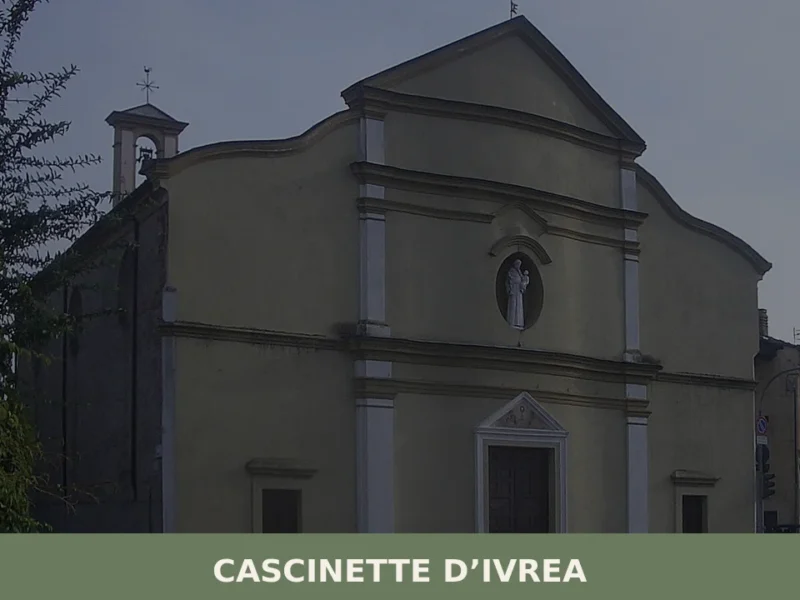
Cascinette d’Ivrea
Hills
Scopri Cascinette d'Ivrea, un incantevole borgo piemontese ricco di storia e paesaggi mozzafiato. Tutto quello che devi sapere su questo gioiello d'Italia.

Borgone Susa
 Mountain
Borgone Susa offers 5 remarkable attractions including a 14th-century fortified tower and a mysterious Roman rock carving. A compact Val di Susa gem worth exploring.
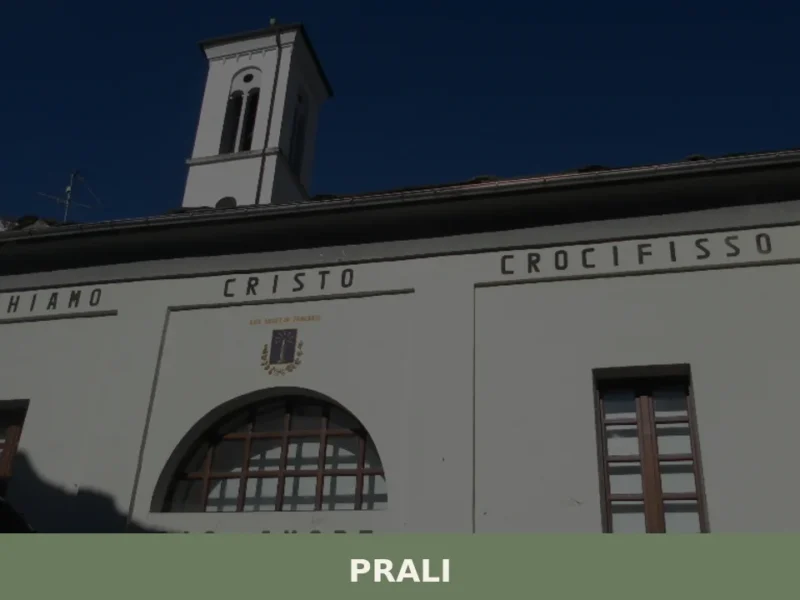
Prali
Mountain
Prali sits at roughly 1,400 metres above sea level in the Germanasca Valley, one of the Waldensian Valleys of the Piedmontese Alps, about 72 kilometres south-west of Turin. With a registered population of 252 inhabitants, it is one of the smaller comuni in the Metropolitan City of Turin — and until 1937 it was officially […]
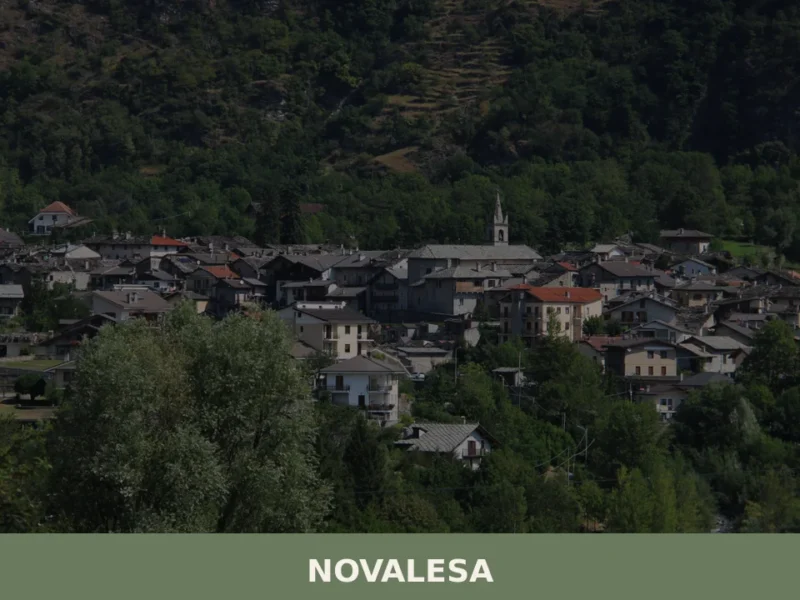
Novalesa
Mountain
Scopri Novalesa, affascinante borgo medievale del Piemonte: storia, abbazia e paesaggi mozzafiato in Valle di Susa. Visita questo gioiello nascosto!
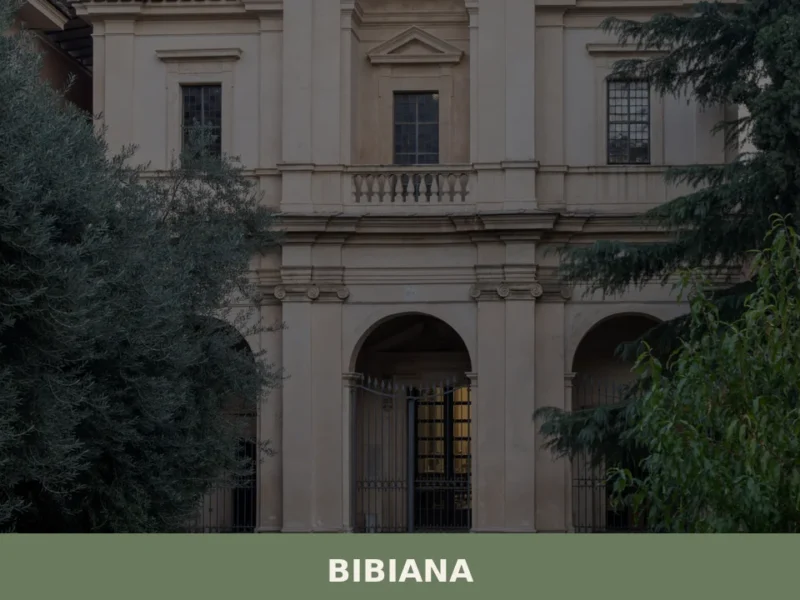
Bibiana
Hills
Bibiana sits at the entrance to the Val Pellice, a valley that cuts into the Cottian Alps southwest of Turin, and counts just over 3,300 residents within the metropolitan city of Torino. The village belongs to the Unione Montana del Pinerolese, a grouping of mountain and foothill municipalities that share administrative and territorial planning functions. […]
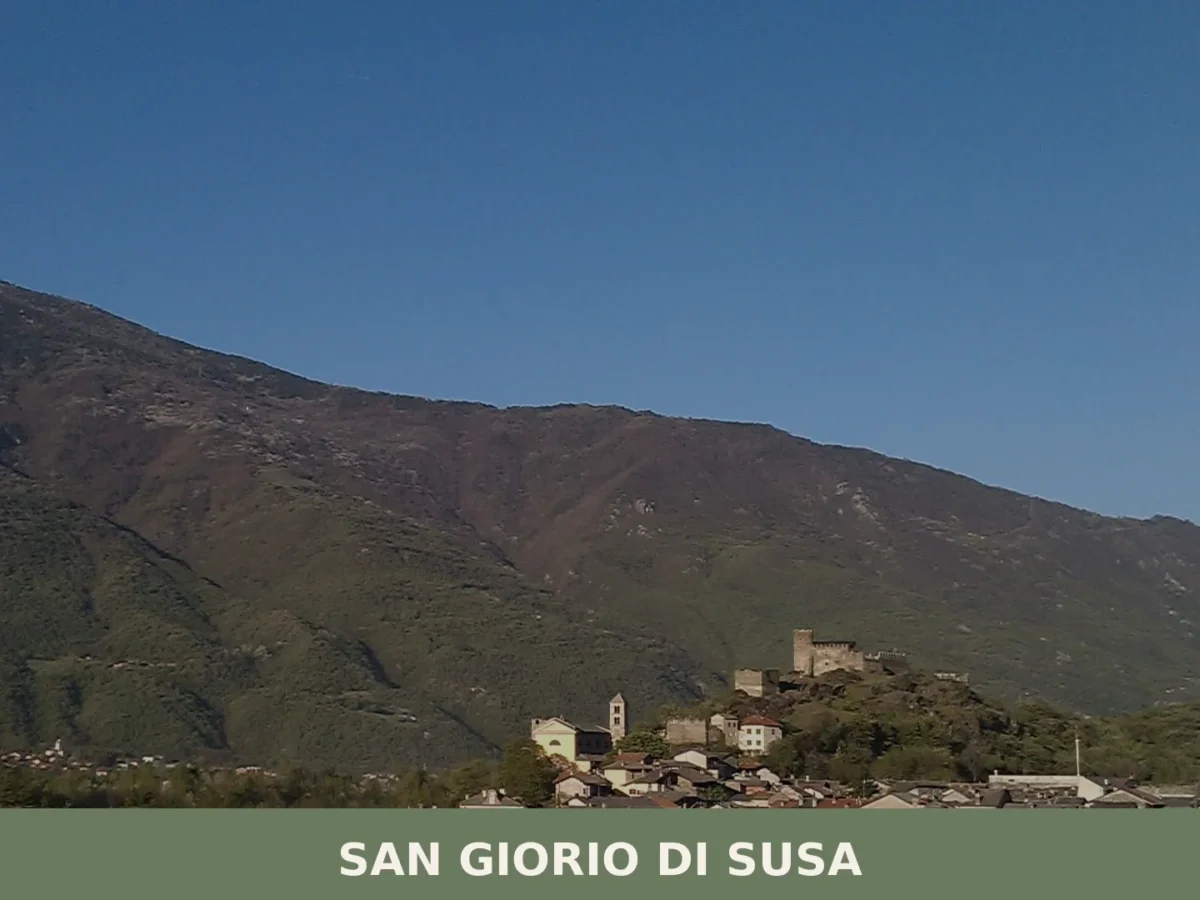
San Giorio di Susa
Mountain
Population 958. Medieval castle with franco-Piemontese frescoes of 1328, alpine hamlets up to 2,801 m, and a living tradition of medieval pageantry on the feast of San Giorgio.
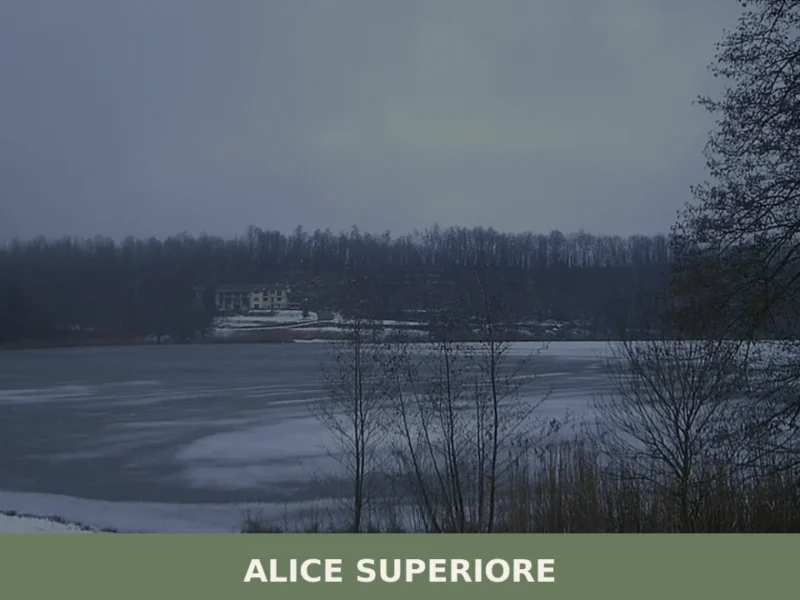
Alice Superiore
Mountain
Alice Superiore sits at 610 metres above sea level in the Chiusella Valley, a lateral branch of the Canavese district within the Metropolitan City of Torino. Home to 711 inhabitants, the village occupies a stretch of sloping terrain where chestnut woods give way to Alpine pasture. For anyone researching what to see in Alice Superiore, […]
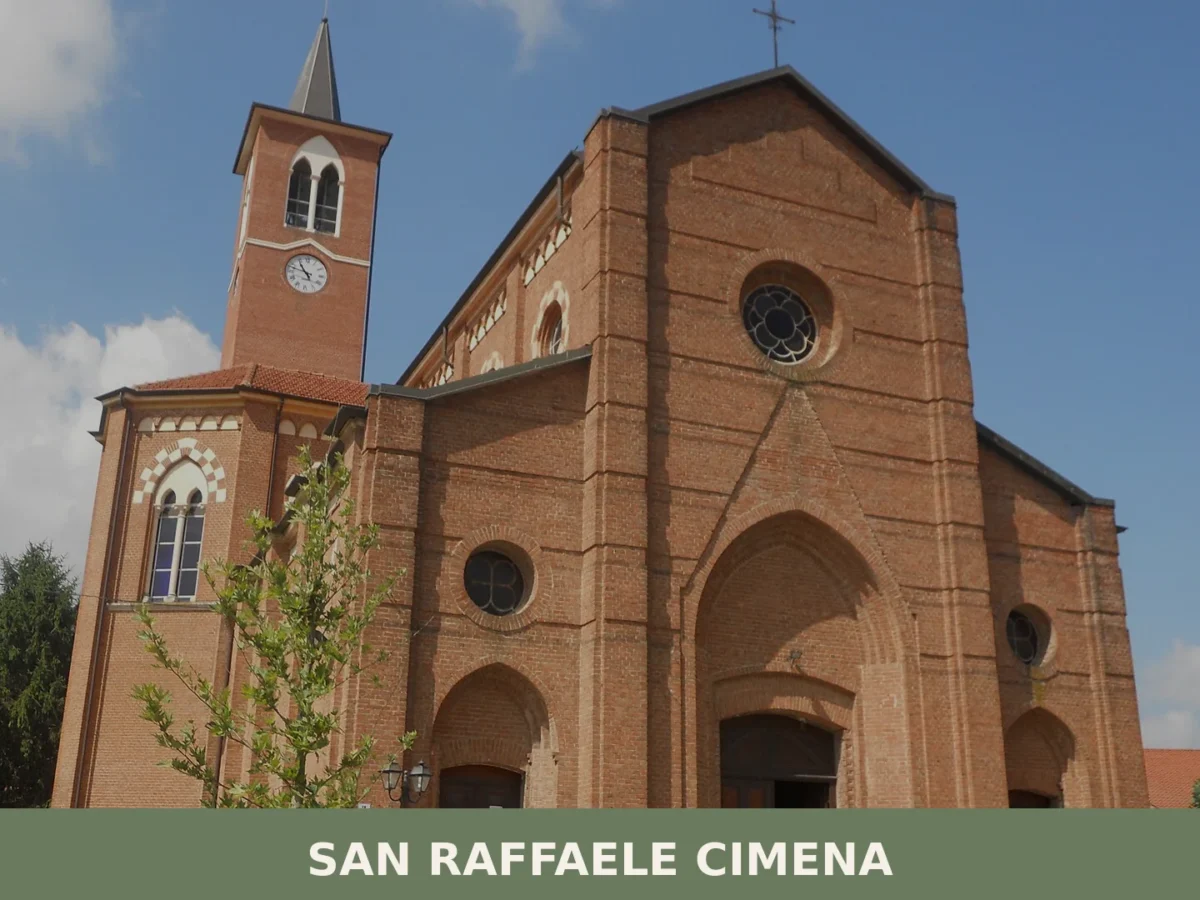
San Raffaele Cimena
Hills
3,159 residents. Medieval settlement with Byzantine foundations, now a suburban village anchored by agricultural heritage and an extraordinary microclimate where tropical plants thrive.
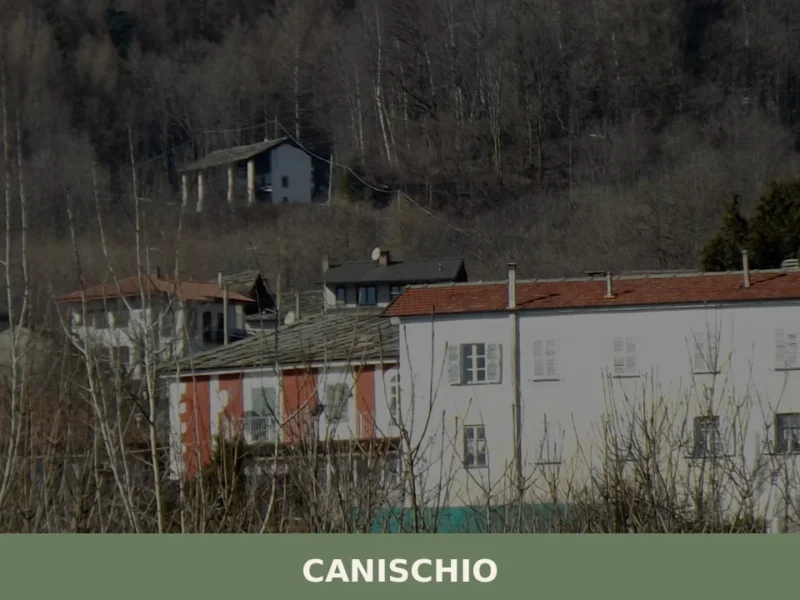
Canischio
Mountain
Scopri Canischio borgo Piemonte: storia, tradizioni e paesaggi mozzafiato tra le colline canavesane. Una meta autentica da non perdere!
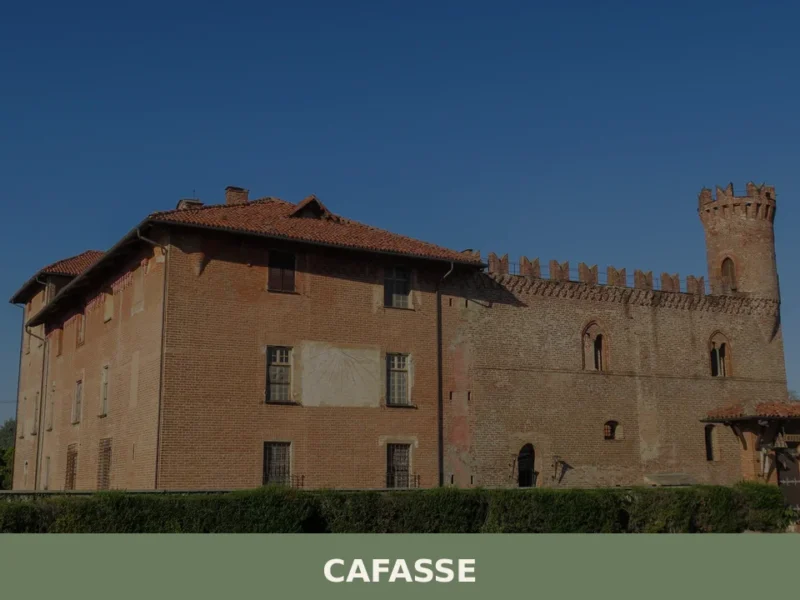
Cafasse
Hills
What to see in Cafasse, Italy: 25 km from Turin, explore the Valli di Lanzo gateway, local cuisine and festivals. Discover the best of this Piemonte village.

🏡 Know Avigliana better than we do?
If you’re a local or have been there, your knowledge matters: add what’s missing or fix a detail on this page.