


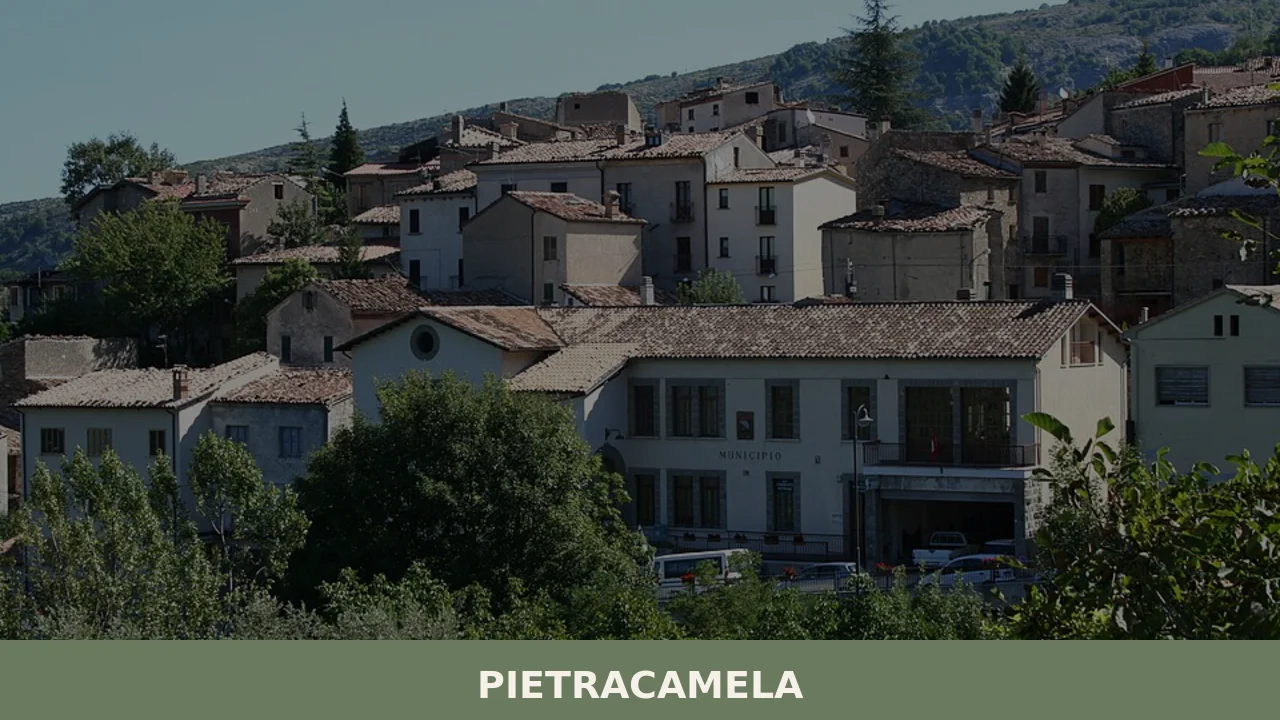
Pietracamela
 Mountain
what to see in pietracamela, Italy. Discover its top attractions, events, and culinary delights. Explore attractions like Gran Sasso and experience local festivals. A complete guide to this Abruzzo gem.
Discover Pietracamela
The towering peaks of the Gran Sasso massif provide a dramatic backdrop to the village of Pietracamela. Tucked into the rugged landscape of eastern Italy, the town stands at approximately 1,000 meters (3,281 feet) above sea level.
This enchanting setting is part of the expansive Gran Sasso e Monti della Laga National Park, a haven for nature enthusiasts and adventurers alike.
“What to see in Pietracamela” is a question many travelers ask as they plan their visit to this hidden treasure.
With a population of just 296 inhabitants, the village offers a serene escape with its natural beauty and historic landmarks. Visitors to Pietracamela find themselves exploring traditional stone houses and venturing onto scenic trails, discovering a unique blend of cultural and natural attractions that define this charming corner of Abruzzo.
History of Pietracamela
The origins of Pietracamela are steeped in a rich history that dates back to ancient times.
While exact records of its founding are scarce, the earliest settlements in the area were likely established by pastoral communities seeking refuge in the mountainous terrain of Abruzzo. Over time, these communities grew, laying the foundations for the village known today.
Pietracamela’s strategic location near the Gran Sasso massif made it a point of interest during the Middle Ages.
By the 15th century, it had developed into a fortified settlement. The village’s architecture often reflects this historical period, with robust stone structures designed to withstand both the elements and potential invaders.
This medieval past is still visible in the traditional homes and narrow alleyways that define the village’s layout.
Throughout the centuries, Pietracamela maintained its agricultural roots, with local families engaging in farming and livestock breeding. The twentieth century saw a shift, as tourism began to take precedence, bolstered by the village’s inclusion in the Gran Sasso e Monti della Laga National Park.
Today, visitors are drawn to Pietracamela not only for its serene landscapes but also for the historical narratives woven into its very streets.
What to see in Pietracamela, Abruzzo: top attractions
Gran Sasso e Monti della Laga National Park
The majestic Gran Sasso National Park surrounds Pietracamela, offering trails that reveal the natural beauty of the Apennines.
Established in 1991, the park spans an impressive 2,014 square kilometers (778 square miles). Hiking enthusiasts explore paths leading to stunning viewpoints, such as the Campo Imperatore. The best time to visit is late spring, when wildflowers bloom, painting the landscape with vibrant colors.
Chiesa di San Giovanni Battista
The church of San Giovanni Battista stands as a testament to Pietracamela’s enduring faith. Built in the 13th century, its facade showcases a blend of Romanesque and Gothic architecture. Inside, frescoes from different periods narrate biblical stories, inviting visitors to reflect. The church remains a focal point during local religious festivals, often celebrated with processions and music.
Piazza dei Parchi
Piazza dei Parchi, the main square of Pietracamela, is a vibrant hub of local life.
Framed by traditional stone buildings, it serves as a gathering place for residents and visitors alike.
The square regularly hosts cultural events and outdoor markets, offering a taste of daily life in the village. Make sure to visit during an event for a full experience.
Old Water Mill
This ancient water mill highlights the village’s agrarian past. Built in the 14th century, the structure is a fascinating example of medieval engineering, utilizing the natural flow of local streams. Today, guided tours demonstrate how it operated, providing insight into traditional milling techniques.
Visits are typically arranged during the summer months.
Monte Corno Grande
For the adventurous, a climb to Corno Grande, the highest peak in the Apennines at 2,912 meters (9,554 feet), offers a challenge. The mountain’s dramatic limestone cliffs dominate the horizon. The ascent, while demanding, rewards climbers with panoramic views stretching to the Adriatic Sea. Suitable for experienced hikers, the trail is best tackled from late spring to early autumn.
Local food and typical products of Pietracamela
The culinary traditions of Pietracamela draw on the simple, hearty flavors typical of Abruzzo.
The region’s cuisine reflects its rural landscapes, with dishes emphasizing local produce and pastoral ingredients. Historically, the area benefited from trade routes through the mountains, incorporating diverse influences into its culinary repertoire.
Pecorino Toscano, a renowned sheep’s milk cheese aged to perfection, is a staple in local dishes, its sharp flavor enhancing simple pastas and polentas.
Another classic is Arrosticini, skewers of mutton grilled over an open flame, embodying the rustic cooking style of the shepherds.
Pietracamela is known for its lenticchie di Santo Stefano di Sessanio, small, tasty lentils that feature prominently in regional soups and stews. These lentils are acclaimed for their hearty texture and rich taste.
Visitors exploring the village during its food festivals can taste these culinary delights.
Local markets, especially during the summer, showcase a variety of traditional products and crafts, offering a way to support local artisans and farmers.
Festivals, events and traditions of Pietracamela
Pietracamela celebrates its patron saint, St.
John the Baptist, with a festival every June. The event includes a procession through the village streets and a joyous feast that brings together the local community. Traditional music and dancing extend the festivities into the evening, creating a vibrant atmosphere.
Another noteworthy event is the annual Sagra delle Lenticchie held in August. The festival celebrates the region’s prized lentils, offering a variety of dishes that showcase this humble yet versatile legume. It attracts visitors from across Italy, eager to partake in the culinary experience.
When to visit Pietracamela, Italy and how to get there
The best time to visit Pietracamela is during the spring and early summer months.
This period offers mild weather and the opportunity to participate in local festivals.
Hikers particularly enjoy the blooming landscapes and the more comfortable temperatures for exploring trails in the park.
Reaching Pietracamela is accessible via the A24 motorway, exiting at San Gabriele-Colledara. From there, it is approximately a 40 km (24.8 mi) drive. The nearest train station is in Teramo, about 43 km (26.7 mi) away, while the closest airport, Abruzzo Airport, is roughly 107 km (66.5 mi) southeast in Pescara. International visitors should note that English may be limited, and having Euros in cash can facilitate smoother transactions.
Visitors to Pietracamela can extend their trip to Bolognano, where they might explore similar historic and natural beauty, bridging the diverse experiences offered by different parts of Abruzzo.
📷 Photo Gallery — Pietracamela
Nearby Villages near Pietracamela
In Abruzzo More villages to discover
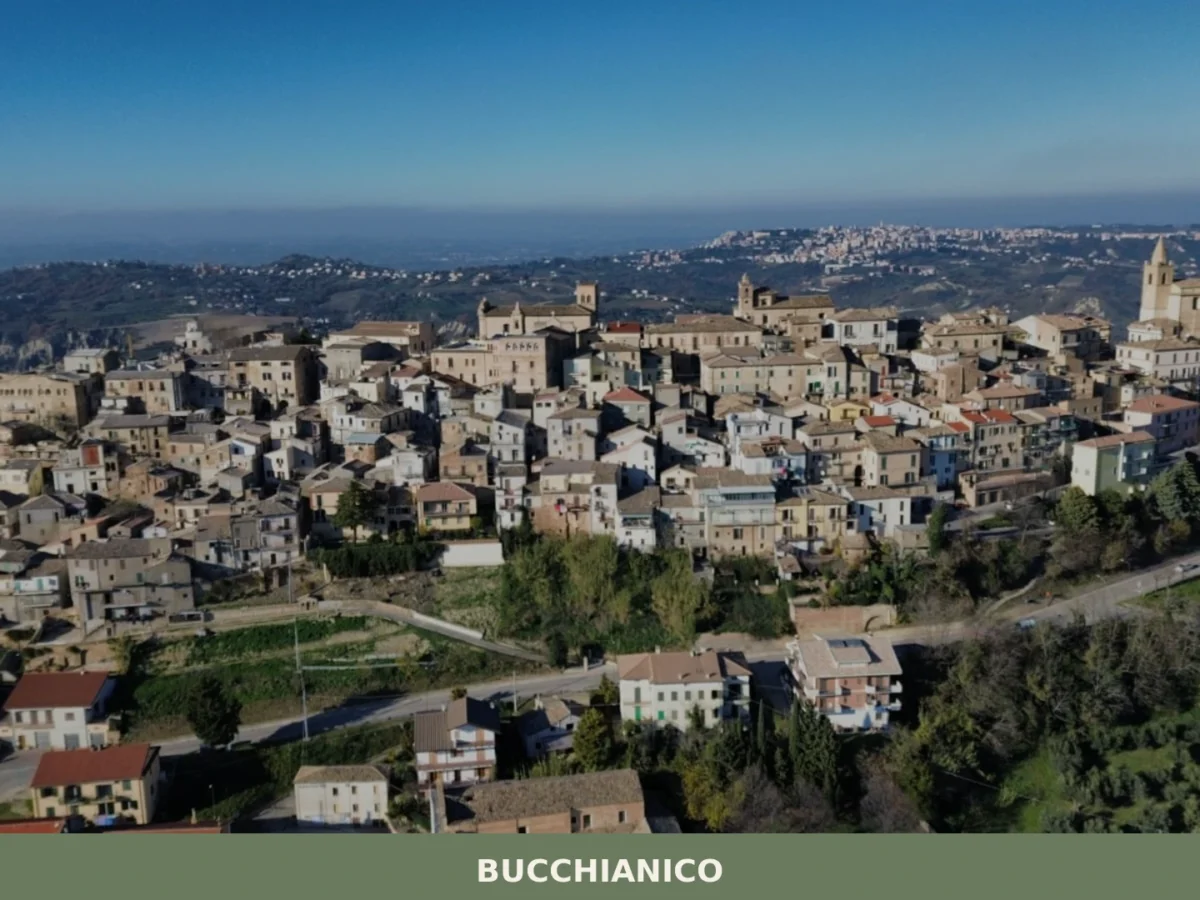
Bucchianico
 Hills
Hills
What to see in Bucchianico, Abruzzo, Italy: explore 5 top attractions, local olive groves, the legacy of Saint Camillus de Lellis. Discover the best of this Chieti hill town.
Canosa Sannita
Hills
At 231 metres above sea level, on the plain that opens between the Maiella massif and the Teatine coast, Canosa Sannita is home to 1,268 inhabitants spread across an agricultural landscape where the cultivation of vines and olive trees marks the rhythm of the seasons. The village’s very name carries a precise indication: a reference […]
Balsorano
Hills
The Val Roveto divides southern Abruzzo from Lazio along a fault line that has determined earthquakes, migrations and feudal borders for over seven centuries. Balsorano occupies the valley floor and the hillside at 340 metres above sea level, with its 3,617 inhabitants spread between the upper historic centre — Balsorano Vecchio — and the modern […]
Alba Adriatica
 Sea
Sea
Until 1956, this locality did not exist as an independent municipality: it was a hamlet of Tortoreto, known as Tortoreto Stazione because of the railway stop on the Adriatic line. The administrative separation created a coastal town that today has 12,760 inhabitants spread across a territory sitting just 5 metres above sea level. Understanding what […]
Teramo
Hills
What to see in Teramo, Abruzzo, Italy: discover a Roman theatre from 30 BC, a 1158 cathedral, the Interamnia World Cup and 54,377-strong city. Complete guide.
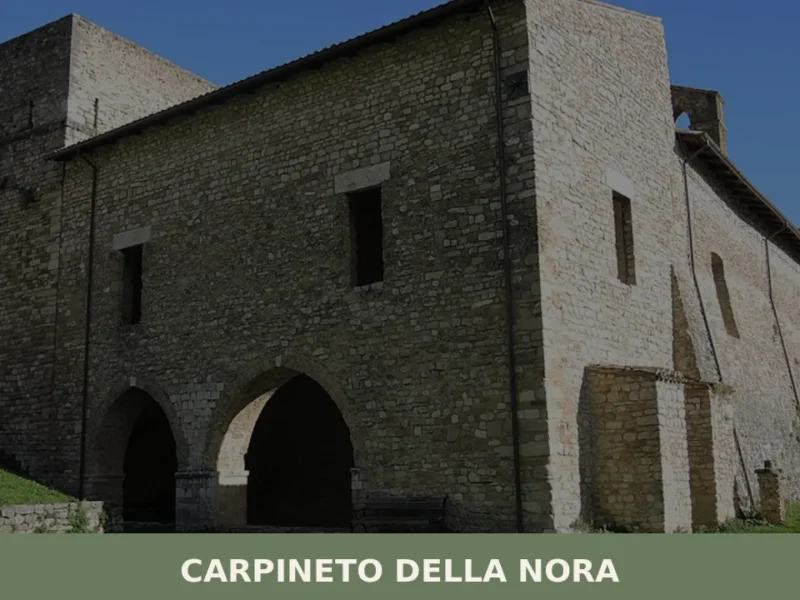
Carpineto della Nora
Hills
At 535 metres above sea level, on the ridge separating the Nora valley from the Pescara plain, Carpineto della Nora has a current population of 536 — a number that has halved since post-war censuses. Anyone looking into what to see in Carpineto della Nora will find a settlement built entirely from local stone, spread […]
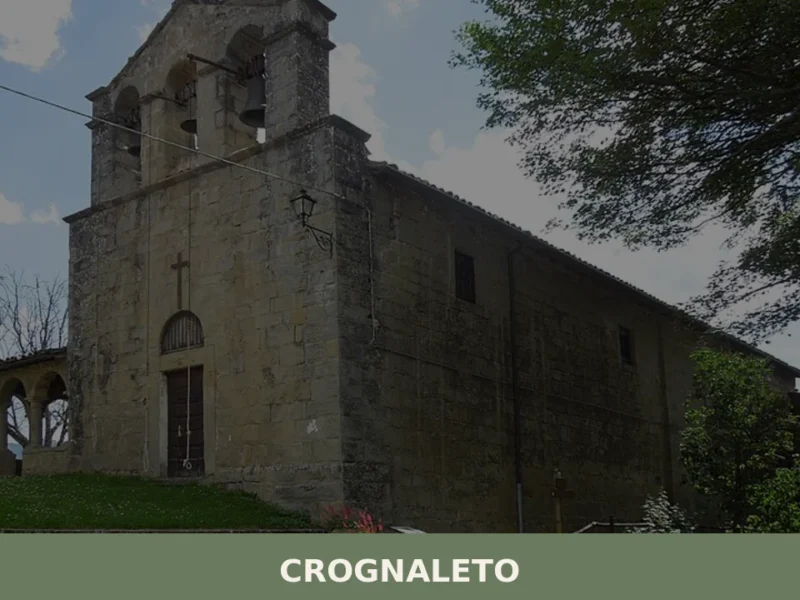
Crognaleto
Mountain
What to see in Crognaleto, Italy: Discover this 1,094m altitude village in Abruzzo. Explore the Monti della Laga and Gran Sasso National Park.
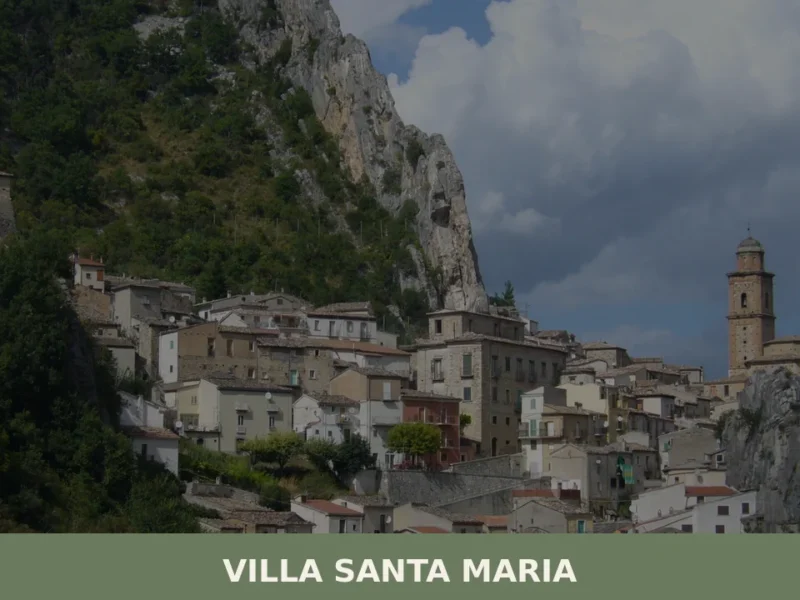
Villa Santa Maria
Mountain
What to see in Villa Santa Maria, Abruzzo, Italy: explore 5 top attractions, local cuisine, and the legacy of Saint Francis Caracciolo. Discover this village of 1,431 inhabitants.
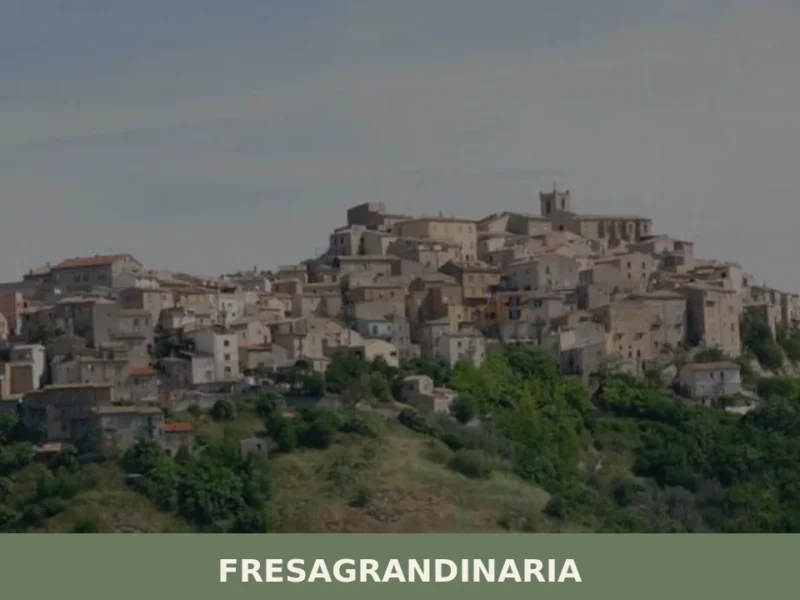
Fresagrandinaria
Hills
Nine hundred and twenty-three inhabitants, a hilltop ridge at 391 metres above sea level, and a double name that joins two distinct medieval communities: Fresa and Grandinaria, merged into a single settlement at least since the fifteenth century. Anyone arriving from the Treste valley floor immediately notices the compact outline of houses built in local […]
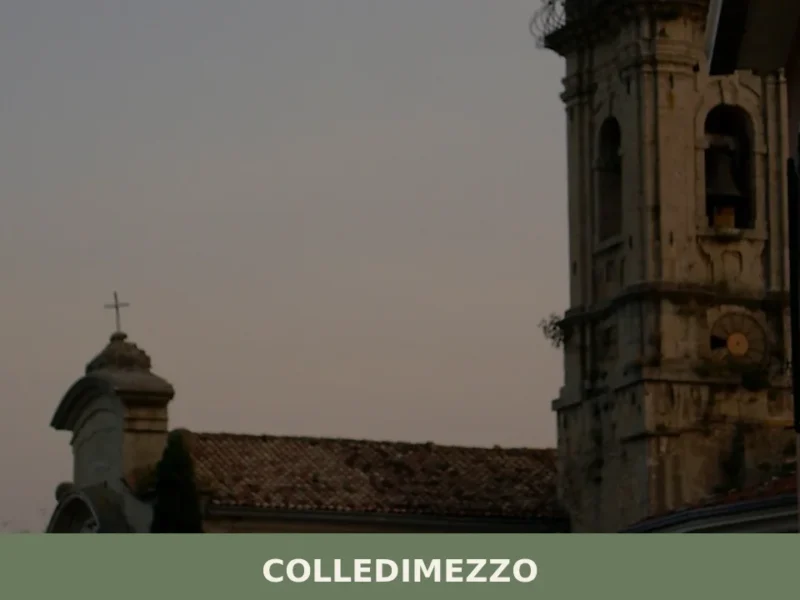
Colledimezzo
Hills
Colledimezzo has 440 inhabitants and extends along a hillside ridge at 425 metres above sea level, in the province of Chieti, overlooking the Sangro river valley and the artificial lake of Bomba. Anyone looking for what to see in Colledimezzo will find a settlement whose urban layout preserves the concentric plan of the fortified medieval […]






🏡 Know Pietracamela better than we do?
If you’re a local or have been there, your knowledge matters: add what’s missing or fix a detail on this page.