


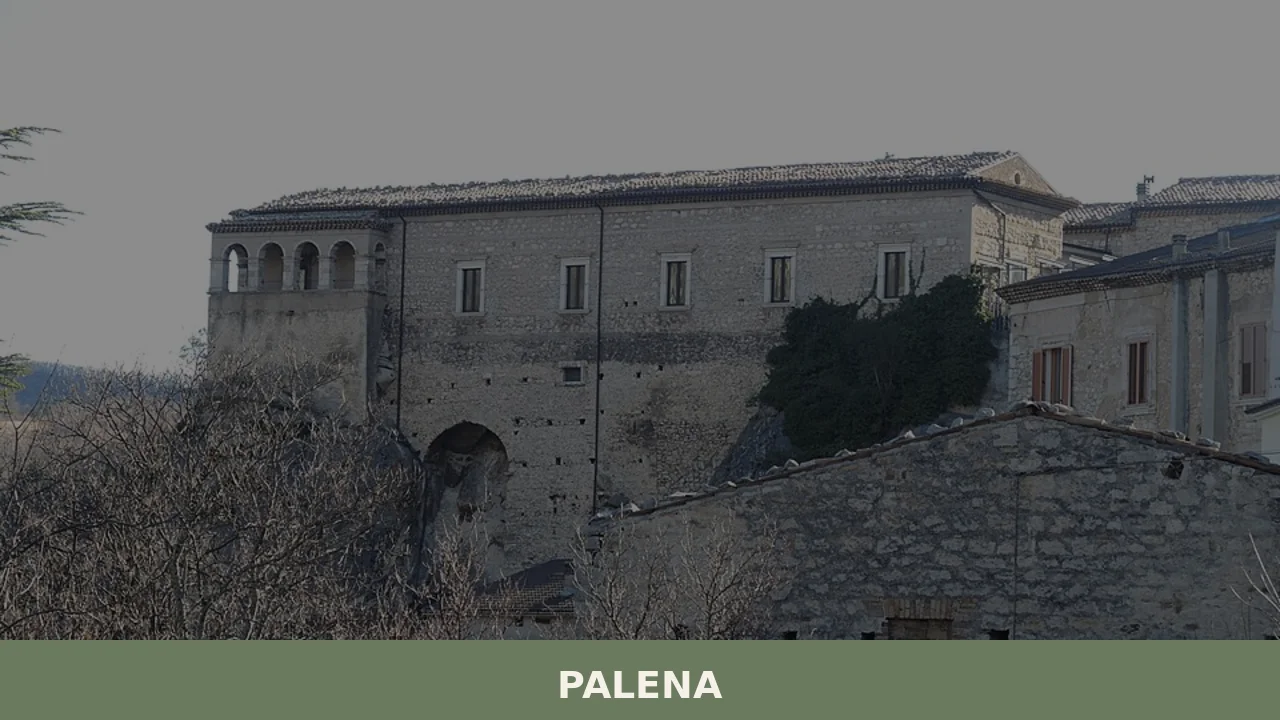
Palena
 Mountain
What to See in Palena: discover 5 must-see attractions, from the Ducal Castle to the Marsican Bear Museum. Plan your visit and taste local products.
Discover Palena
At 767 meters above sea level, in the heart of the Majella National Park, stands Palena, an Abruzzese village that preserves the traces of a profound history and an indissoluble bond with the mountain environment.
The resinous scent of the beech forests blends with the fresh air descending from the peaks, while the stone architectures tell of centuries of life and resilience.
Its strategic position, dominating the Aventino Valley, has shaped the identity of the village, making it a crossroads of cultures and traditions over time.
For those wondering what to see in Palena, the village offers an itinerary rich in history, nature, and culture, with a population of 1,234 inhabitants who jealously guard their heritage.
Among the main attractions are the Ducal Castle, which dominates the town with its imposing mass, and the Marsican Bear Museum, dedicated to the iconic symbol of the Majella National Park. Visitors to Palena also find nature trails that lead into landscapes of rare beauty and religious architectures that bear witness to local devotion.
History and Origins of Palena
The origins of Palena are rooted in an ancient past, with the first documented evidence dating back to the 11th century, although the area was already inhabited in pre-Roman times, as suggested by archaeological finds scattered throughout the territory.
The very name of the village, according to some interpretations, could derive from the Latin term “palus”, which indicates a marshy area, or from “pala”, referring to a cleared area for grazing.
This etymology reflects the nature of the surrounding landscape, characterized by an alternation of mountain peaks and river valleys that influenced the development of settlements.
During the Middle Ages, Palena gained increasing importance thanks to its strategic position along the transhumance routes and at the foot of the Majella, becoming a point of control and defense for the lords of the time.
The construction of the Ducal Castle, which still watches over the village today, is clear testimony to this period of fortification and consolidation of local power. The village was the dominion of various noble families, including the Cantelmo and the Caldora, who helped shape the urban and social structure of the town, leaving an architectural legacy still visible in the narrow streets and stone houses.
In this context, Corfinio, another Abruzzese village, also shared a significant role in the historical and territorial dynamics of the region.
The modern age saw Palena face periods of growth and decline, marked by natural events such as earthquakes and political changes that redrew the territorial balances of Abruzzo.
The 19th century, in particular, brought significant transformations, with the abolition of feudalism and integration into the Kingdom of Italy, which opened new economic and social perspectives for the community.
Despite the challenges, Palena has maintained its identity, linked to the mountains and pastoral traditions, preserving a cultural heritage that continues to tell its long and complex story.
Its resilience is a distinctive trait, as it is for Fontecchio, another Abruzzese village that has managed to preserve its historical identity.
What to see in Palena: main attractions
Ducal Castle
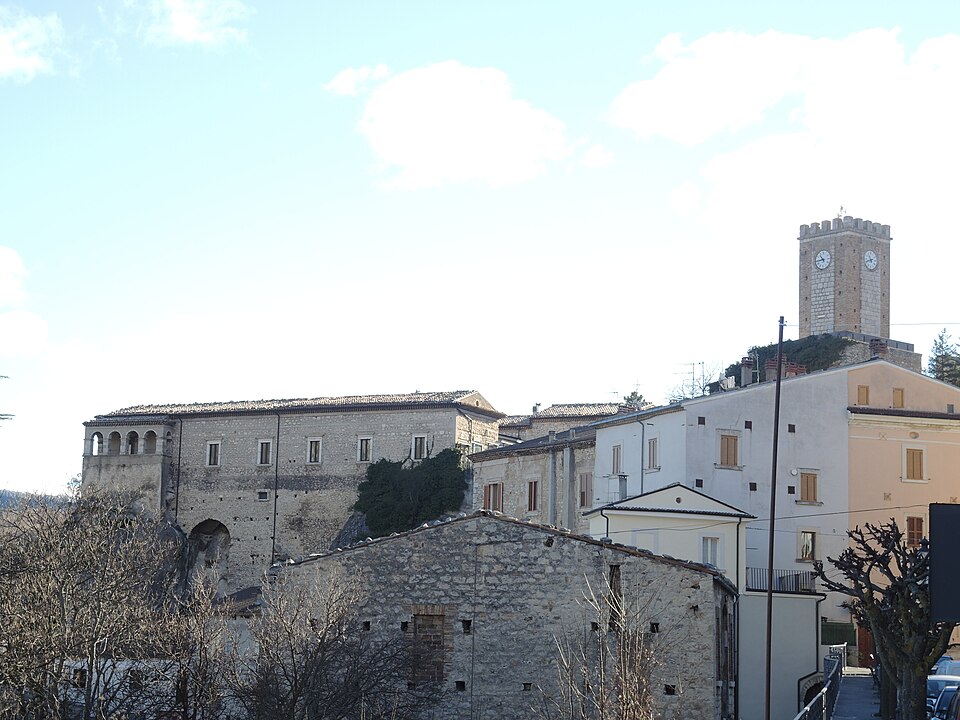
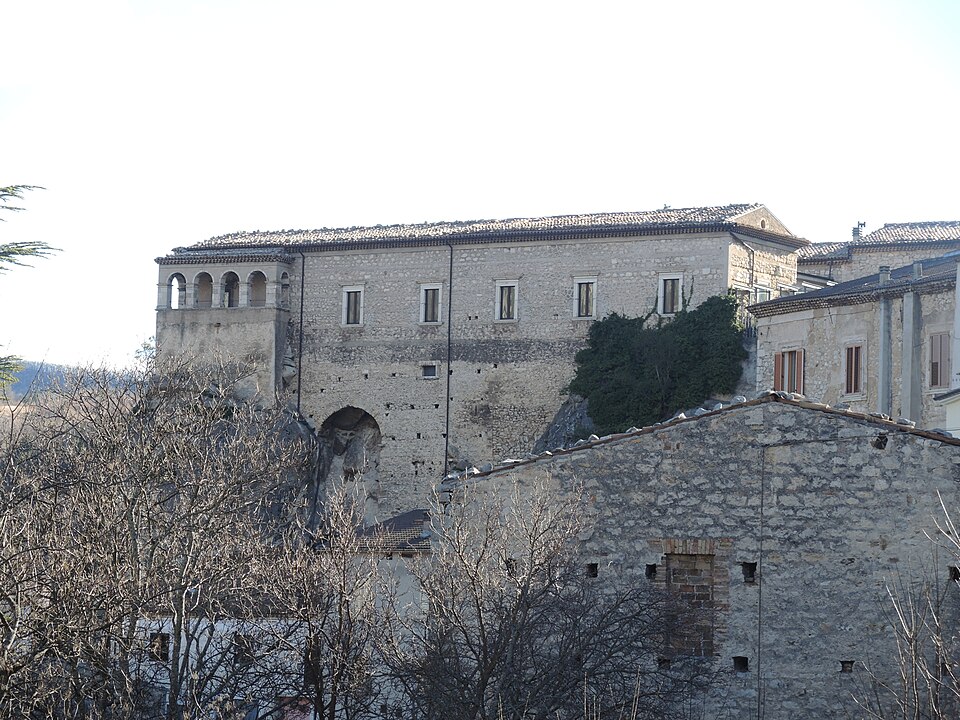
The Ducal Castle, with its massive stone structure standing guard over the village, represents Palena’s most recognizable symbol and one of the main answers to the question of what to see in Palena.
Its robust walls, built starting from the 12th century, underwent several modifications and enlargements over the centuries, reflecting the defensive and residential needs of the noble families who owned it.
The current structure features architectural elements ranging from the medieval period to the Renaissance, with corner towers and an internal courtyard that once hosted court life.
From its dominant position, the castle offers a panoramic view spanning the Aventino Valley and the surrounding peaks of the Majella, making it a privileged vantage point to understand the geographical layout of the area.
Inside, some rooms have been restored and converted into exhibition spaces, where historical artifacts and panels illustrating the history of the manor and the Palena territory can be admired.
The visit allows one to imagine the life that took place within these walls, amidst battles, intrigues, and moments of noble daily life, offering an authentic glimpse into Abruzzo’s medieval past.
Church of San Falco
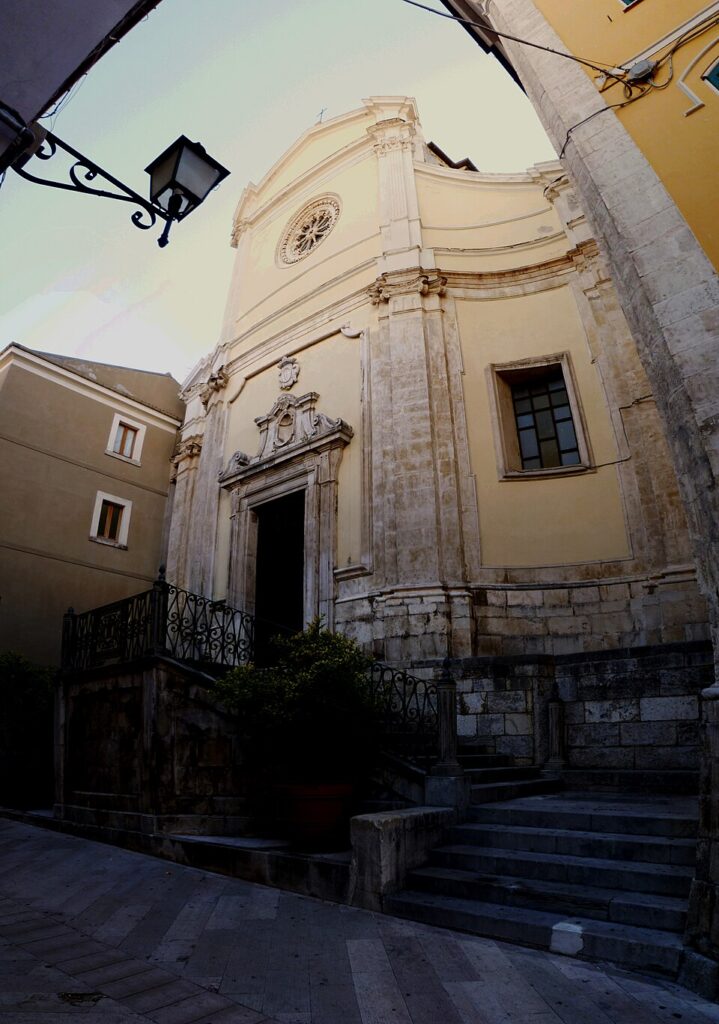
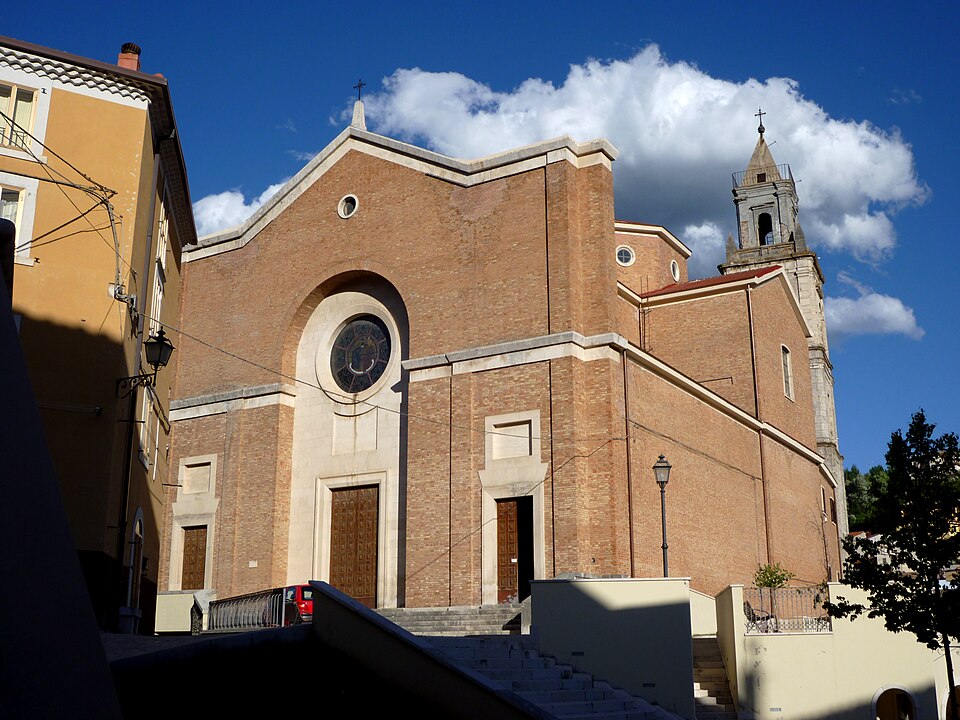
The Church of San Falco, dedicated to Palena’s patron saint, is a sacred building that bears witness to the deep faith of the local community and is worth a stop when exploring what to see in Palena.
Its facade, characterized by a sculpted stone portal and a central rose window, reveals an architectural style that has evolved over time, with Romanesque and Baroque elements harmoniously blending.
The church, rebuilt and restored several times due to earthquakes and fires, maintains an original layout dating back at least to the 13th century, with the bell tower rising on its side.
Inside, the environment is sober yet welcoming, with naves leading to the main altar and several side chapels housing sacred artworks, including wooden statues and mural paintings. Of particular interest is the crypt, which preserves the relics of San Falco, a destination for pilgrimage and devotion.
The church represents not only a place of worship but also a historical and artistic landmark, where spirituality merges with the beauty of local art, offering visitors a moment of reflection and admiration for the village’s cultural heritage.
Marsican Bear Museum
The Marsican Bear Museum, located in the center of Palena, is a fundamental cultural institution for those wishing to deepen their knowledge of the fauna and environment of the Majella National Park.
The building that houses it, once a monastery or an ancient structure, has been skillfully restored to host exhibitions dedicated to the Marsican brown bear, an endemic subspecies of the central Apennines. The museum’s itinerary is designed to be interactive and educational, making the visit engaging for all ages.
Through realistic dioramas, informative panels, and naturalistic exhibits, the museum illustrates the biology, behavior, and habitat of the bear, highlighting the challenges of conserving this endangered species.
Visitors can observe paw print casts, skeletons, and life-size models of the animal, offering a close-up perspective on its life in the surrounding territory.
The museum also plays an active role in environmental awareness, promoting coexistence between humans and nature and providing valuable information on the Park’s protection initiatives, just a few kilometers from Colledimacine.
Lake Sant’Angelo Regional Natural Reserve
A short distance from the town center, the Lake Sant’Angelo Regional Natural Reserve offers a complete immersion in Abruzzo’s pristine nature, representing another excellent answer to what to see in Palena for nature lovers.
The lake, an artificial basin created by the dam on the Aventino river, extends for approximately 0.5 square kilometers and is surrounded by dense vegetation of willows and poplars, with the Majella and Porrara mountains reflected in its calm waters.
The area was established as a reserve to protect its rich biodiversity, both floral and faunal.
The trails winding along the lake’s shores allow for pleasant walks, ideal for observing aquatic birds, such as the grey heron and the mallard, which inhabit the lake environment.
The presence of equipped areas also allows for picnics and moments of relaxation in a landscape of great serenity.
The reserve is an example of how human intervention, if well managed, can create an environment of ecological and recreational value, offering visitors the opportunity to recon
Hermitage of the Madonna dell’Altare
The Hermitage of the Madonna dell’Altare, nestled in the rock at an altitude of approximately 1350 meters, is a place of profound spirituality and a highly evocative attraction in the surroundings of Palena. Accessible via a path that winds through the mountain vegetation, the hermitage offers a unique experience, combining scenic beauty with the history of religious devotion.
The structure, partially carved into the rock face, is a typical example of the hermitic settlements that dot the Majella, dating back to the 13th century.
The interior, though simple, emanates an atmosphere of contemplation and mysticism, with an altar and several niches testifying to the presence of anchorites and pilgrims over the centuries. From the terrace in front of the hermitage, one can enjoy a spectacular view of the valley and the surrounding peaks, a panorama that amply compensates for the effort of the journey.
This place is an invitation to contemplation and to the discovery of a lesser-known but equally fascinating aspect of Abruzzese culture and history, a true natural and spiritual sanctuary.
Typical Cuisine and Products of Palena
The cuisine of Palena, like that of much of mountainous Abruzzo, is deeply rooted in the agro-pastoral tradition, characterized by robust flavors and genuine ingredients sourced from the land and local farms.
The influence of the seasons is predominant, with dishes that reflect the availability of fresh produce and the need to preserve provisions for the colder months. Homemade pasta, sheep and pork meats, cheeses, and wild vegetables gathered in the surrounding woods and meadows form the basis of a gastronomy that exalts the simplicity and authenticity of flavors.
Among the typical dishes that can be savored in Palena, pasta alla pecorara stands out, a rich first course seasoned with lamb meat sauce, tomato, and salted ricotta, evoking the traditions of transhumant shepherds.
Also noteworthy are pallotte cacio e uova, meatballs made from cheese and eggs, fried and then immersed in a light tomato sauce, a simple but flavorful dish.
Lamb meat, cooked in various ways such as agnello cacio e uova or arrosticini, represents a cornerstone of Palena’s table, demonstrating the strong connection with sheep farming, also widespread in Villa Celiera.
The territory of Palena and the surrounding areas offer several certified products that enrich the local table. Among these, Sulmona Red Garlic (PAT) stands out — municipalities: Sulmona, Pratola Peligna, Raiano, Vittorito, known for its intense flavor and unique organoleptic properties.
Another indispensable product is Arrosticini (PAT) — municipalities: Pescara, Chieti, Teramo, L’Aquila, lamb skewers cooked over coals, a symbol of Abruzzese gastronomy.
Abruzzese Caciocavallo (PAT) — municipalities: Chieti, L’Aquila, Pescara, Teramo, is a stretched-curd cheese with a sweet or spicy flavor depending on its aging, while Centerba or Cianterba (PAT) — municipalities: Tocco da Casauria, Pescara, Chieti, L’Aquila, is a digestive liqueur made from mountain aromatic herbs, with a high alcohol content and an unmistakable aroma.
Finally, Sulmona Confetto (PAT) — municipalities: Sulmona, Pratola Peligna, is a traditional sweet that celebrates special events and occasions, famous for its quality and variety of shapes and colors.
For those wishing to purchase these typical products, it is possible to visit the small grocery stores in the village or local producers who often sell their specialties directly.
Throughout the year, especially in the summer months, Palena and the surrounding towns organize markets and food festivals that offer an excellent opportunity to taste and buy local products, discovering traditional recipes and the artisanal work behind each delicacy.
These events not only enhance culinary excellence but also provide an opportunity to experience the authentic atmosphere of the local community.
Festivals, Events, and Traditions of Palena
Palena’s traditions are deeply linked to its history and spirituality, with events that punctuate the annual calendar and strengthen the sense of community.
The most heartfelt celebration is undoubtedly that dedicated to the Patron Saint, Saint Falco of Palena, celebrated on August 19th. On this day, the village comes alive with a solemn procession where the statue of the Saint is carried on shoulders through the town’s streets, accompanied by musical bands and devoted faithful.
The festival also includes folklore moments, with musical performances and fireworks illuminating the valley at dusk, attracting visitors from across the region.
In addition to the patron saint’s festival, Palena hosts other events that celebrate local culture and traditions.
During the summer, the village becomes a stage for cultural events, concerts, and historical re-enactments that enliven the evenings and offer entertainment to residents and tourists. These occasions are a way to keep ancient customs alive, passing down the intangible heritage of the town from generation to generation. Food festivals, often linked to the harvest of seasonal products, also offer the opportunity to taste typical dishes in an atmosphere of conviviality and joy.
When to visit Palena and how to get there
The best time to visit Palena depends on the traveler’s preferences, but the months from May to September generally offer the most favorable conditions. In spring, nature awakens with lush blooms and mild temperatures, ideal for excursions and walks along the trails of the Majella National Park.
Summer, with longer days and a pleasantly cool climate thanks to its altitude of 767 m a.s.l., is perfect for enjoying outdoor activities and participating in local events and festivals.
Autumn offers breathtaking landscapes with foliage colors and the opportunity to go mushroom picking, while winter transforms Palena into an evocative place, ideal for those who love snow and winter sports in the nearby ski resorts.
To reach Palena, a car is the most convenient and recommended means of transport, allowing greater flexibility in travel and exploring the surroundings.
Those arriving by car from the north or south can take the A25 motorway (Rome-Pescara), exiting at the Sulmona-Pratola Peligna toll booth and then continuing on the SS17 towards Roccaraso, before turning off towards Palena following the signs. From the east, the village can be reached from the Adriatic coast via the SS84. The distance from Pescara is about 80 km, with an estimated travel time of 1 hour and 30 minutes.
For those who prefer the train, the closest railway station is Sulmona, from which it is possible to continue with a public bus service or taxi.
The reference airport is Abruzzo International Airport in Pescara, approximately 85 km away.
For more details on public transport and to check updated timetables, it is advisable to consult the official websites of regional transport companies or the Palena municipality website, available at comunedipalena.it. Planning your trip in advance allows you to optimize your time and fully enjoy all that Palena has to offer, both for travel and for activities and visits to local attractions.
| Starting point | Distance | Estimated time |
|---|---|---|
| Pescara | 80 km | 1h 30min |
| L’Aquila | 100 km | 1h 45min |
| Rome | 180 km | 2h 30min |
Where to stay in Palena
Palena, despite being a small village, offers various accommodation solutions designed to welcome visitors who wish to extend their stay and immerse themselves in the local atmosphere.
Accommodation options range from cozy bed & breakfasts, often housed in ancient stone houses in the historic center, to small family-run guesthouses offering warm and authentic hospitality.
For those seeking greater independence, apartments and holiday homes are also available, ideal for families or groups of friends.
In the surroundings of the village, in a more rural context, you can find farm stays (agriturismi) that offer a direct experience with nature and the chance to taste local, zero-kilometer products.
These options provide the opportunity to combine relaxation with exploration of the surrounding area, including the trails of the Majella National Park. Choosing accommodation in Palena guarantees a peaceful stay, away from the hustle and bustle of big cities, and represents an ideal base for discovering the natural and cultural beauties of inland Abruzzo.
Photo Gallery of Palena
📷 Photo Gallery — Palena
Nearby Villages near Palena
In Abruzzo More villages to discover
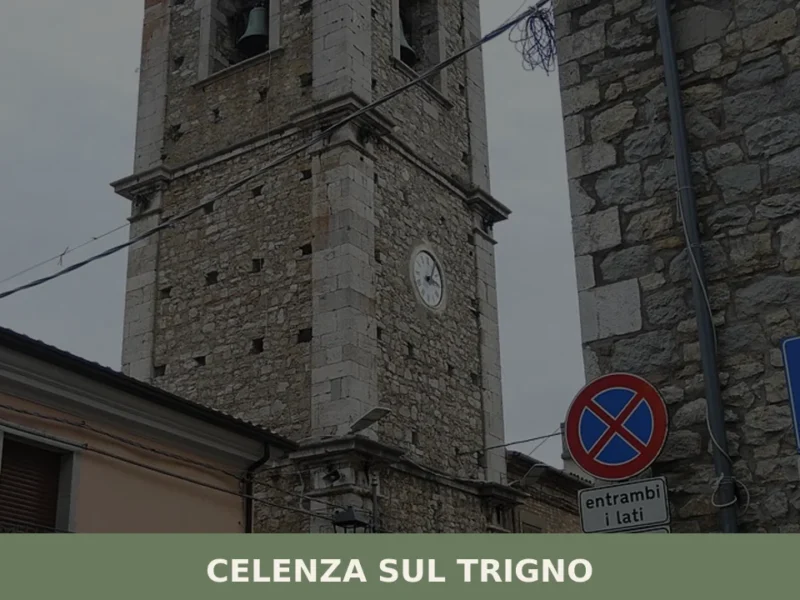
Celenza sul Trigno
Mountain
At 646 metres above sea level, with 781 registered residents, Celenza sul Trigno occupies a ridge separating the Trigno river valley from the Treste stream, in the province of Chieti. The village appears in medieval documents as a Norman possession, and its urban layout preserves the concentric plan typical of 12th-century fortified settlements. Anyone wondering […]
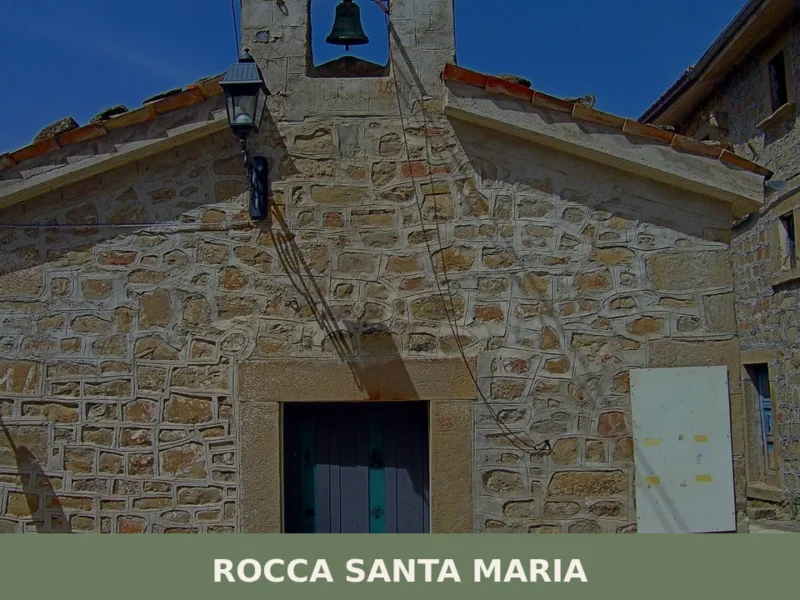
Rocca Santa Maria
Mountain
what to see in rocca santa maria, Italy. Explore a village of 560 inhabitants within Gran Sasso e Monti della Laga National Park. Discover its mountain frazioni and natural beauty.
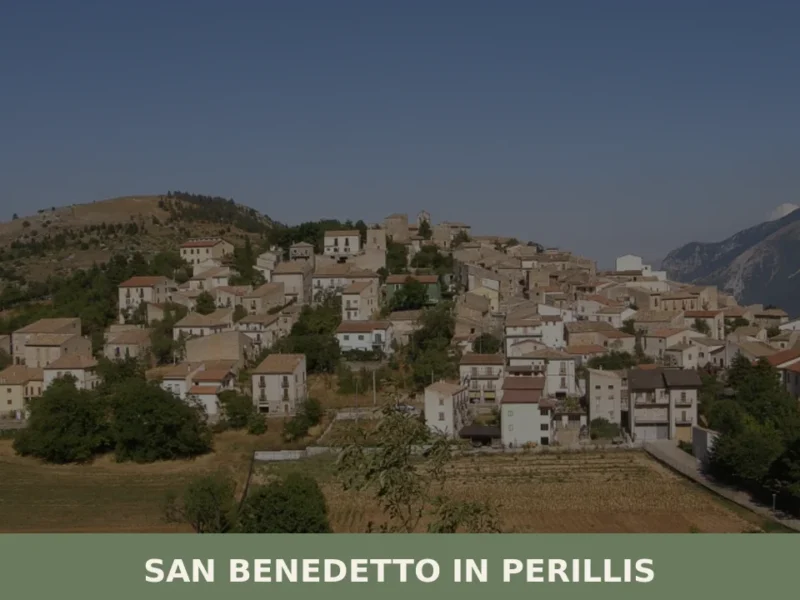
San Benedetto in Perillis
Mountain
What to see in San Benedetto in Perillis, Abruzzo, Italy: 2 churches, a medieval monastery used in a 1985 film. Population 120. Discover top attractions and how to get there.
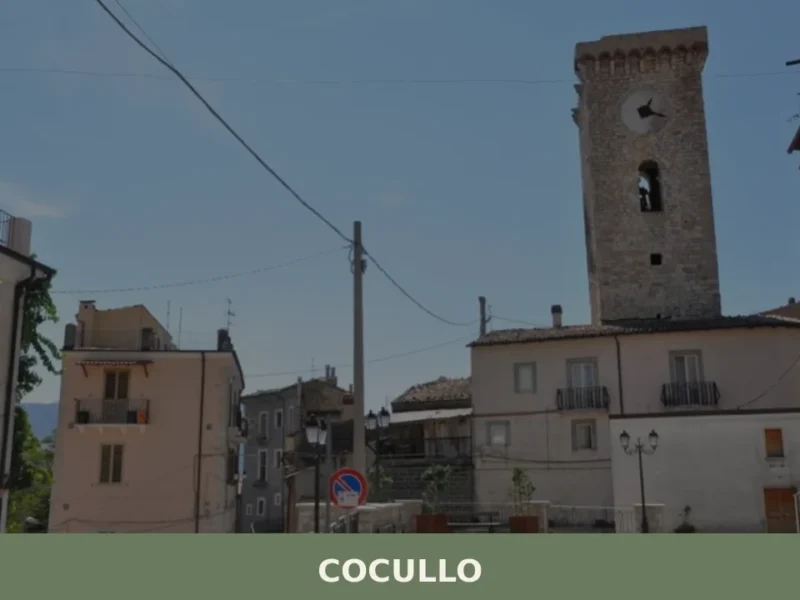
Cocullo
Mountain
What to see in Cocullo: from the Serpari Festival to the Church of San Domenico. Complete guide with 5 attractions and practical tips for visiting the village.
Carpineto della Nora
 Hills
Hills
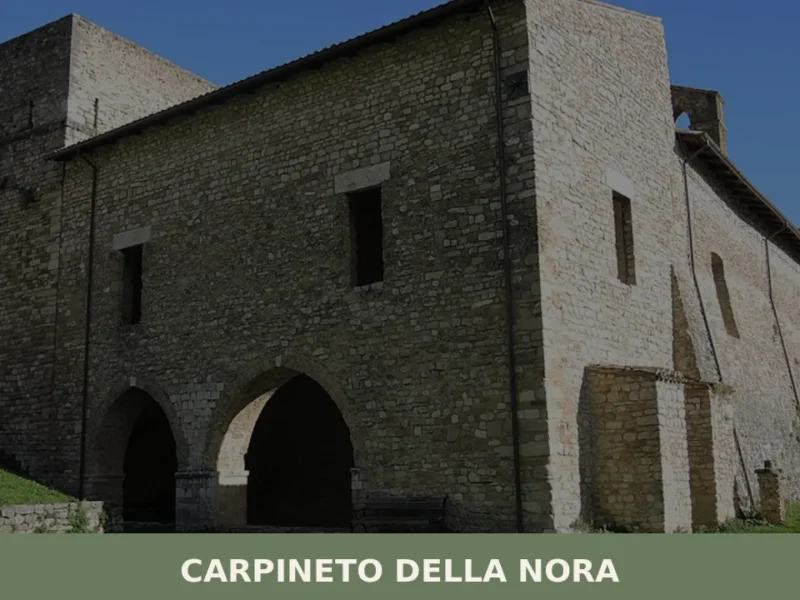
At 535 metres above sea level, on the ridge separating the Nora valley from the Pescara plain, Carpineto della Nora has a current population of 536 — a number that has halved since post-war censuses. Anyone looking into what to see in Carpineto della Nora will find a settlement built entirely from local stone, spread […]
Turrivalignani
Hills
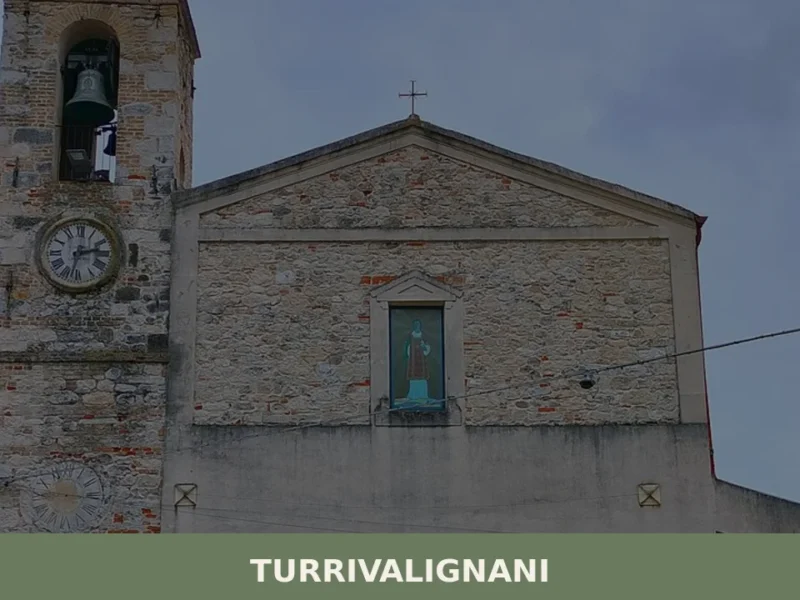
What to see in Turrivalignani? Discover the ancient village, the Church of San Nicola, and nature trails. Plan your visit to Abruzzo!
Civitella Messer Raimondo
Mountain
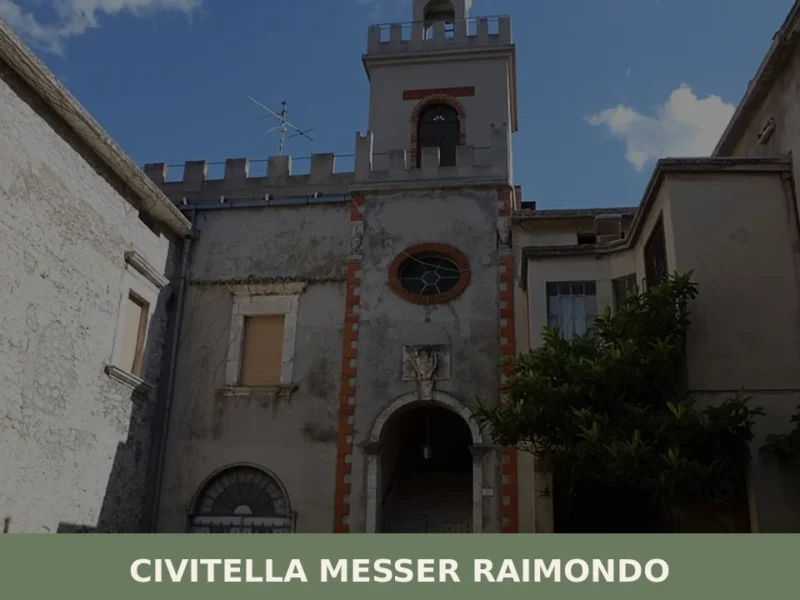
Civitella Messer Raimondo has 769 inhabitants and sits at 613 metres above sea level, on the eastern slope of the Maiella massif, in the province of Chieti. The village’s name still bears that of a medieval feudal lord — Raimondo — who shaped its political fortunes between the 13th and 14th centuries. Understanding what to […]
Caporciano
Mountain
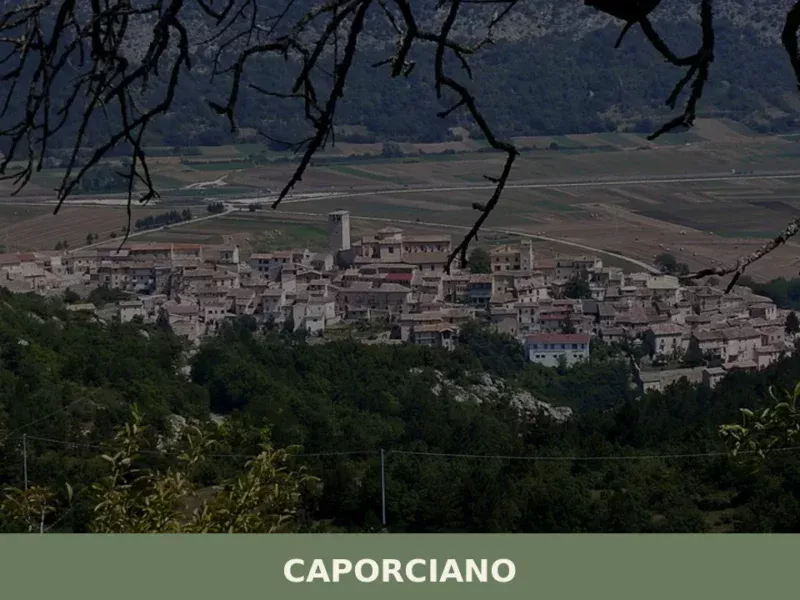
Caporciano, a small village near L'Aquila between history and nature: discover what to see, how to get there and the top places to visit. Plan your trip.
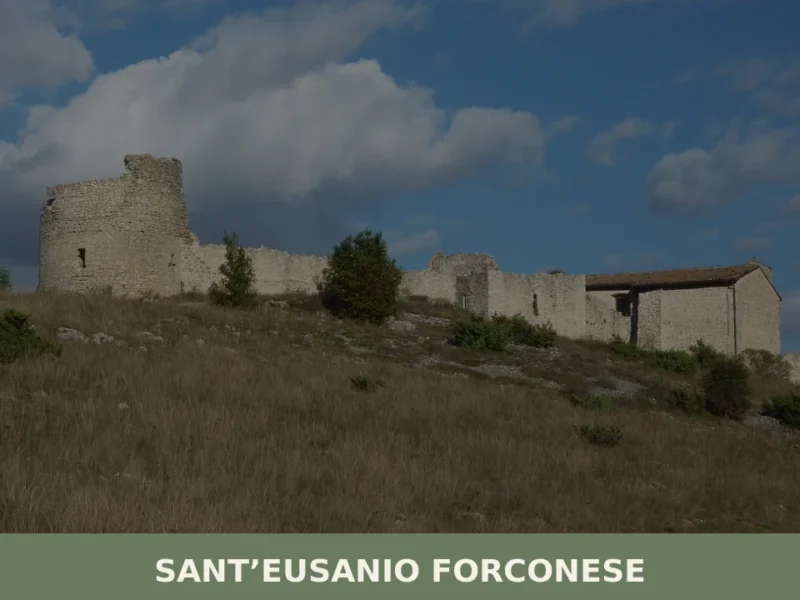
Sant’Eusanio Forconese
Mountain
What to see in Sant’Eusanio Forconese? Explore 5 main attractions of this Abruzzo village, from the Castle to panoramic views. Plan your visit with our guide!
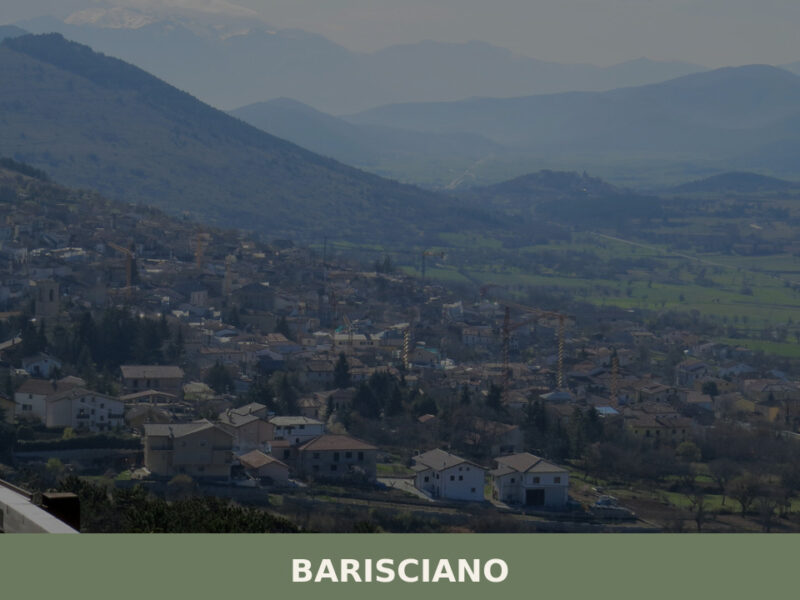
Barisciano
Mountain
A high-altitude village on the Piana di Navelli, Barisciano holds Roman ruins, Franciscan cloisters, and centuries of Abruzzo history written in stone.




🏡 Know Palena better than we do?
If you’re a local or have been there, your knowledge matters: add what’s missing or fix a detail on this page.