


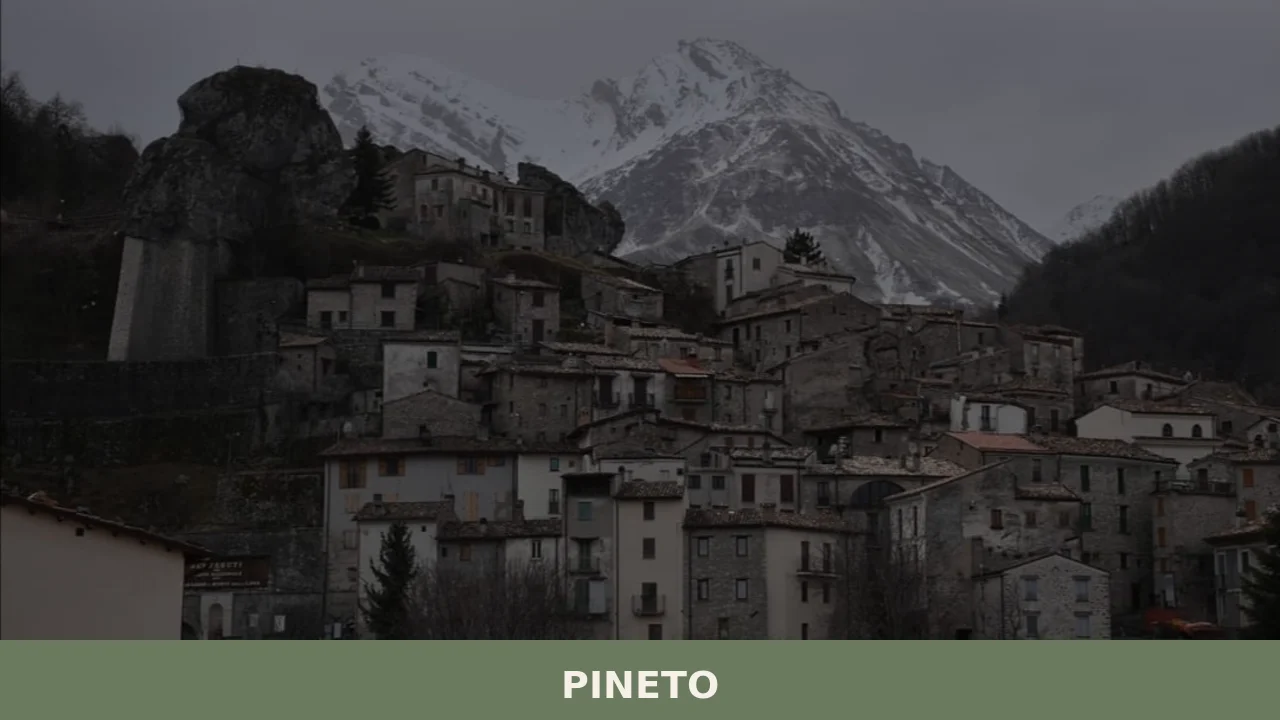
Pineto
 Sea
Sea
what to see in pineto, Italy: Explore a coastal town at 4 m a.s.l., discover the historic Torre di Cerrano, and experience traditional festivals in Mutignano. Read our guide.
Discover Pineto
The Adriatic coast near Pineto reveals remains of a Roman port, once serving the ancient town of Adria, now Atri, situated in the hills behind Mutignano. This historical connection predates the modern resort, hinting at centuries of maritime activity long before the arrival of sunbathers.
The 16th-century Torre di Cerrano, standing 2 kilometres (1 mile) from the town centre, further anchors the area’s deep past, built by Holy Roman Emperor Charles V as a watchtower against attacks from across the sea.
For those planning what to see in Pineto, this coastal gem in Abruzzo, Italy, offers a compelling blend of natural beauty and historical intrigue.
With a population of 14,676 inhabitants, visitors can explore its Blue Flag beaches and delve into the origins of its unique pine forest. The Pineto highlights include the iconic Torre di Cerrano and the charming hill town of Mutignano, providing diverse experiences for every traveler to this region at 4 m (13 ft) above sea level.
History of Pineto
The area now known as Pineto boasts a history far older than its modern resort status, rooted in the ancient Roman port that served Adria, today’s Atri, located further inland.
Mutignano, a hill town situated behind Pineto, emerged as the former capoluogo (administrative centre) of the region, growing under the influence of Atri.
This historical context is similar to that of other Abruzzese settlements like Civitella Casanova, which also developed with deep regional roots.
Its 15th-century Romanesque church dedicated to San Silvestro houses a significant mural titled Tavola San Silvestro e sue storie, attributed to the Abruzzese artist Andrea De Litio, while Mutignano also hosts a Baroque church of Sant’Antonio, providing insight into the architectural and religious heritage of the broader area.
Significant changes began to reshape the coastal landscape in the early 19th century with the construction of the “smooth sea road,” which spurred the Filiani family to establish their summer residence, Villa Filiani. The arrival of the Adriatic railway in 1860 marked another pivotal moment, transforming Villa Filiani into the central hub for the family’s extensive agricultural estates and industrial ventures.
A crucial decision arose regarding the location of the railway station, with Giacinto Filiani ultimately granting land for the construction of the Atri-Mutignano station, a move that secured the economic prosperity and future development of the surrounding area.
Filiani further stimulated growth by building shops near the station, which fostered the emergence of a small community, though substantial residential expansion remained limited until after World War I.
The early 1920s saw Luigi Filiani embark on a visionary project to develop the area into a dedicated beach resort, a transformation significantly enhanced by strategic pine tree plantings. Despite initial opposition from the then-mayor of Mutignano, Filiani successfully obtained a concession from the Maritime Agency in May 1923, allowing him to plant a vast pine wood that would eventually revert to the State after 25 years.
He meticulously leveled the ground and planted 2,000 umbrella pines (Pinus pinea) along the coastline, later extending his reforestation efforts to the surrounding hills with additional pine trees, holm oaks, and laurel. Inspired by Gabriele d’Annunzio’s poem La Pioggia nel Pineto (“Rain in the Pinewood”), Filiani officially renamed the coastal strip Pineto in 1925, a name that soon gained prominence, leading to Pineto replacing Mutignano as the capoluogo of the comune in 1929.
What to see in Pineto, Abruzzo: top attractions
Torre di Cerrano
The sturdy stone structure of the Torre di Cerrano stands as a testament to 16th-century defensive architecture, positioned strategically at Pineto’s southern border with Silvi Marina.
This watchtower, built by Holy Roman Emperor Charles V, was designed to guard the Adriatic coast against potential attacks from the Turks and other forces based across the sea, approximately 100 km (62 mi) away in what is now Croatia.
Today, the tower serves a modern purpose, housing a sea-biology laboratory, with future plans by the Ministry of Environment, the Provincial Administration, the City Administration, and the University of Teramo to establish a Sea Park in its vicinity. Visitors can appreciate the tower’s historical significance and its contemporary role in marine research, located just 2 kilometres (1 mile) from the town centre.
Pineto’s Blue Flag Beaches
Pineto’s coastline is characterized by wide, sandy beaches, gently shaded by the very pine trees that give the town its name.
These beaches have consistently earned the prestigious “Blue Flag” designation from the Foundation for Environmental Education, including in 2007, recognizing their excellent water quality and environmental management. As one of the “Sette Sorelle” (Seven Sisters) among Adriatic beach resorts in the province of Teramo, Pineto offers a pristine environment for relaxation and seaside activities. The shallow, clear waters provide a safe bathing experience, making the beaches a central feature of what to see in Pineto during the warmer months, suitable for various recreational pursuits.
The Historic Center of Mutignano
Situated in the hills overlooking Pineto, the ancient town of Mutignano retains a distinct historical character, offering a contrast to the modern coastal resort.
Its 15th-century Romanesque church of San Silvestro features a significant mural, the Tavola San Silvestro e sue storie, believed to be the work of Andrea De Litio, an artist associated with Abruzzo.
Another notable religious site is the Baroque church of Sant’Antonio, reflecting later architectural styles. Walking through Mutignano’s streets, visitors can observe distinctive wall paintings that depict scenes of traditional town life, providing a visual narrative of the community’s heritage and offering a glimpse into local customs. This hill town, once the capoluogo of the area, provides a deeper understanding of the region’s past.
Villa Filiani
The stately Villa Filiani, initially built as a summer residence for the influential Filiani family in the early 19th century, represents a pivotal point in Pineto’s development. With the arrival of the Adriatic railway in 1860, this villa transformed into the operational headquarters for the family’s expanding agricultural estates and industrial interests.
Its strategic location became even more critical when Giacinto Filiani donated land for the construction of the Atri-Mutignano railway station, cementing the family’s role in the area’s prosperity.
The villa, though not explicitly detailed for visitor access in the sources, stands as a symbol of the entrepreneurial spirit that laid the groundwork for Pineto’s eventual establishment as a resort town in the early 20th century, marking a significant transition from agrarian focus to tourism. Its history is integral to understanding what to see in Pineto today.
D’Annunzio Street Residences
Along D’Annunzio Street, a collection of patrician residences showcases diverse architectural styles, reflecting the early 20th-century development of Pineto as a fashionable resort. Among these are Villa Marucci, Villa Pretaroli, and Villa Caccianini, all designed in the neo-classical style, characterized by their elegant lines and classical proportions.
Nearby, Villa Padula offers a distinct Venetian style, adding to the architectural variety of the street. These villas, built during the formative years of Pineto as a beach destination, illustrate the aspirations and aesthetic preferences of the families who contributed to the town’s growth. Observing these historic homes provides a tangible link to the town’s early resort era and offers a unique perspective on its cultural landscape.
Local food and typical products of Pineto
The culinary landscape of Pineto, particularly within the modern coastal town, is not extensively detailed in historical records, primarily due to its relatively recent development as a resort in the 20th century.
Unlike older, more established Italian villages, Pineto’s identity was forged around its pine forests and seaside appeal, rather than centuries-old gastronomic traditions. However, the nearby ancient hill town of Mutignano, which served as the area’s former administrative center, is renowned for its traditional village festivals and feasts.
These communal gatherings, while not explicitly detailing specific dishes in the provided sources, are inherently tied to local gastronomic traditions, typically featuring seasonal produce and regional specialties that reflect the broader Abruzzese heritage. The focus of these events is on celebration and community, often showcasing the bounty of the land and sea in an informal setting, providing a window into the regional food culture.
Given Pineto’s location on the Adriatic coast, it is reasonable to infer that fresh seafood plays a significant role in the local diet, alongside agricultural products from the surrounding hills. However, the available sources do not specify any unique Pineto-specific dishes, traditional cooking techniques, or certified products with official designations (like DOP or IGP) originating directly from the town or Mutignano.
While the region of Abruzzo is widely known for its robust pastoral cuisine, including various cheeses, cured meats, and hearty pasta dishes, these are not directly attributed to Pineto or its immediate vicinity in the provided information.
Visitors interested in authentic local flavors should therefore seek out general Abruzzese fare, often served in the context of these traditional celebrations in Mutignano, such as the St. Mary festival in early August.
Festivals, events and traditions of Pineto
As a relatively young town, Pineto does not possess a long history of ancient churches or traditional palazzos, meaning many of its historical and cultural traditions are rooted in the older, nearby settlement of Mutignano. This ancient hill town, located above the coastal area, is a vibrant centre for traditional village festivals and feasts. One of the most significant events is the famous St.
Mary festival, which commences on the first Sunday of August and extends over three days, drawing visitors and locals alike for celebrations that reflect centuries of local customs and communal spirit.
Beyond the annual St. Mary festival, Mutignano’s cultural fabric is also expressed through distinctive wall paintings found along its town streets.
These murals vividly depict scenes of daily life within the community, offering a visual narrative of its history and traditions. These artistic expressions serve as a unique form of public art, capturing the essence of the village’s past and present. While Pineto itself embraces its identity as a modern seaside resort, the enduring traditions and communal spirit of Mutignano remain a vital part of the broader cultural experience in the area, providing insight into the region’s heritage. Visitors exploring the traditions of Abruzzo might also find interest in the cultural events of Borrello, another Abruzzese village with its own distinct local customs.
When to visit Pineto, Italy and how to get there
The best time to visit Pineto, Abruzzo, Italy, largely aligns with the appeal of its seaside location, making the warmer months ideal for enjoying its sandy beaches and the Adriatic Sea.
The town’s consistent recognition with the “Blue Flag” for water quality, as seen in years like 2007, confirms its suitability for summer visitors. For those looking to experience the traditional village festivals in Mutignano, the first Sunday of August is a key date, offering a cultural immersion alongside the coastal activities. The shoulder seasons of late spring (May-June) and early autumn (September) also present pleasant weather, fewer crowds, and a comfortable environment for exploring what to see in Pineto without the peak summer heat.
Pineto is easily accessible for travelers, particularly for those considering a day trip from nearest major city hubs in Italy.
The town is served by the Atri-Mutignano railway station, which connects to the national rail network, making train travel a convenient option for how to get to Pineto.
For rail information and tickets, travelers can consult the official Trenitalia website. For those arriving by car, Pineto is situated on the Adriatic coast, with motorways providing connections to major cities. The nearest major airport is typically Abruzzo Airport (PSR) in Pescara, approximately 30 km (18.6 mi) to the south, offering domestic and some international flights.
International visitors planning a trip to Pineto should note that while English may be spoken in larger tourist establishments, it can be limited in smaller shops or local eateries. Carrying some Euros cash for smaller purchases is always a practical tip.
Pineto’s flat coastal terrain makes it generally easy to navigate on foot or by bicycle along the seafront, contrasting with the slightly steeper, but still accessible, paths found in the ancient hill town of Mutignano.
Exploring nearby Abruzzese towns such as Lettopalena, which shares a similar regional context, can enrich the travel experience, offering insights into diverse facets of Abruzzo’s heritage.
For those wishing to delve deeper into the diverse landscapes of Abruzzo, exploring nearby towns like Fossa can complement a visit to Pineto. This offers a different perspective on the region’s historical and natural beauty, enriching the overall travel experience.
Nearby Villages near Pineto



In Abruzzo More villages to discover
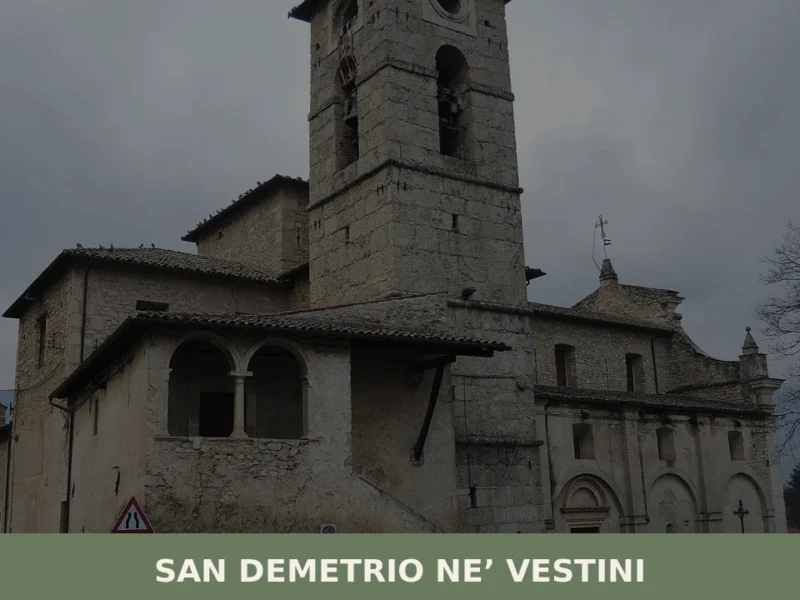
San Demetrio ne’ Vestini
 Mountain
What to see in San Demetrio ne’ Vestini: discover the village, the historic center, and the main church. Plan your visit and unmissable attractions!
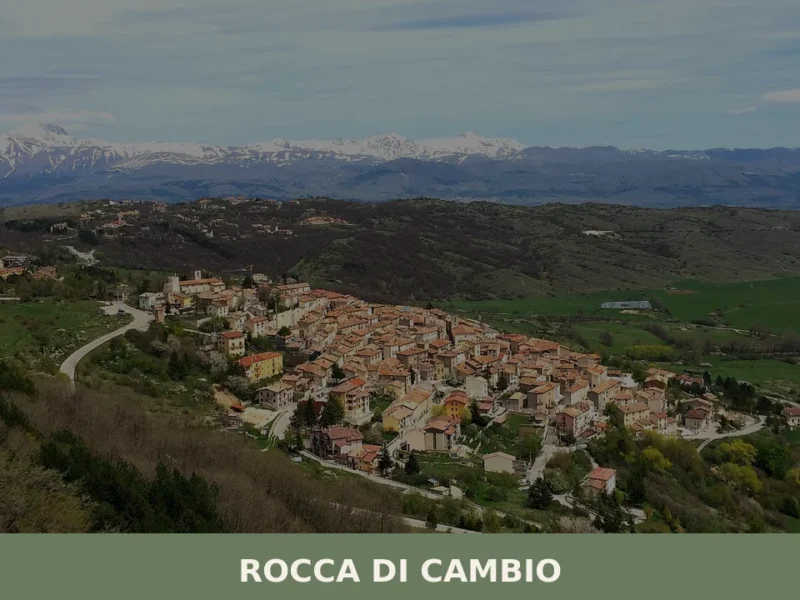
Rocca di Cambio
Mountain
What to see in Rocca di Cambio, Italy: explore the Abbey of Santa Lucia, Campo Felice ski resort and the Sirente-Velino Park. 495 inhabitants. Discover it now.
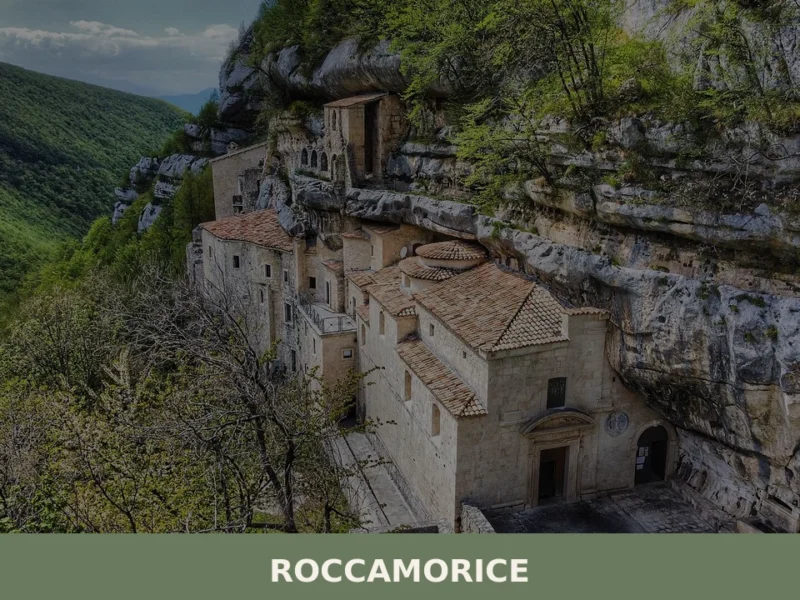
Roccamorice
Mountain
What to see in Roccamorice, Italy: discover rock-cut hermitages, the Majella National Park, and unique river-carved landscapes. Explore Abruzzo.
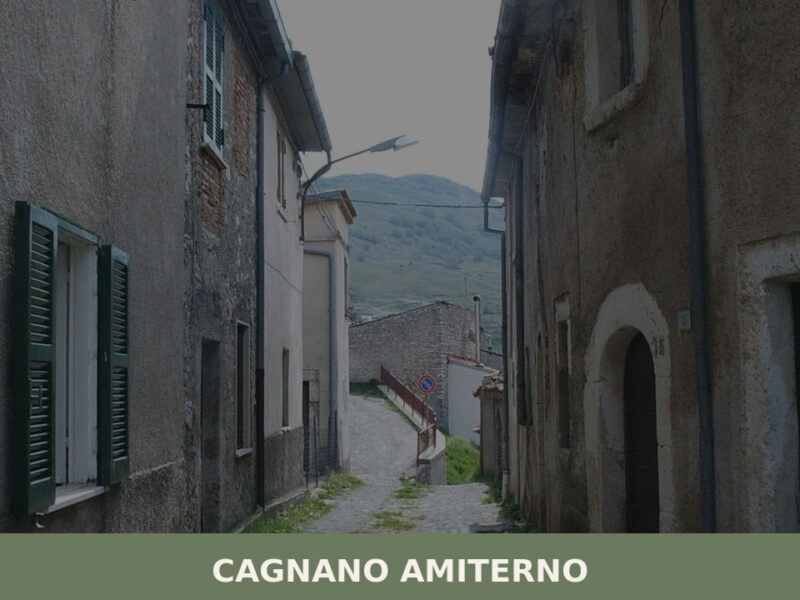
Cagnano Amiterno
Mountain
Morning light falls flat across the high plateau west of L’Aquila, catching the stone walls of a settlement that has survived earthquakes, depopulation, and the slow erosion of memory. The air carries woodsmoke and the cold mineral scent of mountain water. Cagnano Amiterno, home to just over 1,400 residents, sits in a landscape shaped by […]
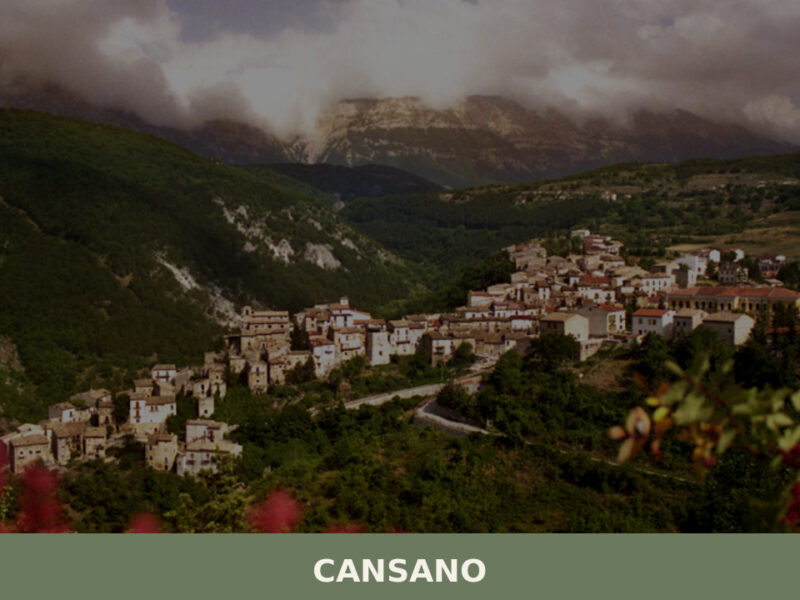
Cansano
Mountain
A guide to Cansano in Abruzzo — its Roman archaeological site of Ocriticum, medieval stone centre, Majella trails, and pastoral food traditions at 835 metres.
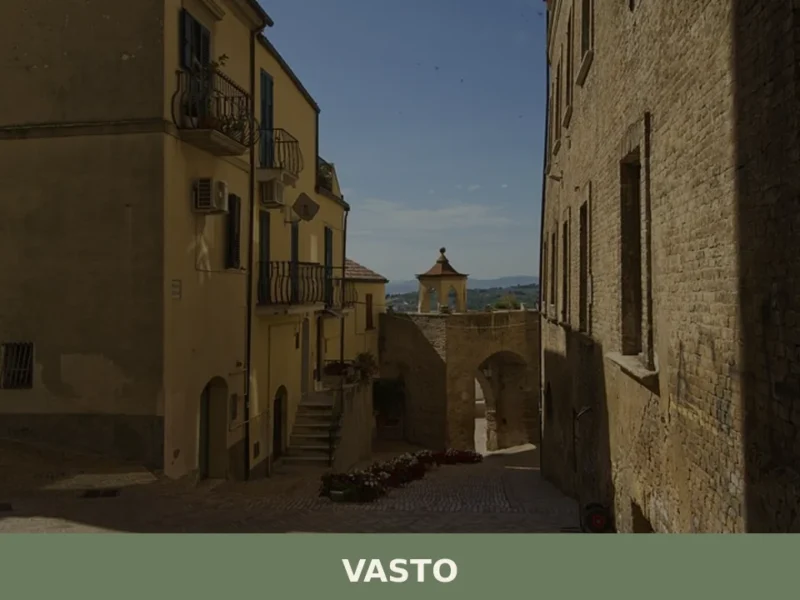
Vasto
Sea
With 40,692 inhabitants, Vasto stands on the Abruzzo Adriatic coast, a town that from its promontory at 144 meters above sea level observes a stretch of sea that was a crossroads of cultures and trades. For those wondering what to see in vasto, the answer unfolds among Roman vestiges, Renaissance architecture, and views of the […]
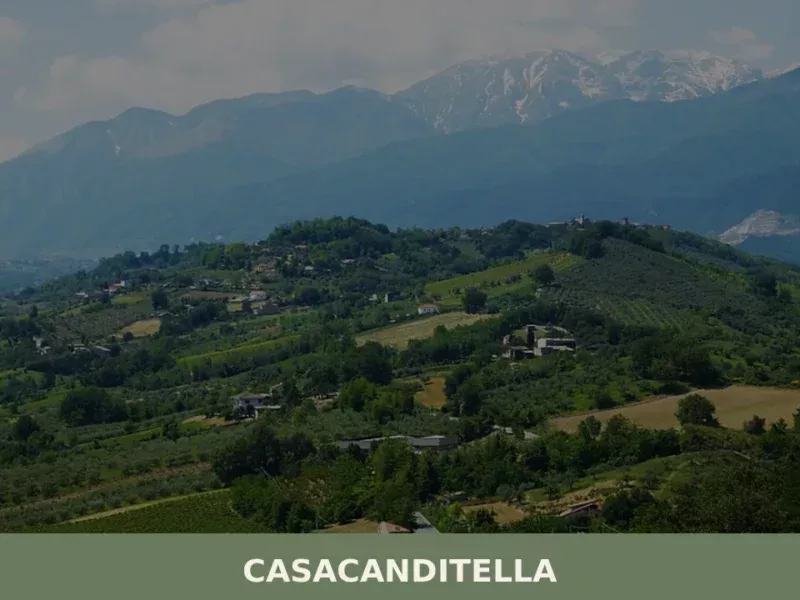
Casacanditella
 Hills
Hills
At 432 metres above sea level, on the eastern slope of the Majella descending towards the Foro river valley, Casacanditella has 1,169 inhabitants and a municipal territory that extends entirely across hilly terrain in the province of Chieti. Anyone wondering what to see in Casacanditella will find a compact urban centre, a church dedicated to […]
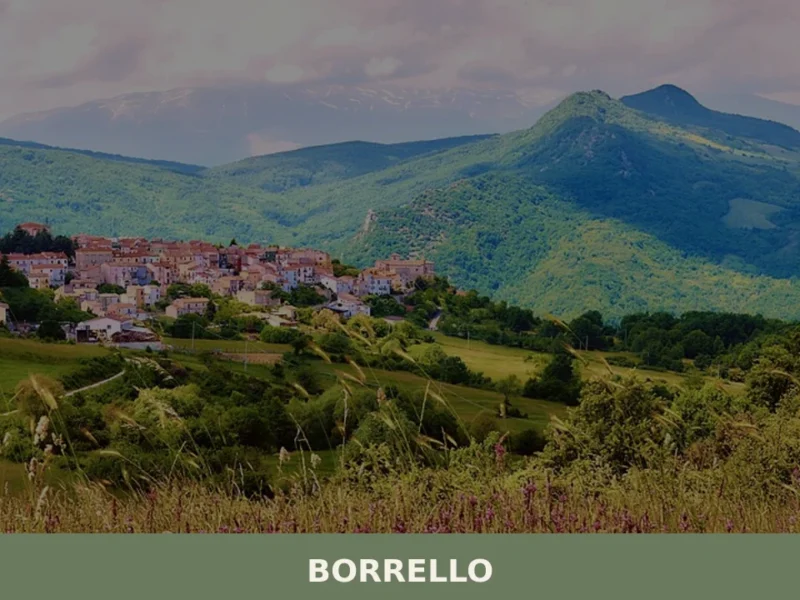
Borrello
Mountain
At 804 metres above sea level, on the eastern slope of the Majella massif, 338 inhabitants watch over a settlement that in the eighteenth century counted more than two thousand residents. Anyone looking into what to see in Borrello will find a territory shaped more by geology than by human hands: the Cascate del Verde, […]
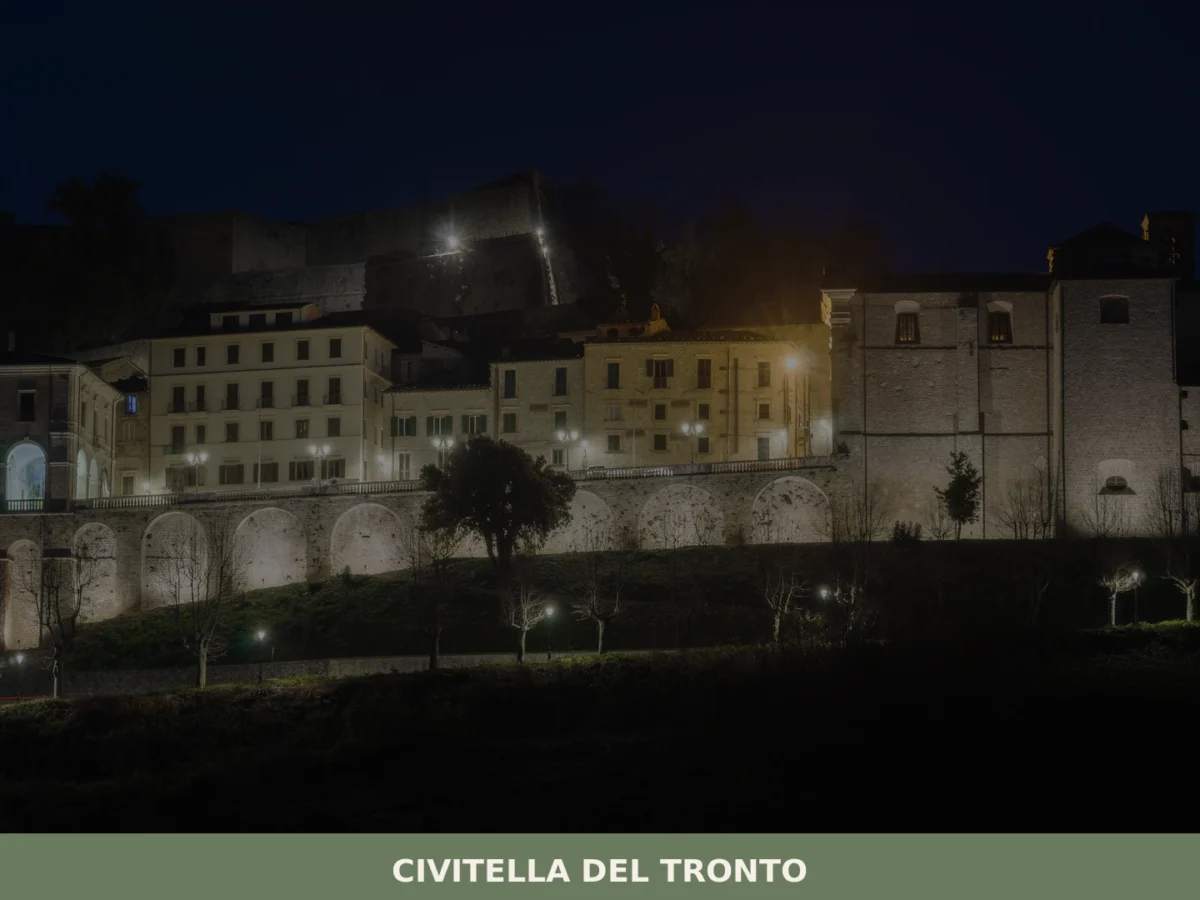
Civitella del Tronto
Hills
what to see in civitella del tronto, Italy: Discover the historic Fortress and the 1326 San Francesco church in this Abruzzo village at 589 meters altitude. Explore now.
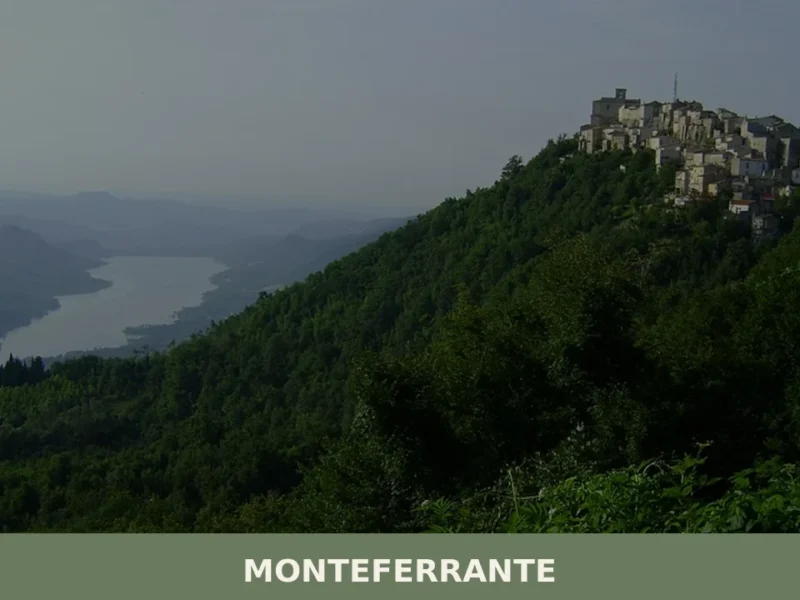
Monteferrante
Mountain
What to see in Monteferrante: discover the 5 main attractions of this mountain village, from the Church of St. John the Baptist to natural trails. Plan your trip!





🏡 Know Pineto better than we do?
If you’re a local or have been there, your knowledge matters: add what’s missing or fix a detail on this page.