


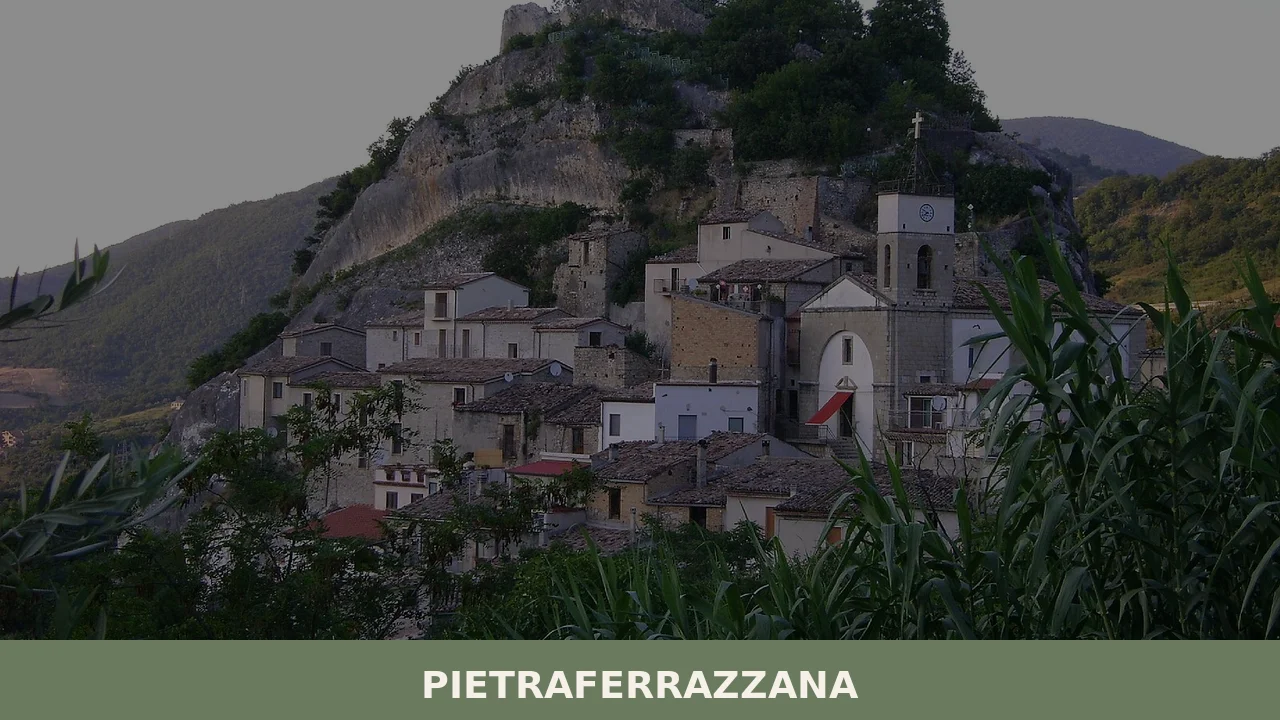
Pietraferrazzana
 Hills
Hills
The rock that gives the village its name is no metaphor: Pietraferrazzana literally grew up against a stone cliff, and the profile of the village changes depending on where you stand along the Sangro valley floor. In this article History and Origins of Pietraferrazzana What to See in Pietraferrazzana: Main Attractions Traditional Cuisine and Products […]
Discover Pietraferrazzana
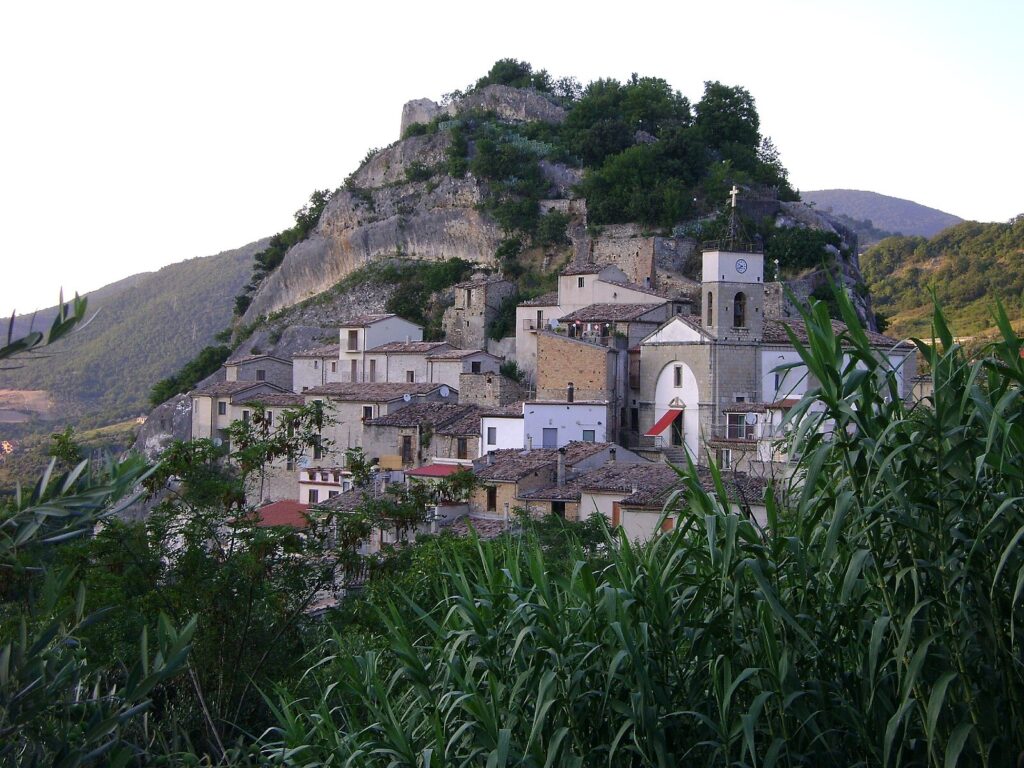
The rock that gives the village its name is no metaphor: Pietraferrazzana literally grew up against a stone cliff, and the profile of the village changes depending on where you stand along the Sangro valley floor.
One hundred and twenty-six houses clustered around an ancient core, the province of Chieti as a backdrop, and an administrative identity that has known interruptions and returns — between 1923 and 1963 the municipality ceased to exist as an autonomous entity, absorbed by Colledimezzo, before reasserting its independence.
Anyone wanting to know what to see in Pietraferrazzana starts from a concrete fact: the village today has 127 inhabitants and lies within the union of mountain municipalities of the Sangro, just a few kilometres from one of the largest artificial lake basins in inland Abruzzo.
The main attractions include the namesake rock that towers over the historic built fabric, the parish church in the ancient core, the Sangro landscape and the traces of mountain rural architecture that dot the alleyways.
Those who visit Pietraferrazzana find a village where geography still dictates the rules of human settlement.
History and Origins of Pietraferrazzana
The name of the village already contains its geological history and perhaps its human history too.
Pietraferrazzana almost certainly derives from a reference to the rock — “pietra” — that physically dominates the site, with the suffix most likely pointing to a land ownership or a place name of medieval origin linked to a landowner or a characteristic of the terrain.
The village is part of the province of Chieti and the union of mountain municipalities of the Sangro, an administrative entity that brings together several centres of the upper valley of the same name, united by a centuries-old history of mountain settlement and by similar demographic dynamics, marked by progressive depopulation throughout the twentieth century.
The best-documented administrative episode concerns 1923, when the Fascist regime carried out a sweeping process of amalgamation of minor Italian municipalities.
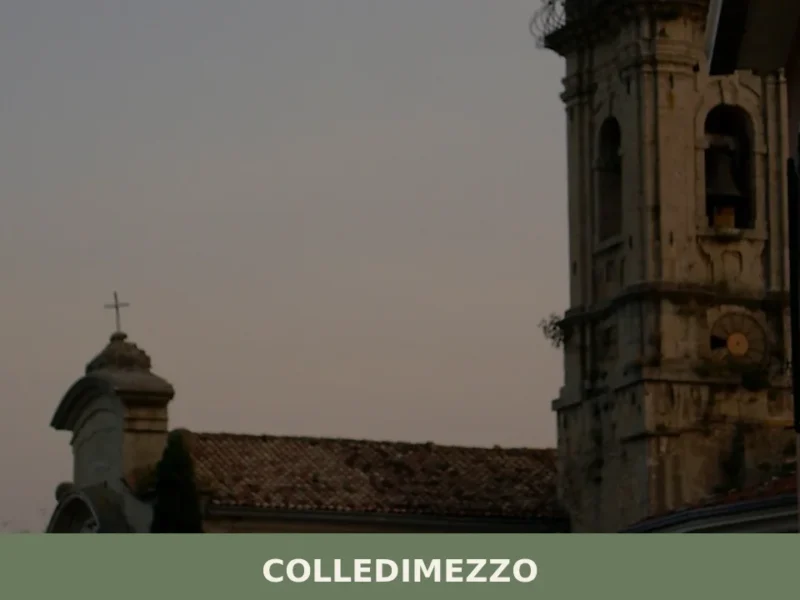
Pietraferrazzana lost its own municipal seat and was merged into the municipality of Colledimezzo, becoming a hamlet with no institutional autonomy. This condition lasted forty years. In 1963 the municipality regained its independence, separating once again from Colledimezzo and returning to being an independent local authority.
That date marks a precise dividing line in local history: the return to a distinct municipal identity, with everything that entails in terms of representation, land management and a sense of collective belonging.
A path not unlike that of other Sangro centres, such as Lentella, also set within a context of Abruzzo mountain municipalities that underwent significant administrative transformations during the twentieth century.
The territory on which Pietraferrazzana stands belongs to that inner belt of Chieti’s Abruzzo where human settlement has always been organised according to the morphology of the land. The namesake rock was not merely a scenic backdrop: it constituted a natural defensive element, a reserve of building material and a visual reference point for those travelling through the valley.
The building materials of the village — local stone worked dry or with lime mortar — bear witness to a construction technique widespread throughout the entire Sangro area, adapted to local resources and to the climatic needs of a territory with harsh winters and strong seasonal temperature swings.
What to See in Pietraferrazzana: Main Attractions
The namesake rock face and the natural site above the village
The rocky wall towering above the village is the mandatory starting point for anyone who wants to understand why this settlement exists exactly here.
The rock is not a decorative backdrop: the village’s built fabric literally grows around it, and in some spots the oldest dwellings rest directly against the bare stone. The geological formation shaped the village’s layout, preventing free expansion and forcing buildings to follow the lines of the rock itself.
Climbing up to the base of the wall allows you to clearly read this settlement logic: from up there, the entire village is visible, with its rooftops arranged in sequence along the terrain’s changes in elevation.
The best time for this walk is spring or autumn, when the low vegetation leaves the view over the valley of the Sangro below wide open.
The historic core and rural mountain architecture
The historic centre of Pietraferrazzana preserves the hallmarks of Abruzzo’s rural mountain building tradition that developed between the 18th and 19th centuries.
The houses are built flush against one another following the logic of thermal efficiency: shared walls, reduced openings on the side exposed to cold north-easterly winds, doorways wide enough to let farm tools through. The alleyways follow curves dictated by topography, not by urban planning.
Many buildings still show signs of their original functions — stables on the ground floor, living quarters on the first floor — a typology found throughout the mountain municipalities of the Sangro.
Walking through the historic core means reading a layering of construction spanning at least three centuries, with interventions and rebuilds superimposed yet always faithful to the same basic construction logic.
The parish church
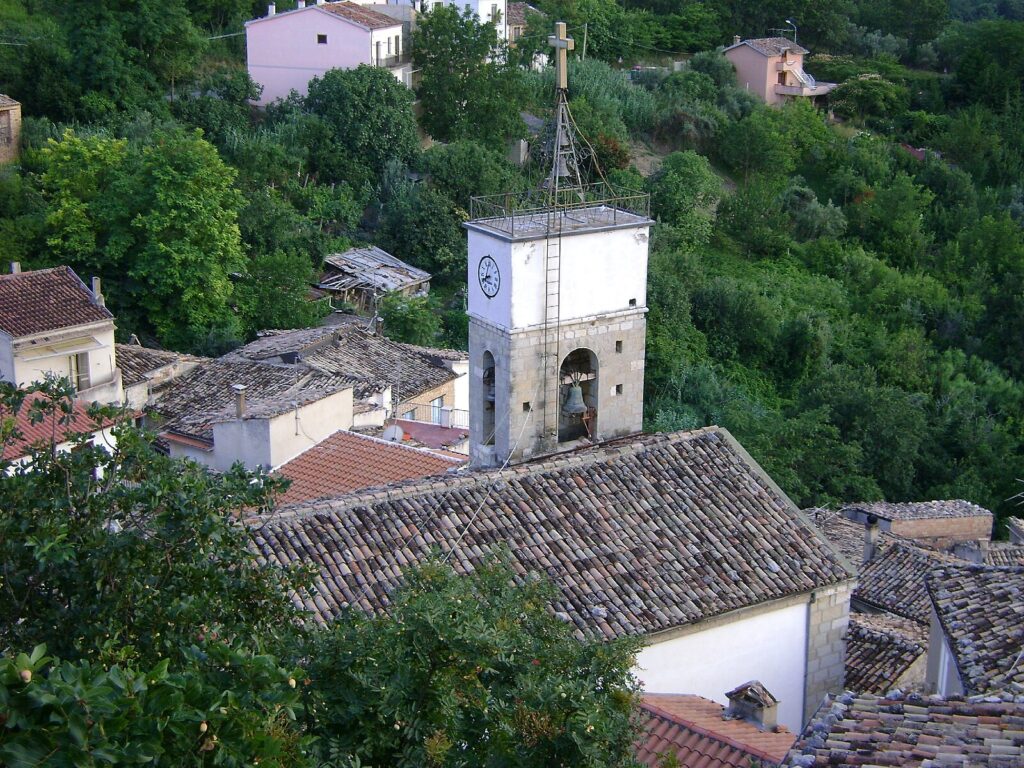
The parish church stands at the most accessible point of the old centre, in a position typical of Abruzzo’s rural villages where the place of worship also served as a civic reference point for the community.
The structure displays the formal characteristics of rural churches in the province of Chieti: a local stone façade, a single nave, and a small bell gable or tower of modest proportions.
Inside, the decorative scheme reflects the economic means of a small mountain community, with carved wooden elements and devotional canvases datable between the 17th and 19th centuries, in keeping with the devotional tradition widespread throughout the entire Sangro area.
Before visiting the church, it is worth checking opening hours with the local municipality or parish, as in villages of this size access often depends on the presence of the parish priest or a local contact.
The Sangro landscape and the valley below
Pietraferrazzana overlooks a stretch of the Sangro valley that, over the course of the 20th century, was radically transformed by the construction of hydroelectric infrastructure.
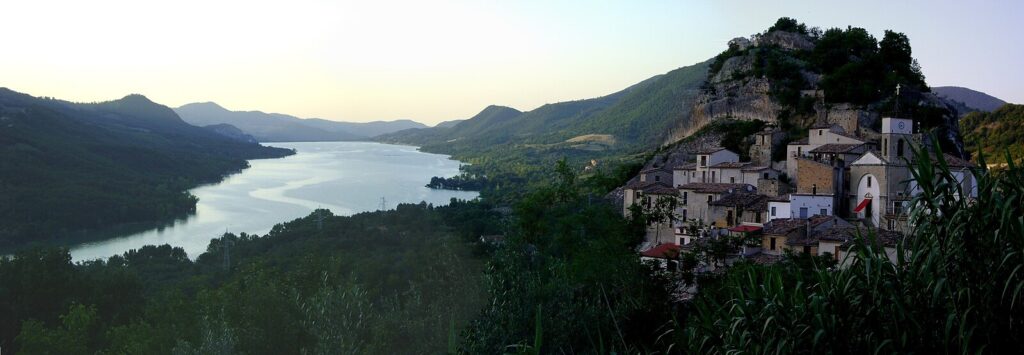
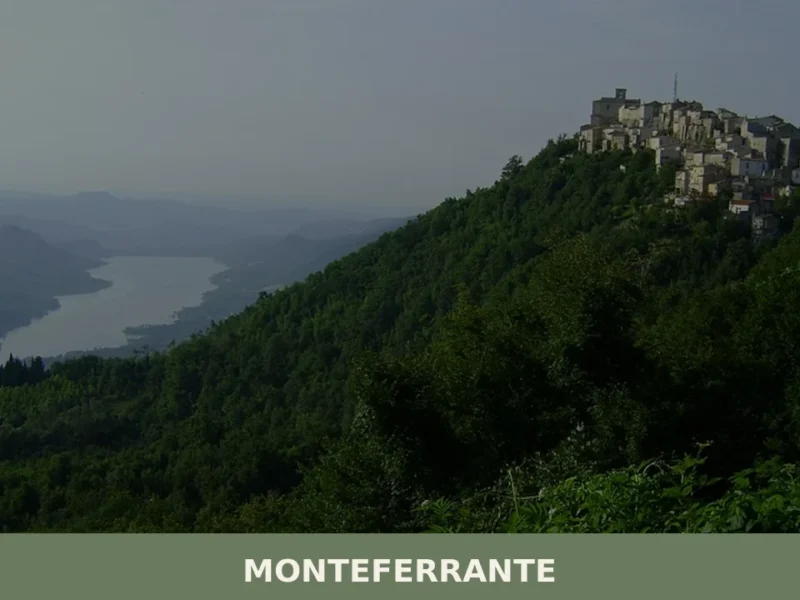
Lake Bomba, the largest artificial lake in the province of Chieti with a surface area of approximately 8 square kilometres, lies a short distance from the village and constitutes one of the most significant landscape features of the entire area.
From the edge of the village, on clear days, the water surface is visible in the valley floor, framed by the Apennine ridges. The contrast between the village’s rural landscape and the vastness of the artificial lake below is one of the most distinctive visual elements of this corner of the province of Chieti.
Those who visit Pietraferrazzana in autumn find a particularly vivid colour palette, with the turkey oak and downy oak woodlands changing colour on the exposed hillsides.
The trails of the mountain municipalities’ union of the Sangro
Pietraferrazzana is part of the mountain municipalities’ union of the Sangro, an associative body encompassing several centres of the upper and middle valley.
This membership has over time facilitated the networking of footpaths and hiking routes connecting the villages of the area, following ancient transhumance tracks and rural roads. The routes that start from or pass through the territory of Pietraferrazzana allow walkers to reach neighbouring villages on foot through stretches of upland Mediterranean scrub and Apennine woodland.
The distances between one village and the next can be covered in half a day’s walking, making this territory well suited to those who want to plan a multi-stage itinerary.
For up-to-date information on marked trails and their maintenance status, the main point of reference is the institutional website of the mountain municipalities’ union.
Traditional Cuisine and Products of Pietraferrazzana
The cuisine of the Sangro area belongs to the gastronomic tradition of inland Abruzzo, one that grew out of the mountain agro-pastoral economy and the cycle of the seasons.
In a territory where livestock farming and the cultivation of cereals and legumes shaped eating habits for centuries, traditional dishes reflect a logic of making full use of available resources: few ingredients, robust preservation techniques, and long cooking methods that transform inexpensive cuts of meat into elaborate preparations.
Pietraferrazzana, with its 127 inhabitants, has never developed a certified standalone gastronomic speciality, but shares with the nearby villages of the Sangro a consistent and recognisable culinary heritage.
Among the local traditional dishes, legume and cereal soups hold a central place: beans, lentils and spelt are cooked with wild herbs gathered on the Apennine slopes and with locally produced pancetta or guanciale.
Handmade pasta — especially in the form of sagne, irregular flat sheets dressed with lamb or pork ragù — is one of the most widespread preparations in the municipalities of the Sangro. Lamb and mutton, grilled or braised with garlic, rosemary and chilli, forms the backbone of festive cuisine. Aged pecorino produced artisanally in the area accompanies main courses and is also eaten on its own, paired with bread made from local wheat flours.
No products with DOP, IGP, PAT or DOC/DOCG certification specifically attributed to the municipality of Pietraferrazzana appear in the database.
Agricultural and food production in the territory is artisanal and family-based in nature, distributed through local markets and direct relationships between producers and consumers. Those seeking certified products from the Chieti area can refer to products recognised at provincial and regional level, consulting the guidance provided by trade associations and agri-food promotion bodies of the Abruzzo Region.
The best opportunities to engage with local gastronomy are the patron saint festivals and summer food fairs that enliven the villages of the Sangro between June and September.
On these occasions, local associations set up outdoor tables where traditional dishes are served, often prepared according to recipes handed down orally from generation to generation.
The Sangro area, including the territory of Pietraferrazzana, can be included in a broader gastronomic itinerary that also takes in Vasto, where the coastal culinary tradition of southern Abruzzo offers an interesting contrast to the mountain hinterland.
Festivals, Events and Traditions of Pietraferrazzana
Available sources do not precisely document the name of the patron saint of Pietraferrazzana nor the exact date of the patron saint festival.
In villages of this size — 127 inhabitants — the patron saint feast is generally the most important civic and religious event of the year, marked by a solemn mass, a procession with the statue of the saint through the streets of the historic centre, and a communal gathering that also involves residents temporarily away from the village.
For the exact date and programme of the patron saint festival, the most reliable reference is the municipal website or the local parish, which update their information each year.
The calendar of Sangro traditions includes, during the summer months, a series of events connected to the rural and pastoral culture of the area.
Food fairs dedicated to local products — legumes, cheeses, cured meats — enliven the nearby villages between July and August, and Pietraferrazzana takes part in this circuit of minor events that punctuates the summer of the Chieti hinterland.
Traditions tied to the agricultural calendar — the grape harvest, the chestnut gathering in autumn, the processing of pork in winter — survive in residual but documented form in the communities of the upper Sangro valley, where the bond with rural practices has not been completely severed despite progressive depopulation.
When to Visit Pietraferrazzana and How to Get There
Spring and autumn are the most suitable seasons to visit Pietraferrazzana.
In spring, between April and June, the slopes of the Sangro valley are covered in fresh vegetation and temperatures allow you to walk the outdoor trails without difficulty. Autumn, from September to November, offers the colours of the Turkey oak and downy oak woodlands and coincides with the last seasonal festivals of the inland area. Summer brings intense heat during the central hours of the day, but the elevation of the area — above 500 metres above sea level — guarantees cool nights.
Winter is not recommended for those not equipped to drive on mountain roads that can be affected by ice and snow between December and February.
To reach Pietraferrazzana by car, the main motorway reference is the Lanciano exit on the A14 Adriatic motorway, from which you travel approximately 35–40 kilometres inland following the SS84 Frentana state road towards Casoli and then towards the Sangro valley.
The road is passable all year round but requires care on mountain stretches in bad weather. The nearest railway station is Lanciano, served by the Adriatic line; from there it is necessary to continue by private vehicle or local transport services, checking updated timetables on the Trenitalia website.
The nearest international airport is Pescara Abruzzo International Airport, approximately 80 kilometres away, from which the village can be reached in about one and a half hours by car.
Those planning their itinerary may consider a stop at Castellafiume, another municipality in the Abruzzo inland mountains, to build a route through the regional hinterland.
| Starting point | Distance | Estimated time |
|---|---|---|
| Lanciano A14 motorway exit | approx. 38 km | 45–55 minutes |
| Lanciano railway station | approx. 35 km | 40–50 minutes by car |
| Pescara Airport | approx. 80 km | 1 hour 30 minutes by car |
| Chieti city | approx. 65 km | 1 hour 10 minutes by car |
Those exploring what to see in Pietraferrazzana who wish to extend their itinerary towards a village with different historical characteristics can head to Cappadocia, in the Marsica territory, which offers an Abruzzo inland mountain setting with well-preserved historical traces from the medieval period and a landscape equally defined by the Apennine ridges.
📷 Photo Gallery — Pietraferrazzana

Nearby Villages near Pietraferrazzana
In Abruzzo More villages to discover
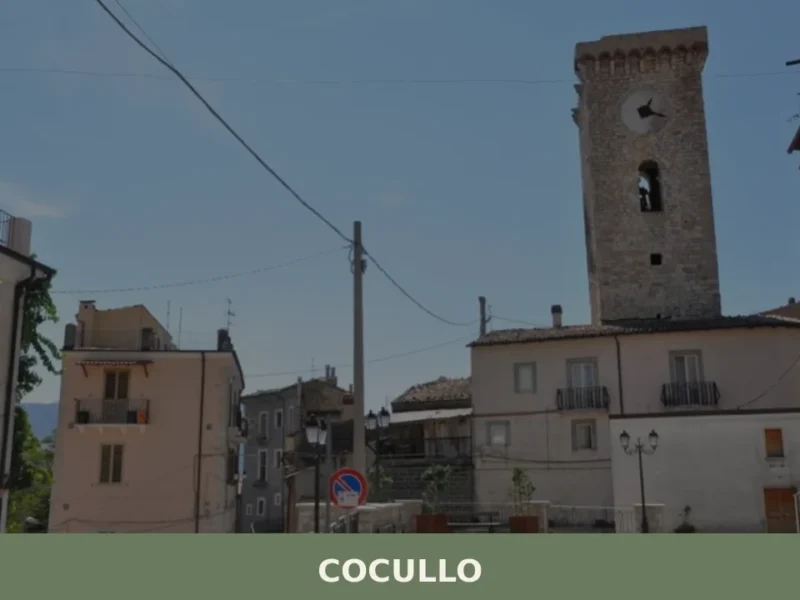
Cocullo
 Mountain
What to see in Cocullo: from the Serpari Festival to the Church of San Domenico. Complete guide with 5 attractions and practical tips for visiting the village.
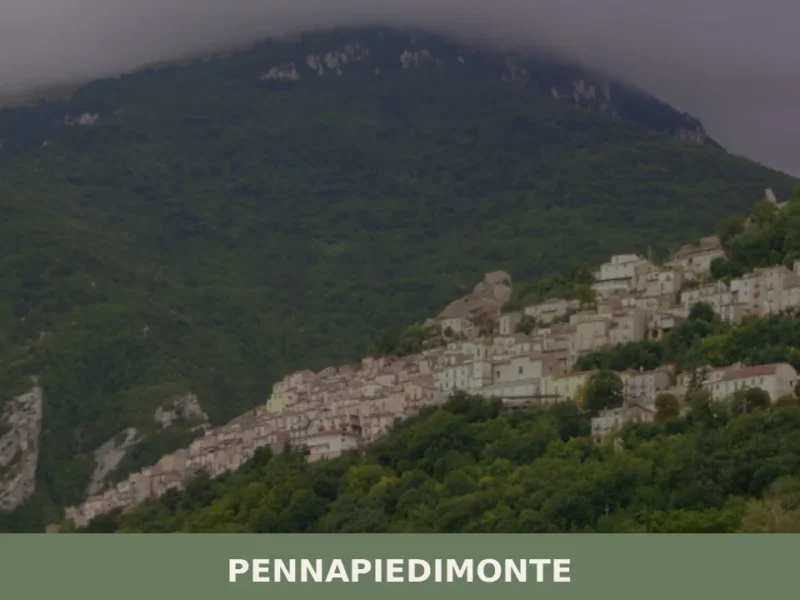
Pennapiedimonte
Mountain
what to see a Pennapiedimonte: 5 attractions nel village a 669 m s.l.m. in Abruzzo. Scopri il centro storico, la Majella, le festivals di agosto e i prodotti PAT.
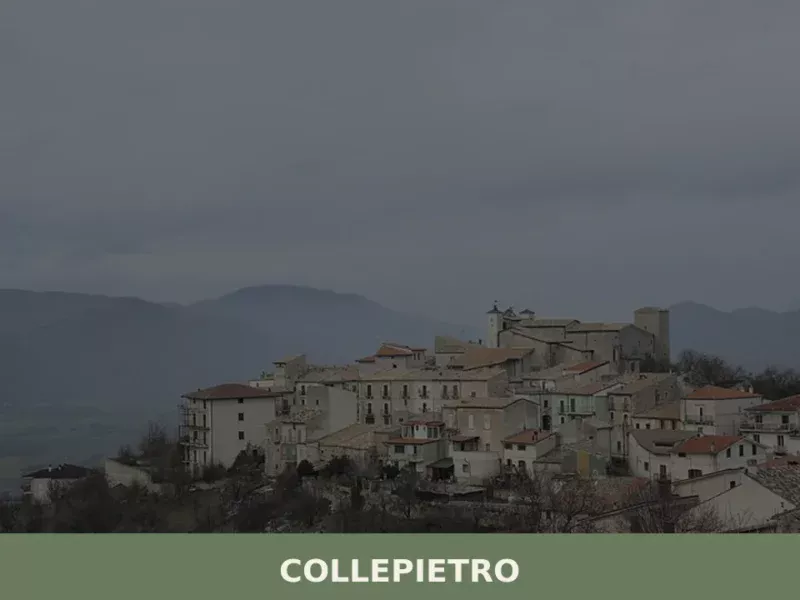
Collepietro
Mountain
Collepietro has 226 inhabitants and sits at 849 metres above sea level on the eastern slope of the Gran Sasso, in the province of L’Aquila. The municipal territory extends along a ridge overlooking the Piana di Navelli, an area known for saffron cultivation. Those wondering what to see in Collepietro will find a compact settlement […]
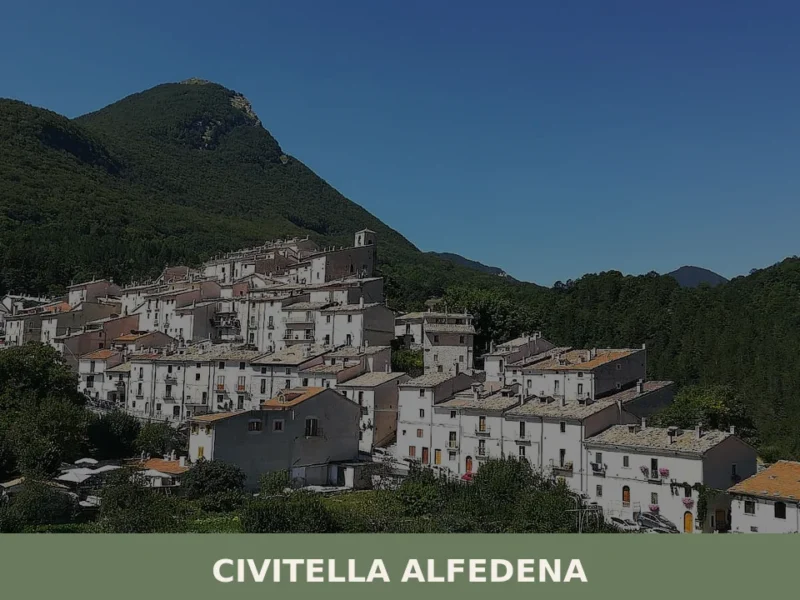
Civitella Alfedena
 Lake
Mountain
Lake
Mountain
At 1123 metres above sea level, on the southern slopes of the Abruzzo, Lazio and Molise National Park, Civitella Alfedena is home to just 285 residents — fewer than a single apartment block in Rome — spread along an urban core that retains its medieval defensive layout, complete with stone portals and covered passageways. Asking […]
Giuliano Teatino
Hills
Giuliano Teatino is a small village in Abruzzo, in the province of Chieti. Discover its origins, monuments and how to visit: a practical guide to plan your trip.
Lucoli
Mountain
Lucoli is not a compact town centre but a scattered municipality: 839 inhabitants spread across seventeen hamlets along the southern slopes of the Gran Sasso and the Velino-Sirente mountain group, at 956 metres above sea level in the province of L’Aquila. Understanding what to see in Lucoli means crossing a vast, fragmented territory where each […]
Alanno
Hills
what to see in alanno: Discover Italy's Abruzzo region, a comune recorded with 114 families in 1443. Explore the 1485 Santa Maria delle Grazie church and the Wildlife Oasis. Read more.
Civitella Casanova
Hills
At 400 meters above sea level, in the hilly heart of the province of Pescara, lies Civitella Casanova. This village, whose historical presence is attested since Roman times, offers a territorial context where geology and human activity have shaped a distinctive landscape. For those wondering about what to see in civitella casanova, the journey through […]
Barisciano
Mountain
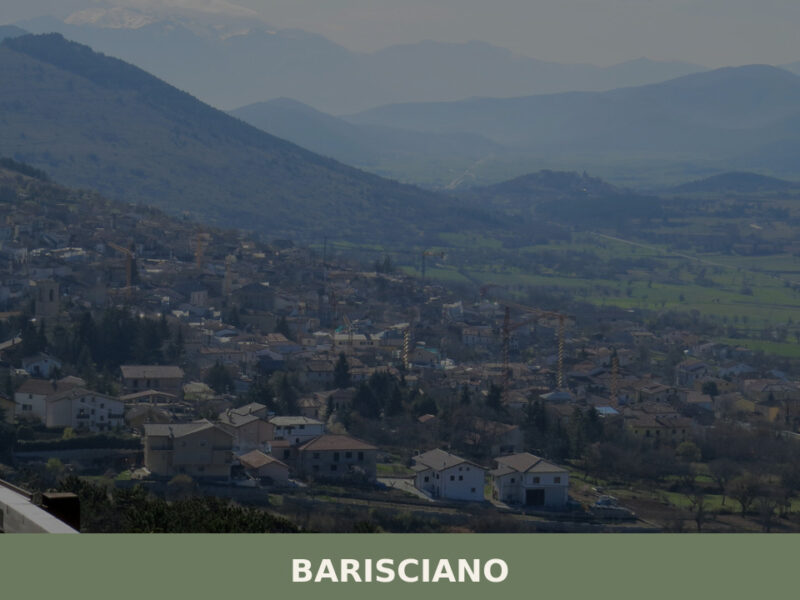
A high-altitude village on the Piana di Navelli, Barisciano holds Roman ruins, Franciscan cloisters, and centuries of Abruzzo history written in stone.
Taranta Peligna
Mountain
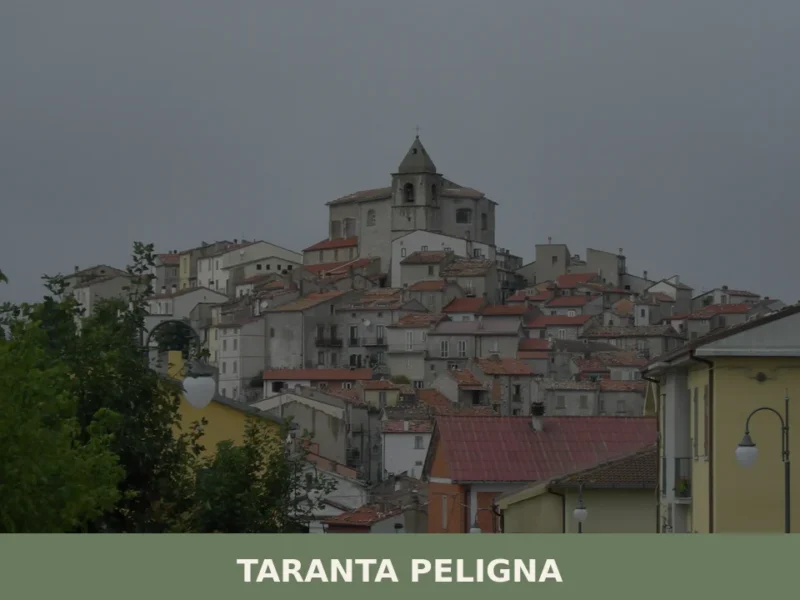
What to see in Taranta Peligna, Italy: explore the Maiella mountains from this village of 384 inhabitants. Discover Cavallone Cave and the Military Shrine. Read more.



🏡 Know Pietraferrazzana better than we do?
If you’re a local or have been there, your knowledge matters: add what’s missing or fix a detail on this page.