


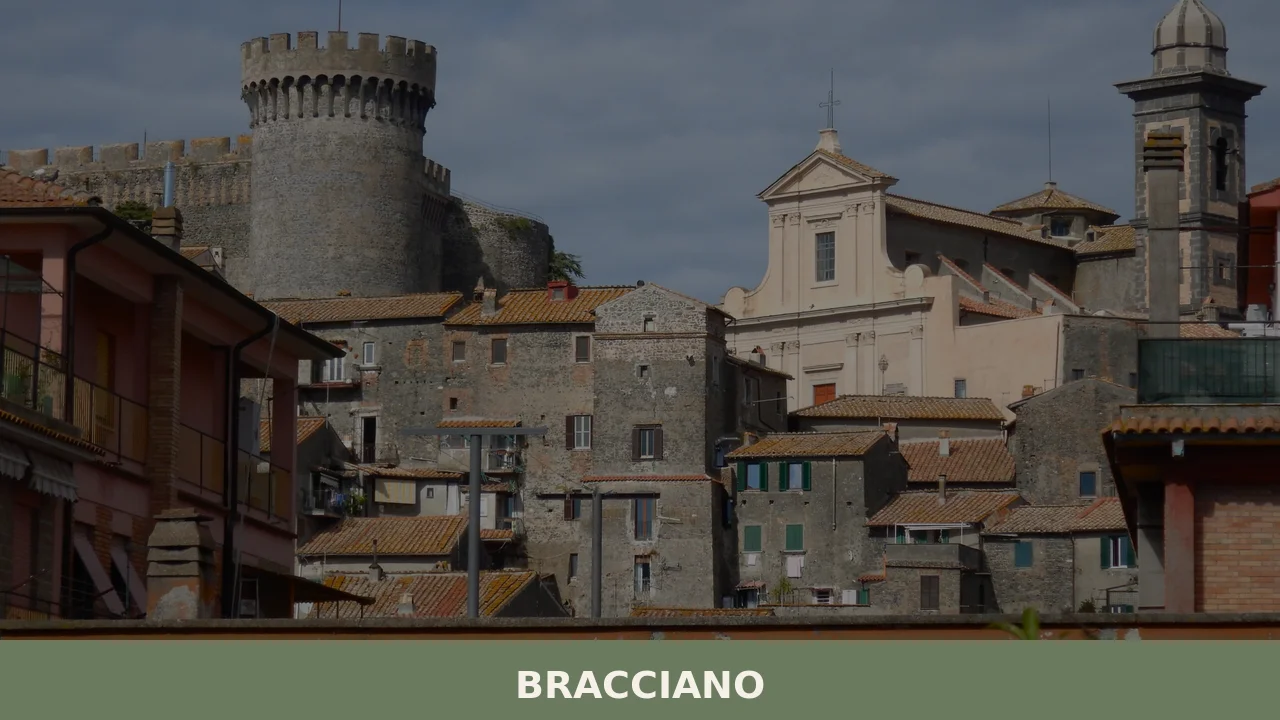
Bracciano
 Hills
Hills
 Lake
Lake
What to see in Bracciano, Italy: Discover its medieval castle and volcanic lake. Located 30 km (19 mi) from Rome, explore this Lazio village for a memorable day trip.
Discover Bracciano
At an altitude of 280 m (919 ft) above sea level, Bracciano sits on the western edge of the Sabatine Hills, a low volcanic range in the Lazio region of Italy. This small town, located approximately 30 km (19 mi) northwest of Rome, is defined by its prominent medieval castle and the expansive volcanic body of water known as Lake Bracciano.
The lake, also called Sabatino, is recognized as the eighth largest in Italy, drawing visitors with its clear waters and sailing opportunities.
For those wondering what to see in Bracciano, the town offers a compelling blend of history and natural beauty, making it an excellent day trip from the nearest major city, Rome.
With a population of 18,516 inhabitants, Bracciano’s highlights include the remarkably preserved Castello Orsini-Odescalchi and the scenic Lake Bracciano, widely used for sailing. Visitors to Bracciano, Lazio, Italy, find a destination rich in historical narratives and opportunities for outdoor activities.
History of Bracciano
The exact origins of Bracciano, positioned on the ancient Via Cassia and overlooking the lake, remain unconfirmed by historical records. However, the town gained significant prominence during the late 15th century, when it became a strategic point for the powerful Orsini family. In 1494, King Charles VIII of France and his troops made a notable stop in Bracciano during their march against Rome, an act that subsequently led to the excommunication of the Orsini family by Pope Alexander VI Borgia.
This period marked the beginning of a series of conflicts that tested the town’s defenses and the Orsini’s resolve.
Two years after the French king’s visit, in 1496, Bracciano faced a direct siege from a papal army, led by Giovanni di Candia, one of Pope Alexander VI’s sons.
Despite the formidable opposition, the city successfully resisted the attack, demonstrating the strength of its fortifications. A few years later, Cesare Borgia, another of Alexander’s natural sons, also attempted to capture the Orsini stronghold but was unsuccessful. The 16th century proved to be a period of significant prosperity and development for Bracciano, transforming it into a notable center of influence within the Lazio region, much like other historical towns such as Viterbo.
The town’s prestige further elevated in 1560 when Paolo Giordano I Orsini, known for his lavish lifestyle, was granted the title of duke of Bracciano. This followed his marriage in 1558 to Isabella de’ Medici, daughter of Cosimo I, the Grand Duke of Tuscany. For a brief visit by the Medici family in 1560, the castle underwent modernization, including the hiring of Taddeo Zuccaro, a renowned Roman painter. Zuccaro frescoed the prestigious Sala Papalinia, a room previously occupied by Sixtus IV, with allegories and coats-of-arms, adding to the castle’s artistic value.
The castle’s interiors still feature richly frescoed friezes and ceilings, including an important late-15th century frieze depicting the labors of Hercules, a detail visitors can still observe.
What to see in Bracciano, Lazio: top attractions
Castello Orsini-Odescalchi
The imposing Castello Orsini-Odescalchi stands as Bracciano’s most iconic landmark, a testament to medieval military architecture that has been remarkably preserved over centuries.
This fortress, which successfully resisted papal sieges in the late 15th century, showcases a blend of defensive strength and Renaissance artistic refinement. Inside, visitors can explore rooms adorned with richly frescoed friezes and ceilings, including the Sala Papalinia, decorated by Taddeo Zuccaro in 1560. The castle also features an important late-15th century frieze depicting the labors of Hercules, offering a glimpse into the artistic tastes of its former residents. It has hosted many events, including weddings of actors and singers, maintaining its historic grandeur.
To fully appreciate its scale and details, allow at least two hours for a comprehensive visit.
Lake Bracciano (Lago Sabatino)
Lake Bracciano, also known as Lago Sabatino, is a vast volcanic lake, the eighth largest in Italy, covering an area of approximately 57 square kilometers (22 sq mi). This natural wonder, formed within the caldera of an ancient volcano, provides a striking contrast to the town’s medieval architecture. The lake’s clear waters are a popular destination for tourists, particularly for sailing, swimming, and other water sports.
Its shores are dotted with other medieval towns, such as Anguillara Sabazia and Trevignano Romano, offering additional exploration opportunities. The lake’s depth, reaching up to 160 m (525 ft), contributes to its unique ecological system. Visitors can enjoy lakeside promenades, particularly during the warmer months, to experience the tranquility and scenic beauty of the area.
Bracciano Old Town (Centro Storico)
The historic center of Bracciano, characterized by its narrow, winding streets and traditional stone buildings, offers an authentic experience of a medieval Italian village.
This area, which developed around the protective walls of the Orsini-Odescalchi Castle, leads visitors through a labyrinth of alleys and small squares. Walking through the old town reveals glimpses of daily life, with local shops and cafes. The urban fabric reflects centuries of history, from its uncertain origins overlooking the Via Cassia to its development as a ducal seat. Exploring the centro storico provides context for the castle’s history and offers panoramic views of Lake Bracciano and the surrounding Sabatine Hills.
Wear comfortable shoes as some of the streets are cobbled and can be steep.
Sabatine Hills (Monti Sabatini)
The Sabatine Hills form a low volcanic range that encircles Lake Bracciano, defining the region’s unique geography and offering scenic vistas. These hills, rising to a maximum altitude of around 612 m (2,008 ft) at Monte Rocca Romana, are remnants of an ancient volcanic complex.
The landscape is characterized by its lush greenery, varied flora, and gentle slopes, making it suitable for light hiking and nature walks. This area provides a natural boundary for the lake and contributes to the Mediterranean climate experienced in Bracciano. Visitors seeking outdoor activities can explore the numerous trails that traverse these hills, enjoying panoramic views of the lake and the distant Roman countryside. Early morning walks are particularly rewarding for birdwatching and avoiding the midday heat.
Anguillara Sabazia and Trevignano Romano
The medieval towns of Anguillara Sabazia and Trevignano Romano lie close to Bracciano, each offering distinct perspectives on Lake Bracciano and the surrounding region. Anguillara Sabazia, situated on a small promontory extending into the lake, boasts a charming old town and a picturesque waterfront.
Trevignano Romano, located on the northern shore, features a medieval castle ruin and a scenic promenade.
Both towns share the history of the volcanic lake and their medieval origins, providing additional points of interest for visitors exploring what to see in Bracciano and its vicinity. They are easily accessible by road from Bracciano, making them excellent complements to a day trip to the area. These nearby settlements offer more insights into the regional history and local life, each with its unique character.
Local food and typical products of Bracciano
The gastronomic tradition of Bracciano is deeply influenced by its geographical position, situated between the fertile Lazio countryside and the freshwater bounty of Lake Bracciano. This creates a culinary landscape where robust agricultural products blend with fresh catches from the lake. The region’s history, marked by the presence of noble families like the Orsini and the Medici, also contributed to a varied cuisine that, while rooted in peasant traditions, incorporated elements of more refined palates. The proximity to Rome meant a constant exchange of culinary ideas, resulting in a cuisine that is distinctly Roman-Lazio but with its own local nuances.
The volcanic soil around the lake further enriches the produce, lending unique flavors to local ingredients.
Among the typical dishes, freshwater fish from Lake Bracciano features prominently, with preparations often simple yet flavorful, highlighting the quality of the catch.
Dishes like Coregone al forno (baked whitefish) or fried small lake fish are common. Heartier options include traditional pasta dishes, often made with locally sourced ingredients. For instance, Fettuccine ai funghi porcini (fettuccine with porcini mushrooms) can be found, benefiting from the region’s wooded areas. Given its proximity to the Roman province, classic Lazio dishes such as Cacio e pepe and Carbonara are also popular, prepared with local cheeses and cured meats. These dishes reflect a reliance on seasonal produce and traditional cooking methods.
While specific certified products (DOP/IGP) directly attributed solely to Bracciano are not detailed in the provided sources, the broader Lazio region boasts several. The fertile plains and volcanic soils around Bracciano contribute to high-quality agricultural output. Common regional products that likely find their way to Bracciano’s tables include various cheeses, olive oils, and cured meats from the wider Rome province. For example, the region is known for its excellent extra virgin olive oils, which are fundamental to local cooking. Additionally, certain vegetable varieties thrive in the local climate, forming the base of many recipes.
The focus here remains on fresh, seasonal ingredients reflecting the local terroir.
Local markets in Bracciano, though not specifically detailed in the sources for exact dates, typically offer a range of regional produce, cheeses, and other foodstuffs.
These markets provide an excellent opportunity for visitors to experience the local culinary scene and purchase fresh ingredients directly from producers. Throughout the Lazio region, various sagre, traditional local food festivals, are held, often celebrating specific seasonal products like chestnuts, mushrooms, or local wines. While a specific sagra for Bracciano is not mentioned, participating in such an event in a nearby town would offer a deeper dive into regional gastronomy. These events usually take place during harvest seasons, from late summer through autumn.
Festivals, events and traditions of Bracciano
The most significant annual event in Bracciano is the feast day of its patron saint, San Sebastiano, celebrated annually on January 20. This religious observance typically involves traditional processions through the town’s streets, honoring the saint with solemn rituals and community participation. The celebration is a deeply rooted tradition, bringing together residents in a display of faith and local identity. While specific details of music or fireworks are not provided, patron saint festivals in Italy often include a mix of religious ceremonies, local markets, and public entertainment, reflecting centuries of communal practices.
The cold January weather does not deter the local community from marking this important date with reverence.
Beyond the patron saint festival, Bracciano’s cultural calendar, though not extensively detailed in the provided sources, would naturally include events reflecting its historical heritage and regional context.
Given the castle’s history of hosting significant events, including weddings of actors and singers, it remains a venue for private and public gatherings that contribute to the town’s social fabric. The general Lazio region also hosts numerous historical reenactments and cultural festivals throughout the year, celebrating everything from ancient Roman traditions to medieval jousts. These events contribute to the understanding of the local culture and provide additional reasons to visit Bracciano and its surrounding areas, enriching the experience for those exploring what to see in Bracciano.
When to visit Bracciano, Italy and how to get there
The best time to visit Bracciano, Lazio, Italy, for those planning what to see in Bracciano, is generally spring (April-June) and early autumn (September-October). During these months, the Mediterranean climate (Köppen Classification ‘Csa’) provides pleasantly warm weather, ideal for exploring the Castello Orsini-Odescalchi and enjoying activities on Lake Bracciano, such as sailing, without the intense heat of summer.
While summer (July-August) is popular for lake recreation, temperatures can exceed 30°C (86°F).
Winter months (November-March) offer milder, cooler conditions, suitable for focusing on historical sites with fewer crowds. The town’s terrain is generally accessible, though the old town and castle approach involve some uphill walking on cobbled streets, which may pose challenges for strollers or those with limited mobility.
Bracciano is an excellent day trip from the nearest major city, Rome, located approximately 30 km (19 mi) northwest. For those arriving by car, the town is accessible via regional roads, with clear signage. From Rome, one can take the Grande Raccordo Anulare (GRA) and then follow signs towards Cassia Veientana (SR2) and subsequently Bracciano. For visitors preferring public transport, Bracciano is well-served by an urban railway, Line FR3, connecting directly to Rome’s Ostiense and Valle Aurelia stations. The train journey typically takes about 55 minutes, offering a convenient and scenic route.
For international travelers, the nearest major airport is Rome Fiumicino Airport (FCO), approximately 50 km (31 mi) south of Bracciano.
From FCO, travelers can take a train to Rome’s central stations and then connect to the FR3 line. Carrying some Euros cash can be useful for smaller shops and eateries, as English may be limited in some establishments. For detailed train schedules, travelers can consult the official Trenitalia website. For further local information and official updates, visitors can consult the official municipality website of Bracciano.
Where to stay near Bracciano
While the provided sources do not detail specific accommodation types or names within Bracciano, the popularity of Lake Bracciano and the Castello Orsini-Odescalchi suggests a range of lodging options in the vicinity. Visitors exploring what to see in Bracciano can typically find various accommodations, including local hotels, bed and breakfasts (B&Bs), and holiday rentals in the town itself and the nearby lakeside villages like Anguillara Sabazia and Trevignano Romano.
These options cater to different preferences, from charming family-run establishments to more modern facilities.
For those seeking a rural experience, agriturismi, farm stays offering accommodation and local produce, are often available in the surrounding Lazio countryside. It is advisable to book accommodation in advance, especially during peak tourist seasons, to secure preferred options.
For those wishing to explore more of Lazio’s diverse landscapes and historical towns after experiencing Bracciano, a visit to Castel di Tora, another village with its own unique charm, provides an excellent extension to any itinerary in the region.
Frequently asked questions about Bracciano
What is the best time to visit Bracciano?
The best time to visit Bracciano is late spring (May–June) and early autumn (September–October), when temperatures are mild and the lake is at its most inviting. Summer (July–August) is the busiest season, ideal for sailing and swimming on Lake Bracciano. Winter visits are quieter; the town celebrates its patron saint, San Sebastiano, on 20 January with local festivities. Weekdays outside July and August offer a more relaxed experience of the old town and castle, with shorter queues.
What are the historical origins of Bracciano?
Bracciano's exact origins remain uncertain, though the town developed along the ancient Via Cassia overlooking the volcanic lake. It rose to prominence in the late 15th century under the Orsini family. In 1494, King Charles VIII of France stopped here during his march on Rome, leading to the Orsini's excommunication by Pope Alexander VI. The town successfully resisted a papal siege in 1496 and another attempt by Cesare Borgia. In 1560, Paolo Giordano I Orsini was granted the title of Duke of Bracciano following his marriage to Isabella de' Medici.
What to see in Bracciano? Main monuments and landmarks
The unmissable highlight is the Castello Orsini-Odescalchi, one of Italy's best-preserved medieval fortresses, featuring Renaissance frescoes by Taddeo Zuccaro in the Sala Papalinia and a late-15th-century frieze depicting the Labours of Hercules. Allow at least two hours for a full visit. Lake Bracciano (Lago Sabatino), Italy's eighth-largest lake, is perfect for sailing and lakeside walks. The historic centro storico, with its cobbled streets and stone buildings, offers panoramic views of both the lake and the Sabatine Hills. Wear sturdy footwear as streets can be steep.
What are the main natural or scenic attractions of Bracciano?
Lake Bracciano (Lago Sabatino) is the region's defining natural feature — a volcanic lake covering approximately 57 sq km, with depths reaching 160 m, making it unique ecologically. The surrounding Sabatine Hills, of volcanic origin and rising to about 612 m at Monte Rocca Romana, offer gentle trails through lush Mediterranean vegetation. The lakeshores of nearby Anguillara Sabazia and Trevignano Romano provide additional scenic promenades. Early morning walks in the hills are especially rewarding for birdwatching and cooler temperatures.
Where to take the best photos in Bracciano?
The most photogenic spot in Bracciano is the panoramic terrace overlooking Lake Bracciano from the old town, particularly at sunset when the light plays across the water. The exterior of Castello Orsini-Odescalchi, with its imposing towers, provides dramatic architectural shots. The lakefront promenade offers wide-angle views of the lake framed by the Sabatine Hills. For a broader perspective, the hillside trails above Bracciano provide elevated vistas over both the town and the volcanic lake basin.
Are there museums, churches or historic buildings to visit in Bracciano?
The primary historic building open to visitors is the Castello Orsini-Odescalchi, which functions as a museum and event venue. Its interior rooms include the frescoed Sala Papalinia decorated by Taddeo Zuccaro in 1560 and a late-15th-century frieze of the Labours of Hercules. The castle has also hosted high-profile weddings, underlining its continued cultural relevance. The medieval centro storico itself constitutes a living historic monument, with its defensive walls, stone architecture and layout dating back to the Orsini ducal period.
What can you do in Bracciano? Activities and experiences
Bracciano offers a varied range of activities. On Lake Bracciano, sailing, swimming and other water sports are well-established pursuits, especially in summer. The Sabatine Hills provide walking and light hiking trails with scenic lake views. Exploring the medieval centro storico and visiting the Castello Orsini-Odescalchi fills a rewarding half-day. Day trips to the nearby lakeside towns of Anguillara Sabazia and Trevignano Romano are easily combined with a Bracciano visit. Attending the Feast of San Sebastiano on 20 January offers a taste of local tradition.
Who is Bracciano suitable for? Families, couples, hikers, solo travelers?
Bracciano suits a broad range of visitors. Families will enjoy the lake for swimming and water activities, plus the castle's dramatic history. Couples find it a romantic destination, with lakeside promenades and candlelit dinners in the historic centre. History and architecture enthusiasts are drawn by the Castello Orsini-Odescalchi and the medieval old town. Outdoor lovers appreciate the Sabatine Hills trails and sailing on the lake. Its proximity to Rome — just 30 km — also makes it perfect for day-trippers wanting a break from the city.
What to eat in Bracciano? Local products and specialties
Bracciano's cuisine blends Lazio tradition with freshwater lake produce. Freshwater fish from Lake Bracciano features prominently, with dishes such as Coregone al forno (baked whitefish) and fried small lake fish. Pasta dishes like Fettuccine ai funghi porcini draw on the wooded hills nearby. Classic Roman-Lazio recipes including Cacio e pepe and Carbonara are widely available, prepared with local cheeses and cured meats. The volcanic soils of the region support quality olive oil and seasonal vegetables, frequently found at local markets and restaurants.
Nearby Villages near Bracciano
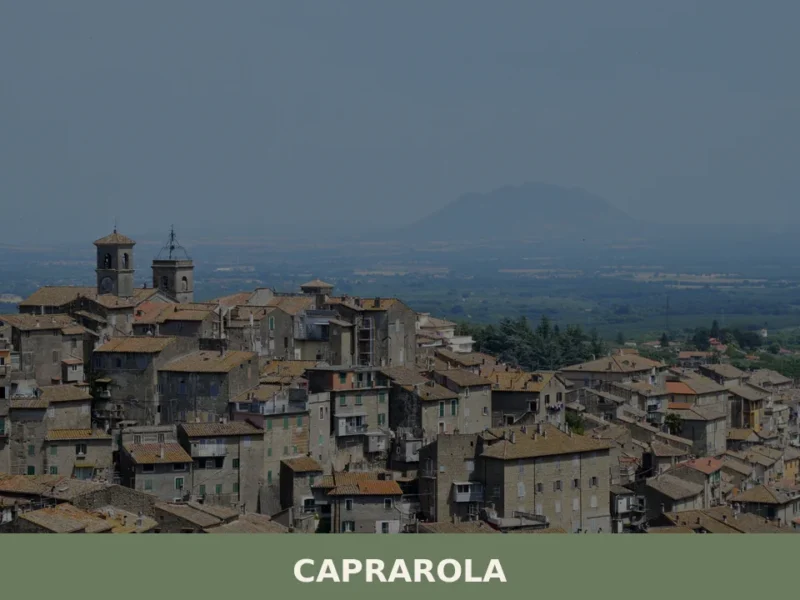
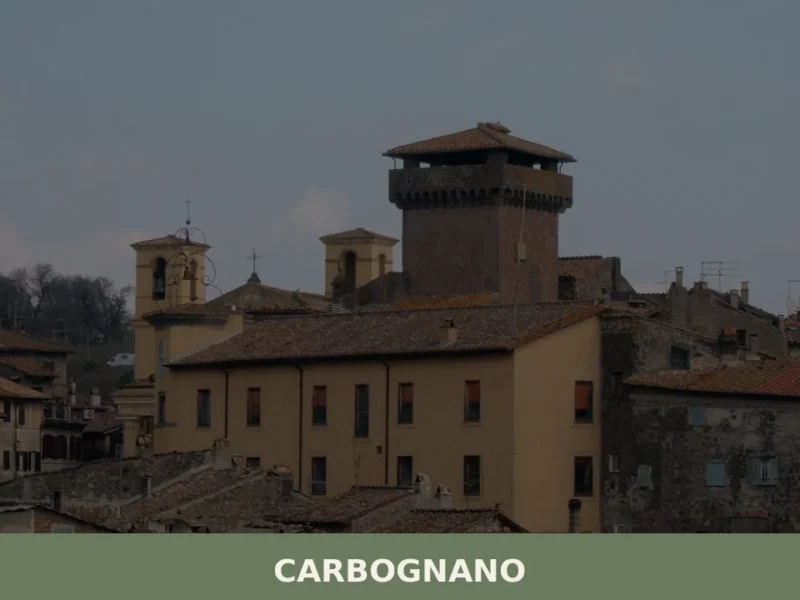
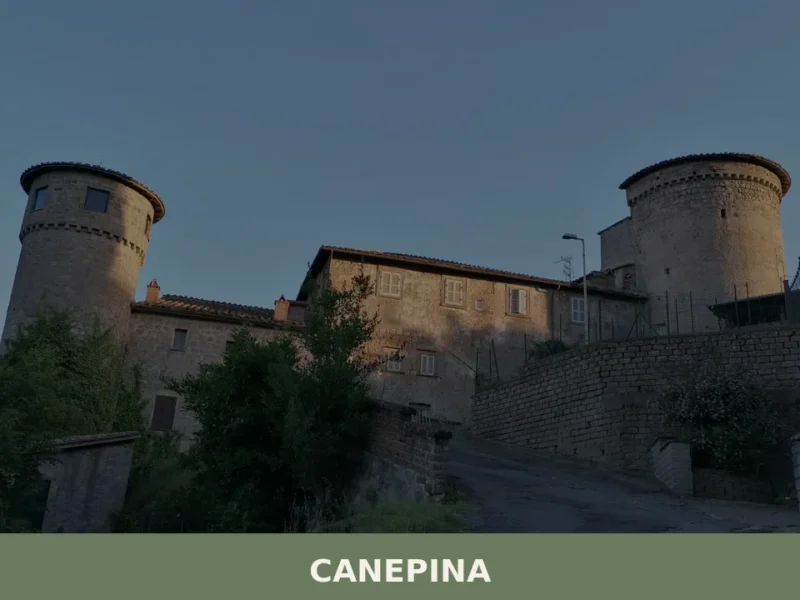
In Lazio More villages to discover
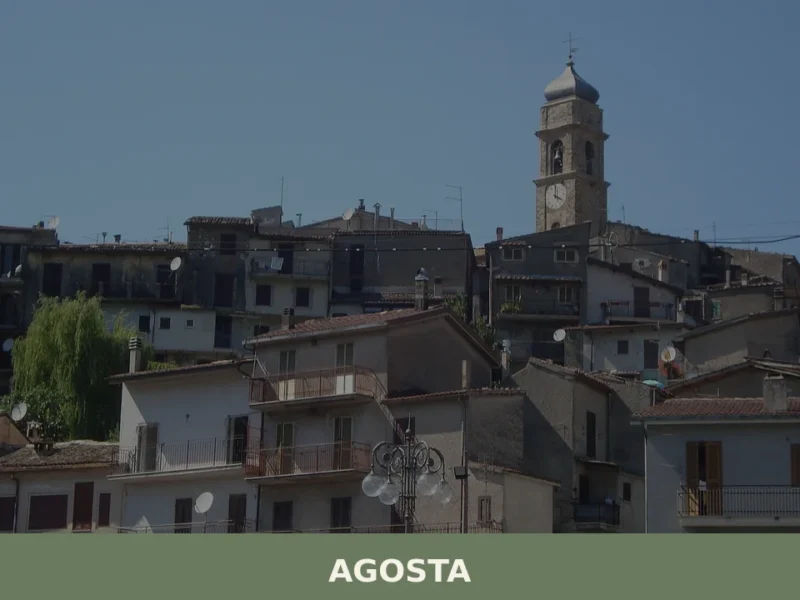
Agosta
Hills
A block of tuff rock rises above the Aniene valley in the Monti Simbruini area, and on its crown sits a tight cluster of stone buildings at 382 m (1,253 ft) above sea level. The Arch of the Cardinal still stands near the point where a bridge once crossed the Aniene river, its masonry dated […]
Latina
 Sea
Sea
What to see in Latina: discover the 5 top attractions in this Lazio village, from monuments to the historic centre. Plan your visit with this guide.
Barbarano Romano
Hills
Morning light catches the volcanic tufa in shades of ochre and rust, and the only sound rising from the gorge below is the intermittent call of a jay echoing off ancient rock. Barbarano Romano sits on a plateau in the province of Viterbo, a settlement of barely a thousand souls whose streets still follow the […]
Accumoli
 Mountain
What to see in Accumoli, Italy? Discover this village at 855 m (2,805 ft) altitude. Explore the 12th-century Civic Tower and Palazzo Marini. Read our guide.
Casalattico
Hills
What to see in Casalattico, Lazio, Italy: a village at 420 m with a Norman tower, a Benedictine monastery from 780 AD and an Irish festival. Discover it now.
Lubriano
Hills
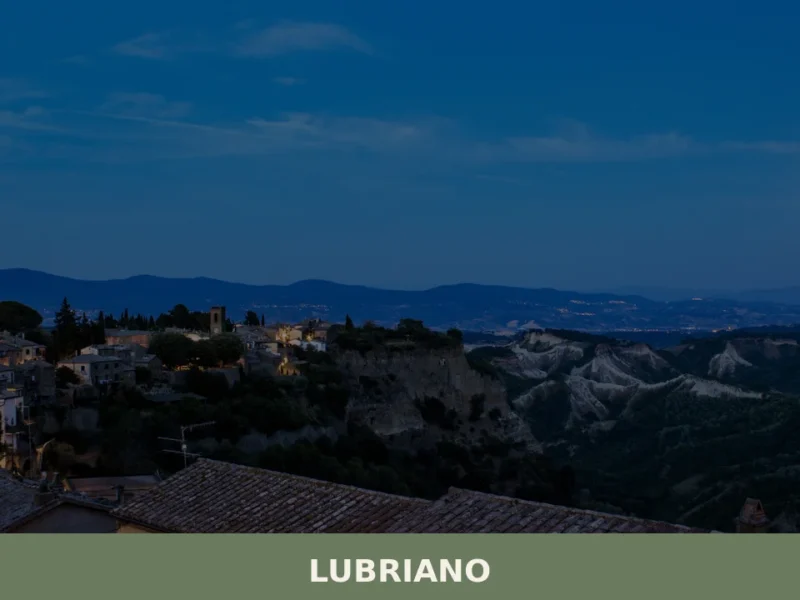
Lubriano has 864 inhabitants and occupies a tuff plateau at 441 metres above sea level, separated from the more famous Civita di Bagnoregio by a calanchi valley nearly two hundred metres deep. The municipal boundary runs along the edge of a gorge that geologists classify as one of the most active in Tuscia for erosion. […]
Castelnuovo Parano
Hills
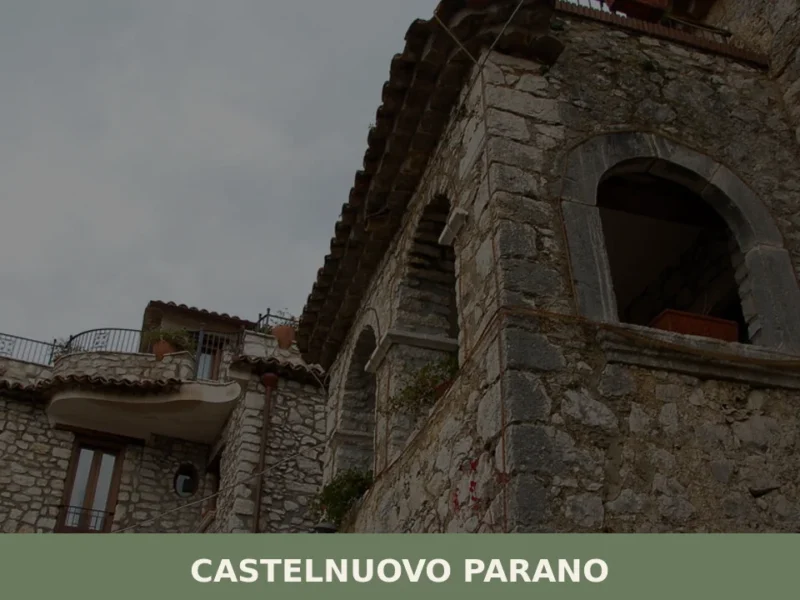
What to see in Castelnuovo Parano, Lazio, Italy: a village of 885 at 310 m. Discover the 1059 castle origins, Gustav Line history and local hilltop culture.
Arce
 Plains
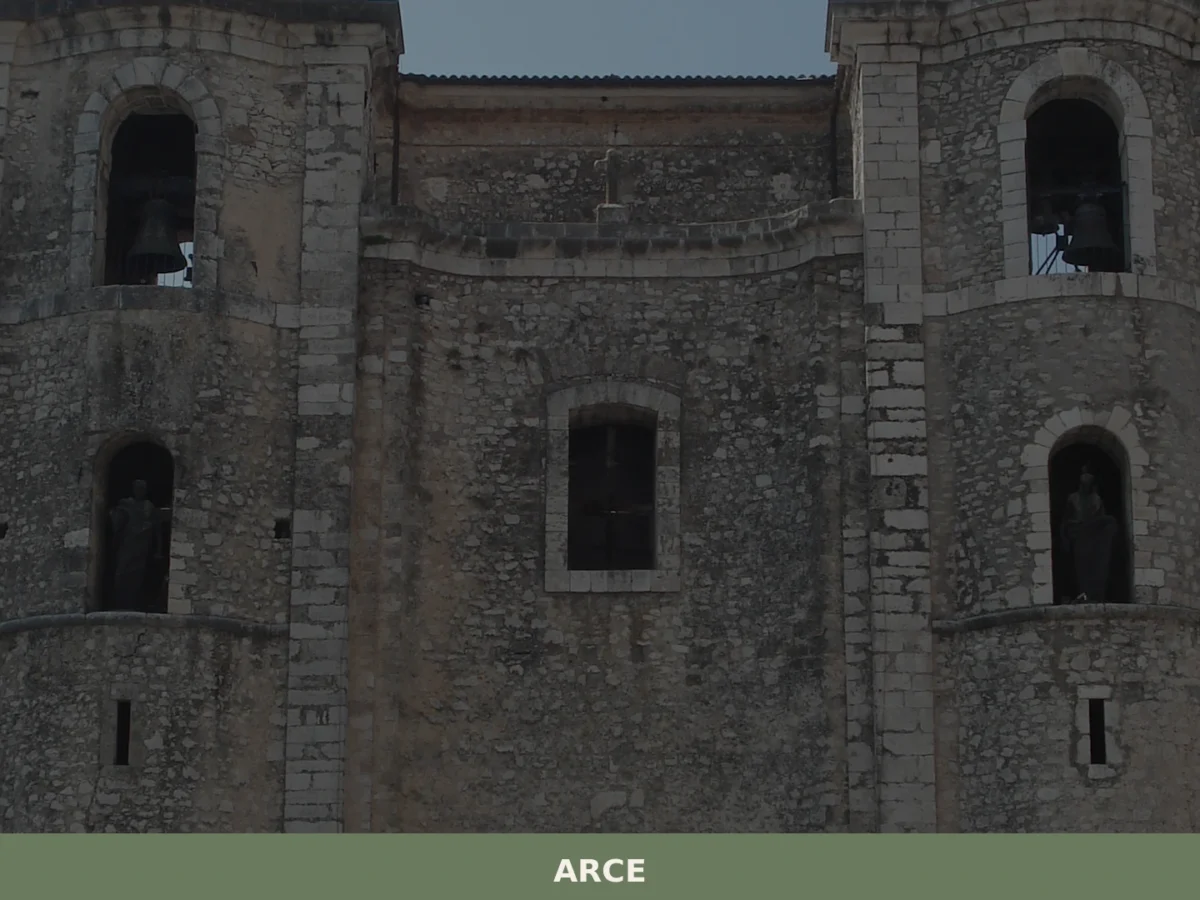
What to see in Arce: discover the 5 unmissable aspects of this Lazio village. From medieval fortresses to scenic views, your complete guide. Plan your visit!
Arnara
Hills
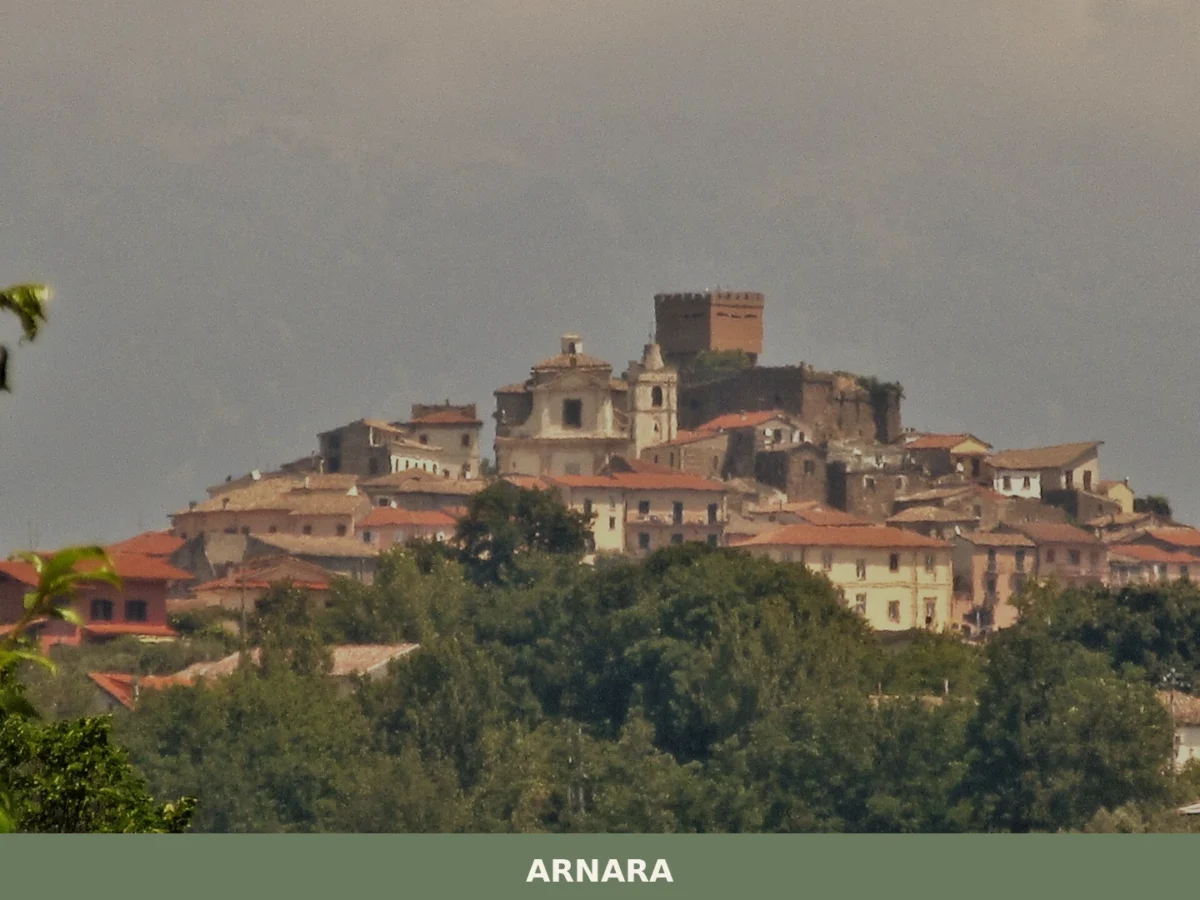
What to see in Arnara, Lazio, Italy: medieval castle, Sacco Valley views at 250 m altitude, local food traditions. Discover top attractions and how to get there.
Calcata
Hills
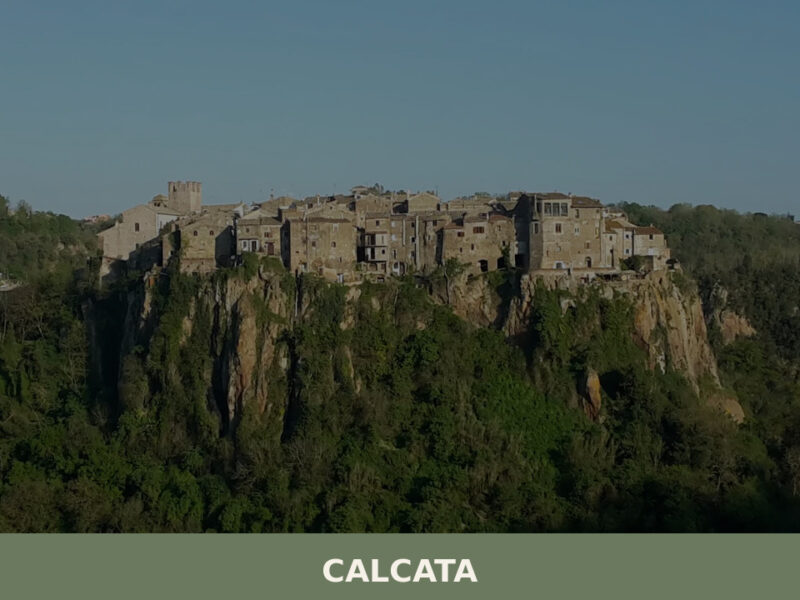
In 1935, the Italian government declared Calcata Vecchia a village to be abandoned due to the instability of the tuff cliff on which it stands. Fifty years later, the village was reborn as an artistic center, now offering visitors a unique experience. If you are wondering what to see in Calcata, the village appears as […]



🏡 Know Bracciano better than we do?
If you’re a local or have been there, your knowledge matters: add what’s missing or fix a detail on this page.