


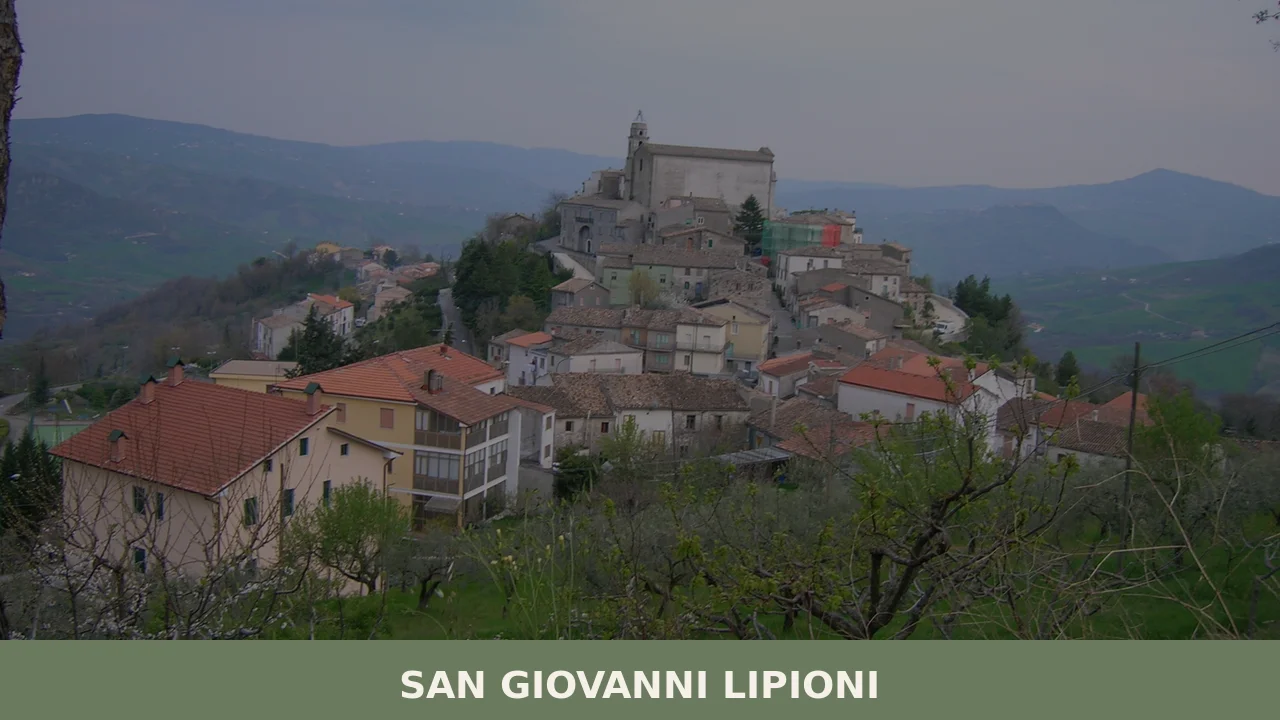
San Giovanni Lipioni
 Hills
Hills
What to see in San Giovanni Lipioni, Abruzzo, Italy: explore a village at 545 m, its 17th-century church, ventricina salami and May pageant. Discover it now.
Discover San Giovanni Lipioni
Two hundred steps of worn stone lead up through the upper village to a church that has occupied this hill since the seventeenth century. Below, the river Trigno cuts a line between Abruzzo and Molise, running for 5.5 kilometres (3.4 mi) beneath the village before the valley opens southward.
Oaks and beeches cover the flanks of Colle Vernone, which rises to 717 metres (2,352 ft) just above the rooftops, while EU-protected red kites — Milvus milvus and Milvus migrans — circle the wooded slopes of the facing mountain, Il Monte, at 693 metres (2,274 ft).
Deciding what to see in San Giovanni Lipioni means working through a compact but precisely layered set of places: a 17th-century church reached by more than 200 steps, a private house dated 1650, a chapel at the foot of Colle Vernone, a historical fountain, and a 5-kilometre (3.1 mi) walking trail to Il Monte with sightlines stretching 50 kilometres (31 mi) to the Maiella ridge.
The village stands at 545 metres (1,788 ft) in the southernmost tip of the Province of Chieti, Abruzzo, Italy, with a current population of 205 inhabitants. Visitors to San Giovanni Lipioni find a place where documented history goes back to a 3rd-century BC bronze artefact and seasonal food traditions are still enacted on fixed calendar dates.
History of San Giovanni Lipioni
The earliest physical evidence of human presence on this territory predates the Roman period.
In 1847, a bronze man’s head dating to the 3rd century BC was discovered in the village’s countryside. The object is now held at the Bibliothèque Nationale de France in Paris, where it remains today. The area was at that time under the control of the Samnites, an Italic people who occupied much of south-central Italy before Roman consolidation of the peninsula.
From the 14th century onward, San Giovanni Lipioni fell under the authority of the Kingdom of Naples. Administration passed through Aragonese hands and then to the D’Avalos family, a dynasty of Spanish origin with major possessions in the nearby coastal town of Vasto.
The name Lipioni is thought to derive from the Spanish los peones, meaning “unskilled labourers”, a reference to the predominantly peasant and sheep-rearing population the D’Avalos overlords governed.
This etymology reflects a social condition rather than a geographic feature — an unusual case in a region where most place names describe terrain or saints. The nearby village of Castiglione Messer Marino, which shares the same highland area along the Trigno valley, also carries the imprint of medieval feudal administration in its name and layout.
Control of the village transferred to the Caracciolo family, who held it until 1861, the year San Giovanni Lipioni became part of unified Italy. The transition out of the Kingdom of Naples into the new Italian state brought administrative reorganisation but did not immediately lift the economic conditions that had defined the village for centuries.
After the Second World War, severe poverty and high unemployment drove a sustained emigration.
From a population of around 900 in 1951, official ISTAT figures record a drop to 457 by 1982, and to 371 by 1991. By 2001 the total had fallen to 271, with the majority of emigrants having settled in Bologna and a smaller number in the Charleroi area of Belgium, where they worked in coal mines, and in France. By 2006 the resident population had fallen below 250, with those aged 65 and over accounting for half of all residents.
What to see in San Giovanni Lipioni, Abruzzo: top attractions
Church of Santa Maria delle Grazie
The church occupies the highest reachable point of the village, accessible only by climbing a path of more than 200 stone steps that begin at Piazza Largo del Popolo, the pedestrianised main square. The structure dates to the 17th century and remains the architectural focal point of what to see in San Giovanni Lipioni for any visitor arriving without prior knowledge of the place. The ascent itself frames the building before you reach it: at each turn in the stepped path the church appears at a slightly different angle against the ridgeline.
Mass is still held here, and the building serves as the starting point of the lu Maje pageant each May 1st.
Casa Madre — Historical House of the Rossi Family
A datestone on this private residence reads 1650, making it one of the oldest documented domestic buildings in the village.
Now the property of the Rossi-Cianci family, the structure is known locally as Casa Madre — literally “mother house” — a term that signals its role as the original seat of a family line rather than a simple dwelling. The exterior stonework is consistent with mid-17th-century construction techniques common across this part of the Province of Chieti. The building is not open to the public, but its façade is visible from the street and offers a concrete reference point for understanding the village’s post-medieval residential fabric.
Chapel of Santa Liberata
This small chapel sits at the foot of Colle Vernone, the hill that rises to 717 metres (2,352 ft) and forms the immediate backdrop of the village to the north. Its position — low on the slope, facing the built settlement — gives it a different character from the hilltop church of Santa Maria delle Grazie: where that church commands, this one is sheltered. The Chapel of Santa Liberata is directly associated with the October food festival of the scurpelle, held on the second Saturday of each month, which draws locals back to this part of the village each autumn.
It is worth visiting on a clear morning when the light comes from the east and crosses the valley floor.
Il Monte Walking Trail
A paved road leaving the village toward Il Monte mountain converts, over 5 kilometres (3.1 mi), into a walking trail requiring no technical equipment.
Il Monte reaches 693 metres (2,274 ft) and its wooded slopes are documented nesting grounds for two EU-protected raptor species: the red kite (Milvus milvus) and the black kite (Milvus migrans). On a clear day from the upper sections of the trail, the Adriatic Sea is visible 29 kilometres (18 mi) to the northeast, the Maiella ridge appears 50 kilometres (31 mi) to the northwest, and the Matese mountains define the skyline 47 kilometres (29 mi) to the southwest.
Spring and early autumn offer the clearest sightlines; mid-July heat can make the full trail uncomfortable.
Historical Fountain and Village Centre
The historical fountain stands within the old centre and represents one of the few surviving pieces of communal infrastructure from the pre-modern village. Its exact construction date is not recorded in available sources, but its presence in the pedestrianised core — alongside the stepped access to Santa Maria delle Grazie — reflects the logic of a village organised around water, worship and movement on foot.
The surrounding streets of the historical centre contain the texture of a settlement that grew on a 545-metre (1,788 ft) hill with no room for wheeled traffic in its older lanes. For those exploring what to see in San Giovanni Lipioni on a self-guided basis, the fountain and the main square provide a natural orientation point from which all other sites radiate within walking distance.
Local food and typical products of San Giovanni Lipioni
The agricultural economy of San Giovanni Lipioni, Abruzzo, Italy has historically produced wine, olive oil, wheat, corn, cherries, apples, walnuts, almonds, artichokes, tomatoes and peppers.
This range reflects both the elevation of the territory — 545 metres (1,788 ft), sufficient to support beeches and firs as well as olive groves — and the labour patterns of a predominantly peasant population. Food preparation in the village follows seasonal rhythms that have not changed substantially in their timing or their techniques, even as the resident population has contracted.
The most structurally complex local product is the ventricina, a round-shaped salami made from fresh pork finely chopped and combined with lard, ground dried red medium-spicy peppers, fennel seeds and coarse salt.
Preparation follows the first snowfall of January, when the pig is slaughtered by tradition. The mixed and packed salami is then hung from the ceiling in a dry room and left to season for more than one month before it reaches the table, sliced and served with freshly baked bread.
At the same time, fresh pork sausages, pig liver sausages and several varieties of salami are also prepared. A second documented dish is the sagn’ app’zat — freshly made pasta layers, slightly thicker than standard, cut into rough 5-by-5-centimetre (2 by 2 in) squares and served with a basil-and-tomato sauce, extra-virgin olive oil, and optionally topped with ricotta cheese and sliced spicy red chillies. The name translates literally as “sagnas cut into pieces.”
No certified designation of origin (DOP, IGP or STG) products are documented in the available sources for San Giovanni Lipioni specifically. The food traditions described here are confirmed by local sources and reflect production methods tied to the village’s geography and seasonal calendar.
The local olive oil is produced from trees that grow across the territory, with the olive documented as one of the predominant cultivated species alongside fig, apple and cherry trees.
The primary opportunity to encounter these products in a public setting comes during the food festivals held in early August and on the second Saturday of October.
The August events are called sagre (singular: sagra, a traditional local food festival), and it is at these gatherings that the sagn’ app’zat is prepared communally. In October, the scurpelle festival celebrates Santa Liberata: the scurpelle are salted sourdough batons, 20 to 30 centimetres (8 to 12 in) long, deep-fried in olive oil and eaten with a glass of new red wine. Both events take place outdoors in the village.
Festivals, events and traditions of San Giovanni Lipioni
On May 1st each year, the village holds a pageant called lu Maje — “The May” — which moves through the main streets starting from the Church of Santa Maria delle Grazie after the late morning mass. At the head of the procession is carried a circle-shaped wooden cane structure decorated with small bunches of wild pink underbrush violets and other spring flowers gathered from the surrounding hillsides.
The pageant is a fixed date in the local calendar and draws back former residents as well as people from the nearest villages, Torrebruna and Celenza sul Trigno, each 7 kilometres (4 mi) away.
In early August, a series of night-time sagre take place, centred on communal food preparation and outdoor eating in the village.
The sagn’ app’zat is the dish most closely identified with this period. On the second Saturday of October, the scurpelle festival marks the feast of Santa Liberata at the chapel bearing her name below Colle Vernone. The fried sourdough batons are prepared and eaten on the spot, accompanied by new red wine from the local harvest. These three events — May, August and October — define the village’s public ritual calendar as confirmed by available sources.
When to visit San Giovanni Lipioni, Italy and how to get there
The best time to visit San Giovanni Lipioni depends on what a visitor is looking for. May brings the lu Maje pageant on the 1st and the yellow broom flowering across the hillsides — a specific seasonal marker noted in local geography records. Early August offers the night-time food festivals and the warmest temperatures at this elevation, which rarely become oppressive at 545 metres (1,788 ft).
October is cooler, clearer for long-distance views from the Il Monte trail, and anchored by the scurpelle festival.
For those whose priority is birdwatching — specifically the red and black kites documented around Il Monte — spring nesting season from April through June is the most productive period. International visitors should be aware that English is rarely spoken in shops and local bars; carrying euros in cash is practical, as card acceptance in small villages across this part of Abruzzo is not guaranteed.
San Giovanni Lipioni, Abruzzo, Italy sits in the southernmost corner of the Province of Chieti, approximately 200 kilometres (124 mi) southeast of Rome. From Rome, the most practical route by car uses the A25 motorway toward Pescara, then continues south on the SS650 and provincial roads toward the Trigno valley. The nearest significant rail hub is Pescara Centrale, roughly 90 kilometres (56 mi) to the northeast; from Pescara, onward travel requires a car or local bus, as the village has no direct rail connection.
Pescara Airport — formally Abruzzo Airport — handles domestic and some European routes and sits approximately 95 kilometres (59 mi) from the village by road.
If you arrive by car from the north, the most direct approach drops through Lanciano and then follows the Trigno valley south. The terrain leading into the village is hilly; the final approach road is narrow in sections and not suitable for large vehicles. A day trip from Rome is feasible in terms of distance but leaves limited time on the ground; an overnight stay in the wider Trigno valley area allows a more complete visit.
Visitors exploring this part of Abruzzo can combine San Giovanni Lipioni with nearby highland villages that share the same valley geography. The village of Bolognano, further north in the province, offers a contrasting example of Abruzzo highland settlement for those planning a longer circuit through the region. Closer to the Trigno area, Monteferrante sits within the same provincial territory and makes a logical stop on a route through the southern Chieti highlands.
📷 Photo Gallery — San Giovanni Lipioni
Nearby Villages near San Giovanni Lipioni
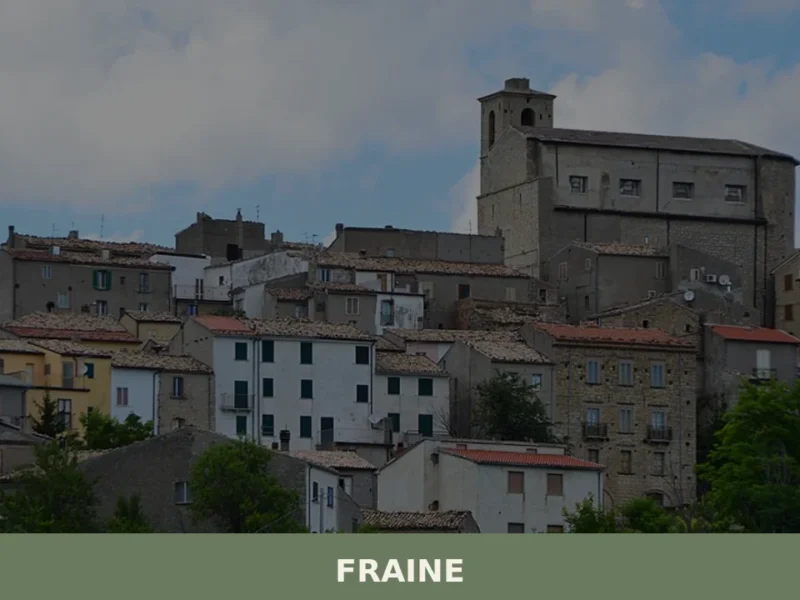
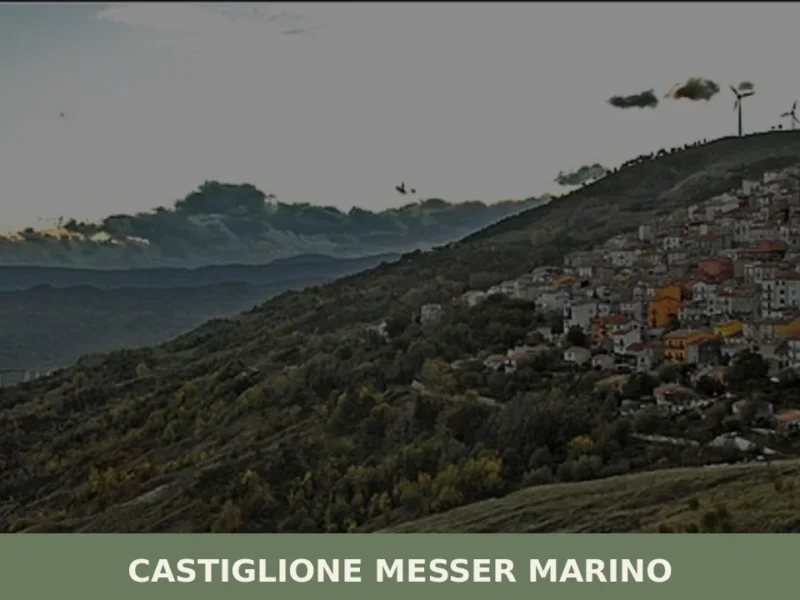
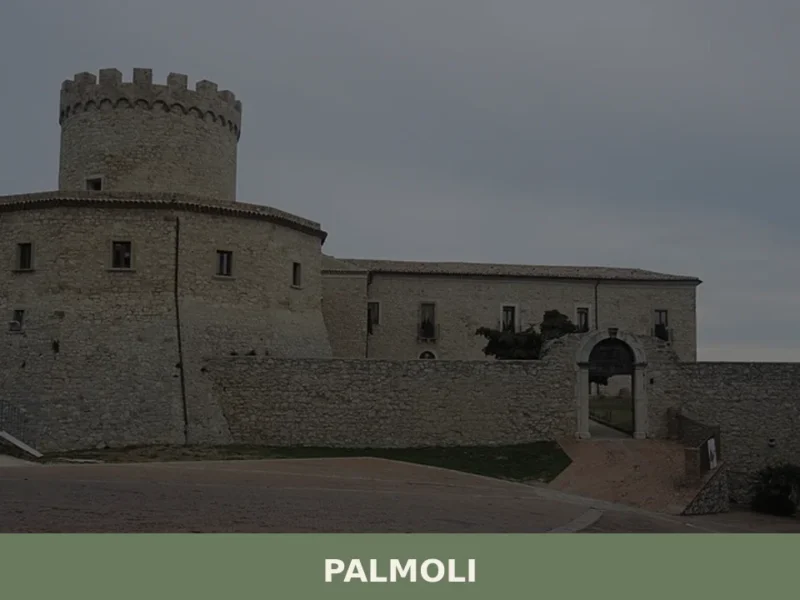
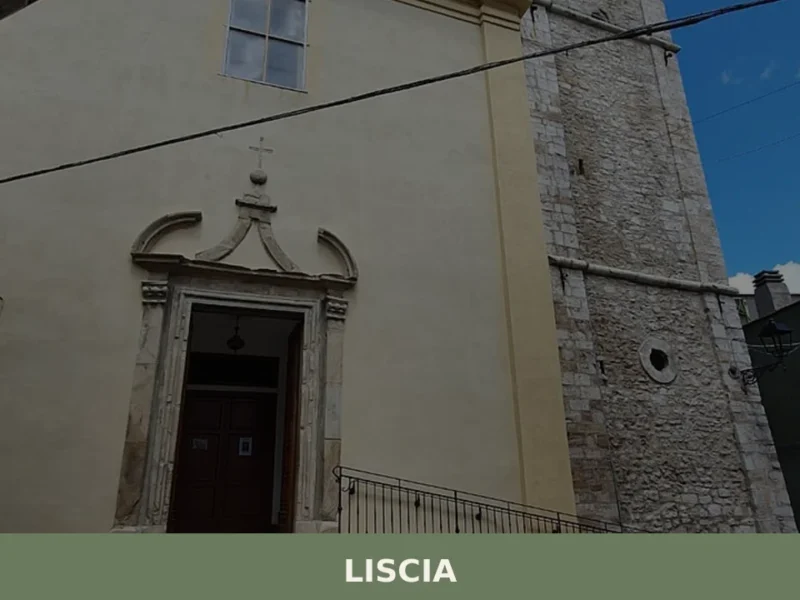
In Abruzzo More villages to discover
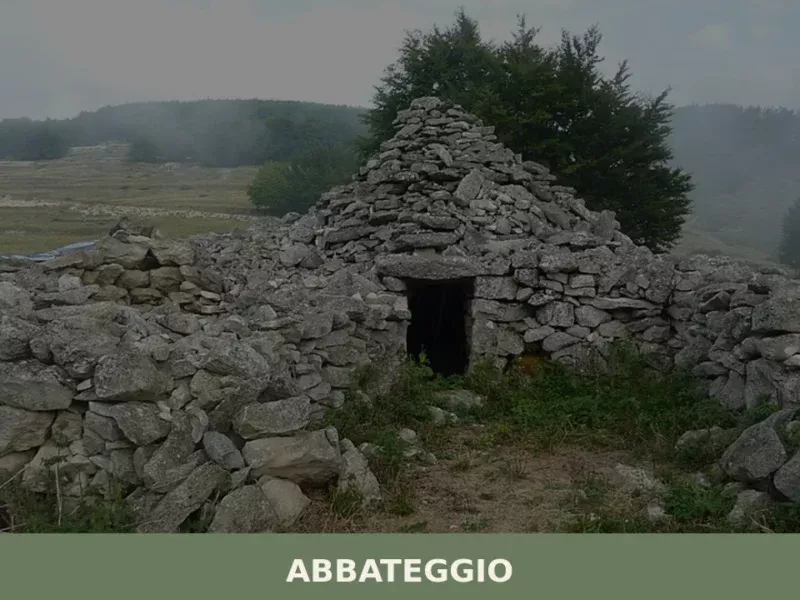
Abbateggio
Hills
With just 359 registered inhabitants, Abbateggio is one of the least populated municipalities in the province of Pescara, situated at 450 metres above sea level on the eastern slope of the Majella. Asking what to see in Abbateggio means preparing for an itinerary that covers sacred architecture built in Majella stone, farro and olive oil […]
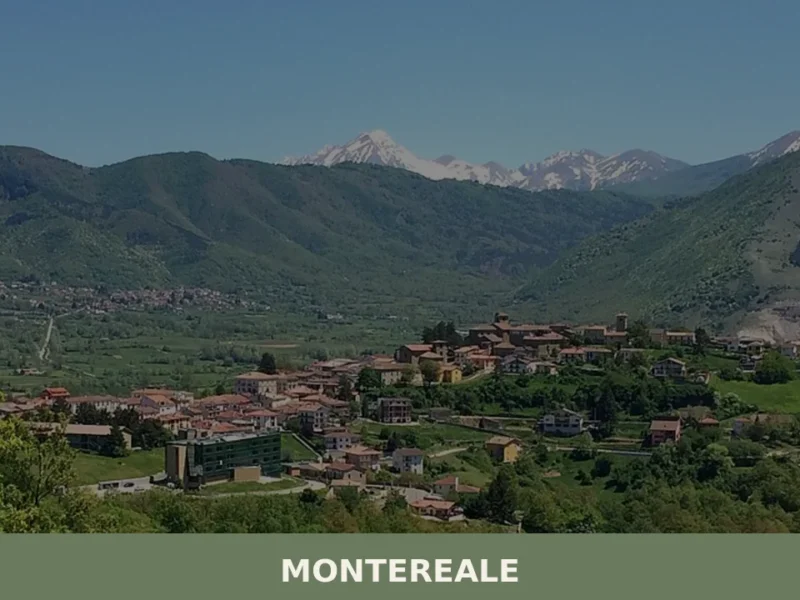
Montereale
 Mountain
What to see in Montereale in Abruzzo: Romanesque churches, medieval walls, mountain cuisine and Laga trails. Complete guide to the village at 948 m.
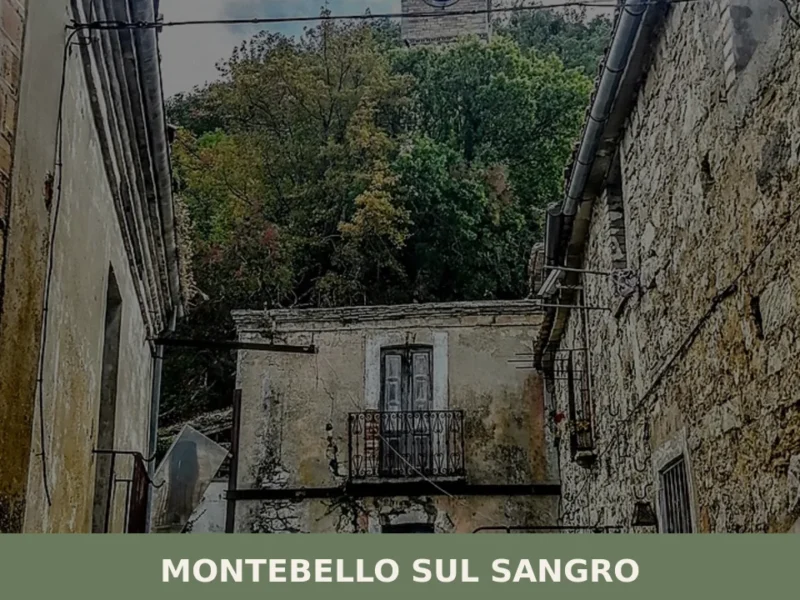
Montebello sul Sangro
Mountain
what to see in montebello sul sangro? Discover 5 attractions: Church of San Ciriaco and scenic vistas. With 81 inhabitants, explore this mountain village.
Canzano
Hills
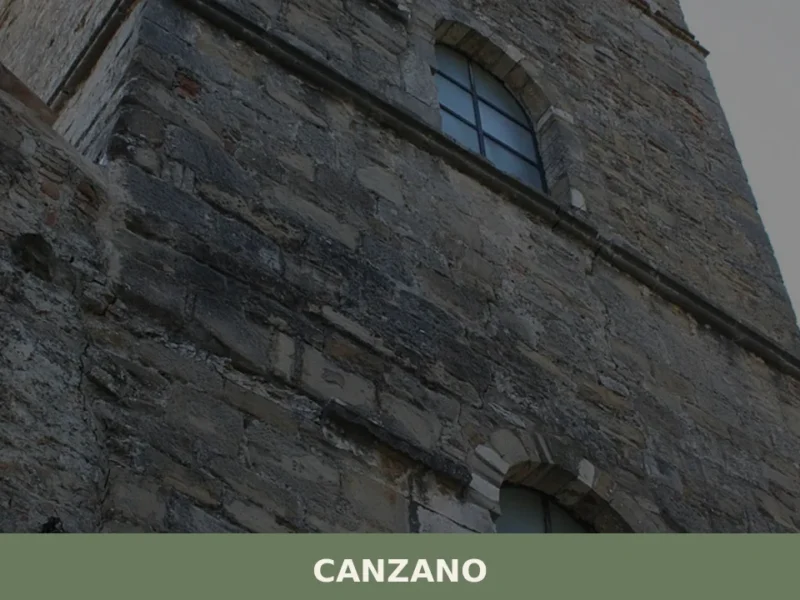
Canzano has 1,786 inhabitants and stands at 448 metres above sea level on a hill in the province of Teramo, along the foothill belt separating the Vomano valley from the first Apennine ridges. Anyone wondering what to see in Canzano will find an urban core where the fortified medieval layout coexists with a precise and […]
Giulianova
 Sea
Sea
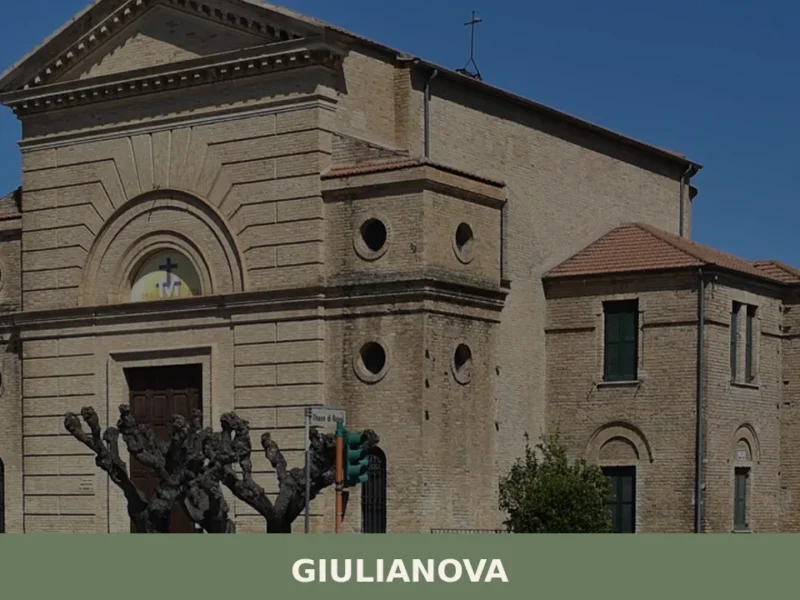
In 1470, Duke Giuliantonio Acquaviva refounded the ancient settlement of Castel San Flaviano on a hill 68 metres above sea level, giving it his own name: Giulianova. The urban layout he commissioned — a regular grid with a central square and symmetrical blocks — is one of the earliest documented examples of an ideal Renaissance […]
Brittoli
Mountain
Brittoli has 258 inhabitants today — fewer than it takes to fill a regional railway carriage. Yet this small settlement at 779 metres above sea level, in the western part of the province of Pescara, retains a building fabric that dates in part to the 12th century and a strategic position on the ridge separating […]
Civitella Roveto
Hills
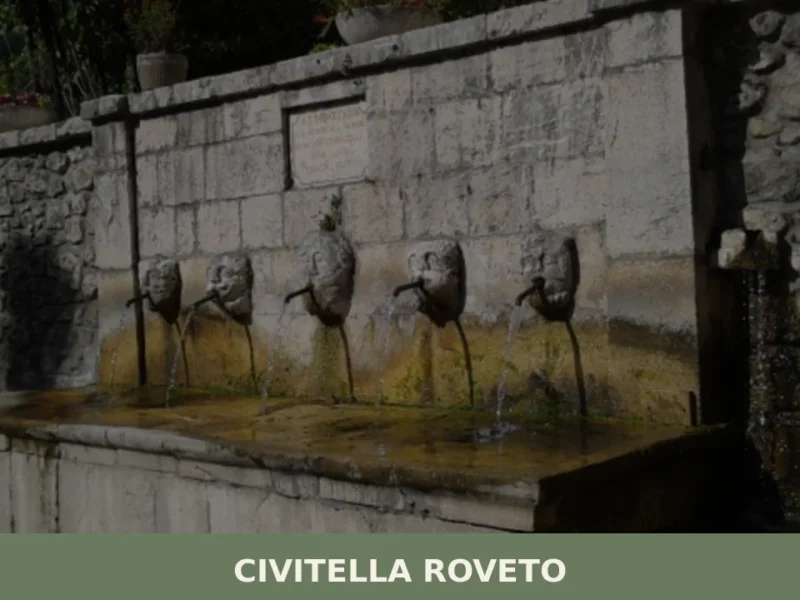
At 528 metres above sea level, on the eastern side of the Valle Roveto, Civitella Roveto has a current population of 3,327, spread between the old town and the hamlets along the River Liri. The valley, a natural corridor between the Marsica and Lazio, determined the strategic role of this settlement for centuries. Understanding what […]
Campotosto
 Lake
Mountain
Lake
Mountain
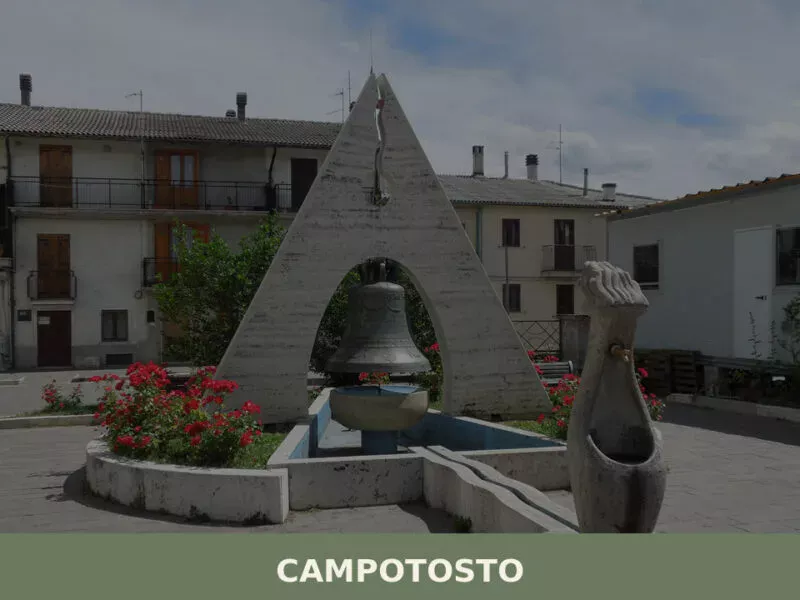
At 1,420 metres beside one of Europe's largest artificial lakes, Campotosto offers wild Apennine landscapes, cured mortadella, and trails into the Gran Sasso National Park.
Magliano de’ Marsi
Mountain
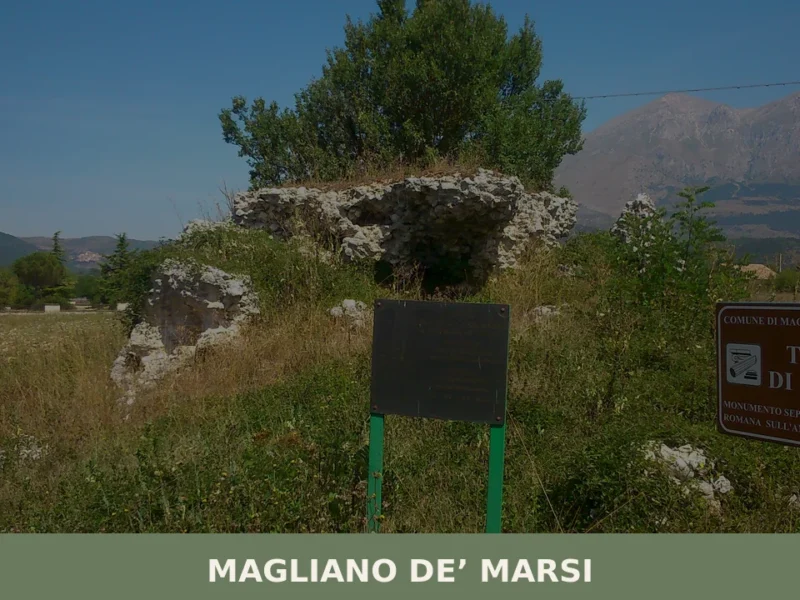
Magliano de’ Marsi has 3,739 inhabitants and extends along the western slope of the Fucino Plain, in the province of L’Aquila, at an altitude of approximately 720 metres. The town lies along the route that once connected Rome to the Adriatic coast through the Marsica basin, and its urban layout still bears the marks of […]
Santa Maria Imbaro
Sea
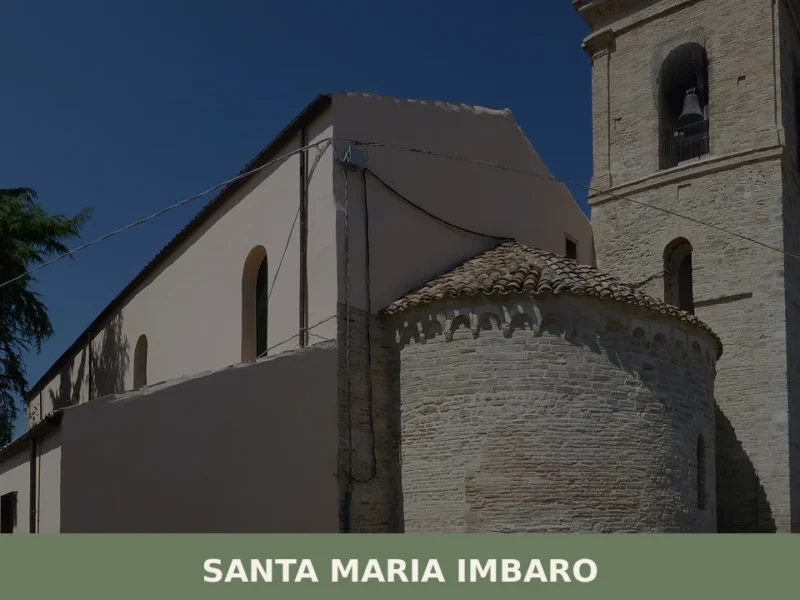
The hill that supports Santa Maria Imbaro stands out sharply against the outline of the Chieti countryside: the low rooftops, the local stone façades and the bell tower of the parish church form a compact silhouette that can be read from the provincial road, even before turning into the village. The local dialect calls it […]




🏡 Know San Giovanni Lipioni better than we do?
If you’re a local or have been there, your knowledge matters: add what’s missing or fix a detail on this page.