


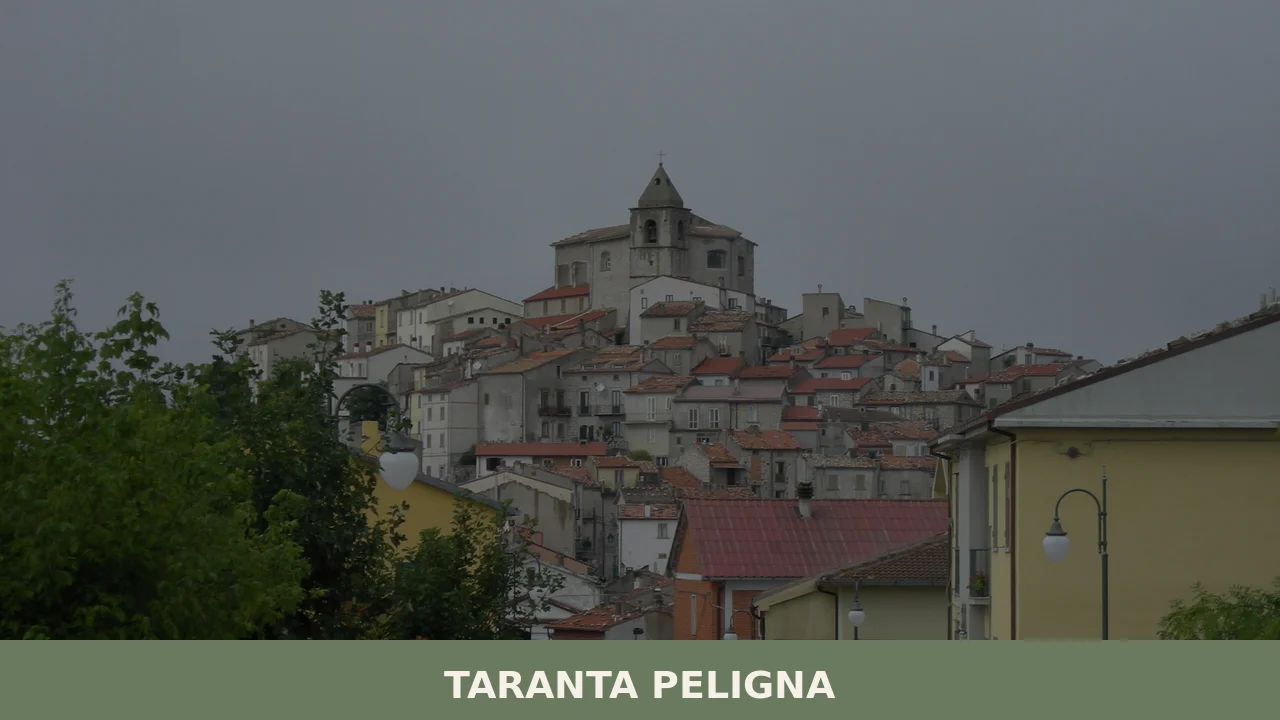
Taranta Peligna
 Mountain
What to see in Taranta Peligna, Italy: explore the Maiella mountains from this village of 384 inhabitants. Discover Cavallone Cave and the Military Shrine. Read more.
Discover Taranta Peligna
The eastern slopes of the Maiella massif descend into the Aventino Valley, where the small community of Taranta Peligna has long drawn sustenance from the land and its resources.
Historically, this village was recognized for its specific industry of woolen cloth, known locally as “taranta,” an activity that continues to thrive in the region today.
For those planning what to see in Taranta Peligna, this guide highlights the village’s unique blend of history and natural wonders for its 384 inhabitants.
Visitors to Taranta Peligna find compelling attractions such as the dramatic Grotta del Cavallone and the poignant Military Shrine of the Maiella Brigade, offering a deep dive into both geology and wartime resilience.
History of Taranta Peligna
The origins of Taranta Peligna stretch back to prehistoric times, with archaeological evidence confirming human habitation from as early as the first half of the 2nd millennium BC through the discovery of a bronze axe.
By the 11th century, the area had evolved into a significant fiefdom under the control of the Counts of Sangro. A notable event in 1065 saw Count Borrello, son of Borrello, along with his son Borrello Infante, donate the Church of San Pietro di Taranta to Bishop Attone, who was then the Lord of Chieti; this church no longer stands today.
Throughout the medieval period, Taranta Peligna continued to be a contested and changing territory. In the 12th century, it was recorded as Tarantam and served as a fief managed by Manerius de Palena, a soldier loyal to Bohemund, Count of Manoppello. The 13th century brought new ownership, with Berardo of Acciano and Henry of Portella holding sway, followed by Niccolò di Acciano acquiring half of the town in 1316 and later expanding his holdings by purchasing a sixth part from Roberto Morello and Berardo di Lama.
The village then became a fief of the Caldora family in the 15th century, and by the 18th century, it was under the D’Aquino family’s dominion, while various clericals and churches were mentioned in tenths over these centuries.
The 20th century presented Taranta Peligna, Abruzzo, Italy, with significant challenges and destruction.
A devastating Maiella earthquake in 1706 claimed 100 lives, followed by further seismic activity in 1915, 1933, and 1984. In 1929, the Aventine River experienced a severe flood, which destroyed numerous houses and permanently altered the river’s course. During World War II, the village suffered immense damage when it lay directly across the Gustav Line; German supreme commander Albert Kesselring ordered the population to evacuate on October 26, 1943, leading to its near-complete destruction by German forces and subsequent massive emigration, with the Church of San Biagio being completely blown up during an Allied bombing.
What to see in Taranta Peligna, Abruzzo: top attractions
Church of Our Lady of Carmine
Standing on the prominent granite rock of the Rocchetta, the Church of Our Lady of Carmine presents a facade of exposed mountain stone, reflecting its robust mountain setting.
Originally constructed in the 19th century, the church underwent extensive rebuilding in the 20th century, with its most recent restoration overseen by Dr. Giuseppe Recchione, whose family maintains a strong devotion to Our Lady of Carmine. Visitors can observe its rectangular plan, gabled ceiling, and simple façade featuring a small sloping narthex and a distinctive bell-gable, all situated on the eastern side of Via Duca degli Abruzzi.
Military Shrine of the Maiella Brigade
Positioned dramatically on a rocky outcrop that extends like a natural balcony above the village, the Military Shrine serves as a poignant memorial.
This chapel is dedicated to the 55 individuals who fell as part of the Majella Brigade, a unique partisan formation that, despite not being a conventional military unit, was awarded a gold medal for military valor for its courageous actions during World War II.
The shrine offers a place for reflection on the sacrifices made for freedom and provides expansive views over Taranta Peligna and the surrounding valley.
The Tagliata
The Tagliata, the ancient name for the Taranta Valley, is a profound fissure that cuts deeply into the eastern slope of the Maiella for over 7 km (4.3 mi), creating a spectacular natural landscape. This geological marvel begins at the Sella del Macellaro, a small depression situated at 2646 m (8,681 ft) between Mount Macellaro and the Canosa Cave. The valley is a haven for naturalists, showcasing intricate karst phenomena, rare botanical species, and a diverse range of fauna, making it an exceptional destination for those exploring what to see in Taranta Peligna.
The Grotta del Cavallone
The Grotta del Cavallone, also known as the Cave of the Daughter of Iorio, opens onto a striking overhang on the left side of the Taranta Valley at an altitude of 1475 m (4,839 ft).
Its grand entrance, resembling a large bird’s nest on the fantastic rock wall, immediately impresses visitors. The cave extends over 1400 m (4,593 ft) and is rich in stunning concretionary formations, with approximately 800 m (2,625 ft) equipped for tourist visits.
The cave’s topography is notably influenced by characters and themes from Gabriele D’Annunzio’s tragedy The Daughter of Iorio, as Francesco Paolo Michetti used its entrance as inspiration for the scenography of the play’s second act, staged in Milan on March 4, 1904.
The Canosa Cave
Located at a considerable altitude of 2604 m (8,543 ft), the Canosa Cave functions as a natural rock shelter positioned between the Femmina Morta valley and the Cannella valley. This cavity is clearly visible from a distance and serves as a crucial convergence point for several hiking routes leading towards Mount Amaro, the second highest peak in the Apennines at 2793 m (9,163 ft).
Historically, the neighboring municipalities of Taranta Peligna, Lama dei Peligni, and Pacentro recognized and chose this distinctive cave as a natural marker for the boundaries of their respective territories.
Local food and typical products of Taranta Peligna
While specific culinary traditions unique solely to Taranta Peligna are not extensively documented in historical records, the village shares in the rich gastronomic heritage of the Abruzzo region.
Abruzzese cuisine, particularly in its mountainous areas, is characterized by hearty, rustic dishes that reflect the availability of local produce and pastoral traditions. Common ingredients include lamb, sheep’s cheese like pecorino, legumes, and wild herbs, all contributing to a flavorful and unpretentious approach to cooking that has sustained generations.
The historical prosperity and identity of Taranta Peligna were significantly shaped by its long-standing industry of woolen cloth, a traditional product locally referred to as “taranta.” This activity, which has deep roots in the village’s past, continues to be a thriving part of the local economy and culture.
The production of this specialized woolen textile represents a tangible link to the village’s industrial heritage, showcasing the skilled craftsmanship and enduring traditions of its people, offering a different perspective on what to see in Taranta Peligna beyond its natural and historical sites.
Although no specific food products from Taranta Peligna are identified with formal certifications (like PDO or PGI) in the provided sources, visitors can expect to find regional specialties common throughout the Maiella area.
These might include various types of pasta, such as maccheroni alla chitarra, often served with rich meat ragùs, or robust soups. The emphasis remains on fresh, seasonal ingredients and traditional preparation methods that define Abruzzese mountain fare.
Festivals, events and traditions of Taranta Peligna
The historical records for Taranta Peligna do not detail specific annual festivals or patron saint celebrations. However, the village’s enduring tradition of producing “taranta” woolen cloth stands as a profound testament to its cultural continuity and historical identity. This long-standing industry, which has been integral to Taranta Peligna since its early history, represents a significant aspect of its local traditions and economic life, showcasing the skilled craftsmanship and heritage of its inhabitants through generations.
Beyond cultural traditions, the village’s history has been marked by several significant events that shaped its development.
Major earthquakes, such as the one in 1706 that claimed 100 lives, and subsequent seismic activity in 1915, 1933, and 1984, are part of its collective memory.
The devastating flood of the Aventine River in 1929, which destroyed many homes, also stands as a pivotal event, alongside the extensive destruction during World War II in 1943. These events, though tragic, form part of the village’s resilient narrative and contribute to understanding its past.
When to visit Taranta Peligna, Italy and how to get there
The best time to visit Taranta Peligna, Italy, largely depends on your desired activities, with the summer months being particularly popular for exploring its natural surroundings. From June to September, the mild temperatures make it an ideal period for hiking and enjoying the outdoor environment, especially in areas like The Tagliata and its associated caves. For those interested in the broader Abruzzo region, late spring and early autumn also offer pleasant weather, fewer crowds, and vibrant seasonal landscapes, making them excellent times to visit Abruzzo.
Accessing Taranta Peligna requires some planning, as the village is situated in a mountainous region.
The terrain around the village, especially near its natural attractions, can be steep and uneven, making comfortable walking shoes essential for exploration.
If you are arriving by car, Taranta Peligna is located approximately 57 km (35 mi) from Chieti, and can be reached via provincial roads that wind through the scenic Abruzzese landscape. The nearest major airport is Pescara Abruzzo Airport (PSR), situated about 65 km (40 mi) away, offering connections to various Italian and European cities.
For those preferring public transport, the closest significant train stations are found in Chieti or Sulmona, from which local bus services or taxis would be required to complete the journey to Taranta Peligna. International visitors should note that while major tourist hubs in Italy often have English speakers, smaller villages like Taranta Peligna may have limited English proficiency in local shops and eateries, so carrying some Euros cash can also be useful.
A day trip from a major city like Rome, though feasible, would be a longer journey, typically taking 2.5 to 3 hours by car for the approximately 180 km (112 mi) distance, making an overnight stay more practical to fully experience what to see in Taranta Peligna.
Visitors seeking to extend their exploration of Abruzzo’s diverse landscapes can consider a trip to nearby Celano, a village known for its imposing castle and historical connections to the region’s powerful families.
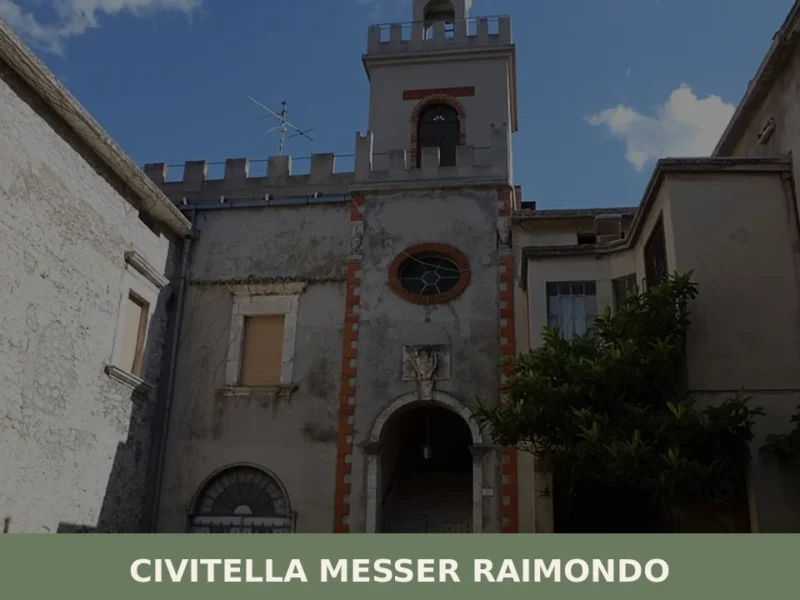
Another option for those travelling through the Maiella foothills is Civitella Messer Raimondo, which shares a similar geographical context and offers further insights into Abruzzese life.
Frequently asked questions about Taranta Peligna
What is the best time to visit Taranta Peligna?
The ideal time to visit Taranta Peligna is during the late spring and summer months, from May to September, when the weather is favorable for outdoor activities. The village celebrates its patron saint, Sant'Ubaldo, on May 16, offering a unique glimpse into local traditions and festivities. Visiting during this period allows you to enjoy hiking and exploring natural attractions like The Tagliata and the Grotta del Cavallone, with comfortable temperatures enhancing the experience.
What to see in Taranta Peligna? Main monuments and landmarks
Visitors to Taranta Peligna should not miss the Church of Our Lady of Carmine, situated on a prominent rock with a simple yet charming facade. Another significant site is the Military Shrine of the Maiella Brigade, offering a poignant memorial space with expansive views over the village. Be sure to check for any opening hours and general accessibility before planning a visit.
Who is Taranta Peligna suitable for?
Taranta Peligna is ideal for outdoor enthusiasts, history buffs, and those seeking a peaceful retreat. With its stunning natural landscapes and rich historical background, the village offers a perfect setting for hikers, couples looking for a quiet escape, and families interested in cultural and natural explorations. Its small community atmosphere makes it particularly welcoming for solo travelers as well.
Getting there
Piazza Municipio, 66018 Taranta Peligna (CH)
Nearby Villages near Taranta Peligna

In Abruzzo More villages to discover
Ortona dei Marsi
Mountain
What to see in Ortona dei Marsi, Italy: a village at 1,000 m in Abruzzo's national park. Discover 5 key sights, local food, and how to get there.
Celenza sul Trigno
Mountain
At 646 metres above sea level, with 781 registered residents, Celenza sul Trigno occupies a ridge separating the Trigno river valley from the Treste stream, in the province of Chieti. The village appears in medieval documents as a Norman possession, and its urban layout preserves the concentric plan typical of 12th-century fortified settlements. Anyone wondering […]
Massa d’Albe
Mountain
What to see in Massa d'Albe: 5 attractions including Roman ruins, medieval churches and views over Fucino. Complete guide to visiting this Abruzzo village.
Villalago
 Lake
Mountain
Lake
Mountain
What to see in Villalago, Italy: Discover this Abruzzo village of 579 inhabitants. Explore the Rocca and Hermitage of San Domenico. Read our guide for your trip to Abruzzo.
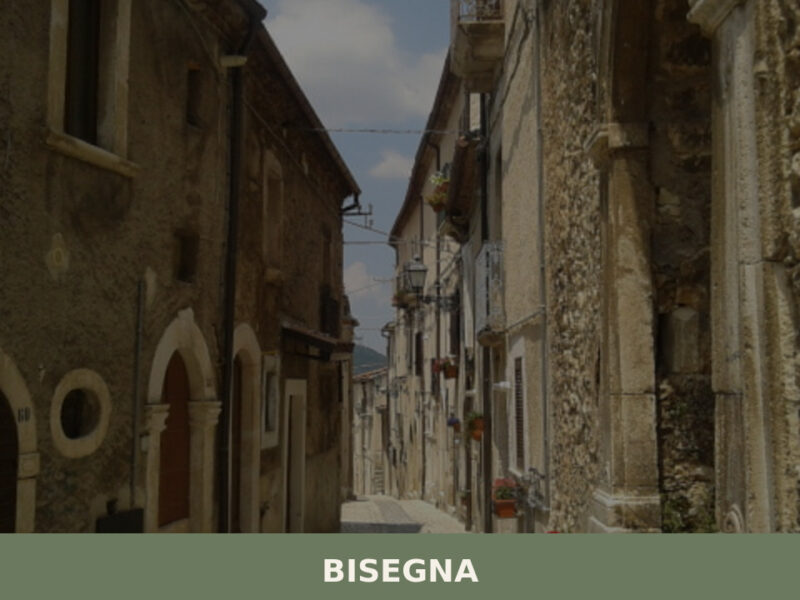
Bisegna
Mountain
A mountain village of 217 inhabitants at 1,210 metres in Abruzzo's national park. Discover what to see in Bisegna: stone lanes, frescoes, and highland trails.
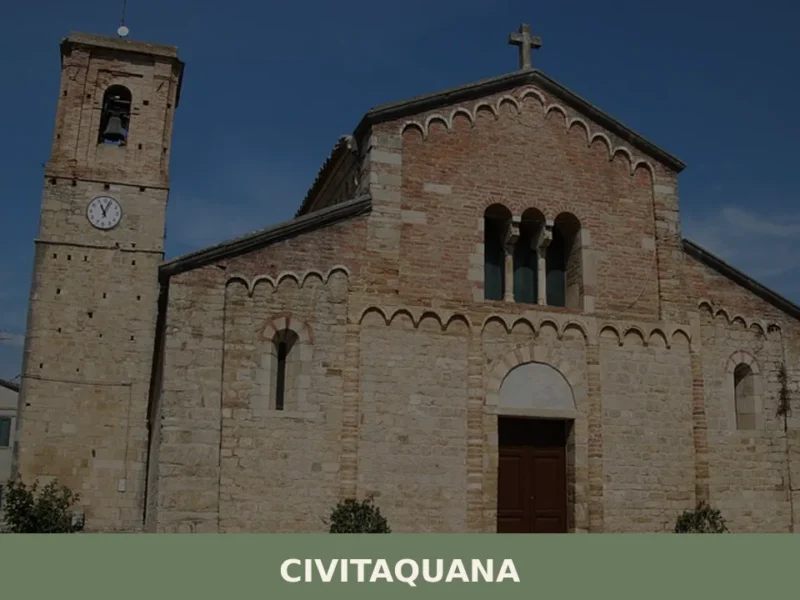
Civitaquana
 Hills
Hills
At 550 metres above sea level, on the eastern slope of the Gran Sasso descending towards the Pescara hills, Civitaquana is home to 1,146 inhabitants spread between the historic centre and the surrounding hamlets. The village’s very name — documented in medieval sources as Civitas Aquanae — reveals an origin linked to the presence of […]
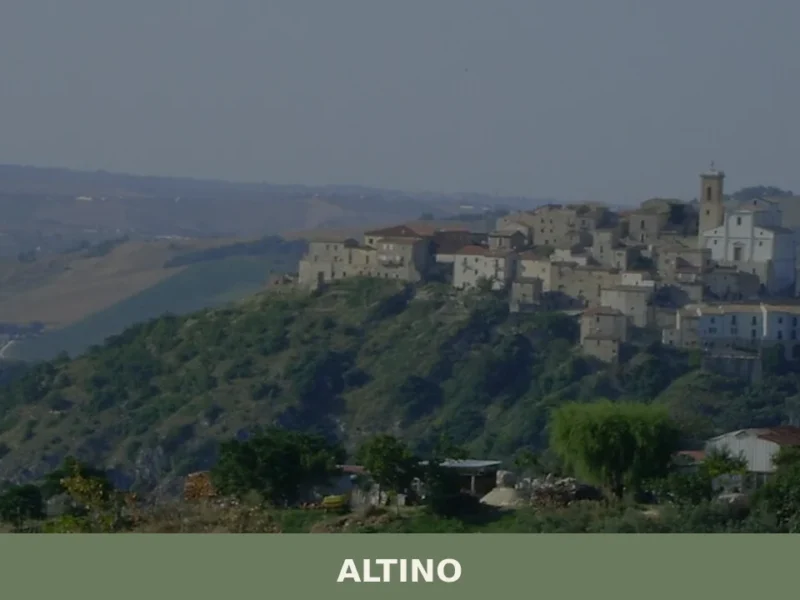
Altino
Hills
What to see in Altino? Explore the 5 main attractions of this village with 3,067 inhabitants, from the Sweet Pepper Museum to the Mother Church. Plan your visit!
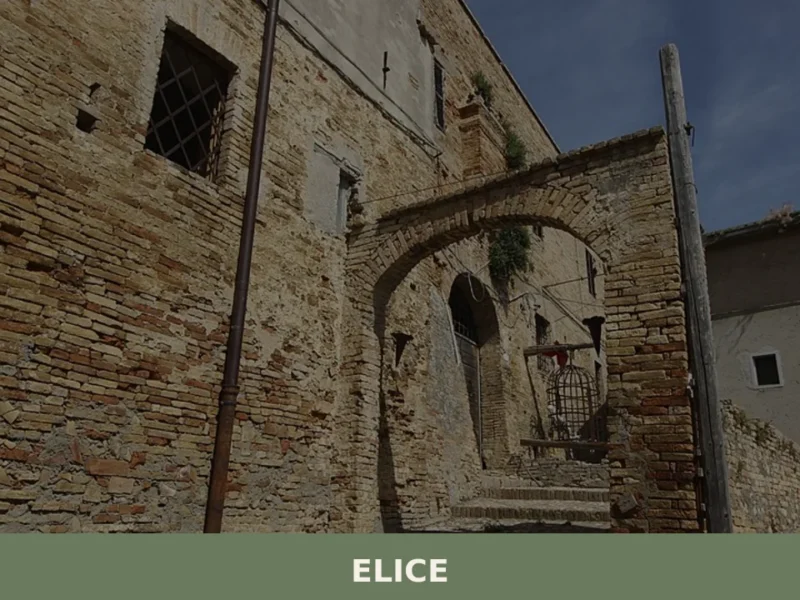
Elice
Hills
What to see in Elice, Italy: Discover its 259 m altitude, ancient origins, and ceramic heritage. Explore Elice, Abruzzo, for a historical journey.
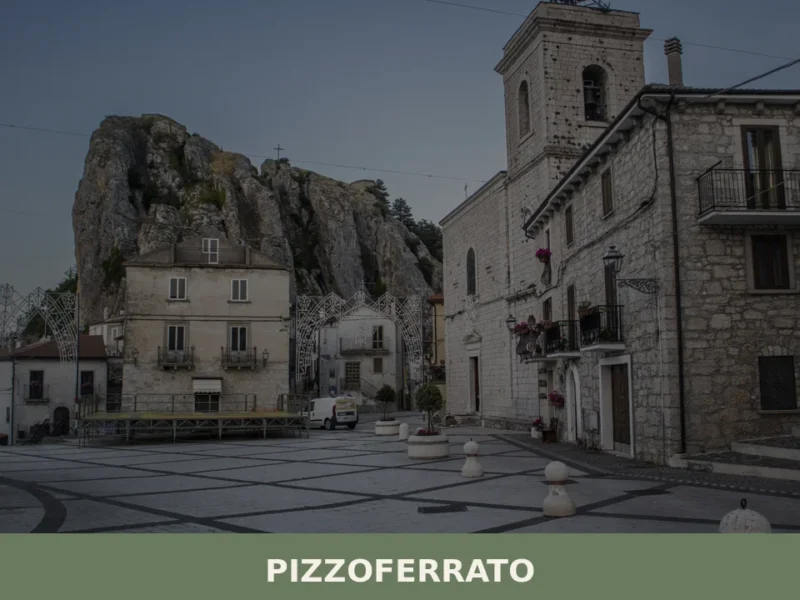
Pizzoferrato
Mountain
What to see in Pizzoferrato, Italy? Explore this mountain village at 1251 m (4104 ft) altitude. Discover ancient churches and Majella National Park. Read our guide!
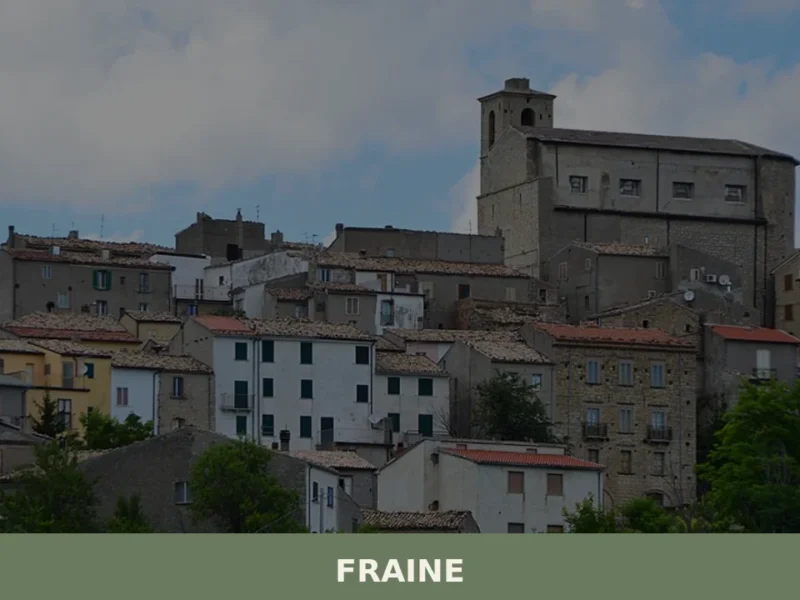
Fraine
Mountain
At 751 meters above sea level, in the Chieti area, lies Fraine, a municipality with a population of 261 inhabitants. This village, whose history dates back to the 10th-11th century, serves as an observation point over the Alto Vastese territory. For those wondering what to see in fraine, the town offers a journey through the […]




🏡 Know Taranta Peligna better than we do?
If you’re a local or have been there, your knowledge matters: add what’s missing or fix a detail on this page.