


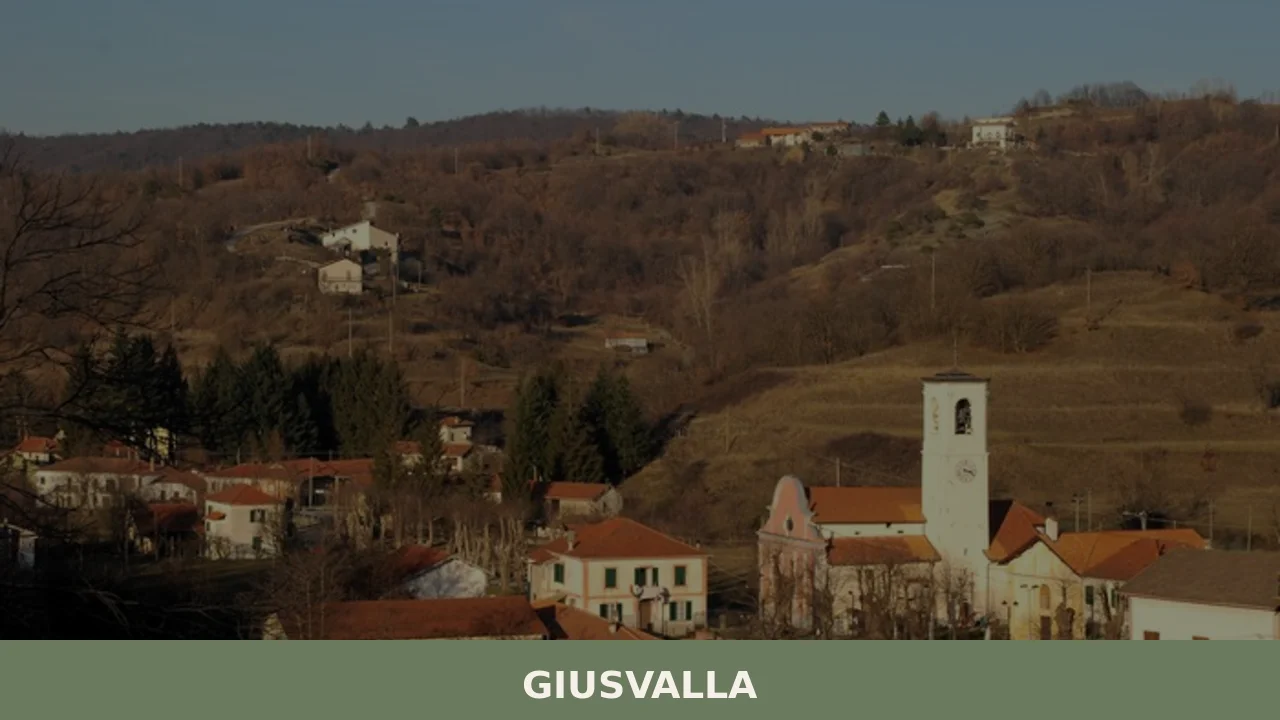
Giusvalla
 Mountain
What to see in Giusvalla, Italy: 465 inhabitants, 45 km from Genoa. Discover the Festa Patronale di S. Matteo, Bricco della Croce, and local Ligurian food traditions.
Discover Giusvalla
The valley floor below Giusvalla carries the sound of water long before any building comes into view. The municipality sits within a territorial area of 19.1 square kilometres (7.4 sq mi) in the Province of Savona, bordered by six separate municipalities — Cairo Montenotte, Dego, Mioglia, Pareto, Pontinvrea, and Spigno Monferrato — each one marking a different ridge line on the inland Ligurian landscape.
At roughly 465 inhabitants, the settlement keeps the scale of a working rural commune rather than a resort, and the surrounding terrain reflects that directly.
Deciding what to see in Giusvalla requires knowing that the village sits approximately 45 kilometres (28 mi) west of Genoa and about 20 kilometres (12 mi) northwest of Savona, which places it firmly in the hilly interior of Liguria, Italy — away from the coastal strip and its seasonal crowds. The Giusvalla highlights include religious chapels, a documented mill locality, a prominent hilltop known as Bricco della Croce, and a calendar of five recurring annual festivals that structure village life from July through late September. Visitors to Giusvalla find a compact territory where distances between sites are short and the landscape itself is the primary frame.
History of Giusvalla
The name Giusvalla exists in two regional language variants that point to the long multilingual character of this inland zone: Giüsvala in Ligurian and Giusvâla in Piedmontese. Both forms reflect the geographical reality of a territory that historically sat at the boundary between Ligurian coastal influence and Piedmontese inland administration. The province of Savona, to which Giusvalla belongs, was for centuries a contested borderland, and the linguistic duality preserved in the village’s own name is a direct record of that administrative layering.
The Ligurian spelling with its contracted vowel suggests long oral use in the local dialect, while the Piedmontese variant indicates documented contact with communities to the north and east.
The six municipalities that share borders with Giusvalla — Cairo Montenotte, Dego, Mioglia, Pareto, Pontinvrea, and Spigno Monferrato — each carry their own documented histories reaching back into the medieval period, and the network of boundaries between them reflects centuries of territorial negotiation. Cairo Montenotte, the largest of these neighbours, served as a significant administrative and commercial centre for the inland Savona hinterland, a role that shaped the economic context in which smaller communes like Giusvalla operated. The presence of a locality called Mulino — mill — within Giusvalla’s territory confirms that the commune supported grain processing activity, an essential function for any rural settlement dependent on cereal cultivation in the pre-industrial period.
The patron saint of Giusvalla is San Matteo, whose feast falls on 21 September, a date that places the village within the widespread Ligurian tradition of September patronal celebrations tied to the agricultural calendar. The chapel known as the Cappelletta dei Prati Proia has its own fixed feast on 8 September, indicating that religious geography within the commune extended beyond a single central church to include outlying devotional sites. By 31 December 2004, the registered population stood at 439, a figure that has since recovered marginally to approximately 465, consistent with the demographic pattern observed across many small inland Ligurian municipalities over the past two decades.
What to see in Giusvalla, Liguria: top attractions
Bricco della Croce
The Bricco della Croce is the elevated reference point that gives the surrounding countryside its most legible orientation.
The first week of July is dedicated specifically to a festa — a community celebration — held at this hilltop site, which indicates that the location functions as a recognised landmark with both geographical and social significance for the local population. Standing at the Bricco, a visitor can take in the full sweep of Giusvalla’s 19.1 square kilometres (7.4 sq mi) of municipal territory, reading the ridgelines that separate it from its six neighbouring communes. The ascent is best attempted in the morning when the light falls across the valley below from the east, before the summer heat concentrates on exposed ground.
Cappelletta dei Prati Proia
Small roadside and field chapels are a structural feature of Ligurian inland religious geography, and the Cappelletta dei Prati Proia is Giusvalla’s documented example of the type. It carries a fixed feast date — 8 September — which is the Nativity of the Virgin Mary in the Catholic calendar, a date with wide devotional significance across rural Liguria and Piedmont. The chapel’s name references the Prati Proia locality, indicating a specific field or meadow area within the commune’s territory. For a visitor interested in the layered religious topography of small Italian communes, this site offers a direct reading of how devotional practice distributed itself across agricultural land rather than concentrating exclusively in the parish church.
Locality of Mulino
The locality named Mulino — mill — is the part of Giusvalla’s territory that preserves the clearest functional memory of the commune’s pre-industrial economy.
A dedicated annual festival, the Festa al Mulino, takes place in the first week of September specifically at this location, confirming that the site retains communal significance beyond its historical role. Water-powered mills in the Ligurian interior were built along seasonal streams capable of maintaining sufficient flow through the dry summer months, and their placement determined the layout of surrounding cultivation. Visiting the Mulino locality in early September coincides with the annual festival and allows a direct encounter with the physical site in the context of its living memorial tradition.
Parish Church of San Matteo
The parish church dedicated to San Matteo anchors the religious and spatial centre of Giusvalla and gives the commune its patronal identity. The feast of San Matteo falls on 21 September, placing the principal village celebration in the third week of September — a period when the agricultural cycle is moving toward harvest close and the summer heat has begun to ease at this inland elevation. The church is the focal point of the Festa Patronale di S. Matteo, the most formally structured of Giusvalla’s five annual public events. Architectural details of rural Ligurian parish churches in the Province of Savona typically include plastered facades with stone dressings and bell towers that serve as the primary vertical markers of the settlement from surrounding roads.
The Village Boundary Network and Surrounding Communes
What to see in Giusvalla extends to the broader territorial logic of the commune itself, which borders six distinct municipalities across a compact area of 19.1 square kilometres (7.4 sq mi).
Each boundary marks a transition in landscape character: toward Cairo Montenotte to the north, the terrain opens toward the broader Bormida valley; toward Pontinvrea to the south, the ground rises and tightens toward the Ligurian Apennine watershed. Walking or driving the perimeter roads between Giusvalla and its neighbours gives a clear practical sense of how this part of inland Savona province is structured. The commune of Coreglia Ligure, further east in Liguria, shares a comparable dynamic of an inland commune defined by its relationship to the surrounding ridge system, offering a useful reference point for understanding how Ligurian hill communes organise their territories.
Local food and typical products of Giusvalla
The food culture of Giusvalla belongs to the inland Ligurian tradition rather than the coastal one, which means it diverges significantly from the fish-centred preparations associated with the Riviera. This part of the Province of Savona sits at the junction of Ligurian, Piedmontese, and Monferrato culinary influences, a geography that produced a cuisine based on grains, legumes, foraged greens, and preserved meats rather than seafood. The presence of a documented mill locality within the commune confirms that cereal production and processing were central to the local economy, and grain-based preparations remain the structural core of what is served in the area.
The broader culinary zone that includes Giusvalla is associated with preparations that use locally grown chestnuts, dried legumes, and wheat flours in combinations that vary by season.
Farinata di ceci, a flatbread made from chickpea flour, water, olive oil, and salt, baked in a copper pan at high heat, is a preparation that appears consistently across the Savona hinterland, including the inland communes north of the city. Minestra di verdure — vegetable soup built around seasonal greens, dried beans, and pasta or rice — is the daily staple format of the Ligurian interior, and its specific composition in this zone reflects what the surrounding terrain produces: borage, chard, and dried borlotti beans are common base ingredients. Preserved pork products, including locally cured meats prepared according to the mixed Ligurian-Piedmontese tradition, appear at communal festivals and in agriturismo kitchens in the area.
The Province of Savona does not register a certified product directly attributed to Giusvalla alone in the available data. The broader Ligurian olive oil production zone reaches the coastal and near-coastal areas of Savona province, but the inland elevation of Giusvalla places it outside the primary olive cultivation belt. Chestnuts, however, are a documented product of the Ligurian Apennine interior at elevations consistent with Giusvalla’s position, and chestnut flour preparations — including castagnaccio, a dense baked cake made with chestnut flour, water, olive oil, rosemary, and pine nuts — are part of the seasonal food calendar in autumn across this zone.
The Festa al Mulino in the first week of September and the Festa Patronale di S.
Matteo on 21 September are the two events most directly associated with communal food sharing in Giusvalla’s documented annual calendar. Festival food in small Ligurian communes of this type typically involves communally prepared dishes served outdoors, with local associations managing the preparation. The September timing coincides with the end of the summer harvest period, which historically determined the rhythm of rural celebrations in this part of Liguria, Italy.
Festivals, events and traditions of Giusvalla
Giusvalla maintains five documented annual festivals that run from early July through late September. The first week of July brings the Festa al Bricco della Croce, held at the elevated hilltop site of that name. The second week of July hosts Giusvalla in Festa, a broader village celebration. September opens with the Festa al Mulino in the first week of the month, held specifically in the Mulino locality. On 8 September, the Festa alla Cappelletta dei Prati Proia takes place at the field chapel of that name. The cycle closes on 21 September with the Festa Patronale di S.
Matteo, the patronal feast of the commune dedicated to Saint Matthew.
The concentration of four out of five events in July and September reflects the traditional structure of rural Italian festival calendars, where summer heat reduces activity in August and early autumn marks both harvest completion and the major religious commemorations. The patronal feast of San Matteo on 21 September is the most formally defined of the five events, carrying the weight of the commune’s principal devotional identity. For visitors planning a trip specifically around local festival activity, the second week of July — when Giusvalla in Festa runs — or the first three weeks of September, when three separate events follow in close succession, represent the periods of greatest communal animation in the village calendar.
When to visit Giusvalla, Italy and how to get there
The best time to visit Giusvalla from a festival perspective runs from early July through late September, when all five of the commune’s documented annual events take place. For those who prefer walking the territory without the summer heat, late September and early October offer cooler temperatures at this inland elevation while the landscape retains the late-season green of the Ligurian Apennine slopes.
The July festival weeks bring the highest concentration of local activity but also the warmest temperatures; arriving in the morning and planning outdoor visits before early afternoon is advisable during this period. Spring — particularly May and June — offers mild temperatures and full vegetation cover without the July heat peak, making it a practical window for those whose priority is landscape rather than festivals.
Giusvalla sits approximately 45 kilometres (28 mi) west of Genoa, making it a realistic day trip from that city for visitors already based on the Ligurian coast. From Savona, the distance is approximately 20 kilometres (12 mi) to the northwest, and the drive follows inland roads through the Ligurian Apennine foothills. By car, the most direct approach from Genoa uses the A26 motorway toward Alessandria, exiting at Ovada or following secondary roads via Cairo Montenotte depending on the specific approach. From Savona, the SP29 provincial road provides the most direct inland route.
The nearest significant rail hub is Savona, served by Trenitalia connections from Genoa Piazza Principe and other major stations; from Savona, onward travel to Giusvalla requires a vehicle, as no direct rail service reaches the inland comune. From Milan, the total road distance is approximately 170 kilometres (106 mi), manageable as a day excursion with an early start. International visitors should be aware that English is not widely spoken in the smaller shops and bars of inland Ligurian communes of this size; carrying euro cash is practical, as card terminals are not universal in village-scale establishments.
Those arriving from Genoa by road pass through or near Cairo Montenotte, Giusvalla’s largest neighbouring commune and the main commercial centre for the inland Savona area. The route itself traverses the Ligurian Apennine foothills and gives a clear sense of the landscape transition from coastal to interior.
Visitors with time to extend their Ligurian itinerary might consider the village of Brugnato, in the eastern Ligurian interior, which represents another inland commune with a well-documented medieval religious foundation, or the coastal village of Dolceacqua, in the western Ligurian hinterland, notable for its documented medieval bridge and castle structure — both accessible within a broader Liguria, Italy itinerary.
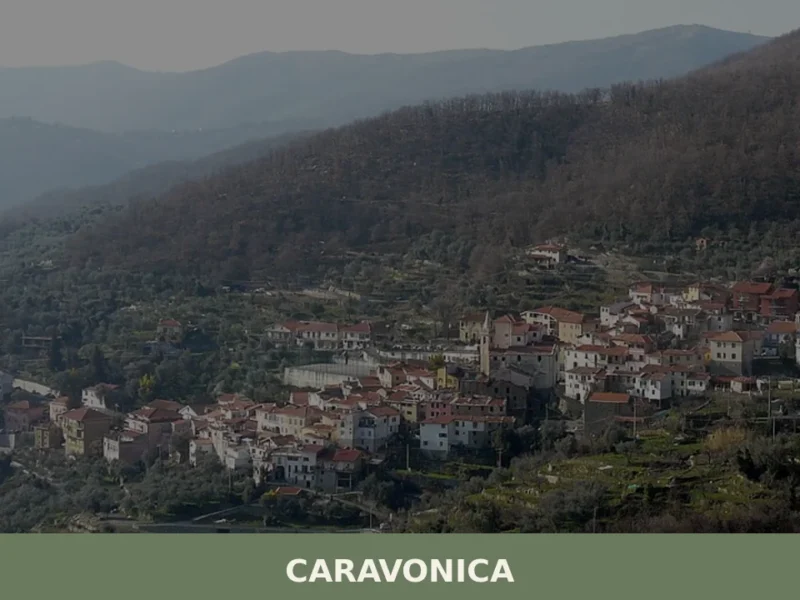
Visitors to Giusvalla can also extend their trip to include Caravonica, in the Province of Imperia, which shares the general character of a small Ligurian inland commune defined by its surrounding hill terrain and its position away from the coastal resort strip — a useful contrast point for understanding the breadth of inland Ligurian settlement patterns across the region.
Frequently asked questions about Giusvalla
What is the best time to visit Giusvalla?
The most rewarding period runs from July through late September, when all five annual festivals take place. The first week of July brings the celebration at Bricco della Croce; early September coincides with the Festa al Mulino at the mill locality; and 8 September marks the feast of the Cappelletta dei Prati Proia. The highlight of the village calendar is the Festa Patronale di San Matteo on 21 September, when the parish church is at the centre of communal life. Inland elevation (475 m) keeps summer temperatures milder than the coast.
What are the historical origins of Giusvalla?
Giusvalla's history reflects its position on the boundary between Ligurian and Piedmontese spheres of influence, preserved even in its two dialect names: Giüsvala in Ligurian and Giusvâla in Piedmontese. The commune borders Cairo Montenotte, historically the main administrative and commercial hub of the inland Savona hinterland, which shaped the economic context of smaller settlements in the area. A locality called Mulino within the territory confirms documented grain-processing activity in the pre-industrial period. By 31 December 2004 the registered population was 439, consistent with broader demographic trends in inland Ligurian communes.
What to see in Giusvalla? Main monuments and landmarks
The parish church of San Matteo is the architectural and devotional centre of the village. The Cappelletta dei Prati Proia is a documented field chapel with its own feast on 8 September. The Bricco della Croce is a hilltop landmark offering views across the full 19.1 km² of municipal territory and the surrounding ridge network; morning visits are recommended before summer heat builds on exposed ground. The Mulino locality preserves the physical memory of the commune's mill economy and hosts its own annual festival in early September. Distances between all sites are short within the compact territory.
What are the main natural or scenic attractions of Giusvalla?
Giusvalla's 19.1 km² of inland Ligurian terrain are defined by ridge lines shared with six neighbouring communes — Cairo Montenotte, Dego, Mioglia, Pareto, Pontinvrea, and Spigno Monferrato. The Bricco della Croce hilltop provides a panoramic orientation point over the entire municipal area. To the south, the boundary with Pontinvrea rises toward the Ligurian Apennine watershed; to the north, the terrain opens toward the broader Bormida valley near Cairo Montenotte. The valley floor carries a permanent water sound, indicating seasonal streams that historically supported mill activity and the surrounding chestnut and agricultural landscape.
Where to take the best photos in Giusvalla?
The Bricco della Croce hilltop is the most documented scenic vantage point in Giusvalla, offering a wide-angle view of the full municipal territory and the encircling ridgelines. Morning light from the east illuminates the valley below most effectively before summer heat concentrates on open ground. The Mulino locality, with its stream-side setting, provides a different compositional frame rooted in the pre-industrial landscape. The Cappelletta dei Prati Proia, set within agricultural land, offers the characteristic image of a Ligurian rural chapel surrounded by open meadow, particularly photogenic around its 8 September feast.
Are there museums, churches or historic buildings to visit in Giusvalla?
The parish church of San Matteo is the primary religious building in the village and the focal point of the patronal feast on 21 September. Rural Ligurian parish churches in the Province of Savona characteristically feature plastered facades with stone dressings and a bell tower serving as the principal vertical landmark of the settlement. The Cappelletta dei Prati Proia is a documented outlying devotional chapel with a fixed liturgical feast on 8 September. No museum or formally ticketed historic building is confirmed in available sources for Giusvalla specifically.
What can you do in Giusvalla? Activities and experiences
Visiting Giusvalla works best as an itinerary built around its five annual festivals between July and late September, which activate all key sites: the Bricco della Croce in early July, the Cappelletta dei Prati Proia on 8 September, the Festa al Mulino in early September, and the Festa Patronale di San Matteo on 21 September. Outside festival periods, walking or driving the perimeter roads between Giusvalla and its six bordering communes provides a direct reading of how inland Savona province is organised across ridgelines and valleys. The compact territory makes all sites reachable on foot from the village centre.
Who is Giusvalla suitable for? Families, couples, hikers, solo travelers?
Giusvalla suits travellers who are deliberately choosing inland Liguria over the coastal Riviera. Its scale — under 400 residents, compact territory, no resort infrastructure — makes it most rewarding for those interested in authentic rural Italian commune life, religious and agricultural heritage, and quiet Apennine landscape. Walkers and photographers find the ridge terrain and hilltop sites engaging. Visitors arriving during one of the five annual festivals (July–September) experience the village at its most socially active. It is not suited to travellers seeking beaches, nightlife, or conventional tourist amenities.
What to eat in Giusvalla? Local products and specialties
Giusvalla's food culture belongs to the inland Ligurian tradition at the crossroads with Piedmontese and Monferrato influences. Documented area specialties include farinata di ceci — chickpea flour flatbread baked in copper pans — and minestra di verdure built from borage, chard, and dried borlotti beans. Chestnut flour preparations, including castagnaccio, are associated with Ligurian Apennine communes at elevations consistent with Giusvalla's 475 m position. Locally cured pork products following the mixed Ligurian-Piedmontese tradition appear at communal festivals. No DOP or IGP product is formally certified to Giusvalla alone in available sources.
Nearby Villages near Giusvalla
In Liguria More villages to discover
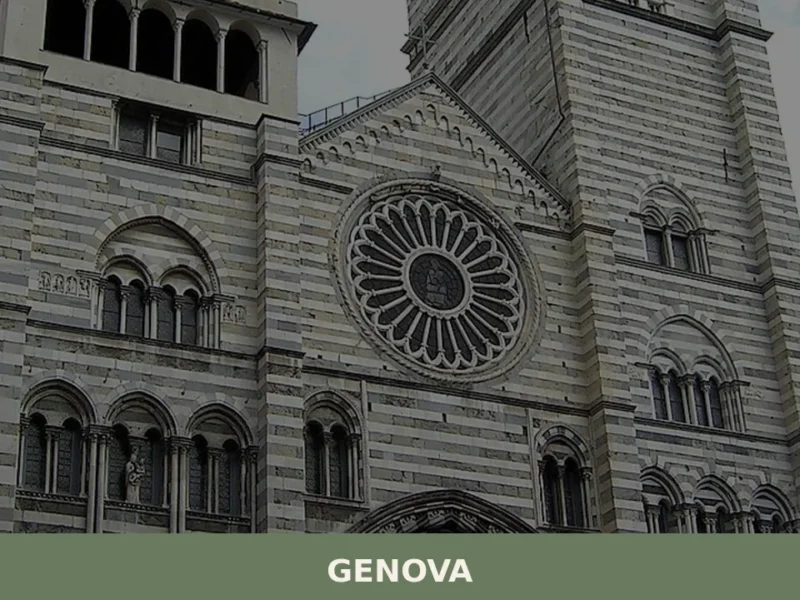
Genova
 Sea
Sea
What to see in Genova: city at 18 m above sea level with UNESCO Rolli palaces and Europe's largest aquarium. Plan your visit with our full guide.
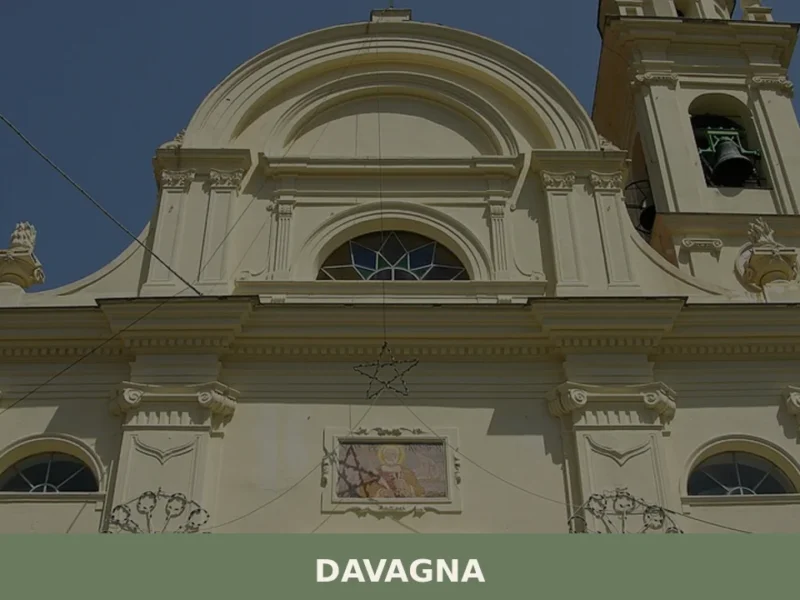
Davagna
 Hills
Hills
At 552 meters above sea level, Davagna is a scattered municipality in the Genoese hinterland, comprising a main town and numerous hamlets spread across the slopes of the Bisagno Valley. Its geographical location, a short distance from the Ligurian capital, has historically influenced the economic and social dynamics of the area. For those wishing to […]
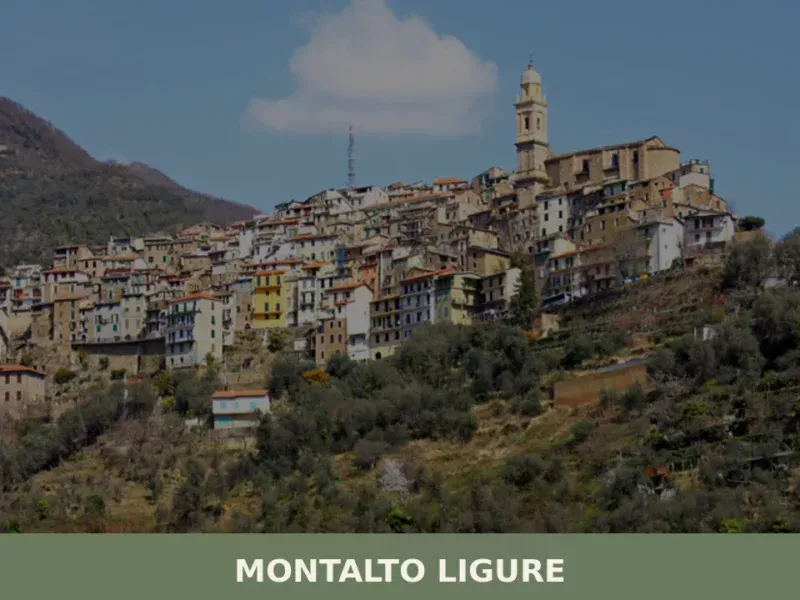
Montalto Ligure
Hills
What to see in Montalto Ligure, Italy: Explore its 13.9 km² former territory and administrative history. Discover its unification in 2018.
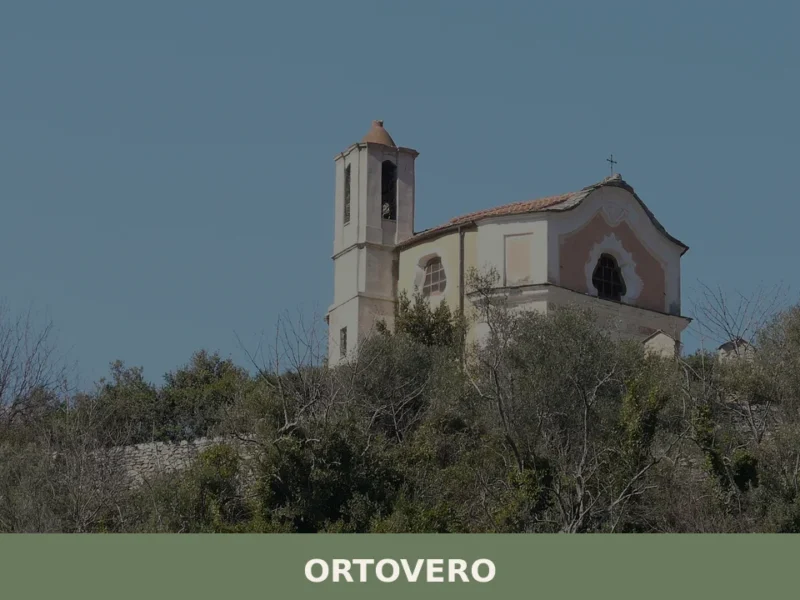
Ortovero
Hills
what to see in ortovero: Explore Italy's Ligurian coast. Located 40 km (25 mi) from Savona, discover historic Ligurian architecture and regional culinary traditions. Read on for travel tips.
San Biagio della Cima
Sea
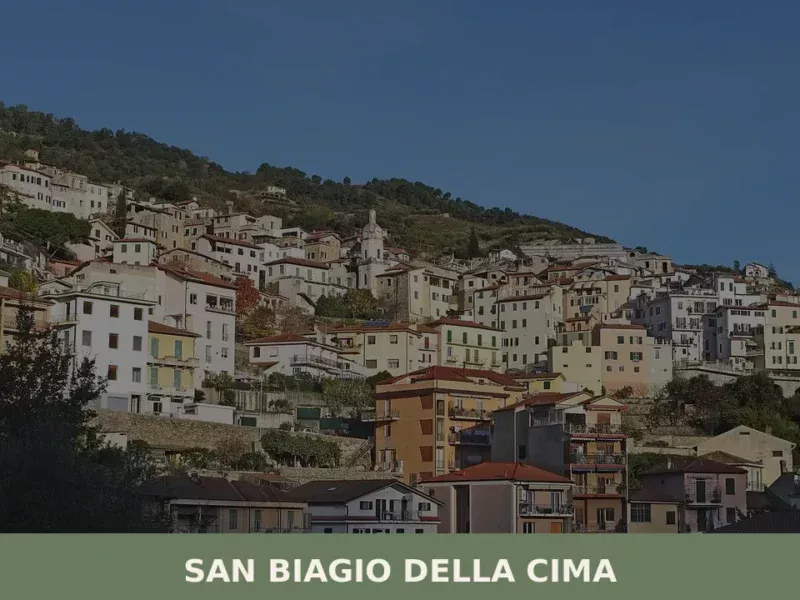
What to see in San Biagio della Cima, Italy: discover the 1,266-inhabitant Ligurian village, its 1686 historical pact, and surrounding views. Explore this corner of Italy.
Vernazza
Sea
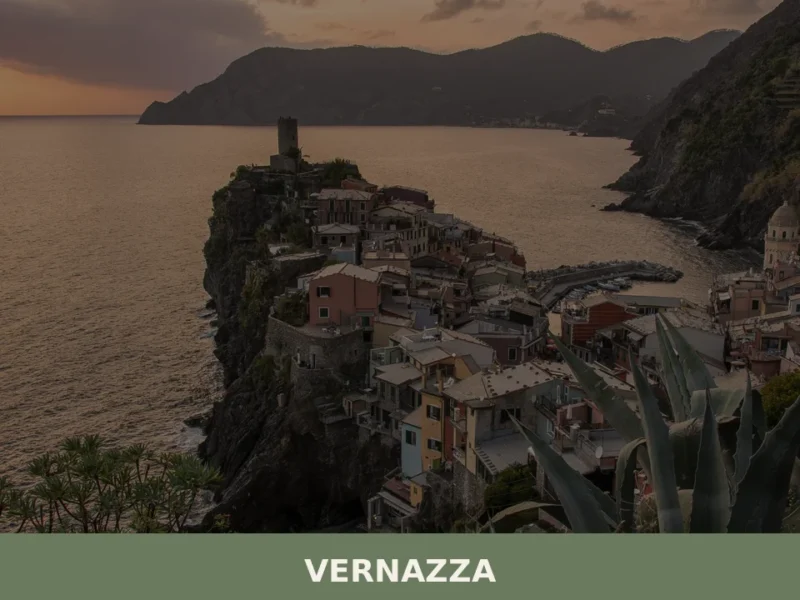
What to see in Vernazza, Liguria, Italy: Doria Castle, Santa Margherita Church and the only natural port of Cinque Terre. Explore a village of 899 inhabitants. Discover now.
Deiva Marina
Sea
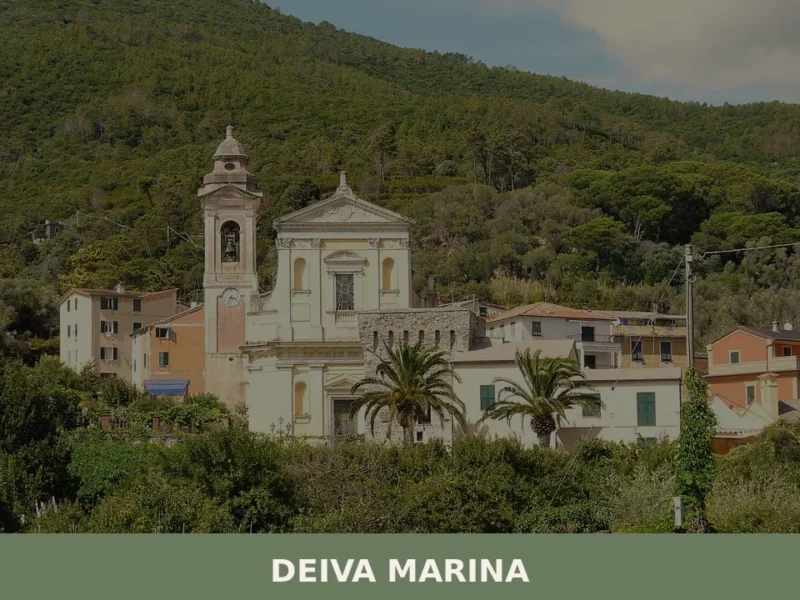
What to see in Deiva Marina, Italy: 5 top attractions, hiking trails, Cinque Terre day trips, and travel tips for this Ligurian village of 1,409 inhabitants. Discover now.
Caravonica
Hills
The scent of wild rosemary drifts on the morning air, carried by a breeze that has travelled from the Ligurian Sea and across the terraced olive groves. Morning light, still soft, begins to illuminate the ochre and terracotta facades of Caravonica “”, a village clinging to a hillside in the Imperia province. At 360 meters […]
Pallare
Mountain
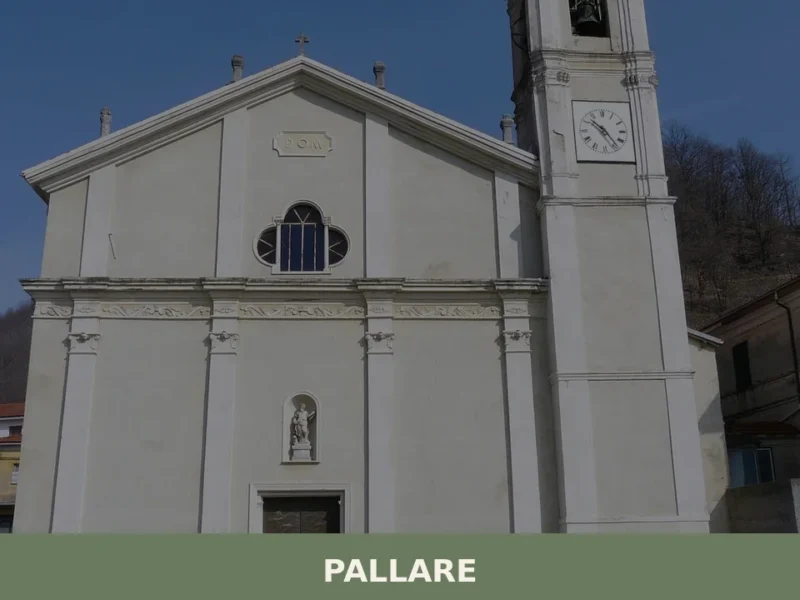
what to see in pallare: Explore this Ligurian comune, 15 km from Savona, Italy. Discover its geographical context and accessibility. Read our guide.
Calizzano
Mountain
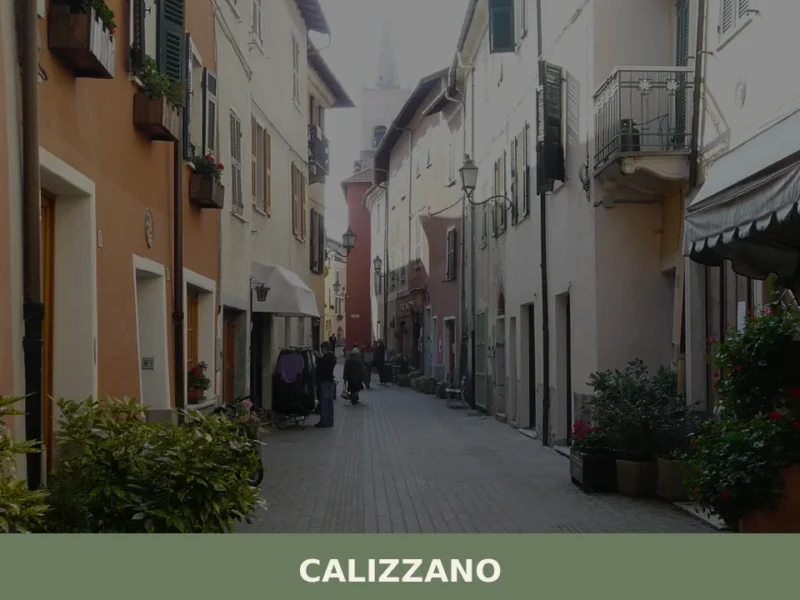
What to see in Calizzano, Liguria, Italy: explore the upper Bormida Valley at 70 km from Genoa. Discover Monte Spinarda, local food and festivals. Read the guide.
🏡 Know Giusvalla better than we do?
If you’re a local or have been there, your knowledge matters: add what’s missing or fix a detail on this page.