


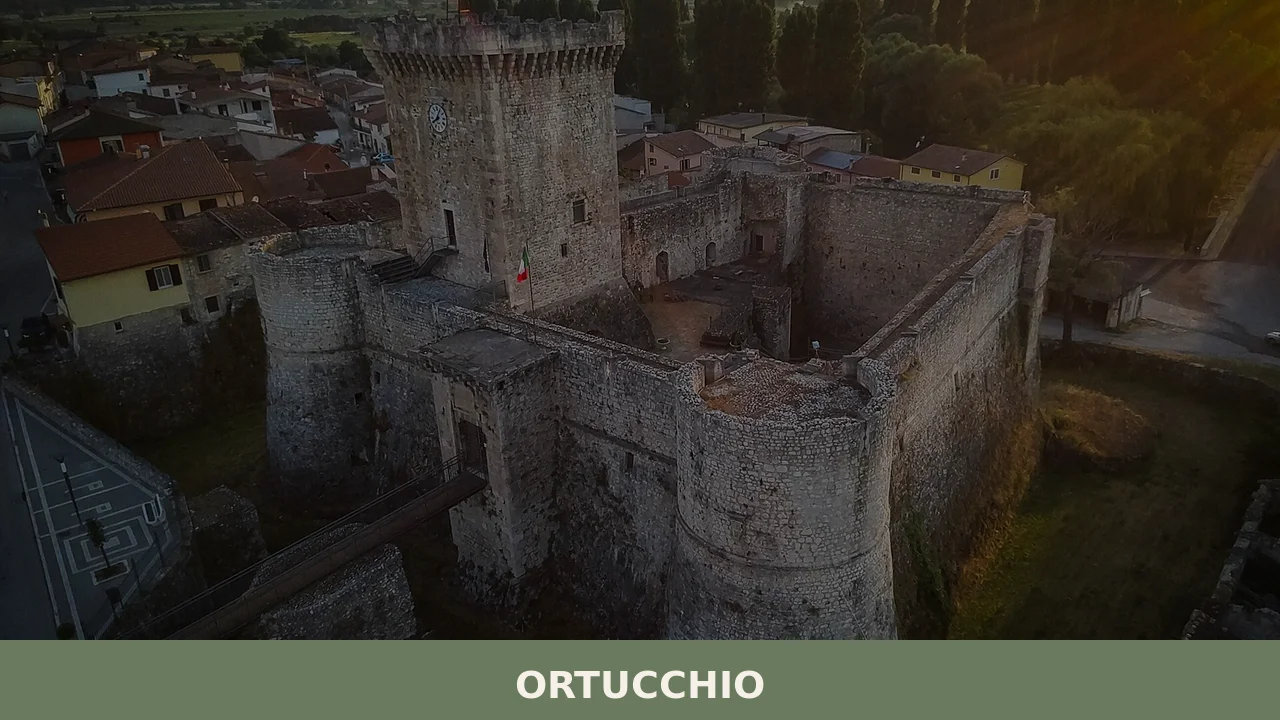
Ortucchio
 Mountain
What to see in Ortucchio? Explore Piccolomini Castle and the historic center. Discover the natural beauty of this Marsican village in Abruzzo. Plan your visit!
Discover Ortucchio
With its 1,859 inhabitants, Ortucchio presents itself as a municipality in the province of L’Aquila, in Abruzzo, which maintains the typical characteristics of the towns and villages in this region.
Its urban fabric develops within a geographical context that reflects the history and evolution of the Aquilan villages.
Daily life is closely tied to the surrounding territory, and the tranquility that envelops its streets contributes to defining its identity, inviting careful discovery.
For those wondering what to see in Ortucchio, the municipality offers an experience focused on the authenticity of its territory and the richness of local life.
With a population of 1,859 residents, Ortucchio invites exploration of its inhabited core and the surrounding natural landscape, where traditional architectural elements and evocative views can be appreciated.
Visitors to Ortucchio find an opportunity to immerse themselves in a genuine Abruzzese setting, far from the most crowded tourist circuits.
History and origins of Ortucchio
Every Italian municipality, especially those rooted in regions like Abruzzo, carries a historical legacy that has developed over centuries, even if the specific details of Ortucchio are not extensively documented. The existence of a settlement in the province of L’Aquila suggests a long evolution, typical of villages that have witnessed successive eras and influences.
This territory has been a crossroads of peoples and cultures over millennia, and for those wondering what to see in Ortucchio, the general historical context is the first point of observation.
From the ancient Italic populations who inhabited these valleys, to Roman, medieval, and modern dominations, Ortucchio’s urban structure, though not detailed here, likely reflects the stratification of these epochs, as occurs in many other Abruzzese centers.
Its identity as an Italian municipality, with its 1,859 inhabitants, is firmly anchored to the province of L’Aquila, an area known for its complex and often troubled history.
The villages of this province have often had to face challenges related to their geographical location and seismic events, developing a resilience that manifests in the preservation of their traditions and the maintenance of a strong bond with the territory, as can also be observed in Corfinio.
The history of Ortucchio fits into this broader regional context, contributing to Abruzzo’s cultural mosaic.
Its foundation or significant development can be imagined in relation to local resources or historical communication routes, common elements in the birth of ancient settlements.
The evolution of Ortucchio over the centuries has likely followed the socio-economic and cultural dynamics that characterized Abruzzo, transitioning from a predominantly agricultural economy to a more diversified one.
These changes have shaped the landscape and society, leaving visible marks in architecture and customs. Even without specific dates or names of illustrious figures documented here, it is certain that the local community has built its identity day by day, passing down knowledge and practices.
Today, Ortucchio continues to be a point of reference for its inhabitants, a place where the memory of the past merges with present life, keeping its essence as an Abruzzese village alive.
What to See in Ortucchio: Main Attractions
The Heart of the Village
Walking through the streets of Ortucchio, visitors can immerse themselves in the typical atmosphere of an Abruzzese village.
Although no specific famous monuments or historical buildings are documented here, the layout of the town itself, with its traditional architecture, offers a glimpse into local life. The houses, often built with local materials like stone, face streets that wind through different areas of the village, providing an example of residential construction tied to the territory.
This environment, characterized by a particular tranquility, invites a slow and conscious discovery, far from the hustle and bustle of big cities, where every corner can reveal unexpected details of daily life. The arrangement of the buildings and the attention to detail, typical of Abruzzese building tradition, contribute to defining an authentic image of the place and its silent history.
The Surrounding Rural Landscape
Beyond the inhabited core, the territory of Ortucchio offers a rural landscape that reflects the typical conformation of inland Abruzzo.
The agricultural areas and green zones surrounding the municipality extend for several kilometers, offering views that change with the seasons.
This natural environment, although no specific reserves or parks are mentioned here, is an integral part of the experience of what to see in Ortucchio. Those who love outdoor walks can appreciate the unpaved paths that branch out among the fields and small hills, discovering local flora and fauna. The presence of typical crops and the view of the Abruzzo mountains complete the picture, offering direct contact with the local nature and agriculture.
Traces of Daily Life
A significant aspect of what to see in Ortucchio lies in the traces of daily life and the small manifestations of local culture that can be observed during a visit.
This includes the presence of traditional artisan workshops, even if not specified here, and the frequenting of squares, which serve as meeting points for the community, keeping alive the ancient social function of these spaces.
The slow pace and interaction with the inhabitants offer a unique opportunity to understand the lifestyle of an Abruzzese village.
The simplicity and authenticity of human relationships, combined with the preservation of practices and trades often passed down from generation to generation, contribute to making the visit a cultural immersion experience, where the deep connection between people and their environment is perceived.
Spontaneous Architecture
The spontaneous architecture of the village, though not boasting nationally recognized masterpieces, is a distinctive element for those wondering about what to see in Ortucchio.
Residential constructions, often modest but solid, reflect the building techniques and materials available in the past, such as local stone, used for centuries.
Details like carved stone portals, small framed windows, and terracotta tile roofs can be observed, which together create a homogeneous aesthetic consistent with the surrounding landscape.
This architecture, developed organically over time, tells the story of the families and generations who have inhabited the village, highlighting a stylistic continuity that distances itself from ephemeral architectural trends and is deeply connected to the territory. Every building, even the simplest, contributes to forming the visual identity of the village and preserving its authentic character.
The Historical-Cultural Context
To complete the experience of what to see in Ortucchio, it is useful to consider its broader historical-cultural context, which, even without specific museums or archaeological sites documented here, offers food for thought.
Being part of the province of L’Aquila, the village is situated in an area that has seen traditions and legends flourish, often passed down orally and still alive in collective memory.
Abruzzese history, with its stories of shepherds, farmers, and artisans, is reflected in the local mentality and customs, shaping the community’s identity.
Understanding this cultural substratum means appreciating not only what is tangible but also the atmosphere and spirit of the place, which derive from a past rich in events and people. This context offers a key to interpreting the life of the village and its connection to the region, providing a deeper perspective on its essence.
Typical Cuisine and Products of Ortucchio
The gastronomic tradition of Ortucchio, while not having specific certified products documented here, is part of the broader panorama of Abruzzese cuisine, known for its authenticity and the use of simple and genuine ingredients.
This aspect is fundamental to understanding what to see in Ortucchio from a cultural perspective.
This cuisine is deeply connected to the territory, reflecting the region’s agricultural and pastoral history.
Culinary influences derive from the availability of local raw materials, such as cereals, legumes, sheep and pork meats, and seasonal vegetables. The philosophy behind these dishes is often one of frugality and respect for the products of the land, elements that characterize much of the traditional diet of the Aquilan villages and the entire Abruzzo region.
Typical dishes, while not being able to be named here with specific references to Ortucchio, are based on recipes handed down from generation to generation, which enhance the natural flavor of the ingredients. Homemade pasta, such as maccheroni alla chitarra or sagne e fagioli, often forms the basis of first courses, seasoned with robust meat or vegetable sauces.
Meats, particularly lamb and pork, are protagonists of main courses prepared with slow cooking and local aromas.
Cheeses, often sheep’s or goat’s milk varieties, are also an essential element of the Abruzzese table, contributing to a culinary experience that reflects the richness of the landscape and its resources.
Currently, no certified products (DOP, IGP, PAT, DOC, DOCG) specific to the Ortucchio area have been documented.
However, the local cuisine is distinguished by the quality of raw materials from the area’s crops and farms, which fuel a homemade and genuine culinary tradition. This means that the flavors one can find are those of a gastronomy linked to the seasons and to small-scale food craftsmanship.
Those seeking an authentic gastronomic experience in Ortucchio can rely on the simplicity and taste of traditional preparations, which reflect a deep connection to the land and local eating habits.
Festivals, Events, and Traditions of Ortucchio
Ortucchio, like many villages in the province of L’Aquila, is a place where popular traditions and festivals play a significant role in community life, even if precise dates or names of specific events are not documented here. These celebrations are often linked to the agricultural cycle, religious observances, or the veneration of patron saints, common elements in the Abruzzese cultural fabric.
Collective participation in these occasions strengthens the sense of belonging and helps keep alive customs and traditions rooted in a distant past.
Such events represent moments of gathering and expression of local identity, involving residents and visitors in an atmosphere of celebration and sharing.
Traditional events, while not described in detail here, usually include religious processions, popular music concerts, folk shows, and, at times, moments dedicated to tasting special
Frequently asked questions about Ortucchio
What is the best time to visit Ortucchio?
The best time to visit Ortucchio is in spring (April-May) or autumn (September-October) when the Abruzzese landscape offers mild temperatures and vibrant colors, ideal for exploring the rural surroundings. Autumn is particularly special as it includes the feast of Sant'Orante, the patron saint, celebrated on September 28th, offering a glimpse into local traditions. Summer (June-August) is also suitable for those seeking outdoor activities and enjoying the tranquility of the mountains at 680m altitude, away from the intense heat of flatter areas. Winters are typically colder but can offer a picturesque, serene atmosphere for a quiet escape.
What to see in Ortucchio? Main monuments and landmarks
Ortucchio offers visitors an authentic experience centered on its traditional and spontaneous architecture. While there are no specific famous monuments or historical buildings documented, the charm lies in the village's urban fabric itself. Explore the winding streets to admire the stone houses, often built with local materials, featuring details like carved portals, small framed windows, and terracotta tile roofs. This collective architecture, developed organically over time, provides a genuine insight into the local building tradition and the history of its inhabitants, embodying the tranquil and authentic character of an Abruzzese village.
What can you do in Ortucchio? Activities and experiences
In Ortucchio, visitors can engage in activities focused on nature and cultural immersion. Enjoy serene outdoor walks along the unpaved paths that wind through the surrounding rural landscape, appreciating the local flora and fauna and the views of the Abruzzo mountains. The village invites a slow discovery, allowing you to observe the authentic daily life and spontaneous architecture. Engaging with the inhabitants and frequenting the local squares offers a unique opportunity to understand the deep connection between the community and its traditions, providing a genuine Abruzzese cultural experience away from tourist crowds.
Who is Ortucchio suitable for? Families, couples, hikers, solo travelers?
Ortucchio is ideal for travelers seeking tranquility, authenticity, and a deep immersion in Abruzzese village life, far from crowded tourist circuits. It appeals to hikers and nature lovers who appreciate gentle outdoor walks amidst rural landscapes and mountain views. Couples looking for a peaceful and romantic escape, as well as solo travelers seeking genuine cultural experiences and a slow pace, will find Ortucchio particularly suitable. Families who wish to introduce their children to a serene, traditional Italian setting, where daily life unfolds with simplicity and a strong connection to the territory, will also enjoy their visit.
📷 Photo Gallery — Ortucchio
Nearby Villages near Ortucchio
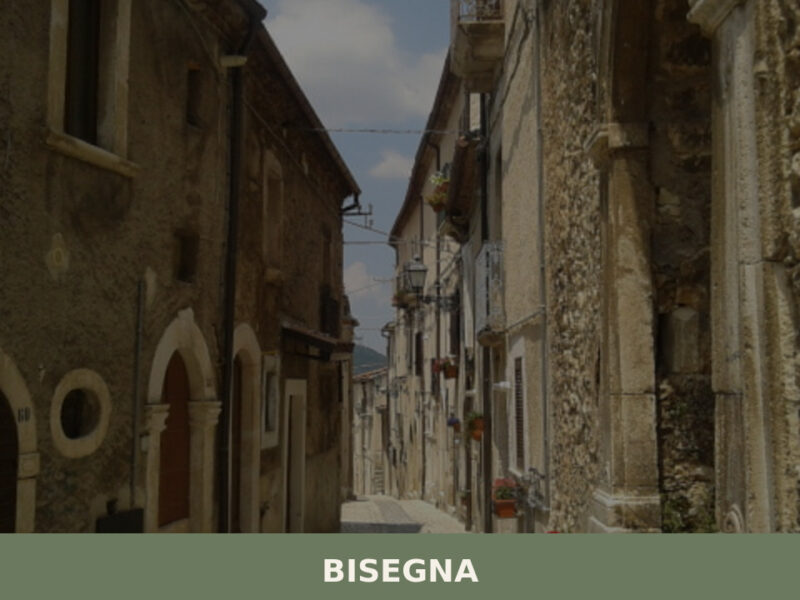
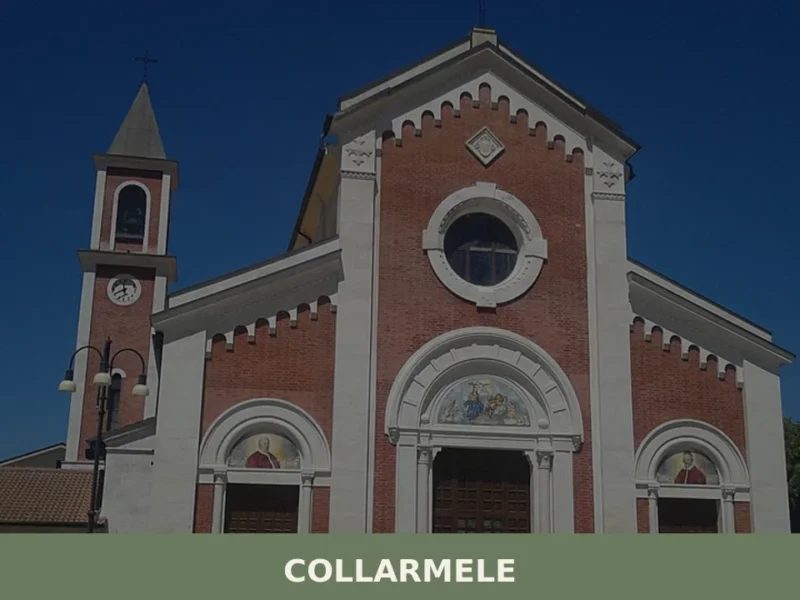
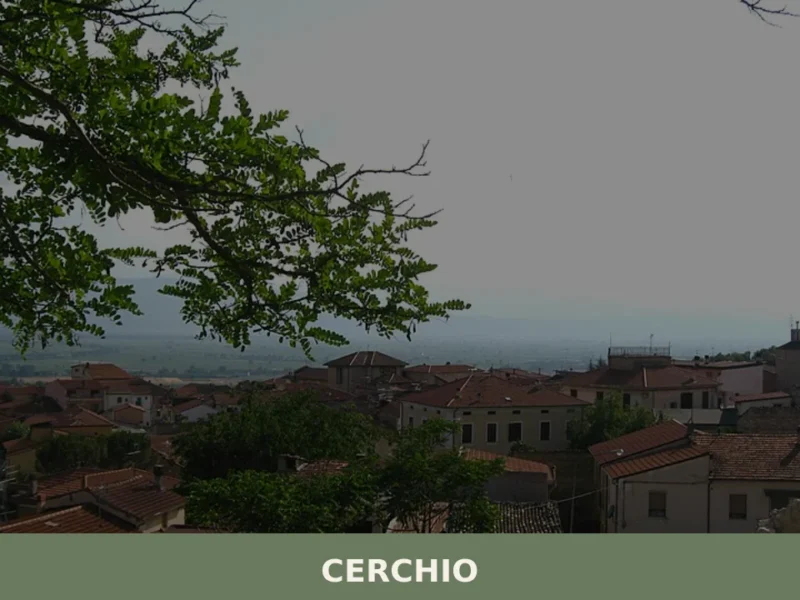
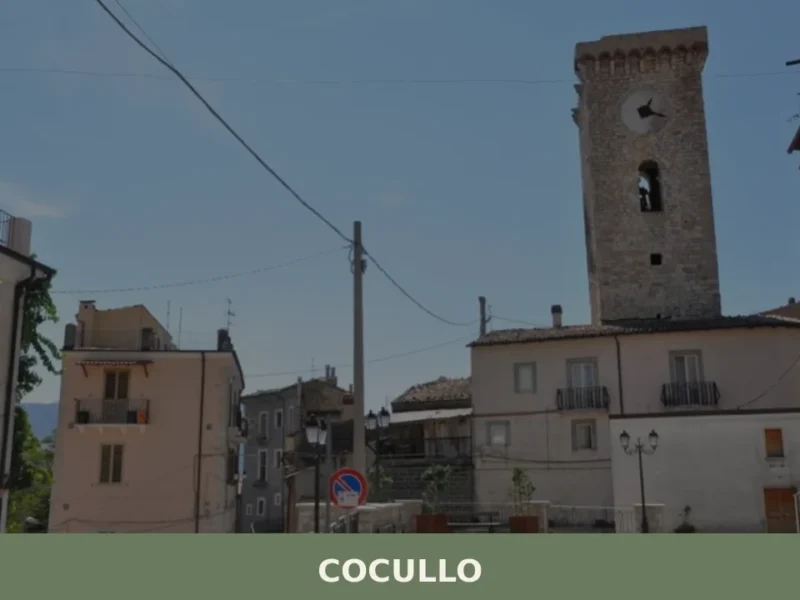
In Abruzzo More villages to discover
Alba Adriatica
 Sea
Sea
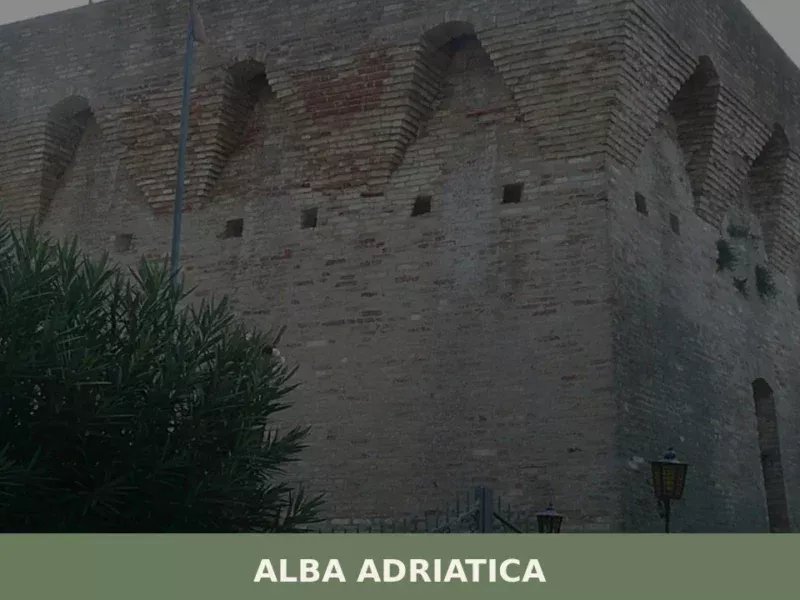
Until 1956, this locality did not exist as an independent municipality: it was a hamlet of Tortoreto, known as Tortoreto Stazione because of the railway stop on the Adriatic line. The administrative separation created a coastal town that today has 12,760 inhabitants spread across a territory sitting just 5 metres above sea level. Understanding what […]
Pereto
Mountain
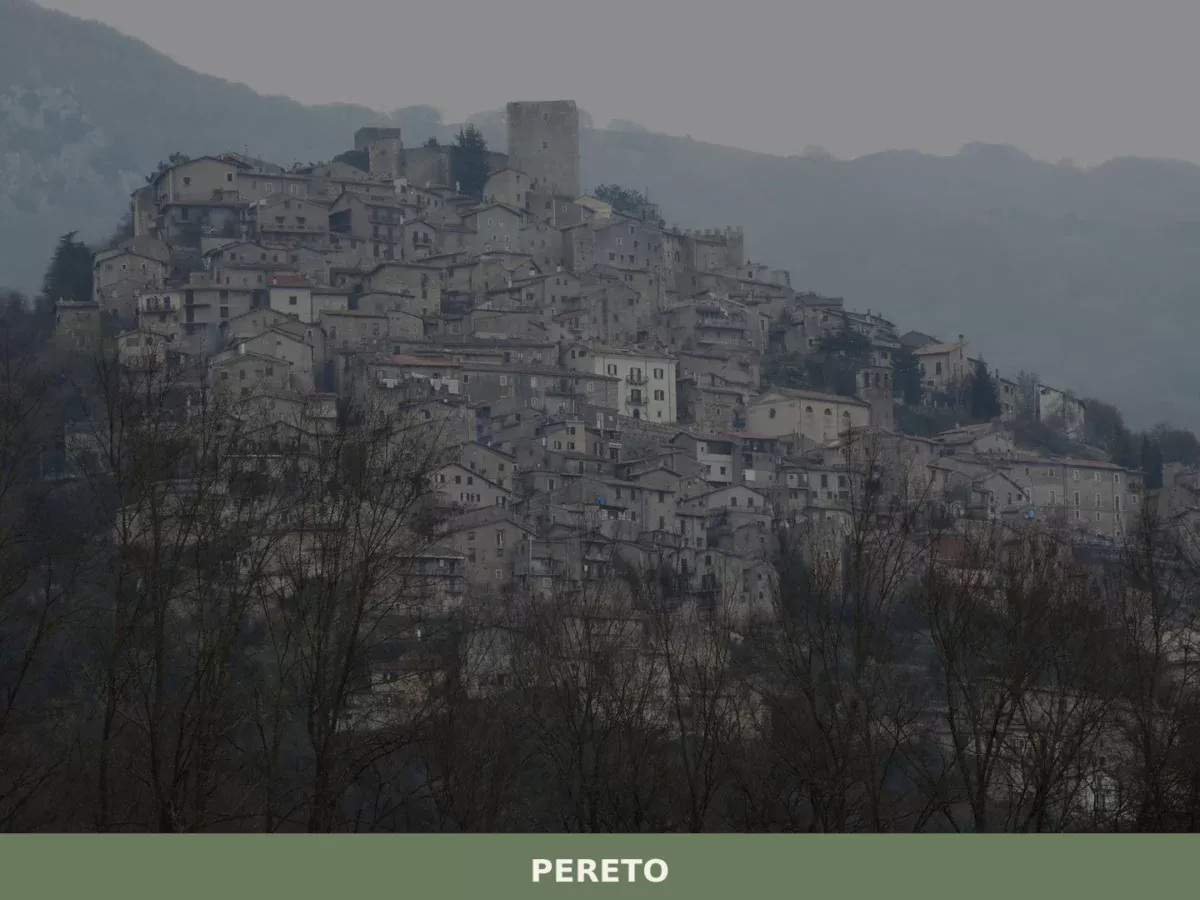
Discover Pereto's 5 must-see attractions in Abruzzo. From Rocca Orsini to historic churches, read our guide and plan your trip!
Pineto
Sea
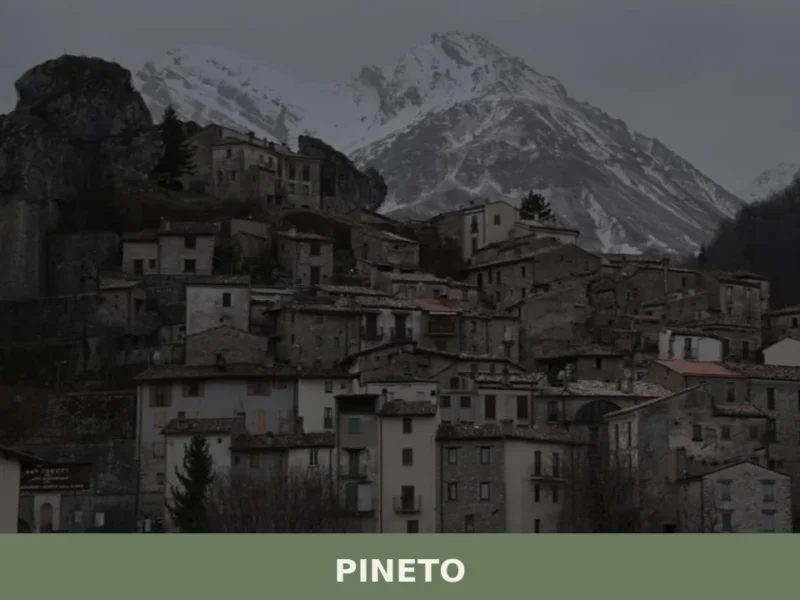
what to see in pineto, Italy: Explore a coastal town at 4 m a.s.l., discover the historic Torre di Cerrano, and experience traditional festivals in Mutignano. Read our guide.
Capestrano
 Hills
Hills
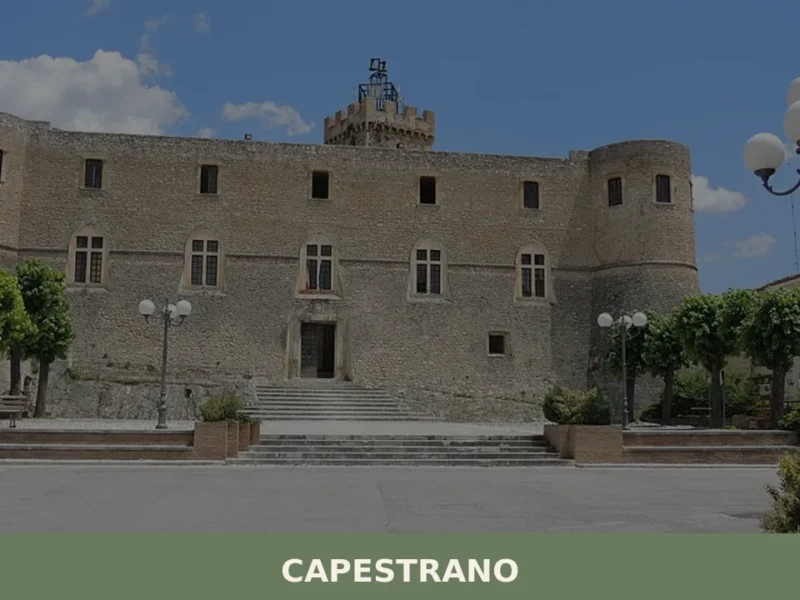
What to see in Capestrano? Discover the 5 top attractions, from Piccolomini Castle to the Warrior statue. Plan your visit to this Abruzzo village.
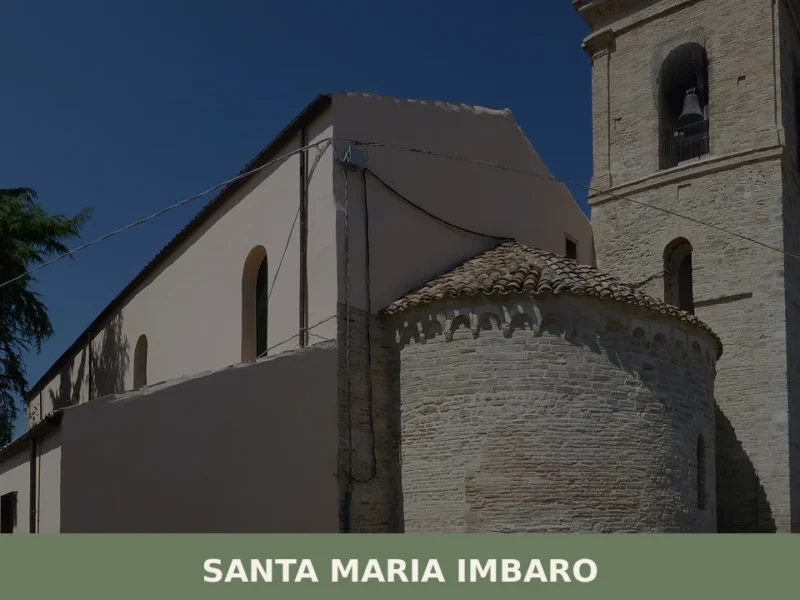
Santa Maria Imbaro
Sea
The hill that supports Santa Maria Imbaro stands out sharply against the outline of the Chieti countryside: the low rooftops, the local stone façades and the bell tower of the parish church form a compact silhouette that can be read from the provincial road, even before turning into the village. The local dialect calls it […]
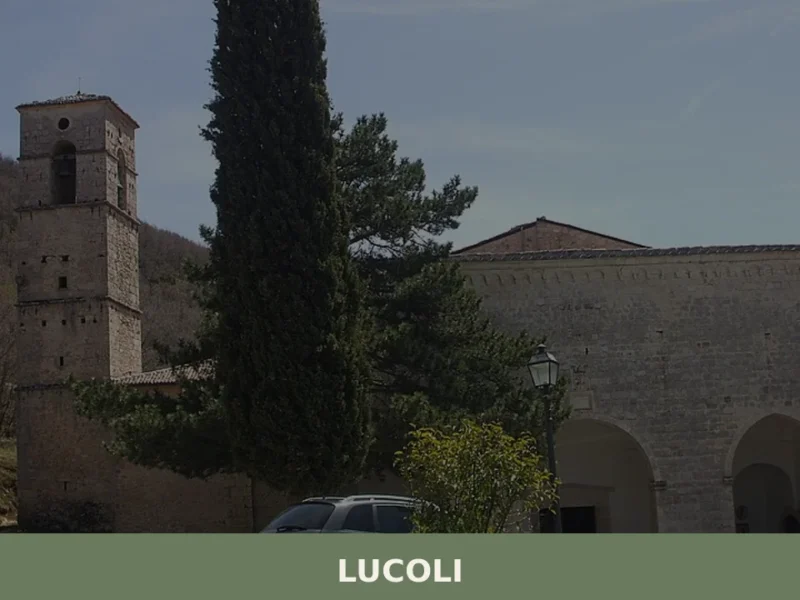
Lucoli
Mountain
Lucoli is not a compact town centre but a scattered municipality: 839 inhabitants spread across seventeen hamlets along the southern slopes of the Gran Sasso and the Velino-Sirente mountain group, at 956 metres above sea level in the province of L’Aquila. Understanding what to see in Lucoli means crossing a vast, fragmented territory where each […]
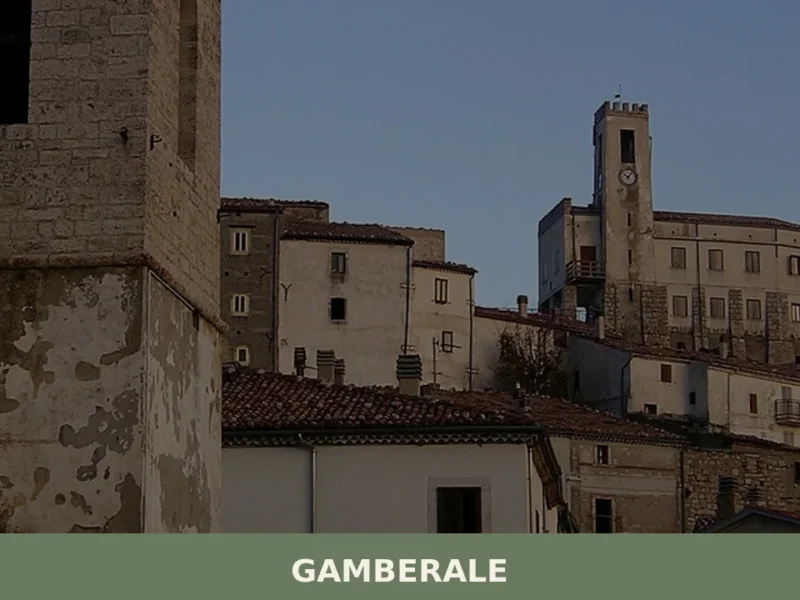
Gamberale
Mountain
At 1,343 metres above sea level, along the eastern ridge of the Majella mountains where the slopes descend towards the Sangro valleys, 277 residents keep alive a settlement that the catasto onciario of the Kingdom of Naples already recorded in the eighteenth century as a community of shepherds and charcoal burners. Visitors arriving in Gamberale […]
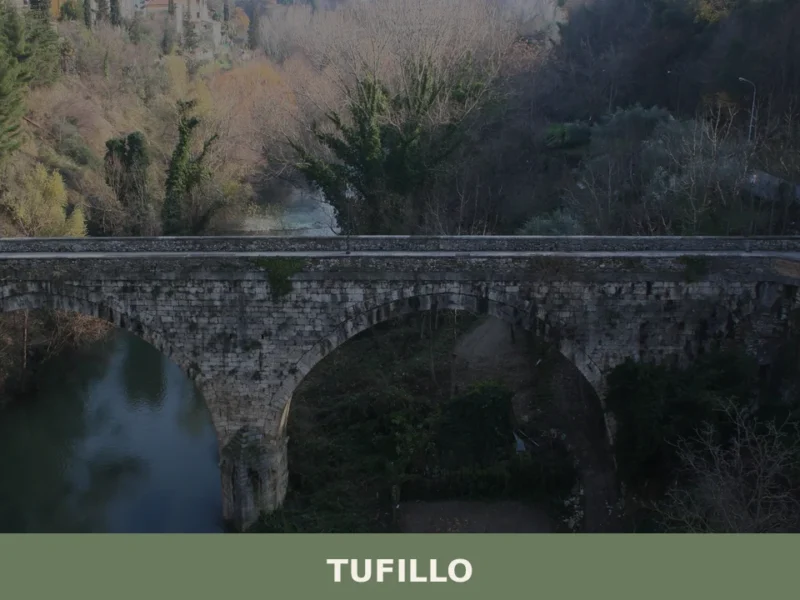
Tufillo
Hills
What to see in Tufillo, Abruzzo, Italy: a village of 456 inhabitants in the Province of Chieti. Discover top attractions, local food, and how to get there.
Castelguidone
Mountain
Castelguidone has 294 inhabitants and occupies a ridge at 775 metres above sea level in the upper Trigno valley, on the border between Abruzzo and Molise. The place name, documented in Angevin records from the 13th century, points to a fortified settlement linked to a feudal lord named Guidone. Anyone looking for what to see […]
Villavallelonga
Mountain
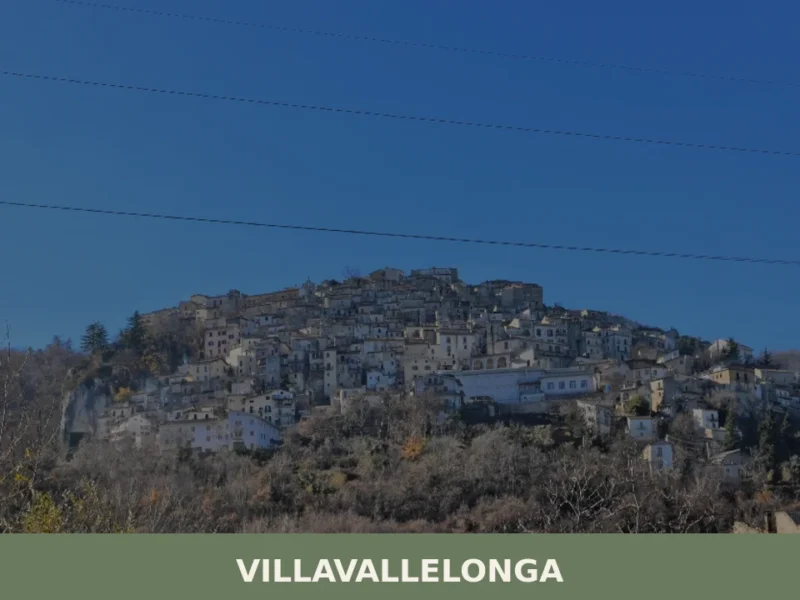
What to see in Villavallelonga, Italy: explore the national park, botanical garden and 927-inhabitant village of Abruzzo. Discover top attractions and travel tips.


🏡 Know Ortucchio better than we do?
If you’re a local or have been there, your knowledge matters: add what’s missing or fix a detail on this page.