


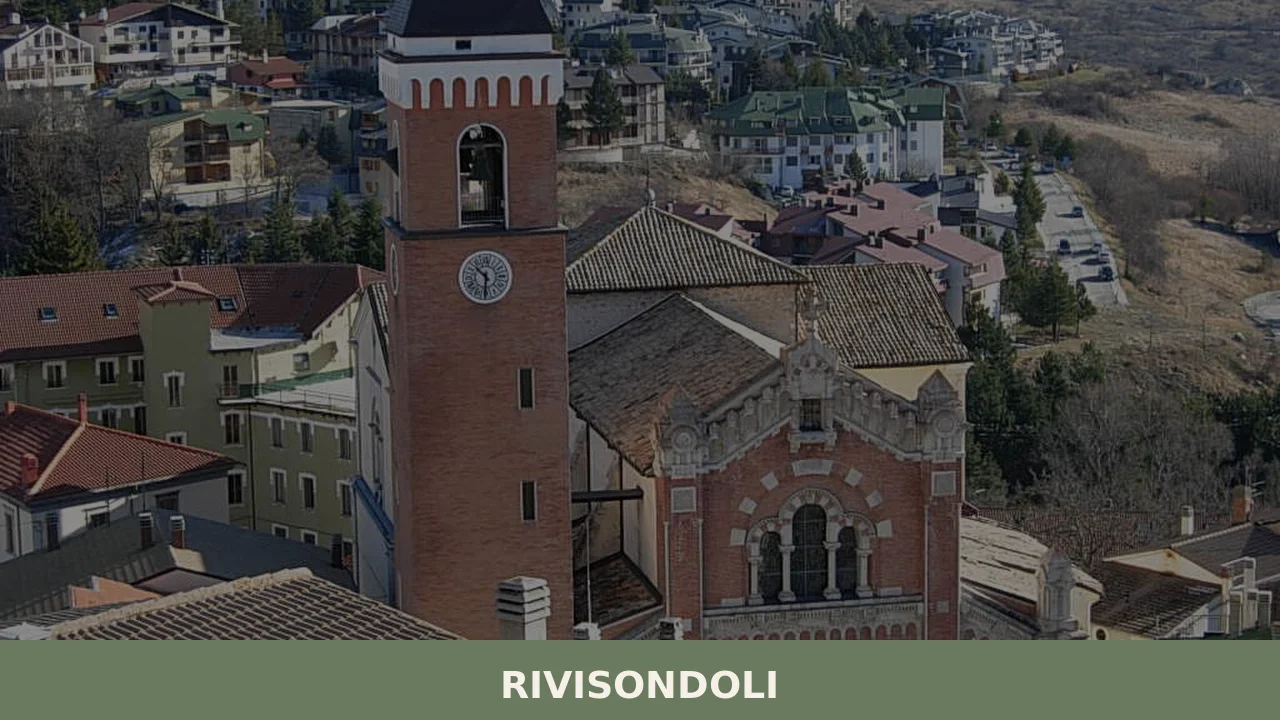
Rivisondoli
 Mountain
What to see in Rivisondoli, Italy: ski slopes, medieval history since 724 AD, and mountain cuisine. Explore this 684-resident Abruzzo village. Discover it now.
Discover Rivisondoli
Snow compacts on the flank of Monte Calvario from November onward, and the chairlift cables cut a straight line against the grey-white sky above the Cinque Miglia plateau. At 684 inhabitants, Rivisondoli occupies a specific kind of altitude economy: the village first appeared in written records in 724 AD, in a diploma issued by Grimoald II, Duke of Benevento, making it one of the oldest documented settlements in the L’Aquila province.
For visitors planning a trip to central Italy, knowing what to see in Rivisondoli means understanding that this is, at its core, a mountain village with a documented history going back thirteen centuries and an active ski infrastructure.
The population of 684 people sustains hotels, restaurants, and ski lifts that draw winter visitors from across the region. Rivisondoli, Abruzzo, Italy sits within the province of L’Aquila, roughly 160 km (99 mi) southeast of Rome, making it a realistic destination for a day trip or a short stay from the capital.
History of Rivisondoli
The earliest written record of Rivisondoli dates to 724 AD, when a diploma issued by Grimoald II, Duke of Benevento, mentioned the settlement by name. This document places the village firmly within the political geography of the Lombard Duchy of Benevento, which controlled much of southern and central Italy during the early medieval period. The settlement occupied a position on the Cinque Miglia plateau, a high-altitude tableland in the Apennines that served as both a natural boundary and a crossroads between different territorial powers.
During the 12th century, Rivisondoli grew in strategic importance along the Via degli Abruzzi, a major military and commercial route that connected the Adriatic coast with the territories of the Kingdom of Naples.
The village became known at that period for the production of weapons, a trade that reflected both the metallurgical resources available in the mountain environment and the continuous movement of armies and merchants along the road below Monte Calvario. Villages along this route, such as Corfinio, which had served as the capital of the Italic federation centuries earlier, illustrate how densely layered the historical geography of this part of Abruzzo is. The military and commercial relevance of the Via degli Abruzzi kept Rivisondoli populated and economically active through the medieval period.
In 1792, a fire destroyed the village almost entirely. The reconstruction that followed reshaped the built environment, which explains why the current architecture of Rivisondoli reflects later rather than medieval building phases. The opening of the Sulmona-Isernia railway in the 19th century changed the economic orientation of the area, linking the plateau to the main rail network and making the village accessible to visitors from outside the region. That shift toward tourism solidified in 1913, when the Italian royal family chose Rivisondoli as its summer residence, a documented event that gave the village a degree of national visibility it had not held since the medieval weapons trade.
What to see in Rivisondoli, Abruzzo: top attractions
Monte Calvario and the Cinque Miglia Plateau
The village extends along the flank of Monte Calvario, a peak that defines both the physical profile of Rivisondoli and its identity as a ski destination.
The Cinque Miglia plateau, on which the village sits, lies at approximately 1,300 m (4,265 ft) above sea level, giving it reliable snow cover from late November through March. Standing at the upper edge of the village, you look across an open tableland that stretches several kilometres in each direction, flanked by the ridgelines of the central Apennines. The ski lifts and chairlifts operating on Monte Calvario’s slopes connect directly to the village centre, making the mountain the primary reason most winter visitors arrive here. For those visiting outside the ski season, the same slopes become hiking terrain with clear paths and panoramic views across the L’Aquila province.
The Historic Village Core
The compact centre of Rivisondoli carries the physical marks of its post-1792 reconstruction, with 18th and 19th-century stone buildings lining narrow uphill streets. The fire of 1792 erased most of what had accumulated since the 12th century, so the architecture you walk through today reflects the rebuilding effort rather than the medieval settlement.
Stone facades in the local grey limestone line the main street, and the overall scale remains that of a high-altitude mountain village with under 700 residents. What to see in Rivisondoli at street level includes the proportions of a planned reconstruction: regular building lines, consistent storey heights, and a layout that channels the cold plateau wind through predictable corridors. Late afternoon, when light falls at a low angle across the stone, reveals the texture of individual blocks clearly.
The Royal Residence Connection
In 1913, the Italian royal family selected Rivisondoli as its summer residence, a fact that gave the village a specific architectural and social prominence in the early 20th century. The area around the former royal residence is part of the upper village and remains structurally distinct from the post-fire reconstruction elsewhere. The choice of Rivisondoli by the royal family reflects the plateau’s altitude — which provides genuinely cooler summers compared to Rome or the Adriatic coast — and its relative accessibility following the opening of the Sulmona-Isernia railway line. Visitors with an interest in early-20th-century Italian social history will find this documented episode a concrete point of reference when reading the architecture and layout of the upper village.
The Sulmona-Isernia Railway Route
The Trenitalia line connecting Sulmona to Isernia passes through this part of the Apennines at significant altitude, and the nearest station to Rivisondoli sits approximately 5 km (3.1 mi) from the village centre.
The railway’s construction in the 19th century was an engineering undertaking of considerable scale: the line crosses the Apennine ridge through a series of tunnels and viaducts to maintain a workable gradient. Taking this route from Sulmona — which lies roughly 30 km (18.6 mi) to the northeast — gives a specific view of the plateau terrain that road travel does not replicate. The station itself, known as Rivisondoli-Pescocostanzo, serves both villages and sits at one of the highest points on the entire line. For travellers arriving without a car, this rail connection remains the most direct access from the major Abruzzo towns.
The Via degli Abruzzi Corridor
The Via degli Abruzzi — the medieval military and commercial road along which Rivisondoli developed its weapons trade in the 12th century — ran through the Cinque Miglia plateau as part of a longer route connecting central Italy with the southern territories. The corridor that the road followed is still legible in the modern road layout, and the section near Rivisondoli passes through terrain that has changed relatively little in its broad contours since the medieval period.
Walking sections of the old route gives a direct sense of why the plateau was strategically valuable: it is flat enough for the movement of large groups, but elevated enough to be defensible. The nearby village of Cansano, which sits at a comparable altitude on the same plateau, shared this same corridor and offers related points of historical interest for visitors extending their stay in the area.
Local food and typical products of Rivisondoli
The food culture of the Cinque Miglia plateau has been shaped primarily by altitude and isolation. At over 1,300 m (4,265 ft), the growing season is short, and the traditional diet was built around preserved meats, legumes, and grains that could be stored through long winters. The Abruzzo mountain interior has historically shared culinary influences with both the Neapolitan south and the shepherding culture of the central Apennines, producing a cuisine that favours slow-cooked preparations and robust, filling dishes over anything light or delicate. Rivisondoli sits within this broader tradition, and the restaurants operating in the village today continue to work with the same raw materials that defined winter eating on the plateau for centuries.
Among the dishes you are likely to encounter in the village’s restaurants, pasta e fagioli — a dense soup of pasta and borlotti beans cooked with local cured pork fat — represents the core of the mountain winter diet.
Agnello alla brace, lamb grilled over wood embers, reflects the long pastoral tradition of the Apennine highlands, where sheep farming was the dominant agricultural activity. Polenta prepared with local stone-ground cornmeal and served with slow-cooked lamb or pork ragù appears regularly on winter menus. For cured meats, the plateau tradition includes ventricina, a coarsely ground pork salume seasoned with dried chilli and fennel seeds, which is produced across the L’Aquila province and available in the village’s food shops.
The province of L’Aquila produces several certified food products that reach Rivisondoli’s tables, though the village itself does not hold a specific production designation. Zafferano dell’Aquila (DOP) — saffron grown in the plain of Navelli, approximately 60 km (37 mi) north of Rivisondoli — is used in local risotto preparations and egg pasta doughs, giving dishes a specific mineral bitterness that distinguishes them from saffron preparations elsewhere in Italy.
Local honey produced from beehives kept on the plateau flowers, particularly wildflower and thistle varieties, is sold at seasonal markets in the village.
Winter is the most consistent season for eating well in Rivisondoli, as most restaurants operate at full capacity from December through March to serve the ski tourism economy. Outside that period, a smaller number of establishments remain open through summer, when the menu shifts slightly toward grilled meats and lighter pasta preparations. Visitors arriving in autumn, between October and early November, will find a brief window when seasonal mushrooms — particularly porcini gathered on the surrounding slopes — appear on menus and at the weekly market.
Festivals, events and traditions of Rivisondoli
Rivisondoli’s calendar of public events is anchored to the rhythms of the mountain year and the Catholic feast cycle that has organised village life since the medieval period. The documented connection to the royal family’s 1913 residence suggests that the village maintained a degree of public ceremonial life at the start of the 20th century, though the specific events tied to that period are no longer active. The village’s patron saint celebrations follow the pattern common across Abruzzo’s mountain communities: a religious procession through the village streets, a sung Mass in the parish church, and an evening gathering that typically includes music and communal eating in the main square.
Winter brings the practical celebrations of the ski season rather than formal civic events: the opening of the lifts in December is treated as a collective moment in the village’s economic calendar, and the restaurants and bars along the main street adjust their hours accordingly.
The plateau’s isolation means that events here draw primarily from the regional population rather than from national or international tourism circuits, giving the seasonal gatherings a local character that is consistent year after year. Visitors from the Bugnara area in the Peligna Valley below, roughly 25 km (15.5 mi) to the northeast, are among the regular visitors to the plateau’s winter events, as the road connection between the valley floor and the plateau has been reliable since the rail era.
When to visit Rivisondoli, Italy and how to get there
The best time to visit Rivisondoli depends directly on what you are coming for. Winter — from late December through early March — delivers reliable snow on Monte Calvario’s slopes and a fully operational ski infrastructure, with lifts, rental equipment, and the full range of restaurants and hotels open. Summer, between June and August, offers hiking on the same slopes at cooler temperatures than the Adriatic coast or Rome, with the plateau typically 8-10°C (14-18°F) lower than sea-level Abruzzo. Autumn, specifically October, represents the briefest but most food-focused window, with porcini mushrooms on local menus and the village population back to its year-round 684 before the ski season crowds arrive.
For those planning a day trip from Rome, Rivisondoli sits approximately 160 km (99 mi) southeast of the capital, reachable in around 2 hours by car via the A24 motorway (exit at Cocullo or Pratola Peligna, followed by the SS17 toward Sulmona and then the SP96 up to the plateau).
The nearest major city in Abruzzo is Sulmona, roughly 30 km (18.6 mi) to the northeast, from which the SP96 climbs directly to Rivisondoli in under 45 minutes. By train, the Sulmona-Isernia regional line stops at Rivisondoli-Pescocostanzo station, approximately 5 km (3.1 mi) from the village centre; connection from Rome’s Tiburtina station to Sulmona takes around 2 hours on direct services. International visitors should note that English is spoken in the main hotels but may be limited in smaller shops and restaurants; carrying euros in cash is practical, as card terminals are not universal at smaller establishments.
Visitors arriving by car who want to extend their itinerary in the surrounding area can combine Rivisondoli with Martinsicuro on the Adriatic coast, approximately 120 km (74.6 mi) to the east via the A25 and A14 motorways, as a two-day circuit that covers both the Apennine interior and the Abruzzo coastline in a single trip from Rome or central Italy.
Where to stay near Rivisondoli
The village’s economy is structured around winter tourism, and the accommodation infrastructure reflects that orientation.
Rivisondoli operates a range of hotels, pensioni (small family-run guesthouses), and holiday rental apartments concentrated in and around the village centre, with most properties within walking distance of the ski lifts on Monte Calvario. During peak ski season, from late December through February, advance booking is standard practice rather than optional. Outside the ski season, the same properties offer lower rates, and several agriturismi — farm-stay establishments on the plateau — operate through summer and early autumn for hikers and visitors seeking mountain air at moderate cost.
📷 Photo Gallery — Rivisondoli
Nearby Villages near Rivisondoli
In Abruzzo More villages to discover
Fraine
Mountain
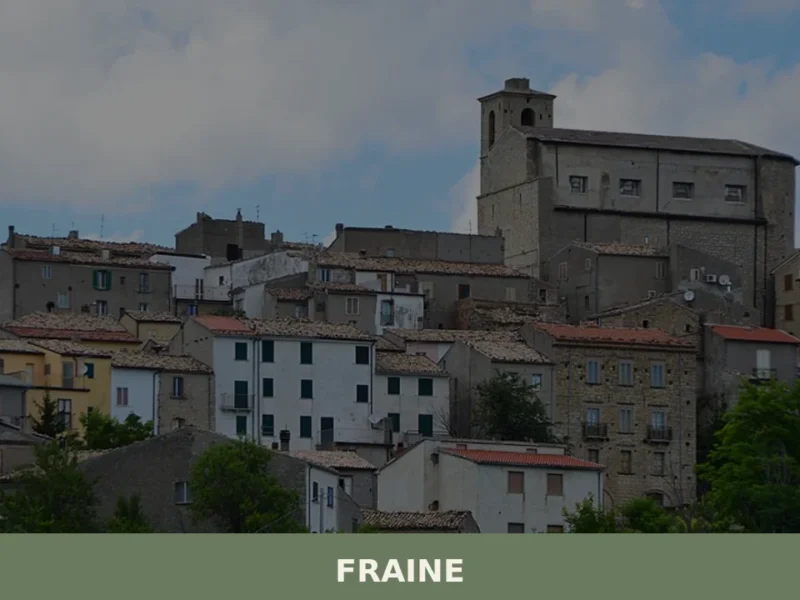
At 751 meters above sea level, in the Chieti area, lies Fraine, a municipality with a population of 261 inhabitants. This village, whose history dates back to the 10th-11th century, serves as an observation point over the Alto Vastese territory. For those wondering what to see in fraine, the town offers a journey through the […]
Treglio
 Plains
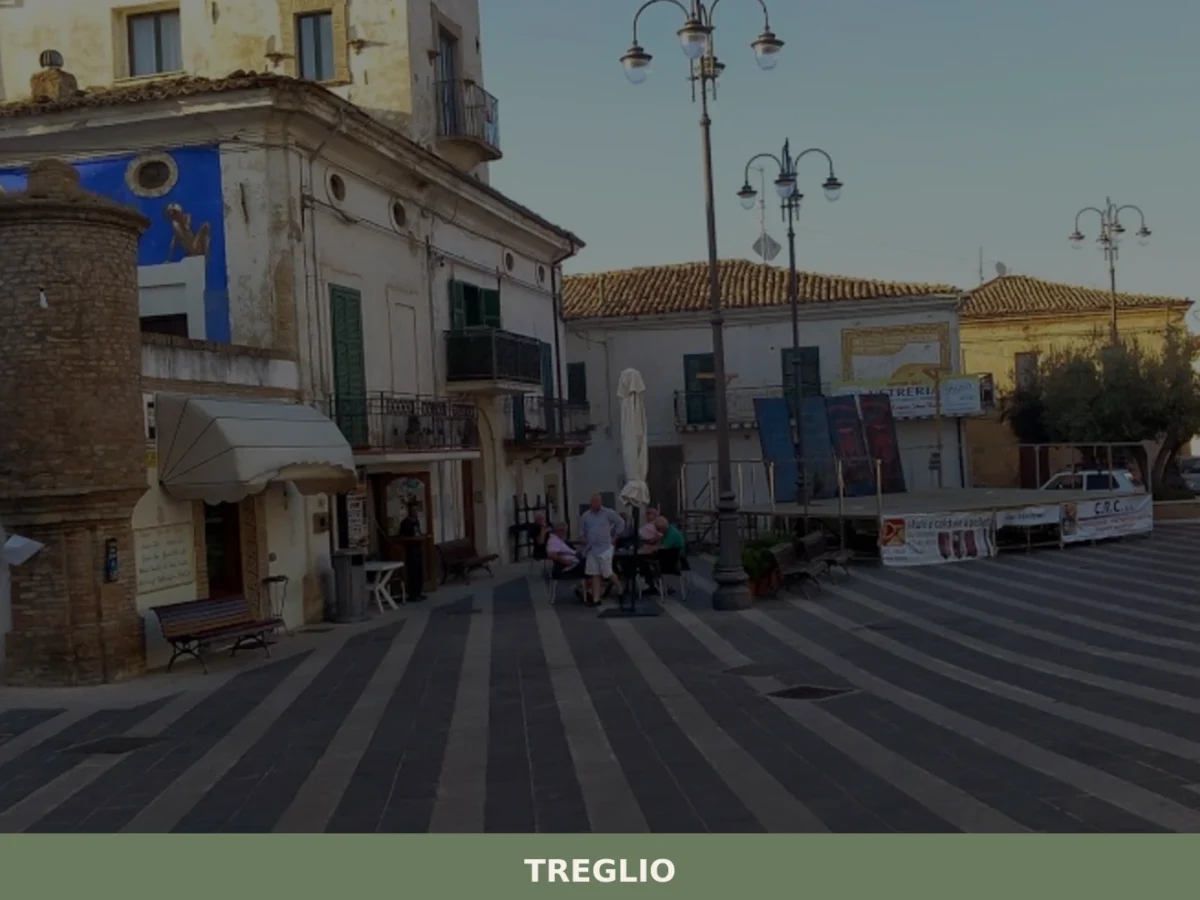
What to see in Treglio? Explore the 5 main attractions of this village in Abruzzo. Discover the complete guide for your visit!
Altino
 Hills
Hills
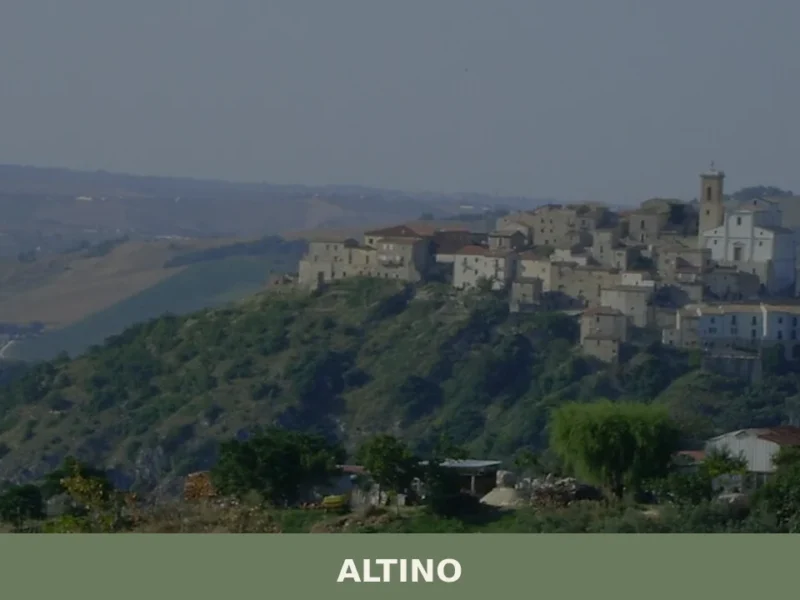
What to see in Altino? Explore the 5 main attractions of this village with 3,067 inhabitants, from the Sweet Pepper Museum to the Mother Church. Plan your visit!
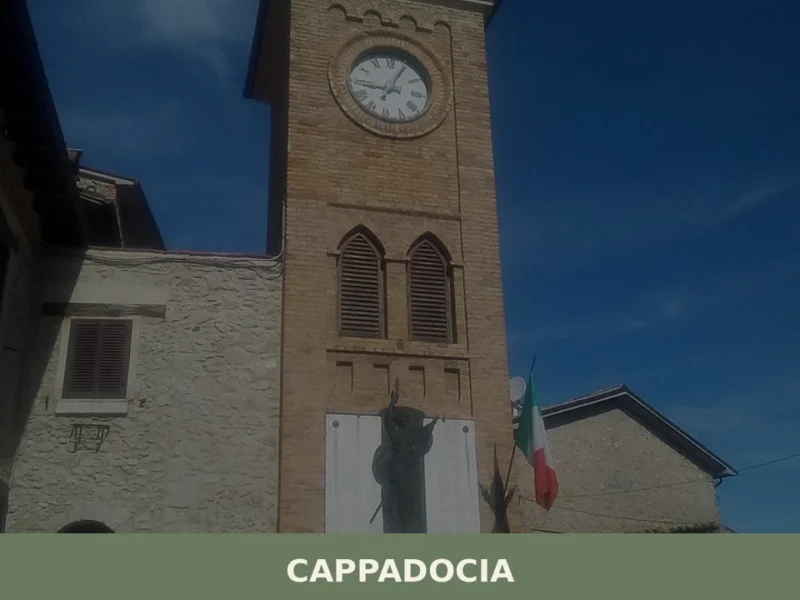
Cappadocia
Mountain
Cappadocia: discover historic churches and natural trails. Plan your visit today and experience the authenticity of this Abruzzo village.
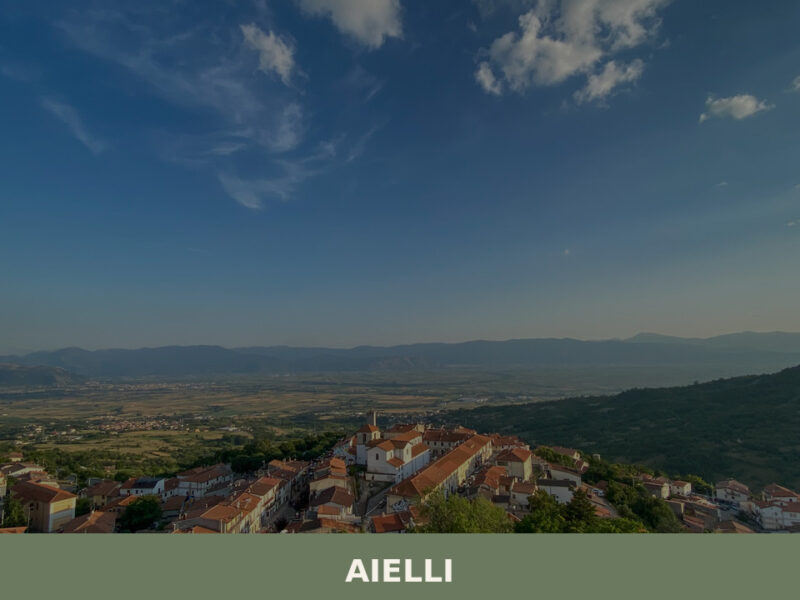
Aielli
Mountain
Morning light falls across a wall of painted figures three storeys tall, their colours sharp against old stone. A narrow street turns, and another mural appears — an astronomical chart, its constellations precise enough to navigate by. Aielli sits at over 1,000 metres on the Fucino plateau in the province of L’Aquila, a village of […]
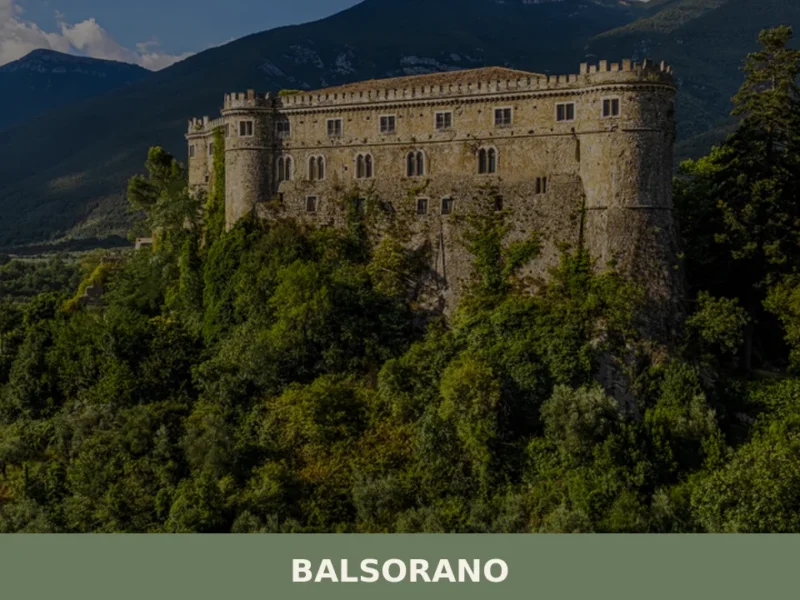
Balsorano
Hills
The Val Roveto divides southern Abruzzo from Lazio along a fault line that has determined earthquakes, migrations and feudal borders for over seven centuries. Balsorano occupies the valley floor and the hillside at 340 metres above sea level, with its 3,617 inhabitants spread between the upper historic centre — Balsorano Vecchio — and the modern […]
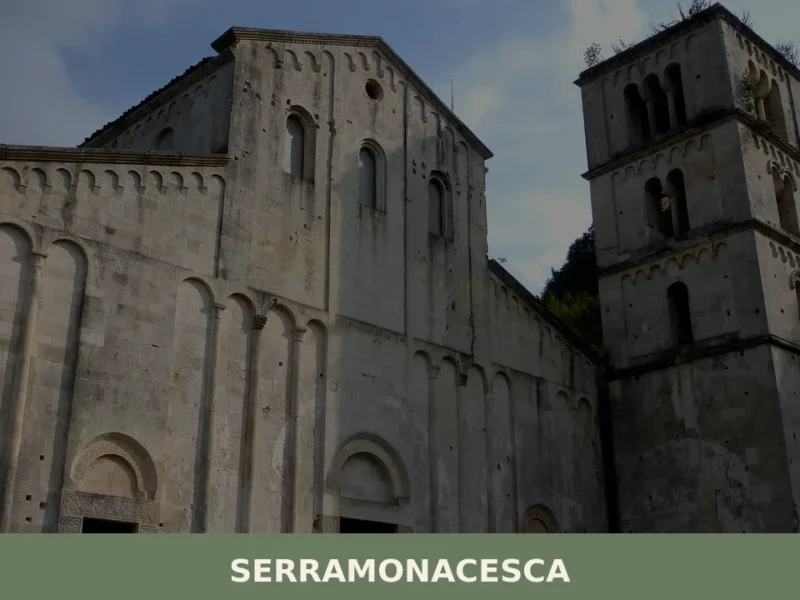
Serramonacesca
Hills
What to see in Serramonacesca, Abruzzo, Italy: discover 6 top attractions including the Abbey of San Liberatore, rock-cut tombs, and a medieval tower. Population 560.
Pettorano sul Gizio
Mountain
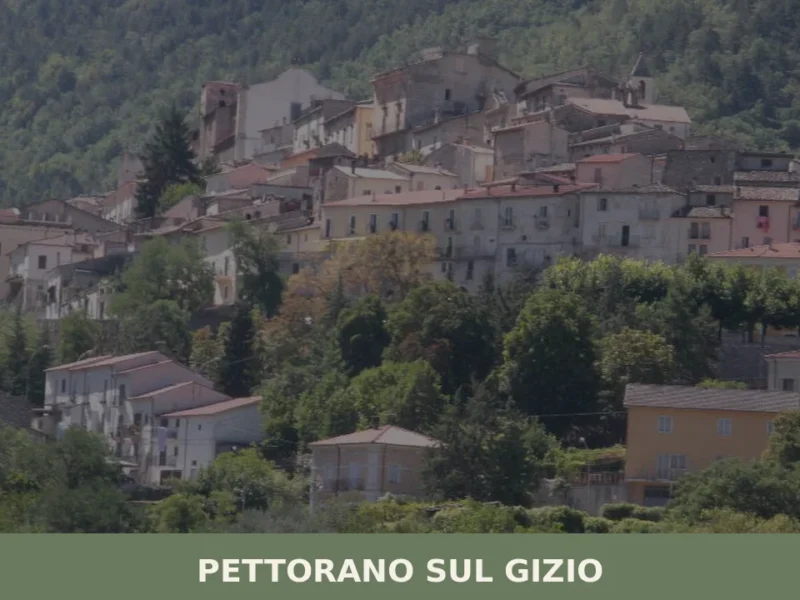
what to see in pettorano sul gizio, Italy. Explore Cantelmo Castle and the Gizio River, home to Baron Michele Leone (1909-1988). Discover this beautiful Abruzzese village.
Sant’Eusanio Forconese
Mountain
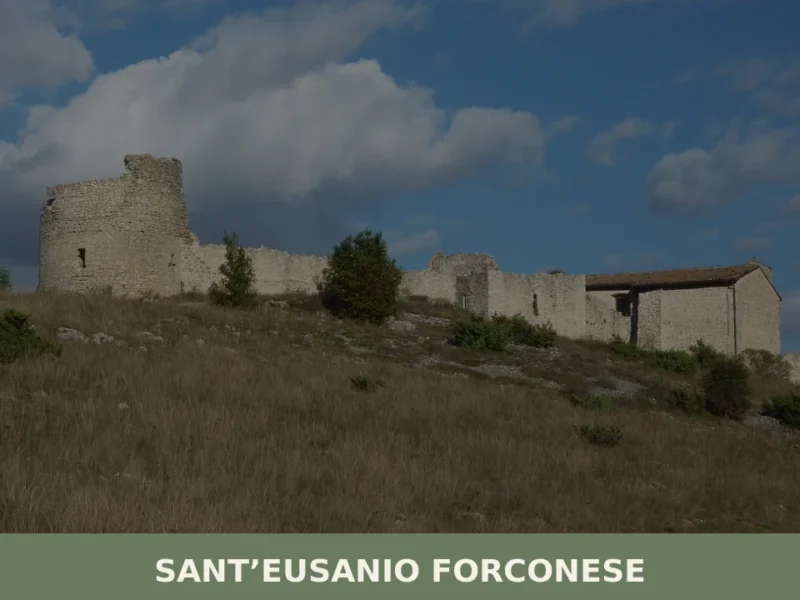
What to see in Sant’Eusanio Forconese? Explore 5 main attractions of this Abruzzo village, from the Castle to panoramic views. Plan your visit with our guide!
Perano
Plains
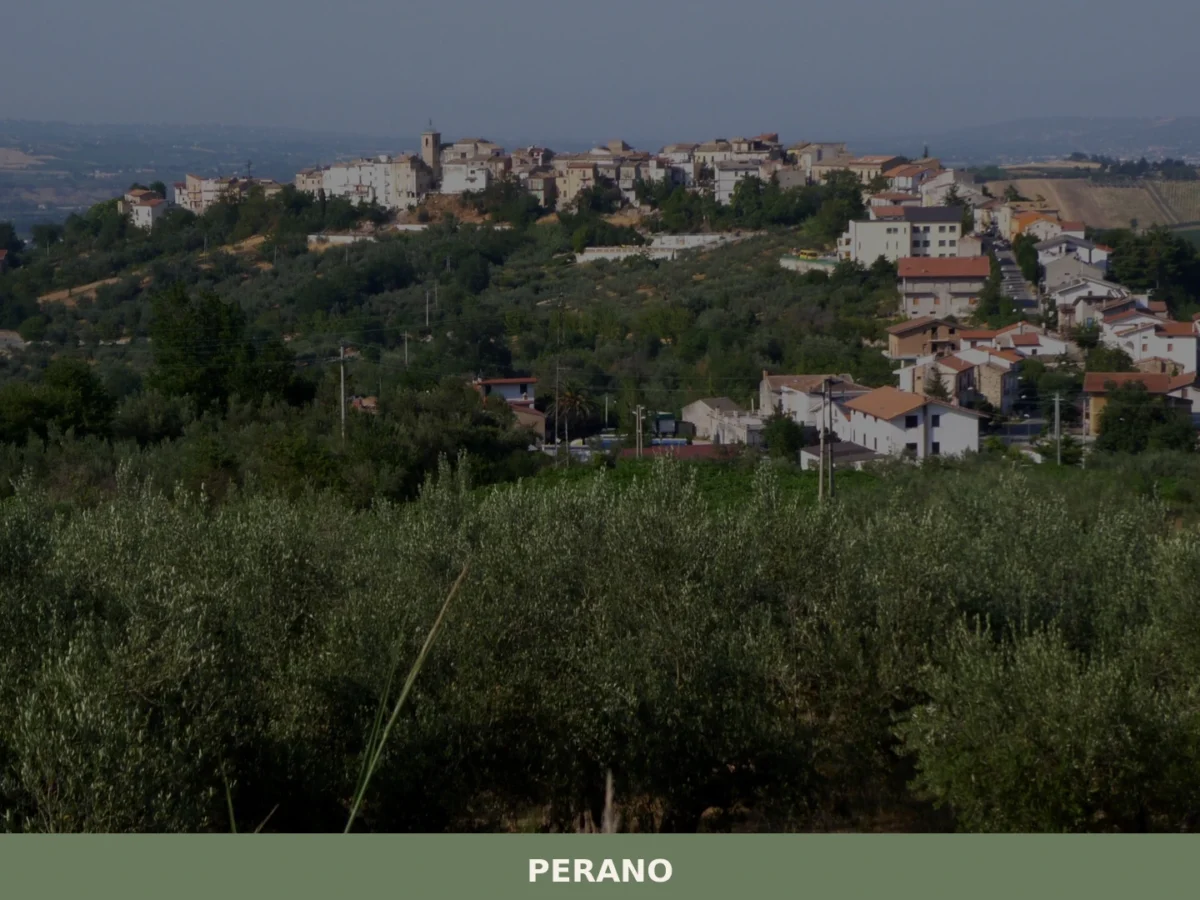
What to see in Perano? Discover the complete guide to the 3 unmissable attractions of this Abruzzo village. Plan your visit now!



🏡 Know Rivisondoli better than we do?
If you’re a local or have been there, your knowledge matters: add what’s missing or fix a detail on this page.