


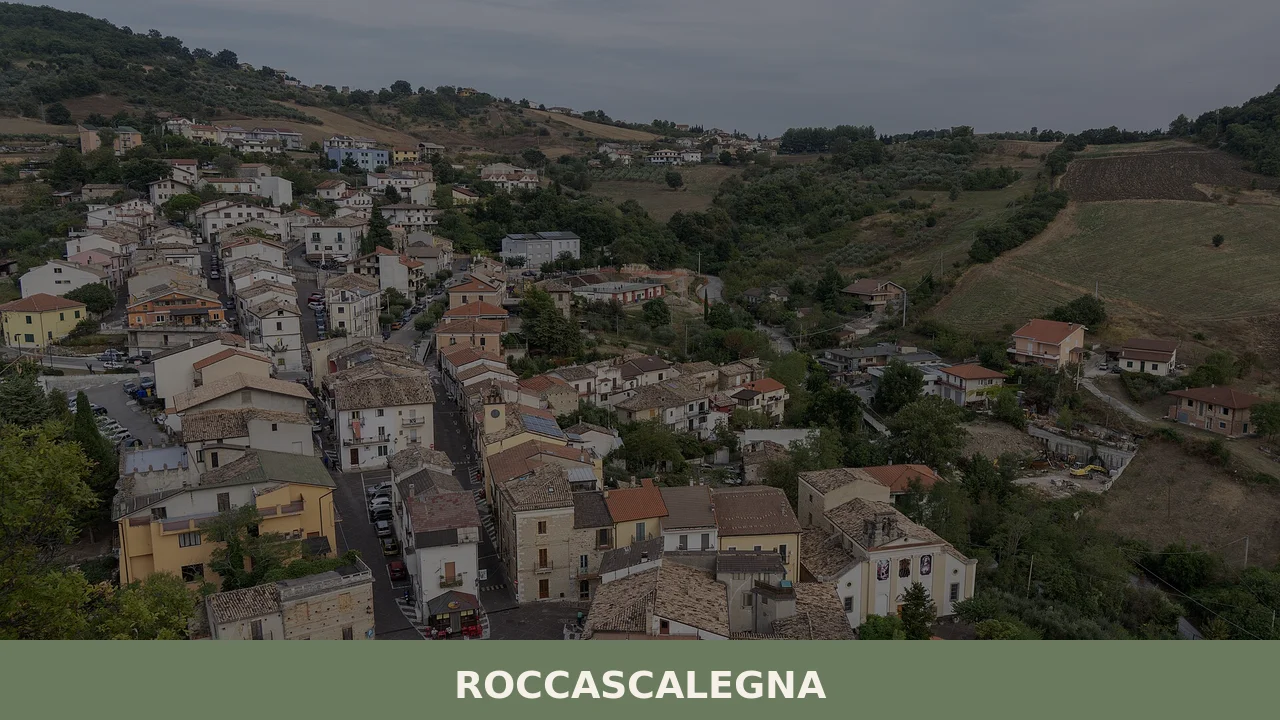
Roccascalegna
 Hills
Hills
What to see in Roccascalegna, Abruzzo, Italy: castle, abbey, medieval village and 1,263 inhabitants. Discover top attractions, food and travel tips.
Discover Roccascalegna
A rocky spur rises above the Sangro valley in the province of Chieti, and on its summit the walls of a medieval castle follow the contours of the cliff so precisely that stone and bedrock are, at a glance, indistinguishable. The village below climbs in tight concentric rings around the base of the rock, its narrow lanes channelling the wind off the Maiella massif into long, steady draughts.
At 1,263 inhabitants, Roccascalegna is one of the smaller comuni — administrative municipalities — of inland Abruzzo, yet the density of layered history concentrated on this single outcrop is disproportionate to its size.
Deciding what to see in Roccascalegna becomes straightforward once you understand the layout: the castle and the medieval village occupy the high ground, the Church of San Pietro anchors the older residential quarter, and the Abbey of San Pancrazio — founded in 1205 — stands as the oldest dateable structure in the area. Visitors to Roccascalegna find a compact itinerary that can be covered on foot in a single day, making the town a practical destination for travellers based in Chieti or Lanciano who want to explore the interior of Abruzzo without long transfers.
History of Roccascalegna
The earliest documentary evidence for a fortified settlement on this spur dates to the medieval period, when control of the Sangro valley crossings made the position strategically valuable. The rock on which the castle stands provided a natural defensive platform that required minimal artificial reinforcement on the steeper faces, and successive lords expanded the upper works to control the roads threading through the valley below. The name Roccascalegna combines the Latin rocca, meaning a fortified rock or stronghold, with a second element that local historians have linked to the Latin scala, a stairway or stepped ascent — a direct reference to the cut-stone paths that allowed access to the summit from the village below.
The Abbey of San Pancrazio was opened in 1205, placing the foundation firmly within the broader wave of Benedictine and Cistercian monastic expansion that swept through the Apennine communities during the twelfth and thirteenth centuries.
Religious foundations of this kind typically served as centres of land management, literacy, and trade arbitration for the surrounding villages, and San Pancrazio would have exerted influence over a cluster of settlements in the middle Sangro basin. The Church of San Pietro, whose origins are less precisely documented, represents the parish focus of the residential community that grew up around the castle’s shadow, serving the daily religious life of inhabitants who were subject to the castle’s feudal authority. The village of Montebello sul Sangro, located in the same river basin, shares a comparable pattern of medieval settlement tied to the Sangro waterway and its strategic importance for controlling movement through this part of inland Abruzzo.
The modern administrative history of Roccascalegna placed it within the province of Chieti, the territorial unit that still governs the eastern flank of Abruzzo between the Maiella and the Adriatic coast. The castle underwent documented study and restoration work recorded in a 1999 monograph by historian A. Di Loreto, Il Castello di Roccascalegna, storia e restauro, published in Teramo — the most detailed architectural and historical analysis of the structure available in the scholarly literature.
A broader documentary treatment of the village appeared in the eleventh volume of Borghi e paesi d’Abruzzo, published by Carsa Edizioni of Pescara in 2008, which situates Roccascalegna within the wider pattern of fortified hilltop settlements that define the landscape of inner Abruzzo. The population has stabilised at 1,263, a figure typical of the smaller comuni in the Chieti hinterland that have maintained continuity of habitation without significant post-war urbanisation pressure.
What to see in Roccascalegna, Abruzzo: top attractions
Castle of Roccascalegna
The masonry of the Castle of Roccascalegna merges with the natural limestone of the spur at multiple points along its base, making it genuinely difficult to establish where quarried stone ends and unworked bedrock begins. The structure is a medieval fortification documented in scholarly literature as early as the feudal period, and the 1999 restoration study by Di Loreto established a precise architectural record of its surviving fabric.
Standing at the summit, the visitor looks out over the Sangro valley in three directions, with the Maiella massif visible to the northwest on clear days. The castle is the primary reason most travellers consider what to see in Roccascalegna, and the approach on foot from the village below gives a clear sense of the defensive logic that governed its construction.
Medieval Village
The historic fabric of the village wraps around the base of the castle rock in a sequence of stone-built lanes, arched passages, and small open spaces that follow the slope rather than imposing a regular grid. Houses are constructed from local limestone and have been continuously inhabited, which means the fabric shows genuine wear — worn thresholds, patched lintels, exterior walls darkened by centuries of exposure.
The settlement pattern is characteristic of the fortified hilltop towns documented throughout the Chieti province, where the upper village served both a residential and a military function. Walking through the lanes requires attention to the uneven paving, and visitors should allow at least ninety minutes to cover the main circuits at a pace that permits examination of the architectural details.
Church of San Pietro
The Church of San Pietro occupies a position within the older residential quarter that places it at the intersection of the main pedestrian routes through the lower village. Its dedication to Saint Peter follows a naming convention widespread in Abruzzo’s inland communities, where Petrine dedications were common in parishes established under Lombard and Norman ecclesiastical influence. The interior retains its function as an active place of worship, and the fabric of the building reflects successive phases of modification over several centuries. Visitors examining the exterior will note the relationship between the church’s orientation and the street pattern around it — the building was clearly planned as an urban anchor, not inserted into an existing fabric after the fact.
Abbey of San Pancrazio
The Abbey of San Pancrazio carries a precise foundation date of 1205, which places it among the earlier surviving religious structures in this part of the Sangro basin.
Dedicated to Saint Pancras — a Roman martyr whose cult spread widely through early medieval Europe — the abbey would have operated as a working monastic community managing agricultural land in the valley below the village. The building’s 820-year history means that its fabric contains elements from multiple construction phases, and the relationship between the original Romanesque core and later additions is legible in the stonework. For those planning an extended visit to what to see in Roccascalegna, the abbey warrants careful examination as the oldest dateable monument in the comune.
The Surrounding Landscape and Valley Views
The spur on which Roccascalegna stands rises above the Sangro valley floor, and the drop from the castle walls to the cultivated land below gives the settlement its defining visual character from any approach road. The valley itself carries the Sangro river, which flows eastward toward the Adriatic through a corridor that has served as a transit route since pre-Roman times.
The agricultural land visible from the upper village includes cereal fields, olive groves, and pasture in a distribution that reflects the altitude gradient between valley floor and upland. The nearby village of Pennapiedimonte, positioned on the northern slopes of the Maiella, offers a contrasting perspective on the same mountain landscape for travellers who want to extend their itinerary into the higher terrain.
Local food and typical products of Roccascalegna
The food culture of the Chieti hinterland where Roccascalegna sits belongs to the broader culinary geography of inner Abruzzo, a zone where the kitchen has historically been shaped by upland farming, transhumance, and the preservation requirements of communities that had limited access to coastal fish markets. Pork, lamb, dried legumes, and hard wheat have formed the dietary base for centuries, and the processing techniques associated with each — curing, slow braising, stone-milling — remain in active use in the kitchens and small producers of the area. The altitude of the Sangro valley communities, combined with cold winters and hot, dry summers, creates conditions that favour the slow maturation of cured meats and aged cheeses.
Among the dishes most firmly rooted in the culinary practice of this zone, arrosticini stand out as the most recognisable to outside visitors: small cylinders of castrated sheep meat threaded on flat wooden skewers and grilled over a long, narrow charcoal brazier called a furnacella.
The meat is cut by hand or with a specialised machine into uniform pieces roughly 1 cm (0.4 in) across, and the cooking time over direct heat is short — under five minutes — which preserves the fat and produces a slightly charred exterior with a juicy interior. Pasta alla chitarra, a square-section egg pasta cut by pressing a sheet of dough through a frame strung with steel wires, is the standard first course, typically served with a slow-cooked lamb ragù or, in season, with a sauce based on locally grown sweet peppers. Pecorino di Farindola, an aged sheep’s milk cheese produced in the Gran Sasso and Maiella area and notable for its use of pig rennet rather than the calf rennet standard elsewhere in Italy, represents one of the more distinctive dairy products accessible to visitors travelling through the province of Chieti.
Certified designations relevant to the broader Chieti province include products under the Abruzzo PDO and PGI framework, though the available sources do not document specific certified designations tied exclusively to the municipality of Roccascalegna. Visitors interested in certified production should look for agriturismo — farmstay operations that combine accommodation with direct sale of farm products — on the valley roads between Roccascalegna and Lanciano, where small-scale producers of cured pork, olive oil, and grain-based products operate.
Local markets and village food events in the area around Roccascalegna typically take place in summer, when the tourist population of the Abruzzo interior increases and demand for local products rises.
The months of July and August concentrate most of the outdoor markets and sagre — traditional food festivals oriented around a single local product or dish — in the Chieti hinterland. Travellers visiting in this period will find the best access to fresh and processed local products sold directly by producers.
Festivals, events and traditions of Roccascalegna
The confirmed religious dedication documented in the sources for Roccascalegna points to the Church of San Pietro, whose patron saint’s feast on 29 June marks one of the principal dates in the parish calendar. The feast of Saints Peter and Paul on that date is observed across Catholic Italy, but in smaller communities like Roccascalegna it retains the character of a local event organised around the parish rather than a regional celebration, typically involving a solemn Mass, a procession through the main streets of the village, and evening gatherings in the open spaces near the church.
The Abbey of San Pancrazio’s dedication to Saint Pancras places a secondary feast day on 12 May, though the specific local observances associated with this date are not detailed in the available sources.
The summer season in the Sangro valley area brings a cycle of outdoor events that make use of the village’s historic spaces, particularly the areas immediately below and around the castle. The medieval fabric of the upper village has historically served as the backdrop for costumed events and historical re-enactments that draw on the feudal period of the castle’s occupation, though the precise schedule of such events changes from year to year. Visitors planning a trip around a specific festival should verify current programming with the municipal administration of Roccascalegna before travelling, as the confirmed calendar for any given year may differ from the general seasonal pattern.
When to visit Roccascalegna, Italy and how to get there
The most practical period for visiting Roccascalegna runs from late April through early October. Spring — specifically May and June — offers mild temperatures in the Sangro valley, reduced tourist numbers compared to August, and the full range of the valley landscape in active agricultural use. July and August bring higher temperatures and the majority of local food events and outdoor activities, but the village itself, at an elevation that keeps it cooler than the Adriatic coast, remains accessible without the crowd pressure of the coastal resorts.
Autumn, particularly September and October, is the season favoured by visitors interested in the landscape rather than events: the light is lower, the colours of the valley floor shift from green to gold, and the trails in the surrounding hills are in good condition after the dry summer. Winter access is possible but some mountain roads in the broader area can be affected by snow between December and February, so travellers with specific timing constraints should check road conditions.
By road, Roccascalegna is most efficiently reached via the A14 Autostrada Adriatica, exiting at Lanciano and then following the inland provincial roads southwest toward the Sangro valley — a distance of approximately 20 km (12.4 mi) from the motorway exit to the village. From Rome, the total road distance is approximately 220 km (136.7 mi), a journey of around two and a half hours that makes Roccascalegna viable as a long day trip from the capital for travellers with a car. The nearest significant rail hub is Lanciano, served by Trenitalia regional services connecting to Pescara Centrale, which in turn has intercity rail links to Rome, Bologna, and Milan.
From Lanciano station, a car is necessary to cover the final 20 km (12.4 mi) to the village, as no scheduled public bus service makes the complete route practicable for day visitors. The nearest airport with scheduled international services is Pescara Abruzzo Airport, approximately 65 km (40.4 mi) northeast of Roccascalegna, with a road transfer time of around one hour under normal conditions. International visitors arriving at Rome Fiumicino can reach the Lanciano area in approximately three hours by a combination of intercity train to Pescara and onward regional rail. It is worth noting that English is spoken only in a limited number of establishments in smaller inland villages, and carrying euro cash is advisable since card payment terminals are not universal in the smaller shops and cafés of the Chieti hinterland.
Travellers who want to extend their stay in the area will find that the villages of the upper Sangro basin form a logical circuit by car. The village of Lecce nei Marsi, further north in the Marsica district, lies within a broader Abruzzo itinerary for those crossing from the Sangro valley toward the Fucino plain, and offers a different geological and historical context within the same regional framework. Similarly, Barete, in the L’Aquila province, fits into a multi-day circuit for visitors exploring the inner Apennine communities of Abruzzo from south to north.
Frequently asked questions about Roccascalegna
What is the best time to visit Roccascalegna?
The ideal time to visit Roccascalegna is during spring (April-May) or early autumn (September-October). These seasons offer pleasant temperatures for exploring the village's steep lanes and the castle on foot, avoiding the summer heat or the colder, potentially snowy winter months typical of inland Abruzzo at 430m altitude. A notable event is the Festa Patronale on September 27th, celebrating SS. Cosma e Damiano, which offers a glimpse into local traditions. Visiting during these periods allows for comfortable sightseeing and enjoying the panoramic views of the Sangro valley and Maiella massif.
What to see in Roccascalegna? Main monuments and landmarks
Roccascalegna offers a compact yet historically rich itinerary. The primary attraction is the striking Castle of Roccascalegna, a medieval fortification perched dramatically on a rocky spur. Visitors can explore its ancient walls and enjoy breathtaking views over the Sangro valley. Below, the Medieval Village winds in concentric rings around the castle, with its stone-built lanes and historic houses. Other key sites include the Church of San Pietro, an active place of worship in the older residential quarter, and the Abbey of San Pancrazio, founded in 1205 and the oldest dateable monument in the comune, showcasing a Romanesque core. All sites are walkable within a single day.
Where to take the best photos in Roccascalegna?
For iconic photographs of Roccascalegna, the most compelling vantage point is from the approach roads leading to the village. Here, the Castle of Roccascalegna dramatically merges with its rocky spur, offering a stunning silhouette against the Abruzzo landscape. Once within the village, the narrow, winding medieval lanes provide picturesque scenes of ancient stone architecture and glimpses of daily life. From the summit of the castle, photographers can capture sweeping panoramic views of the Sangro valley and the distant Maiella massif, especially on clear days, showcasing the region's natural beauty.
What can you do in Roccascalegna? Activities and experiences
In Roccascalegna, the main activity revolves around immersing oneself in its rich history and unique architecture. Visitors can spend a day exploring the medieval village on foot, navigating its tight, stone-paved lanes that climb towards the imposing castle. Ascending to the Castle of Roccascalegna allows for a journey through centuries of history, culminating in spectacular panoramic views of the Sangro valley. Beyond sightseeing, experiencing the local culinary traditions is a must. Savoring typical Abruzzese dishes like arrosticini and pasta alla chitarra with lamb ragu, alongside local cured meats and cheeses, offers a genuine taste of the Chieti hinterland.
Who is Roccascalegna suitable for? Families, couples, hikers, solo travelers?
Roccascalegna is particularly suitable for history enthusiasts, cultural tourists, couples, and solo travelers seeking an authentic medieval village experience. Its dense concentration of historical sites, including the castle, abbey, and ancient village, makes it ideal for those interested in architecture and local heritage. The compact, walkable nature of the town also makes it a practical day-trip destination for travelers based in nearby Chieti or Lanciano. While not specifically a hiking destination, its uneven terrain and climbs will appeal to visitors who enjoy walking and exploring on foot.
What to eat in Roccascalegna? Local products and specialties
The culinary offerings in Roccascalegna reflect the robust traditions of inland Abruzzo. The most iconic dish is **arrosticini**, small skewers of grilled castrated sheep meat, a must-try specialty. Another staple is **pasta alla chitarra**, a distinctive square-section egg pasta, traditionally served with a rich, slow-cooked lamb ragu. The local food culture also features a variety of cured meats and aged cheeses, products of the region's historical upland farming and transhumance practices. These specialties offer a true taste of the Chieti hinterland, shaped by its altitude and climate.
📷 Photo Gallery — Roccascalegna
Nearby Villages near Roccascalegna


In Abruzzo More villages to discover
Cocullo
 Mountain
What to see in Cocullo: from the Serpari Festival to the Church of San Domenico. Complete guide with 5 attractions and practical tips for visiting the village.
Carpineto Sinello
Hills
At 381 metres above sea level, on the ridge line separating the Sinello valley from the Appello stream valley, Carpineto Sinello has just 480 inhabitants today — less than a fifth of the nearly two thousand recorded in early twentieth-century censuses. The demographic data tells the story of a hilltop centre in the Chieti area […]
Canzano
Hills
Canzano has 1,786 inhabitants and stands at 448 metres above sea level on a hill in the province of Teramo, along the foothill belt separating the Vomano valley from the first Apennine ridges. Anyone wondering what to see in Canzano will find an urban core where the fortified medieval layout coexists with a precise and […]
Martinsicuro
 Sea
Sea
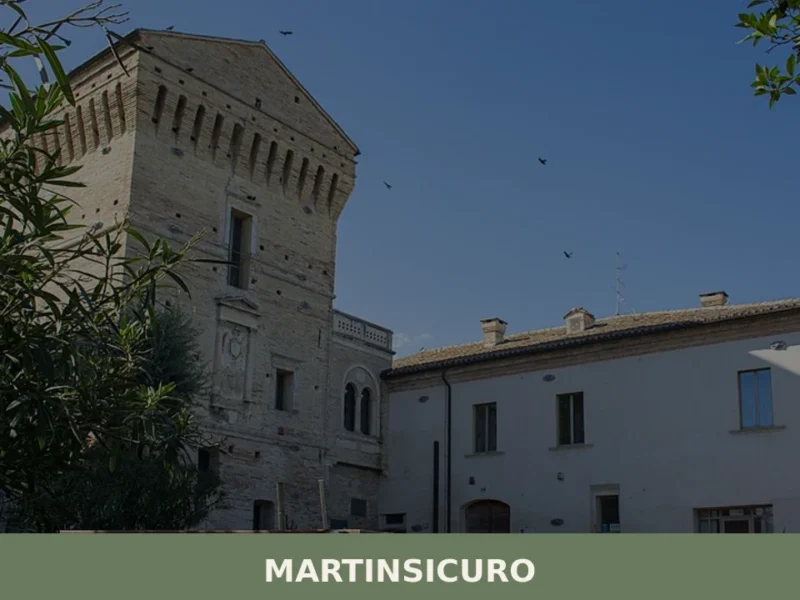
Martinsicuro, located 2 meters above sea level in the province of Teramo, has a population of 16,270 inhabitants. Its development is directly linked to the Adriatic coast and the presence of the Tronto river mouth. For those wondering what to see in Martinsicuro, the core interest lies in its identity as a seaside town that […]
Ateleta
Mountain
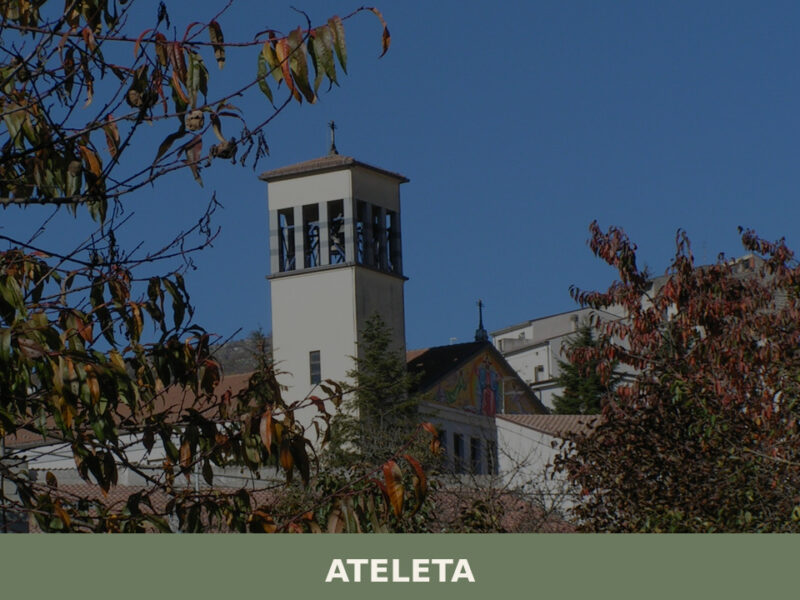
Morning fog lifts off the Alto Sangro valley in slow, deliberate sheets, revealing stone houses arranged along a ridge at over 750 metres above sea level. The air carries woodsmoke and the faint sound of a church bell marking seven o’clock. Ateleta, a village of 1,157 inhabitants in the province of L’Aquila, occupies a quiet […]
Giulianova
Sea
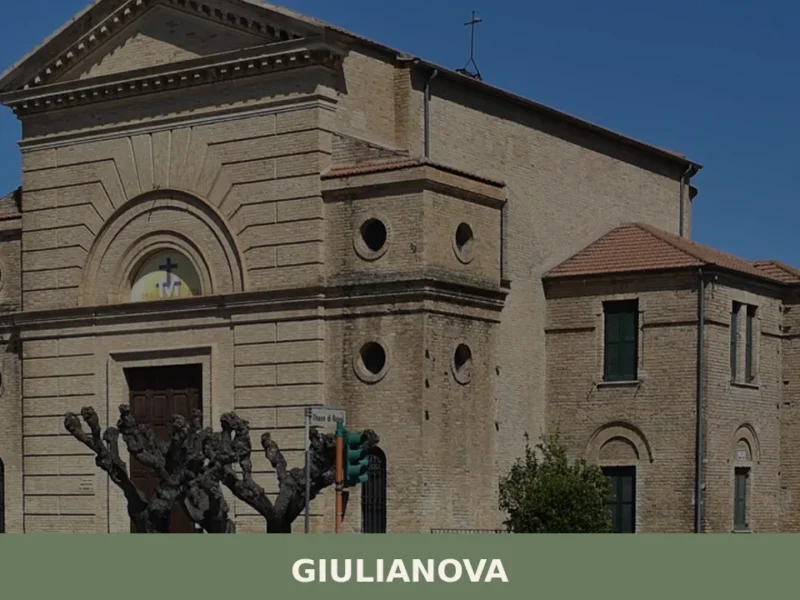
In 1470, Duke Giuliantonio Acquaviva refounded the ancient settlement of Castel San Flaviano on a hill 68 metres above sea level, giving it his own name: Giulianova. The urban layout he commissioned — a regular grid with a central square and symmetrical blocks — is one of the earliest documented examples of an ideal Renaissance […]
Fano Adriano
Mountain
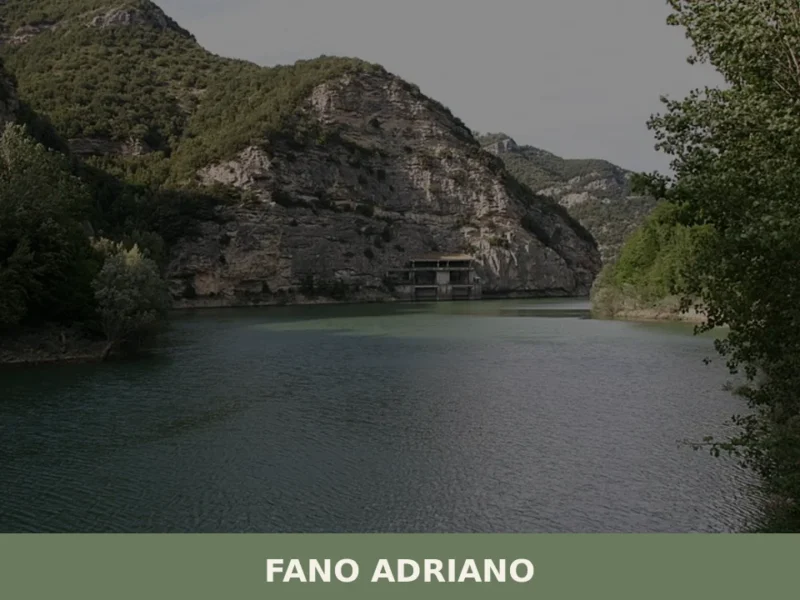
what to see in fano adriano, Italy: Discover 5 key attractions and local traditions in this Abruzzo village at 750 m (2,461 ft) altitude. Explore.
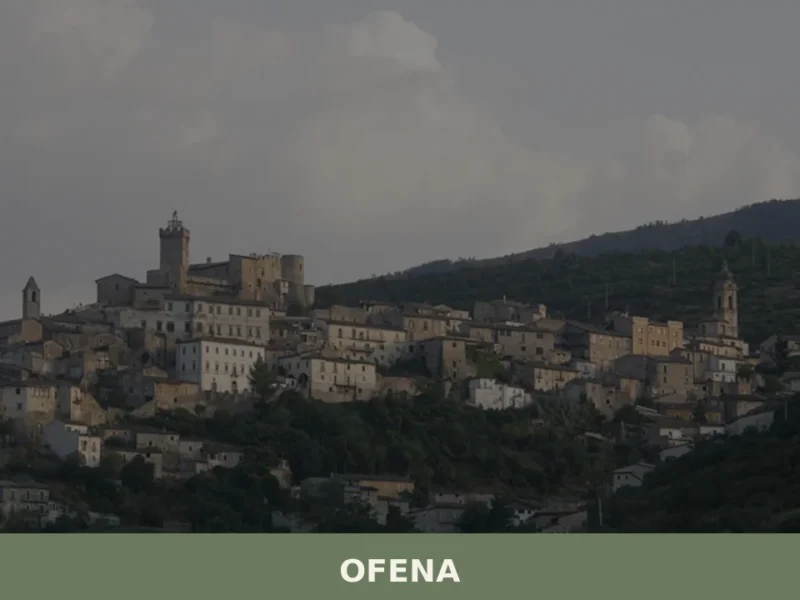
Ofena
Mountain
What to see in Ofena, Italy: Explore its historical significance as Aufinium and the Gran Sasso e Monti della Laga National Park. This village of 517 inhabitants offers a journey into Abruzzo's past. Read our guide.
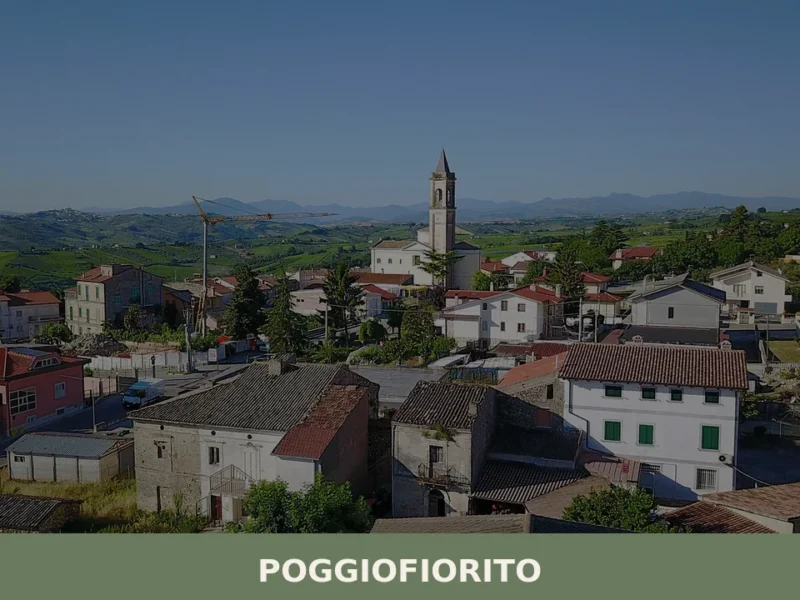
Poggiofiorito
Sea
What to see in Poggiofiorito: 5 attractions in this Abruzzo village, from the main church to the historic centre. Discover the complete visitor's guide.
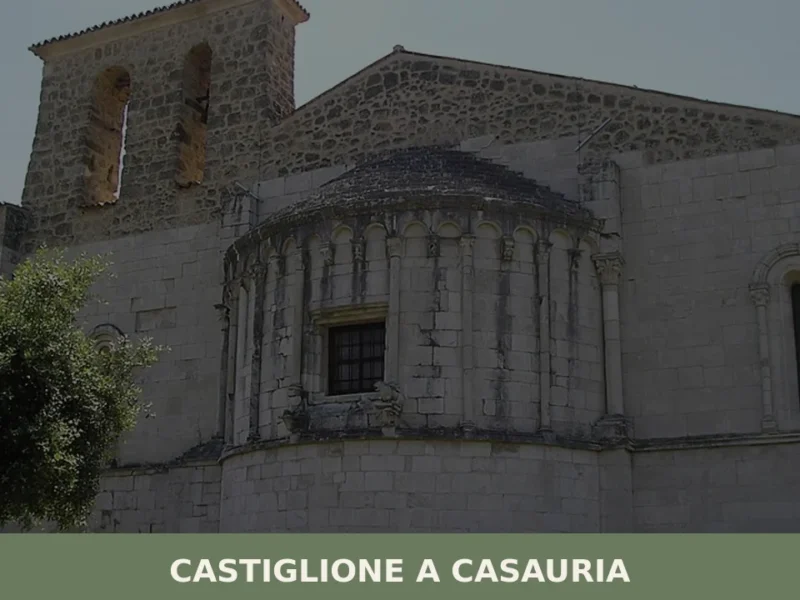
Castiglione a Casauria
Hills
The Abbey of San Clemente a Casauria, founded in 871 by Emperor Louis II, stands just a few hundred metres from the town centre and ranks among the most important Romanesque monuments in central Italy. It is this monastic presence that defines the identity of Castiglione a Casauria, a village of 701 inhabitants in the […]

🏡 Know Roccascalegna better than we do?
If you’re a local or have been there, your knowledge matters: add what’s missing or fix a detail on this page.