


Santa Maria Imbaro
 Sea
Sea
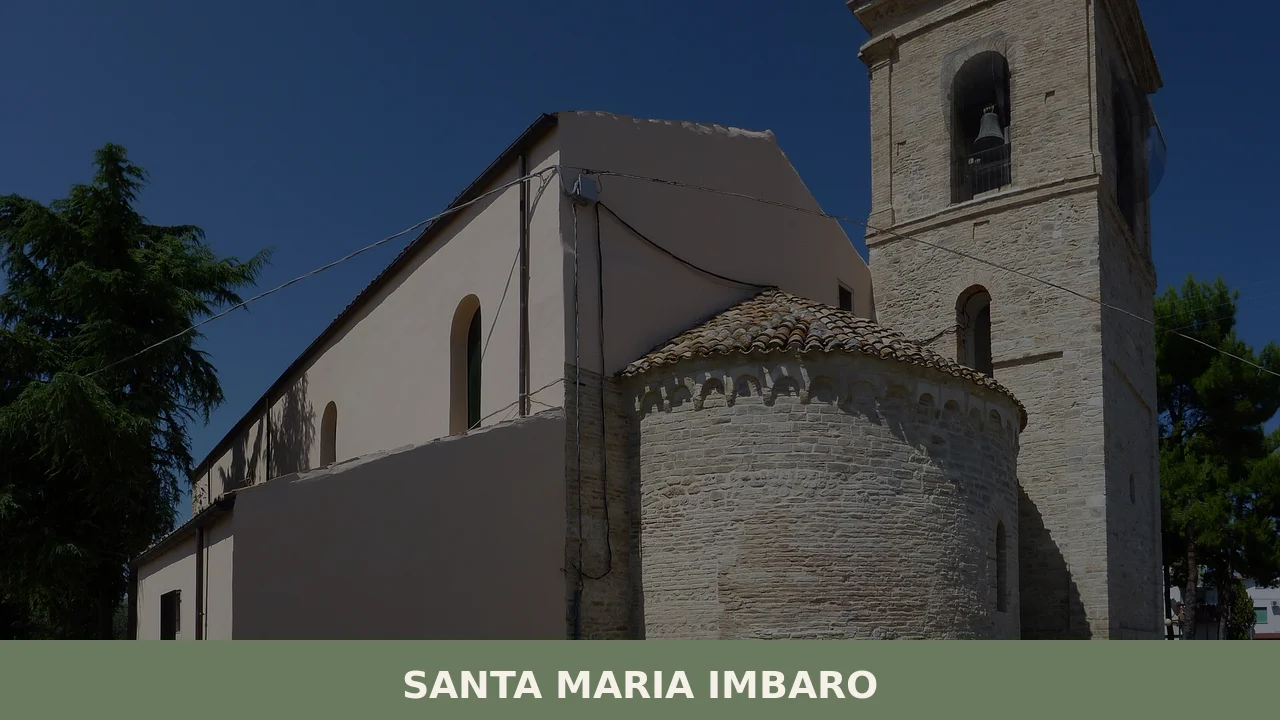
The hill that supports Santa Maria Imbaro stands out sharply against the outline of the Chieti countryside: the low rooftops, the local stone façades and the bell tower of the parish church form a compact silhouette that can be read from the provincial road, even before turning into the village. The local dialect calls it […]
Discover Santa Maria Imbaro
The hill that supports Santa Maria Imbaro stands out sharply against the outline of the Chieti countryside: the low rooftops, the local stone façades and the bell tower of the parish church form a compact silhouette that can be read from the provincial road, even before turning into the village.
The local dialect calls it Sanda Marmàre, a contracted form that carries with it centuries of popular pronunciation and distinguishes this municipality from its official place name with a certain phonological precision.
Two thousand and sixteen inhabitants at the time of the documented census, a territory that looks toward the Adriatic Sea on one side and toward the inland hills of eastern Abruzzo on the other.
Those who want to know what to see in Santa Maria Imbaro will find a village in the province of Chieti with a parish church dedicated to the Madonna, a compact historic centre and a hilly landscape that constitutes the dominant visual context of every route through the municipality.
The five main attractions include the parish church, the urban fabric of the ancient nucleus, the rural paths of the municipal territory, the panoramic viewpoints toward the Adriatic coast and the gastronomic heritage linked to the Frentani culinary tradition.
The distance from Lanciano — the main urban centre for this part of the province — is approximately 10 kilometres, which makes Santa Maria Imbaro easy to incorporate into a broader itinerary along the coast and the Teatine hills.
History and origins of Santa Maria Imbaro
The name of the municipality reveals its dual root: Santa Maria indicates the religious dedication of the centre, probably linked to a church or a medieval devotional settlement dedicated to the Virgin, while Imbaro is a toponymic element of more uncertain interpretation, which some local scholars connect to terms of Lombard or Norman origin referring to characteristics of the territory.
The dialect form Sanda Marmàre attests to a current pronunciation that over the centuries has undergone a syncope of the middle syllables, a phenomenon common in many municipalities of the Chieti hill zone.
The settlement fits into the context of the so-called Frentani area, that portion of Abruzzo lying between the Sangro river to the south and the Pescara to the north, which in the Middle Ages was crossed by trade routes and transhumance paths between the Apennine hinterland and the coast.
During the medieval period, the territory now belonging to the municipality of Santa Maria Imbaro was part of a system of small inhabited nuclei dependent on the main feudal centres of the province of Chieti. Lanciano, some 10 kilometres away, exerted a gravitational function — both economic and administrative — over the entire surrounding countryside, and Santa Maria Imbaro was no exception.
The most significant changes to the layout of the village took place between the 17th and 18th centuries, when the restructuring of many rural Abruzzese churches — also promoted by the impetus of the Counter-Reformation — affected the local parish church as well.
The process of national unification in the 19th century integrated the municipality into the administration of the Kingdom of Italy, placing it in the province of Chieti as it is known today.
A similar historical context, characterised by the same succession of feudal dominions and the same location in the Frentani area, links Santa Maria Imbaro to Liscia, a municipality in the same province that shares medieval roots and a similar hilly landscape.
In the 20th century Santa Maria Imbaro followed the demographic transformations typical of inland Abruzzo: a progressive decline in the rural population, caused by emigration toward the coastal urban centres and the industrial regions of northern Italy, alternated with periods of stabilisation tied to local agriculture. The current population of 1,917 inhabitants represents the result of this long-term dynamic.
The urban layout of the historic centre, with its narrow streets and houses arranged on natural terraces, retains the legibility of a hill village that has adapted its form to the relief of the land without losing the coherence of its original fabric.
What to See in Santa Maria Imbaro: Main Attractions
Parish Church of Santa Maria
The parish church dedicated to the Madonna represents the architectural and symbolic reference point of the village.
The bell tower, visible from outside the town even before reaching the centre, serves as a vertical landmark that orients the arrival of visitors along the provincial road. The religious building features a masonry structure typical of rural Abruzzese churches, with thick walls built from local materials quarried from the hillside area.
The entrance portal preserves decorative elements that reflect the stone craftsmanship widespread in the province of Chieti between the 17th and 18th centuries, a period during which many churches in the Frentano territory underwent expansion or renovation works.
Inside, the nave houses furnishings and devotional works that document the continuity of Marian worship in the village.
Visiting the parish church requires checking opening hours in advance at the local rectory, as access depends on the weekly liturgical services.
Historic Centre and Ancient Core
The ancient core of Santa Maria Imbaro develops around the parish church following the morphology of the hill: the streets adapt to the contour lines of the terrain and the houses lean against one another, forming compact blocks that optimise the buildable space on an uneven ridge. The exposed stone facades, alternating with lime plaster of different periods, reflect the architectural layering that ranges from the medieval layout to twentieth-century additions.
Walking through the historic centre takes approximately 30–40 minutes at a leisurely pace, enough time to observe the constructive details of the portals, the carved stone cornices and the devotional niches that appear on the outer facades of private homes.
These minor architectural elements constitute a documentary repertoire on popular devotion and local building techniques between the 18th and 19th centuries.
Those who walk through the ancient core in the morning hours find a raking light that enhances the relief of the stone surfaces and makes the dressing of the ashlar blocks more legible.
Panorama Towards the Adriatic Coast
From the upper part of the municipality, at approximately 200 metres above sea level, the territory of Santa Maria Imbaro offers a view towards the Adriatic coast that on days of high visibility extends to cover a significant stretch of the Chieti coastline. The field of vision opens eastward without significant morphological obstacles, because the hill on which the village stands descends gradually towards the coastal plain without creating intermediate physical barriers.
This geographical position means that the landscape visible from the municipality includes both the profile of the hilly hinterland to the west and the line of the sea horizon to the east — a visual duality that characterises many municipalities in the Chieti foothill belt. The most favourable observation point is located near the parish church, where the terrain creates a natural projection that widens the visual range.
The autumn months, with clearer air following the first rains, offer the best visibility conditions for appreciating this perspective.
Rural Territory and Paths Through the Olive Groves
The municipal territory of Santa Maria Imbaro includes an agricultural belt that extends from the inhabited core towards the surrounding flat areas and hillside slopes.
Olive groves represent one of the historically most deep-rooted crops in this part of the province of Chieti, where the pedoclimatic conditions — clay soils, exposure to the Adriatic sun, mild autumn temperatures — have favoured the cultivation of olive trees for at least several centuries.
The unpaved tracks that cross these agricultural areas allow visitors to read the agrarian landscape directly: the terraces supported by dry-stone walls, the arrangement of the trees in rows, the spontaneous vegetation at the edges of the plots. The olive harvest season, which in this altitudinal belt is concentrated between October and November, is the period when agricultural activity is most visible and when the rural landscape reaches its greatest animation.
Those who travel these roads during that period can observe the work directly in the field.
Itinerary Towards Lanciano and the Sangro Valley
Santa Maria Imbaro’s position approximately 10 kilometres from Lanciano makes it a natural starting point for exploring a wider geographical area that includes the Frentano city — with its medieval historic centre and the cathedral of Santa Maria del Ponte — and the Sangro valley to the south.
The provincial road connecting the two centres crosses a transitional hilly landscape, with alternating views over valley floors and cultivated ridges. To the south, the territory approaches the area of the Majella National Park and the reservoir of Lake Bomba, formed in the 1960s
Traditional Cuisine and Products of Santa Maria Imbaro
The cuisine of Santa Maria Imbaro belongs to the gastronomic tradition of the Frentano area, that portion of Abruzzo which historically developed a peasant cuisine built on cereals, legumes, sheep and pork meats, and the use of olive oil as the base fat for cooking.
The geographical position of the municipality — halfway between the Adriatic coast and the Apennine hinterland — historically determined a cuisine that integrates ingredients of agricultural origin with contributions from the pastoral tradition.
The dishes of the area reflect this dual origin: on one hand the products of cultivated land, on the other the meats and cheeses tied to sheep farming that characterises the inland areas of the province of Chieti.
Among the most representative dishes of the local tradition are sagne ‘ntorte, a fresh pasta with a twisted cross-section typical of southern Abruzzo, dressed with sheep meat ragù or with tomato and chilli pepper sauce.
Pallotte cace e ove, meatballs made of cheese and eggs fried in abundant oil, represent one of the oldest dishes of Abruzzo’s cucina povera, born from the need to transform simple and inexpensive ingredients into a substantial main course.
The brodetto di pesce, in its Chieti variant, is instead a testament to the influence of the Adriatic coast on the inland cuisine, brought to the countryside through trade between the coastal strip and the hilltop centres.
The olive oil produced by the olive groves of the Chieti territory is the ingredient that unifies these preparations, present both in cooking and in the final dressing.
No products with a controlled designation of origin or protected geographical indication specifically certified for the municipality of Santa Maria Imbaro appear in the database of official designations. The local cuisine is nonetheless part of the broader context of traditional Abruzzo agri-food products, recognised at regional level and present in the markets and food festivals of the province of Chieti.
Those wishing to purchase local products find the most accessible point of reference in the weekly markets of Lanciano, where producers from the surrounding countryside bring olive oil, pecorino cheeses, cured meats and seasonal vegetables.
The cuisine of this area shares common roots with that of other villages in the province, such as Civitella Casanova, which shares the same agro-pastoral matrix and the same centrality of olive oil and sheep meats in the traditional diet.
The food festivals and gastronomic events held in neighbouring municipalities during the summer and autumn months — between July and October — offer the opportunity to taste these preparations in a festive setting.
The autumn season is in particular the period when local agricultural production reaches its peak: the olive harvest, the production of grape must and the processing of pigs are activities that have structured the rural calendar of this part of Abruzzo for generations.
Festivals, Events and Traditions of Santa Maria Imbaro
The patron saint’s feast of Santa Maria Imbaro is dedicated to the Madonna, in keeping with the dedication of the parish church that gives the municipality its name.
The religious celebrations linked to the Marian cult traditionally concentrate in those periods of the year when the liturgical calendar provides for the principal feast days dedicated to the Virgin: 15 August for the feast of the Assumption and 8 September for the Nativity of Mary.
On these days the parish church becomes the centre of the celebrations, with solemn services, processions through the streets of the village and the participation of the local community. To check the detailed programme of religious and civic events for the current year, visitors are invited to consult the official website of the Municipality of Santa Maria Imbaro or to contact the local parish directly.
The traditions linked to the agricultural calendar also mark the informal gatherings of the community: the grape harvest between September and October and the olive harvest between October and November are moments in which the village keeps alive a collective ritual connected to working the land.
These activities, while not constituting structured tourist events, remain observable by those who visit the territory during those periods and represent an authentic aspect of local community life.
The culinary tradition also finds expression on these occasions, with the preparation of dishes tied to the seasonal cycle that are shared among families and neighbours according to customs consolidated over time.
When to Visit Santa Maria Imbaro and How to Get There
The most favourable period to visit Santa Maria Imbaro is spring, between April and June, when the Chieti countryside reaches its greatest chromatic intensity with cultivated fields, leafy olive groves and wild vegetation along the edges of rural roads.
Autumn, from September to November, is the second recommended seasonal window: the air is clearer, visibility towards the Adriatic coast is generally better, and the area is enlivened by the agricultural activities of the harvest.
The summer months, particularly July and August, are suitable for those who want to combine a visit to the village with a day at the sea on the Chieti coast, less than 20 kilometres away.
Those seeking maximum tranquillity should choose weekdays in any season, considering that the village of 1,917 inhabitants does not experience tourist flows that significantly alter daily rhythms.
To arrive by car, the reference motorway exit is Lanciano on the A14 Adriatica motorway, from which Santa Maria Imbaro is approximately 10 kilometres away, reachable in 15 minutes along the provincial road network.
Those arriving from the north (Bologna, Pescara) take the A14 southbound to the Lanciano exit; those arriving from the south (Naples, Vasto) take the same motorway northbound to the same exit. The nearest railway station is Lanciano, served by the regional line.
For updated timetables of Abruzzo regional trains, it is recommended to consult the Trenitalia website. The reference airport is the Abruzzo International Airport in Pescara, approximately 55 kilometres away and reachable in about 50 minutes by car via the A14 northbound.
From Pescara, you can continue towards Lanciano and then towards Santa Maria Imbaro via the state and provincial road network.
| Departure point | Distance | Estimated time |
|---|---|---|
| Lanciano (A14 exit) | approx. 10 km | 15 minutes |
| Pescara Airport | approx.
55 km |
50 minutes |
| Chieti | approx. 35 km | 35 minutes |
| Vasto | approx. 40 km | 40 minutes |
Those planning a multi-day itinerary in eastern Abruzzo can extend the route towards Tortoreto, a coastal municipality in the province of Teramo that offers a different profile — sea and Adriatic coast — compared to the hilly hinterland of Santa Maria Imbaro, thus completing an itinerary that covers both the Chieti foothill belt and the Abruzzo Adriatic coastline, making it an ideal journey for those wondering what to see in Santa Maria Imbaro and the surrounding region.
Frequently asked questions about Santa Maria Imbaro
What is the best time to visit Santa Maria Imbaro?
The best time to visit Santa Maria Imbaro depends on your interests. For clear panoramic views of the Adriatic coast and to witness the olive harvest, the autumn months, particularly October and November, are ideal due to clearer air and agricultural activity. If you wish to experience local traditions, the village celebrates its patron saint, Maria (mother of Jesus), with a feast on March 4th. The village's proximity to the coast also makes it appealing during the warmer months for those combining a hill visit with seaside excursions in the Abruzzo region.
What are the historical origins of Santa Maria Imbaro?
Santa Maria Imbaro's origins are rooted in its name: 'Santa Maria' signifies a medieval religious dedication to the Virgin Mary, likely linked to an ancient church or devotional site. 'Imbaro' is a toponymic element of more uncertain interpretation, possibly with Lombard or Norman origins referring to territorial characteristics. Historically, the settlement developed within the Frentani area during the medieval period, functioning as a small inhabited nucleus dependent on larger feudal centers like Lanciano, which is approximately 10 kilometers away.
What to see in Santa Maria Imbaro? Main monuments and landmarks
In Santa Maria Imbaro, the main attractions include the Parish Church of Santa Maria, the architectural and symbolic heart of the village, whose bell tower is a visible landmark from afar. The compact Historic Centre and Ancient Core, with its narrow streets and stone facades, offers a leisurely 30-40 minute walk. From the upper part of the municipality, near the parish church, you can enjoy a Panorama Towards the Adriatic Coast. The Rural Territory and Paths Through the Olive Groves also provide insight into the local agricultural landscape, especially during the olive harvest season.
What are the main natural or scenic attractions of Santa Maria Imbaro?
Santa Maria Imbaro offers captivating natural and scenic attractions, primarily centered around its elevated position. The Panorama Towards the Adriatic Coast, visible from approximately 200 meters above sea level near the parish church, provides expansive views of the Chieti coastline and the hilly hinterland. Additionally, the Rural Territory and Paths Through the Olive Groves invite visitors to explore the agricultural landscape, characterized by ancient olive trees and dry-stone terraces. These unpaved tracks offer direct immersion into the Frentani hills, especially vibrant during the olive harvest between October and November.
Where to take the best photos in Santa Maria Imbaro?
For stunning photographs in Santa Maria Imbaro, head to the panoramic viewpoint located near the Parish Church of Santa Maria. From here, you can capture sweeping vistas of the Adriatic coast to the east and the rolling Abruzzese hills to the west. The autumn months, with their clear air, are particularly favorable for this. Within the Historic Centre, focus your lens on the exposed stone facades, intricate portals, carved cornices, and devotional niches. Early morning light, known as raking light, beautifully enhances the textures and relief of these ancient architectural details.
Are there museums, churches or historic buildings to visit in Santa Maria Imbaro?
Yes, Santa Maria Imbaro offers significant historical and religious sites. The Parish Church of Santa Maria is the primary ecclesiastical building, featuring a masonry structure typical of rural Abruzzese churches and decorative elements from the 17th-18th centuries. Access to the interior depends on weekly liturgical services, so it is advisable to check opening hours with the local rectory in advance. The Historic Centre and Ancient Core itself is a living museum, with houses adapted to the hill's morphology and facades reflecting centuries of architectural layering, from medieval layouts to later additions.
What can you do in Santa Maria Imbaro? Activities and experiences
In Santa Maria Imbaro, you can immerse yourself in a tranquil Abruzzese experience. Explore the Historic Centre with a leisurely 30-40 minute walk, admiring ancient architecture and devotional niches. Enjoy breathtaking views of the Adriatic coast and the Frentani hills from the panoramic viewpoints, especially in autumn. Wander the rural paths through the olive groves, observing agricultural life directly, particularly during the olive harvest in October and November. The village also serves as an excellent starting point for wider itineraries, including visits to Lanciano, the Sangro Valley, or even the Majella National Park and Lake Bomba.
Who is Santa Maria Imbaro suitable for? Families, couples, hikers, solo travelers?
Santa Maria Imbaro is ideal for travelers seeking a peaceful, authentic Abruzzese experience away from bustling tourist hubs. It appeals to couples looking for romantic panoramic views and quiet walks, solo travelers interested in cultural immersion and local history, and families desiring a relaxed pace. Hikers will appreciate the rural paths through olive groves. Its strategic location makes it perfect for those wanting to combine a serene village stay with day trips to the Adriatic coast, the Frentani hills, or nearby cultural centers like Lanciano, appealing to those who enjoy slow tourism, good food, and scenic landscapes.
What to eat in Santa Maria Imbaro? Local products and specialties
The cuisine of Santa Maria Imbaro is deeply rooted in the gastronomic tradition of the Frentano area. This peasant-style cooking emphasizes local products such as cereals, legumes, and various sheep and pork meats. A cornerstone of the local diet and a key product is olive oil, used as the base fat for most dishes. The surrounding agricultural territory, particularly the extensive olive groves, highlights the importance of this 'liquid gold' in the local culinary heritage. While specific dishes are part of the broader Frentano tradition, the quality of the local olive oil is a standout specialty.
📷 Photo Gallery — Santa Maria Imbaro
Nearby Villages near Santa Maria Imbaro
In Abruzzo More villages to discover
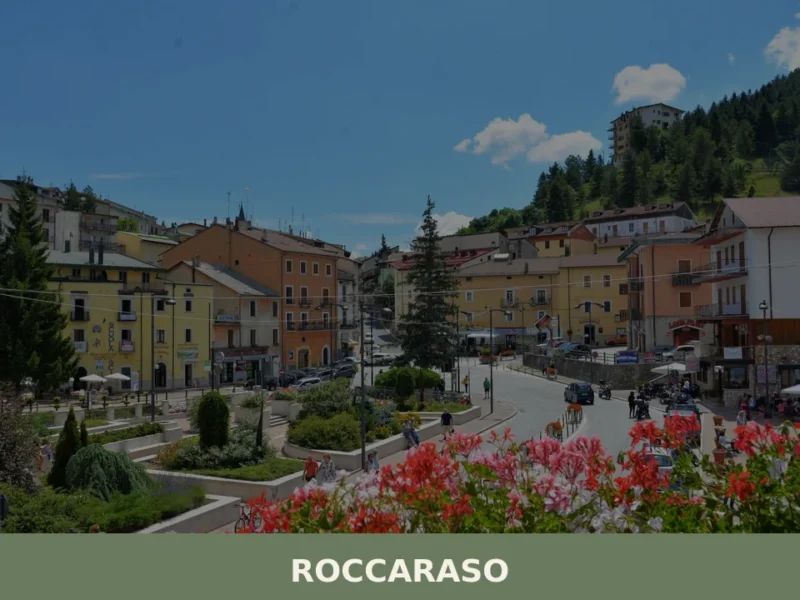
Roccaraso
 Mountain
What to see in Roccaraso, Abruzzo, Italy: ski slopes at 1,236 m, the Church of Santa Maria Assunta, and the Alto Sangro ski area. Discover top attractions now.
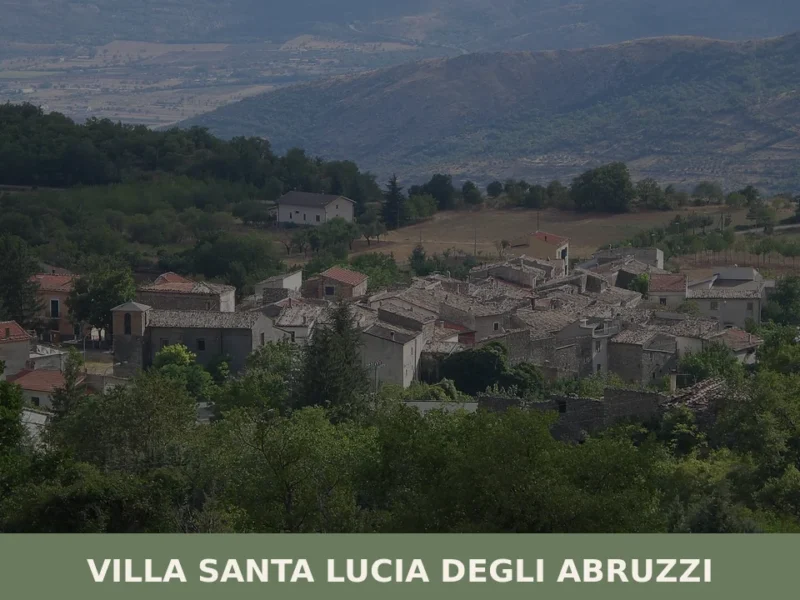
Villa Santa Lucia degli Abruzzi
Mountain
what to see in villa santa lucia degli abruzzi, Italy. With 76 residents, explore its Gran Sasso park setting and unique demographic profile. Discover this Abruzzo village.
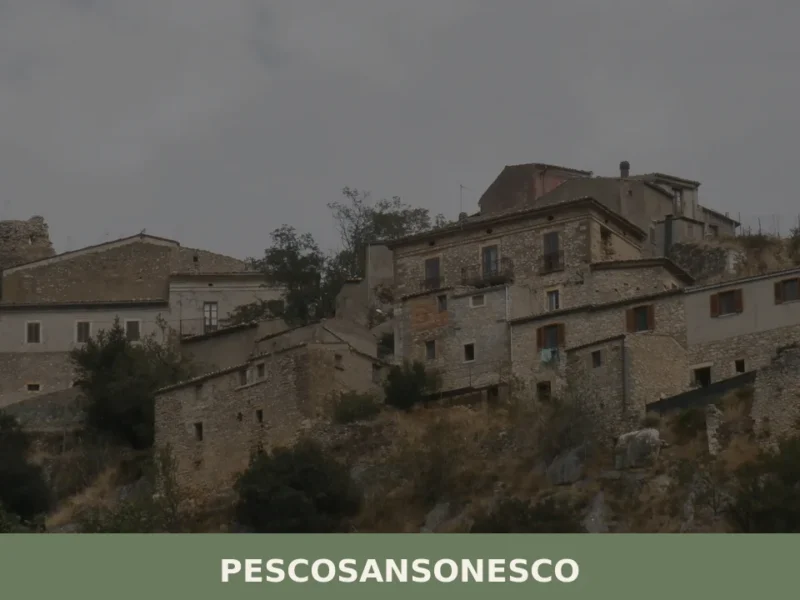
Pescosansonesco
Mountain
What to see in Pescosansonesco, Italy? Discover this village at 610 m altitude, exploring its ancient ruins and a renowned sanctuary. Read our guide.
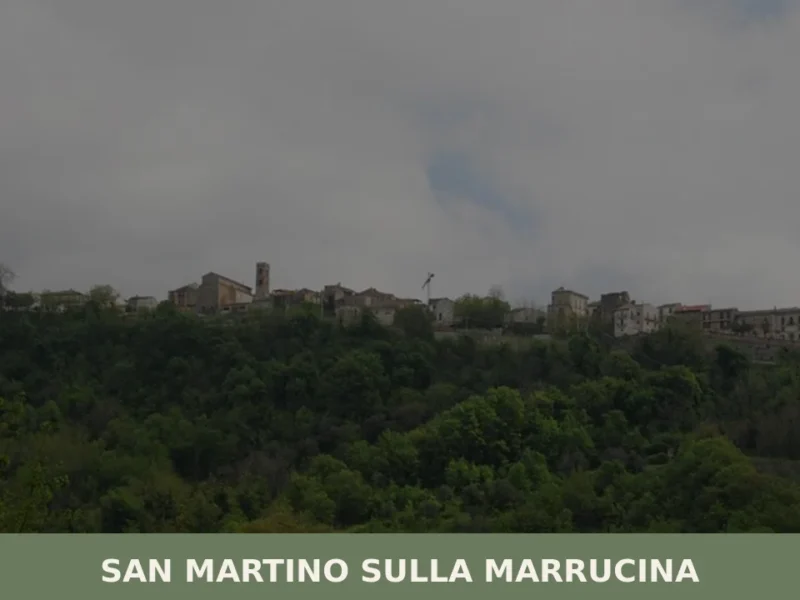
San Martino sulla Marrucina
 Hills
Hills
With its 868 inhabitants, San Martino sulla Marrucina presents itself as a small municipality in the province of Chieti, in the heart of Abruzzo. The village is a reference point for those seeking the tranquility and authenticity of the region’s rural centers, away from the most beaten tourist paths. In this article History and Origins […]
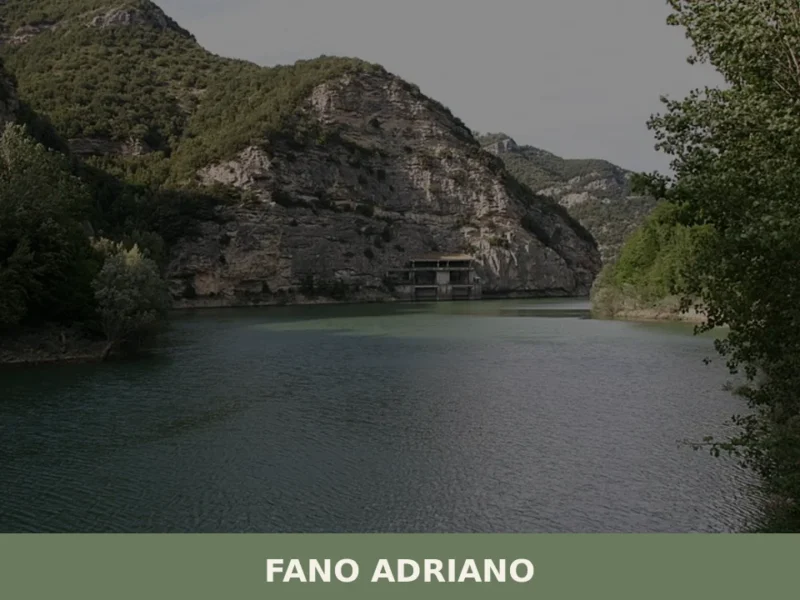
Fano Adriano
Mountain
what to see in fano adriano, Italy: Discover 5 key attractions and local traditions in this Abruzzo village at 750 m (2,461 ft) altitude. Explore.
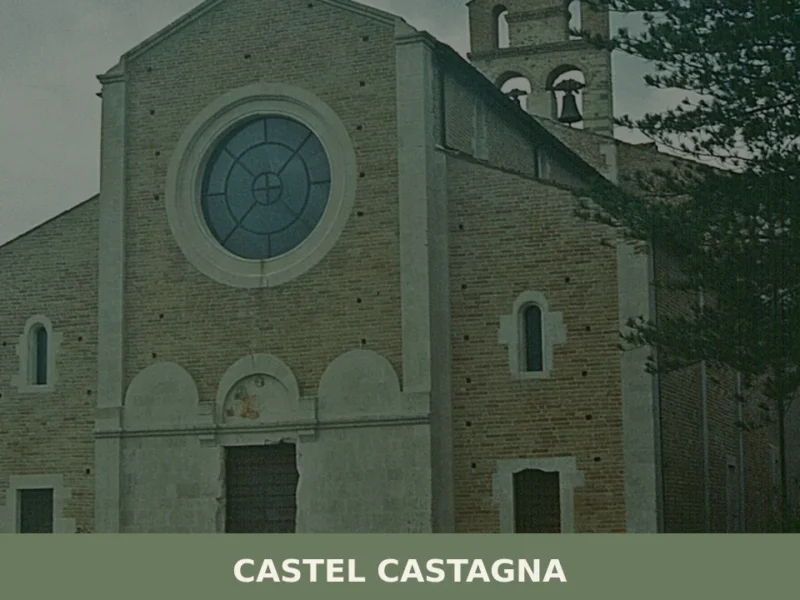
Castel Castagna
Hills
At 452 metres above sea level, on the eastern slope of the Gran Sasso, the municipality of Castel Castagna today counts 429 inhabitants spread between the main settlement and the hamlets scattered along the cultivated hillsides of the province of Teramo. Anyone wondering what to see in Castel Castagna will find answers in a territory […]
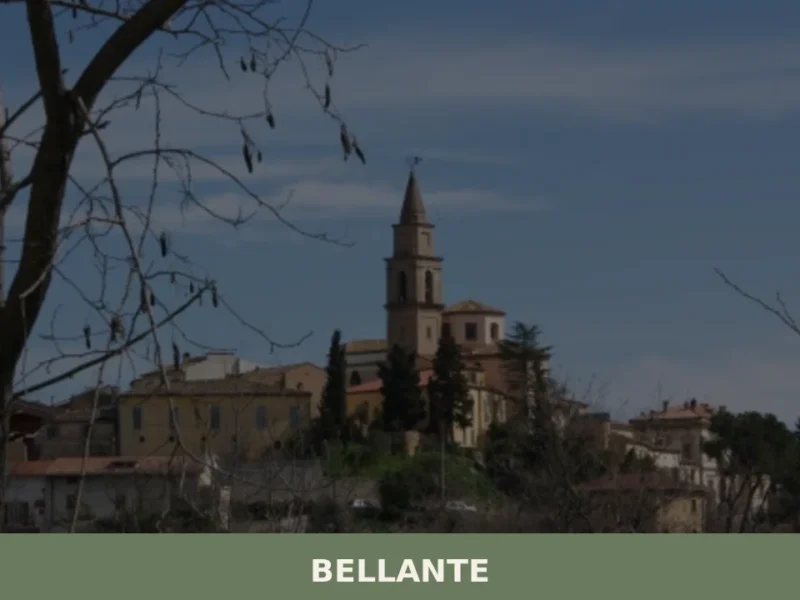
Bellante
Hills
The road into Bellante rises through a sequence of switchbacks that open, at the last bend, onto a compact hilltop settlement in the Teramo hills of Abruzzo. Stone buildings press close against one another along the ridge, and the Torre Civica — the civic tower at the center of the old settlement — marks the […]
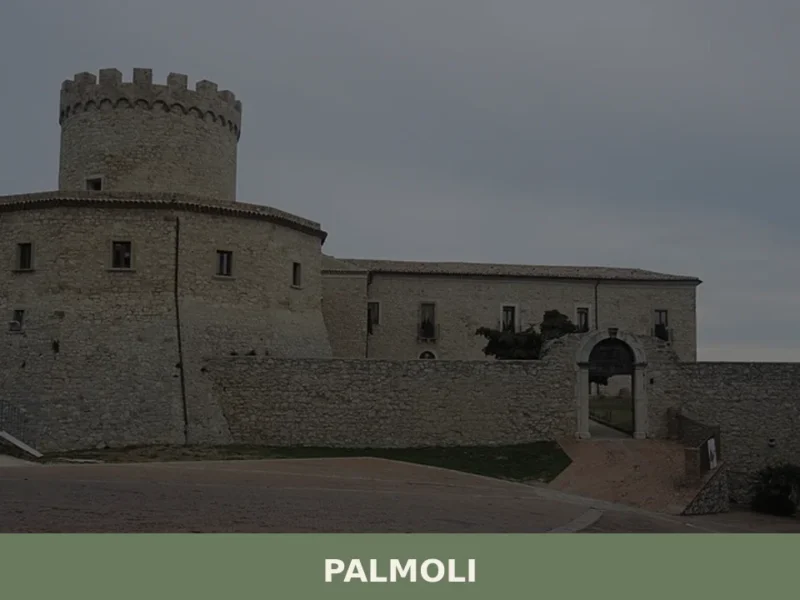
Palmoli
Mountain
What to see in Palmoli: explore the village at 727 meters above sea level. Discover the Marchesale Castle and the Church of San Valentino. Plan your visit today!
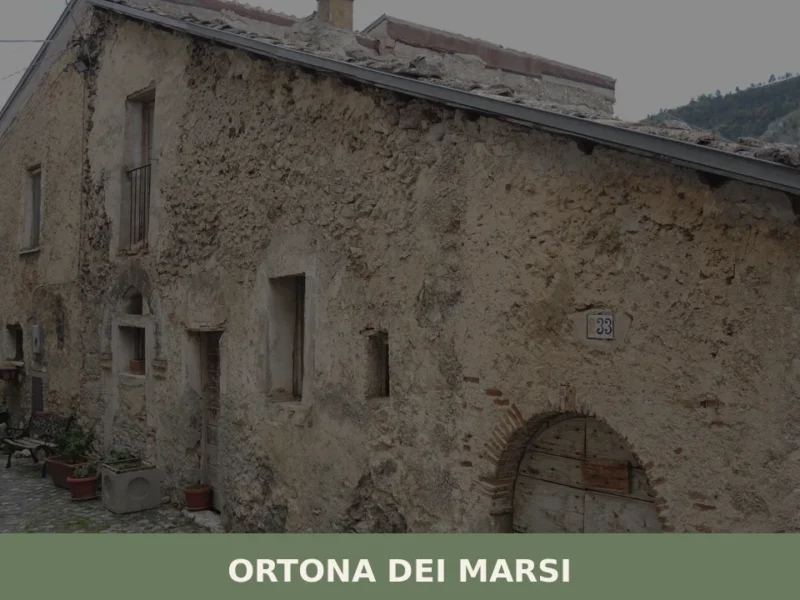
Ortona dei Marsi
Mountain
What to see in Ortona dei Marsi, Italy: a village at 1,000 m in Abruzzo's national park. Discover 5 key sights, local food, and how to get there.
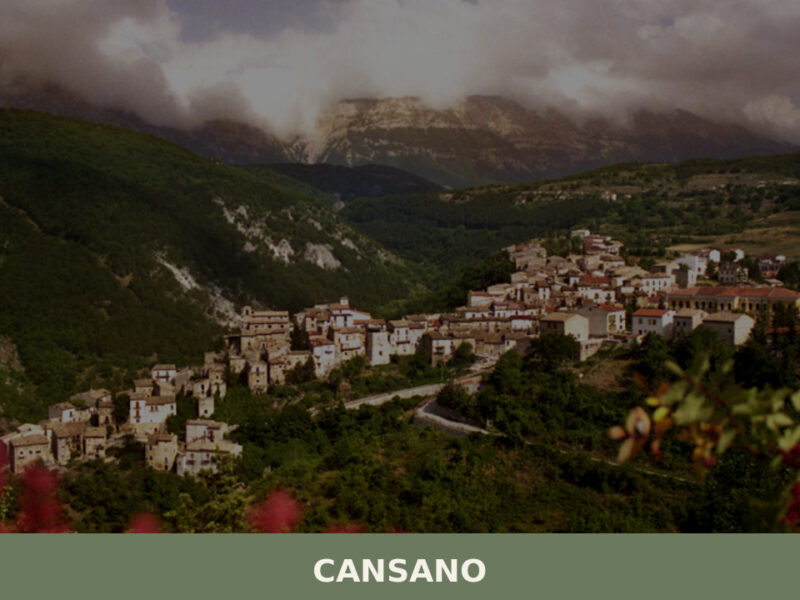
Cansano
Mountain
A guide to Cansano in Abruzzo — its Roman archaeological site of Ocriticum, medieval stone centre, Majella trails, and pastoral food traditions at 835 metres.


🏡 Know Santa Maria Imbaro better than we do?
If you’re a local or have been there, your knowledge matters: add what’s missing or fix a detail on this page.