


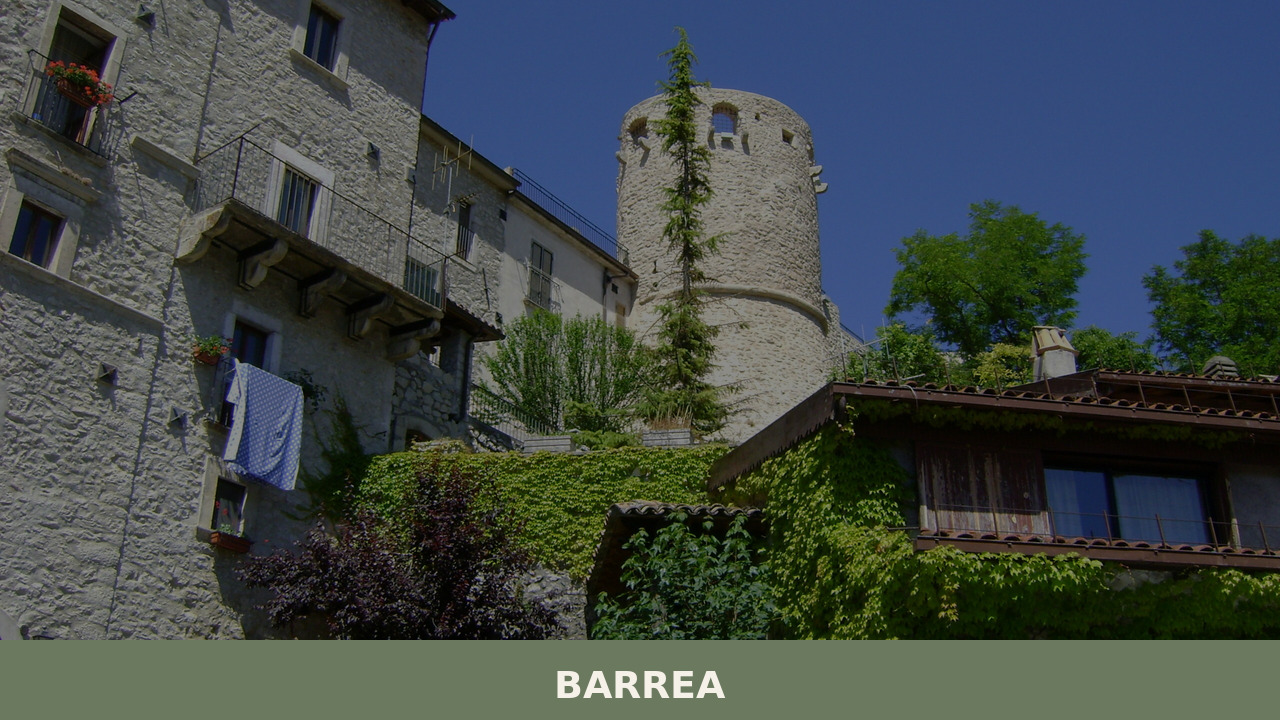
Barrea
 Lake
Lake
 Mountain
A mountain village of 710 inhabitants at 1,060 metres in the heart of Abruzzo’s national park. Discover what to see in Barrea, from its medieval tower to the lake below.
Discover Barrea
Morning mist lifts off the lake surface in slow, unravelling sheets, revealing a compact silhouette of stone houses pressed against a ridge at 1,060 metres above sea level. The air carries woodsmoke and the particular stillness of a settlement where 710 people live year-round inside the boundaries of a national park. If you are wondering what to see in Barrea, the answer begins with this view — a medieval village in the province of L’Aquila that has kept its proportions, its silence, and its direct relationship with wild landscape largely intact.
History of Barrea
Human settlement in this section of the upper Sangro valley predates the medieval village by centuries. The area was part of the territory of the Italic Samnite tribes before Roman colonisation reshaped the Apennine interior. The name “Barrea” likely derives from a pre-Roman root — some scholars connect it to a term indicating a fortified or enclosed place, consistent with the village’s position on a natural defensive spur overlooking the river valley below.
The medieval period gave Barrea its most recognisable physical form. A castle was erected on the highest point of the ridge, and the settlement grew in concentric rings around it, a pattern still legible in the street plan today. The village passed through the hands of various feudal lords during the Norman and Angevin periods, following the broader political trajectory of the Abruzzo interior — contested, remote, and strategically positioned along transhumance routes that connected highland pastures with the plains of Puglia.
Earthquakes and emigration marked the modern centuries. Like many high-altitude communities in the central Apennines, Barrea saw significant population loss during the twentieth century. Yet the establishment of the Parco Nazionale d’Abruzzo, Lazio e Molise — one of Italy’s oldest protected areas, created in 1922 — anchored the village within a conservation framework that has shaped its identity ever since.
What to see in Barrea: 5 must-visit attractions
1. The Castle Tower (Torrione del Castello)
The cylindrical tower is what remains of Barrea’s medieval fortification, standing at the village’s highest point. Its masonry — rough-cut local limestone — dates to the Norman period and offers a fixed reference point from almost every angle within the village. The panoramic position commands views across the lake and surrounding beech forests of the national park.
2. Church of San Tommaso Apostolo
The parish church of San Tommaso Apostolo anchors the village’s sacred architecture. Its stone façade, modest in proportion, is consistent with the Apennine Romanesque tradition: thick walls, a compact nave, and an interior that prioritises acoustic intimacy over visual spectacle. The building has absorbed modifications over several centuries, each legible in its fabric.
3. Church of Madonna delle Grazie
Smaller than San Tommaso but devotionally significant, the Madonna delle Grazie holds an interior worth pausing for — decorated altarpieces and votive elements that document centuries of local religious life. The church functions as a direct record of the spiritual practices of an isolated mountain community.
4. Lago di Barrea
The lake is artificial, created by a dam on the Sangro river in the 1950s, but decades of ecological adaptation have given it a settled, almost primordial quality. In winter, the water surface turns a deep mineral grey; in summer, it reflects the green canopy of the surrounding slopes. Kayaking, fishing, and lakeshore walking are all practised here without commercial congestion.
5. The Historic Centre and Fountains
Walking the narrow streets of the centro storico reveals stone archways, external staircases, and public fountains — including a notable example in the village core — that once served as the settlement’s communal water infrastructure. These are not decorative additions; they are functional elements of a community designed for self-sufficiency at altitude.
Local food and typical products
The cooking of Barrea follows the logic of high-altitude pastoralism and subsistence agriculture. Lamb and mutton, prepared in various forms — roasted with mountain herbs, slow-cooked in ragu, or grilled as arrosticini — remain central. Pasta is handmade: sagne e fagioli (irregular pasta sheets with borlotti beans) and polenta appear regularly, dishes calibrated for cold winters and physical labour. Lentils, pecorino cheese from local sheep’s milk, and cured meats reflect a larder built on preservation and seasonal cycles.
The surrounding national park territory also yields wild herbs, honey, and foraged mushrooms. Local restaurants and agriturismi tend to serve menus rooted in these ingredients, with little concession to cosmopolitan trends. The wine is typically Montepulciano d’Abruzzo, produced in lower-altitude vineyards elsewhere in the region but consumed here as the default table red. For visitors, eating in Barrea means eating what the landscape directly provides.
Best time to visit Barrea
At 1,060 metres, Barrea experiences a mountain climate with cold, often snowy winters and temperate summers. July and August bring the warmest conditions and the highest visitor numbers, as Italians from Rome and Naples use the national park as a refuge from lowland heat. The lake is most inviting between June and September. Autumn, particularly October, turns the beech forests surrounding the village into dense corridors of copper and gold — a period that rewards photographers and walkers willing to layer up against morning chill.
Winter transforms the landscape entirely. The lake takes on its austere grey palette, and snow covers the upper slopes. The village itself is quiet, bordering on silent, which is precisely the attraction for some visitors. Local festivals punctuate the calendar — religious processions and food-centred sagre tied to the agricultural year — though dates vary and should be confirmed with the Comune di Barrea before planning a trip around them.
How to get to Barrea
Barrea sits in the upper Sangro valley in the province of L’Aquila. By car, the most direct route from Rome (approximately 180 km) follows the A25 motorway toward Pescara, exiting at Cocullo or Castel di Sangro and continuing south on the SS83 through the national park. The drive takes roughly two and a half hours, depending on conditions.
From Naples, the distance is similar — around 190 km — via the A1 motorway and then inland roads through Venafro and Alfedena. The nearest railway station with regular service is Castel di Sangro, about 20 km to the southeast, though connections are infrequent and a car is strongly recommended for exploring the area. The closest major airports are Rome Fiumicino (FCO) and Rome Ciampino (CIA), both approximately three hours away by road. Pescara airport, smaller but closer at around 150 km, offers an alternative for travellers arriving from European destinations.
More villages to discover in Abruzzo
The upper Sangro valley contains a concentration of small, historically layered settlements that reward slow exploration. Just a few kilometres south of Barrea, Alfedena preserves traces of its Samnite and Roman past, including remnants of a pre-Roman necropolis. It shares Barrea’s altitude, its relationship with the national park, and the particular quality of life that comes with extreme demographic compression — a village where everyone knows every face.
Further north within the region, Anversa degli Abruzzi occupies a dramatically different setting above the Sagittario gorge, where the landscape shifts from the broad lake basin of Barrea to sheer vertical rock. Together, these villages illustrate the range of terrain and human adaptation contained within a single Italian region — each community shaped by its particular elevation, its particular stone, and the particular contour of the valley it inhabits. The Abruzzo regional tourism board provides updated information on routes connecting these destinations.
Frequently asked questions about Barrea
What is the best time to visit Barrea?
Summer (June–September) offers the warmest weather and full access to Lago di Barrea for kayaking and lakeshore walks, though July and August are the busiest months. Autumn, especially October, transforms the surrounding beech forests into vivid copper and gold, ideal for photographers and hikers. Winter brings snow and deep silence — an austere but atmospheric experience. The patron saint festival honoring San Tommaso Apostolo is held on the last Sunday of June, coinciding with peak lake season and making late June a particularly lively time to visit.
What are the historical origins of Barrea?
Human settlement in the upper Sangro valley predates the medieval village. The area was part of Samnite Italic territory before Roman colonisation. The name Barrea likely derives from a pre-Roman root indicating a fortified or enclosed place, consistent with its position on a defensive ridge. In the medieval period a castle was built at the highest point, with the village growing in concentric rings around it. Barrea later passed through Norman and Angevin feudal control, positioned along transhumance routes linking Apennine pastures to the plains of Puglia.
What to see in Barrea? Main monuments and landmarks
The five main attractions are: the Torrione del Castello, a cylindrical Norman tower at the village's highest point with panoramic views over the lake and beech forests; the Church of San Tommaso Apostolo, a stone Romanesque parish church at the heart of the village; the Church of Madonna delle Grazie, notable for its votive altarpieces; Lago di Barrea, an artificial lake offering kayaking and walking; and the centro storico, with its stone archways, external staircases, and historic communal fountains. No entrance fees are required for the streets and lake access.
What are the main natural or scenic attractions of Barrea?
Barrea sits entirely within the Parco Nazionale d'Abruzzo, Lazio e Molise, one of Italy's oldest protected areas established in 1922. Lago di Barrea, formed by a 1950s dam on the Sangro river, is the dominant natural feature — best visited from June to September. The surrounding slopes are covered in beech forests that peak in colour during October. The national park hosts populations of Marsican brown bear, Apennine wolf, and Apennine chamois. The park authority provides information on hiking trails and wildlife observation areas accessible from the village.
Where to take the best photos in Barrea?
The most iconic view of Barrea is from the lakeshore of Lago di Barrea at dawn or dusk, when morning mist rises off the water and the compact stone village is visible pressed against its ridge at 1,060 metres. The Torrione del Castello at the summit offers a reverse perspective across the lake and forested slopes. The centro storico's narrow lanes, stone archways, and communal fountains provide intimate architectural subjects. October light on the surrounding beech forests, combined with the lake's reflections, makes autumn the most photogenic season.
Are there museums, churches or historic buildings to visit in Barrea?
Barrea has two documented churches: San Tommaso Apostolo, the main parish church with Romanesque stonework and a multi-century interior, and the smaller Madonna delle Grazie, which preserves decorated altarpieces and votive offerings reflecting centuries of mountain devotion. The Torrione del Castello, the surviving Norman tower of the medieval fortification, is visible from across the village. The historic centre itself — its lanes, archways, and fountains — functions as an open-air architectural record. Specific opening hours for the churches are not confirmed; visiting during morning or before evening Mass is generally reliable.
What can you do in Barrea? Activities and experiences
Within the national park, visitors can hike forested trails, observe wildlife including wolves, bears, and chamois, and walk the lakeshore of Lago di Barrea. Kayaking and fishing are practiced on the lake. The centro storico rewards slow exploration on foot. Local restaurants and agriturismi offer meals based directly on mountain ingredients — lamb, handmade pasta, pecorino, foraged mushrooms. The patron saint festival of San Tommaso takes place on the last Sunday of June. Winter visitors can experience the village in near-total quiet with snow on the upper slopes.
Who is Barrea suitable for? Families, couples, hikers, solo travelers?
Barrea suits hikers and nature lovers most directly — its position inside the Parco Nazionale d'Abruzzo, Lazio e Molise makes it a base for trail walking and wildlife observation. Couples seeking quiet, scenic mountain retreats will find the lake, the medieval streets, and the autumn foliage compelling. Photographers benefit from exceptional light at the lakeshore. Families with older children can enjoy the outdoor activities without commercial overcrowding. Solo travellers looking for an authentic, uncommercialised Apennine village with a permanent population of 710 will find Barrea genuinely intact in character.
What to eat in Barrea? Local products and specialties
The local cuisine is rooted in high-altitude pastoralism. Arrosticini — grilled lamb skewers — are the most emblematic dish of the Abruzzo mountain tradition. Sagne e fagioli, irregular handmade pasta with borlotti beans, is a regional staple suited to cold climates. Slow-cooked lamb and mutton ragù, polenta, local lentils, and pecorino cheese from sheep's milk complete the core larder. Foraged mushrooms, wild herbs, and local honey from the national park territory appear seasonally. The standard table wine is Montepulciano d'Abruzzo, produced in lower-altitude areas of the region.
How to get to Barrea? Distances, motorway exit, nearest train station
By car from Rome (approximately 180 km): take the A25 motorway toward Pescara, exit at Cocullo or Castel di Sangro, then follow the SS83 through the national park — roughly 2.5 hours. From Naples (approximately 190 km): use the A1 then inland roads via Venafro and Alfedena. The nearest railway station is Castel di Sangro, about 20 km southeast, with infrequent service — a car is strongly recommended. The closest major airports are Rome Fiumicino and Rome Ciampino (both approximately 3 hours by road); Pescara airport is closer at around 150 km.
Nearby Villages near Barrea
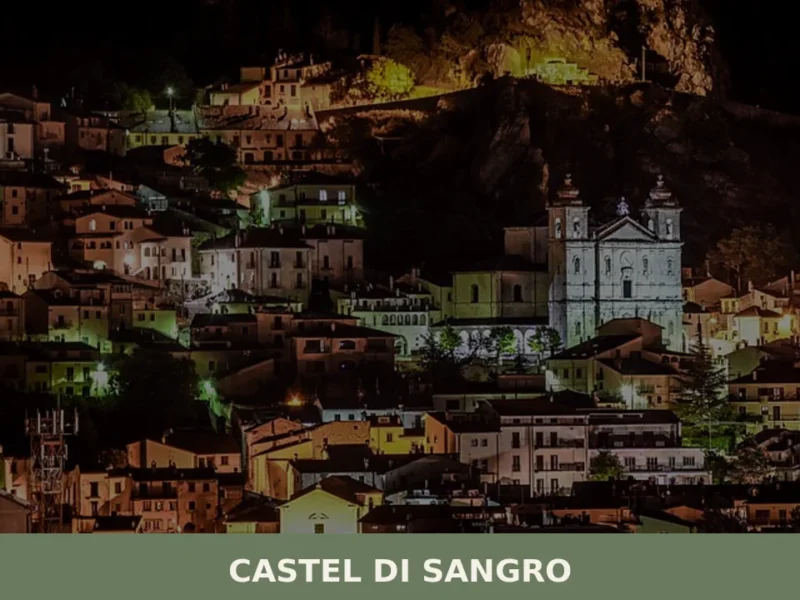
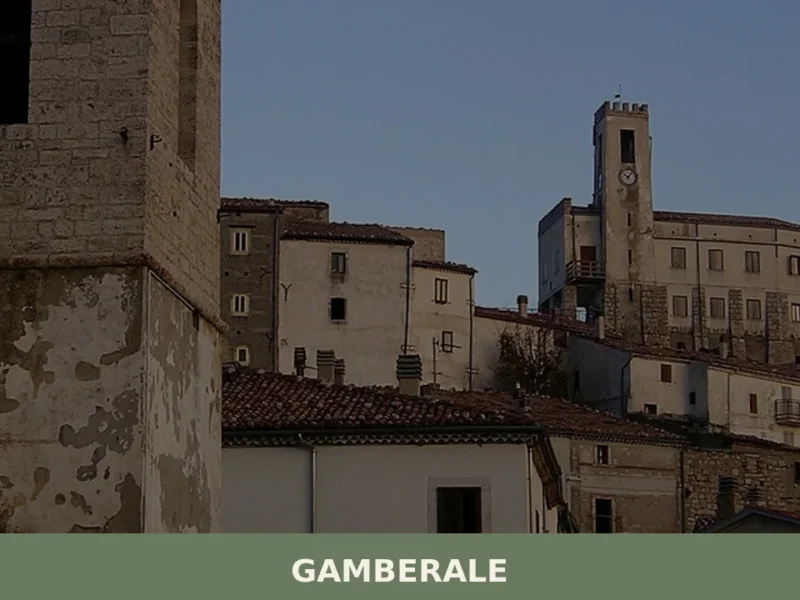
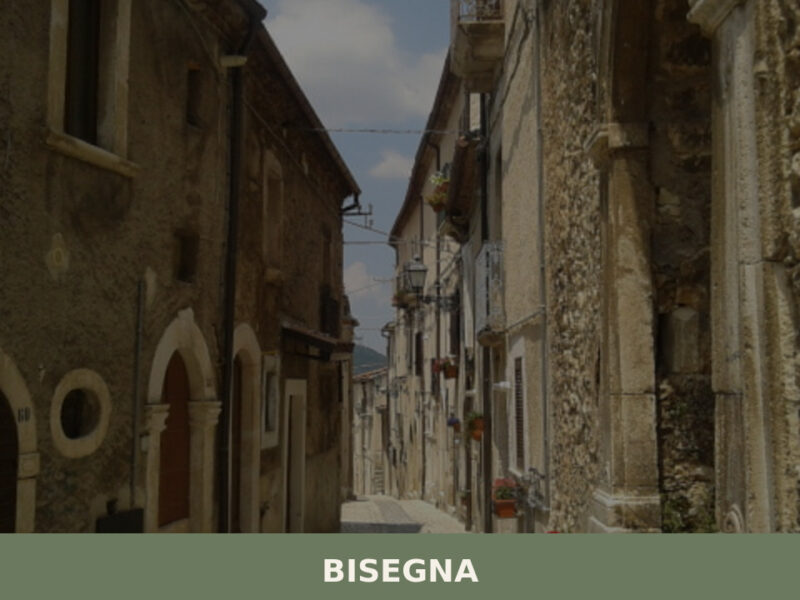
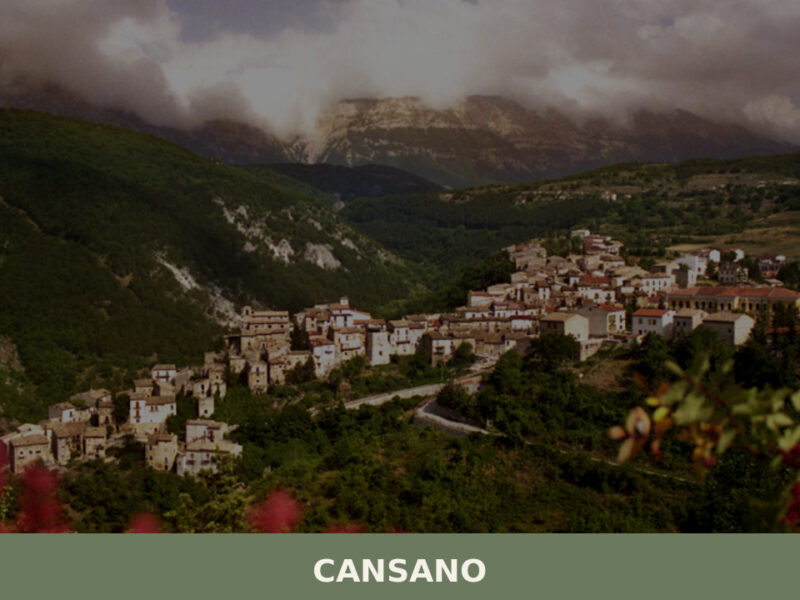
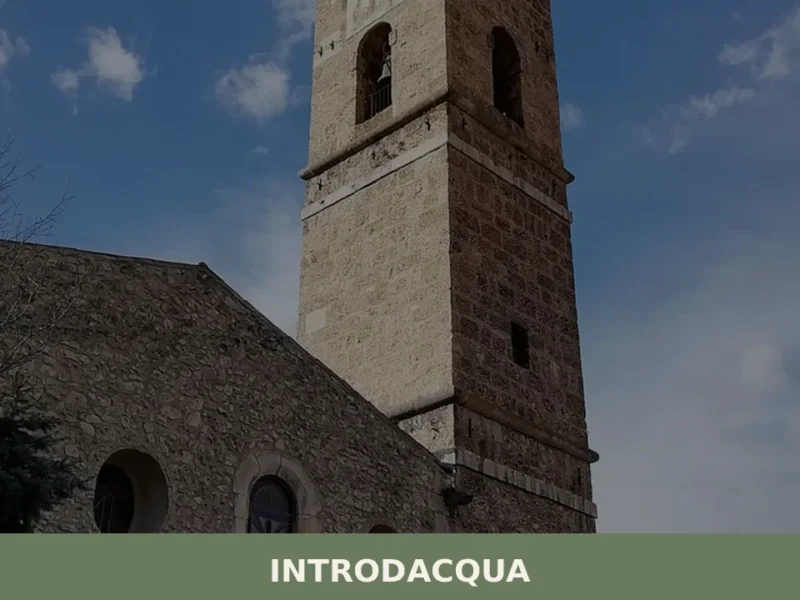
In Abruzzo More villages to discover
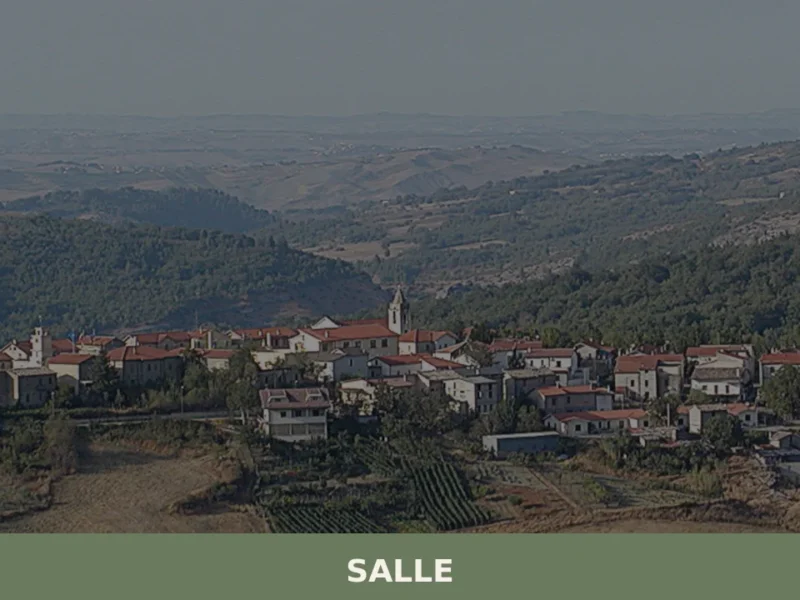
Salle
Mountain
From its elevation of 680 m (2,231 ft) above sea level, the village of Salle overlooks the Orta Valley, where the river carves through limestone gorges towards the Majella massif. Stone houses, built from local materials, cluster tightly along ancient pathways, revealing centuries of human habitation in this mountainous landscape. The air often carries the […]
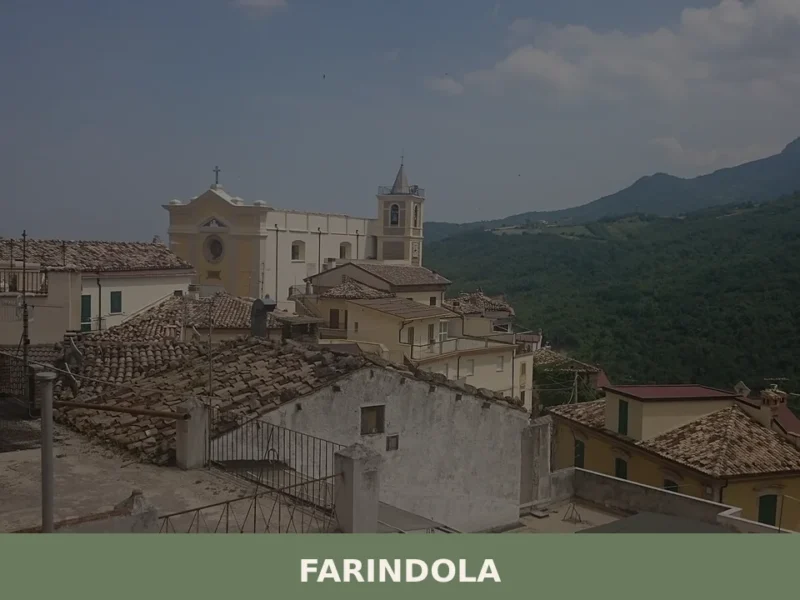
Farindola
Mountain
What to see in Farindola, Abruzzo, Italy: explore the 28 m Vitello d'Oro falls, Gran Sasso National Park and Pecorino di Farindola. Discover 1,569 inhabitants strong.
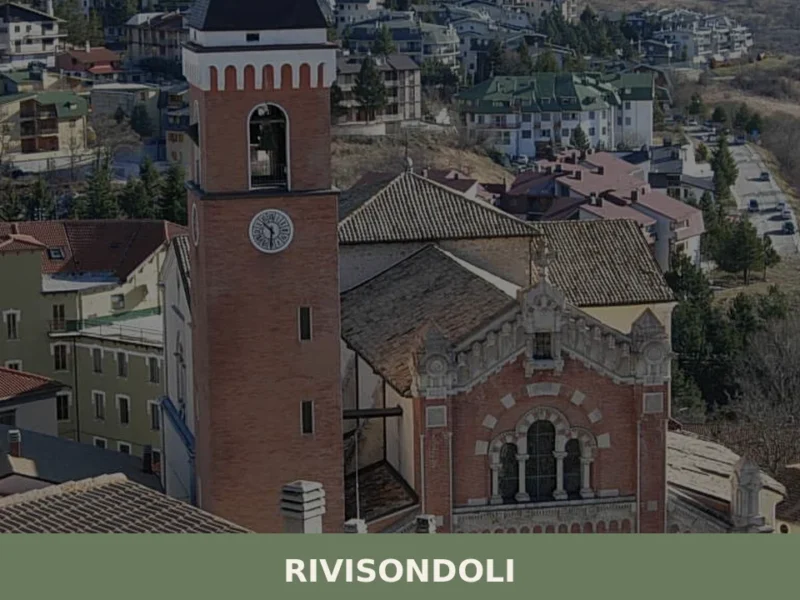
Rivisondoli
Mountain
What to see in Rivisondoli, Italy: ski slopes, medieval history since 724 AD, and mountain cuisine. Explore this 684-resident Abruzzo village. Discover it now.
Montefino
 Hills
Hills
What to see in Montefino, Abruzzo, Italy: the Castello di Corte, the Chiesa di San Giacomo and the olive oil festival. Village at 375 m. Discover the full guide.
Archi
Hills
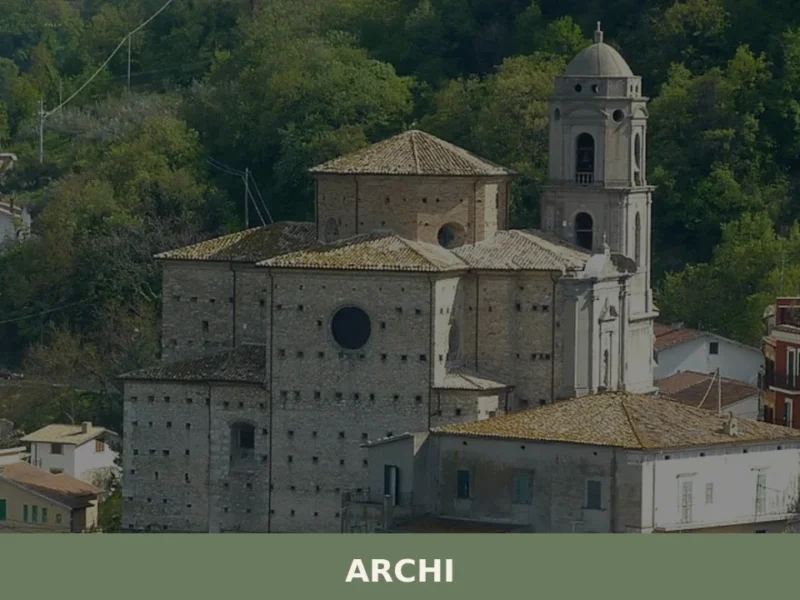
Archi sits at 492 metres above sea level in the province of Chieti, a settlement of just under 2,000 inhabitants occupying a ridge above the Sangro river valley in southern Abruzzo. The village’s position — commanding views across a landscape that drops sharply toward the river below — has defined its strategic importance since the […]
Carpineto Sinello
Hills
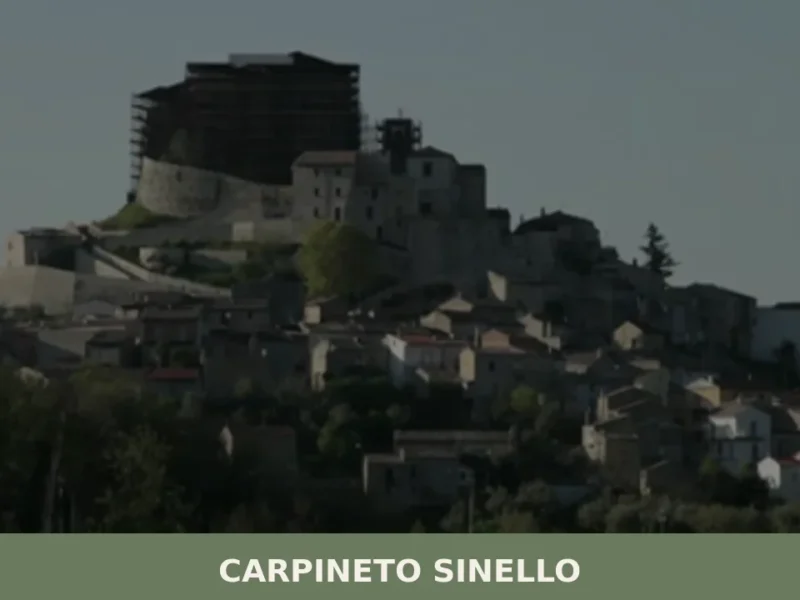
At 381 metres above sea level, on the ridge line separating the Sinello valley from the Appello stream valley, Carpineto Sinello has just 480 inhabitants today — less than a fifth of the nearly two thousand recorded in early twentieth-century censuses. The demographic data tells the story of a hilltop centre in the Chieti area […]
Opi
Mountain
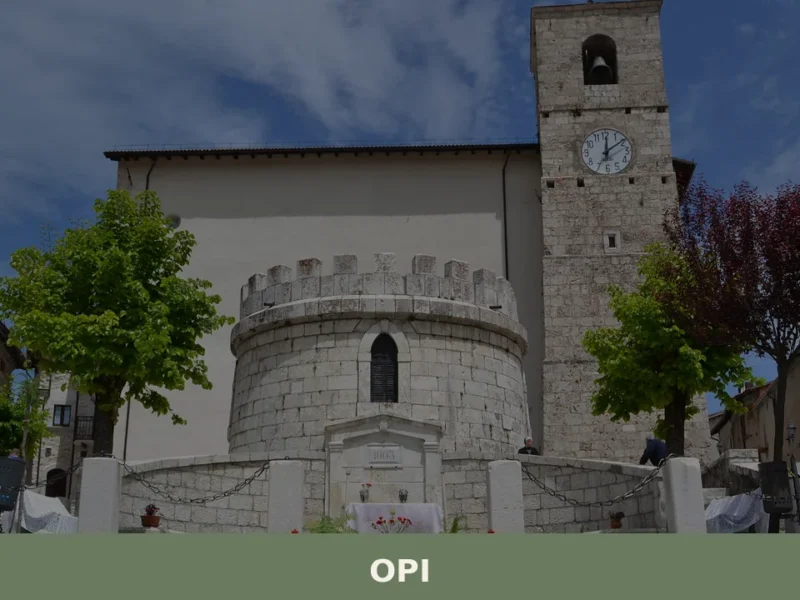
What to see in Opi, Abruzzo, Italy: explore 3 historic monuments, the National Park of Abruzzo, and the Val Fondillo Necropolis. Discover how to get there.
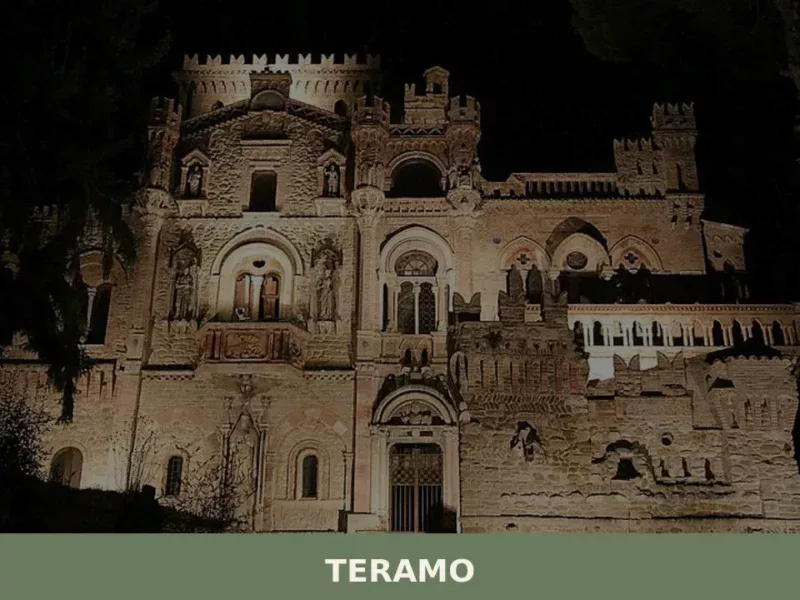
Teramo
Hills
What to see in Teramo, Abruzzo, Italy: discover a Roman theatre from 30 BC, a 1158 cathedral, the Interamnia World Cup and 54,377-strong city. Complete guide.
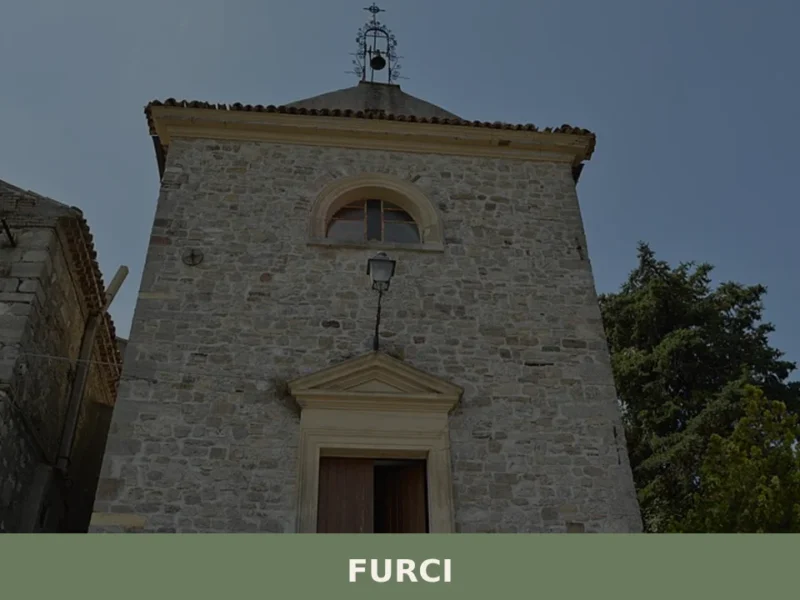
Furci
Hills
Furci has 806 inhabitants and sits at 550 metres above sea level, along the hill ridge that separates the Sinello valley from the Treste stream valley, in the southern part of the province of Chieti. Anyone looking into what to see in Furci will find a compact urban centre, organised around the main church and […]
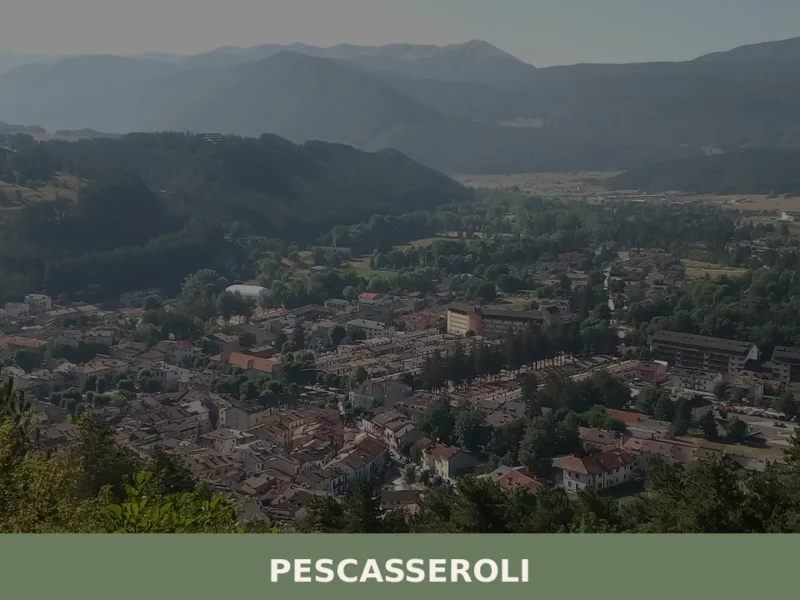
Pescasseroli
Mountain
What to see in Pescasseroli: from the Abruzzo National Park to Croce's birthplace, UNESCO beech forests, mountain cuisine and practical information for visiting the village.


🏡 Know Barrea better than we do?
If you’re a local or have been there, your knowledge matters: add what’s missing or fix a detail on this page.