


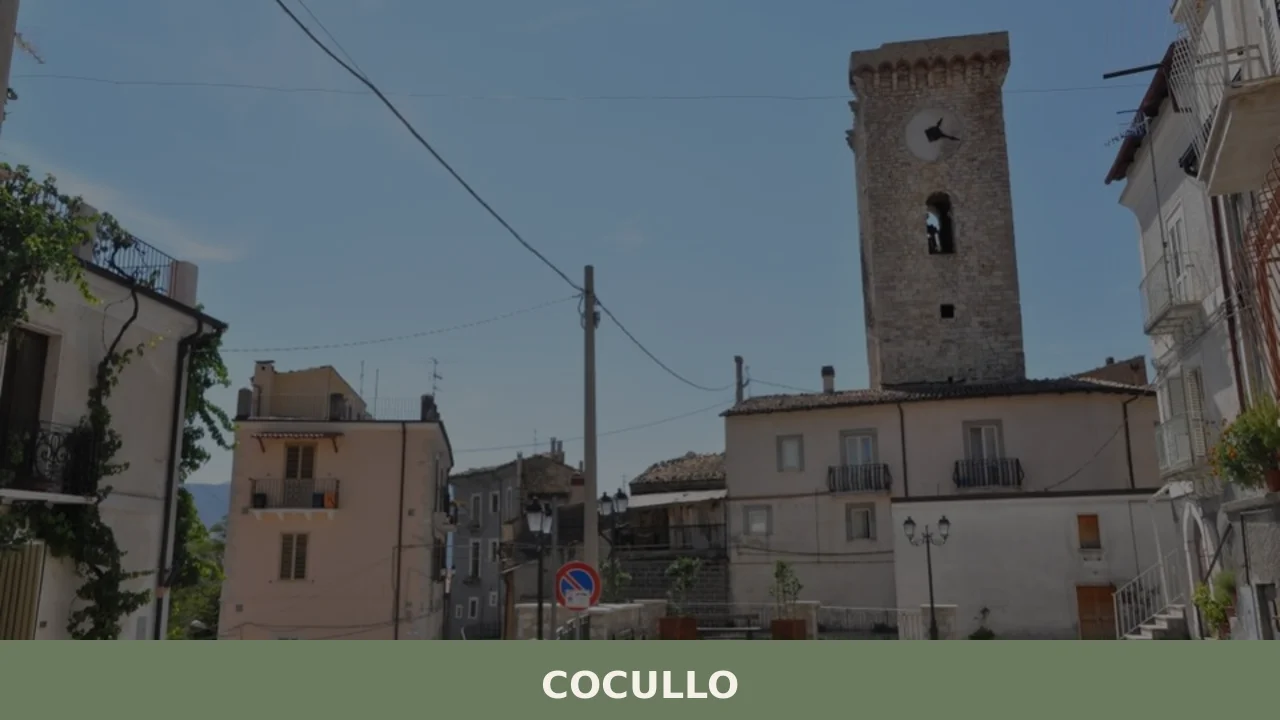
Cocullo
 Mountain
What to see in Cocullo: from the Serpari Festival to the Church of San Domenico. Complete guide with 5 attractions and practical tips for visiting the village.
Discover Cocullo
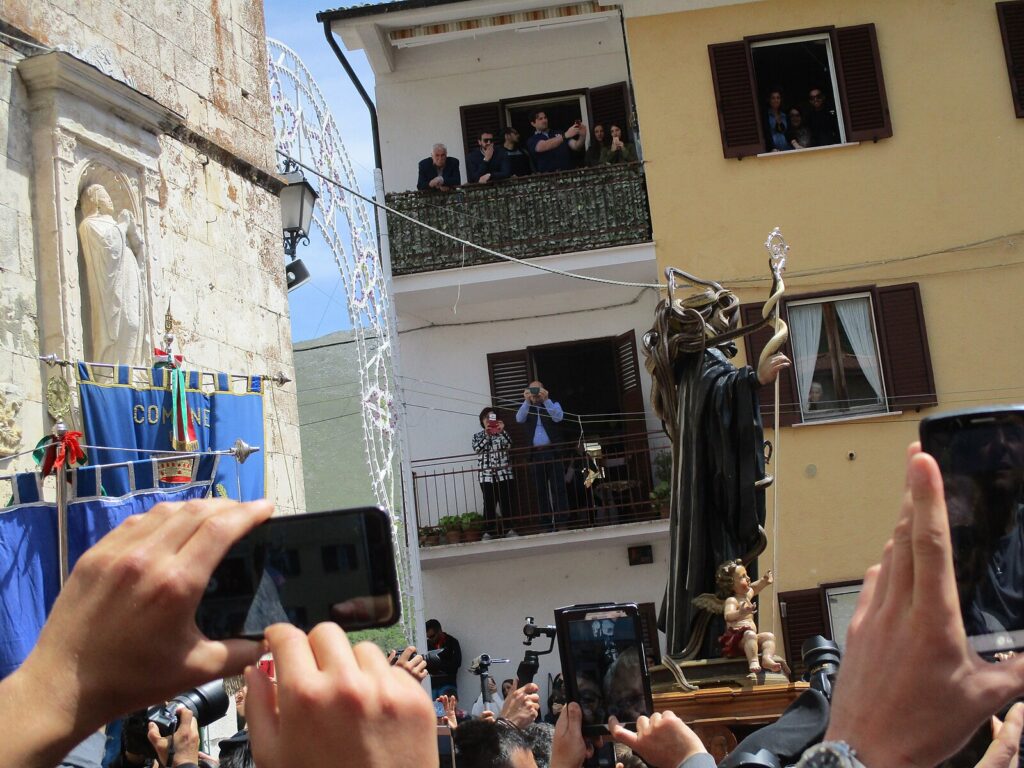
On the first of May, the stone streets of Cocullo fill with live snakes. Four-lined snakes, aesculapian snakes, grass snakes, and green whip snakes are draped by hand over a carved wooden statue and then carried in procession through a village of just over 200 people at 897 m (2,943 ft) above the Peligna Valley. The ritual is not performance. It follows a documented sequence that local serpari — villagers trained and authorised to capture wild snakes — have carried out for generations, releasing the reptiles afterward in the exact locations where they were caught.
Deciding what to see in Cocullo extends well beyond that single festival date.
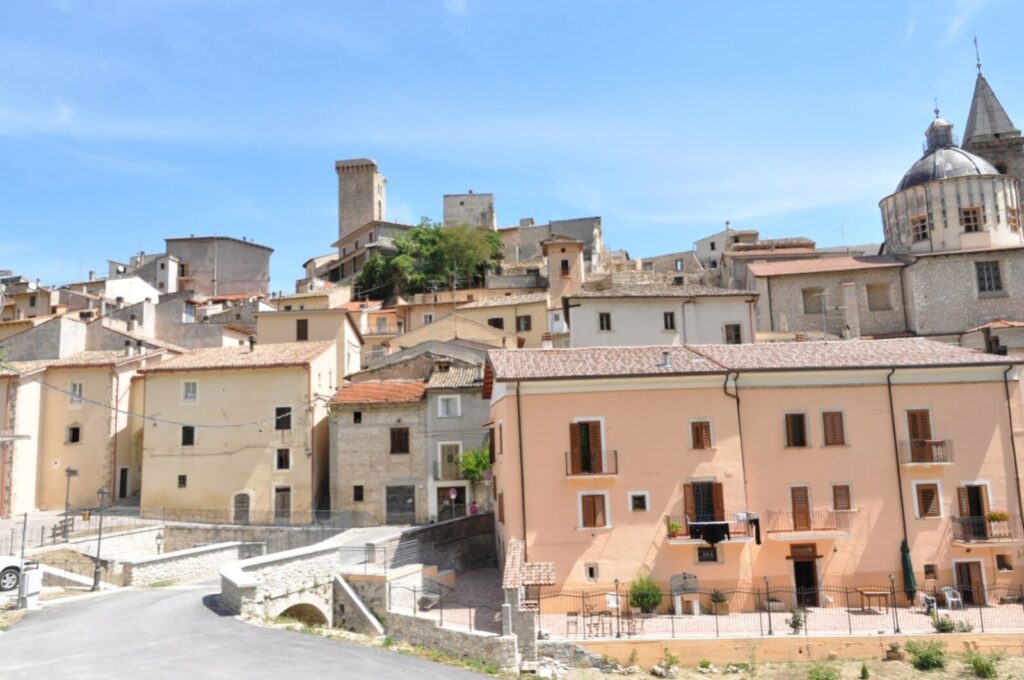
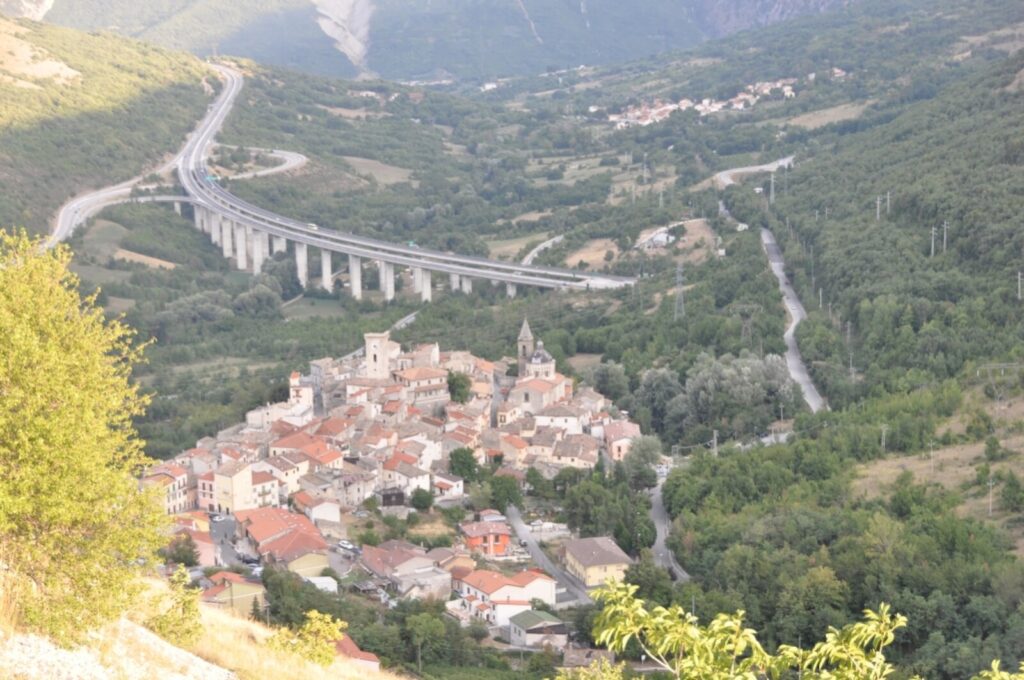
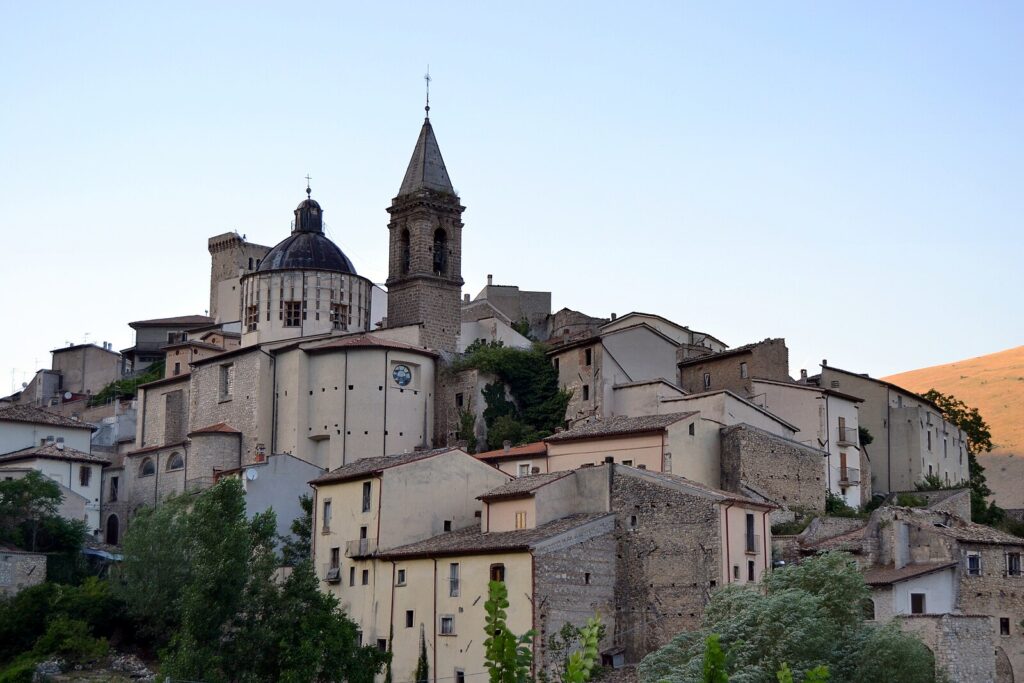
The village stands in the Province of L’Aquila, in the Abruzzo region of Italy, positioned between Avezzano and Sulmona along the A25 motorway corridor. At 897 m (2,943 ft), with a resident population of around 211 inhabitants, it preserves direct links to an ancient Roman settlement and to a pre-Christian cult of a snake goddess worshipped by the Marsi people. Visitors to Cocullo find a layered site where Roman archaeology, medieval religious practice, and a living annual festival occupy the same compact valley landscape.
History of Cocullo
The origins of Cocullo connect directly to an Ancient Roman town known as Koukoulon, documented in sources relating to the Peligna Valley. That settlement stood in the corridor between present-day Cocullo village and the hamlet of Casale, which today constitutes the sole civil parish — the frazione — of the municipality. The placement of the Roman site in this stretch of valley was not incidental: the Peligna Valley served as a natural passage between the interior Apennine basins and the Adriatic lowlands, making it a zone of consistent Roman administrative and infrastructural presence.
Long before Roman urbanisation, the territory was associated with the Marsi, an Italic people whose religious practices included the cult of Angitia, a snake goddess.
The serpari tradition that Cocullo carries today is documented as a direct substitution of that pre-Roman ritual: the snake procession absorbed the symbolic function of the Angitia cult and transferred it onto the Christian feast of San Domenico di Sora, the village’s patron saint. This kind of religious layering — an older Italic rite absorbed into a Christian framework — is well attested across the central Apennines, but Cocullo provides one of the most structurally intact examples still practiced in public.
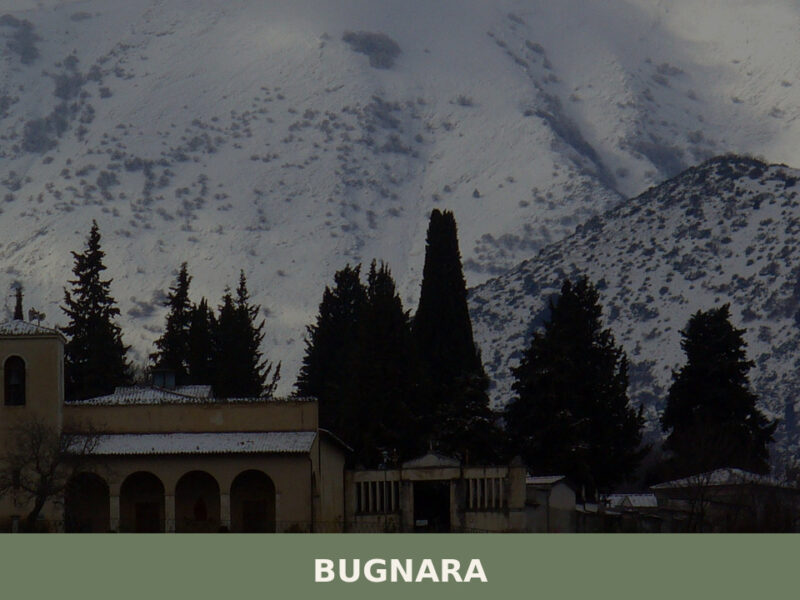
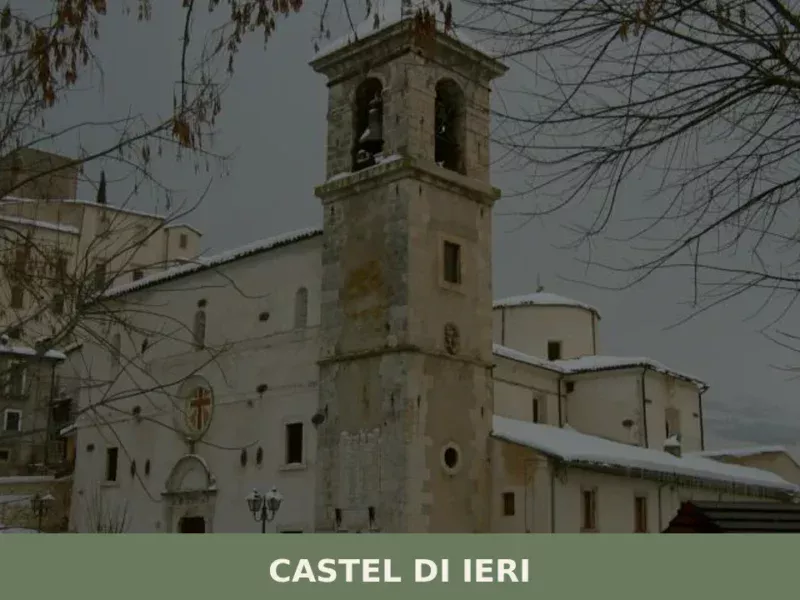
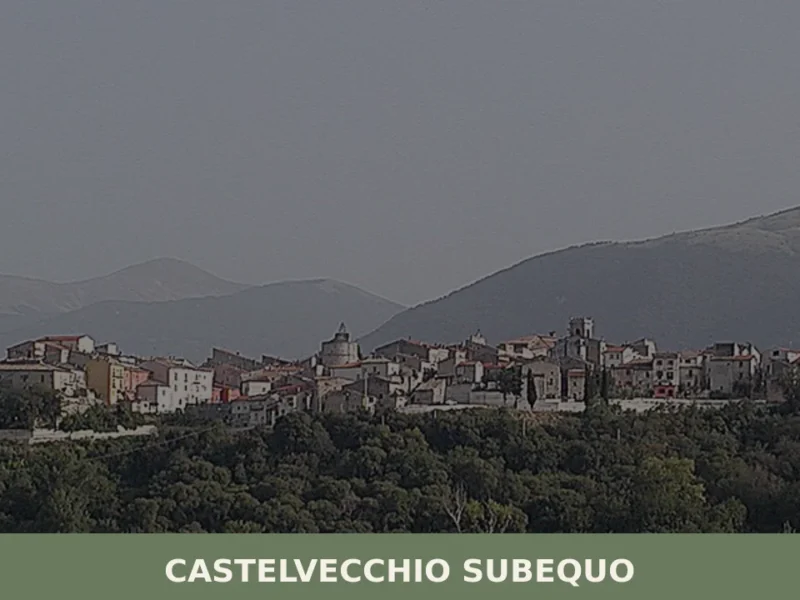
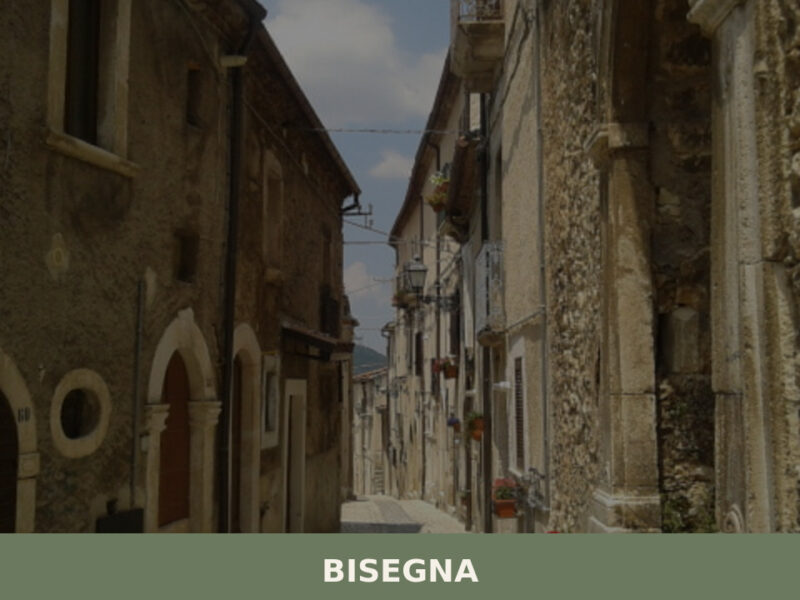
The municipality borders seven neighbouring communities: Anversa degli Abruzzi, Bugnara, Castel di Ieri, Castelvecchio Subequo, Goriano Sicoli, Ortona dei Marsi, and Prezza. Each of these shares the same Peligna Valley geography, and their collective histories are bound by the same Roman road network and the same medieval ecclesiastical structures that shaped this part of the Province of L’Aquila.
In 2009, Cocullo was directly affected by the L’Aquila earthquake, which caused structural damage significant enough to force the cancellation of the Festa dei Serpari that year — one of the very few documented interruptions to the festival in its modern calendar. Recovery of the village fabric made it possible to resume the event in subsequent years, with the date fixed permanently to the first of May starting from 2012, replacing the earlier schedule of the first Thursday in May.
What to see in Cocullo, Abruzzo: top attractions
The Church of San Domenico and its Processional Route
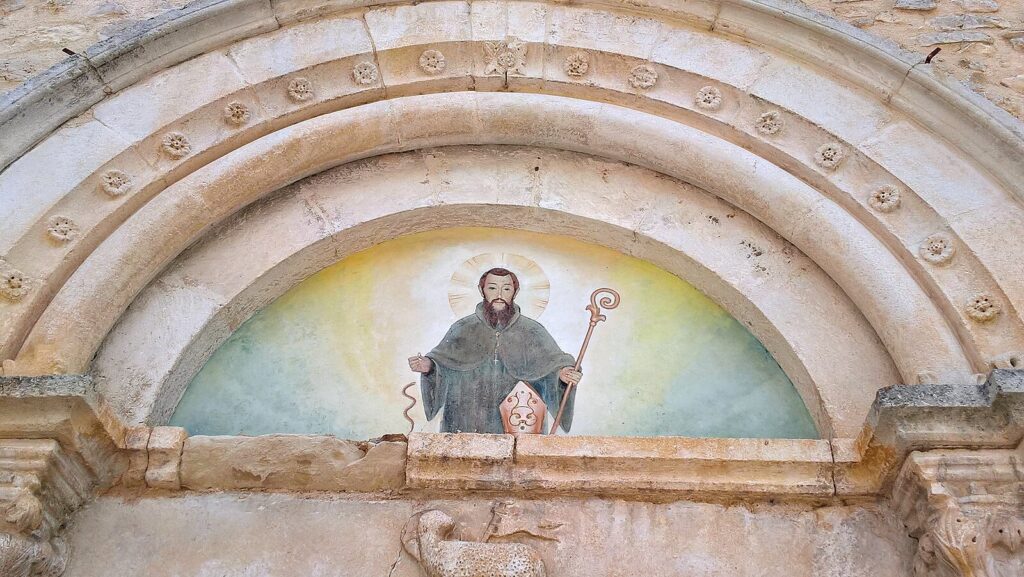
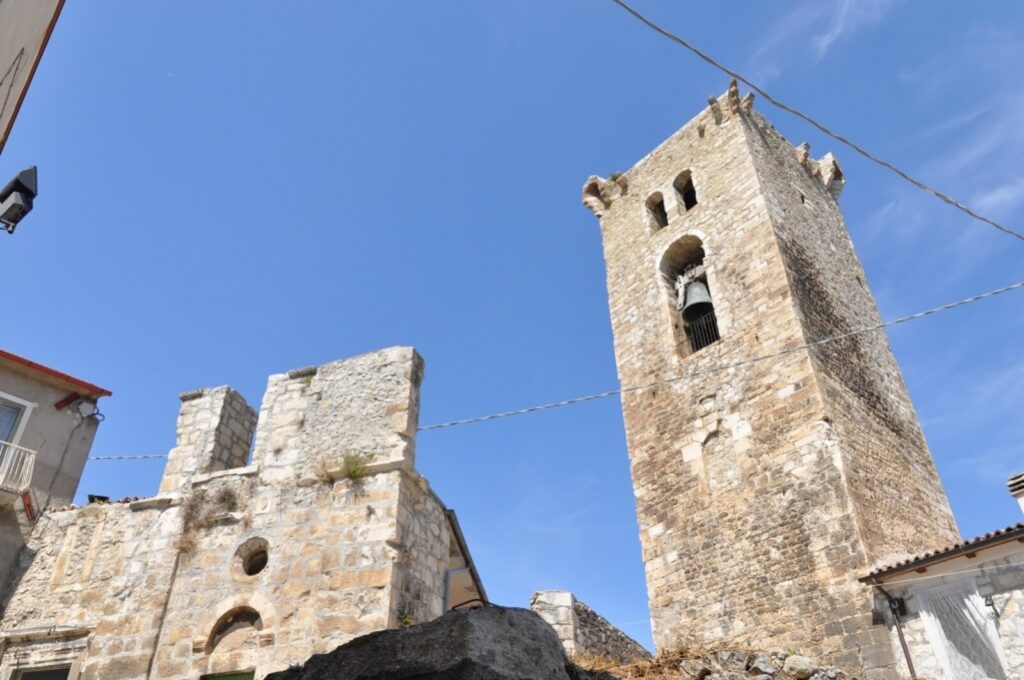
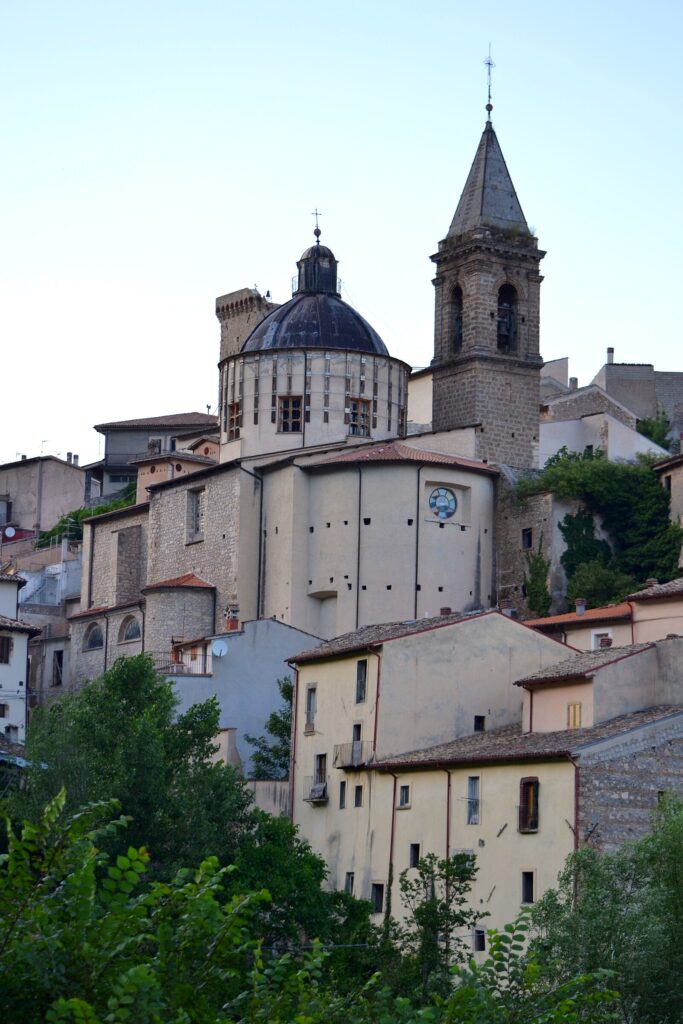
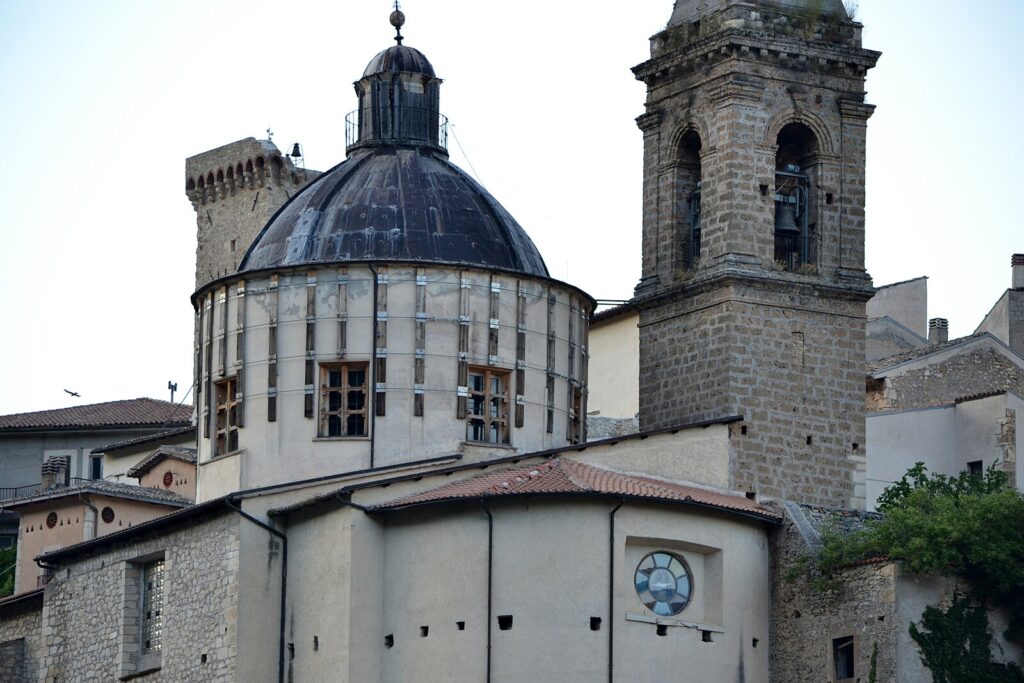
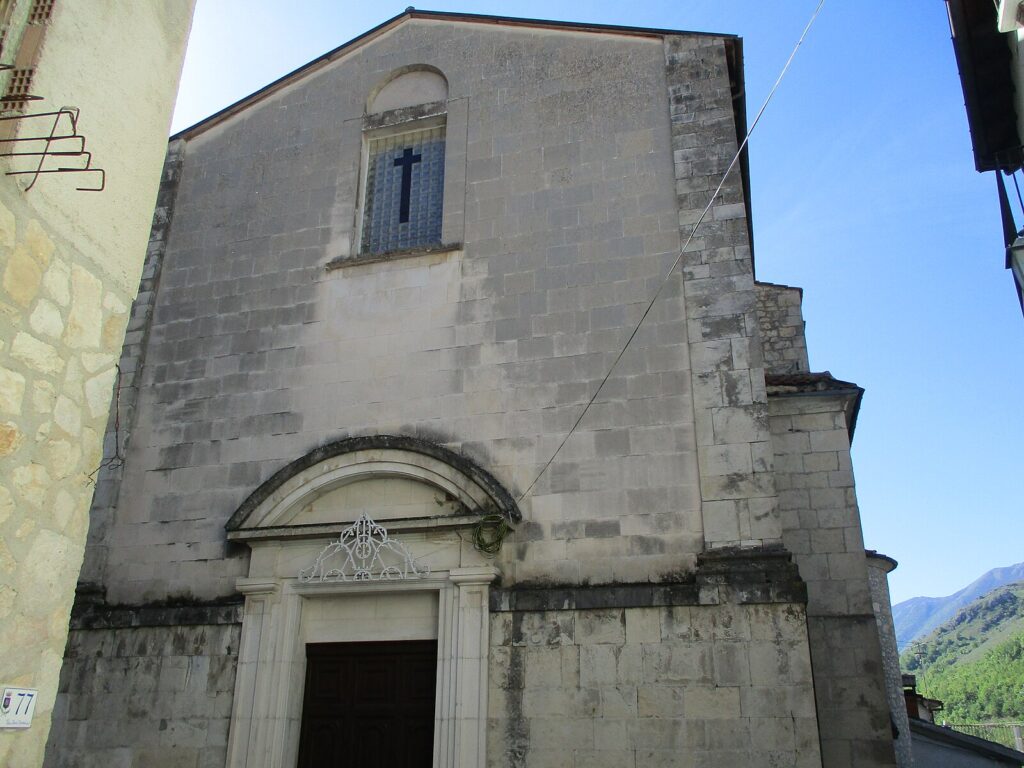
The church dedicated to San Domenico di Sora serves as the starting and ending point of the annual Festa dei Serpari procession, and its interior houses the carved statue onto which the snakes are placed each 1 May. The building stands within the compact historic centre at 897 m (2,943 ft), its stonework consistent with the Romanesque-influenced ecclesiastical construction common in this part of the Abruzzo Apennines.
Standing at the church threshold, a visitor can trace the full processional route through the village streets — a circuit that has remained structurally unchanged as a ritual geography even as the festival date was formally moved to a fixed calendar date in 2012. The church is accessible on foot from the main access road; arriving before the festival period allows inspection of the interior without the dense crowds that attend in early May.
The Archaeological Zone of Koukoulon
Between the built area of Cocullo village and the hamlet of Casale lies the documented site of the Roman town of Koukoulon, the direct ancient predecessor of the modern comune. The site occupies a position in the Peligna Valley floor and lower slopes, at an elevation consistent with the 897 m (2,943 ft) ridge on which the medieval settlement developed above it.
Roman-period remains in this corridor of the Peligna Valley reflect the administrative geography of a region that the Romans incorporated into their road and settlement network connecting the Tyrrhenian approaches with the Adriatic coast. For visitors interested in what to see in Cocullo beyond the festival, the Koukoulon site provides direct material evidence of two thousand years of continuous occupation in a single confined valley.
The Municipal Coat of Arms and its Serpent Symbolism
Cocullo’s coat of arms incorporates serpent imagery, a formal civic encoding of the same symbolic tradition expressed in the festival. Heraldic symbols in Italian municipalities frequently preserve historical and mythological references that have otherwise disappeared from daily life; in Cocullo’s case, the snake on the coat of arms directly connects the modern municipality to both the pre-Roman cult of Angitia and the Christian reinterpretation through San Domenico di Sora.
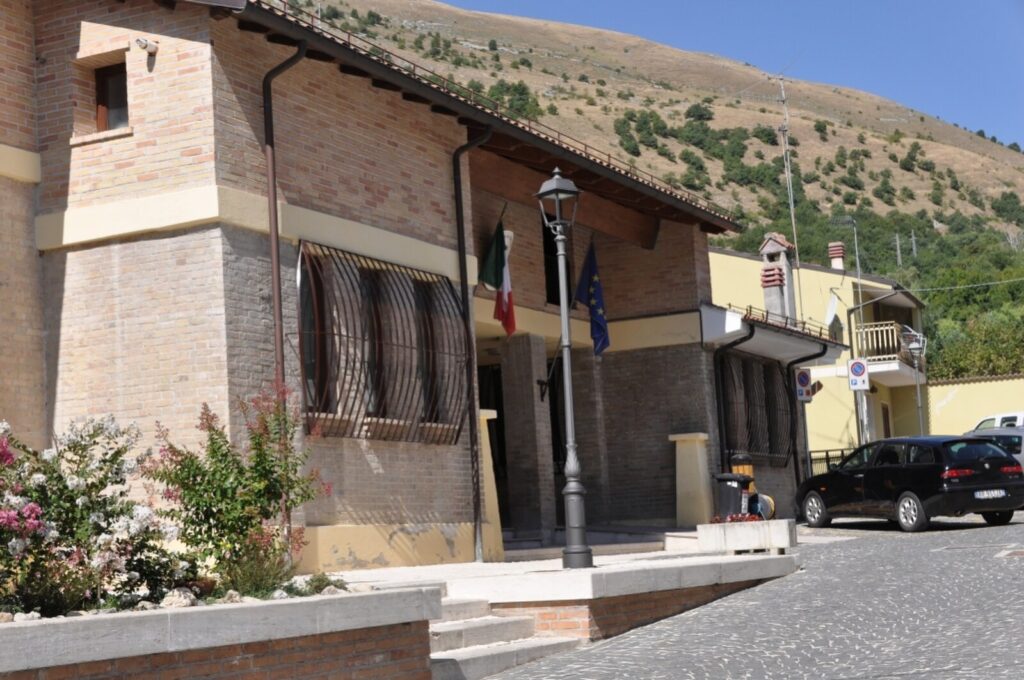
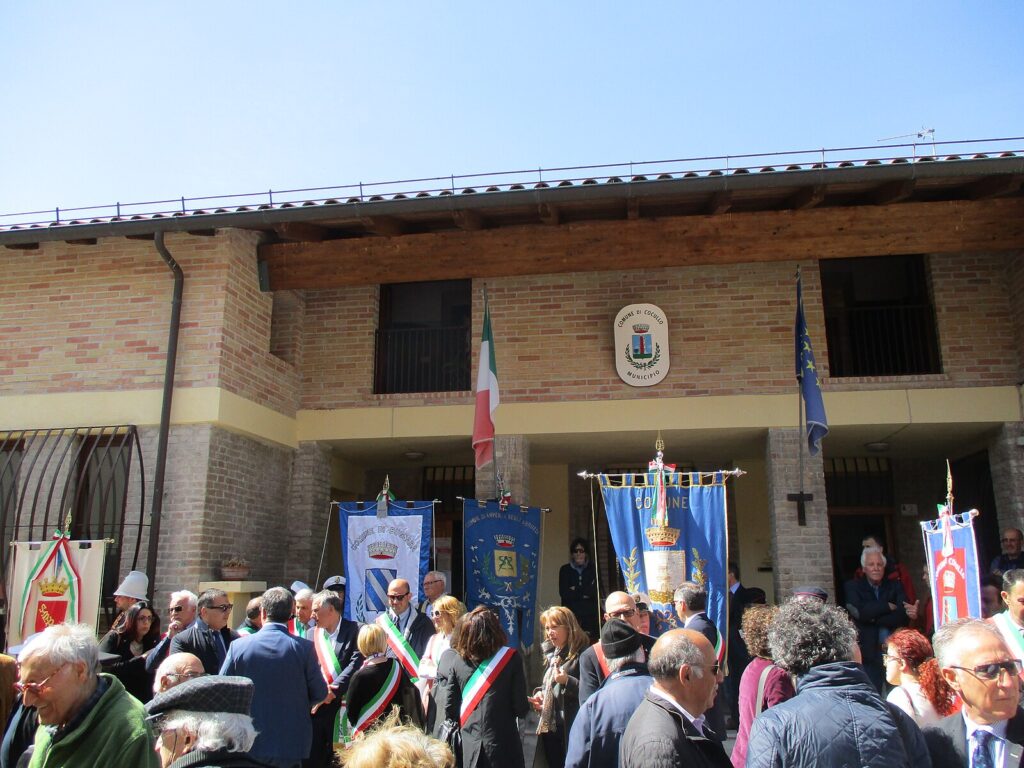
The coat of arms is reproduced on official municipal documents and on the facade signage of the Comune di Cocullo. It functions as a compact visual summary of the village’s documented historical layers and is worth examining closely on arrival, as each heraldic element carries a specific referent in the sources.
The Peligna Valley Viewpoints from the Historic Centre
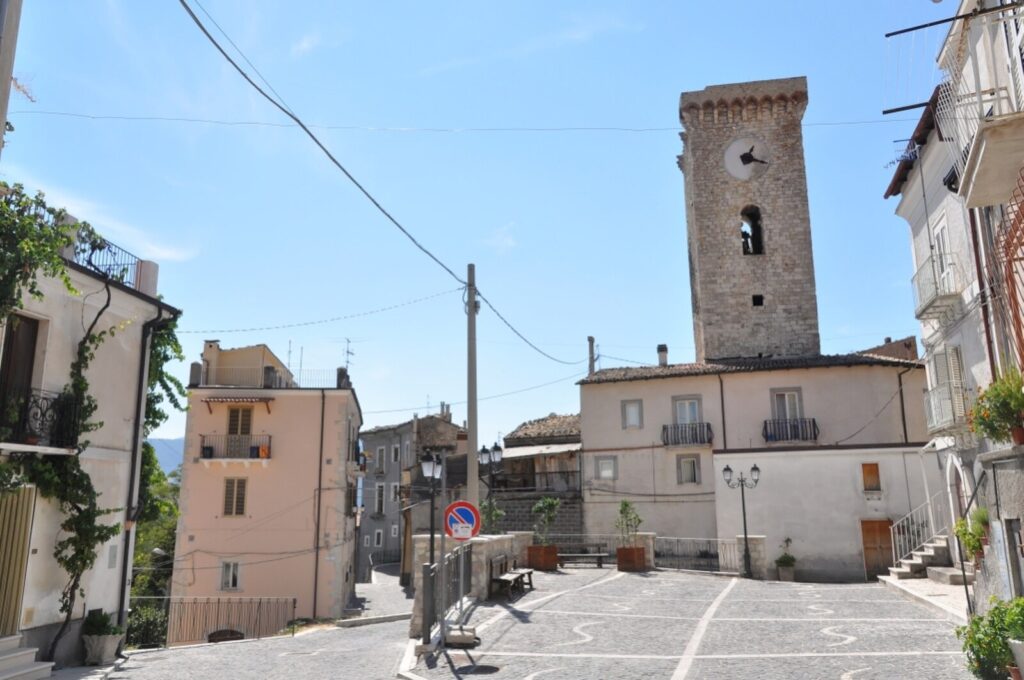
At 897 m (2,943 ft), the upper lanes of Cocullo’s historic centre look directly down into the Peligna Valley, which runs between Avezzano to the northwest and Sulmona to the southeast — the two urban poles that bracket this stretch of the A25 corridor. The valley floor lies several hundred metres below the village, giving even a brief walk through the upper streets a clear vertical relationship between the medieval settlement and the Roman and agricultural landscape below. The visual axis toward Sulmona is particularly direct on clear days, when the ridgeline of the Maiella massif is visible to the east. No specialist access is required; the viewpoints are part of the ordinary street fabric of the centro storico and are best used in morning light before the valley haze builds.
The Village of Casale and the Boundary Landscape
Casale is the single frazione — civil parish — of Cocullo municipality, and it sits in the valley section between the main village and the site of ancient Koukoulon.
Walking the road between Cocullo and Casale covers the physical distance between the medieval hilltop settlement and its Roman predecessor, a transition of less than 2 km (1.2 mi) that compresses roughly two thousand years of local settlement history into a single accessible route. The surrounding municipal boundaries — shared with seven neighbouring communes including Caramanico Terme, which also preserves significant Apennine landscape and thermal heritage in the Abruzzo interior — define a zone of compact mountain municipalities that collectively characterise the Province of L’Aquila’s central section. The Casale road is passable on foot in dry conditions and provides the closest ground-level access to the Koukoulon zone.
Local food and typical products of Cocullo
The food culture of Cocullo is rooted in the mountain pastoral economy that has defined the Peligna Valley for centuries. At 897 m (2,943 ft), with a terrain dominated by Apennine slopes and limited arable flatland, the local diet historically depended on sheep, legumes, foraged herbs, and preserved meats rather than on the cereal and market-garden agriculture of the coastal plain. This is the dietary logic of most small comuni in the Province of L’Aquila: dense, calorie-sustaining food built for altitude and cold winters, with techniques oriented toward preservation and slow cooking.
Among the preparations most closely associated with this part of the Abruzzo interior, agnello alla cacciatora — lamb braised with white wine, rosemary, garlic, and dried chilli — represents the direct output of the local pastoral tradition.
The meat is cut into irregular pieces and cooked down in a heavy pot until the braising liquid reduces to a concentrated coating. Pasta alla chitarra, the square-section egg pasta cut on a wire-strung wooden frame called a chitarra, is the standard pasta format across this province; in mountain villages it is typically served with lamb ragù or with a simple sauce of sautéed local sausage and tomato. Farro — emmer wheat — appears in soups alongside lentils and dried beans, a combination that reflects both Italic and Roman dietary continuity in this valley.
No certified PDO or PGI products are specifically registered to Cocullo in the available sources. The broader Province of L’Aquila hosts several certified products — including Zafferano dell’Aquila (PDO saffron) and Agnello del Centro Italia (PGI lamb) — but attribution of these to Cocullo specifically is not confirmed in the available documentation. Visitors seeking certified local products should look to the weekly markets of Sulmona, approximately 20 km (12.4 mi) to the southeast, where produce from across the Peligna Valley is regularly available.
The first of May festival brings food vendors and temporary market stalls into Cocullo alongside the religious procession.
This is the single annual occasion when the village’s food offer expands significantly beyond its permanent infrastructure, with grilled meats, local cheeses, and arrosticini — skewers of diced sheep meat grilled over charcoal, a format originating in the Abruzzo highlands — available from stalls positioned along the processional route. Outside the festival period, the village’s small scale means that food options are limited; the nearest range of restaurants and alimentari is found in Sulmona or Avezzano.
Festivals, events and traditions of Cocullo
The Festa dei Serpari, held each year on the first of May, is the defining event in Cocullo’s annual calendar and one of the most structurally distinctive patron saint festivals documented in central Italy. The celebration honours San Domenico di Sora, the village’s patron saint, through a procession in which his carved statue is covered with live snakes — primarily four-lined snakes, aesculapian snakes, grass snakes, and green whip snakes — by the local serpari.
These villagers hold a specific authorisation to capture the reptiles in the surrounding countryside, and they are required by the tradition’s own internal rules to release each snake in the exact location where it was caught, after the festival concludes. The procession moves through the streets of the centro storico and draws thousands of Italian and international visitors annually.
Until 2012, the festival was held on the first Thursday of May rather than on the fixed date of 1 May; the calendar change standardised the event to align with the broader Italian public holiday. The 2009 edition was cancelled following structural damage to the village caused by the L’Aquila earthquake of that year — a documented interruption that underlines how directly the physical fabric of the village and the continuity of the ritual are linked.
The tradition is also represented in the village’s coat of arms, giving the serpent symbolism an institutional permanence beyond the annual festival. Cocullo’s snake-handling practice is positioned by scholars as a direct descendant of the pre-Roman cult of Angitia, the snake goddess of the Marsi people, whose ritual functions were absorbed into the Christian feast of San Domenico.
When to visit Cocullo, Italy and how to get there
The most concentrated period for visiting Cocullo is the first of May, when the Festa dei Serpari brings the village its largest annual attendance from both Italy and abroad. If the festival is not the primary motivation, late spring and early autumn provide the most practical conditions for exploring the Peligna Valley at altitude: temperatures at 897 m (2,943 ft) remain moderate between May and October, while winter months bring snowfall to the Apennine slopes and make the mountain roads variable. For those whose priority is what to see in Cocullo outside the festival context — the Roman site, the historic centre, the valley views — a weekday visit in June or September offers the clearest conditions with minimal visitor pressure.
Cocullo sits directly on the A25 motorway between Rome and Pescara, the main artery crossing the central Apennines.
If you arrive by car, the nearest motorway exit is Cocullo on the A25; the village is approximately 120 km (74.6 mi) east of Rome and around 100 km (62.1 mi) west of Pescara, making it a feasible day trip from either city. The Rome-Pescara railway line also passes through the valley, with a station at Cocullo served by regional trains; Trenitalia operates connections via Sulmona, which is the main interchange point for services from Rome Termini. Journey time from Rome by train is approximately 2 hours with a change at Sulmona. The nearest airports with scheduled international services are Rome Fiumicino (approximately 140 km / 87 mi) and Pescara Airport (approximately 110 km / 68.4 mi). For international visitors, it is practical to note that English is not widely spoken in the village itself; carrying cash in euros is advisable, as card payment infrastructure in small mountain comuni at this scale is not guaranteed.
Visitors combining Cocullo with other villages in the Province of L’Aquila can logically include Lucoli, a similarly small mountain comune northwest of L’Aquila that shares the same high-altitude Apennine character, or extend the route south through the valley toward Borrello, which represents another small-scale Abruzzo comune with its own distinct landscape identity. Both are reachable within the same day-trip framework from Rome or Pescara that makes Cocullo accessible.
Where to stay near Cocullo
With a resident population of around 211 inhabitants, Cocullo does not have a documented hotel infrastructure within the village itself.
The nearest base with a full range of accommodation — hotels, agriturismi (farm-stay establishments), and B&Bs — is Sulmona, approximately 20 km (12.4 mi) to the southeast, a historic town with well-established visitor services. Avezzano, roughly 40 km (24.9 mi) to the northwest, provides a further alternative with good motorway and rail access. During the first of May festival, demand for accommodation across the entire Peligna Valley increases sharply; booking several weeks in advance is the practical standard for that period. Visitors to Villalfonsina and other Abruzzo villages along the Adriatic side sometimes use the coastal towns as a base for inland day trips to sites including Cocullo, a routing that the A25 motorway makes straightforward.
Frequently asked questions about Cocullo
What is the best time to visit Cocullo?
The most compelling time to visit Cocullo is 1 May, when the Festa dei Serpari takes place: live snakes are draped over the statue of San Domenico di Sora and carried in procession through the village. This date has been fixed since 2012, replacing the earlier schedule of the first Thursday in May. Arriving the evening before guarantees accommodation without crowds. Outside the festival, late spring and early autumn offer mild temperatures at 897 m and clear visibility across the Peligna Valley toward the Maiella massif.
What are the historical origins of Cocullo?
Cocullo descends from the Roman settlement of Koukoulon, documented in the Peligna Valley corridor between present-day Cocullo and the hamlet of Casale. Before Roman urbanisation, the territory was associated with the Marsi people and their cult of Angitia, a snake goddess. The current serpent procession is a structurally intact example of a pre-Roman Italic rite absorbed into a Christian framework, transferred onto the feast of San Domenico di Sora. The village was also affected by the 2009 L'Aquila earthquake, which forced a rare cancellation of the festival that year.
What to see in Cocullo? Main monuments and landmarks
The Church of San Domenico di Sora is the central site: it houses the carved wooden statue used in the Festa dei Serpari procession and anchors the processional route through the historic centre. Between the village and the frazione of Casale lies the archaeological zone of Koukoulon, the Roman predecessor of modern Cocullo, reachable on foot in under 2 km. The municipal coat of arms, displayed on the Comune facade, incorporates serpent imagery encoding the village's full historical layering from the Angitia cult to the Christian festival. No admission fees apply to public streets or the coat of arms display.
What are the main natural or scenic attractions of Cocullo?
Cocullo sits at 897 m on the edge of the Peligna Valley, framed by the Apennine ridgelines that separate the interior basins from the Adriatic lowlands. The valley floor stretches between Avezzano to the northwest and Sulmona to the southeast, with the Maiella massif visible to the east on clear days. The short route between Cocullo and Casale — under 2 km, passable on foot in dry conditions — traverses the landscape between the medieval hilltop settlement and the Roman valley site, offering direct contact with the layered Apennine terrain characteristic of the Province of L'Aquila.
Where to take the best photos in Cocullo?
The upper lanes of Cocullo's historic centre provide an unobstructed vertical view down into the Peligna Valley, several hundred metres below. The visual axis toward Sulmona and the Maiella massif is sharpest in morning light, before valley haze builds. No specialist access is needed: these viewpoints are part of the ordinary street fabric of the centro storico. On 1 May, the processional route through the stone streets — with live snakes draped over the statue of San Domenico — offers documentary photography opportunities that are unique in Italy.
Are there museums, churches or historic buildings to visit in Cocullo?
The Church of San Domenico di Sora is the principal historic building in Cocullo, with Romanesque-influenced stonework consistent with ecclesiastical construction across the Abruzzo Apennines. It houses the carved wooden statue central to the Festa dei Serpari and serves as both the start and end point of the 1 May procession. Visiting outside the festival period allows inspection of the interior without crowds. The archaeological site of Koukoulon, between Cocullo and Casale, provides additional historic-period remains. Specific opening hours for the church are not documented in available sources; access is typically possible during daylight hours.
What can you do in Cocullo? Activities and experiences
Attending the Festa dei Serpari on 1 May is the primary experiential draw: witnessing the serpari handle and process live snakes in a documented ritual sequence has no equivalent elsewhere in Italy. Outside the festival, the on-foot route between Cocullo and Casale covers the physical transition from the medieval settlement to the Roman site of Koukoulon in under 2 km. The Peligna Valley position also places Cocullo within easy driving distance of Sulmona and Avezzano along the A25 corridor, making it a practical base for broader exploration of the Province of L'Aquila's central Apennine section.
Who is Cocullo suitable for?
Cocullo is particularly suited to travellers interested in anthropology, religious folklore, and archaeologically layered sites: the Festa dei Serpari is one of the most structurally intact pre-Roman-to-Christian ritual survivals practiced publicly in Italy. History enthusiasts will find value in the Koukoulon archaeological zone and the documented Marsi heritage. At 897 m with a population of around 211, the village offers a genuinely off-the-beaten-track experience for independent travellers and photographers. Families visiting on 1 May should note the festival is busy and the snake handling is live and unscripted; the surrounding valley landscape suits walkers of all levels year-round.
What to eat in Cocullo? Local products and specialties
Cocullo's food tradition reflects the mountain pastoral economy of the Abruzzo interior. Key dishes include agnello alla cacciatora — lamb braised with white wine, rosemary, garlic, and dried chilli — and pasta alla chitarra, the square-section egg pasta characteristic of the Province of L'Aquila, typically served with lamb ragù or local sausage. Farro (emmer wheat) soups with lentils and dried beans reflect continuity with Italic and Roman dietary traditions in the Peligna Valley. No PDO or PGI products are specifically registered to Cocullo; the broader provincial area hosts certified Zafferano dell'Aquila (PDO) among others.
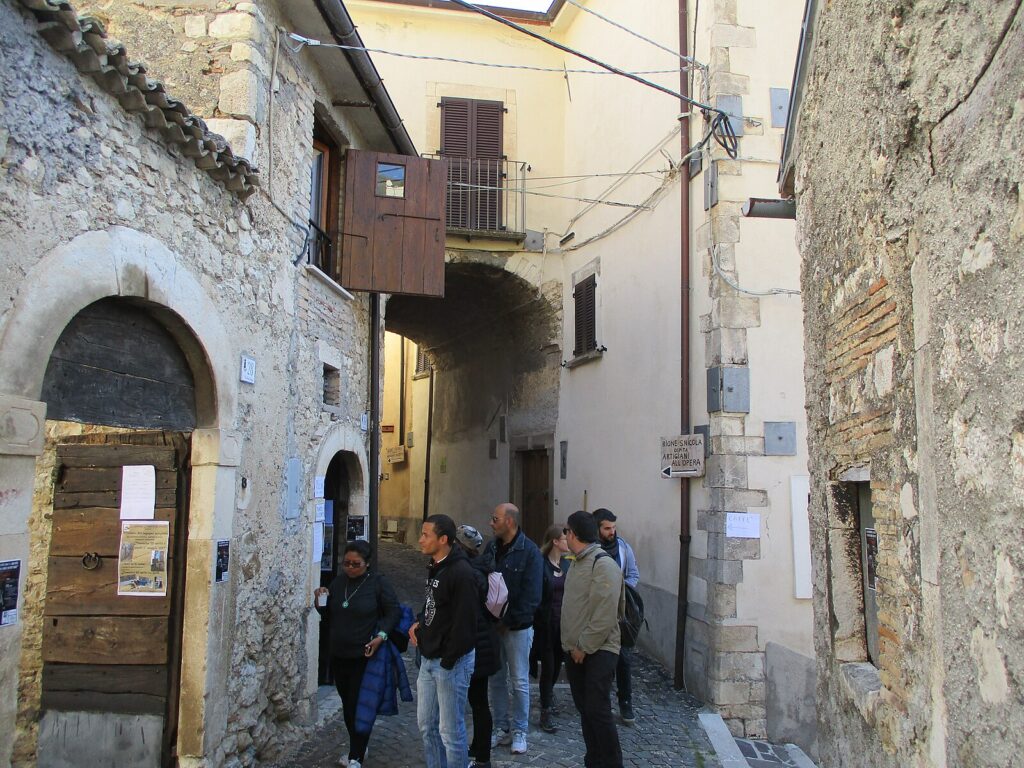
📷 Photo Gallery — Cocullo
Getting there
Piazza Madonna Delle Grazie, 67030 Cocullo (AQ)
Nearby Villages near Cocullo
In Abruzzo More villages to discover
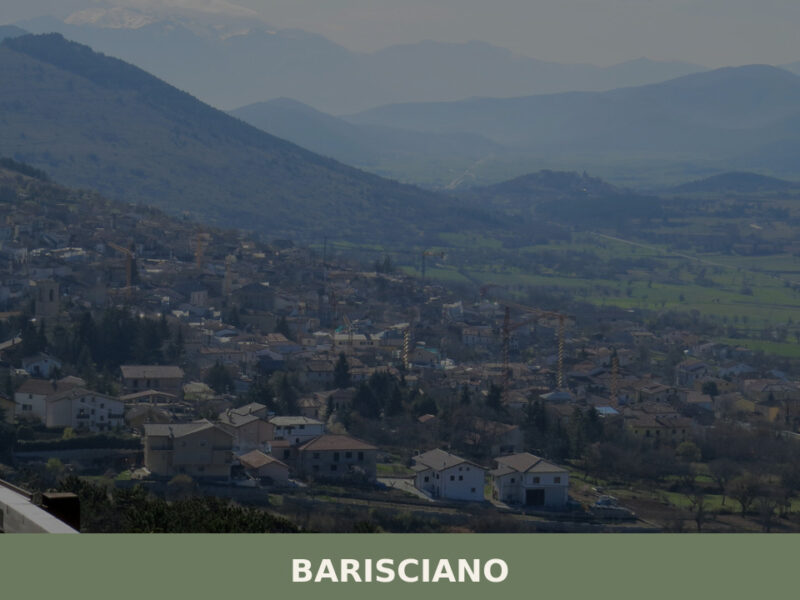
Barisciano
Mountain
A high-altitude village on the Piana di Navelli, Barisciano holds Roman ruins, Franciscan cloisters, and centuries of Abruzzo history written in stone.
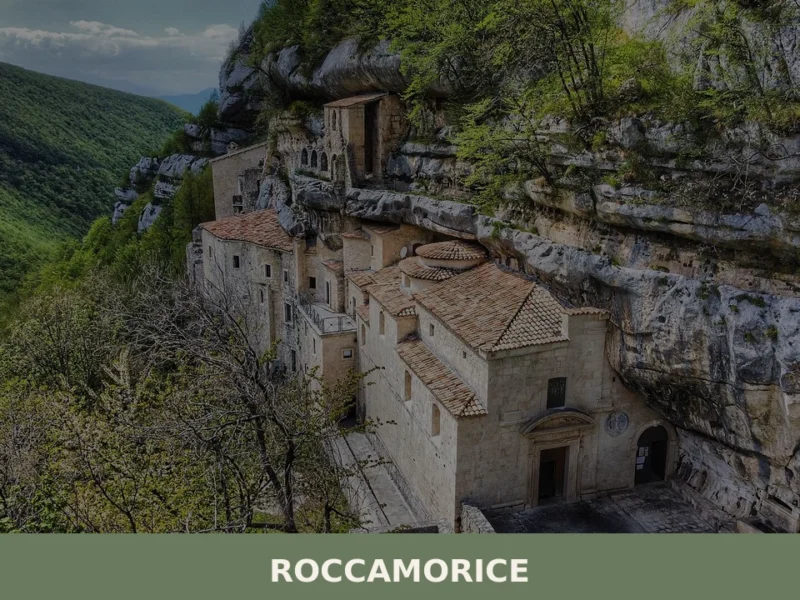
Roccamorice
Mountain
What to see in Roccamorice, Italy: discover rock-cut hermitages, the Majella National Park, and unique river-carved landscapes. Explore Abruzzo.
Castilenti
 Hills
Hills
At 272 metres above sea level, along the valley of the Fino torrent, Castilenti has a current population of 1,346 and occupies a stretch of hilly terrain in the province of Teramo where olive cultivation marks the landscape with orderly rows of trees and still-active oil mills. Anyone wondering what to see in Castilenti will […]
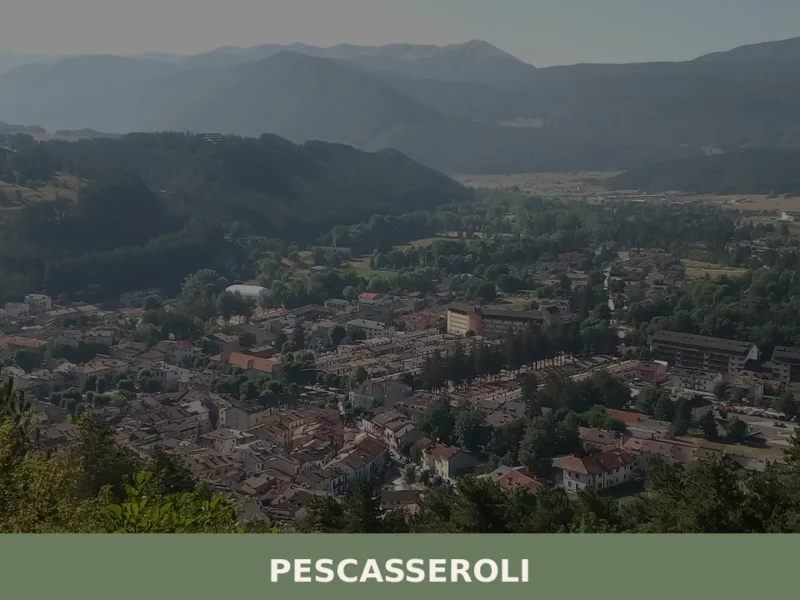
Pescasseroli
Mountain
What to see in Pescasseroli: from the Abruzzo National Park to Croce's birthplace, UNESCO beech forests, mountain cuisine and practical information for visiting the village.
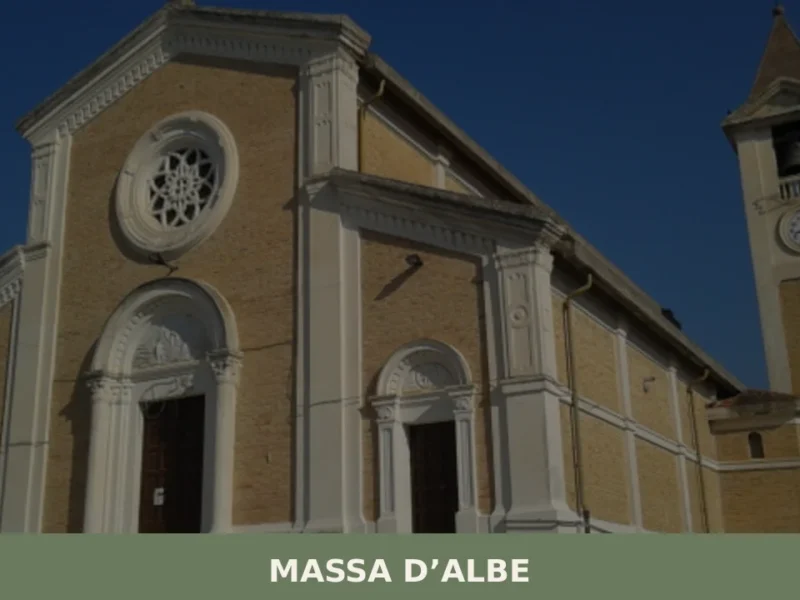
Massa d’Albe
Mountain
What to see in Massa d'Albe: 5 attractions including Roman ruins, medieval churches and views over Fucino. Complete guide to visiting this Abruzzo village.
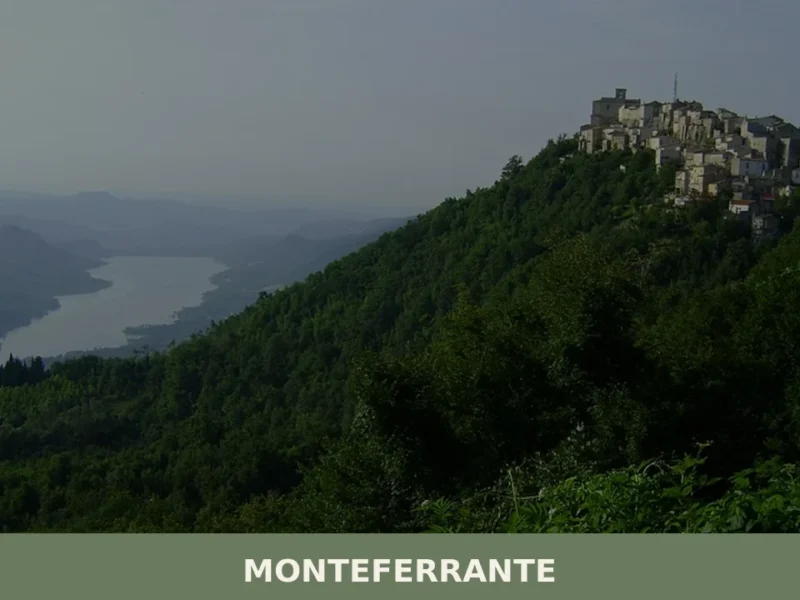
Monteferrante
Mountain
What to see in Monteferrante: discover the 5 main attractions of this mountain village, from the Church of St. John the Baptist to natural trails. Plan your trip!
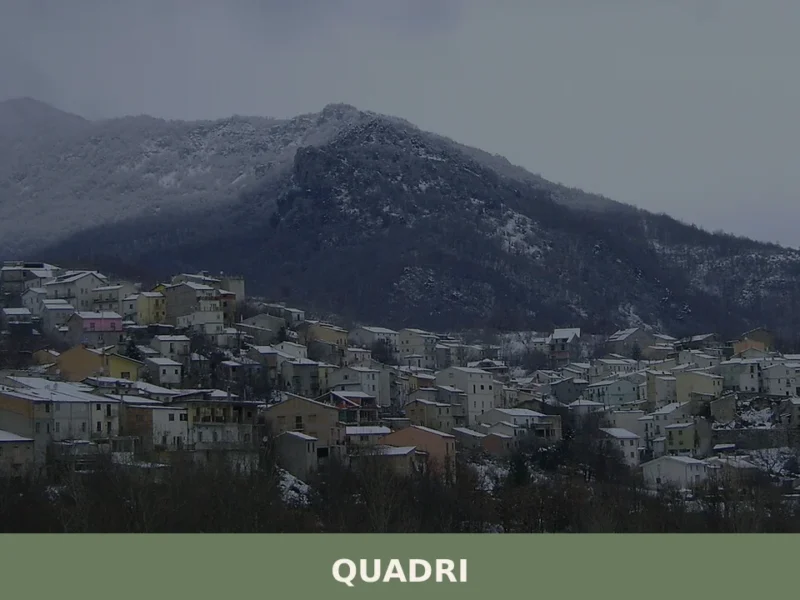
Quadri
Mountain
The limestone of the alleyways climbs straight up toward the ridge, and from up there the valley opens onto slopes where beech forests give way to pastures. Quadri belongs to the province of Chieti, in the heart of inland Abruzzo, at an altitude that isolates the village from the main transit routes and keeps it […]
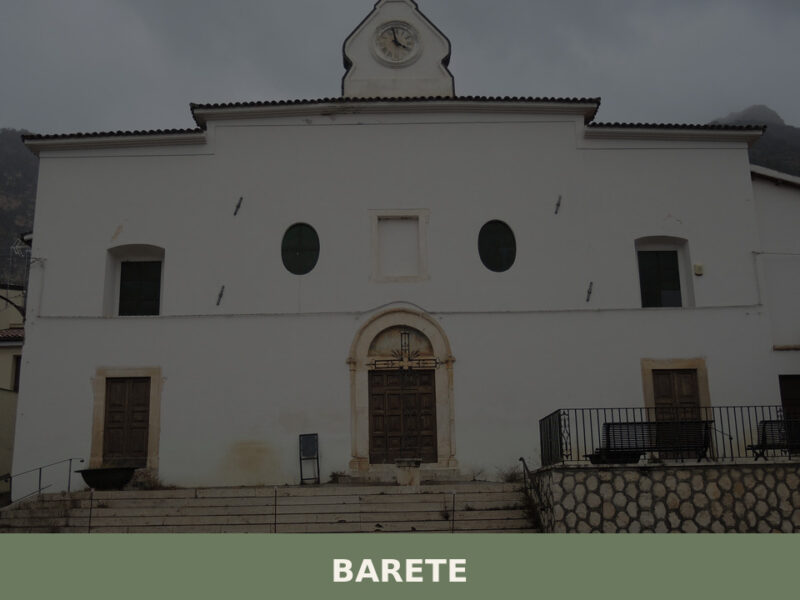
Barete
Mountain
Morning light hits the limestone walls of Barete’s older houses at a low angle, turning them briefly gold before the shadow of the Gran Sasso massif reclaims the narrow lanes. A rooster calls from somewhere behind a garden wall. The air smells of woodsmoke and cold stone. This is a settlement of roughly 695 inhabitants, […]
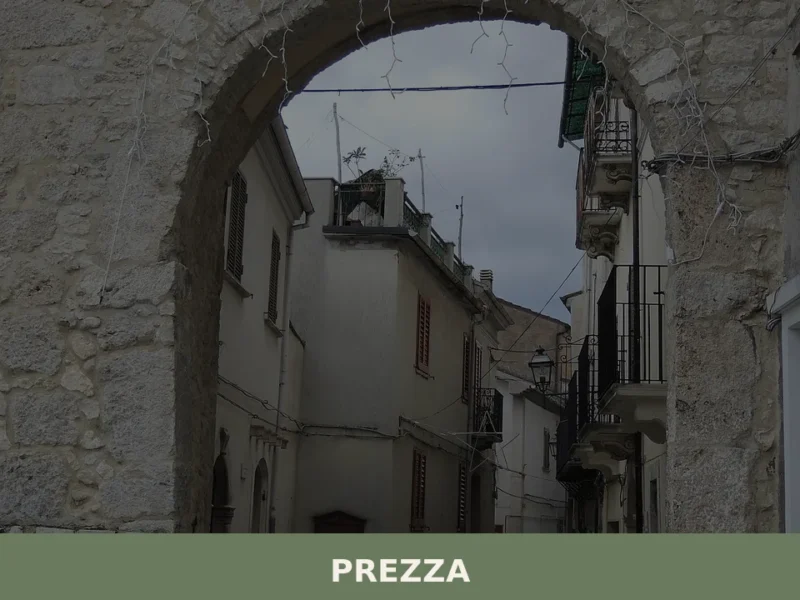
Prezza
Mountain
What to see in Prezza, Italy: explore a medieval hilltop comune at 480 m, the Praesidium Winery, and the Church of Santa Lucia. Discover Abruzzo's Valle Peligna.
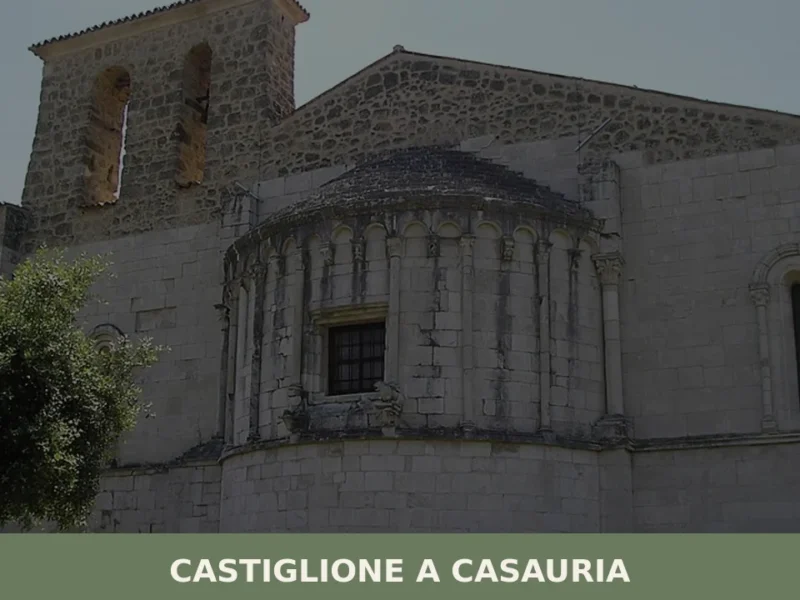
Castiglione a Casauria
Hills
The Abbey of San Clemente a Casauria, founded in 871 by Emperor Louis II, stands just a few hundred metres from the town centre and ranks among the most important Romanesque monuments in central Italy. It is this monastic presence that defines the identity of Castiglione a Casauria, a village of 701 inhabitants in the […]
🏡 Know Cocullo better than we do?
If you’re a local or have been there, your knowledge matters: add what’s missing or fix a detail on this page.