


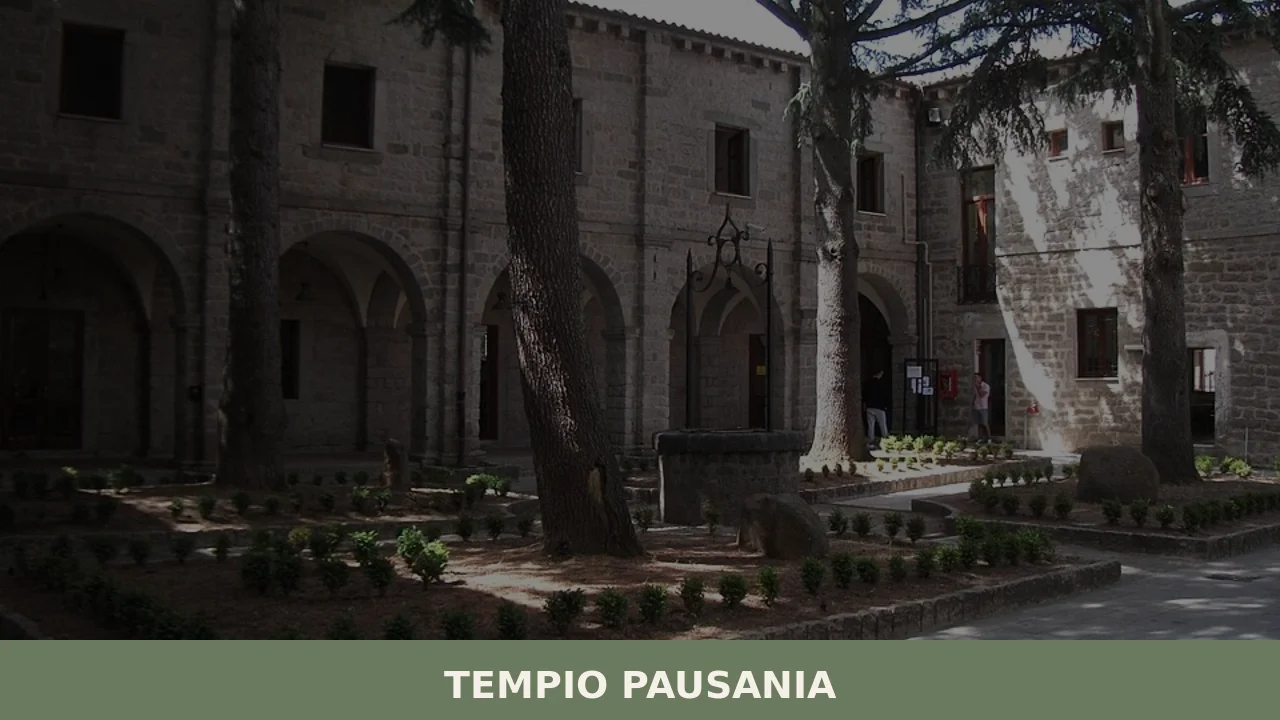
Tempio Pausania
What to see in Tempio Pausania: granite city at 566m, 13,196 residents. Discover the Gothic cathedral, Monte Limbara, suppa cuata and Sardinia’s only DOCG wine.
Discover Tempio Pausania
Thirteen thousand inhabitants at 566 metres above sea level, in the granite heartland of Gallura: Tempio Pausania is the most populous town in the north-eastern Sardinian interior, yet it remains consistently overlooked by the mass tourism that saturates the Costa Smeralda just fifty kilometres away.
Those who wonder what to see in Tempio Pausania discover a city — not a village — with a historic centre built entirely from local grey-pink granite, a centuries-old carnival tradition, and a geographical position that makes it the gateway to the Limbara massif.
The town is the historic capital of Gallura, a region culturally distinct from the rest of Sardinia, with its own language — Gallurese — and a cuisine that looks towards Corsica as much as towards mainland Italy.
IN THIS ARTICLE
History and Origins of Tempio Pausania
The name “Tempio” almost certainly derives from the Latin templum, referring to places of worship that predated the medieval settlement, while “Pausania” was officially added in 1862 to distinguish the municipality from the town of the same name in Sicily — a post-unification bureaucratic measure that today makes the double name a curious anomaly on Italian maps.
The origins of the settlement are older still: the surrounding territory shows traces of Nuragic occupation, and the favourable altitude — a plateau between the slopes of the Limbara and the Gallurese plain — suggests a settlement choice driven by defensive and hydrological factors, given the presence of natural springs that are still active today.
During the medieval period, Tempio was one of the main centres of the Giudicato of Gallura, the north-eastern administrative division of Sardinia that gravitated politically between Pisan and Genoese influence.
Following the Aragonese conquest of the island in the fourteenth century, the town retained a significant commercial role thanks to its position along the routes leading to the port of Olbia. The sixteenth and seventeenth centuries brought demographic consolidation, with the construction of the principal religious buildings that still define the urban fabric today.
In 1821, Tempio became the capital of the Province of Gallura, an administrative recognition that confirmed its central role in the region.
Among the figures linked to Tempio Pausania’s cultural history, Sebastiano Satta (1867–1914) stands out — a poet writing in Italian who is considered one of the most significant voices in late nineteenth-century Sardinian literature, and whose birthplace still stands in the historic centre. The city also gave birth to prominent figures in Sardinian law and politics during the nineteenth century, consolidating an intellectual tradition explained by the early presence of schools and cultural institutions.
In demographic terms, Tempio experienced a gradual decline from the second half of the twentieth century — typical of inland Sardinian towns — falling from over 14,000 inhabitants in the 1970s to the current 13,196, without, however, losing its role as a service centre for the whole of the Gallurese interior.
What to See in Tempio Pausania: 5 Top Attractions
1. Cathedral of San Pietro Apostolo
The cathedral stands in Piazza San Pietro, a few steps from the historic centre, and is Tempio’s principal religious building.
Built in its current form between the fifteenth and sixteenth centuries, it features a three-tier granite façade with a late-Gothic rose window of considerable craftsmanship. The three-nave interior contains Baroque furnishings and a series of paintings from the Sardinian school. The cathedral is the seat of the Diocese of Tempio-Ampurias, one of the oldest in northern Sardinia, which explains the wealth of liturgical heritage preserved within its walls.
2. Palazzo Rettoria and the Granite Historic Centre
The historic centre of Tempio Pausania is a rare example of material consistency: almost every building, from noble palaces to ordinary dwellings, is constructed from grey-pink granite quarried from the Gallurese territory. The Palazzo Rettoria, facing the main square, is one of the finest examples of local eighteenth-century civic architecture. Walking through the network of lanes between Via Roma and Piazza Gallura allows visitors to trace three centuries of architectural layering without jarring stylistic breaks — a degree of urban integrity that is far from guaranteed in a town of this size.
3. Fonte Nuova and the Water System
Tempio has historically been a city of water, an unusual distinction for Sardinia. The Fonte Nuova, built in the nineteenth century in Neoclassical style and likewise in granite, is the most photographed monument in the city and reflects the importance of local springs in the organisation of urban life. The territory’s natural water system fed public washhouses, mills and basins for centuries, many of which can still be found within the urban fabric. The fountain remains fully operational and is an established social gathering point in the daily life of Tempio’s residents.
4. The Limbara Massif and Punta Balestrieri
Monte Limbara, with its summit of Punta Balestrieri at 1,362 metres, dominates the landscape to the north of the city and can be reached by car from Tempio in around twenty minutes. The granite massif supports forests of holm oaks, cork oaks and downy oaks, along with endemic flora of considerable botanical interest. At higher elevations, snow falls regularly in winter, making the Limbara a constant visual reference for local residents. Forestry Commission trails offer walks of varying difficulty up to the television antennas at the summit, from where, on clear days, both the Tyrrhenian and the Mediterranean can be seen simultaneously.
5. Museo Bernardo De Muro
Tempio Pausania is the birthplace of Bernardo De Muro (1881–1955), an internationally acclaimed tenor who performed at the Metropolitan Opera in New York and at La Scala during the early decades of the twentieth century. The museum dedicated to him holds documents, photographs, stage costumes and recordings that trace the arc of an extraordinary career launched from a provincial Sardinian city. The collection is housed in the historic centre and illustrates how Tempio produced figures of international standing in the arts — a fact that genuinely surprises, and that alone makes the visit worthwhile.
What to Eat in Tempio Pausania: Local Cuisine and Specialities
Gallurese cuisine, of which Tempio is the most representative centre, differs markedly from the gastronomic traditions of the rest of Sardinia.
Shaped by proximity to Corsica and centuries of contact with the Ligurian-Corsican agro-pastoral world, it uses wheat, sheep’s milk and meat with techniques and combinations that have no direct equivalent in the provinces of Cagliari or Nuoro.
The altitude and the cooler climate compared to the coast favour the production of semi-hard cheeses and extensive sheep farming, which remain the backbone of the local food economy.
The most representative dish in the local tradition is suppa cuata — literally “hidden soup” — a baked timbale of stale Gallurese bread (the civraxiu or local variants), sheep or kid broth, fresh cheese and grated aged cheese, cooked in the oven until a golden crust forms. The preparation requires at least an hour of slow cooking and is traditionally associated with major family occasions and religious festivals. Another central dish is roast kid with aromatic herbs from the Limbara — myrtle, wild rosemary, lentisk — cooked over a cork oak wood fire for a minimum of three hours.
On the cheese front, the Gallurese territory traditionally produces pecorino di Gallura, a semi-hard sheep’s milk cheese that, in its aged versions, develops pronounced sharp notes.
It is worth clarifying, for accuracy, that there is no specific DOP or IGP certification for “pecorino di Gallura” as an independent designation — local production operates within artisan circuits and the broader Sardinian cheese-making tradition.
Also worth noting is the production of fresh sheep’s ricotta, eaten both as a dessert with strawberry tree honey and as a filling in sebadas, the typical Sardinian fried ravioli stuffed with acidic cheese.
Autumn is the best time to experience local gastronomy through public events. The Sagra del Vino e dei Prodotti Tipici della Gallura, held traditionally in autumn, brings together local producers of cheeses, cured meats and wines in the historic centre. The town’s weekly markets — the largest takes place on Saturday mornings — offer direct access to producers of pecorino, honey and myrtle preserves.
For cured meats, Gallurese sausage smoked with juniper is available at artisan butchers on Via San Lorenzo and in the shops of the historic centre.
The reference wine for Tempio Pausania and Gallura is Vermentino di Gallura DOCG, the only denominazione di origine controllata e garantita in Sardinia, with vineyards extending across the municipal territory and neighbouring communes. Vermentino di Gallura is produced in young versions — fresh, with notes of white peach and almond — and in superiore versions with greater structure and complexity.
The denomination was recognised in 1996 and represents a point of considerable pride for the entire Gallurese region.
When to Visit Tempio Pausania: the Best Time of Year
Spring, between April and June, offers the most balanced weather conditions: temperatures between 15 and 22 degrees, wildflowers on the Limbara and no crowds. It is the ideal period for excursions on the massif and for exploring the historic centre at a leisurely pace. Summer at 566 metres is noticeably cooler than the coast — as much as 10–12 degrees lower than the beaches of coastal Gallura — making Tempio a convenient base for those who want to combine sea and hinterland.
The Tempio Carnival, held between February and March, is one of the most widely attended events on the island: allegorical floats, traditional Gallurese masks and parades through the historic centre draw visitors from across north-eastern Sardinia.
The feast of San Paolo di Tebe, on 30 August, coincides with the height of the summer season and includes processions, music and markets in the historic centre.
Autumn — September and October — is when the territory expresses its most distinctive identity from a gastronomic perspective: the Vermentino harvest, the collection of strawberry tree honey and the food festivals bring life to the town’s squares and wine cellars. Visitors who value a quieter atmosphere and direct contact with the local community will find this period offers the best balance between accessibility and cultural activity.
Winter, with possible snowfall on the Limbara between December and February, transforms the landscape in visually striking ways, but requires appropriate equipment for excursions at altitude.
How to Get to Tempio Pausania
By car, Tempio Pausania can be reached from Olbia Costa Smeralda Airport in approximately 45 minutes via the SS 127 bis heading north-west — a distance of around 45 kilometres.
From Sassari, the route via the SS 597 (Sassari–Olbia) with a turn-off at Oschiri covers approximately 80 kilometres in one hour and 15 minutes. From Cagliari, the journey via the SS 131 to Sassari and then towards Gallura takes around three hours over 250 kilometres. There is no direct motorway exit: all road access is via fast state roads, well maintained but with winding stretches on the final approach to the city.
Public transport is provided by ARST (Azienda Regionale Sarda Trasporti), with bus services from Olbia, Sassari and Nuoro at frequencies that vary by season. The nearest railway station with regular services is Olbia, the terminus for Trenitalia lines connecting northern Sardinia. From Olbia station, direct ARST buses to Tempio take approximately one hour.
Those arriving by ferry can disembark at Olbia or Porto Torres: from the latter, the route to Tempio via Sassari is slightly longer but crosses Gallura from west to east along scenic roads that showcase the extraordinary geological and human variety of this part of the island.
Other Villages to Explore in Sardinia
Anyone planning an itinerary through the Gallurese interior should consider a visit to Aggius, just fifteen kilometres from Tempio: the village is known for one of the most dramatic granite landscapes in Gallura, for the Museo Etnografico della Gallura and for a polyphonic choral tradition that has produced songs recognised at national level.
The two towns complement each other well on a half-day circuit, with Aggius offering a more compact, rural character compared to the urban energy of Tempio.
Moving towards north-central Sardinia, Benetutti, in the Goceano area, presents a different landscape and cultural context, with natural thermal springs and one of the island’s densest concentrations of Nuragic heritage — a complementary destination for those wanting to extend their exploration beyond Gallura.
In the Sassari area, two villages offer contrasting perspectives on rural Sardinia: Banari, a small centre in the Romangia hills with a notable religious architectural heritage, and Bessude, a Meilogu village close to the distinctive rural church of Sant’Antioco di Bisarcio.
Both can be reached from Tempio in around an hour and a half, and fit naturally into a circular itinerary crossing northern Sardinia from east to west — following the shifts in landscape from Gallurese granite to Logudoro basalt — that make this corner of the island remarkably varied in geological and human terms. For further information on the history and geography of the town, the Wikipedia page dedicated to Tempio Pausania and the official website of the Municipality are recommended resources.
In Sardinia More villages to discover
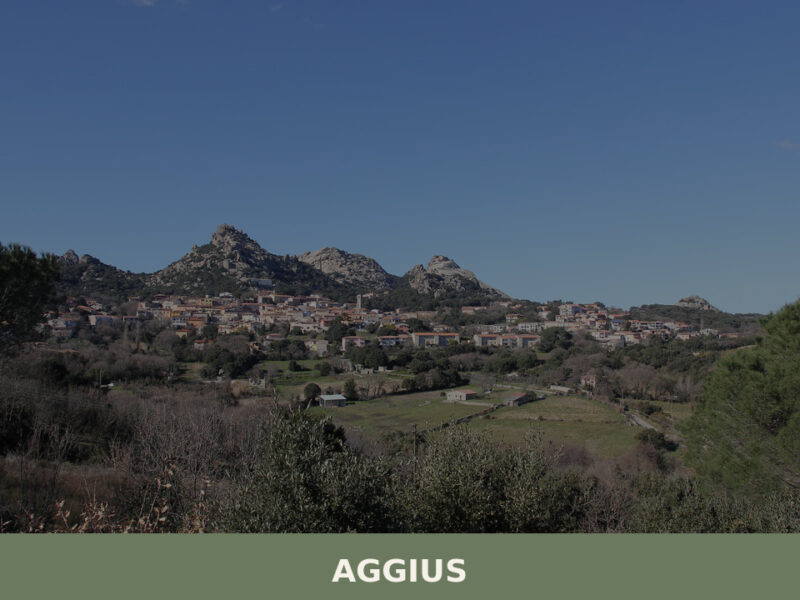
Aggius
Granite boulders glow amber in the late afternoon, stacked like ancient sentinels across a valley floor that drops away toward the Gallura coast. Wind pushes through narrow lanes of grey stone houses, carrying the faint rhythm of a polyphonic chorus rehearsing behind closed shutters. At 514 metres above sea level, this village of just over […]
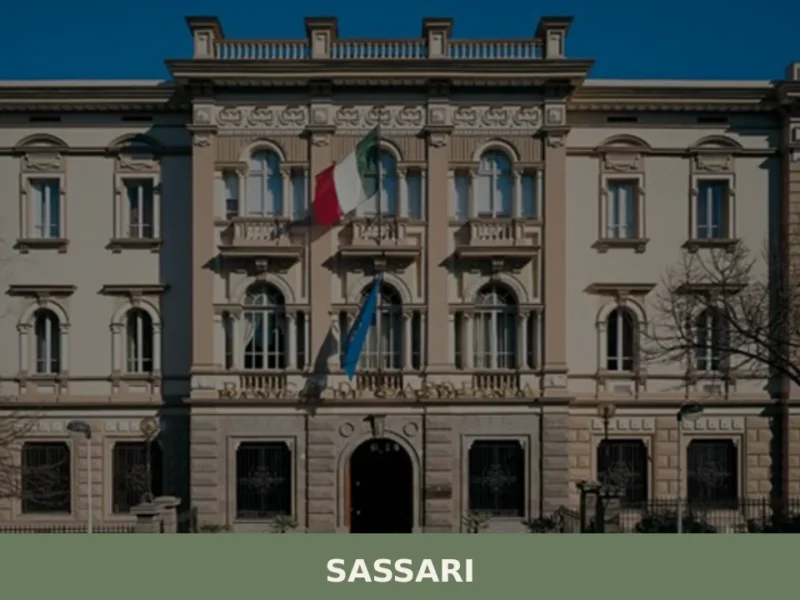
Sassari
Discover Sassari, a captivating village in Sardegna, Italy. Explore its rich history, vibrant culture, stunning architecture, and authentic Italian charm.
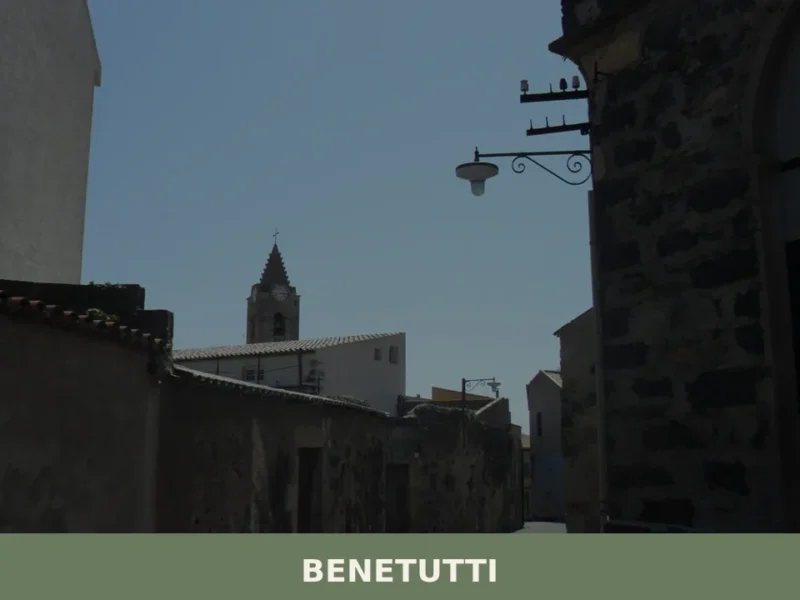
Benetutti
The thermal springs of San Saturnino, known since Roman times for their waters emerging at 43°C, define the identity of Benetutti more than any other element. This village of 1,686 inhabitants, at 406 metres above sea level in the province of Sassari, occupies a stretch of the Rio Tirso valley between granite formations and expanses […]



📝 Incorrect information or updates?
Help us keep the Tempio Pausania page accurate and up to date.