


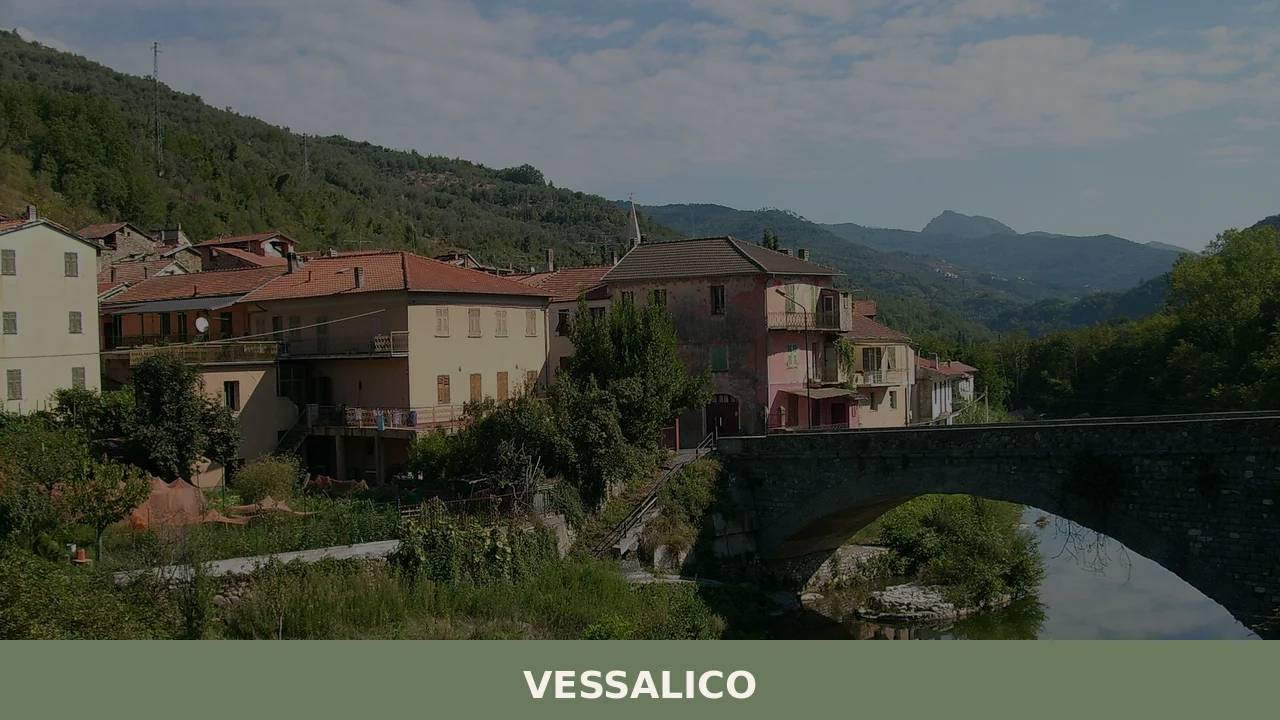
Vessalico
 Plains
what to see in vessalico, Italy: Explore this Ligurian village at 197m. Discover its history and the patron saint festival on July 22. Read more.
Discover Vessalico
The sound of distant bells carries through the Arroscia Valley, where Vessalico, a small comune of just 255 inhabitants, rests within Italy’s Imperia province. Situated at an elevation of 197 m (646 ft) above sea level, this Ligurian village provides a window into a slower pace of life, defined by its agricultural surroundings and traditional stone architecture.
Its character as a borgo di pianura, a village of the plain, distinguishes it from many of Liguria’s more dramatic coastal settlements.
For those wondering what to see in Vessalico, this Ligurian village, located approximately 20 km (12 mi) northwest of Imperia, offers a genuine experience of rural Italian life.
Visitors can explore the historic central core and appreciate the traditional Ligurian architecture, reflecting its identity as a village rooted in its landscape. The Vessalico highlights include its tranquil atmosphere and the annual celebration dedicated to its patron saint, Santa Maria Maddalena, a significant cultural event on July 22.
History of Vessalico
Vessalico’s history is deeply intertwined with its geographical position in the Ligurian hinterland, a region often shaped by its proximity to both the sea and inland trade routes. The village, known in Ligurian as Vesarco, has long been a part of the Province of Imperia, an administrative division that highlights its connection to the wider Ligurian territory.
While specific founding dates for Vessalico are not detailed in available records, its designation as a comune suggests a long-standing local governance structure, typical of many settlements in northern Italy that evolved from agricultural communities.
Throughout the centuries, Liguria’s inland areas, including the territory surrounding Vessalico, often served as vital links between the coast and the Piedmontese plains.
Such villages developed their character from a blend of influences, including the maritime powers of Genoa and the agricultural needs of the valleys. Vessalico’s position, roughly 90 km (56 mi) southwest of Genoa and bordering municipalities such as Borghetto d’Arroscia and Pieve di Teco, indicates its role within a network of communities that shared resources and cultural practices across the Arroscia Valley.
The administrative structure of Vessalico as a *comune* reflects a continuous civic identity, even as its population has remained relatively small, currently standing at 255 inhabitants.
This enduring status as an independent municipality, despite its modest size, underscores the deep roots and historical continuity characteristic of many Italian villages.
Understanding Vessalico’s past provides context for what to see in Vessalico today, from its architectural heritage to its communal traditions.
What to see in Vessalico, Liguria: top attractions
The Historic Village Core
The heart of Vessalico is defined by its compact historic core, where narrow, winding alleys, known as carrugi, weave between closely built stone houses. These traditional Ligurian dwellings, often constructed from local stone and featuring terracotta roof tiles, reflect centuries of architectural adaptation to the region’s climate and resources.
Exploring these pedestrian-friendly lanes offers a palpable sense of the village’s enduring character, where each turn reveals a new perspective on daily life.
Parish Church of Santa Maria Maddalena
As the spiritual center of the community, the Parish Church of Santa Maria Maddalena stands as a focal point within Vessalico, dedicated to its patron saint. While specific architectural details are not documented, typical Ligurian parish churches often feature modest, yet dignified, facades and interiors that house local religious art and artifacts.
The church serves as a gathering place for villagers, particularly during the patron saint’s feast day on July 22, and its bell tower, often a prominent feature, contributes to the village’s skyline.
The Municipal Building (Comune di Vessalico)
The municipal building, or Comune di Vessalico, functions as the administrative hub for the village’s 255 residents and typically occupies a central position. This structure, while primarily functional, often features architectural elements that speak to the village’s civic pride and history.
Visitors can observe the building’s role in local governance and appreciate its design, which often incorporates traditional Ligurian building styles, contributing to the overall aesthetic of the village square.
Views of the Arroscia Valley
From various points within and around Vessalico, visitors can appreciate expansive views of the Arroscia Valley, a landscape characterized by terraced hillsides, olive groves, and scattered rural settlements. The village’s elevation of 197 m (646 ft) above sea level provides a vantage point for observing the agricultural tapestry that defines much of inland Liguria. These vistas offer a tranquil backdrop and a deeper understanding of the natural environment that has sustained Vessalico for generations, making it a key aspect of what to see in Vessalico.
Rural Paths and Surrounding Countryside
Embracing its designation as a borgo di pianura, Vessalico is surrounded by accessible rural paths that invite exploration of the immediate countryside.
These trails, suitable for gentle walks, meander through agricultural fields and connect to nearby hamlets, offering a glimpse into the region’s traditional farming practices.
Such pathways provide an opportunity to experience the tranquil pace of life outside the village core and discover the flora and fauna of the Ligurian hinterland, enhancing the experience of what to see in Vessalico for those who enjoy nature.
Local food and typical products of Vessalico
While specific culinary traditions and unique dishes attributed solely to Vessalico are not detailed in the available sources, the village is situated within Liguria, a region renowned for its distinct gastronomic heritage. Ligurian cuisine is characterized by its reliance on fresh, local ingredients, particularly those from the land and the nearby sea. This includes a strong emphasis on olive oil, aromatic herbs, vegetables, and simple, yet flavorful, preparations that reflect the region’s historical frugality and ingenuity.
Typical Ligurian dishes, which visitors might encounter in the broader region, often feature these core ingredients.
Notable examples include Pesto alla Genovese, a vibrant green sauce made from basil, pine nuts, garlic, Parmigiano Reggiano, Pecorino Sardo, and extra virgin olive oil, often served with pasta like trofie or trenette.
Another staple is Focaccia, a flat oven-baked bread drizzled with olive oil and often sprinkled with salt or herbs, a popular snack or accompaniment to meals.
Other regional specialties include Farinata, a savory pancake made from chickpea flour, water, and olive oil, baked until crisp. Vegetable-based dishes like Torta Pasqualina, a savory pie filled with ricotta, spinach, and whole eggs, also represent the Ligurian culinary tradition.
These dishes embody the simple, robust flavors that define the region’s gastronomy, providing a taste of the local culture even if not exclusive to Vessalico itself.
Festivals, events and traditions of Vessalico
The village of Vessalico observes its most significant annual event with the celebration of its patron saint, Santa Maria Maddalena, held every year on July 22. This feast day is a deeply rooted tradition in many Italian communities, serving as a moment for communal gathering, religious observance, and festive activities.
Typically, the day features a religious procession, where an effigy of Santa Maria Maddalena is carried through the village streets, accompanied by local music and hymns.
Beyond the religious solemnities, the patron saint’s feast often includes secular celebrations that bring the community together. These can involve open-air markets, traditional music performances, and opportunities for villagers and visitors alike to socialize. While the specific details of Vessalico’s celebration are not extensively documented, such events generally foster a strong sense of local identity and provide a vivid experience of Italian village life, offering a unique insight into the traditions that shape the community.
When to visit Vessalico, Italy and how to get there
The best time to visit Liguria, and Vessalico specifically, largely depends on your interests.
For those seeking mild weather and fewer crowds, the spring (April to June) and autumn (September to October) months are ideal. During these periods, temperatures are pleasant, making it comfortable to explore the village and its surrounding rural paths.
Summer (July and August) is warmer and can be more bustling, especially on the nearby coast, but it is also when the village celebrates its patron saint, Santa Maria Maddalena, on July 22, offering a vibrant cultural experience.
Vessalico, as a borgo di pianura, generally offers relatively accessible terrain for exploration within the village core, though some paths in the surrounding countryside may have gentle inclines. For international visitors, it is advisable to carry some Euros cash, as smaller shops and establishments may have limited card facilities, and English may not be widely spoken. When planning your trip and considering what to see in Vessalico, preparing for a relaxed, authentic experience away from major tourist hubs is key.
To reach Vessalico, Liguria, Italy, travelers typically arrive by car due to its inland location.
The nearest motorway exit is Imperia Ovest on the A10 Autostrada dei Fiori, approximately 20 km (12 mi) south of the village. From there, local roads lead directly to Vessalico. The nearest train station is also in Imperia, providing connections along the Ligurian coast via Trenitalia. For air travel, Genoa Cristoforo Colombo Airport (GOA) is about 90 km (56 mi) to the northeast, offering domestic and international flights.
Alternatively, Nice Côte d’Azur Airport (NCE) in France is also a viable option for those traveling from further afield, located roughly 100 km (62 mi) to the west.
Visitors to Vessalico interested in exploring more of the Ligurian hinterland might consider a day trip to Crocefieschi, another inland village further east in the province of Genoa, which shares a similar focus on rural traditions and natural landscapes. For a different perspective, the coastal village of Laigueglia offers a contrast with its beaches and maritime history, providing another dimension to Ligurian exploration.
Frequently asked questions about Vessalico
What is the best time to visit Vessalico?
Spring (April to June) and autumn (September to October) offer the most pleasant conditions for exploring Vessalico, with mild temperatures ideal for walking the village's carrugi and surrounding rural paths. Summer is warmer and livelier, with the highlight being the feast of Santa Maria Maddalena on July 22, when the village celebrates its patron saint with a religious procession and communal festivities. Winter is quiet and best suited to those seeking complete solitude in the Ligurian hinterland.
What to see in Vessalico? Main monuments and landmarks
Vessalico's main points of interest include the Parish Church of Santa Maria Maddalena, the spiritual heart of the village and focal point of the July 22 feast day celebrations. The historic village core rewards slow exploration, with narrow carrugi winding between traditional stone houses. The municipal building anchors the central square, while elevated viewpoints around the village offer panoramic views across the Arroscia Valley and its terraced olive groves. Entrance to outdoor areas is free and accessible on foot year-round.
What are the main natural or scenic attractions of Vessalico?
Vessalico sits within the Arroscia Valley, a landscape of terraced hillsides, olive groves, and scattered rural settlements typical of the Ligurian hinterland. The village's position at 197 m above sea level provides open views across the valley floor. Gentle rural paths connect Vessalico to the surrounding countryside and nearby hamlets such as Borghetto d'Arroscia and Pieve di Teco, making the area suitable for easy walks through an authentic agricultural landscape away from the Ligurian coast.
Where to take the best photos in Vessalico?
The most rewarding photographic spots in Vessalico include the elevated viewpoints overlooking the Arroscia Valley, where terraced olive groves and rural settlements create a layered, timeless composition. The village's carrugi — narrow stone alleyways between traditional Ligurian houses — offer evocative architectural details. The Parish Church of Santa Maria Maddalena, particularly during the July 22 feast day procession, provides vivid documentary opportunities capturing authentic local tradition and community life.
What can you do in Vessalico? Activities and experiences
Vessalico is best experienced at a slow pace. Visitors can walk the historic village core, explore the surrounding rural paths that link to nearby hamlets, and observe traditional Ligurian agricultural landscapes. The July 22 feast of Santa Maria Maddalena offers a rare opportunity to witness an authentic village celebration with a religious procession and communal gatherings. The broader Arroscia Valley area is suited to scenic drives and gentle countryside walks connecting several small inland comuni.
Who is Vessalico suitable for? Families, couples, hikers, solo travelers?
Vessalico is ideal for couples and solo travelers seeking an authentic, unhurried Italian village experience far from mass tourism. Its flat village core and gentle surrounding countryside make it accessible for families with older children interested in rural culture. Hikers looking for easy, scenic walks through the Ligurian hinterland will find the Arroscia Valley rewarding. It is particularly well suited to visitors drawn to local traditions, who should aim for the July 22 patron saint feast to experience the village at its most vibrant.
What to eat near Vessalico? Local products and specialties
Vessalico sits within Liguria's Province of Imperia, a territory renowned for some of Italy's finest extra virgin olive oil, produced from the Taggiasca olive — a DOP-protected product defining the region's cuisine. Classic Ligurian dishes found in the broader area include pesto alla Genovese, focaccia, farinata (chickpea pancake), and torta pasqualina (savory ricotta and spinach pie). Local trattorias and agriturismi in the Arroscia Valley often feature seasonal vegetable-based dishes reflecting the area's deep agricultural roots.
Nearby Villages near Vessalico
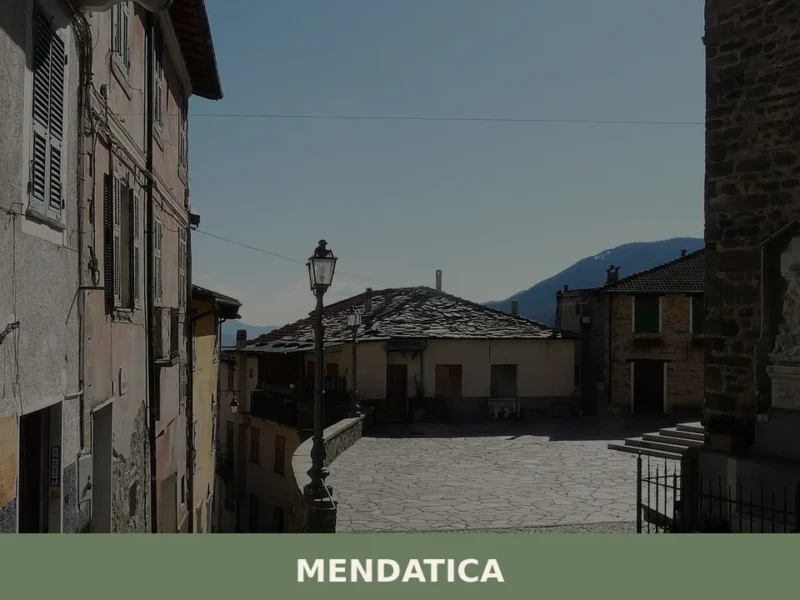
In Liguria More villages to discover
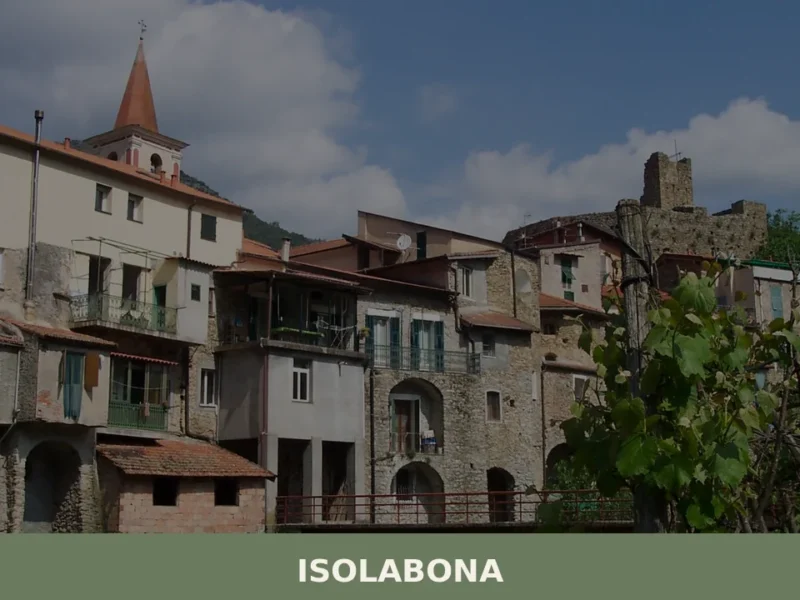
Isolabona
 Mountain
What to see in Isolabona, Liguria, Italy: explore a village of 674 people set 30 km from Imperia. Discover top attractions, local food, and how to get there.
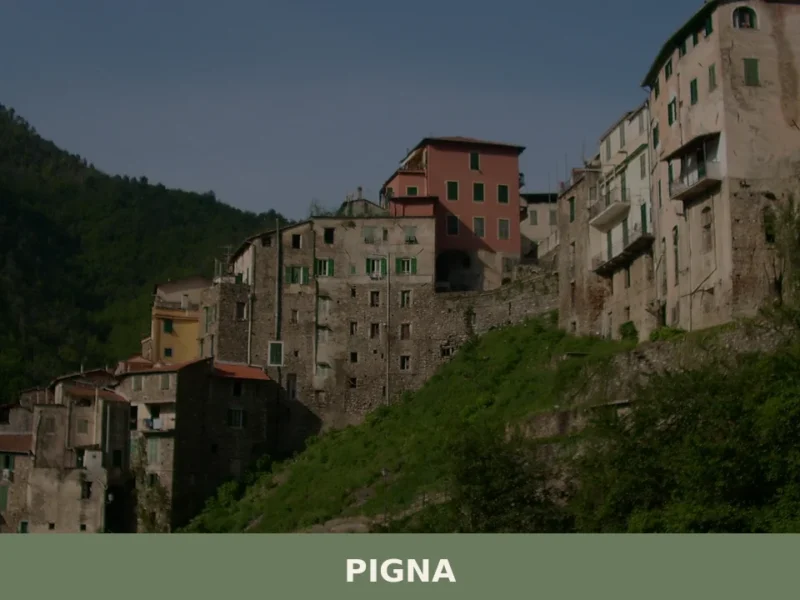
Pigna
Mountain
What to see in Pigna: Explore this Ligurian village, home to 741 inhabitants, its historic tower, and ancient bridge. Discover Italy's rich past.
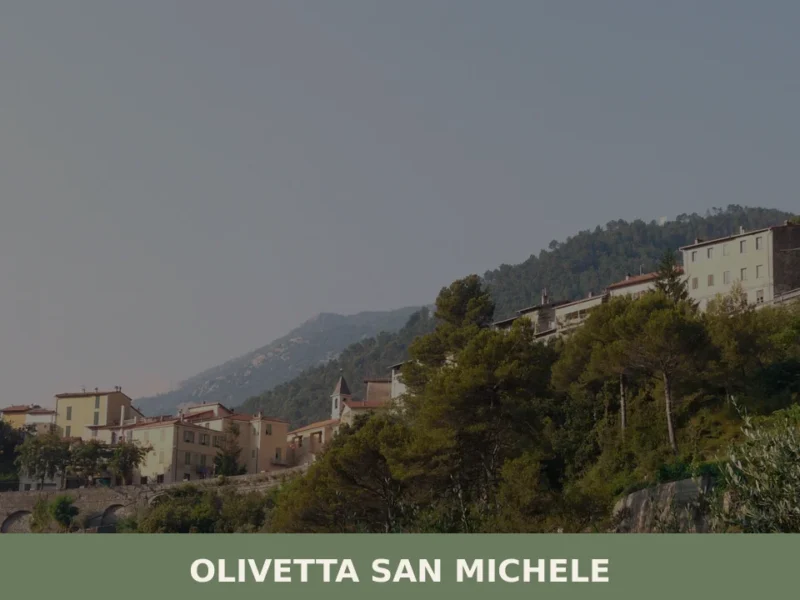
Olivetta San Michele
Mountain
What to see in Olivetta San Michele? Discover 5 unique aspects of this Ligurian village, between history and nature. Read the full guide and plan your visit!
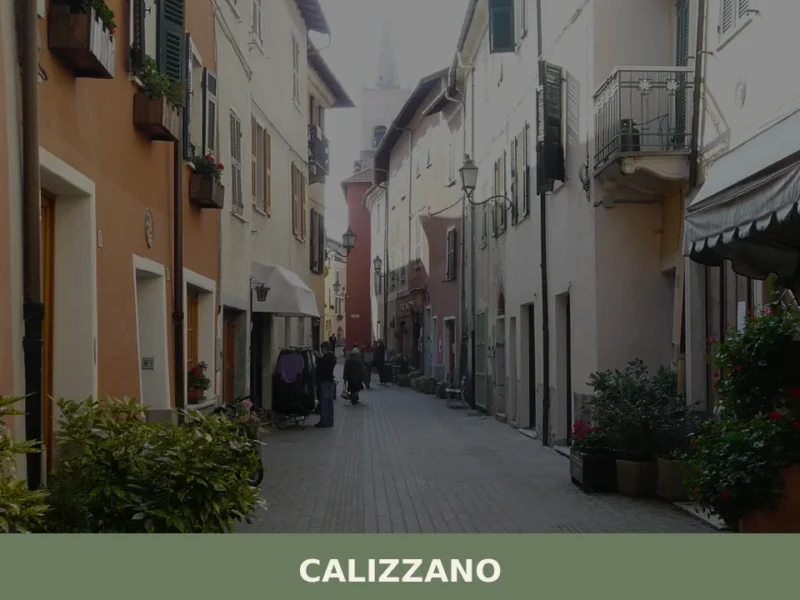
Calizzano
Mountain
What to see in Calizzano, Liguria, Italy: explore the upper Bormida Valley at 70 km from Genoa. Discover Monte Spinarda, local food and festivals. Read the guide.
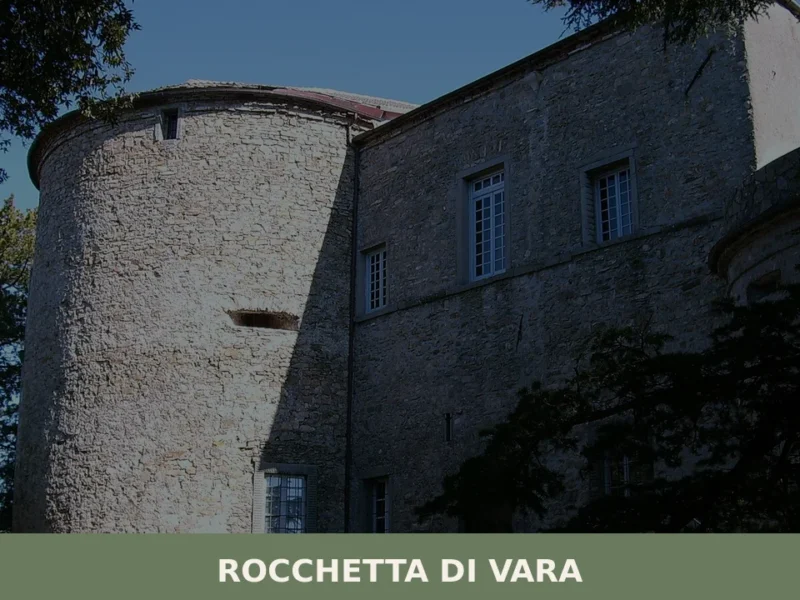
Rocchetta di Vara
Mountain
What to see in Rocchetta di Vara, Italy: 752 inhabitants, 70 km from Genoa. Discover top attractions, local food and how to get there. Complete guide.
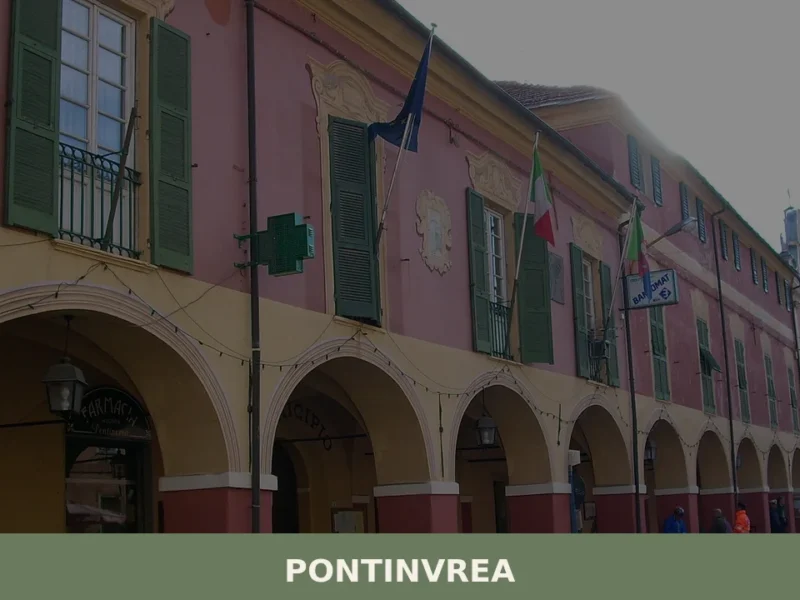
Pontinvrea
Mountain
What to see in Pontinvrea, Italy: 855 inhabitants, 40 km from Genoa. Discover top attractions, local food, festivals and how to get there. Explore now.
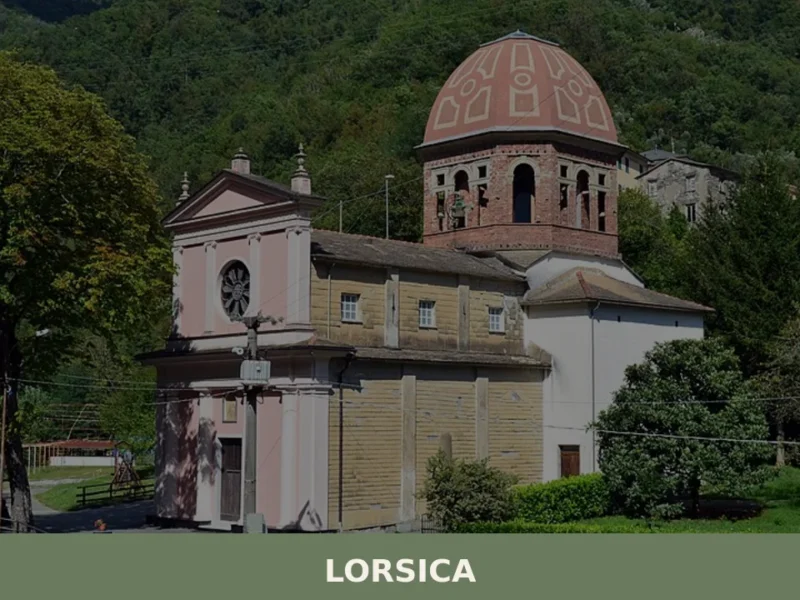
Lorsica
 Hills
Hills
What to see in Lorsica: a Ligurian village at 343 m with 395 residents. Explore historic churches, Val Sturla trails and local food. Plan your visit today.
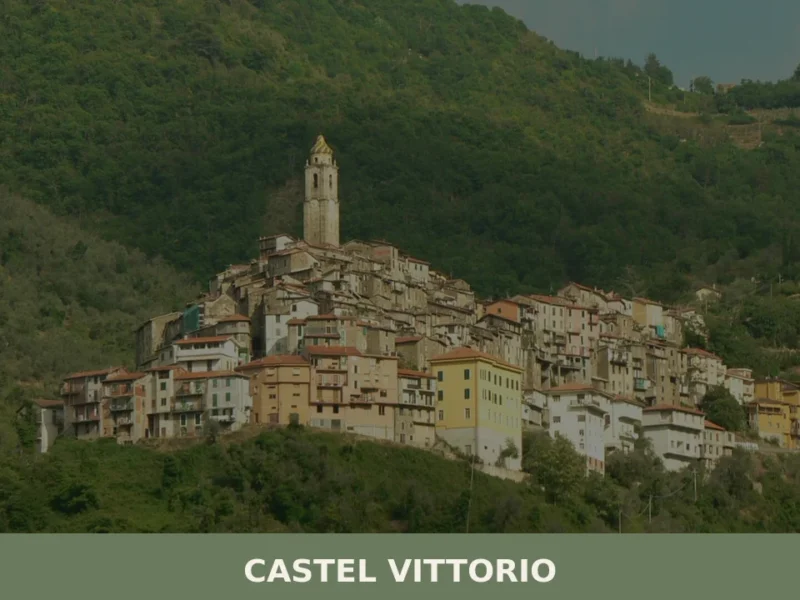
Castel Vittorio: Liguria’s Enduring Stone Village
Hills
What to see in Castel Vittorio, Liguria, Italy: at 420 m altitude, 261 inhabitants, parish art by Venusti & Maragliano. Discover top attractions & travel tips.
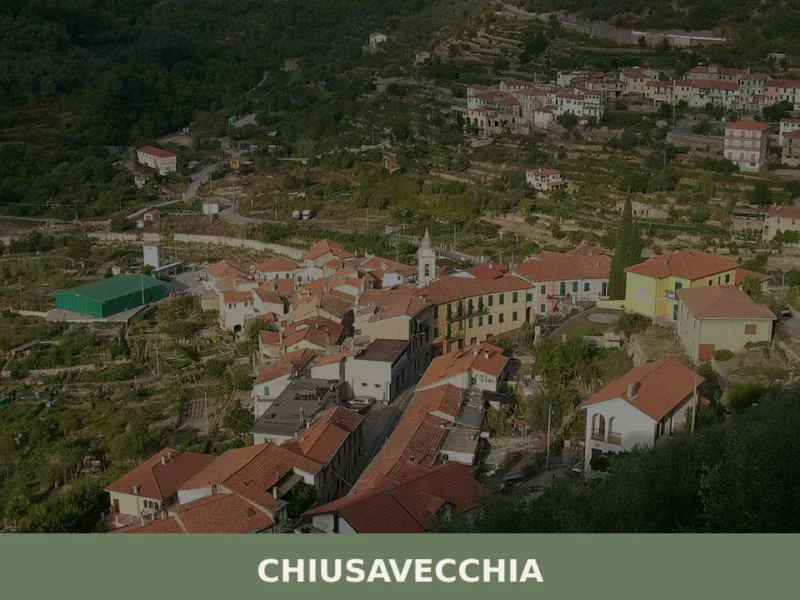
Chiusavecchia, Liguria: An Ancient Italian Village Guide
Plains
What to see in Chiusavecchia, Italy: Explore this Ligurian village at 140m altitude. Discover its historic core and the feast of San Biagio.
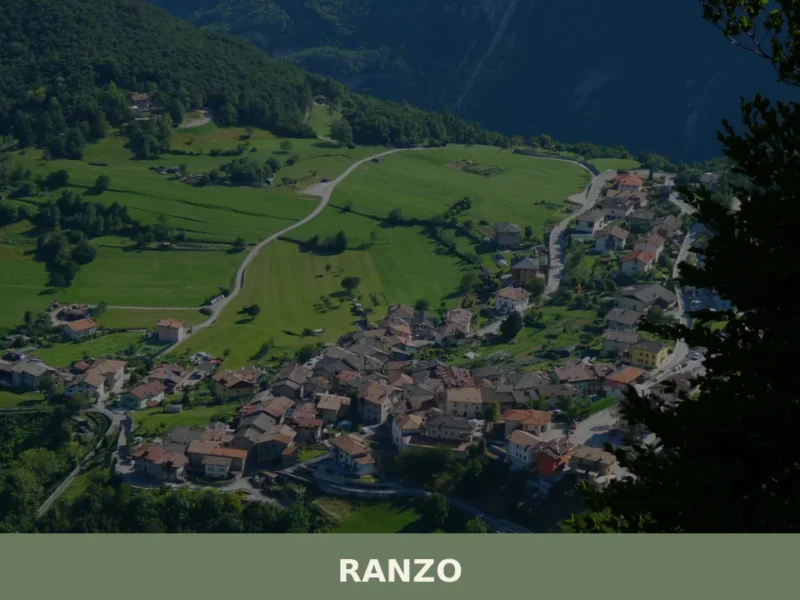
Ranzo
Mountain
What to see in Ranzo, Liguria, Italy: explore a village of 550 inhabitants, 80 km from Genoa. Discover top attractions, local food, and how to get there.
🧀 Italian traditional products


🏡 Know Vessalico better than we do?
If you’re a local or have been there, your knowledge matters: add what’s missing or fix a detail on this page.