


Mallare
 Mountain
What to see in Mallare, Liguria, Italy: explore 5 attractions, local food traditions, and festivals in this 1,193-inhabitant village near Savona. Discover it now.
Discover Mallare
The valley floor west of Savona holds a geometry of municipal boundaries that most maps compress into a single shade of green. Mallare sits at the point where seven communes meet — Altare, Bormida, Calice Ligure, Carcare, Orco Feglino, Pallare, and Quiliano — each border defined by a ridge line or a river bend rather than any administrative convenience. The Ligurian dialect name Molre, and the Piedmontese variant Mälre, both compress the word into something harder and more consonantal than the Italian form, as if the language itself is registering the roughness of the terrain.
Knowing what to see in Mallare starts with understanding its position: a comune of 1,193 inhabitants located about 50 km (31 mi) southwest of Genoa and roughly 15 km (9 mi) west of Savona, in the Province of Savona, Liguria, Italy.
Visitors to Mallare find a compact settlement surrounded by a ring of neighbouring municipalities, a landscape shaped by the transition between coastal Liguria and the Piedmontese interior, and a local food culture rooted in that same crossroads geography. The village church, the boundary ridges, and the rural paths connecting Mallare to its neighbours are the main draws for anyone arriving from the coast.
History of Mallare
The name of the village survives in three distinct linguistic forms, each one a record of a different cultural gravitational pull. The Italian Mallare, the Ligurian Molre (locally compressed further to Malle), and the Piedmontese Mälre reflect the geographic position of the settlement at the boundary between two linguistic and administrative worlds. The Ligurian coast and the Piedmontese plain have always exerted competing influences on the inland valleys of the Province of Savona, and the toponym of Mallare encodes that tension directly. The consonantal reduction in both dialect forms suggests a long oral tradition of use among populations who travelled these passes on foot and by mule.
The Province of Savona, within which Mallare falls, was historically a zone of passage and commercial exchange between the port of Savona and the markets of Piedmont.
Roads and mule tracks crossing the Ligurian Apennines connected salt merchants, textile traders, and agricultural workers moving between the coast and the interior. Mallare’s position — bordered by Carcare to the east and Altare to the northeast — placed it within reach of both the glassworking traditions of Altare, one of the oldest glass-producing centres in Italy, and the commercial activity of Carcare, a larger market town on the valley floor. Villages in this corridor, including those sharing the ridge systems around Mallare, developed as staging points in that larger network of overland trade.
Through the modern period, the municipality maintained its administrative identity within the Province of Savona as Liguria was consolidated under unified Italian governance after 1861. The population of 1,193 recorded in recent counts reflects the demographic pattern common to small Apennine settlements in northwest Italy: a stable core community engaged in agriculture, forestry, and small-scale services, with gradual outmigration towards Savona and Genoa across the twentieth century.
The seven neighbouring municipalities — Altare, Bormida, Calice Ligure, Carcare, Orco Feglino, Pallare, and Quiliano — frame Mallare within a closely networked local geography that has changed little in its administrative structure, even as the economic relationships between these places have shifted over generations.
What to see in Mallare, Liguria: top attractions
The Parish Church of Mallare
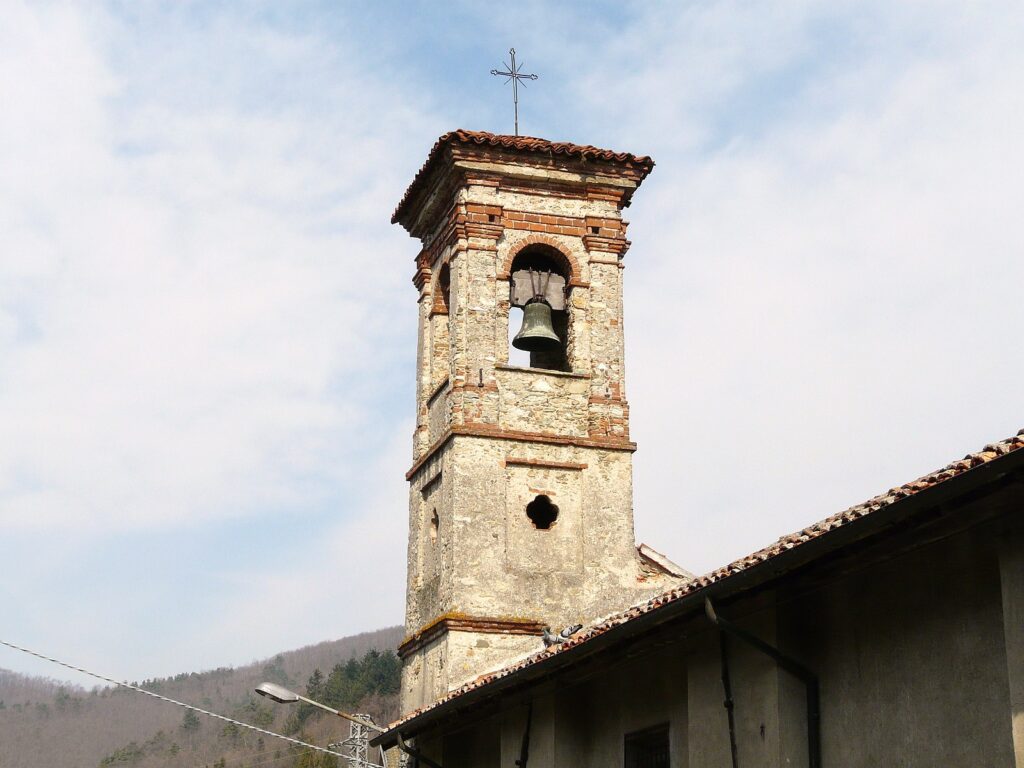
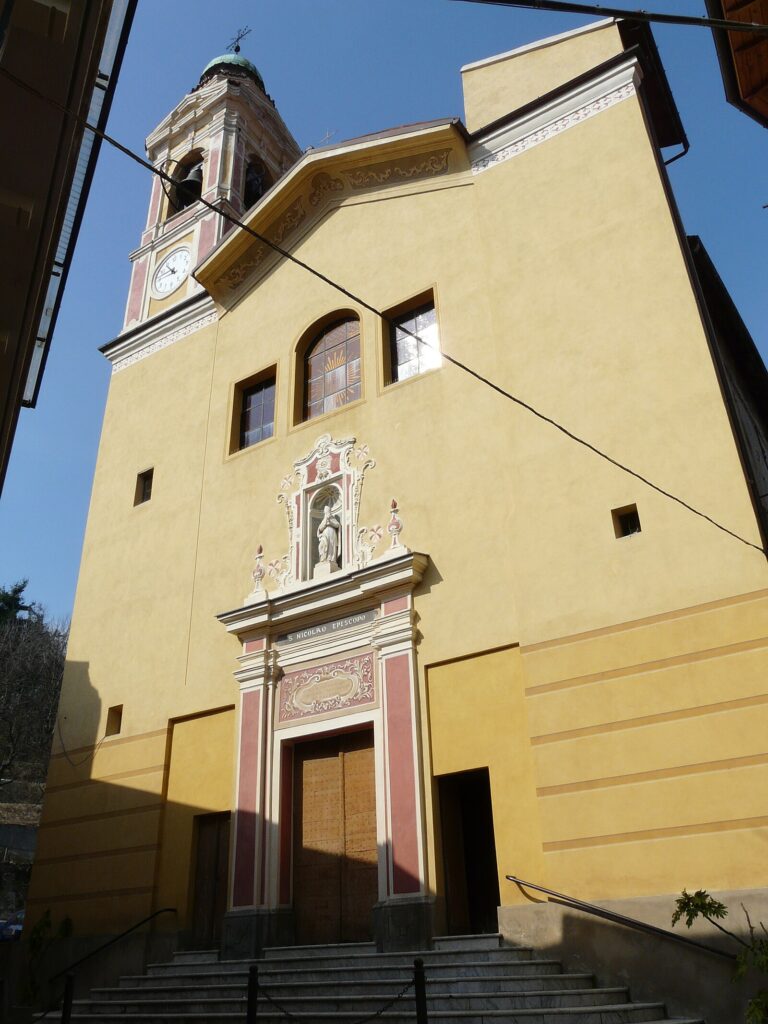
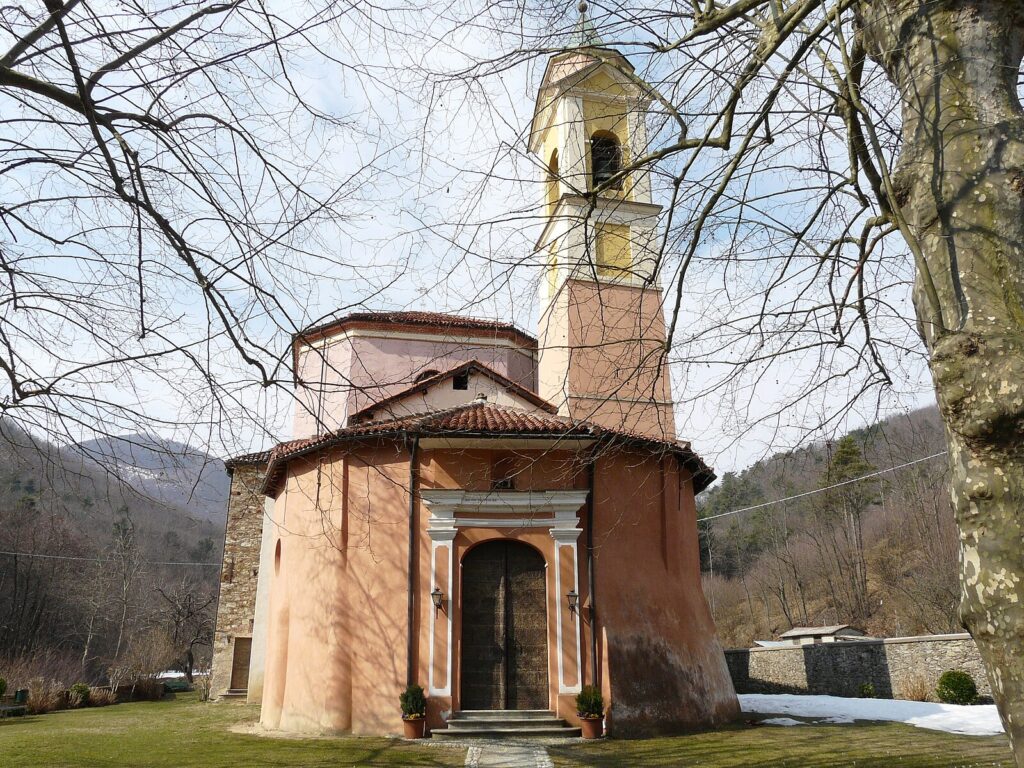
The parish church serves as the civic and religious focal point of the village, as it does in nearly every comune of the Ligurian interior. Built in the local stone characteristic of Apennine construction in the Province of Savona, the structure anchors the village’s central space and provides the clearest vertical reference point on the settlement’s skyline. Parish churches in this part of Liguria typically accumulated architectural additions across several centuries, with Baroque interventions layered over earlier Romanesque or Gothic cores.
Visiting in the morning gives the best light on the façade; the interior holds the liturgical furnishings accumulated by the parish community over several hundred years of continuous use.
The Municipal Boundary Landscape and the Seven-Commune Convergence
Few points in the Province of Savona mark the meeting of seven distinct municipal territories, yet Mallare borders exactly that number: Altare, Bormida, Calice Ligure, Carcare, Orco Feglino, Pallare, and Quiliano. Walking the ridge paths that define these boundaries gives a direct reading of the terrain — the drainage divides, the tree lines, and the shifts in agricultural land use that separate one commune from the next. The elevation changes along these paths can reach several hundred metres within a short horizontal distance, making the landscape legible as a series of distinct ecological zones. Carrying a detailed topographic map of the 1:25,000 scale is the practical requirement for anyone planning a full circuit of the boundary terrain.
The Village Core and the Historic Street Fabric
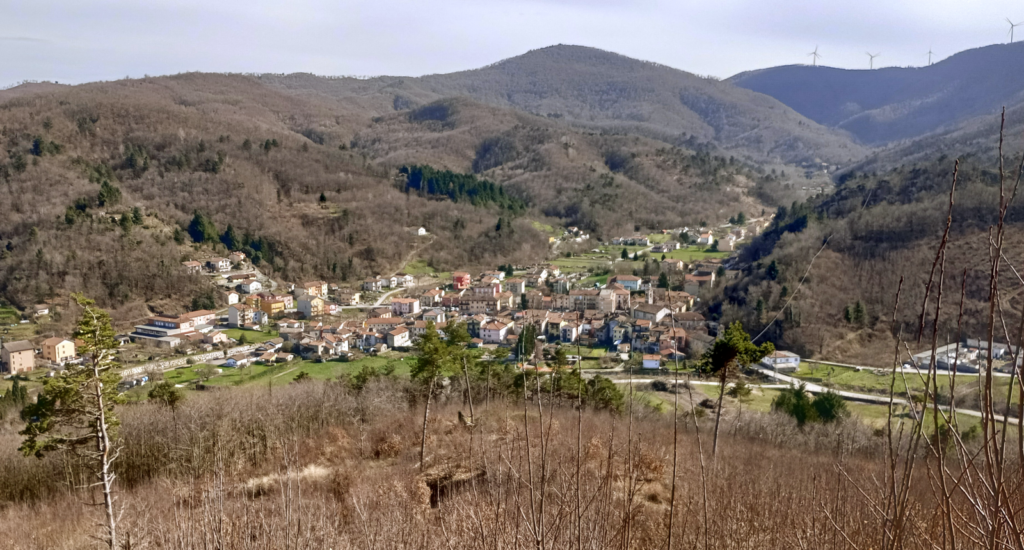
The built fabric of Mallare follows the pattern established by Ligurian Apennine settlements over many centuries: a compact nucleus of stone houses arranged along narrow lanes, with external walls that double as retaining structures against the slope. The local stone, sourced from the immediate geological context of the Savona province, gives the buildings a consistent material identity that distinguishes the village from the rendered and painted facades of the coastal towns 15 km (9 mi) to the east.
Walking the central lanes takes no more than thirty minutes at a relaxed pace, but the proportions of the spaces — the width of the passages, the height of the eaves relative to the lane below — repay careful attention. The oldest sections of the core date to the medieval period of consolidation common to settlements in this part of the Apennines.
The Agricultural Terraces and Apennine Countryside
The land immediately surrounding the village retains a pattern of terraced cultivation cut into the hillside over many generations. These fasce — the dry-stone terrace walls characteristic of Ligurian agriculture — define the visual character of the countryside within a radius of about 2 km (1.2 mi) from the village centre.
Where still maintained, the terraces support kitchen gardens, chestnut groves, and small olive plantings; where abandoned, the dry-stone walls are being reclaimed by scrub vegetation at a rate visible over decades. The best vantage point for reading the full extent of this terraced system is the upper path that follows the ridge north of the village centre, accessible on foot from the main road through Mallare. Autumn, when the chestnut canopy turns, offers the clearest visual contrast between the stone walls and the surrounding vegetation.
The Road Connections to Altare and the Glass-Route Corridor
Mallare’s northeastern border meets the municipality of Altare, historically one of the most significant glassworking centres in Europe, with a documented tradition of glass production reaching back to the medieval period. The road connecting the two communes — a distance of a few kilometres through the valley — passes through terrain that was once the working corridor between the forested fuel sources of the Apennine interior and the furnaces of Altare’s glass workshops.
Standing at the Mallare side of this corridor, the relationship between the raw material landscape and the industrial history of the area becomes physically apparent. The Museo dell’Arte Vetraria Altarese in Altare, dedicated to this glassworking heritage, is reachable within a short drive and provides the historical context that the landscape alone cannot supply.
Local food and typical products of Mallare
The food culture of the Ligurian interior differs in several concrete ways from the cuisine of the coastal strip. Fifteen kilometres (9 mi) from the sea, the ingredients shift from fish and anchovies towards chestnuts, dried legumes, foraged mushrooms, and cured meats from the pigs raised on Apennine farms.
Mallare sits within the culinary boundary zone where these two traditions overlap — close enough to Savona to receive olive oil and preserved fish, far enough inland to have developed a kitchen based on stored and dried produce capable of sustaining a community through winter. The Piedmontese influence, visible in the dialect name Mälre, also extends into food: preparations using butter alongside olive oil, and the use of polenta as a staple grain alongside bread, reflect the cultural proximity to the Piedmontese plain north of the Apennine watershed.
Among the dishes associated with this part of the Savona hinterland, farinata di castagne — a flatbread made from chestnut flour, water, and a small amount of olive oil, cooked over direct heat — represents the most direct expression of the chestnut economy that sustained Apennine communities before the twentieth century.
Minestrone alla genovese, the thick vegetable soup finished with a spoonful of pesto made from basil, garlic, pine nuts, Pecorino, and olive oil, appears here in a slightly denser inland version with more dried beans and less fresh basil than its coastal counterpart. Trofie al pesto also circulates in this area, the hand-rolled pasta twisted into short spirals that catch the sauce in their grooves — though the version found in inland villages uses harder wheat and a firmer dough than the coastal preparation.
The chestnut remains the single most documented agricultural product of the Ligurian Apennines in this zone. Dried chestnuts and chestnut flour appear in both sweet and savoury preparations: castagnaccio, a dense baked cake made from chestnut flour, rosemary, pine nuts, and olive oil, is the most widely prepared version of a category of chestnut-based baked goods that varies by valley and by family tradition.
The olive oil produced in the broader Savona province, while centred further west and along the coast, does reach the village in the form of the Riviera Ligure DOP designation, which covers oil produced from Taggiasca olives across a defined production area in Liguria. Local foragers also bring porcini mushrooms from the Apennine woodland in late summer and autumn, typically preserved in oil or dried for winter use.
The practical access point for local food products in this part of the province is the market held in Carcare, the larger town on the valley floor to the east of Mallare, which operates on a weekly schedule and draws producers from the surrounding communes. For visitors arriving in autumn, between September and November, the overlap of the mushroom season, the chestnut harvest, and the local sagre — traditional food festivals organised at the commune level — provides the densest concentration of food-related activity in the regional calendar.
Festivals, events and traditions of Mallare
The religious calendar structures public life in Mallare as it does across the Ligurian Apennines.
The feast of the patron saint marks the central annual event in the village, organised around the parish church and involving a formal procession through the village streets, the celebration of a solemn Mass, and communal gathering in the square outside the church. The precise date follows the liturgical calendar assigned to the patron, and preparations typically begin several days in advance with the decoration of the church façade and the arrangement of outdoor seating for the evening events that follow the religious ceremonies.
Alongside the patron feast, the autumn season in this part of the Province of Savona generates a series of smaller local events tied to the agricultural calendar. The chestnut harvest, running from late September through October, provides the occasion for sagre della castagna held in communes across the valley system, where roasted chestnuts, chestnut flour preparations, and local wine are served in the village squares. These events are organised at the municipal level by volunteer associations and draw visitors from Savona and the coastal towns who use them as the practical occasion for a day trip into the interior. Mallare’s position within 15 km (9 mi) of Savona makes it accessible for exactly this type of same-day excursion from the provincial capital.
When to visit Mallare, Italy and how to get there
The best period to visit Mallare, Italy falls between late April and early June, and again in September and October.
Spring brings mild temperatures and the full green of the Apennine woodland before summer dries the vegetation; late September and October combine cooler walking conditions with the chestnut and mushroom seasons and the concentration of local food events in the valley. Summer, while warm, is not extreme at this elevation, and the proximity to the coast means that visitors can combine an inland stop at Mallare with time on the Savona Riviera within the same day. Winter access is straightforward from Savona but the village’s rural paths and terrace tracks become slippery after rain, making footwear with grip a practical requirement from November through March.
Getting to Mallare from Savona is direct: the city of Savona lies approximately 15 km (9 mi) to the east, reachable by regional road through the Val Bormida corridor. Drivers arriving from Genoa, about 50 km (31 mi) to the northeast, use the A26 motorway towards Alessandria and exit at Savona or at Altare-Cairo Montenotte depending on the approach direction, then follow the SP provincial roads into the valley. The nearest railway station with regular connections is Savona railway station, served by regional trains from Genoa Piazza Principe with a journey time of roughly 30 to 40 minutes; from Savona station, reaching Mallare requires either a local bus connection or a car.
For visitors arriving by air, Genoa Cristoforo Colombo Airport lies approximately 60 km (37 mi) to the northeast; car hire at the airport is the most practical option for reaching the inland valley communes. International visitors should note that English is spoken in limited capacity in smaller village shops and services; carrying cash in Euros is advisable, as card payment terminals are not universally available in rural settings of this type.
Mallare works well as a day trip from Savona or as a stop on a longer route through the Province of Savona combining the glass museum at Altare, the valley market at Carcare, and the ridge walking in the communes to the west. Visitors with more time in the region can extend the circuit to include other Ligurian villages: Balestrino, in the Savona province to the west, offers a comparable inland Ligurian village experience with a documented architectural heritage, and is reachable within under an hour by car.
The village of Mezzanego, located in the eastern part of Liguria in the Fontanabuona valley, represents a parallel case of an Apennine commune maintaining its identity between the Ligurian coast and the Piedmontese interior, and suits visitors building a longer itinerary across the region’s inland communes.
Those exploring the broader Ligurian hinterland may also find value in combining a visit to Mallare with a stop at Crocefieschi, a hillside commune north of Genoa that shares the same pattern of Apennine settlement and agricultural terrace landscape, offering a point of comparison for visitors interested in the structural similarities between inland Ligurian villages across the province.
For those travelling further west along the Ligurian arc, Caravonica in the Province of Imperia represents the westernmost expression of this same inland village typology, where the olive groves of the western Riviera replace the chestnut woodland of the Savona Apennines.
Frequently asked questions about Mallare
What is the best time to visit Mallare?
Autumn is the most rewarding season for Mallare: the chestnut groves turn gold, the dry-stone terrace walls stand out sharply against the foliage, and the harvest season brings chestnuts and foraged mushrooms to local tables. Spring offers pleasant temperatures for walking the ridge paths along the seven-commune boundary. Summer is mild at 458 m elevation compared to the coastal heat of Savona 15 km away. Winter is quiet and cold, best suited to visitors seeking solitude in the Apennine landscape.
What are the historical origins of Mallare?
Mallare developed as a staging point on the overland trade corridor connecting the port of Savona to the Piedmontese interior. Its position between Altare — one of Europe's oldest glassworking centres — and the market town of Carcare placed it within a network of mule tracks used by salt merchants and textile traders crossing the Ligurian Apennines. The village name survives in three linguistic forms — Italian Mallare, Ligurian Molre, and Piedmontese Mälre — each reflecting the competing cultural influences of the Ligurian coast and the Piedmontese plain.
What to see in Mallare? Main monuments and landmarks
The parish church is the principal landmark, anchoring the village centre with its stone façade best seen in morning light. The historic street core, a compact nucleus of stone houses along narrow lanes, takes about thirty minutes to walk at a relaxed pace. The agricultural terraces (fasce) visible within 2 km of the village and the ridge paths marking the meeting point of seven municipal boundaries — Altare, Bormida, Calice Ligure, Carcare, Orco Feglino, Pallare, and Quiliano — are the area's most distinctive geographical attractions.
What are the main natural or scenic attractions of Mallare?
The ridge terrain surrounding Mallare forms one of the rare points in the Province of Savona where seven municipal boundaries converge. Walking these boundary paths reveals distinct ecological zones — drainage divides, shifting tree lines, and terraced cultivation — within short distances. The upper path north of the village centre, accessible on foot from the main road, offers the best overview of the chestnut groves and dry-stone terrace system. A 1:25,000 topographic map is recommended for anyone planning a full circuit of the boundary terrain.
Where to take the best photos in Mallare?
The upper ridge path north of the village centre provides the clearest panoramic view of Mallare's terraced agricultural landscape, particularly in autumn when the chestnut canopy contrasts with the dry-stone fasce walls below. The parish church façade is best photographed in the morning light. The narrow lanes of the historic core, where stone walls rise to eave height on both sides, offer strong architectural compositions typical of Ligurian Apennine villages.
Are there museums, churches or historic buildings to visit in Mallare?
The parish church dedicated to San Nicola di Mira is the main historic building in the village, with liturgical furnishings accumulated over several centuries of continuous use. For broader heritage context, the Museo dell'Arte Vetraria Altarese in the neighbouring municipality of Altare — reachable within a short drive via the valley road that once served the glassworking industry — documents one of Europe's oldest glassworking traditions and provides direct historical context for the wider area surrounding Mallare.
What can you do in Mallare? Activities and experiences
Mallare is oriented towards walking and slow rural tourism. The ridge paths along the seven-commune boundary offer half-day hiking routes with significant elevation changes and views across the Savona hinterland. The road corridor northeast to Altare is a short drive combining landscape and industrial heritage. Autumn chestnut harvesting and mushroom foraging are part of the local rural calendar. The village also serves as a quiet base for exploring the wider network of Apennine comuni in the Province of Savona.
Who is Mallare suitable for? Families, couples, hikers, solo travelers?
Mallare suits hikers and walkers looking for ridge routes in the Ligurian Apennines without the crowds of more visited destinations. Couples and slow-travel visitors drawn to authentic inland village life, historic stone architecture, and quiet countryside will find the pace and scale of the village well matched to that interest. It is less suited to families seeking organised facilities or amenities. Its proximity to Savona (15 km) and Altare makes it a practical addition to a broader itinerary of the western Ligurian interior.
What to eat in Mallare? Local products and specialties
The food culture of Mallare reflects its position at the boundary between coastal Liguria and the Piedmontese interior. Farinata di castagne — a flatbread made from chestnut flour, water, and olive oil — is the most direct expression of the chestnut economy that sustained Apennine villages. Minestrone alla genovese, made here with more dried beans than its coastal version, and trofie al pesto with a firmer inland dough are typical of the area. Butter appears alongside olive oil in some preparations, reflecting Piedmontese culinary influence from north of the Apennine watershed.
📷 Photo Gallery — Mallare
Nearby Villages near Mallare
In Liguria More villages to discover
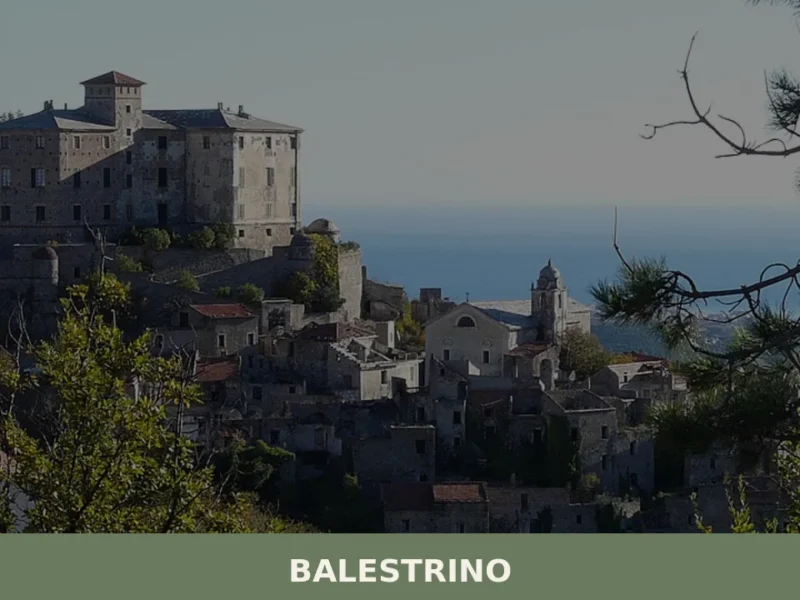
Balestrino
 Hills
Hills
In 1963 a landslide forced the evacuation of the upper part of Balestrino, leaving the old village uninhabited and intact in its sixteenth- and seventeenth-century structure. Today the municipality has 530 residents, spread between the modern settlement in the valley below and the hillside hamlets, at 371 metres above sea level on the ridge separating […]
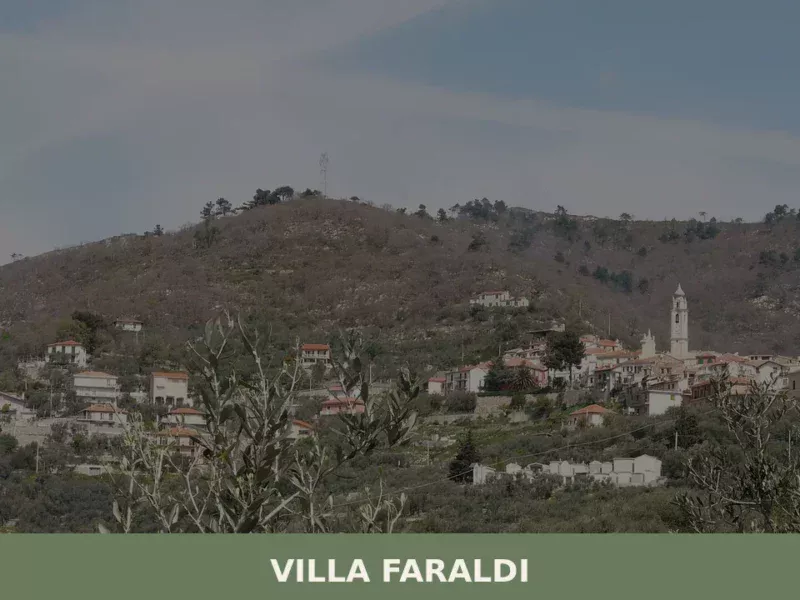
Villa Faraldi
Hills
what to see in villa faraldi: Discover this Italian village of 452 inhabitants in Liguria. Explore historic alleys and scenic views. Read our guide to Villa Faraldi, Italy.
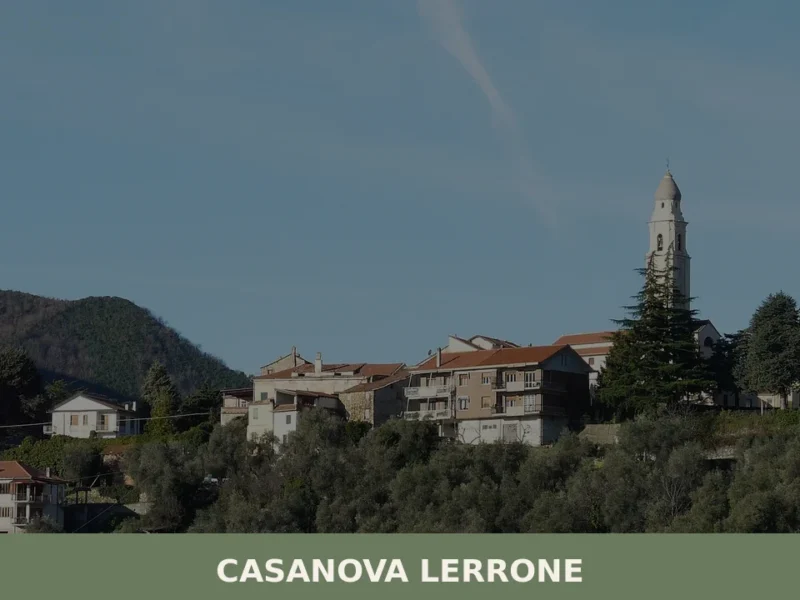
Casanova Lerrone
Hills
What to see in Casanova Lerrone, Italy: 752 inhabitants, 10 bordering municipalities. Discover top attractions, local food and how to get there. Explore now.
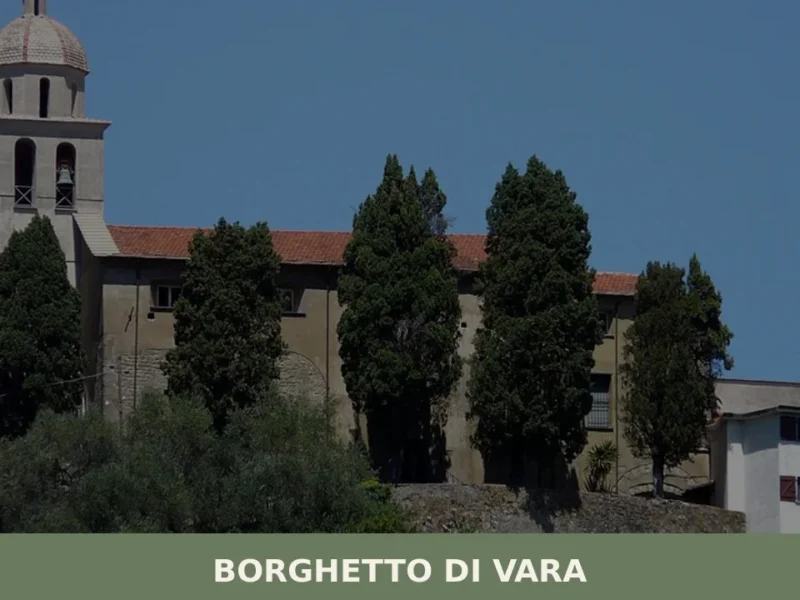
Borghetto di Vara
 Plains
What to see in Borghetto di Vara, Italy: Discover a village of 870 inhabitants at 104 m altitude. Explore its plain landscape and the Parish Church of San Carlo Borromeo.
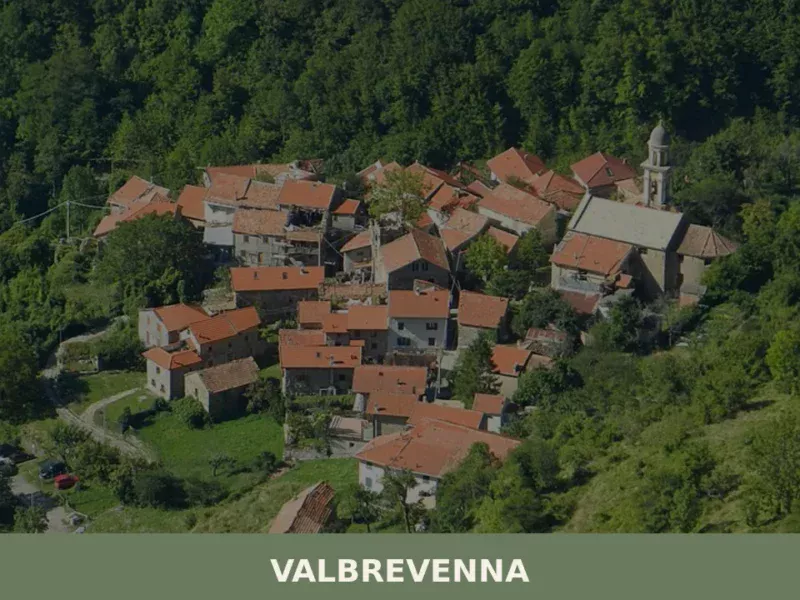
Valbrevenna
Mountain
what to see in valbrevenna, Italy: Explore the Ligurian Apennines. With 817 inhabitants, discover hiking in Antola Park and traditional hamlets. Read our guide.
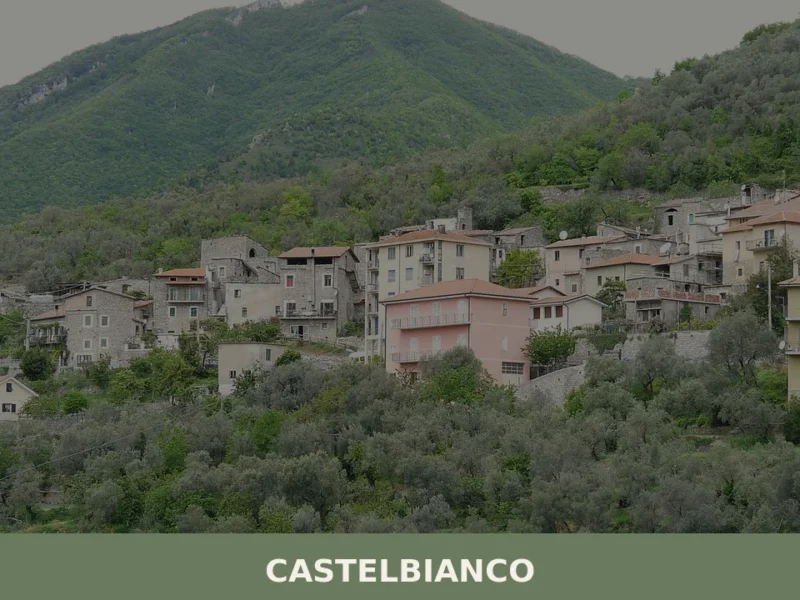
Castelbianco
Hills
What to see in Castelbianco, Italy: a village of 326 people, 80 km from Genoa. Discover top attractions, local food, and how to get there. Explore now.
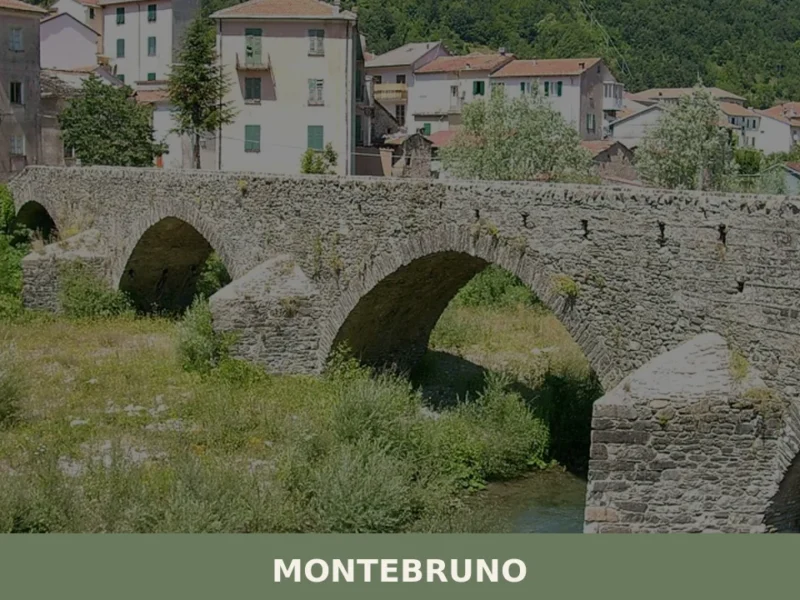
Montebruno
Mountain
What to see in Montebruno, Italy: a mountain village at 655 m (2,149 ft) near Genoa. Discover the Marian sanctuary, Antola park trails and the 8 September feast.
Calizzano
Mountain
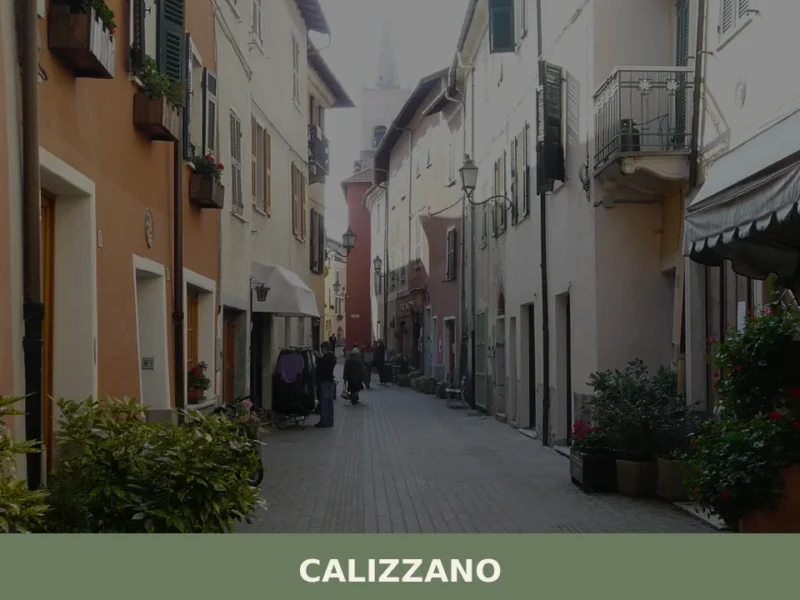
What to see in Calizzano, Liguria, Italy: explore the upper Bormida Valley at 70 km from Genoa. Discover Monte Spinarda, local food and festivals. Read the guide.
Pornassio
Mountain
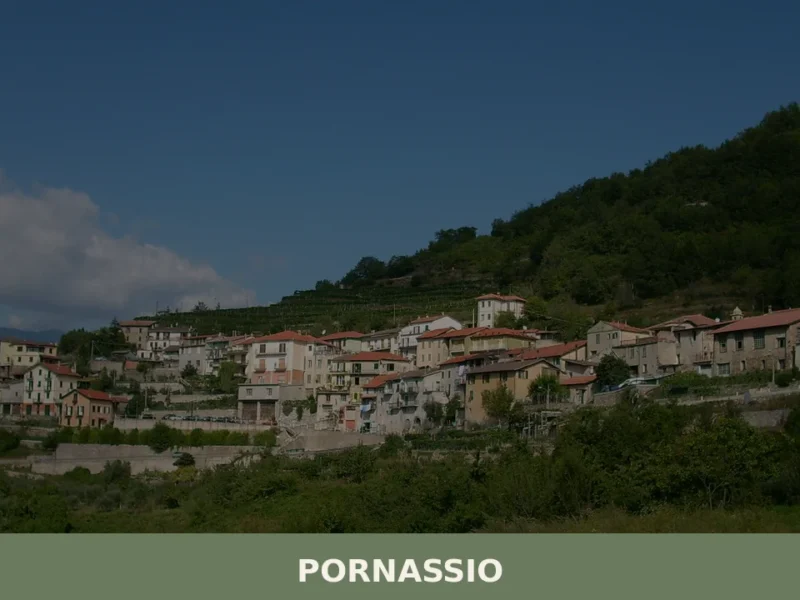
What to see in Pornassio, Liguria, Italy: 5 top attractions, local food, and how to get to this 629-inhabitant village 90 km from Genoa. Discover it now.
Castel Vittorio: Liguria’s Enduring Stone Village
Hills
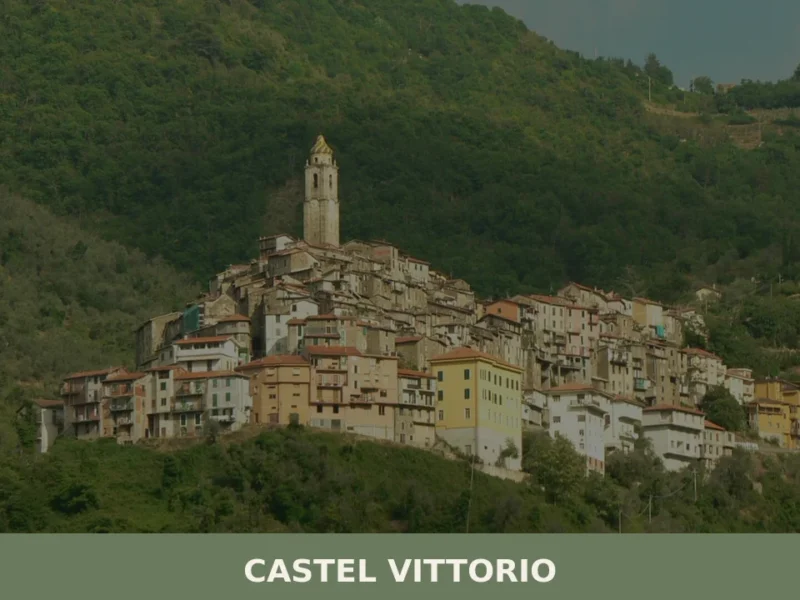
What to see in Castel Vittorio, Liguria, Italy: at 420 m altitude, 261 inhabitants, parish art by Venusti & Maragliano. Discover top attractions & travel tips.
🧀 Italian traditional products
🏡 Know Mallare better than we do?
If you’re a local or have been there, your knowledge matters: add what’s missing or fix a detail on this page.