


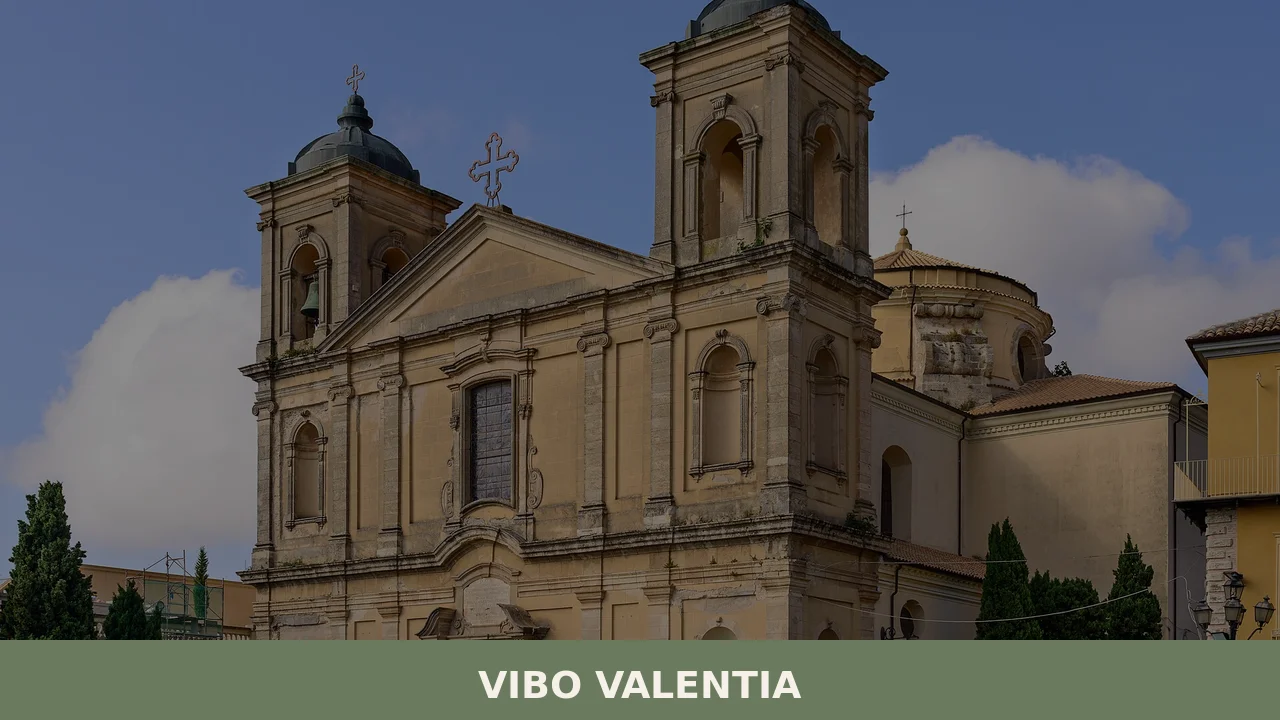
Vibo Valentia
 Sea
Sea
What to see in Vibo Valentia, Italy: Discover the ancient city walls spanning 7 km and the Norman-Hohenstaufen Castle. Explore its rich history and vibrant local culture.
Discover Vibo Valentia
The city walls of ancient Hipponion, once extending for an impressive 7 km (4.3 mi) in circumference, still reveal sections of their monumental construction today, complete with foundations of cylindrical towers.
These structures speak to a strategic past, enclosing an area that stretched from the hill down to the port and serving as a formidable defense throughout the city’s long history.
This significant scale underscores the early importance and prosperity of the settlement, founded in the late 7th century BC.
For those seeking what to see in Vibo Valentia, this provincial capital in Calabria, Italy, offers a rich historical tapestry. Visitors can explore a state museum housed within a Norman-Hohenstaufen Castle and discover the remains of ancient Greek fortifications. The Vibo Valentia highlights include a blend of archaeological sites and historic churches, reflecting its evolution from a Greek colony to a modern agricultural and tourist center.
History of Vibo Valentia
The origins of Vibo Valentia trace back to the Greek colony of Hipponion, established around the late 7th century BC by settlers from Locri, a prominent city on the Ionian Sea.
The impressive city wall, measuring 7 km (4.3 mi) in circumference and featuring cylindrical towers at intervals, protected an extensive area encompassing both the hilltop and the port. This monumental construction provides evidence of the city’s wealth and its involvement in numerous conflicts across centuries.
Historical accounts from Diodorus Siculus detail a significant event in 388 BC when Dionysius the Elder, the tyrant of Syracuse, captured Hipponion and deported its entire population.
However, the city’s inhabitants returned in 378 BC, aided by the Carthaginians. In subsequent years, Hipponion fell under the dominion of the Bruttii, who controlled a substantial part of present-day Calabria. After coming under Roman rule, the town’s name was Latinised to Hipponium, and in 194 BC, it was formally established as a Roman colony, adopting the name Vibo Valentia.
This period marked significant prosperity during the late Republic and early Empire, with historical figures such as Cicero maintaining a villa in the area.
Following the decline of the Western Roman Empire, Vibo Valentia was largely abandoned. A new chapter began in 1070 when the Normans constructed a castle on what was likely the site of the ancient Hipponion acropolis. Later, in 1235, Frederick II, the Holy Roman Emperor and King of Sicily, founded a new city on the site, naming it Monteleone. This name persisted, evolving to Monteleone di Calabria in 1861, until 1928, when the city officially reclaimed its ancient Roman designation of Vibo Valentia.
The historical layers, from Greek foundations to Norman fortifications, are still visible, allowing visitors to trace the city’s continuous transformation, much like exploring the historical layers of Collarmele in Abruzzo, which also features medieval structures.
What to see in Vibo Valentia, Calabria: top attractions
Norman-Hohenstaufen Castle
The Norman-Hohenstaufen Castle stands prominently, likely built upon the ancient acropolis of Hipponion around the year 1000.
Its construction utilized materials salvaged from nearby Greek temples, integrating the past into its formidable structure. The castle sustained damage during a major earthquake in 1783, but its enduring walls continue to dominate the skyline. Today, this historic fortress serves as a state museum, preserving artifacts and providing context to the region’s diverse history, offering a tangible connection to the past for all who visit.
Walls of Hipponion
Visitors can explore the substantial remains of the Walls of Hipponion, which include approximately 350 meters (1,150 ft) of ancient foundations.
These sections offer a glimpse into the defensive capabilities of the Greek colony, featuring the remnants of eight towers, each originally estimated to reach a height of 10 meters (33 ft). The visible length of these walls, part of an original 7 km (4.3 mi) circumference, underscores the strategic importance and scale of the ancient settlement.
Walking along these foundations provides a direct connection to the city’s earliest inhabitants and their architectural prowess.
Church of Santa Maria Maggiore e San Leoluca (Cathedral)
The Cathedral, dedicated to Santa Maria Maggiore e San Leoluca, was constructed in the 9th century atop the ruins of a Byzantine basilica, demonstrating a continuous religious presence on this site. Inside, the church features an elegant 18th-century marble high altar that houses a revered 16th-century sculpture of the “Madonna della Neve.” Additionally, a Renaissance triptych enriches the sacred space, offering insight into artistic developments across different centuries. The cathedral serves as a central point of worship and historical reflection within the city.
Church of the Rosario
Dating back to approximately 1337, the Church of the Rosario was built over the remains of a Roman temple, illustrating the layering of sacred sites through history.
Initially constructed in a Gothic style, it underwent significant reconstruction following the devastating 1783 earthquake. The church preserves several paintings by the local artist Giulio Rubino, alongside five polychrome wooden statues depicting the Sorrowful Mysteries and a sculpture of the Risen Christ, crafted by Giulio’s brothers, Ludovico and Domenico Rubino.
These statues play a central role in the traditional Holy Week processions, drawing devotees and spectators alike.
Church of Santa Maria degli Angeli
The Church of Santa Maria degli Angeli, built between 1621 and 1666, was originally connected to the convent of the Reformed Friars Minor, which now operates as the National Boarding School. Today, the Capuchin Fathers manage the church, maintaining its spiritual heritage. A notable feature is the 17th-century wooden Cross known as “of Angels,” crafted by an unknown artist.
This cross is the destination of thousands of devotees who undertake a pilgrimage to the church every Friday in March, a long-standing tradition in the community.
Local food and typical products of Vibo Valentia
Vibo Valentia’s identity as an agricultural, commercial, and tourist center, coupled with its proximity to the Tyrrhenian Sea, significantly shapes its gastronomic traditions.
The fertile lands surrounding the city contribute fresh produce, while the sea provides abundant seafood. This dual influence ensures a diet rich in both land and sea ingredients, reflecting the diverse resources of the Calabrian region. The local economy benefits from these sectors, ensuring a supply of fresh, seasonal components for traditional cooking.
While specific traditional dishes are not detailed in historical records, the importance of the “tuna district of Maierato” highlights a key aspect of the local diet. Tuna, a staple of Mediterranean cuisine, would historically have been prepared in numerous ways, from grilled fillets to preserved varieties. The agricultural output of the area also means that vegetables, pulses, and olive oil form the backbone of many meals, often featuring robust flavors characteristic of Southern Italian cooking.
The emphasis is on simple, high-quality ingredients that reflect the Calabrian landscape.
Regarding certified products, the provided sources do not explicitly name any products with official certifications such as DOP or IGP designations.
However, the mention of the “tuna district of Maierato” indicates a significant industrial and culinary focus on tuna. This industry, vital to the local economy and diet, ensures a consistent supply of tuna products, which are fundamental to the region’s food identity, even without a formal certification listed in the sources. The Alberobello region in Puglia, while distinct, similarly showcases how local agricultural and fishing industries define regional culinary offerings.
Festivals, events and traditions of Vibo Valentia
The community of Vibo Valentia maintains several traditions that reflect its deep religious and cultural roots. One significant event is the Holy Week procession, which emanates from the Church of the Rosario. During this solemn occasion, five polychrome wooden statues depicting the Sorrowful Mysteries, along with a sculpture of the Risen Christ, crafted by the Rubino brothers, are carried through the streets.
This procession is a powerful expression of faith, drawing residents and visitors to witness a centuries-old ritual.
Another notable tradition is the annual pilgrimage to the Church of Santa Maria degli Angeli.
Every Friday in March, thousands of devotees journey to venerate the “Wooden Cross ‘of Angels’,” a 17th-century artifact of unknown authorship. This consistent turnout underscores the cross’s spiritual significance to the local population. While specific dates for other festivals or markets are not detailed in the available sources, these two events provide a clear picture of Vibo Valentia’s enduring community practices and spiritual devotion.
When to visit Vibo Valentia, Italy and how to get there
For those considering when to visit Vibo Valentia, Italy, the region’s Mediterranean climate, influenced by its proximity to the Tyrrhenian Sea, offers mild winters and warm, sunny summers. The shoulder seasons of spring (April to June) and early autumn (September to October) are often considered the best times, providing pleasant temperatures for exploring historical sites without the peak summer crowds.
During these periods, visitors can comfortably walk through the ancient city walls or explore the various churches, enjoying the local atmosphere before the intense heat of July and August arrives, or after it subsides.
Vibo Valentia serves as an agricultural, commercial, and tourist hub, implying a degree of year-round activity, though some services may be more frequent during the high season.
Practical advice for international visitors includes being aware that English proficiency may be limited in smaller shops and carrying some Euros cash can be useful for minor transactions. While the terrain within the city varies, many historical sites are accessible, though comfortable footwear is always recommended for exploring ancient ruins and city streets.
Regarding how to get to Vibo Valentia, the city’s key access point by sea is Vibo Marina’s harbour, which plays an important role in the local economy and offers connections for maritime travel. For those planning a day trip from a nearest major city, it is essential to consider the regional transport network.
While specific distances to major airports or train stations are not detailed in the provided sources, visitors typically arrive in Calabria via regional airports like Lamezia Terme (SUF), and then proceed by local train or bus services.
For up-to-date travel information and schedules, consulting official Italian rail services or regional transport portals is advisable. The official website of the Municipality of Vibo Valentia can provide additional local insights.
Where to stay near Vibo Valentia
As a recognized tourist center, Vibo Valentia offers a range of accommodation options for visitors. The city itself can serve as a convenient base for exploring the historical sites and local culture. Additionally, its strategic location near the Tyrrhenian Sea places it close to more renowned tourist destinations such as Tropea, Ricadi, and Pizzo. These nearby towns are known for their established tourism infrastructure, providing a broader selection of hotels, guesthouses, and holiday rentals. Visitors can choose to stay directly in Vibo Valentia for a more local experience or opt for one of the vibrant coastal towns just a short drive away, balancing convenience with a wider array of amenities.
Frequently asked questions about Vibo Valentia
What is the best time to visit Vibo Valentia?
The best time to visit Vibo Valentia is during spring (April–June) or early autumn (September–October), when the Mediterranean climate offers pleasant temperatures ideal for exploring ancient ruins and historic churches. March is particularly special: the feast of the patron saint San Leoluca falls on 1 March, accompanied by local celebrations. Every Friday in March, thousands of pilgrims gather at the Church of Santa Maria degli Angeli. Holy Week also brings solemn processions through the city streets. Summer is warm and lively but can be intense at 476 metres elevation.
What are the historical origins of Vibo Valentia?
Vibo Valentia was founded as the Greek colony of Hipponion around the late 7th century BC by settlers from Locri. In 388 BC, Dionysius the Elder of Syracuse deported its entire population; they returned in 378 BC with Carthaginian support. After Bruttii and then Roman rule, it became the Roman colony of Vibo Valentia in 194 BC. Abandoned after Rome's fall, it was reborn under the Normans (1070) and later renamed Monteleone by Frederick II (1235). The city officially reclaimed the name Vibo Valentia in 1928.
What to see in Vibo Valentia? Main monuments and landmarks
Top attractions include: the Norman-Hohenstaufen Castle (built c. 1000 on the ancient acropolis, today a state museum); the Walls of Hipponion (approximately 350 metres of Greek fortifications with remains of eight towers, part of an original 7 km circuit); the Cathedral of Santa Maria Maggiore e San Leoluca (9th century, featuring a 16th-century Madonna della Neve sculpture and a Renaissance triptych); the Church of the Rosario (founded 1337, rebuilt after 1783, housing works by the Rubino brothers); and the Church of Santa Maria degli Angeli (1621–1666, home to the venerated 17th-century wooden Cross of Angels).
Are there museums, churches or historic buildings to visit in Vibo Valentia?
Yes. The Norman-Hohenstaufen Castle houses the State Archaeological Museum, which preserves artifacts spanning the city's Greek, Roman, and medieval history. The castle itself was built using materials salvaged from ancient Greek temples. The Cathedral of Santa Maria Maggiore e San Leoluca contains a fine 18th-century marble high altar, a 16th-century Marian sculpture, and a Renaissance triptych. The Church of the Rosario holds paintings by Giulio Rubino and polychrome wooden statues used in Holy Week processions. For opening hours and admission fees, it is advisable to check with the local tourist office upon arrival.
What to eat in Vibo Valentia? Local products and specialties
Vibo Valentia's cuisine reflects its dual identity as both an agricultural hub and a coastal city near the Tyrrhenian Sea. Tuna is a defining ingredient of the area, linked to the historic 'tuna district of Maierato' nearby. Expect fresh seafood dishes alongside Calabrian staples built on olive oil, legumes, and seasonal vegetables. The broader Calabrian pantry — featuring 'nduja, red onions of Tropea (IGP, produced in the nearby Vibo Valentia province), and Calabrian chilli pepper — also shapes the local table. Fresh ingredients and robust Southern Italian flavours characterise most traditional meals.
Who is Vibo Valentia suitable for? Families, couples, hikers, solo travelers?
Vibo Valentia suits a broad range of visitors. History enthusiasts and archaeology lovers will appreciate the Greek walls, the Norman castle-museum, and the layered sacred architecture. Couples and cultural travellers will enjoy the atmospheric historic centre and the March pilgrimages. Families can explore outdoor archaeological remains and the hilltop castle. The city's proximity to the Tyrrhenian Sea and its role as a regional tourism hub also make it a practical base for beach lovers visiting the Costa degli Dei. Solo travellers interested in Southern Italian heritage and authentic local traditions will find it rewarding year-round.
What can you do in Vibo Valentia? Activities and experiences
Visitors can walk the ancient Walls of Hipponion, one of the best-preserved Greek fortifications in Calabria. The Norman-Hohenstaufen Castle museum offers an in-depth exploration of local archaeology. In March, participating in or witnessing the Friday pilgrimages to the Church of Santa Maria degli Angeli is a unique cultural experience, as is attending the Holy Week processions from the Church of the Rosario. The city's coastal proximity allows easy day trips to the beaches of the Costa degli Dei. Exploring the historic centre on foot, with its layered churches and panoramic hilltop position at 476 metres, is also rewarding.
Where to take the best photos in Vibo Valentia?
The Norman-Hohenstaufen Castle, perched on the ancient acropolis at 476 metres, offers panoramic views over the surrounding Calabrian landscape and towards the Tyrrhenian Sea — an ideal photography spot, especially at sunset. The visible stretches of the Walls of Hipponion, with their ancient Greek masonry and tower foundations, provide striking archaeological compositions. The interiors of the Cathedral and the Church of the Rosario, with their ornate altars and historic sculptures, are also photogenic. The hilltop historic centre itself, with its layered architecture from Greek to Norman periods, rewards architectural and street photography.
Getting there
Piazza Martiri d'Ungheria, 89900 Vibo Valentia (VV)
Nearby Villages near Vibo Valentia
 Mountain
 In Calabria More villages to discover
Cosenza
 Hills
Hills
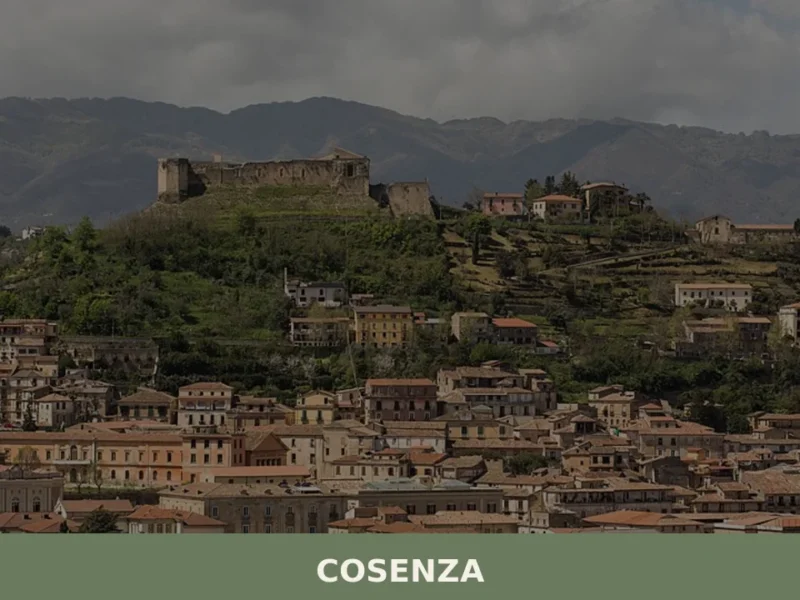
Cosenza rose from an 8th-century italico village to lead the Bruzi confederation. Today it balances a medieval hilltop centro storico with a modern riverbank expansion.
Antonimina
Hills
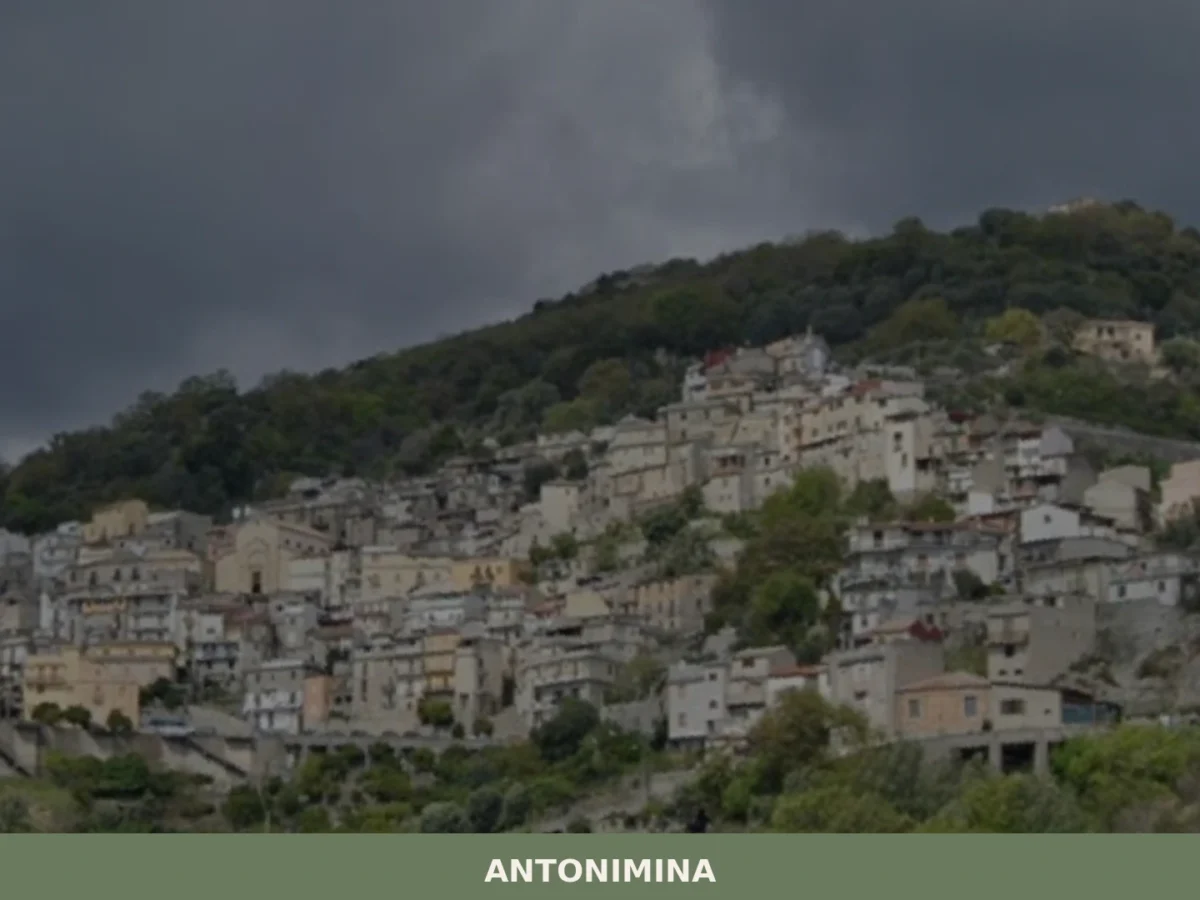
What to see in Antonimina, Italy, at 327 m: Discover stone alleys and patron feast. Explore Calabria's culture.

Argusto
Hills
Discover Argusto, a quiet hilltop village of 400 in Calabria's interior. Explore its historic streets, local food, and authentic Catanzaro traditions.
Acquaro
Hills
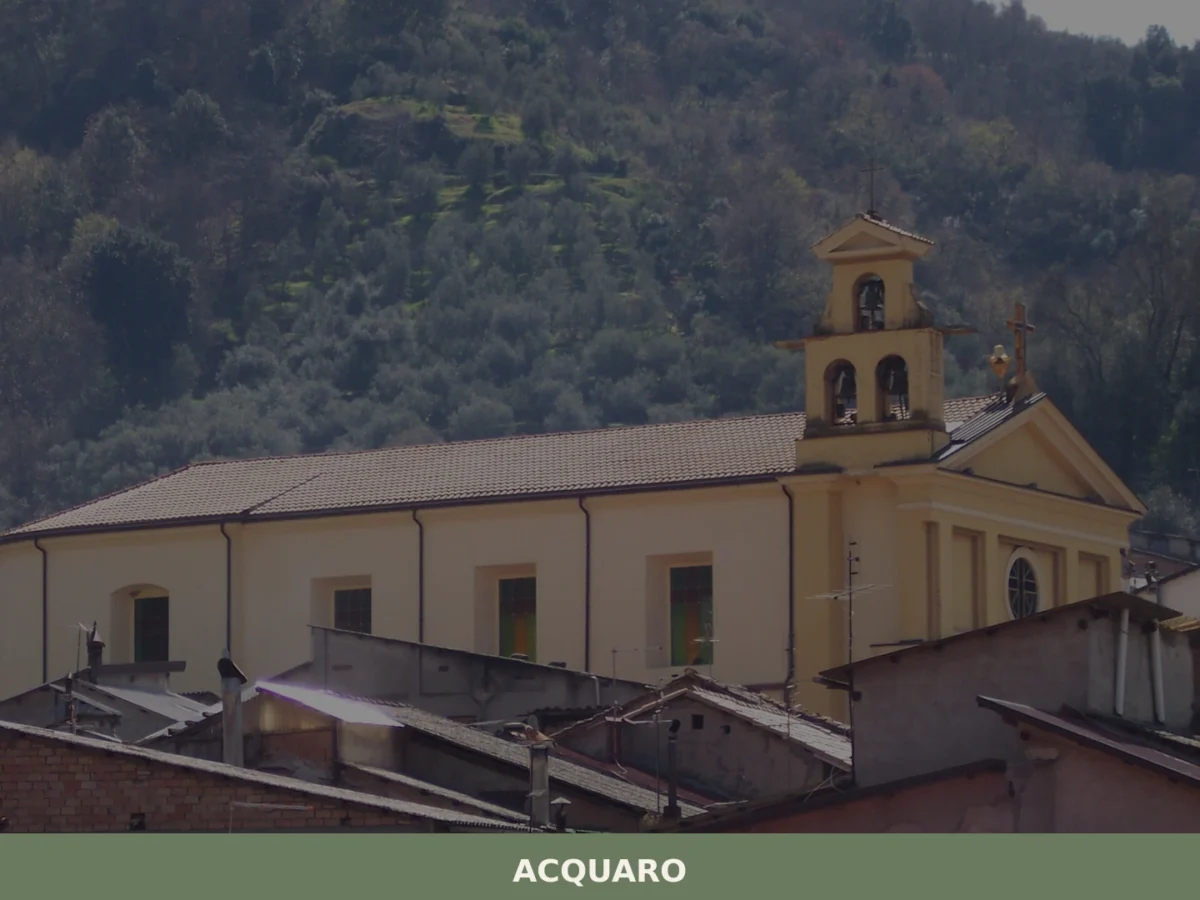
Discover what to see in Acquaro, a village of 1,778 inhabitants in Vibo Valentia, Calabria. History, food, travel tips and the Alto Mesima valley landscape.
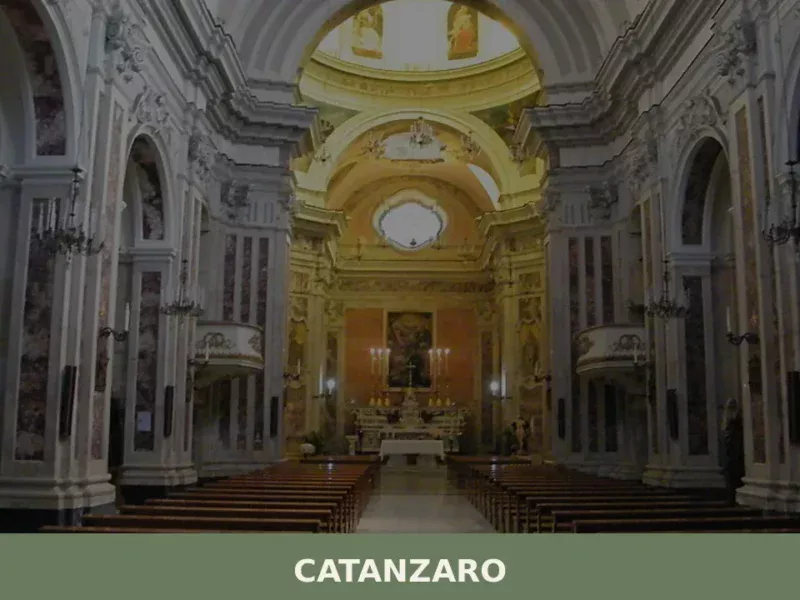
Catanzaro
Sea
What to see in Catanzaro: from historic churches to the Morandi Bridge, discover the 5 top attractions. A complete guide to visiting the Calabrian capital.
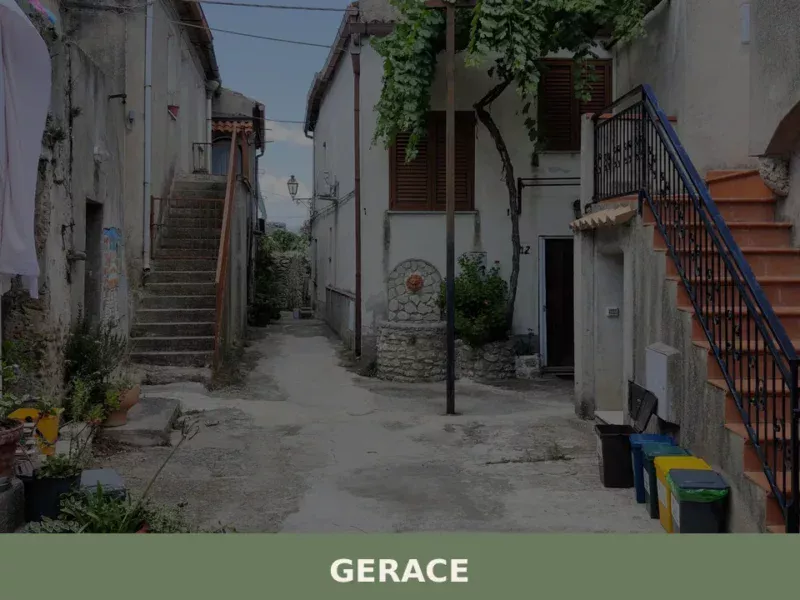
Gerace
Hills
A rock formed from sea fossils laid down 60 million years ago rises 500 metres (1,640 ft) above the Ionian plain. From its summit, on a clear day, the coastal town of Locri and the sea beyond it are visible as distinct horizontal bands of terracotta, grey, and blue. The hill is composed of marine […]
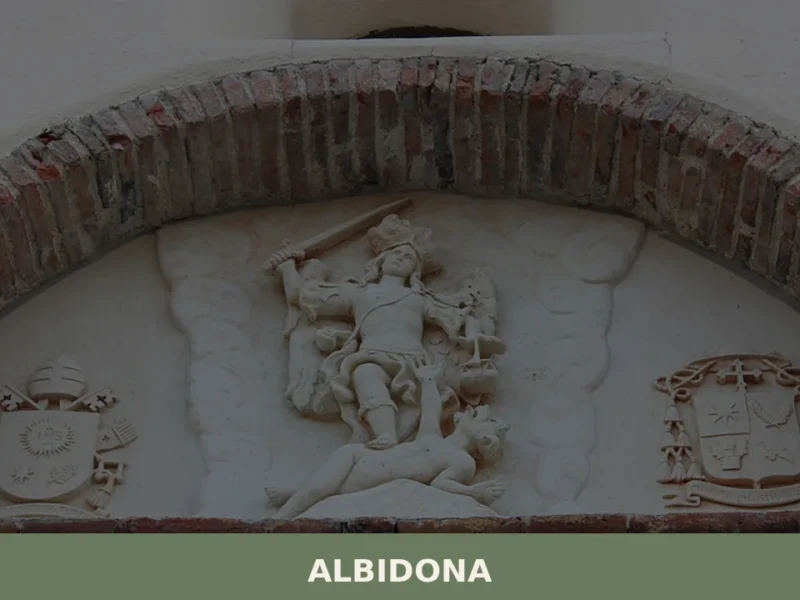
Albidona
Sea
Albidona has 1,142 inhabitants and sits at 810 metres above sea level on the eastern slope of the Pollino massif, in the province of Cosenza. The old town preserves an urban layout arranged in parallel bands, developed along the ridge that separates the Saraceno stream valley from the Caldanello valley. Asking what to see in […]
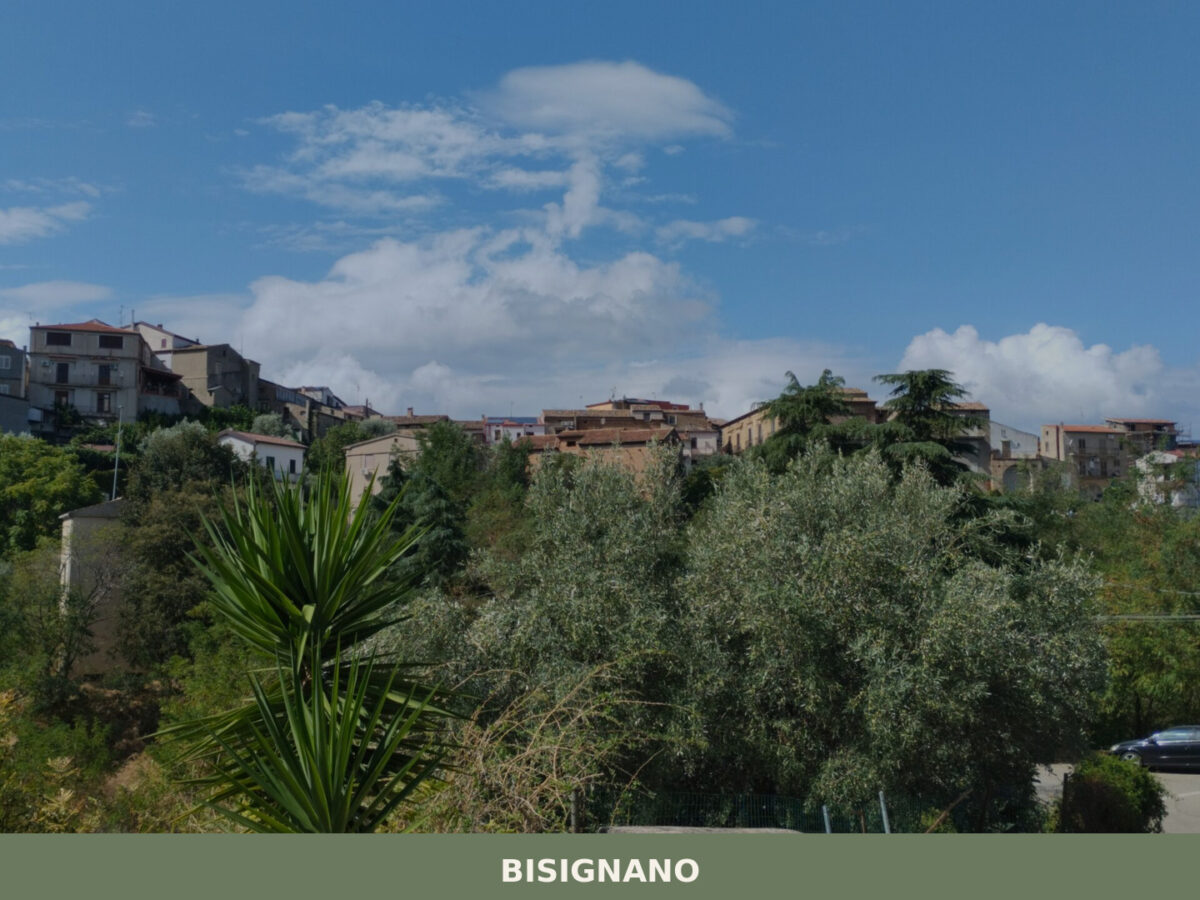
Bisignano
Hills
What to see in Bisignano: Discover 5 top attractions. This village (pop. 9,501) features the Ducal Castle and Sant'Umile Sanctuary for rich history.
Belmonte Calabro
Sea
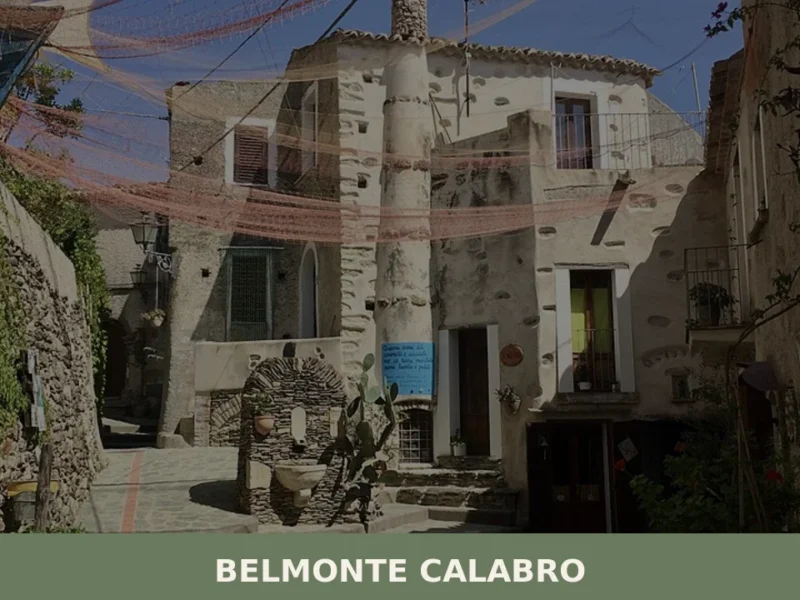
In 1270, Charles I of Anjou granted Drogone de Beaumont the fief that would give rise to the name Belmonte — from the French Beaumont, meaning beautiful mountain. Sitting at 262 metres above sea level on the Tyrrhenian side of the Cosenza province, the village today has 1,984 inhabitants and preserves a historic centre layered […]
Stilo
Sea
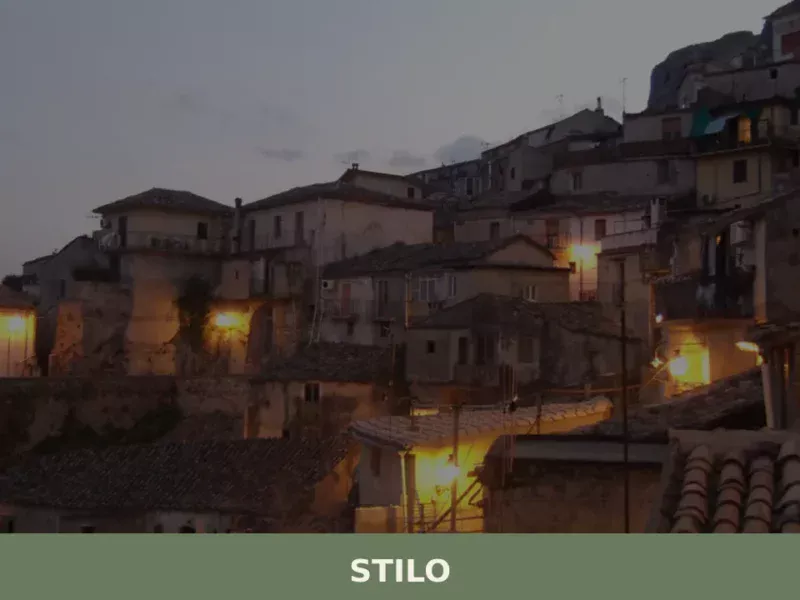
The Cattolica church occupies a spur of rock above the rooftops, its five small domes visible from the valley floor before the rest of the village comes into focus. Below the church, the streets narrow and the stone deepens in colour, shifting from pale grey to near-black where the walls absorb the shadow. Iron and […]

🏡 Know Vibo Valentia better than we do?
If you’re a local or have been there, your knowledge matters: add what’s missing or fix a detail on this page.