


Vittorio Veneto
 Hills
Hills
Home to a decisive World War I battle and a dual medieval identity, Vittorio Veneto offers 5 exceptional monuments and a rich local food culture in Treviso province.
Vittorio Veneto Veneto: History, Monuments and Travel Guide
The roar of battle faded over a century ago, but the landscape still carries the weight of that final offensive. Along the valley road that climbs toward the Dolomite foothills, two distinct old towns face each other across a modern boulevard — one built around a Romanesque bell tower, the other around Renaissance palaces — their separate identities never fully dissolved by a royal decree.
Vittorio Veneto Veneto draws visitors with two powerful reasons to stop: the historical memory of the battle that ended World War I on the Italian front, and a layered urban fabric where medieval, Renaissance and neoclassical architecture coexist within walking distance. With a population of around 27,000 and an altitude of 138 metres above sea level, the city sits in the province of Treviso, at the point where the Marca Trevigiana opens northward into the pre-Alpine valleys leading toward Belluno.
History and Origins of Vittorio Veneto
The city as it exists today is relatively young, born on 27 September 1866 from the administrative merger of two previously independent municipalities: Ceneda to the south and Serravalle to the north. The union followed the annexation of the Veneto region to the Kingdom of Italy. Less than two months later, on 22 November 1866, the new municipality took the name Vittorio in honour of Vittorio Emanuele II, the first king of unified Italy. The surname Veneto was already in common use — particularly after the decisive 1918 battle — but became official only with a royal decree of 22 July 1923, which simultaneously conferred the status of city.
The two component towns carry very different pasts. Ceneda likely has Celtic roots and may have hosted a fortified Roman settlement connected to the municipality of Oderzo. Its importance grew during the early medieval period, when it became the seat of a Lombard duchy and a diocese. The local bishops also held the title of counts, a privilege they retained even after the city came under the rule of the Venetian Republic. Over the following centuries, Ceneda remained a compact agricultural settlement gathered around its cathedral square, its growth checked by the expanding influence of its northern neighbour. The diocese itself, reluctant to abandon centuries of accumulated prestige, continued to use the name Diocese of Ceneda until 1939 — partly for historical reasons and partly due to the strained relations between the Italian state and the Catholic Church during the decades following unification.
Serravalle developed around a fortified structure of probable Roman origin and remained a secondary centre until the late eleventh century, when it became a fief of the Da Camino family. Under their lordship and later under Venetian administration — when it served as the seat of a podesteria — the town experienced sustained urban and economic growth, accumulating the fine palaces and civic spaces that still define its historic centre today. After unification in 1866, a new urban axis gradually linked the two towns: the current Viale della Vittoria was lined with new buildings, and the municipal headquarters were placed halfway between them in Piazza del Popolo. Yet the two halves of the city still maintain distinct characters — a duality that locals feel keenly and visitors notice almost immediately. The city’s coat of arms reflects this history directly: it combines the heraldic symbols of both Ceneda and Serravalle, both featuring a silver cross but on red and blue backgrounds respectively. The municipal motto, Victoria nobis vita, refers explicitly to the events of the Great War.
The Battle of Vittorio Veneto, fought between 24 October and 4 November 1918, resulted in the complete collapse of the Austro-Hungarian army and triggered the armistice that ended the war on the Italian front — making this city the geographic endpoint of four years of conflict.
What to See in Vittorio Veneto: Top Attractions
Cathedral of Santa Maria Assunta and San Tiziano — Ceneda
The cathedral stands at the physical and spiritual centre of the Ceneda quarter, its neoclassical facade rising above a broad square. The building’s origins reach back to the early medieval period: according to tradition, a small church already existed on this site before the arrival of the relics of San Tiziano di Oderzo, the city’s patron saint, sometime in the seventh or eighth century. That event sealed the transfer of the diocese from Oderzo to Ceneda. The current structure took its neoclassical form in the eighteenth century, substantially completed in 1773 and consecrated on 26 September 1824, though final works extended into the mid-twentieth century. The interior holds a significant collection of paintings from the sixteenth and seventeenth centuries, including a cycle depicting the life of San Tiziano by Pomponio Amalteo. In the crypt, visitors can see the relics of the patron saint. The bell tower, dating from around 1261, predates the present church and originally served as a defensive tower — one of the few surviving elements of the medieval structure.
Duomo of Santa Maria Nova — Serravalle
The parish church of Serravalle occupies a prominent position in the northern part of the city and contains one of the most remarkable works of art in the entire province. The building was first raised in the early fourteenth century and reconstructed in 1776. Most visitors make the journey specifically to see the altarpiece of the high altar: a painting of the Madonna with Child in Glory and Saints Andrew and Peter attributed to Tiziano Vecellio, the great Venetian master who was himself born in the nearby Cadore valley. The combination of a relatively modest architectural shell and a masterwork of Renaissance painting makes this church a genuinely surprising stop. The surrounding historic centre of Serravalle — a compact network of sixteenth-century palaces, covered loggias and stone-paved alleys — provides the perfect context for understanding what the town looked like before its merger with Ceneda.
Museo della Battaglia
Housed in a building in the city centre, the Battle Museum uses contemporary exhibition design to document the events of the Great War as they unfolded on this specific stretch of the front. The permanent display is organised across three floors and divided into thematic sections: a reconstructed trench environment, an armaments room, documentation of the Austro-Hungarian occupation of the area, a section tracing the transition from military event to national myth, and a memorial dedicated to the Knights of Vittorio Veneto — veterans honoured with a specific Italian state decoration. The museum is one of the most thorough and well-resourced World War I sites in the Veneto region, making it an important destination for visitors travelling the broader network of Great War memorials that extends from Alano di Piave to the mountain passes above Agordo.
Oratorio dei Santi Lorenzo e Marco — Confraternita dei Battuti
This small oratory attached to the Confraternity of the Battuti in Serravalle received national recognition in 2015 when the Touring Club Italiano listed it among the overlooked architectural treasures of Italy. The reason is immediately apparent on entering: the interior walls and ceiling are covered by a cycle of frescoes executed in the first half of the fifteenth century by multiple artists working in a late Gothic devotional style. The quality and completeness of the pictorial programme are exceptional for a building of this scale. The oratory is not always open, so checking visiting hours in advance is advisable — but the short detour from the main historic route through Serravalle is well worth the planning.
Monumento ai Caduti — Piazza del Popolo
In the central square of Vittorio Veneto, directly in front of the municipal building that symbolises the administrative union of the two towns, stands the war memorial created by sculptor Augusto Murer and installed in 1968. Murer, a Cadore-born artist known for his powerful figurative work, produced a piece that avoids the triumphalist rhetoric common in Italian commemorative sculpture of earlier decades. The monument anchors Piazza del Popolo as a civic space and provides a focal point for the annual commemorations held on 4 November, the anniversary of the armistice. The square itself, with its position exactly halfway between Ceneda and Serravalle, embodies the city’s ongoing negotiation between two historical identities.
Food and Local Products of Vittorio Veneto
The food culture of Vittorio Veneto reflects its position at the boundary between the lowland Marca Trevigiana and the pre-Alpine valleys to the north. The city sits within the broader production zone of Prosecco DOC, and the hillsides immediately surrounding the urban area carry vineyards that feed into the regional wine economy centred on Treviso. Local wine bars and osterie typically serve still and sparkling whites from the Conegliano-Valdobbiadene corridor, often paired with local cured meats and aged cheeses from the nearby mountain communities.
The culinary traditions of the area draw on both the agricultural heritage of the Ceneda plain and the mountain pantry of the valleys above the city. Polenta remains a daily staple, prepared in the soft version typical of the Veneto lowlands or in the firmer, grilled form more common in mountain cooking. Mushrooms from the forests of the Val Lapisina — particularly porcini — appear on menus from late summer through autumn, often combined with local game or served over polenta. Freshwater fish from the Meschio river and the lakes of the valley have a long tradition in the local diet, though they now appear more often in specialty restaurants than in everyday cooking. The city’s position on the route between the Treviso plain and the Dolomite valleys means that seasonal products move freely through local markets: asparagus from the lowlands in spring, wild herbs and berries from the mountains in summer.
Visitors with an interest in local gastronomy will find the best concentration of traditional restaurants in the historic centre of Serravalle, where several family-run establishments have maintained consistent menus for decades. The mercato settimanale — the weekly market — offers a practical way to encounter local produce, including small-batch dairy products from the surrounding hills. The city also hosts an annual food and wine event in autumn that draws producers from across the Treviso province, providing an opportunity to compare products from the coast-facing lowlands near Venezia with those from the mountain-adjacent territories around Vittorio Veneto itself.
When to Visit Vittorio Veneto and How to Get There
The most comfortable seasons to visit are late spring and early autumn. In May and June the surrounding hills are vivid green, the weather is warm without summer heat, and the cultural calendar begins to fill with outdoor events. September and October bring the grape harvest, cooler temperatures, and the full range of autumn produce in local markets. Summer is busier, particularly in July and August when visitors from the Treviso and Venice areas use the city as a base for day trips into the Dolomite foothills. Winter visits are quiet and can be rewarding for those focused on museums and churches, though some smaller sites reduce their hours.
Vittorio Veneto lies on the A27 motorway connecting Venice to Belluno, making it straightforward to reach by car from the south. The exit is clearly signed and the journey from Venice takes roughly one hour under normal traffic conditions. Train connections run on the Treviso–Belluno line, with regular services linking the city to Treviso and onward to Venice. If you arrive by car, the main parking areas are located near Piazza del Popolo, providing easy walking access to both the Ceneda and Serravalle historic centres. Visitors using public transport will find the train station convenient for the central boulevard, though some of the outlying fractions and the natural areas of the Val Lapisina require a car or bicycle to explore properly.
| Departure | Distance | Time |
|---|---|---|
| Venice (Venezia) | approx. 80 km | approx. 1 hour by car / 1h 20m by train |
| Treviso | approx. 42 km | approx. 40 min by car / 50 min by train |
| Belluno | approx. 45 km | approx. 45 min by car / 55 min by train |
| Milan | approx. 310 km | approx. 3 hours by car |
For official information on opening hours, local events and municipal services, consult the city’s official website at www.comune.vittorio-veneto.tv.it. Planning a visit to Vittorio Veneto Veneto alongside the surrounding area rewards travellers who allow at least two days: one for the city itself, and another for the lakes, forests and pre-Alpine landscapes of the Val Lapisina that extend northward from the urban centre toward the Sella di Fadalto.
Frequently asked questions about Vittorio Veneto
Come si raggiunge Vittorio Veneto in treno e in auto?
In auto, Vittorio Veneto è raggiungibile dall'autostrada A27 Venezia-Belluno, uscita Vittorio Veneto Sud o Vittorio Veneto Nord, a circa 40 km da Treviso e 80 km da Venezia. In treno, la città è servita dalla linea Treviso-Calalzo, con stazione ferroviaria centrale. Da Treviso i treni regionali impiegano circa 40 minuti. Il centro storico di Serravalle e quello di Ceneda sono raggiungibili a piedi dalla stazione.
Quando si festeggia il patrono San Tiziano di Oderzo a Vittorio Veneto?
Il patrono di Vittorio Veneto è San Tiziano di Oderzo, vescovo paleocristiano venerato nella diocesi locale. La sua festa liturgica ricorre il 16 gennaio. Le celebrazioni principali si tengono nella cattedrale di Ceneda, sede vescovile storica del territorio. Oltre alle funzioni religiose, il periodo invernale coincide con un'atmosfera più raccolta, ideale per visitare chiese e musei senza la ressa estiva.
Quali percorsi outdoor sono disponibili intorno a Vittorio Veneto?
Il territorio collinare intorno a Vittorio Veneto offre diversi percorsi escursionistici segnalati dal CAI, tra cui sentieri verso il lago di Santa Croce e le Prealpi Trevigiane. La zona è attraversata da itinerari cicloturistici che collegano la città alla Valdobbiadene e al Prosecco Hills UNESCO. Le colline del Cansiglio, raggiungibili in circa 30 minuti in auto, offrono ulteriori percorsi naturalistici ben attrezzati.
Quanto tempo è necessario per visitare Vittorio Veneto?
Per una visita completa si consigliano almeno due giorni: il primo dedicato a Ceneda con la cattedrale, il castello di San Martino e il Museo della Battaglia, il secondo a Serravalle con loggia trecentesca, palazzi rinascimentali e il museo del Cenedese. Un percorso essenziale solo nelle tappe principali richiede comunque una giornata intera. Il parcheggio gratuito è disponibile lungo il viale principale che separa i due borghi storici.
Qual è il periodo migliore per visitare Vittorio Veneto?
La primavera (aprile-maggio) e l'autunno (settembre-ottobre) sono le stagioni ideali: temperature miti, paesaggio collinare in piena bellezza e manifestazioni locali legate alla vendemmia e alla storia. Novembre è significativo per le commemorazioni legate alla Battaglia di Vittorio Veneto del 1918. L'estate è adatta per l'escursionismo prealpino, mentre l'inverno permette visite tranquille ai musei e alle chiese storiche.
📷 Photo Gallery — Vittorio Veneto


In Veneto More villages to discover
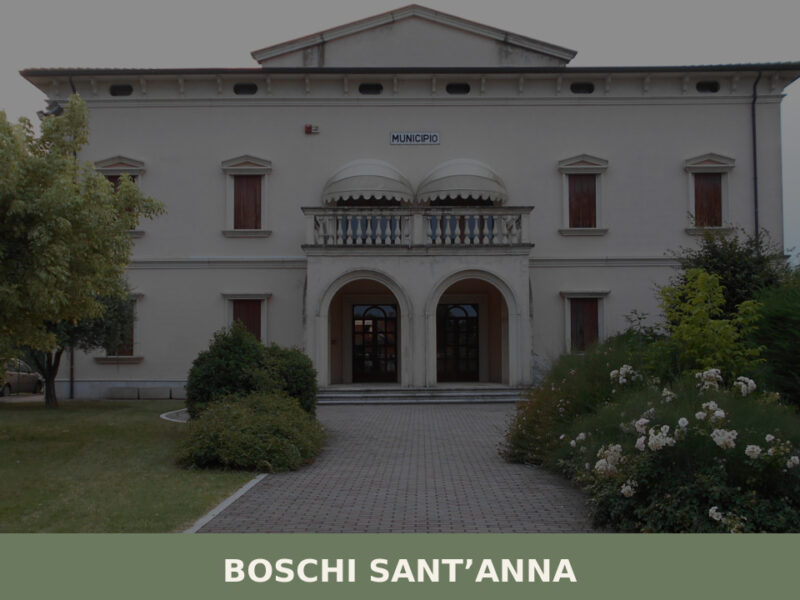
Boschi Sant’Anna
 Plains
A quiet farming village of 1,359 inhabitants on the Veronese plain. Discover what to see in Boschi Sant'Anna, from its parish church to the canal-laced agricultural landscape.
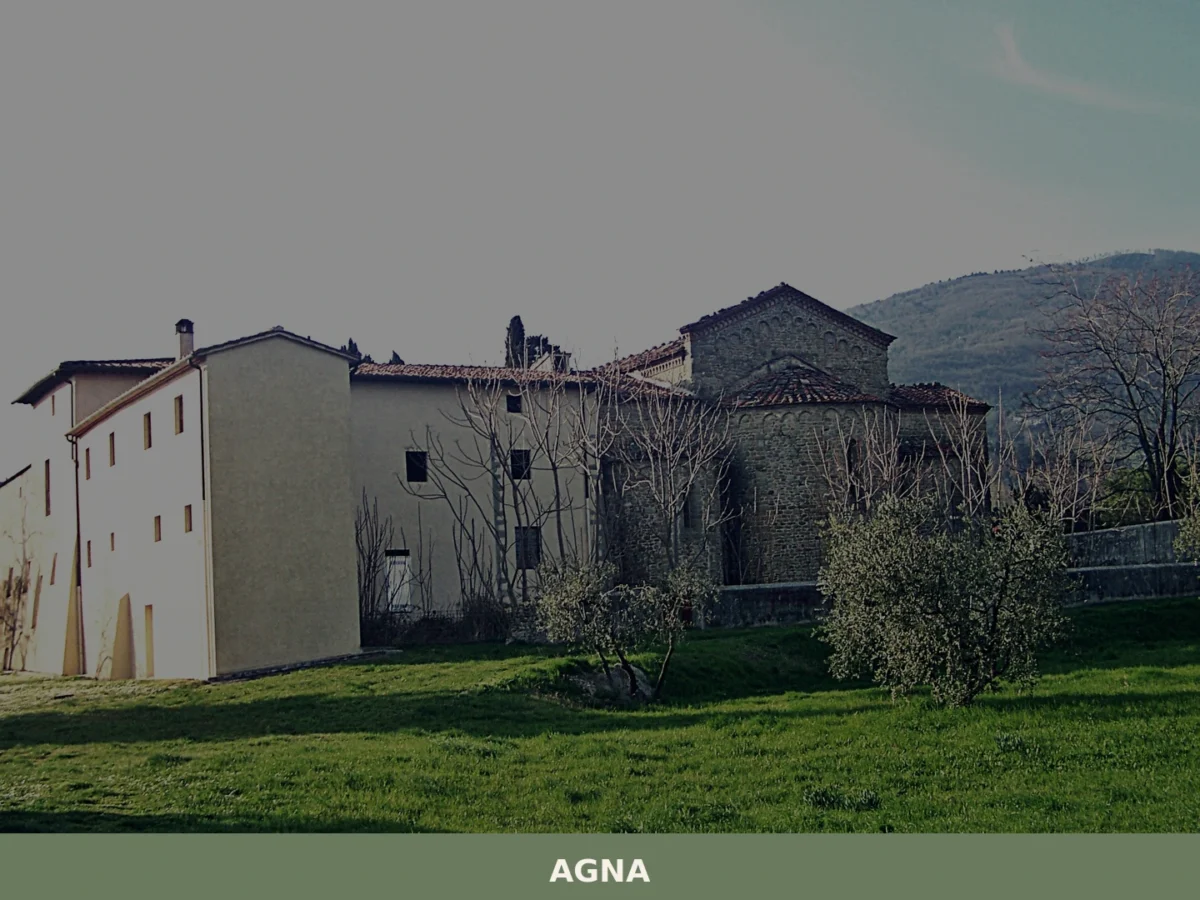
Agna
Plains
Discover what to see in Agna, a Padova province village of 3,174 people. History, food, travel tips and the canals of the Venetian plain explained.
🏡 Know Vittorio Veneto better than we do?
If you’re a local or have been there, your knowledge matters: add what’s missing or fix a detail on this page.