


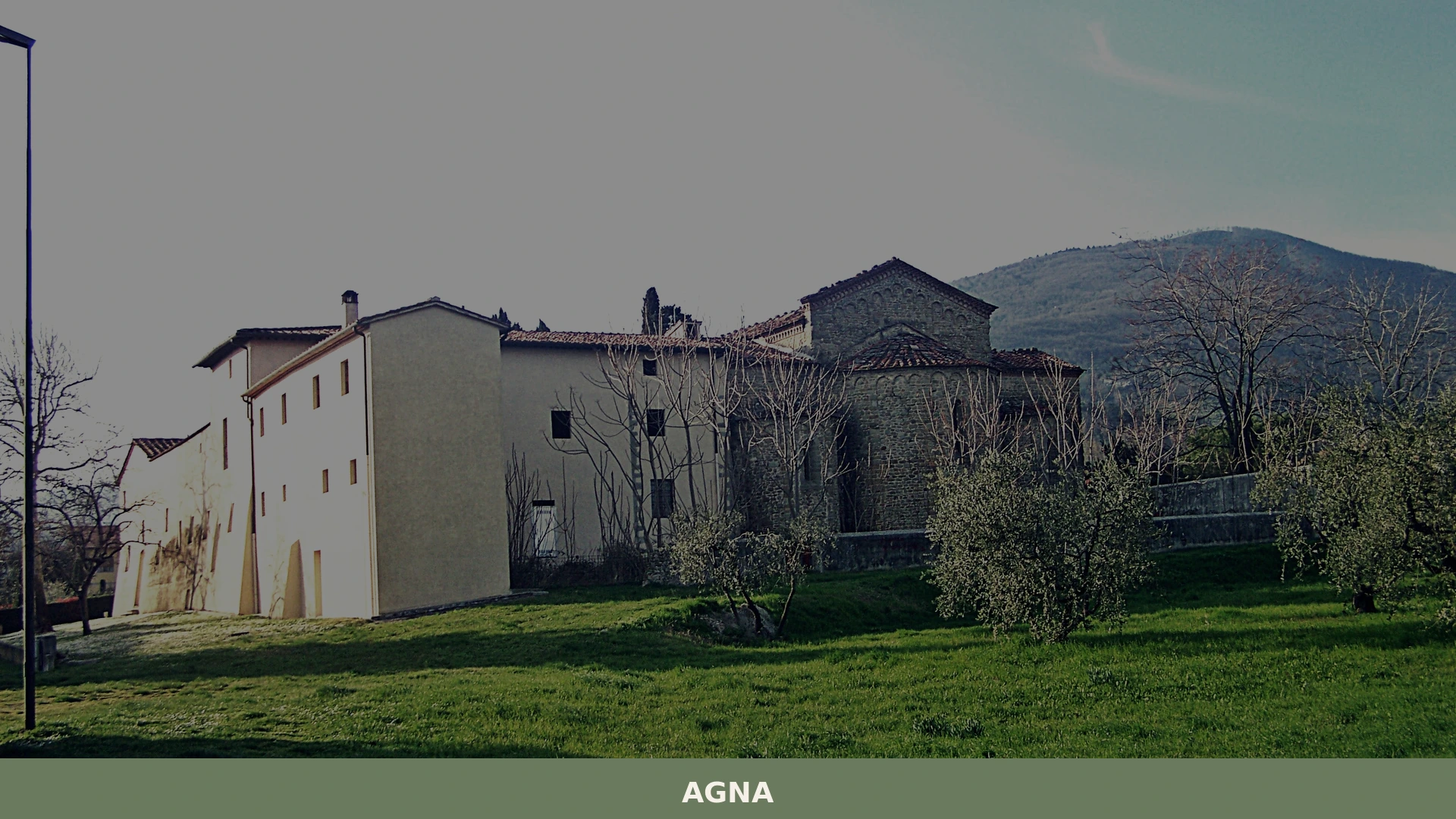
Agna
 Plains
Discover what to see in Agna, a Padova province village of 3,174 people. History, food, travel tips and the canals of the Venetian plain explained.
Discover Agna
Agna is a comune in the province of Padova, Veneto, home to around 3,174 residents and set within the low-lying Paduan plain south of the Po Delta corridor. For visitors asking what to see in Agna, the answer begins not with monuments but with the landscape itself — flat, canal-laced agricultural land that has defined the settlement’s character across centuries. This is a village whose identity is inseparable from water management, rural Venetian tradition, and the quiet rhythms of the eastern Po Valley.
History of Agna
The name Agna, rendered as Anja in the Venetian dialect, almost certainly derives from Latin roots associated with water or irrigation channels — a linguistic clue pointing to the hydraulic engineering that has always governed life on this stretch of the Paduan plain.
The territory sits within a zone of reclaimed land, where systematic drainage and canal networks were progressively developed during the medieval and early modern periods under Paduan and later Venetian administration. The management of these waterways was not incidental: it was the foundation upon which any permanent agricultural settlement in this area could exist.
During the period of the Serenissima — the Republic of Venice — the lowland territories south of Padova were subject to extensive land reclamation projects coordinated by Venetian magistracies responsible for water control. Known as the Magistrato alle Acque, this institution oversaw the regulation of rivers, drainage channels, and flood defences across the Veneto. Communities like Agna were integrated into this administrative and hydraulic system, their agricultural output tied directly to the effectiveness of canal maintenance.
Grain cultivation and livestock farming formed the economic backbone of the settlement through the early modern era.
Following the fall of the Venetian Republic in 1797 and the subsequent Napoleonic reorganisation of northern Italy, Agna was incorporated into the administrative structures of the Kingdom of Italy and later the Kingdom of Lombardy-Venetia under Habsburg rule. The unification of Italy in 1861 confirmed its status as an autonomous comune within the province of Padova — a designation it retains today. Twentieth-century land reform and agricultural mechanisation gradually transformed what had been a subsistence-based farming community into a more integrated part of the wider Paduan agricultural economy.
What to see in Agna: 5 must-visit attractions
The Parish Church
Agna’s parish church is the dominant built structure in the village centre, as is common across the Paduan plain where religious architecture provided the primary civic anchor for rural communities.
The church’s facade and interior reflect the ecclesiastical building tradition of the Veneto lowlands, with Baroque-influenced decorative elements characteristic of the region’s rural parishes.
The Rural Canal Network
The network of drainage and irrigation canals that traverses the Agna territory is a direct legacy of centuries of hydraulic engineering, much of it formalised during Venetian administration. These channels, some dating back to the medieval period, remain functional today and provide an instructive example of how Venetian-era water governance physically reshaped the landscape.
The Agricultural Plain and Reclaimed Land
The reclaimed flatlands surrounding Agna — known locally as bonifica territory — offer a clear illustration of large-scale land transformation undertaken between the sixteenth and twentieth centuries.
Fields laid out in geometric patterns follow the line of older drainage channels, a spatial logic that can still be read directly from the roads and field boundaries.
The Village Centre and Historic Core
The historic core of Agna retains the compact spatial layout typical of Paduan plain settlements: a central piazza anchored by the parish church, with low residential buildings arranged along straight streets. This urban form reflects centuries of incremental rural growth rather than any single planned intervention, giving the centre a documentary interest for those studying vernacular Venetian architecture.
Local Oratory and Votive Chapels
Scattered across the Agna territory are small votive chapels and rural oratories — modest structures in brick that served as spiritual waypoints for farming communities working at a distance from the main parish. These roadside shrines, common across the Paduan lowlands, are modest in scale but historically significant as evidence of popular religious practice in an agricultural landscape.
Local food and typical products
Agna sits within a broader agricultural zone whose food culture is deeply rooted in the Paduan and lower Venetian tradition.
The cooking of this area relies on staples produced on the plain itself: maize, which forms the basis of polenta; freshwater fish from the canal and river systems; and cured meats associated with small-scale pig farming. Bigoli, the thick hand-rolled pasta characteristic of Venetian cuisine, appears here as it does across the province, often served with duck ragù or anchovy-based sauces rooted in the Republic of Venice’s historic spice trade routes. For those seeking regional produce with official quality designations, the broader Padua province is associated with Padovan hen (gallina Padovana), a breed with IGP recognition. The official Padova municipal site provides orientation on the wider provincial food culture and local market calendars.
For dining in and around Agna, the most reliable options are the small family-run trattorie and agriturismo operations found across the Paduan lowlands. These establishments typically source directly from local farms and rotate their menus seasonally — expect risotto made with local vegetables in autumn, freshwater fish dishes in spring, and robust braised meat preparations through winter. Market days in nearby larger centres provide the best access to local agricultural products, including seasonal vegetables, eggs, and artisan dairy.
Best time to visit Agna
The Paduan plain has a continental climate with hot, humid summers and cold, foggy winters.
Spring — particularly April and May — and early autumn — September through October — offer the most comfortable conditions for moving through the flat landscape on foot or by bicycle. Summer temperatures regularly exceed 30°C with considerable humidity, while winter months from November to February bring persistent low fog (nebbia) that settles across the plain, significantly reducing visibility but giving the canal-laced countryside a particular atmospheric character. Fog is not an inconvenience to be avoided but a defining feature of this landscape: understanding it is part of understanding the territory.
Agricultural festivals and local sagre tied to harvest cycles occur across the province during autumn, and Agna, like neighbouring comuni, participates in the wider rhythm of these events. For updated information on local events and seasonal activities, the Turismo Padova Euganea official tourism platform maintains current listings for the province.
Visiting during the week rather than summer weekends allows for a quieter engagement with the village and surrounding countryside.
How to get to Agna
Agna is located in the southern part of the province of Padova, in the low-lying area between the Euganean Hills and the Po Delta. Practical access routes include the following:
- By car: The A13 motorway (Bologna–Padova) is the primary road artery for this area. The nearest useful exits are in the direction of Este or Monselice, from which provincial roads lead south towards the Agna territory. Journey time from Padova city centre by car is approximately 40–50 minutes.
- By train: The nearest railway stations are at Monselice and Este, both served by regional trains on the Padova–Bologna line. From either station, onward travel to Agna requires a local bus connection or private transport.
- By air: The closest international airport is Venice Marco Polo Airport (VCE), approximately 80–90 kilometres to the north. Verona Catullo Airport (VRN) is a comparable alternative. From either airport, a hire car offers the most practical connection to Agna.
- From Padova city: Padova is the natural base for exploring this part of the province. Provincial bus services connect Padova with communities in the southern plain, though frequency is limited and schedules should be checked in advance through Busitalia Veneto’s official site.
Where to stay in Agna
Agna itself is a small comune of around 3,174 inhabitants, and dedicated tourist accommodation within the village is limited. Visitors are best served by considering Agna as a destination within a wider stay based in Monselice, Este, or Padova city, all of which offer a broader range of hotels, guesthouses, and B&B options at various price points. Padova in particular provides excellent rail and road connections that make day excursions into the southern plain straightforward.
For those who prefer to stay closer to the agricultural landscape, agriturismo properties scattered across the Paduan lowlands south of Monselice offer farmhouse accommodation with direct contact with the rural environment.
These tend to operate on a half-board or full-board basis, with meals drawn from the farm’s own production. Booking directly with agriturismo operators well in advance — particularly for autumn visits when harvest-period demand peaks — is advisable. Holiday rental apartments in nearby villages also provide a practical base for independent travellers.
More villages to discover in Veneto
The Veneto region encompasses a striking range of settlement types, from the historic city of Treviso in the north — a well-preserved medieval centre with intact city walls and a functioning canal system that predates modern urban planning — to the lowland comuni of the southern plain that share Agna’s agricultural and hydraulic heritage.
For those exploring the province of Verona, the village of Bevilacqua offers an instructive contrast, with its medieval castle and the productive landscape of the Veronese plain providing a different perspective on Venetian rural history.
Further afield within Veneto, Ferrara di Monte Baldo sits at a dramatically different altitude on the slopes above Lake Garda, illustrating how varied the region’s geography becomes within relatively short distances. Closer in character to the southern lowlands is Concamarise, a small comune in the province of Verona whose flat agricultural setting echoes the reclaimed-land landscape that defines the area around Agna. Taken together, these villages trace a cross-section of the Veneto’s distinct geographical identities.
Frequently asked questions about Agna
What is the best time to visit Agna?
The most comfortable periods to visit Agna are spring, particularly April and May, and early autumn, from September through October. During these months, the weather is mild and ideal for exploring the flat agricultural landscape on foot or by bicycle. While summers can be hot and humid, and winters bring characteristic low fog, these seasons also offer unique atmospheric experiences. A notable local event is the feast of Agna's patron saint, San Lorenzo, celebrated on August 10th, offering a glimpse into traditional local festivities. Autumn also brings various agricultural festivals and 'sagre' across the province, reflecting the area's strong farming heritage.
What to see in Agna? Main monuments and landmarks
Agna's points of interest are deeply connected to its rural character and hydraulic history. The Parish Church is the dominant religious structure in the village centre, showcasing typical Baroque-influenced ecclesiastical architecture of the Veneto lowlands. Visitors can explore the compact Historic Core and Village Centre, reflecting centuries of incremental rural growth. The extensive Rural Canal Network and the surrounding Agricultural Plain and Reclaimed Land are living testaments to Venetian-era hydraulic engineering, best appreciated by walking or cycling along their routes. Additionally, scattered across the territory are small Local Oratories and Votive Chapels, modest brick structures that offer insights into popular religious practices. All these sites are generally freely accessible.
Are there museums, churches or historic buildings to visit in Agna?
Yes, visitors can explore the Parish Church, which stands as the dominant religious structure in Agna's centre. It reflects the ecclesiastical building tradition of the Veneto lowlands, with Baroque-influenced decorative elements characteristic of the region's rural parishes. Additionally, scattered across the Agna territory are small votive chapels and rural oratories. These modest brick structures served as spiritual waypoints for farming communities and offer a glimpse into local popular religious practice. While there are no dedicated museums in Agna, these religious sites are generally open for quiet contemplation during daylight hours, though it's advisable to check local schedules for specific mass times.
What can you do in Agna? Activities and experiences
Agna offers a tranquil experience focused on its rural landscape and authentic traditions. Visitors can enjoy walking or cycling along the extensive network of canals and through the reclaimed agricultural plains, observing centuries of hydraulic engineering and the quiet rhythms of the Po Valley. Exploring the village centre provides a glimpse into vernacular Venetian architecture. During autumn, the area comes alive with agricultural festivals and 'sagre', offering opportunities to taste local produce and experience traditional culture. Dining at local family-run trattorie or agriturismo establishments allows for a deep dive into Paduan food traditions, with menus often sourcing directly from local farms.
Who is Agna suitable for? Families, couples, hikers, solo travelers?
Agna is ideal for travelers seeking a tranquil, authentic rural Italian experience away from bustling tourist routes. It particularly appeals to those interested in agricultural landscapes, local food traditions, and the quiet rhythms of the Paduan plain. It's suitable for couples or solo travelers looking for a relaxing escape, as well as cyclists and walkers who appreciate flat routes along canals and through open fields. Families looking for a peaceful base to explore the wider Veneto region, perhaps staying at an agriturismo, will also find Agna's surroundings appealing. It's a destination for those who value slow tourism and genuine local immersion.
What to eat in Agna? Local products and specialties
Agna's cuisine is a reflection of the Paduan and lower Venetian agricultural plain, deeply rooted in local produce. Specialties include dishes based on polenta (from local maize), freshwater fish from the canal systems, and cured meats associated with traditional pig farming. Bigoli, a thick hand-rolled pasta characteristic of Venetian cuisine, is a staple, often served with rich duck ragù or anchovy-based sauces. The broader Padua province is also renowned for the Padovan hen (gallina Padovana), an IGP-recognized breed. To savor these local flavors, visit the family-run trattorie and agriturismo establishments in and around Agna, which often feature seasonal menus, or explore local market days in nearby larger towns for fresh agricultural products.
Nearby Villages near Agna
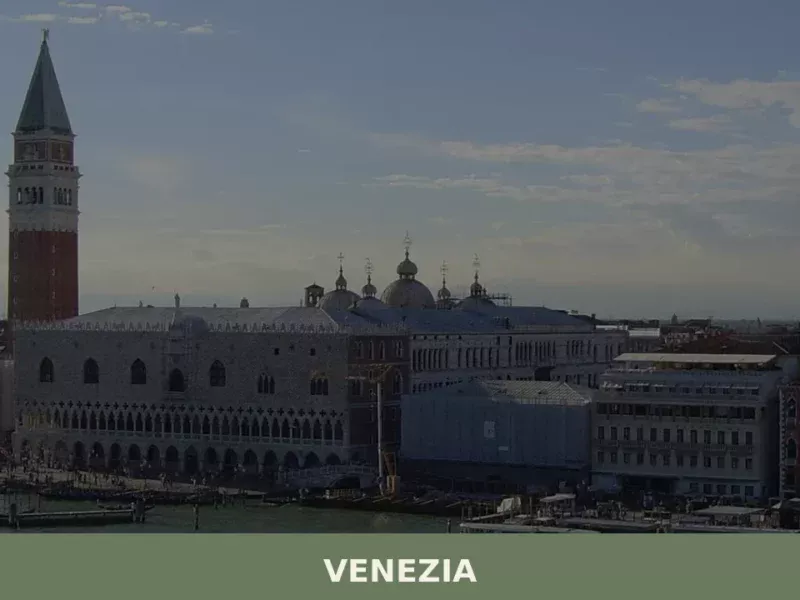
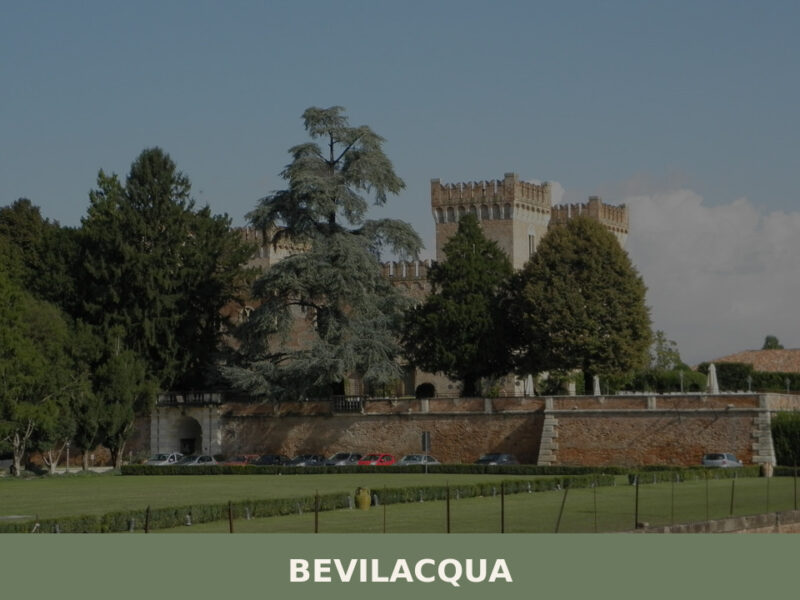
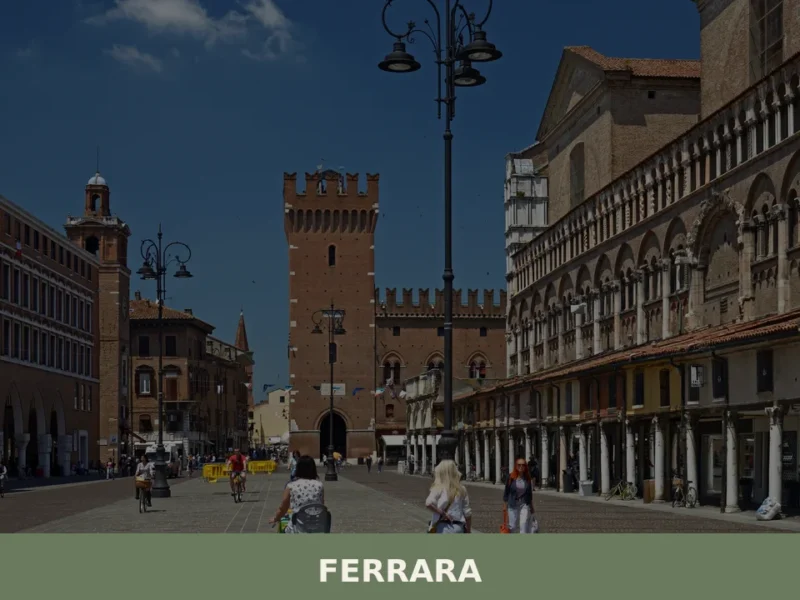
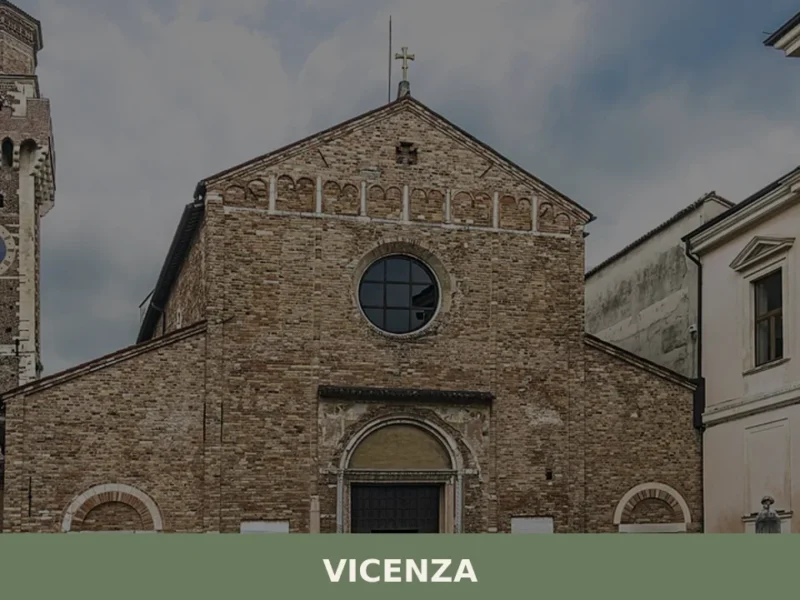
In Veneto More villages to discover
Conegliano
 Hills
Hills
2 reasons to visit: the Renaissance cathedral housing works by native painter Cima, and hillside vineyards producing DOCG Prosecco. A crossroads between plain and mountain, 30 km from Treviso.
Affi
Hills
Discover what to see in Affi, a Veronese commune in the Garda Morainic Hills. Wine country, lake access, history and practical travel tips.
Erbezzo
 Mountain
At 1,118 metres above sea level, on the eastern edge of the Veronese Lessinia, Erbezzo has 756 inhabitants spread between the municipal centre and a handful of hamlets scattered across the pastures. It is the highest municipality in the province of Verona and one of the few where the pastoral economy has never fully given […]
Concamarise
Plains
Concamarise, a municipality in Verona province with 1,053 inhabitants, rises only 21 meters above sea level, located in the Bassa Veronese, an area known for its long-standing agricultural tradition and complex hydrographic network. Its very name suggests a connection with water: “Conca” refers to a territorial depression, while “Marise” is likely linked to the marshy […]
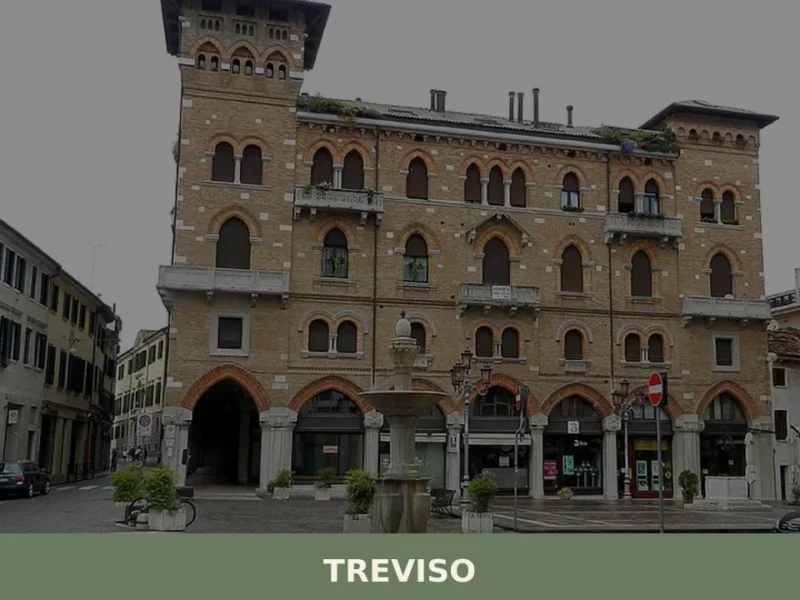
Treviso
Plains
A medieval city of 85,000 enclosed by water-fed walls, Treviso shaped Venetian trade and still guards its own identity through art, architecture and civic pride.
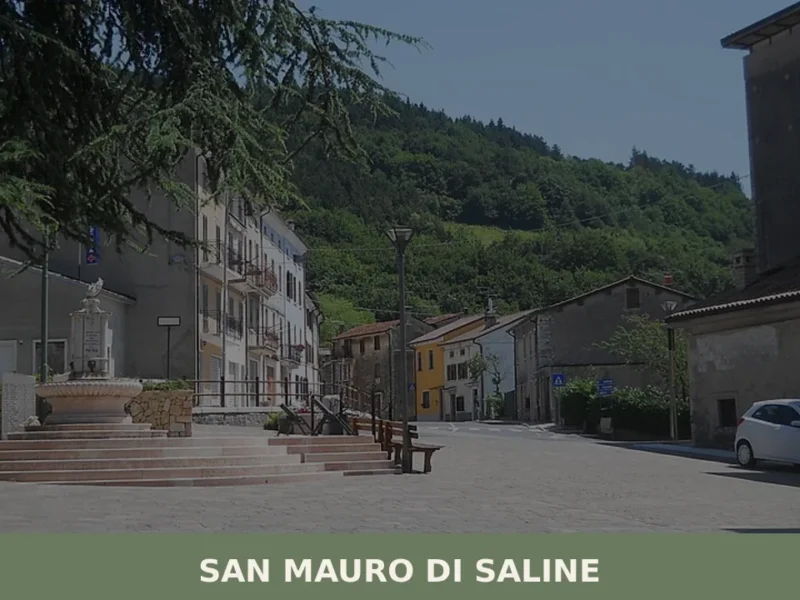
San Mauro di Saline
Mountain
At 804 metres above sea level, on the eastern slope of the Veronese Lessini Mountains, San Mauro di Saline has a current population of 558 inhabitants spread between the municipal centre and the scattered hamlets along the pastures. The village’s name derives from the saline — the brackish water pools that historically surfaced in this […]
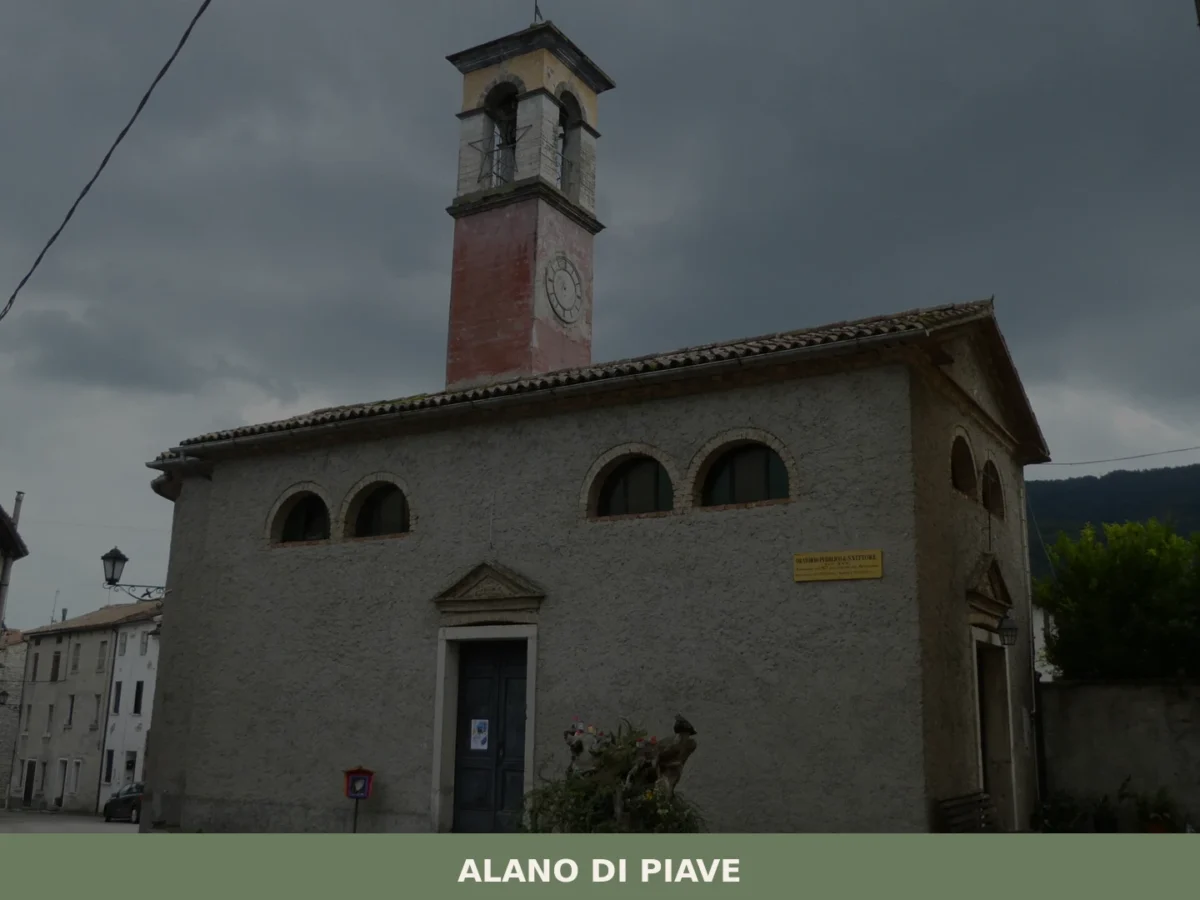
Alano di Piave
Mountain
What to see in Alano di Piave? Explore the 5 main attractions of this Venetian village, blending history and nature. Your complete guide to not miss a thing. Plan your visit!
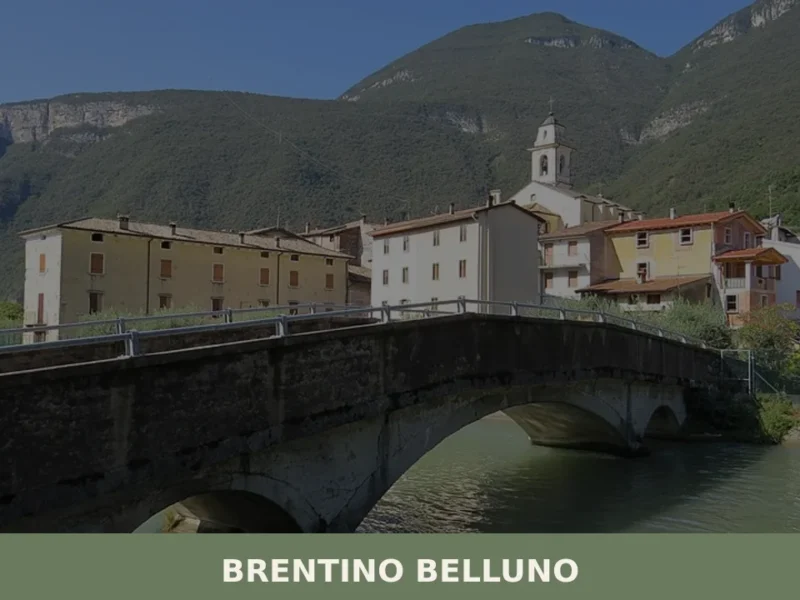
Brentino Belluno
Plains
At 137 metres above sea level, where the Adige Valley narrows between Monte Baldo and the Lessini Mountains, Brentino Belluno is a municipality of 1,363 inhabitants created in 1929 through the administrative merger of two distinct settlements: Brentino, on the left bank of the Adige, and Belluno Veronese, clinging to the eastern slope of Monte […]
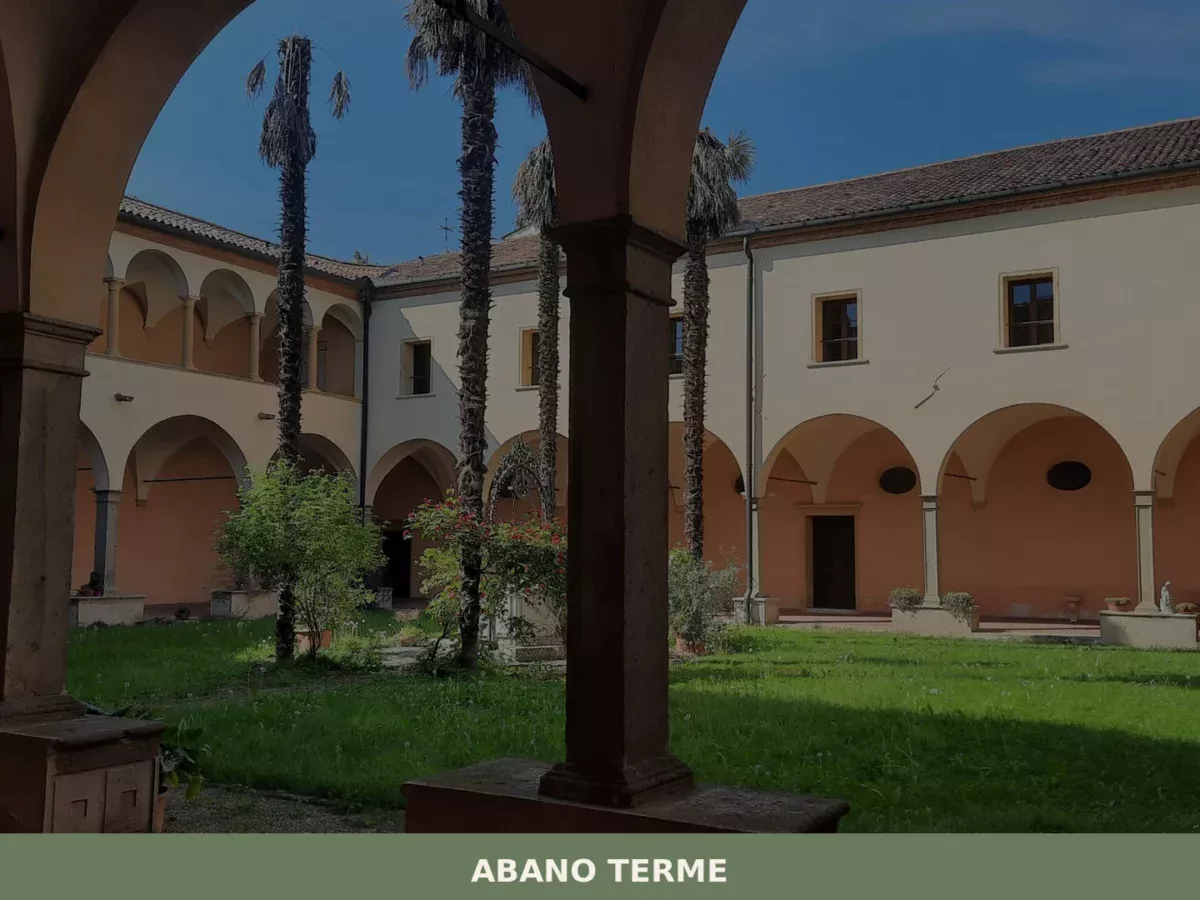
Abano Terme
Plains
Discover what to see in Abano Terme: Roman thermal history, the Euganean Hills park, local DOC wines, and practical travel tips for Veneto's top spa town.

Marostica
Hills
Marostica draws visitors with its world-famous living chess match and over 600 years of Scaligeri and Venetian architecture. The IGP cherry alone is worth the detour.



🏡 Know Agna better than we do?
If you’re a local or have been there, your knowledge matters: add what’s missing or fix a detail on this page.